





Curator’s statement
Having lived in Iwakuni, just a short distance from Hiroshima, this city has been a part of my life since middle school field trips, family outings, and university days. Even though it’s been over a decade since I left, Hiroshima remains a place that feels both historically profound and surprisingly approachable to visitors. In my experience, it’s easy for foreigners—and even service members, U.S. government employees/contractors, and their families stationed at Marine Corps Air Station Iwakuni (MCAS Iwakuni)—to navigate the city and discover its culture, food, and history. Hiroshima isn’t just a destination; it’s a place where everyday life, history, and hospitality come together in a way that leaves a lasting impression.
The Fora Difference
Book with Nicole Todd to access exclusive perks and experiences on your trip.

Killer perks
Free upgrades, spa credits and more—we got you

Personalized recs
Customized travel planning for your style

Insider knowledge
Expert advice from people who’ve actually been there
Where to stay
Unlock perks by contacting Nicole Todd to book your trip.
Things to do
Atomic Bomb Dome: The iconic symbol of Hiroshima’s resilience, the Atomic Bomb Dome is a UNESCO World Heritage site preserved exactly as it stood after the 1945 bombing. Visiting here is both sobering and essential for understanding the city’s history.
Hiroshima Peace Memorial Park & Museum: A short walk from the Dome, the Peace Memorial Park and Museum provide a deeply moving look at the events of World War II and Hiroshima’s journey toward peace. The museum’s exhibits combine historical artifacts with personal stories that leave a lasting impression.
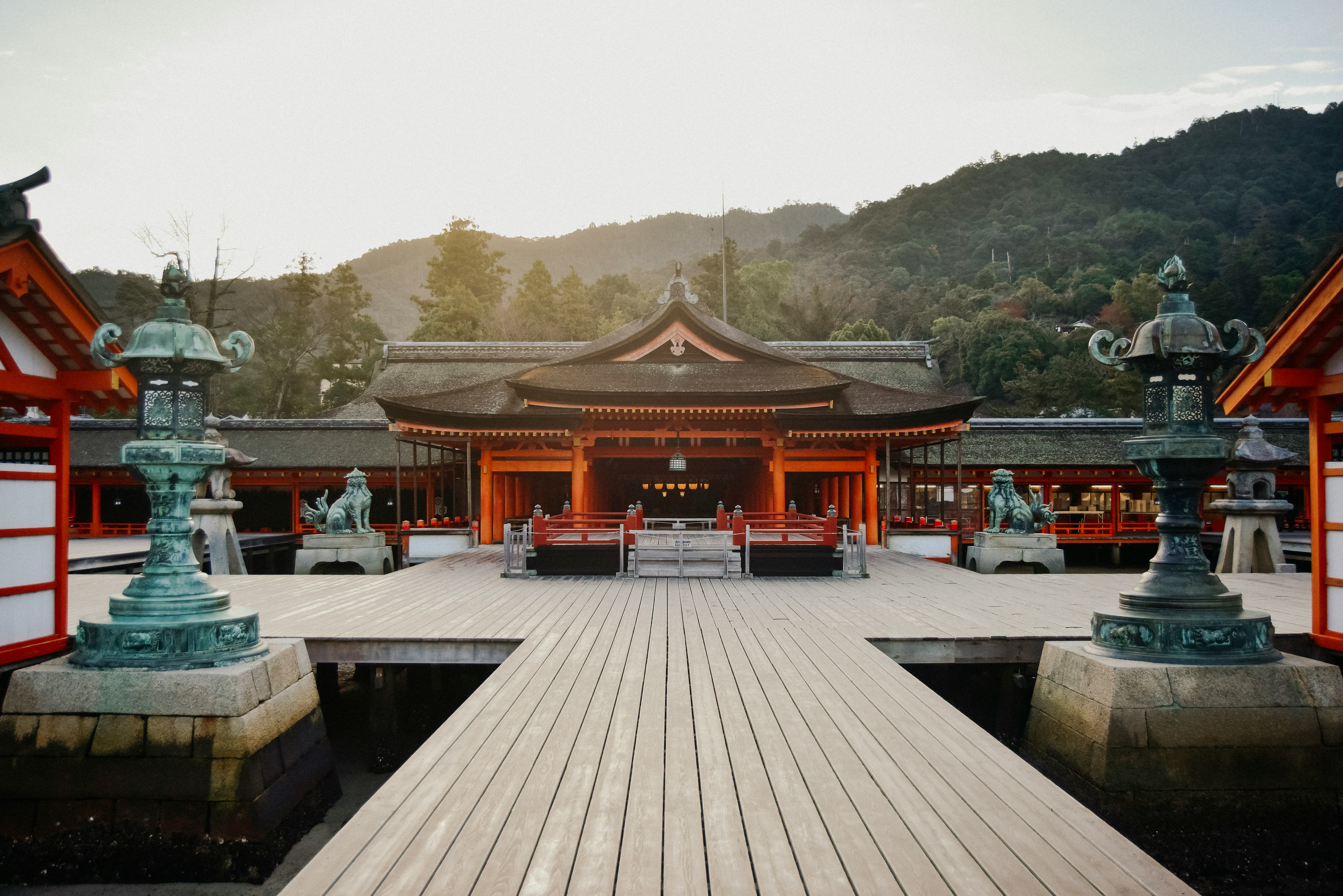
Itsukushima Shrine and Miyajima Island: Located on the nearby island of Miyajima, Itsukushima Shrine is famous for its floating torii gate, which appears to hover over the water at high tide. The island itself offers scenic walks, friendly deer, and beautiful coastal views perfect for couples, families, and solo travelers alike.
Okonomimura: Hiroshima-style okonomiyaki is a must-try, and Okonomimura is the city’s legendary okonomiyaki building with multiple floors of restaurants serving this savory pancake. It’s a lively, interactive experience where you can watch your meal cooked right in front of you.
Shukkeien Garden: A serene escape in the heart of Hiroshima, Shukkeien Garden features traditional Japanese landscaping, tea houses, and winding paths around miniature lakes. It’s an ideal spot to pause, reflect, and enjoy nature after exploring the city.
Hiroshima Orizuru Tower: This modern observation tower offers panoramic views of Hiroshima and the Peace Memorial Park, along with an interactive experience folding paper cranes for peace. It’s a creative blend of culture, history, and cityscape photography opportunities.
Day Trip to Onomichi (Senkoji Park) or Iwakuni (Kintai Bridge): Both Onomichi and Iwakuni make excellent day trips. Onomichi is a charming hillside town with temples like Senkoji Park, while Iwakuni features the iconic Kintai Bridge and riverside walks—perfect for families or couples seeking a quiet escape.
Oyster Tasting in Hiroshima: Hiroshima is famous for its oysters, served fresh, grilled, or in hotpots at local restaurants. Sampling these is not just a meal—it’s a culinary dive into a regional specialty.
Mazda Zoom-Zoom Stadium: Sports fans will enjoy catching a baseball game at the home of the Hiroshima Carp. The stadium offers an energetic, family-friendly atmosphere and a glimpse into Japanese baseball culture.
Places to eat & drink
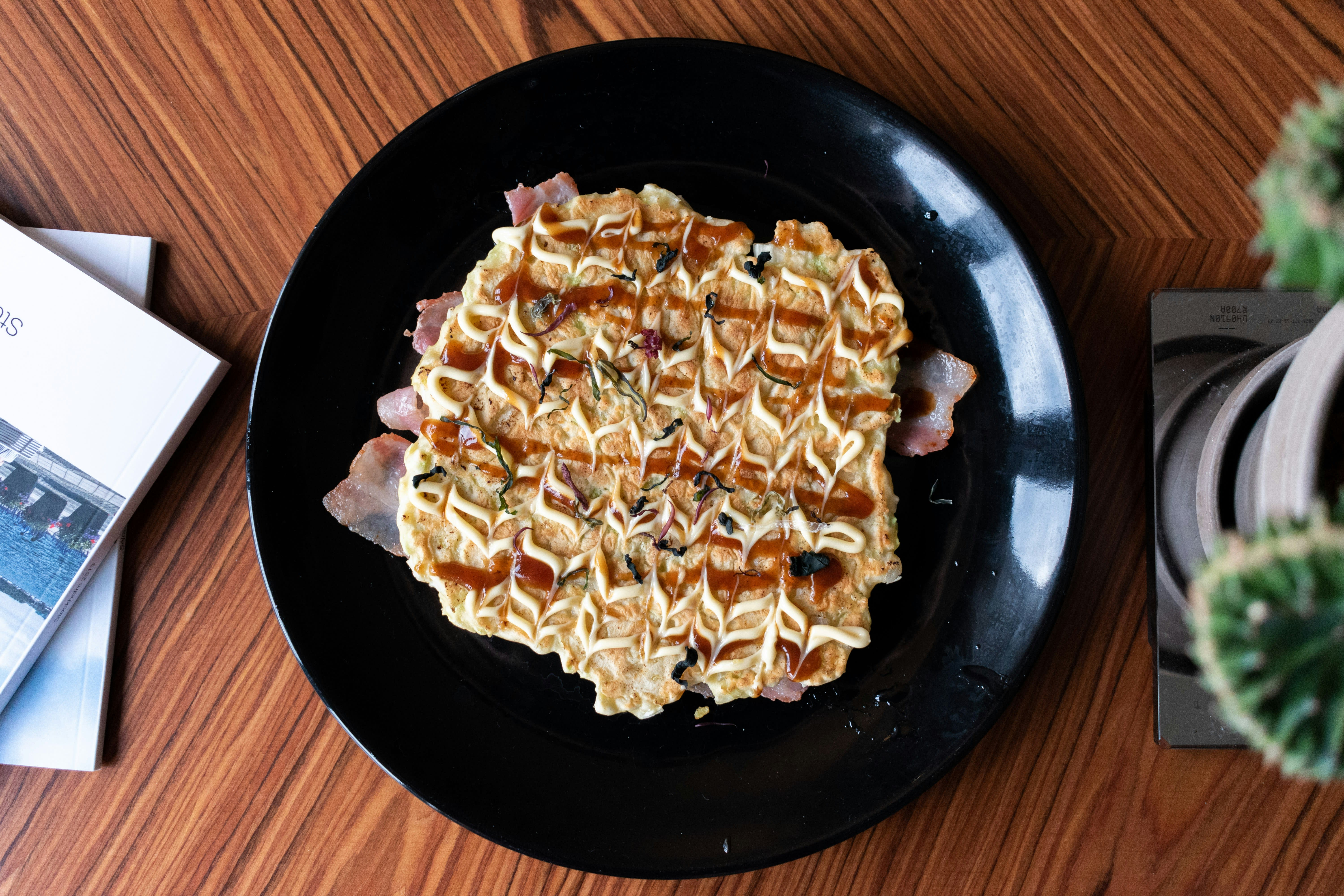
Okonomiyaki Mitchan Sohonten Hatchobori: One of Hiroshima’s most famous okonomiyaki spots, Mitchan Sohonten Hatchobori serves the savory pancake layered with noodles, cabbage, and local sauces. The lively atmosphere makes it perfect for solo diners or groups looking for an authentic experience.
Okonomimura: As mentioned earlier, this multi-story building is a must-visit for okonomiyaki lovers, with multiple venders serving their own unique versions. It’s a fun, bustling place where you can watch your meal cooked right in front of you.
Anagomeshi Ueno: Located in front of JR Miyajima-guchi Station on the opposite shore of Miyajima, Anagomeshi Ueno specializes in grilled eel over rice, a local delicacy. Its scenic location and fresh ingredients make it a perfect spot after exploring the island.
Kaki-goya (Oyster Shacks): Hiroshima is famous for its oysters, and Kaki-goya oyster shacks serve them fresh, grilled, or in hot pots. These casual, lively spots are a must-visit for seafood lovers wanting an authentic local experience.
Okonomiyaki Koshida: Known for its traditional Hiroshima-style okonomiyaki, Koshida uses high-quality ingredients and a family-style recipe passed down for generations. It’s a cozy spot where both locals and visitors gather.
Hiroshima Tsukemen Bakudan-ya: For noodle lovers, Bakudan-ya offers tsukemen (dipping noodles) with rich, flavorful broths and perfectly cooked noodles. The spicy options are popular for those seeking a bit of heat.
Onomichi Ramen Ichibankan: Located on the nearby Onomichi day-trip route, this ramen shop is known for its light soy-based broth and chewy noodles. It’s a must-stop for anyone exploring the Onomichi temples and streets.
Yakiniku Jin: A great choice for grilled meat lovers, Yakiniku Jin offers premium cuts cooked at your table. Ideal for groups or couples looking for a relaxed, interactive dining experience.
Okonomiyaki Hasshou: Another Hiroshima okonomiyaki institution, Hasshou combines a lively local energy with expertly prepared pancakes. It’s a classic stop to taste the city’s beloved specialty.
Need to know
Best time to visit:
Spring (March–April) for cherry blossoms and autumn (October–November) for colorful foliage, are the most picturesque times to visit. Avoid Golden Week (late April–early May) and Obon (mid-August) if possible, as trains, ferries, and popular attractions can be extremely crowded.
Getting around:
Hiroshima is very walkable, especially around Peace Park and downtown. The Hiroden tram is a convenient, inexpensive way to get around the city, and ferries to Miyajima depart regularly from the ferry pier near Miyajima-guchi Station. Solo travelers and families will find public transport efficient and easy to navigate.
Language and communication:
Many signs in Hiroshima are bilingual (Japanese and English), and staff at major tourist spots usually speak basic English. Still, learning a few phrases like “arigato” (thank you) or “sumimasen” (excuse me) can enhance interactions and show respect for local culture.
Cultural etiquette:
Be quiet and respectful in museums, shrines, and public transport.
Remove shoes when entering temples, certain restaurants, and ryokans.
When dining at oyster shacks or casual eateries, cash is often preferred over credit cards.
Food and dining tips:
Lunch hours can be busy at popular restaurants, so consider going early or mid-afternoon.
For a quieter dining experience on Miyajima, explore smaller streets off the main tourist paths.
Day trips and regional travel:
Iwakuni (Kintai Bridge) and Onomichi (temple walks and cycling paths) are excellent day trips that are easy to reach by train.
For solo travelers or couples wanting off-the-beaten-path experiences, consider exploring smaller towns or coastal areas around Hiroshima, which offer authentic local culture.
Accessibility and safety:
Hiroshima is generally safe for all types of travelers. Solo travelers and families will find it easy to navigate, with well-marked pedestrian paths and public transport. For elderly travelers, some shrines or older streets may have uneven surfaces, so comfortable shoes are recommended.
Cultural experiences:
Participate in folding paper cranes at Hiroshima Orizuru Tower, visit traditional gardens like Shukkeien, or take part in local festivals if your trip aligns with the dates. These experiences provide deeper insight into Hiroshima’s culture and people.
Even during busier times like Golden Week or Obon, early mornings and weekdays are generally less crowded at major attractions. Booking accommodations and transportations in advance is highly recommended.


Travel Advisor
Nicole Todd
Nicole Todd

Get in touch with Nicole Todd
Did you like this guide? Reach out to customize and book your own experience. Or, just to chat about travel in general.
For more inspiration and insider recommendations, visit our Japan page.