
Everything You Need to Know About Rocky Mountaineer’s First Passage to the West
Curated By
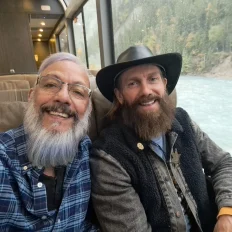
Cesar Monell & Alex Tufel
Curator’s statement
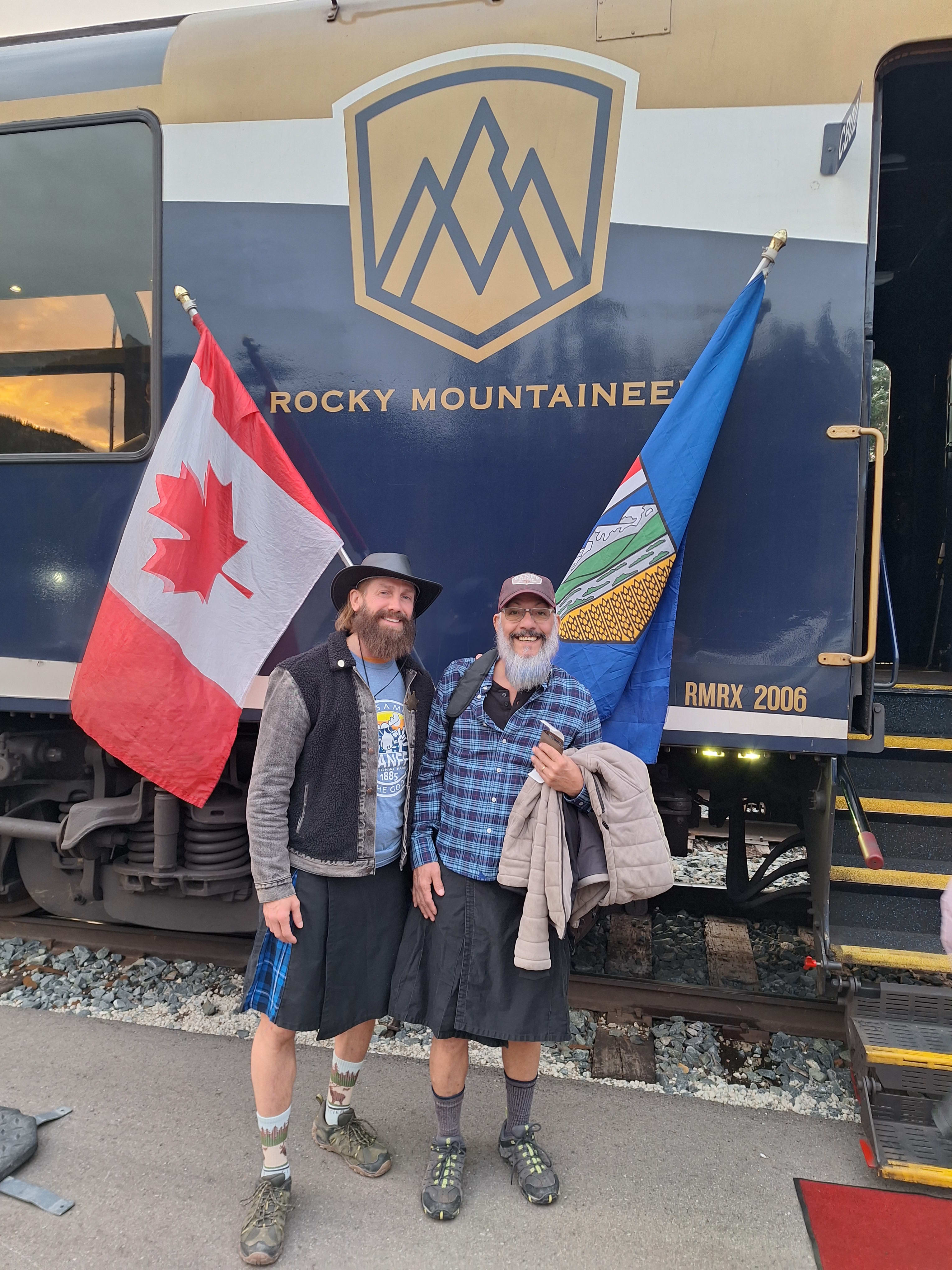
For us, Rocky Mountaineer's First Passage to the West was much more than a luxury train journey. It was an opportunity to slow down and experience the Canadian Rockies in a way that's impossible from a car or airplane, while discovering the stories, history, and landscapes that make this region so extraordinary. By pairing time in Banff, the journey aboard Rocky Mountaineer, and a stay in Vancouver, this itinerary showcases the incredible diversity of Western Canada. It's a vacation that blends breathtaking scenery, exceptional hospitality, and unforgettable experiences into memories that will last a lifetime.
The Fora Difference
Book with Cesar Monell & Alex Tufel to access exclusive perks and experiences on your trip.

Killer perks
Free upgrades, spa credits and more—we got you

Personalized recs
Customized travel planning for your style

Insider knowledge
Expert advice from people who’ve actually been there
Where to stay
Unlock perks by contacting Cesar Monell & Alex Tufel to book your trip.
Day 1: Experience Banff before you board
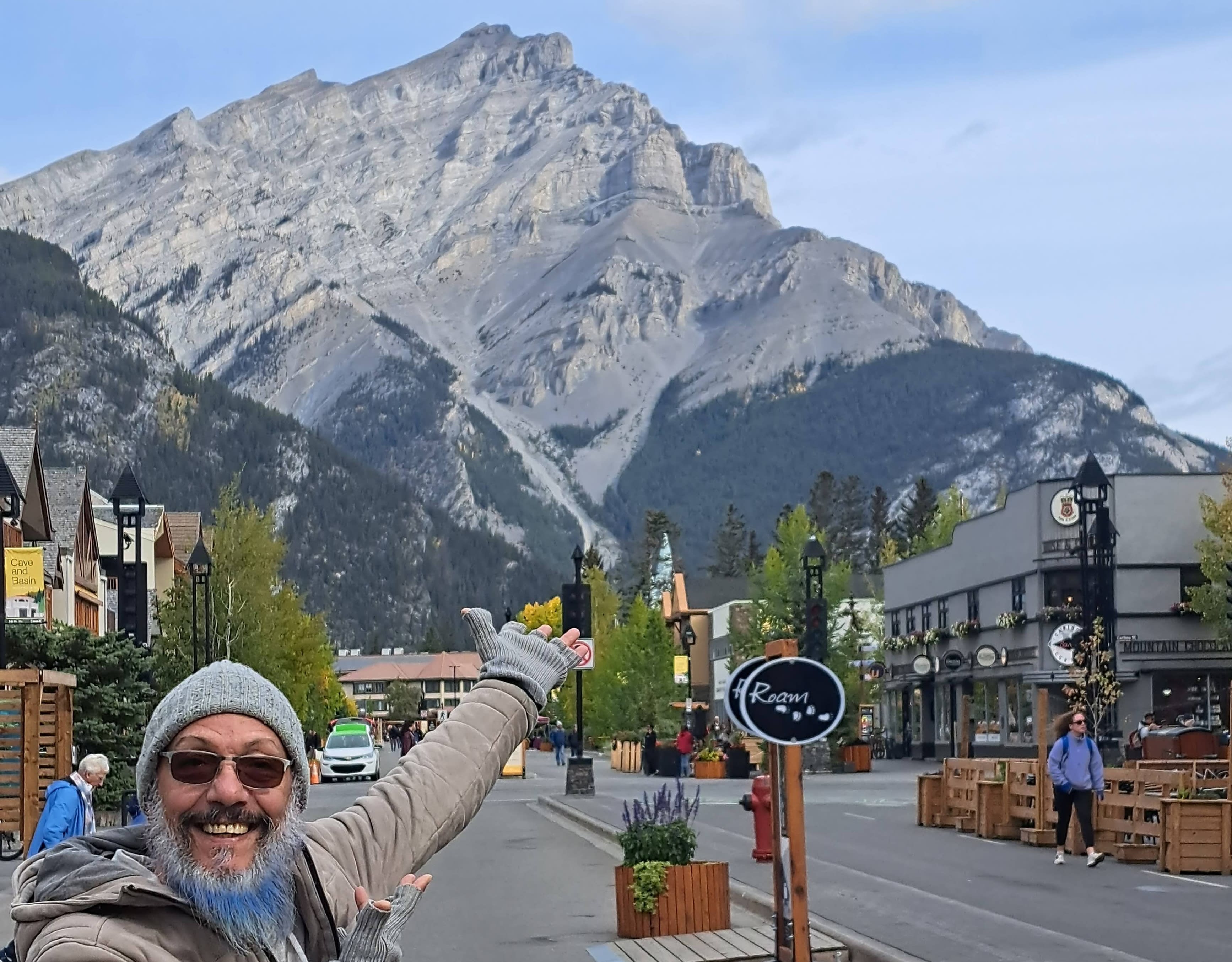
Enjoying downtown Banff
Spend a few days in the Canadian Rockies
For many travelers, Banff is where the Rocky Mountaineer journey begins. But treating Banff as simply a departure point means missing one of the world's most spectacular mountain destinations.
Nestled within Banff National Park, Canada's first national park and a UNESCO World Heritage Site, Banff offers breathtaking mountain scenery, turquoise lakes, glacier-fed rivers, abundant wildlife, and endless opportunities for adventure and relaxation.
If your schedule allows, I highly recommend arriving two to four days before boarding Rocky Mountaineer's First Passage to the West. Those extra days allow you to experience many of the Canadian Rockies' most iconic attractions while settling into the slower pace that makes this journey so memorable.
Whether you're looking for scenic drives, hiking, wildlife encounters, exceptional dining, or simply time to unwind, Banff deserves to be experienced, not rushed through.
Alexander and Cesar's perspective
Before arriving, we thought of Banff as the starting point of our Rocky Mountaineer journey. After spending time here, we realized Banff is a destination all its own. Looking back, we can't imagine beginning the trip any other way.
How Many Days Should You Spend in Banff? One night is perfect if your primary focus is Rocky Mountaineer. You'll have time to settle into your hotel, explore downtown Banff, enjoy dinner, and wake up refreshed for your train departure. But two or three nights is the ideal amount of time for most travelers. You'll have enough time to explore Banff, ride the Banff Gondola, enjoy a scenic hike, discover local restaurants, and perhaps experience a rafting excursion or wildlife tour.
Opt for four or more nights if the Canadian Rockies are a major part of your vacation, consider extending your stay even longer. Banff serves as an excellent base for visiting Lake Louise, Moraine Lake (seasonal), Johnston Canyon, Yoho National Park, and driving the spectacular Icefields Parkway to the Columbia Icefield and Athabasca Glacier.
Advisor tip: Whenever possible, avoid arriving the same day your Rocky Mountaineer journey begins. Spending at least one night in Banff gives you time to relax after traveling and ensures you're ready to fully enjoy the experience from the moment you board.
Where to stay
Rocky Mountaineer offers several Banff hotel options for both GoldLeaf Service and SilverLeaf Service vacation packages. For our stay, we chose Banff Caribou Lodge & Spa, conveniently located along Banff Avenue.
After a day of travel, relaxing in the hot pool, steam room, sauna, and fitness facilities was the perfect way to begin our Canadian Rockies vacation. The on-site Red Earth Spa also offers massages and wellness treatments for travelers looking to unwind before boarding Rocky Mountaineer.
Alexander and Cesar's perspective: Sitting in the outdoor hot pool surrounded by mountain air after a day of travel was exactly what we needed. It slowed the pace, helped us relax, and marked the real beginning of our vacation.
Top things to do
Ride the Banff Gondola: One of Banff's signature experiences, the Banff Gondola carries visitors to the summit of Sulphur Mountain, where panoramic views stretch across six mountain ranges. The short boardwalk to Sanson's Peak is easy to walk and rewards visitors with breathtaking views in every direction.
Explore Banff's hiking trails: Banff offers hiking opportunities for every level of adventurer. Some of our favorites include: Johnston Canyon, Tunnel Mountain, Lake Agnes Tea House, Plain of Six Glaciers, and Sunshine Meadows (seasonal). Whether you're looking for a gentle walk or an alpine adventure, there's a trail waiting for you.
Drive the Icefields Parkway: If you only have time for one full-day excursion before boarding Rocky Mountaineer, make it the Icefields Parkway. Often ranked among the world's most scenic drives, this unforgettable highway connects Banff and Jasper through glaciers, waterfalls, turquoise lakes, and abundant wildlife. A highlight is visiting the Columbia Icefield, where specially designed Ice Explorer vehicles carry visitors directly onto the ancient Athabasca Glacier. Nearby, the Columbia Icefield Skywalk offers breathtaking views through its glass-floored observation platform suspended high above the Sunwapta Valley. Photography tip: Start your Icefields Parkway drive early in the morning. Wildlife is often more active, the lighting is softer, and you'll have fewer crowds at popular stops like Bow Lake, Peyto Lake, and the Columbia Icefield.
Experience whitewater rafting: See the Canadian Rockies from a different perspective with a rafting excursion. Whether you choose a gentle scenic float or an exciting whitewater adventure, rafting is one of Banff's most memorable outdoor experiences.
Explore Banff by bike: Banff's excellent cycling paths make it easy to explore the Bow Valley at your own pace. Bike rentals are readily available throughout town during the warmer months.
Wander through downtown Banff: One of the simplest pleasures is strolling along Banff Avenue. Browse local boutiques, art galleries, outdoor outfitters, cafés, and souvenir shops while enjoying mountain views in every direction.
Where to eat in Banff
Banff's dining scene offers something for every taste, from classic Alberta steaks to exceptional Japanese cuisine. Some of our favorite recommendations include:
The Keg Steakhouse + Bar for premium Alberta steaks and seafood.
The Grizzly House for its iconic fondue and unique mountain dining experience.
Shoku Izakaya for creative Japanese small plates, sushi, ramen, and handcrafted cocktails.
Sushi House Banff for fresh sushi and traditional Japanese specialties.
Bear Street Tavern for artisan pizza, local beer, and one of Banff's favorite casual dining spots.
Reservations are highly recommended during the summer and fall travel season.
Alexander and Cesar's perspective: Banff's restaurant scene surprised us just as much as its scenery. We expected excellent steaks, but discovering outstanding Japanese cuisine in the heart of the Canadian Rockies became one of the unexpected highlights of our stay.
If your schedule allows, spend three nights in Banff before boarding Rocky Mountaineer. That gives you one full day to explore Banff itself and another to experience the Icefields Parkway, Columbia Icefield, and Athabasca Glacier without feeling rushed. It transforms your vacation from an incredible train journey into a complete Canadian Rockies experience.
Why Banff is worth the extra time
Rocky Mountaineer may be the reason many travelers come to Banff, but the town quickly becomes much more than a place to catch a train.
Whether you're hiking through alpine meadows, standing on a glacier, soaking in a hot pool after a day of exploring, or enjoying dinner with mountain views, Banff sets the stage for everything that follows.
By the time you board Rocky Mountaineer, you'll already have fallen in love with the Canadian Rockies, making every mile of the journey to Vancouver even more meaningful.
Day 2: Banff to Kamloops
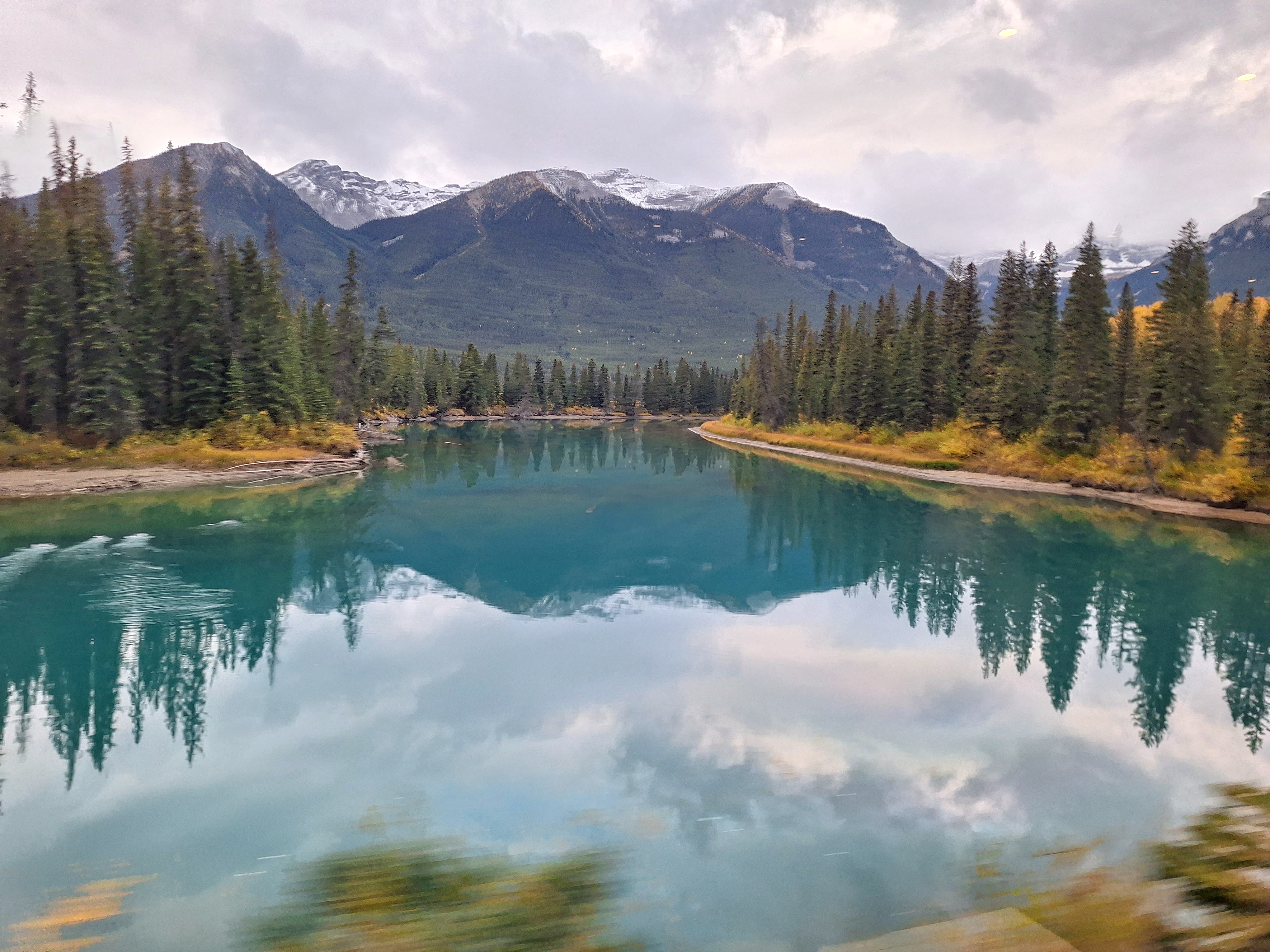
Rocky Mountaineer view
After spending time exploring Banff and the Canadian Rockies, it's finally time to board one of the world's most celebrated luxury rail journeys.
The first day aboard Rocky Mountaineer's First Passage to the West takes you from Banff to Kamloops, crossing the heart of the Canadian Rockies before descending into British Columbia's interior. Along the way, you'll travel through towering mountain passes, glacier-fed valleys, rushing rivers, and historic railway landmarks that helped shape Canada's history.
One of the things that makes Rocky Mountaineer unique is that the train operates exclusively during daylight hours, allowing you to experience every scenic highlight. While your checked luggage is transferred directly to your overnight hotel in Kamloops, you'll travel with only a small carry-on, making the journey relaxed and effortless.
Boarding Rocky Mountaineer
Your morning begins with a shuttle transfer from your Banff hotel to the Rocky Mountaineer station. Boarding is smooth, organized, and welcoming. Shortly after taking your seat, the train departs Banff as your hosts introduce themselves and explain the day's journey.
Throughout the day, they'll share fascinating stories about the Canadian Pacific Railway, the geology of the Canadian Rockies, Indigenous history, wildlife, and the engineering achievements that made this remarkable railway possible. From the moment the train begins rolling west, it becomes clear that this is much more than transportation. It's an immersive travel experience. Alexander and Cesar's perspective: One of the biggest surprises wasn't just the scenery. It was the onboard hosts. Their storytelling transformed mountains, rivers, and railway bridges into living history. Every landmark suddenly had a story, making the journey feel far more meaningful than simply admiring beautiful landscapes.
Leaving Banff, spectacular scenery unfolds almost immediately. The train follows the Bow Valley toward Lake Louise, surrounded by towering peaks and dense evergreen forests.
One of the first major landmarks is Castle Mountain, rising more than 9,000 feet (2,766 m) above the valley floor. Its dramatic profile makes it one of Banff National Park's most recognizable peaks and one of the day's first unforgettable photo opportunities.
Shortly afterward, you'll pass through the Lake Louise area before climbing toward the Continental Divide, where Alberta meets British Columbia.
Crossing the Divide is more than a provincial border. It marks the point where rivers begin flowing toward different oceans while following one of the most historic railway routes in North America. Photography tip: Keep your camera ready shortly after departing Banff. Castle Mountain, the Bow Valley, and the approach to Lake Louise arrive quickly, and the morning light often creates beautiful contrast on the surrounding peaks. Clean your train window before departure for the sharpest photos.
Kicking Horse Pass and the Kicking Horse River
As the train descends through Kicking Horse Pass, you'll begin following the striking turquoise waters of the Kicking Horse River. Named after a surveyor who was kicked unconscious by one of his pack horses, the river winds through dramatic valleys, waterfalls, dense forests, and towering cliffs. This stretch offers some of the most breathtaking scenery of the day and is an excellent opportunity to watch for wildlife including bald eagles, ospreys, deer, mountain goats, elk, and occasionally black bears. Alexander and Cesar's perspective: Castle Mountain may have captured our attention first, but following the Kicking Horse River was when we truly settled into the rhythm of the journey. Watching the turquoise water weave through the valley while enjoying the comfort of the train reminded us why traveling by rail offers such a unique perspective.
Historic landmarks along the route
One of the highlights of Rocky Mountaineer is learning the stories behind the scenery. As you travel west, you'll pass Stoney Creek Bridge, one of the great engineering achievements of the Canadian Pacific Railway. Spanning a deep mountain valley with waterfalls nearby, it remains one of the route's most photographed landmarks.
Later, you'll reach Craigellachie, where the famous Last Spike was driven on November 7, 1885, completing Canada's first transcontinental railway and forever connecting the country from coast to coast. Alexander and Cesar's perspective: Before our trip, Craigellachie was simply another stop on the route. After hearing its history, it became one of the most meaningful moments of the journey. It's incredible how one ceremonial spike helped shape an entire nation.
Dining aboard Rocky Mountaineer is every bit as memorable as the scenery outside your window. Throughout the day, freshly prepared meals are served at your seat while panoramic views continue unfolding beyond the glass. Breakfast is French toast or scrambled eggs with breakfast potatoes, fresh coffee and juice. Morning refreshments include mixed nuts, coffee, tea, wine, beer, cocktails, and soft drinks. Lunch is prime rib with seasonal vegetables, Cabernet or Merlot, and cheesecake for dessert. Afternoon service includes brie cheese, crackers, dates, Sauvignon Blanc or Bulleit Bourbon.
As our train approached Kamloops, we encountered a slight delay. Rather than simply waiting until arrival, the crew surprised everyone with an additional dinner of pork dumplings over rice paired with a Dark & Rocky cocktail, a thoughtful gesture that perfectly reflected the outstanding hospitality onboard.
We expected beautiful scenery. We didn't expect dining that rivaled many upscale restaurants. Every meal felt thoughtfully prepared, and somehow the food tasted even better while mountains, rivers, and forests drifted past our window. Advisor tip: Don't skip breakfast, even if you're not usually a morning eater. The scenery begins almost immediately after departure from Banff, and breakfast service allows you to enjoy incredible mountain views without missing a moment of the journey.
Arriving in Kamloops
As the afternoon progresses, the scenery changes dramatically. The rugged peaks of the Canadian Rockies gradually give way to the rolling hills and semi-arid grasslands surrounding Kamloops, providing a striking contrast to the alpine landscapes earlier in the day. Upon arrival, you'll board a motorcoach for a short transfer to your hotel.
For our overnight stay, we checked into the Fairfield Inn & Suites by Marriott Kamloops, where we rested before continuing our journey to Vancouver the following morning. Advisor tip: Pack a small day bag with everything you'll need onboard, including your camera, sunglasses, medications, charging cable, binoculars, and a light sweater. Your checked luggage will be waiting for you at your Kamloops hotel, allowing you to fully enjoy the journey without worrying about your bags.
If you're traveling in Gold Leaf Service, spend time on the outdoor viewing platform whenever the weather permits. Some of our favorite memories weren't from our seats, but from feeling the cool mountain air while watching the Canadian Rockies pass by without a window between us and the scenery. Photography tip: Some of the day's best photographs aren't taken at famous landmarks. Watch for reflections on rivers, waterfalls cascading beside the tracks, and layers of mountain ridges disappearing into the distance. Taking a few moments to simply observe before reaching for your camera often leads to your favorite images.
By the time we arrived in Kamloops, we realized the journey wasn't defined by a single breathtaking view. It was the combination of incredible scenery, fascinating history, exceptional service, and the feeling of slowing down long enough to truly appreciate the Canadian Rockies. That's what made the first day aboard Rocky Mountaineer so unforgettable.
Day 3: Through canyons and river valleys to Vancouver
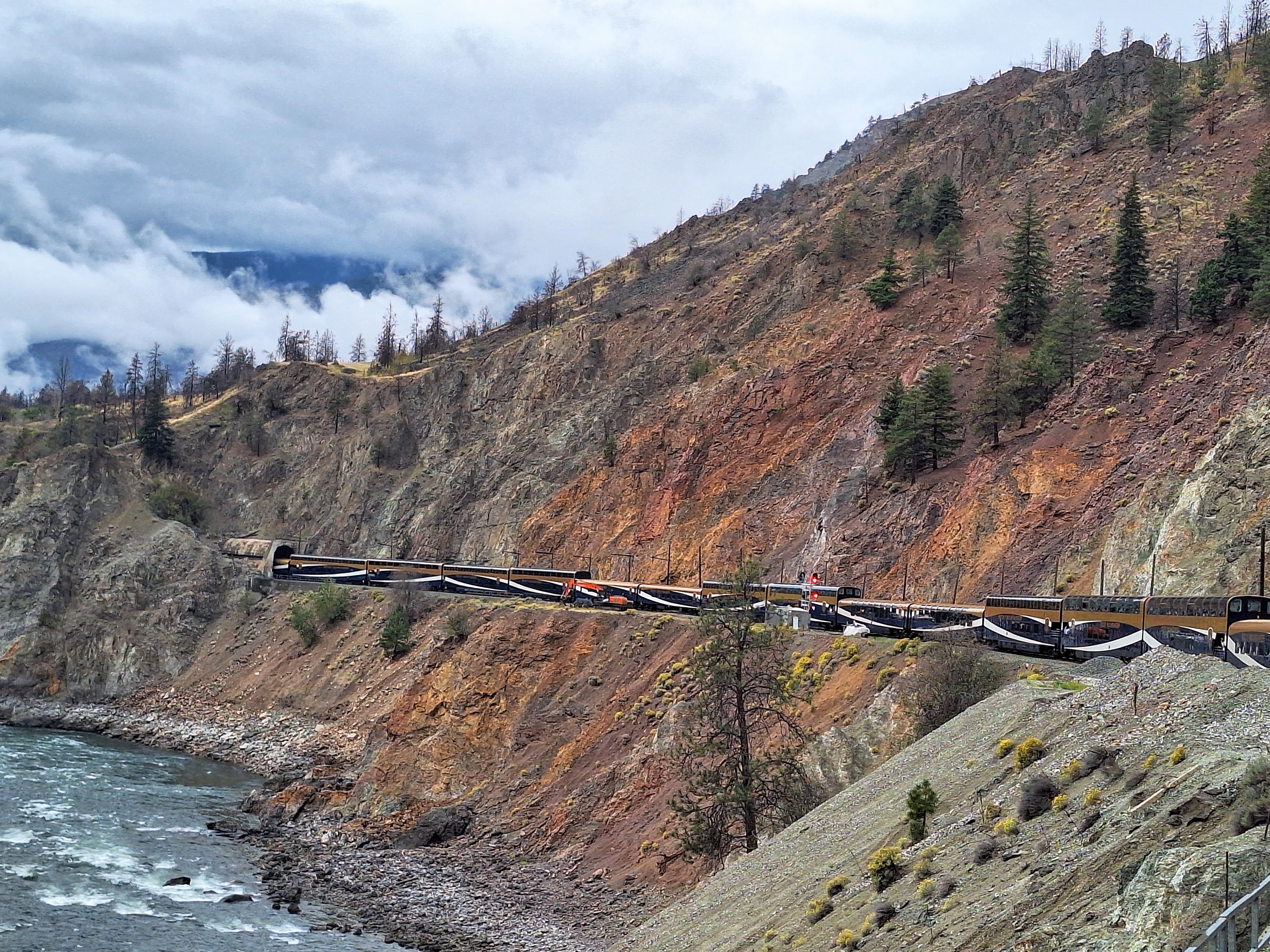
Rocky Mountaineer train
After an overnight stay in Kamloops, you'll board Rocky Mountaineer for the final leg of your journey to Vancouver. While the towering peaks of the Canadian Rockies are now behind you, today's landscapes are remarkably different and equally fascinating.
As the train heads west, you'll travel through British Columbia's ranch lands, dramatic river canyons, lush forests, and fertile valleys before arriving on Canada's Pacific Coast. It's a day of constant change, where every hour reveals a new landscape and another chapter in the story of Western Canada.
Departing Kamloops
Your morning begins with a short shuttle ride from your hotel back to the Rocky Mountaineer station. Once aboard, you'll settle into your seat as the train departs Kamloops and follows the Thompson River westward. Breakfast is served shortly after departure, allowing you to enjoy your meal while watching the morning light illuminate the surrounding hills and river valleys. During our journey, breakfast included fresh croissant, seasonal fruit, egg quiche, breakfast potatoes, bacon, and freshly brewed coffee. It's a relaxing way to begin another day of incredible scenery.
We noticed how different the atmosphere felt compared to the first day. Everyone was more relaxed. Conversations flowed easily between passengers, the staff greeted many guests by name, and it felt less like a train ride and more like spending the day with new friends.
A landscape in constant transition
One of the most fascinating parts of today's journey is watching British Columbia transform before your eyes. Leaving Kamloops, the lush alpine forests of the Rockies give way to rolling hills covered in sagebrush and grasslands. It's hard to believe you're still in the same province.
As the train follows the Thompson River, you'll notice dramatic cliffs, wide river valleys, and open ranch country unlike anything seen the previous day.
Gradually, the landscape begins changing once again as forests return, rivers narrow, and mountains become steeper approaching the Fraser Canyon.
Don't assume the second day is less scenic because you've left the Rockies. Many travelers are surprised to find that the dramatic river canyons and constantly changing landscapes become some of their favorite memories of the entire journey.
Today's route offers excellent opportunities for wildlife viewing. Keep your eyes on the trees, cliffs, and riverbanks for bald eagles, ospreys and their impressive nests, mule deer, black bears, and big horn sheep. Although we were hoping to spot bighorn sheep, they remained elusive. That's part of the excitement. Every trip is different. Photography tip: Wildlife often appears with little warning. Keep your camera ready and avoid putting it away for too long. A zoom lens or smartphone with optical zoom can make all the difference when an eagle suddenly appears overhead or wildlife is spotted along the riverbank.
Lytton and the meeting of two rivers
One of today's most memorable moments is passing through Lytton, where the Thompson River joins the mighty Fraser River. This small community gained international attention following the devastating wildfire of 2021, which destroyed much of the village. As you pass through, you'll witness the meeting of two powerful rivers whose contrasting colors are often visible before blending together downstream. It's a striking reminder of both the beauty and resilience of this remarkable region.
Hells Gate: One of the most dramatic highlights of the day is Hells Gate, the narrowest section of the Fraser River. Here, the canyon walls narrow to only 111 feet (34 meters) apart while an astonishing volume of water rushes through the gorge, more than twice the average flow of Niagara Falls. The sheer force of the river is impressive even from the train, and it's easy to understand why this location became one of British Columbia's most famous natural attractions. Hells Gate was one of those places that simply makes you stop talking. Everyone in our coach turned toward the windows as the train entered the canyon. The power of the Fraser River is something photographs can hint at, but experiencing it in person is unforgettable.
Lunch with a view: As always, dining is part of the experience. Lunch during our journey featured pork shoulder, mixed rice, seasonal vegetables, Shiraz wine, cheesecake with blueberry compote, and coffee with Baileys. Later in the afternoon we enjoyed another selection of cheeses, crackers, dates, figs, and a glass of Sumac Ridge Sauvignon Blanc from British Columbia's Okanagan Valley. Its crisp citrus notes paired perfectly with the scenery unfolding outside. One of the things we appreciated most was how the meals reflected the region we were traveling through. Enjoying wines from British Columbia while watching the province unfold outside the window added another layer to the experience.
As the afternoon progresses, the Fraser Valley gradually becomes greener and more populated. Forests become denser, small communities appear more frequently, and eventually you'll pass beneath the impressive Fraser River Bridge, signaling that Vancouver is just ahead. Soon afterward, Rocky Mountaineer arrives at its station in Vancouver, where motorcoaches transfer guests to their downtown hotels. For our stay, we checked into the Sheraton Vancouver Wall Centre, an excellent base for exploring one of Canada's most vibrant cities.
Don't rush to leave Vancouver the next morning. Plan at least two or three nights here to explore Stanley Park, Granville Island, Gastown, Capilano Suspension Bridge, and the city's outstanding restaurants before flying home or continuing your journey.
The final hour before arriving in Vancouver offers beautiful contrasts between forests, rivers, bridges, and the city's skyline. Keep your camera close until the very end of the journey. Some of the last photographs of the trip often become favorites because they capture the transition from wilderness to one of Canada's most beautiful cities.
Many travelers assume the highlight of Rocky Mountaineer is crossing the Canadian Rockies. While those mountain vistas are unforgettable, the journey from Kamloops to Vancouver reveals another side of British Columbia that's equally captivating. Dramatic river canyons, historic communities, abundant wildlife, and ever-changing landscapes ensure the final day is every bit as rewarding as the first.
Day 4: Explore Canada's Pacific Coast
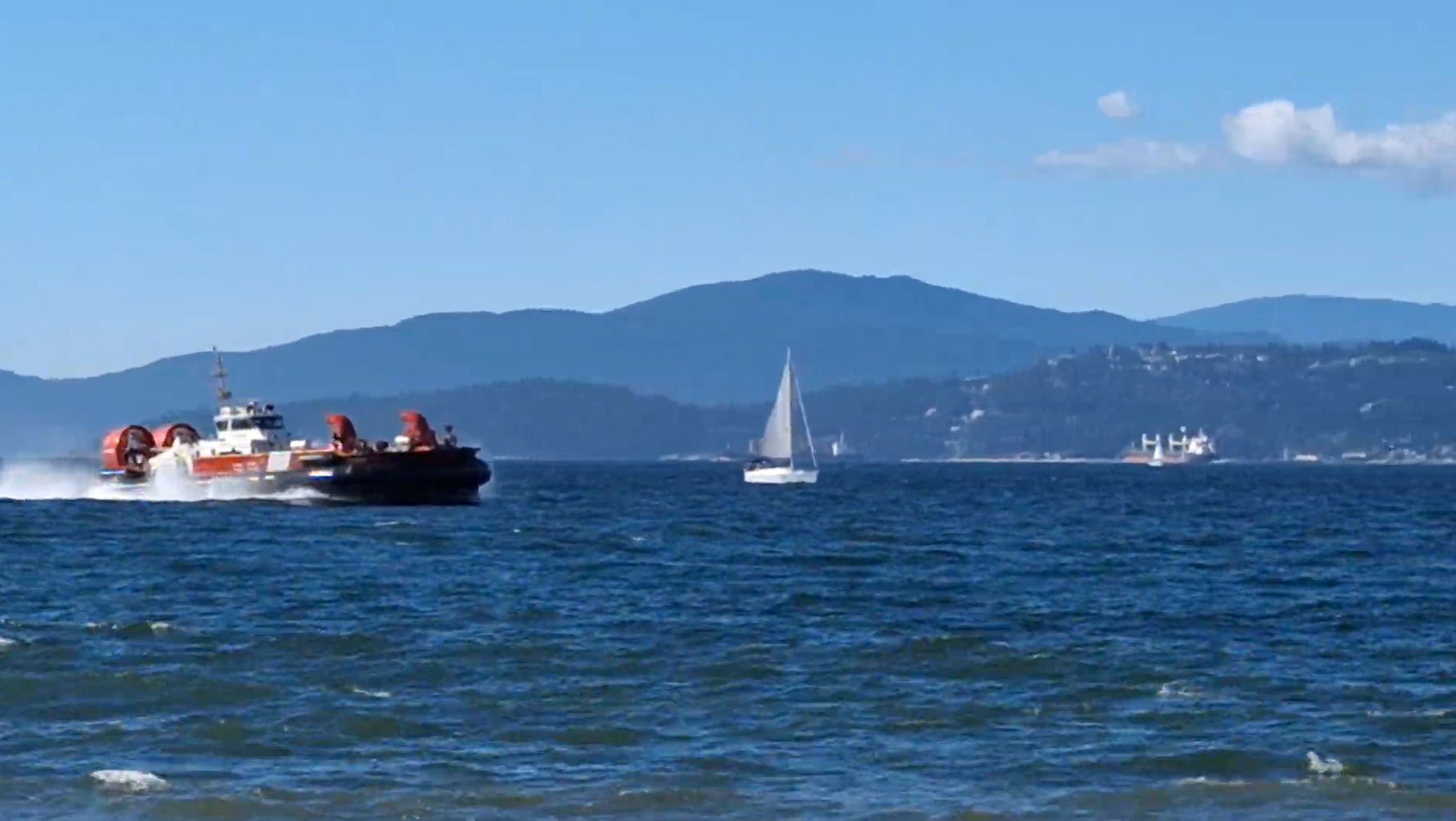
Vancouver Bay
Whether your Rocky Mountaineer journey ends in Vancouver or begins there, don't treat the city as simply a place to spend the night before catching a flight.
Consistently ranked among the world's most livable cities, Vancouver combines a spectacular natural setting with world-class dining, vibrant neighborhoods, scenic waterfronts, and easy access to mountains, forests, and the Pacific Ocean.
Spending two to four days here is the perfect way to complement your Canadian Rockies adventure. After days of towering mountain peaks and glacier-fed rivers, Vancouver offers a completely different side of British Columbia, one defined by coastal beauty, diverse cultures, and an easygoing pace.
For our stay, we checked into the Sheraton Vancouver Wall Centre, centrally located in downtown Vancouver and within easy reach of many of the city's top attractions.
If you're flying home the next day, spend the evening enjoying Vancouver's waterfront and one of its outstanding restaurants before departing.
However two to three nights is the ideal amount of time for most travelers. You'll have enough time to explore Stanley Park, Granville Island, Gastown, and Capilano Suspension Bridge while enjoying Vancouver's excellent culinary scene.
If staying four or more nights, consider day trips to Whistler, Victoria on Vancouver Island, or the scenic Sea-to-Sky Highway.
Where to stay
Downtown Vancouver offers accommodations for every style of traveler, with many hotels located within walking distance of restaurants, shopping, and the waterfront.
For our visit, we stayed at the Sheraton Vancouver Wall Centre, a comfortable and conveniently located hotel that made it easy to explore the city on foot and by public transit.
If you're looking for a luxury stay, consider one of Vancouver's iconic waterfront hotels, many of which offer beautiful views of Coal Harbour, Stanley Park, or the North Shore Mountains.
Top things to do in Vancouver
Stanley Park: Covering more than 1,000 acres, Stanley Park is one of the largest urban parks in North America.
Walk or cycle the famous Seawall, admire the Indigenous totem poles at Brockton Point, explore forested trails, or simply relax while enjoying views of English Bay and the city skyline.
Granville Island: Originally an industrial district, Granville Island has become one of Vancouver's most popular destinations.
Browse the Public Market, watch local artisans at work, enjoy fresh seafood, and sample everything from handmade chocolates to locally roasted coffee.
Gastown: As Vancouver's oldest neighborhood, Gastown blends historic architecture with modern restaurants, boutiques, galleries, and cafés.
Be sure to visit the famous Steam Clock before wandering the cobblestone streets.
Capilano Suspension Bridge Park: One of Vancouver's most iconic attractions, Capilano Suspension Bridge stretches 450 feet across the Capilano River.
The Cliffwalk and Treetops Adventure provide unique perspectives of the coastal rainforest and are favorites among photographers.
Vancouver Lookout: For a panoramic introduction to the city, ride the glass elevator to the Vancouver Lookout. From the observation deck, you'll enjoy sweeping views of downtown, Burrard Inlet, Stanley Park, the North Shore Mountains, and, on a clear day, even Vancouver Island.
English Bay: Whether you're taking an evening stroll, enjoying sunset, or simply relaxing along the waterfront, English Bay is one of Vancouver's most beautiful gathering places.
Cruise False Creek: One of the most relaxing ways to experience Vancouver is from the water. Whether aboard a small ferry, sightseeing cruise, or private charter, you'll enjoy unique views of the city's skyline, marinas, and waterfront neighborhoods.
Where to eat in Vancouver
Vancouver has earned an international reputation for its culinary scene, particularly its seafood and Asian cuisine. Reservations are recommended, particularly during the summer months. Some excellent choices include:
Blue Water Cafe for exceptional seafood.
Miku Vancouver for its famous Aburi sushi.
Joe Fortes Seafood & Chop House for fresh seafood and steaks.
Botanist for creative Pacific Northwest cuisine.
Cardero's Restaurant for waterfront dining in Coal Harbour.
Vancouver felt like the perfect finale to our Rocky Mountaineer journey. After days surrounded by mountains, glaciers, and rivers, arriving in a vibrant waterfront city with incredible restaurants and beautiful parks created a wonderful contrast. Rather than feeling like the trip was ending, it felt like one last adventure.
Easy day trips from Vancouver
If you have an extra day or two, consider exploring beyond the city.
Sea-to-Sky Highway & Whistler: One of Canada's most scenic drives leads north to Whistler, passing waterfalls, coastal mountains, and spectacular viewpoints along the way.
Victoria: Take a ferry to Vancouver Island and visit British Columbia's charming capital, known for the world-famous Butchart Gardens, the Inner Harbour, and afternoon tea at the Fairmont Empress.
Grouse Mountain: Just minutes from downtown, Grouse Mountain offers hiking, wildlife encounters, scenic chairlifts, and panoramic views over Vancouver.
If your schedule allows, don't book your flight home the morning after arriving in Vancouver. Spending at least two or three nights here transforms your Rocky Mountaineer vacation into a complete Canadian Rockies and Pacific Coast experience.
Some of Vancouver's best photographs are taken during the hour before sunset. Stanley Park, Canada Place, Coal Harbour, English Bay, and Granville Island all offer outstanding opportunities to capture the city skyline with the North Shore Mountains as a backdrop.
The Canadian Rockies and Vancouver couldn't be more different, yet they complement one another perfectly. Your Rocky Mountaineer journey begins among snow-capped peaks, turquoise rivers, and alpine forests before gradually revealing British Columbia's river valleys, canyons, vineyards, and finally the Pacific Coast. By spending a few days in Vancouver, you'll experience the full diversity of Western Canada, from the towering peaks of Banff National Park to one of North America's most beautiful waterfront cities. It's the perfect ending to an unforgettable journey.
Looking back, it wasn't one destination that made this trip unforgettable. It was the way each experience built upon the last. Banff introduced us to the majesty of the Canadian Rockies. Rocky Mountaineer allowed us to experience those landscapes in a completely different way. Vancouver provided the perfect ending, blending nature, culture, and world-class dining into a city we wished we had even more time to explore.
Rocky Mountaineer's First Passage to the West is much more than a train ride between Banff and Vancouver. It's an immersive journey through the landscapes, history, and culture that helped shape Western Canada. Whether you're celebrating a milestone, planning a once-in-a-lifetime vacation, or simply looking for one of the world's great rail experiences, this journey offers a remarkable combination of luxury, scenery, and storytelling. For us, it wasn't just about reaching Vancouver. It was about slowing down, sharing unforgettable moments together, and discovering that sometimes the journey truly is the destination.
Make this more than a train trip. Pair your Rocky Mountaineer journey with extra time in Banff and Vancouver, and if your schedule allows, include the Icefields Parkway, Lake Louise, or even an Alaska cruise. Those additions transform an exceptional rail journey into a truly unforgettable Western Canada vacation.

Travel Advisor
Cesar Monell & Alex Tufel
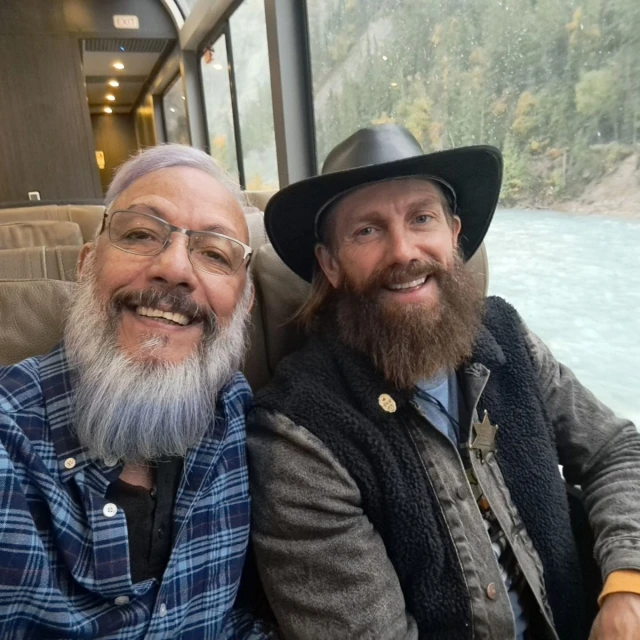
Cesar Monell & Alex Tufel

Get in touch with Cesar Monell & Alex Tufel
Did you like this guide? Reach out to customize and book your own experience. Or, just to chat about travel in general.
For more travel inspiration and insider recommendations, check out our Canada page.