



Curator’s statement
Peru is so much more than Machu Picchu. From the metropolitan energy of Lima, to the wild depths of the Amazon, to the historic Incan capital of Cusco, this country truly has it all. It's also quietly become one of the world's top culinary destinations. Peru is home to the #1 restaurant in the world—Central in 2023 and Maido in 2025—along with several other restaurants ranking in the global top 10. This was another solo adventure for me, and out of 33 countries visited, Peru has landed in my top three. It's one of the most underrated destinations in the world, and it deserves a spot on every traveler's list.
The Fora Difference
Book with Destinations Abroad to access exclusive perks and experiences on your trip.

Killer perks
Free upgrades, spa credits and more—we got you

Personalized recs
Customized travel planning for your style

Insider knowledge
Expert advice from people who’ve actually been there
Where to stay in Peru
Unlock perks by contacting Destinations Abroad to book your trip.
Things to do in Peru
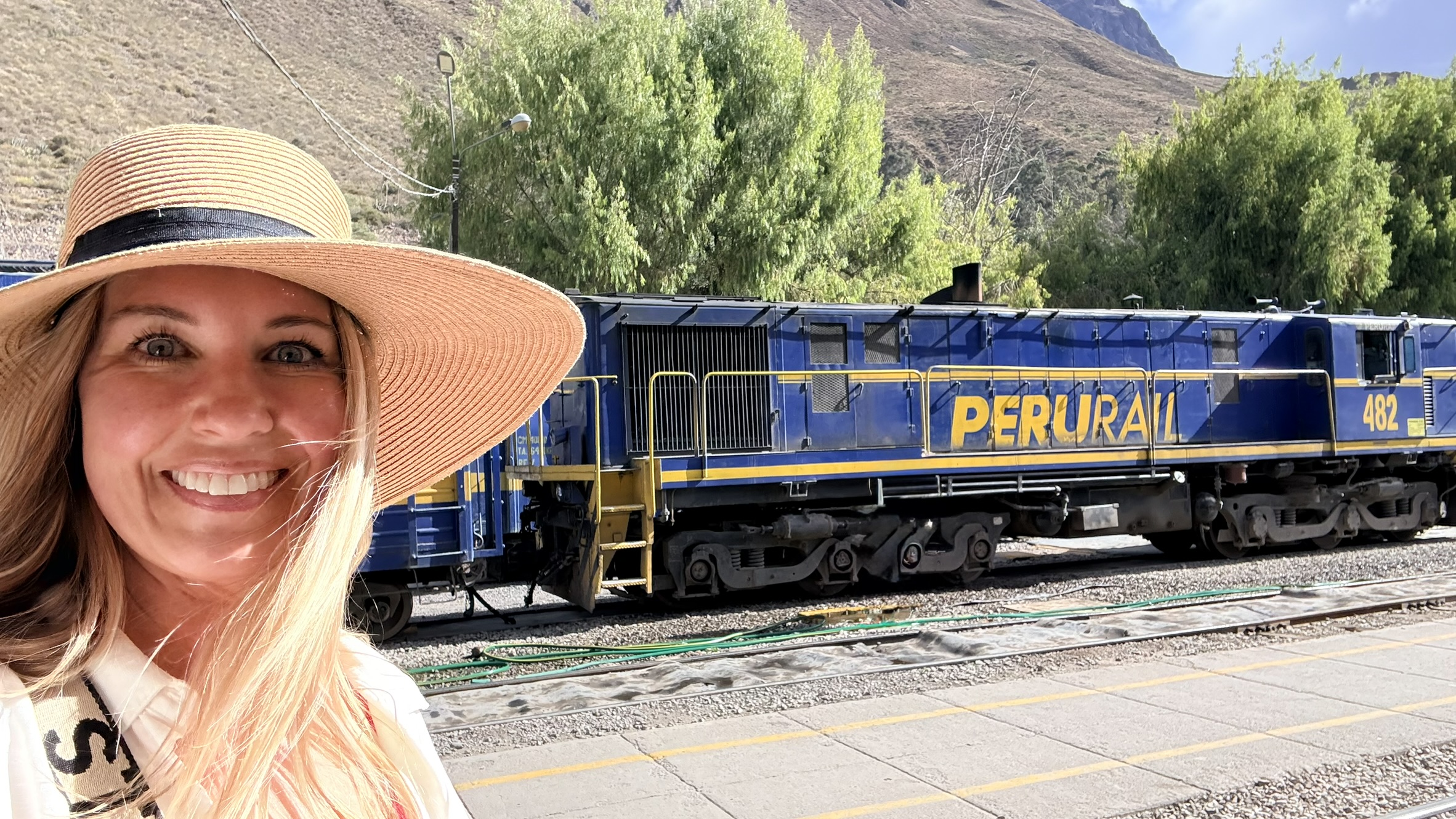
Me waiting to board my ride to Machu Picchu
Lima
I based myself in Miraflores, walkable and polished, with San Isidro and Barranco as solid alternatives. I felt safe even walking at night. Day one was for orientation: a walking tour through Plaza San Martín, the striking Basílica of Nuestra Señora de la Merced, and the eerie catacombs beneath Convento de San Francisco, ending in Lima's grand Plaza Mayor. In the afternoon, I shopped at Larcomar, an open-air mall built into the cliffs above the Pacific, waves crashing below as you browse. An unforgettable way to unwind after a morning on foot.
Amazon River cruise
The undisputed highlight of the trip: four days aboard the Aqua Expeditions Aria, an intimate 16-cabin vessel with a nearly 1:1 crew-to-guest ratio and floor-to-ceiling windows that make waking up over the Amazon feel like a private event.
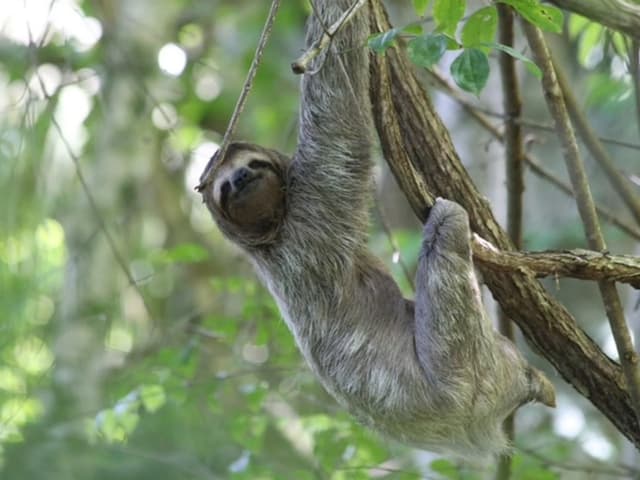
This is an expedition, not a cruise, closer to an African safari on water. Twice-daily skiff excursions wind through hidden tributaries in search of pink dolphins, macaws, sloths, caimans, and yes, a 6-foot baby anaconda. Downtime brings piranha fishing and a visit to a local river village (I brought school supplies to donate).
The Peruvian Amazon is sparsely populated enough that it often feels like just you and nature. Four days completely removed from the outside world, and one of the most unforgettable stretches of any Peru itinerary.
Cusco
From the Amazon, I flew to Cusco, the ancient Inca capital, layered with Spanish colonial history and sitting over 11,000 feet above sea level. Take the first 24–48 hours easy while you acclimate; altitude tablets help, and so does the local coca tea and candies, a centuries-old Incan remedy. Alpacas and llamas roam everywhere, and locals love explaining how they differ from their wild cousins, the vicuña and guanaco. For authentic alpaca textiles, skip the tourist stalls and head to reputable shops like Kuna or Sol Alpaca. One more thing you'll notice: a rainbow flag flying across the city. Not the LGBTQ flag, it's actually the flag of the Inca Empire.
Maras and Moray
To ease into the altitude, I spent my first few days in the Sacred Valley (7,000 feet) before heading into Cusco. A day tour through the Andes covered three unmissable stops: the Maras Salt Flats, thousands of ancient pools still hand-farmed today from a natural salt spring; Moray, where the Incas engineered circular terraces to grow crops across varying microclimates; and Chinchero, where locals demonstrate traditional textile dyeing using natural ingredients like purple corn and limes to color alpaca wool.
Sacred Valley
For Machu Picchu, I chose a two-day tour over the rushed one-day option from Cusco, preferring a more leisurely pace for somewhere this special. The route passed through Ollantaytambo and Pisac Cultural Park, an ancient hillside village and farming community where alpacas roam freely among the terraces, before ending in Aguas Calientes. This small gateway town is quaint and walkable, split by a river, lined with restaurants, and home to a surprising landmark: a Paddington Bear statue.
Machu Picchu
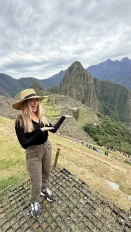
The big moment: the PeruRail Vistadome Observatory train from Aguas Calientes, a scenic 1.5-hour ride with a light snack, live entertainment, and a Pisco Sour in the bar car. Though honestly, the real show is outside the window, rushing rivers framed by the Andes, some of the most striking scenery in Peru. I had Circuit 2 tickets, the classic route that combines the upper platforms with the site's interior, including the Temple of the Sun (Circuit 1 offers panoramic views without going into the village, while Circuit 3 covers only the lower royalty viewpoints). Taking in the 360-degree views and imagining life here 500 years ago was nothing short of spectacular.
Rainbow Mountain (Vinicunca)
Rainbow Mountain meant a 3:30 a.m. pickup and a hike at 17,000 feet, nearly Everest Base Camp altitude. An 80-year-old couple from the Amazon cruise convinced me I could handle it. The four-hour drive winds past adobe villages and alpaca-dotted hills. The hike is short, but the elevation makes every step feel like a marathon. The payoff: vividly colored slopes, only exposed in the 2010s as the snowcap melted, framed by the Andes and a nearby overlook of the Red Valley that rivals Sedona. Easily one of the most unforgettable days of the trip.
Lima: Last day
Back in Lima for my final day and a half, I got hands-on with Peru's famous cacao at a chocolate-making workshop, tasting raw cacao fruit, roasting beans, and crafting our own bars from scratch. A Sunday stroll took me through lively, park-filled Miraflores and into San Isidro, an upscale, residential neighborhood worth a wander if time allows.
Places to eat & drink in Peru
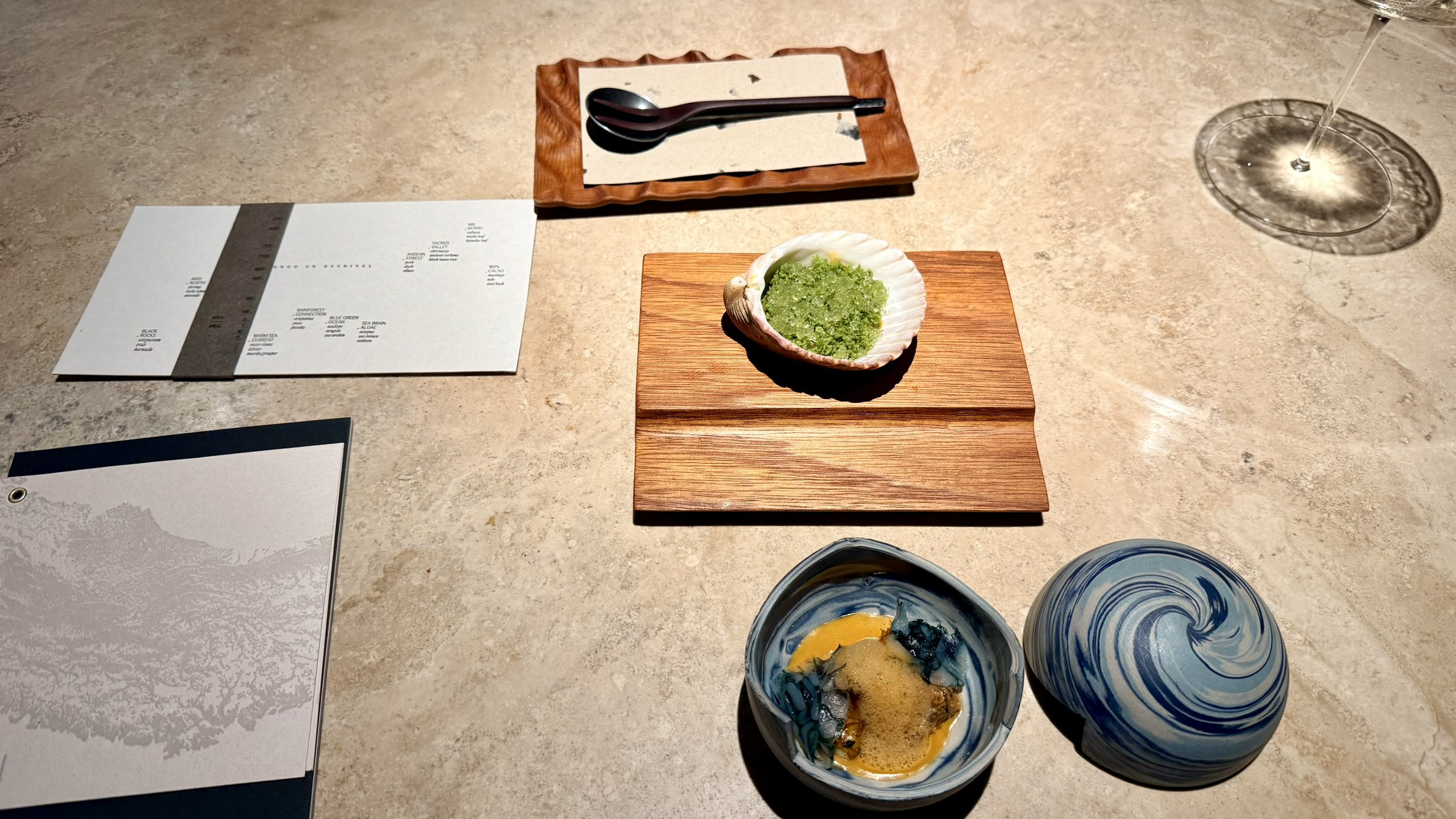
One of twelve delicious courses at Central
Central
Securing a reservation at Central in Lima, ranked the #1 restaurant in the world in 2023, lived up to every bit of the hype. Lima is also home to Maido (#1 in 2025), but I chose Central for its unmistakably Peruvian identity over Maido's Japanese-Peruvian fusion. The 12-course tasting menu journeys through Peru's ecosystems, each dish drawn from a different altitude, from ocean depths to Andean peaks, with flavors shifting dramatically along the way. Just as memorable as the food was the presentation: every plate arrived as a work of art reflecting the landscape it represented, turning dinner into something closer to a multi-sensory exhibit. A true once-in-a-lifetime meal.
Astrid y Gastón
Astrid y Gastón in San Isidro ranked the #1 restaurant in Latin America in 2013 and as high as #14 globally that year and in 2015. Founded by husband-and-wife duo Gastón (executive chef) and Astrid (pastry chef), the partnership shows in every detail. Lunch was in a beautifully restored historic mansion, where I sampled a variety of appetizers off the à la carte menu rather than the set tasting menu, every bite delicious. As an unexpected bonus, Astrid herself stopped by the table to greet guests, every bit as lovely as I'd hoped.
Huaca Pucllana
For a truly memorable dinner in Lima, Huaca Pucllana is hard to beat. The restaurant overlooks a 1,500-year-old pre-Incan pyramid built from millions of adobe bricks, making for one of the most awe-inspiring dining backdrops in the city. Surreal enough on its own, but even more so knowing this ancient site was briefly used as a motocross track in the 1980s.
Kuskay
Just steps from the Plaza de Armas, Kuskay Peruvian Craft Food is a standout spot for authentic Peruvian cuisine in the heart of Cusco. The menu highlights classic dishes like ceviche, lomo saltado, and ají de gallina, prepared with fresh, local ingredients and a few creative touches. The atmosphere blends traditional Andean charm with a modern edge, making it a great stop for lunch or dinner between sightseeing. Don't skip the pisco sour; it's a local favorite here.
Organika
For a healthier, farm-to-table option in Cusco, Organika is a local favorite. Cozy and plant-filled, the restaurant grows much of its own produce in the Sacred Valley, and it shows in the freshness of every dish. The menu leans creative: think alpaca with gnocchi, sweet potato ravioli, or the arugula tiramisu, with vegan and gluten-free options throughout. It's a great pick for a relaxed lunch or dinner away from the busier tourist strips.
Need to know
Don't let the altitude scare you. Yes, you have to acclimate, but there are remedies you can take to prevent any sickness. Either a prescription from your doctor, non-prescription altitude pills bought at home, or do what the locals do and sip coca tea or eat coca candies. Incans have used it for centuries. (Yes, it's the same plant as cocaine, no, it has no similar effect, and no, it can't be brought back to the U.S.)
Peru is a safe country. I traveled solo and never felt worried at any point. In Lima, Uber was readily available for short trips in town. Just use street smarts as you would in any big city.
Cusco is the best place in Peru to shop for genuine alpaca textiles. Look to established shops like Kuna or Sol Alpaca rather than tourist stalls, where quality is often diluted with synthetic blends.
One more detail worth knowing: the rainbow flag seen throughout the city isn't a pride flag, it's the historic flag of the Inca Empire.


Travel Advisor
Destinations Abroad


Regan Schaeffer

Get in touch with Destinations Abroad
Did you like this guide? Reach out to customize and book your own experience. Or, just to chat about travel in general.
For more inspiration and insider recommendations, visit our Peru page.