





Curator’s statement
For travelers seeking authentic hospitality, indigenous wines, and destinations untouched by mass tourism, Montenegro offers one of Europe’s most rewarding wine travel experiences. Centered around the capital city of Podgorica and the historic royal capital of Cetinje, it offers travelers the opportunity to explore one of Southeastern Europe’s most fascinating emerging wine destinations.
The Fora Difference
Book with Elizabeth Smith to access exclusive perks and experiences on your trip.

Killer perks
Free upgrades, spa credits and more—we got you

Personalized recs
Customized travel planning for your style

Insider knowledge
Expert advice from people who’ve actually been there
Where to stay in Montenegro
Unlock perks by contacting Elizabeth Smith to book your trip.
Montenegro may be small in size, but for wine lovers, it delivers an experience that is authentic, culturally rich, and largely undiscovered. While many travelers may associate the country with the Adriatic Sea coast, inland Montenegro reveals a different side of the destination—one shaped by rugged mountains, ancient grape varieties, royal history, and exemplary gastronomy and hospitality.
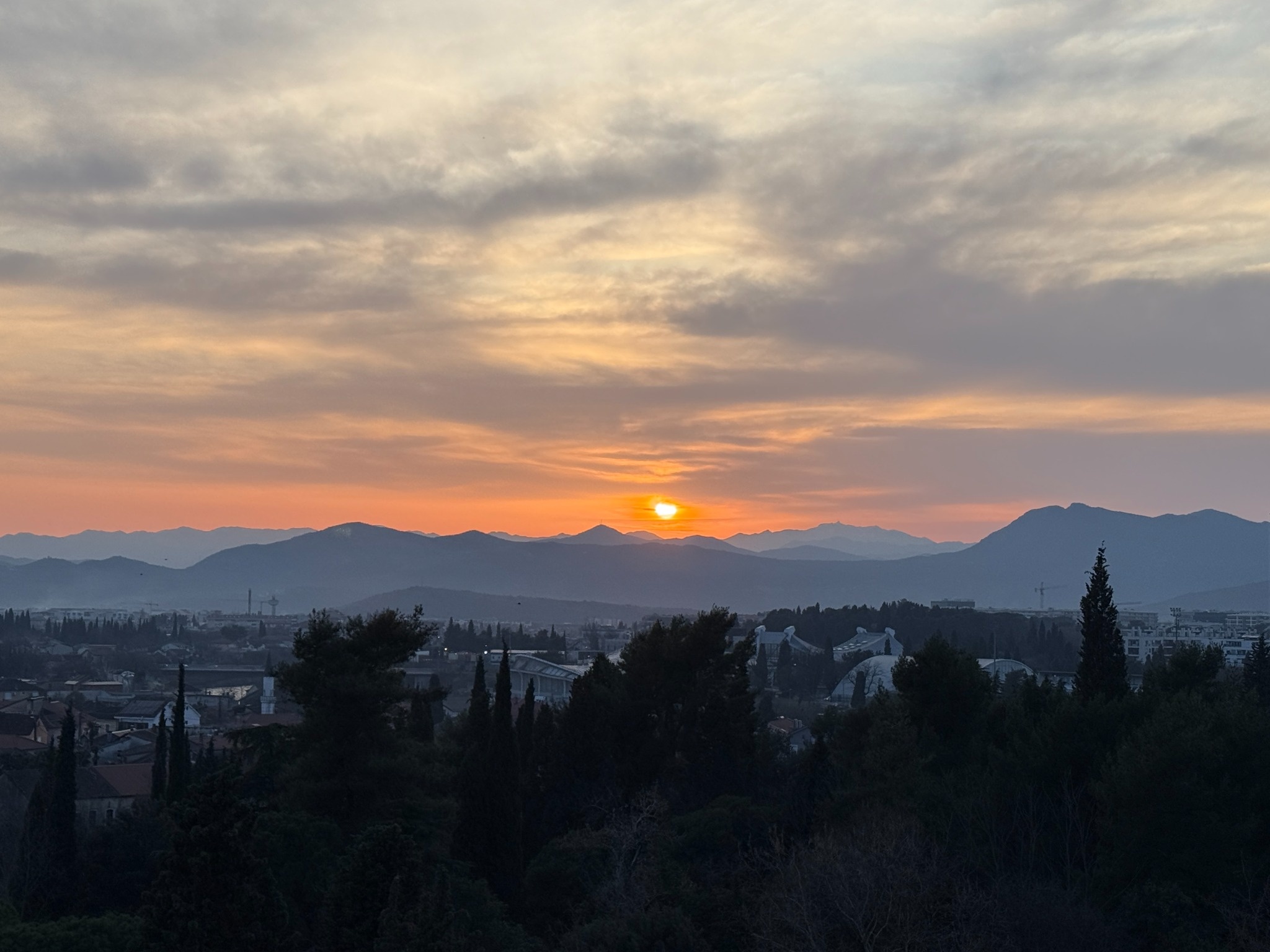
Sunset in Podgorica
Within a small geographic area, travelers can indulge themselves in outstanding indigenous wines that remain relatively unknown, revel in winery and restaurant lunches and dinners that range from casual to lavish, surround themselves with stunning mountain and vineyard landscapes, and experience Montenegro’s rich culture and history through its museums and landmarks.
I have visited Montenegro twice—once for the Vranac Selection by Concours Mondial de Bruxelles wine competition and again for the International Day of Kratošija celebration. Both trips focused on Montenegro’s indigenous black grape varieties: Vranac and Kratošija.
Vranac is Montenegro’s flagship variety, known for producing deep, dense wines with dark fruit flavors, spice, Mediterranean herbs, and impressive aging potential. Kratošija is the ancient variety confirmed by renowned university scholars to be the same as Crljenak Kaštelanski or Tribidrag in Croatia, Primitivo in Italy, and Zinfandel in the United States. In 2026, Montenegro celebrated 600 years since the first written mention of Kratošija in the Budva Statute, underscoring its long history and worldwide viticultural impact.
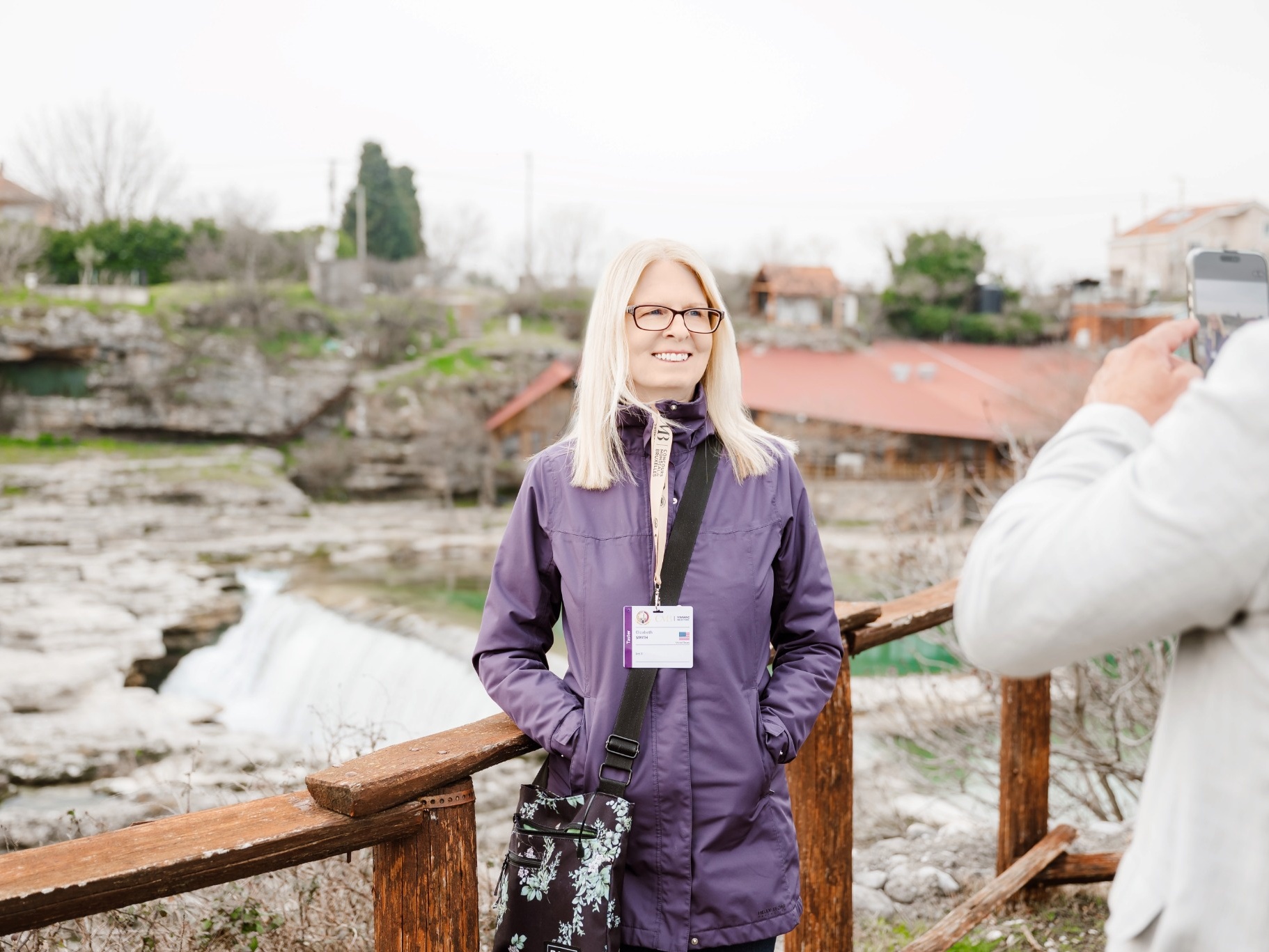
At 13. jul Plantaže
Wineries
13. jul Plantaže: No wine journey through Montenegro is complete without visiting 13. jul Plantaže, the country’s largest and most internationally recognized winery. It is home to one of Europe’s largest contiguous vineyard sites. Must-dos include a visit to the old cellar followed by lunch inside the stunning Šipčanik Wine Cellar, a former underground military aircraft hangar transformed into an extensive wine cave, cellar, and hospitality venue.
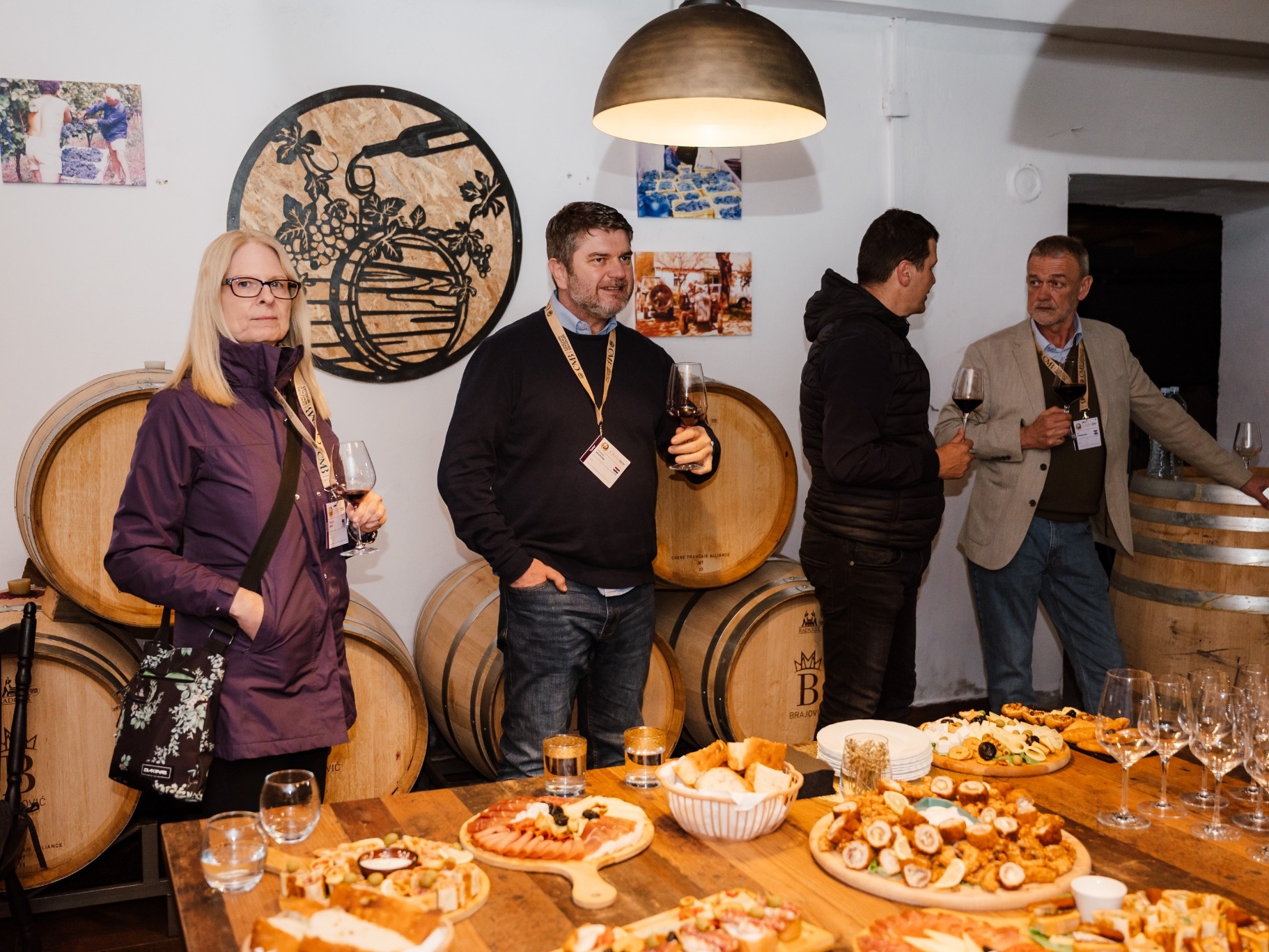
Inside the cellar at Brajović Winery
Brajović Winery: Brajović Winery showcases Montenegro’s evolving boutique wine scene through intimate cellar hospitality experiences centered around indigenous varieties and specially curated cuisine. During my visit, the winery hosted an unforgettable onsite cellar dinner, a spectacular combination of wine tourism and local food culture.
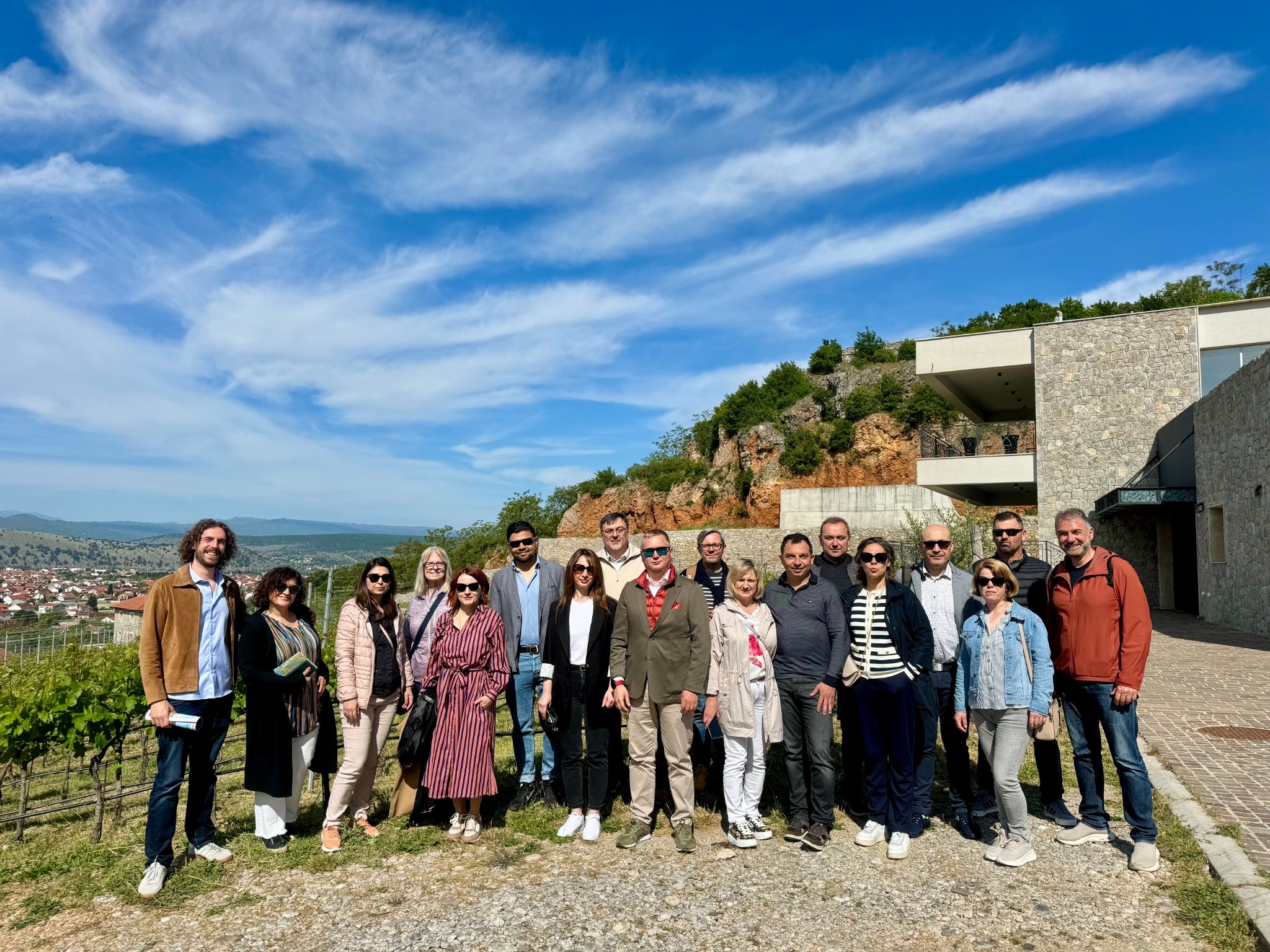
Ivanović Winery
Ivanović Winery: Ivanović Winery reflects Montenegro’s historic, multigenerational family wine traditions with a strong focus on Vranac, Kratošija, Malbec, and Marselan. The experience is intimate and personal, offering insight into a smaller-scale, family-run winery with organic viticulture.
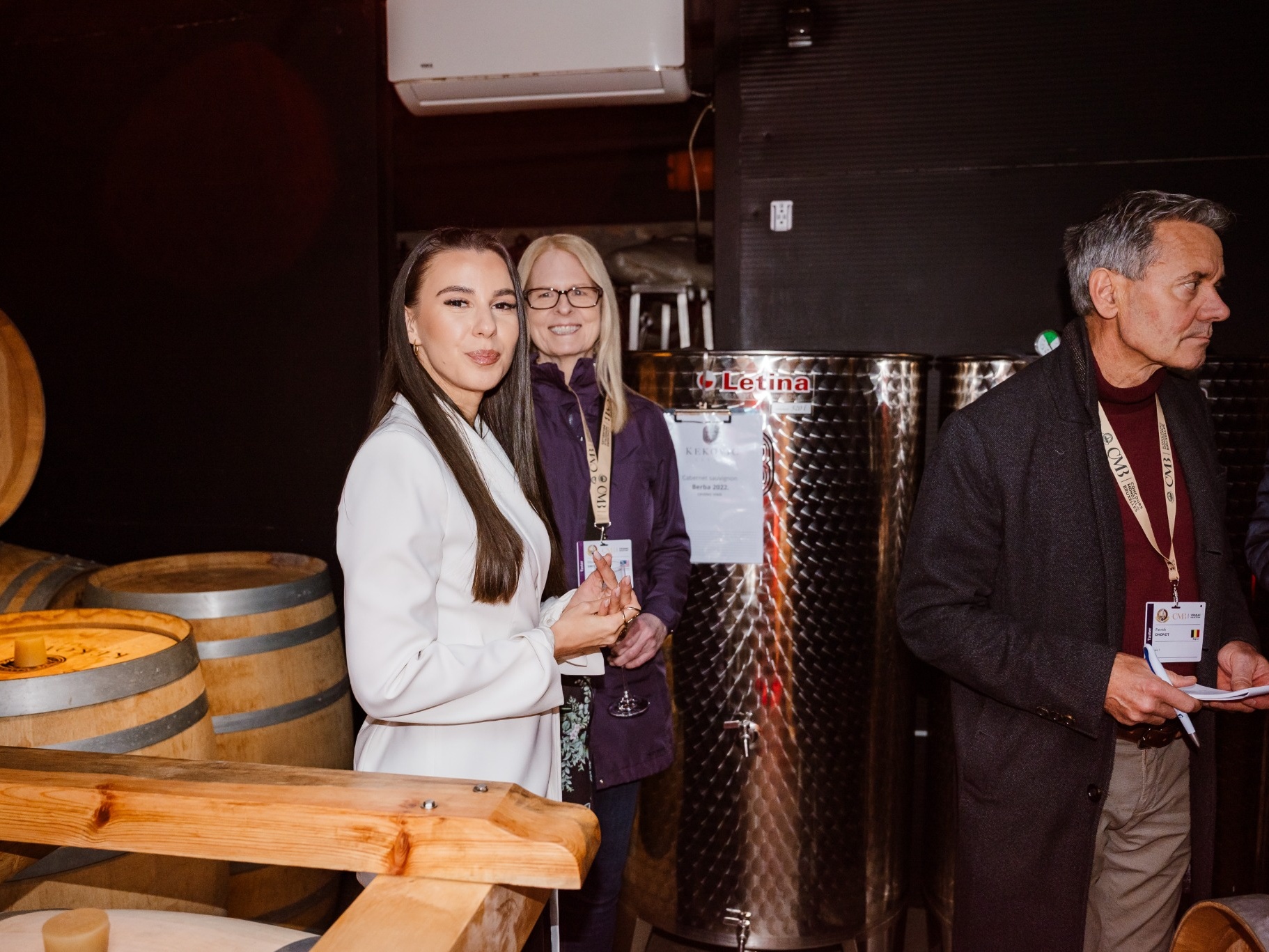
Inside the cellar at Keković Estate
Keković Estate: Keković Estate beautifully combines boutique winemaking with elevated hospitality. It offers one of the country’s most refined winery dining experiences, featuring chef-driven cuisine thoughtfully paired with its indigenous and international varietal wines. It also has overnight accommodations.
Marković Winery: Marković Winery offers one of the most fantastic winery lunch experiences in Montenegro, pairing their wines with stunning vineyard and mountain views alongside regional cuisine. The atmosphere is relaxed and welcoming, providing travelers with a glimpse into Montenegrin wine culture.
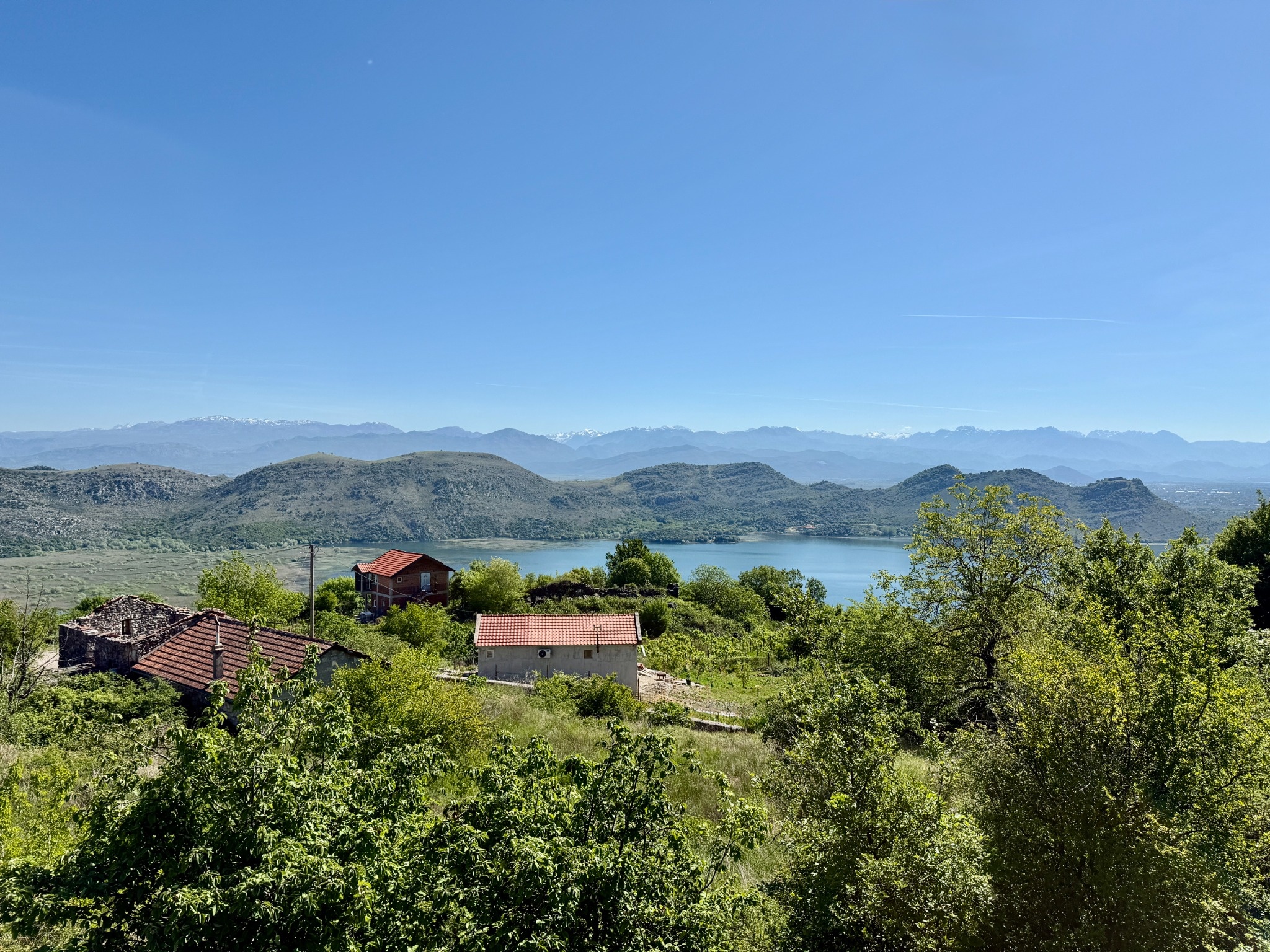
View from Patrimonio Winery
Patrimonio Winery: Patrimonio Winery represents a new generation of boutique wine producers shaping Montenegro’s present and future wine industry. It focuses on small-production, indigenous and international varietal wines, personalized tastings, and easygoing hospitality surrounded by remarkable scenery.
Ražnatović Winery: Ražnatović Winery, whose wines we tasted alongside Brajović Winery during the Vranac Selection program, combines traditional viticulture and progressive winemaking to craft a portfolio including Vranac, Kratošija, Cabernet Sauvignon, Merlot, and Chardonnay.
An Excursion to Cetinje
A trip to Montenegro must include a visit to Cetinje, the country’s former royal capital tucked away in the mountains above the coast. It is where the country’s royal and spiritual heritage co-exists with a low-key, relaxed vibe. Its slower pace of life is an ideal escape from the hustle and bustle of Podgorica.
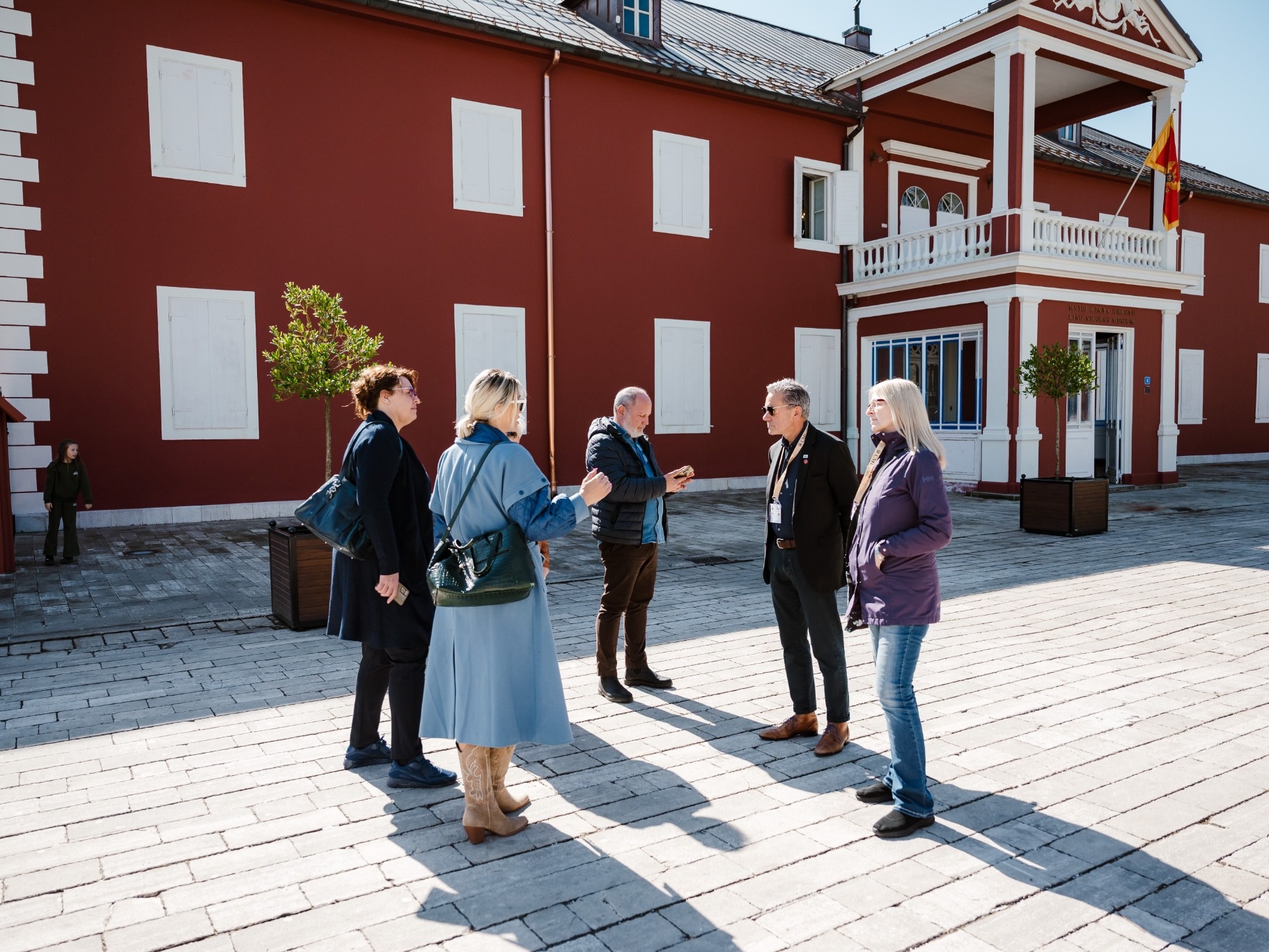
King Nikola Museum
Museum of King Nikola
Built in 1867 as the castle of the Petrović Njegoš royal family, it became a museum in 1926. It houses various collections of historic, military and royal artifacts, memorabilia, and other objects throughout its reconstructed interior of the original palace.
Njegoš Museum Biljarda
Built in 1838 as the residence of Petar II Petrović-Njegoš and named after his favorite game (billiards), the building opened in 1951 as a museum. It is dedicated to preserving the former ruler’s collections of art and books, manuscripts, and personal belongings.
Cetinje Monastery
The Monastery of Saint Peter, Sveti Petar Cetinjski was built in 1701 under the rule of Danilo Petrović, the monastery is one of Montenegro’s most revered spiritual sites. It is home to the remains of St. Petar Cetinjski, the right hand of Saint John the Baptist, a particle of the Holy Cross, and the burial site of Prince Danilo and grand governor Mirko, father of King Nikola I Petrović.
Fine dining
Besac Heritage: Located near Lake Skadar, Besac Heritage offers an elevated, elegant interpretation of Montenegrin cuisine, wine, and hospitality.
Restaurant Odiva: A family-run restuarant that is one of Podgorica’s newest. It is an excellent choice for those seeking contemporary cuisine accompanied by Montenegro’s premium wines.
Dining like a local
Pizzeria Calabria: Pizzeria Calabria is an under-the-radar locals’ favorite for pizza and traditional Montenegrin cuisine in Podgorica.
Konoba Lanterna: Konoba Lanterna serves traditional Montenegrin cuisine in a warm, casual setting, ideal for enjoying regional specialties alongside local wines and other craft beverages.
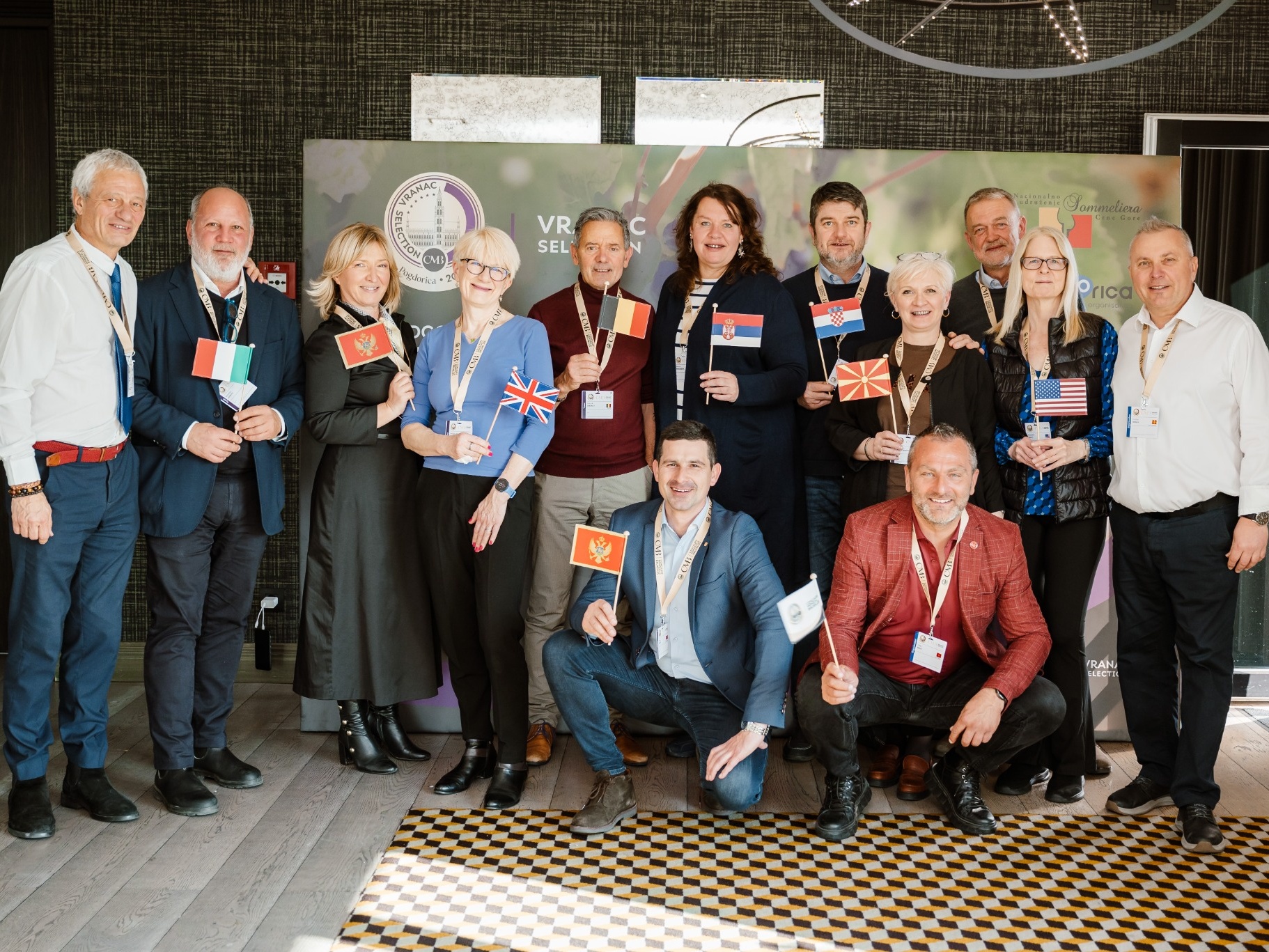
Vranac Selection group at the Hilton Podgorica Crna Gora
Need to know
Although not a member of the European Union, Montenegro’s currency is the euro. Credit card payments are widely accepted, but have cash available for tips and establishments that may not accept cards. Podgorica’s airport is small and easy, making travel here effortless.
For more travel inspiration and insider recommendations, check out our Montenegro page.


Travel Advisor
Elizabeth Smith

Elizabeth Smith

Get in touch with Elizabeth Smith
Did you like this guide? Reach out to customize and book your own experience. Or, just to chat about travel in general.