

Curator’s statement
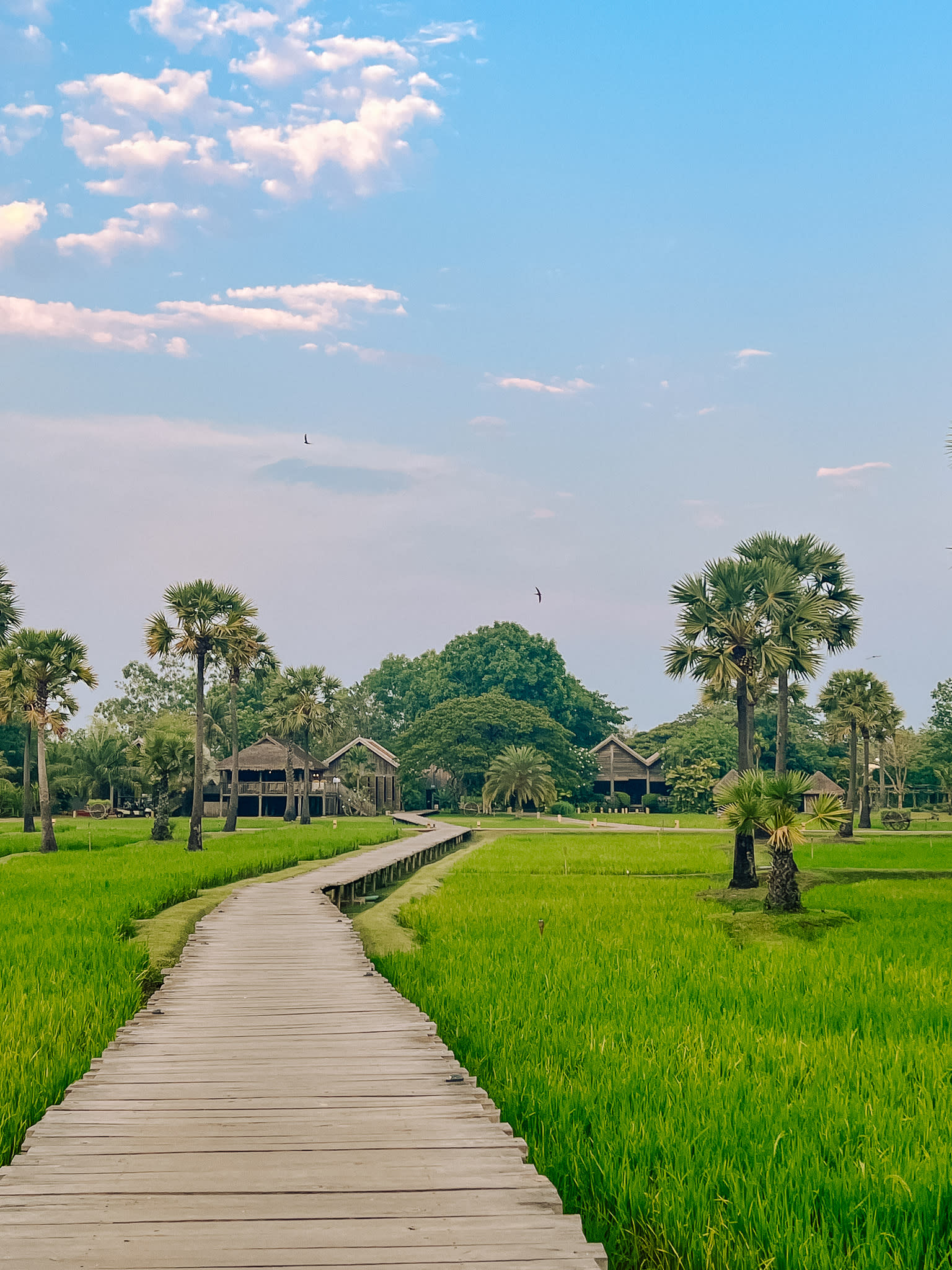
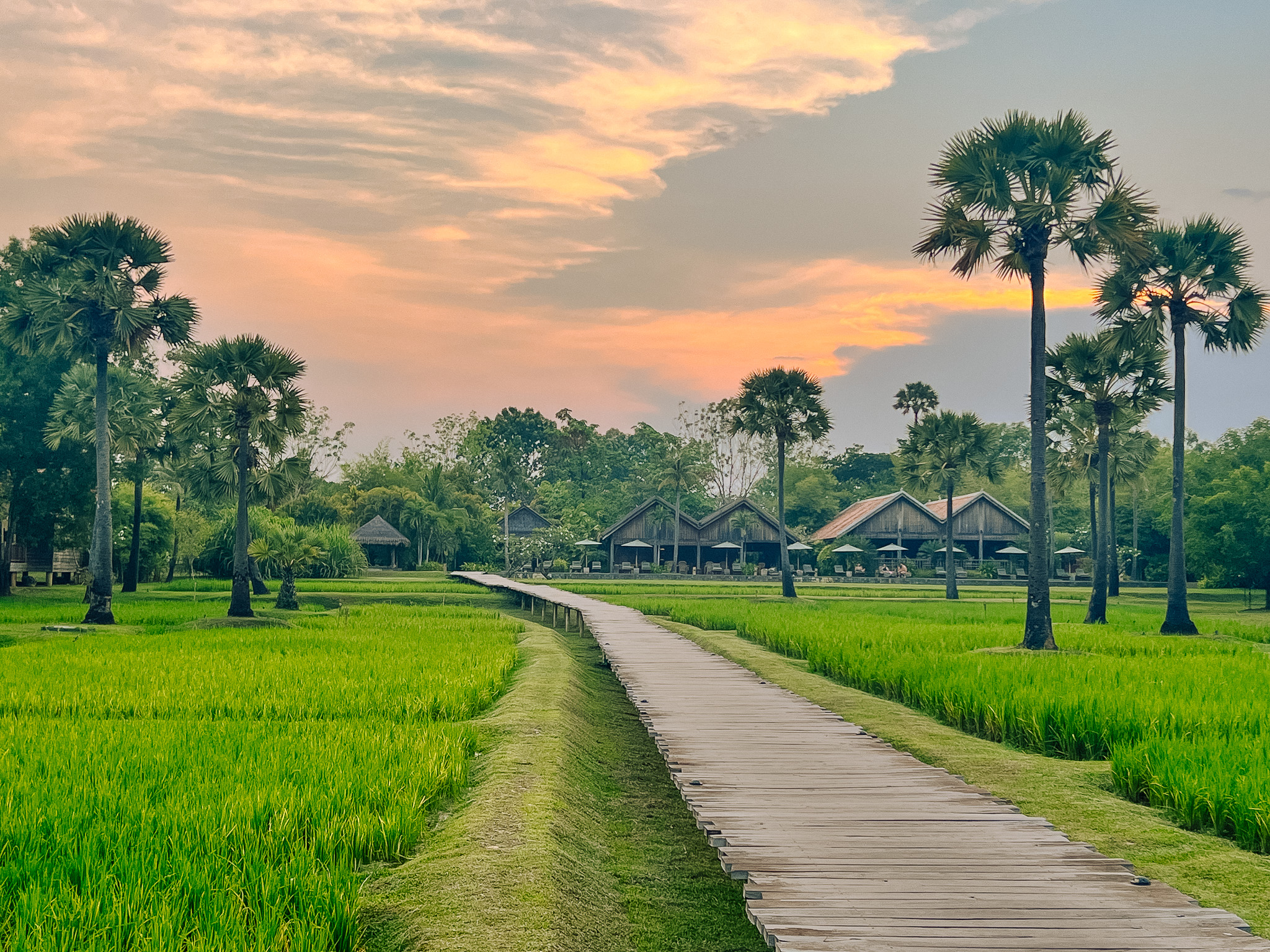
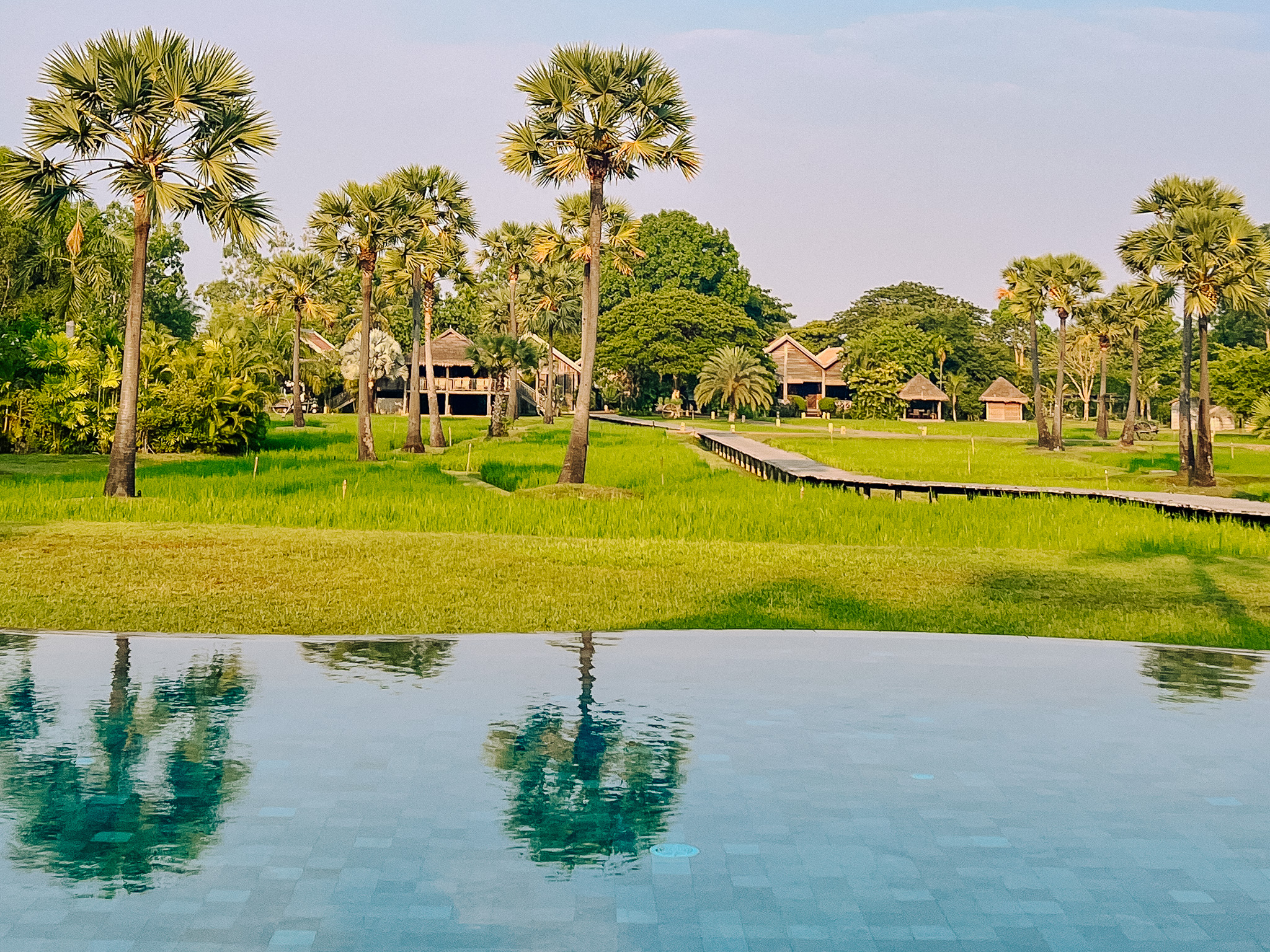
I'm drawn to hotels that build their sense of place from the ground they sit on, and Zannier Phum Baitang does exactly that. It's a "green village" of stilted wooden villas set among working rice paddies just outside Siem Reap. I conducted a site inspection here in April 2025 and was struck by how completely the property leans into traditional Khmer architecture rather than importing a generic resort aesthetic. The single image I keep coming back to is the view from the pool at sunset, looking out over the paddies as the light drops, one of the most beautiful hotel moments I've experienced in the region. For travelers who want somewhere genuinely rooted in Cambodia rather than a chain hotel near the temples, this is a special place.
The Fora Difference
Book with Valeria Sandoval to access exclusive perks and experiences on your trip.

Killer perks
Free upgrades, spa credits and more—we got you

Personalized recs
Customized travel planning for your style

Insider knowledge
Expert advice from people who’ve actually been there
Where to stay
Unlock perks by contacting Valeria Sandoval to book your trip.
Phum Baitang means “green village” in Khmer, and the name is the whole concept. The property unfolds across acres of gardens and active rice paddies, with thatched-roof villas raised on stilts in the traditional Cambodian style. What sold me before I even arrived was the look of the place. It reads as a real village rather than a resort dressed up in local motifs, and the architecture and materials carry that through consistently, from reclaimed wood to stone to handpicked antiques. If you love hotels that integrate local design and atmosphere into every decision, this is one of the strongest examples I’ve seen in Southeast Asia.
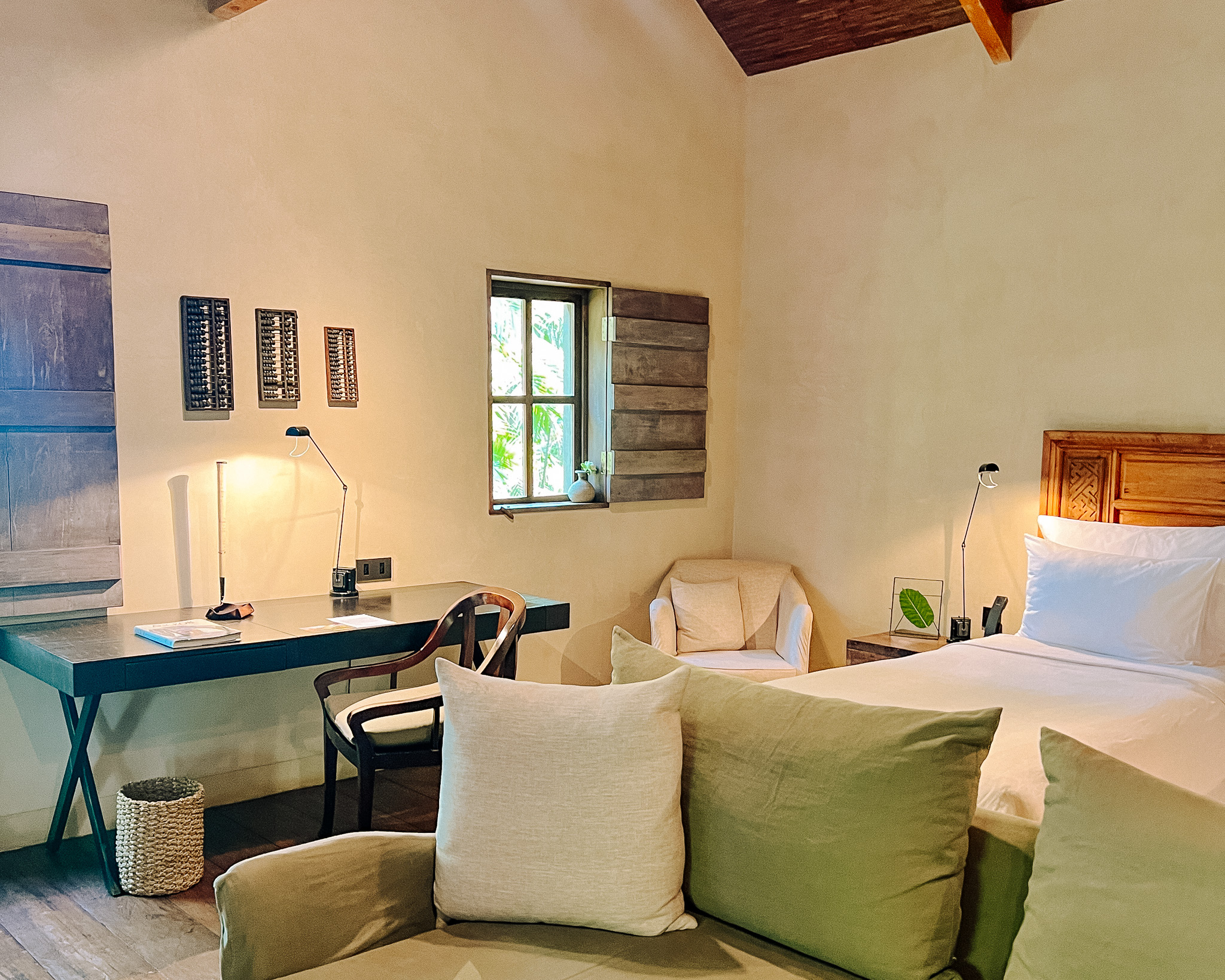
There are 45 villas across two categories: the Terrace Villa and the slightly larger Pool Villa, which adds a private plunge pool and a bit more space. Interestingly, the two are otherwise near-identical, so the choice really comes down to whether a private pool matters to you. I’ll be honest about the interiors. They’re on the cozier side relative to the footprint of the grounds, and the rooms themselves don’t offer much of a view. But that’s almost the point here, because at Phum Baitang, the living happens outside. The villas are a comfortable, intimate base, and everything memorable is out in the landscape.
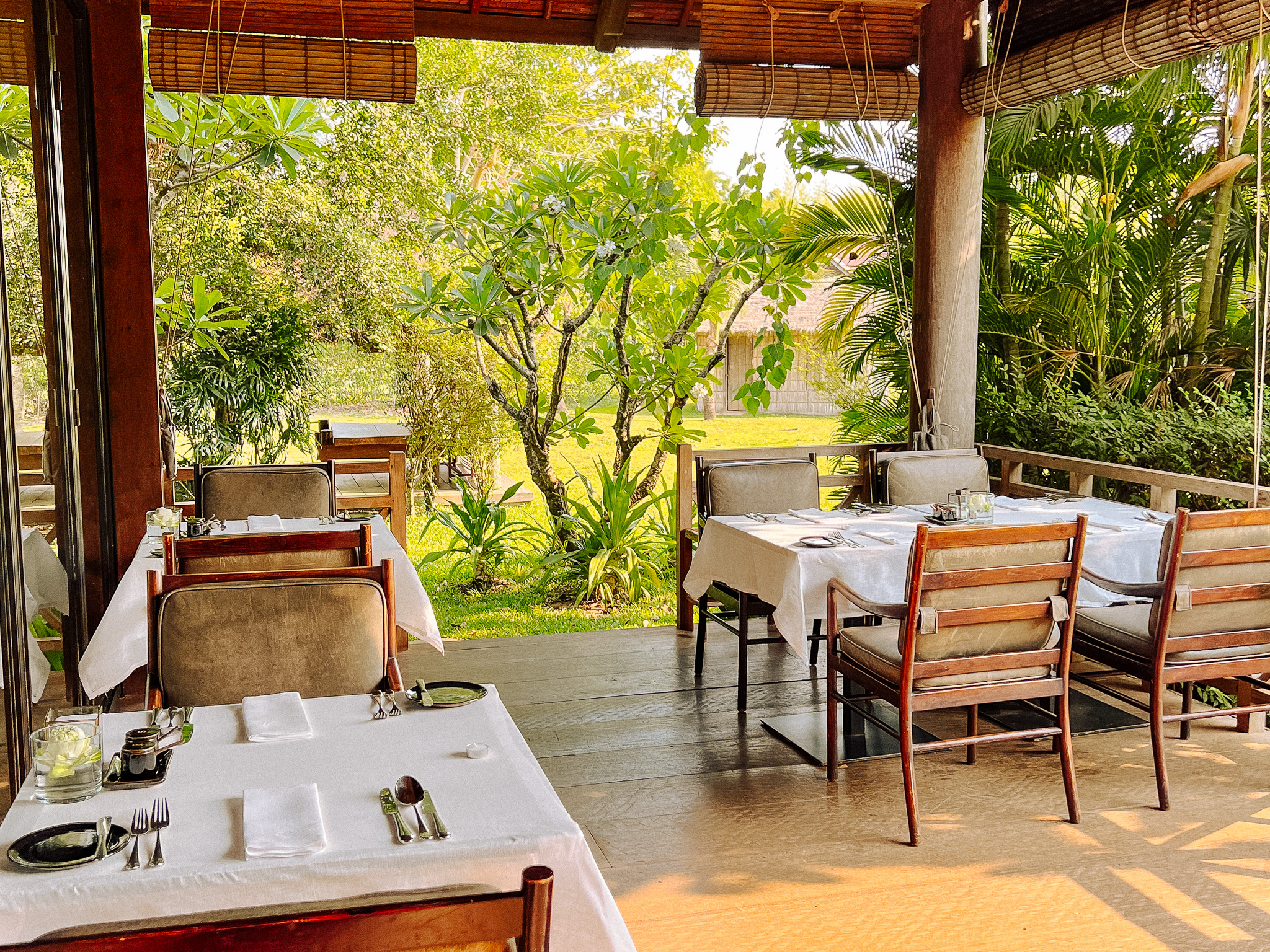
Because the magic is outdoors, this is where I’d steer guests to spend their time. Walking through the rice paddies is where the property genuinely shines. Water buffalo rest in the fields, birds hover and call as they hunt, and the light shifts across the paddies throughout the day. The restaurant terraces look out over the same view, and the swimming pool at sunset is the standout: a long, calm stretch of water with the paddies beyond it, glowing as the day ends. The property also has a lovely spa and a well-equipped gym, rounding out a wellness-forward stay for guests who want to slow down between temple visits.
I’d recommend Phum Baitang to travelers looking for a unique, boutique experience with a strong sense of place, people who would rather stay somewhere distinctive than somewhere predictable. It suits honeymooners and romantic travelers well, with one caveat worth setting expectations around. There’s no dedicated honeymoon suite, so couples should book a Pool Villa for the added privacy of the plunge pool. It’s also a natural fit for anyone who cares about sustainability. Zannier runs a genuinely integrated program here, from a Green Globe–certified operation to pesticide-free rice paddies fed with in-house compost, plus long-running support for the local Kok Thnot School. It’s a luxury property in the truest sense, and for the right traveler, the setting is what makes it.
Need to know
Location and getting around: The resort sits about 20 minutes from central Siem Reap, not walkable but very doable. The hotel runs its own tuk-tuks into town, and Angkor is an easy drive, so plan on a driver or the hotel fleet for temple days. The remove from town is a feature rather than a drawback, because it’s what keeps the village atmosphere intact.
When to go: High season runs toward the end of the calendar year. The green (rainy) season is the quietest and most peaceful time to visit. Since nearly everything here is outdoors, rain is a fair consideration, but the team notes it doesn’t rain as heavily as people expect, and they keep carts on hand to move guests around comfortably. I visited in April, the hot season, which is its own challenge worth flagging to clients.
Set expectations on the villas: Lovely and intimate, but compact, and without much of a view from inside. I encourage guests to embrace the outdoor-first rhythm of the paddies, the pool, and the terraces rather than expecting a room with a vista.
Practical tip: Because so much of the experience is outdoors and in the evenings, bring (or ask for) insect repellent.
For more inspiration and insider recommendations, visit our Siem Reap page.

Travel Advisor
Valeria Sandoval

Valeria Sandoval

Get in touch with Valeria Sandoval
Did you like this guide? Reach out to customize and book your own experience. Or, just to chat about travel in general.