




Curator’s statement
My husband and I spent 17 days traveling through Peru in December 2025, and the defining thread of the trip was riding both of Belmond’s Peruvian trains—the Andean Explorer (a three-day, two-night sleeper from Arequipa to Cusco) and the Hiram Bingham (a scenic day train to Machu Picchu). I went in expecting beautiful scenery and came away with something deeper: a real understanding of how these two journeys differ and how to match each one to the right traveler. If you’re considering a rail journey through Peru, this is what I wish I’d known before booking.
The Fora Difference
Book with Nomadtique to access exclusive perks and experiences on your trip.

Killer perks
Free upgrades, spa credits and more—we got you

Personalized recs
Customized travel planning for your style

Insider knowledge
Expert advice from people who’ve actually been there
Where to stay in Peru
Unlock perks by contacting Nomadtique to book your trip.
The Andean Explorer: Arequipa to Cusco via Lake Titicaca
Boarding & first impressions
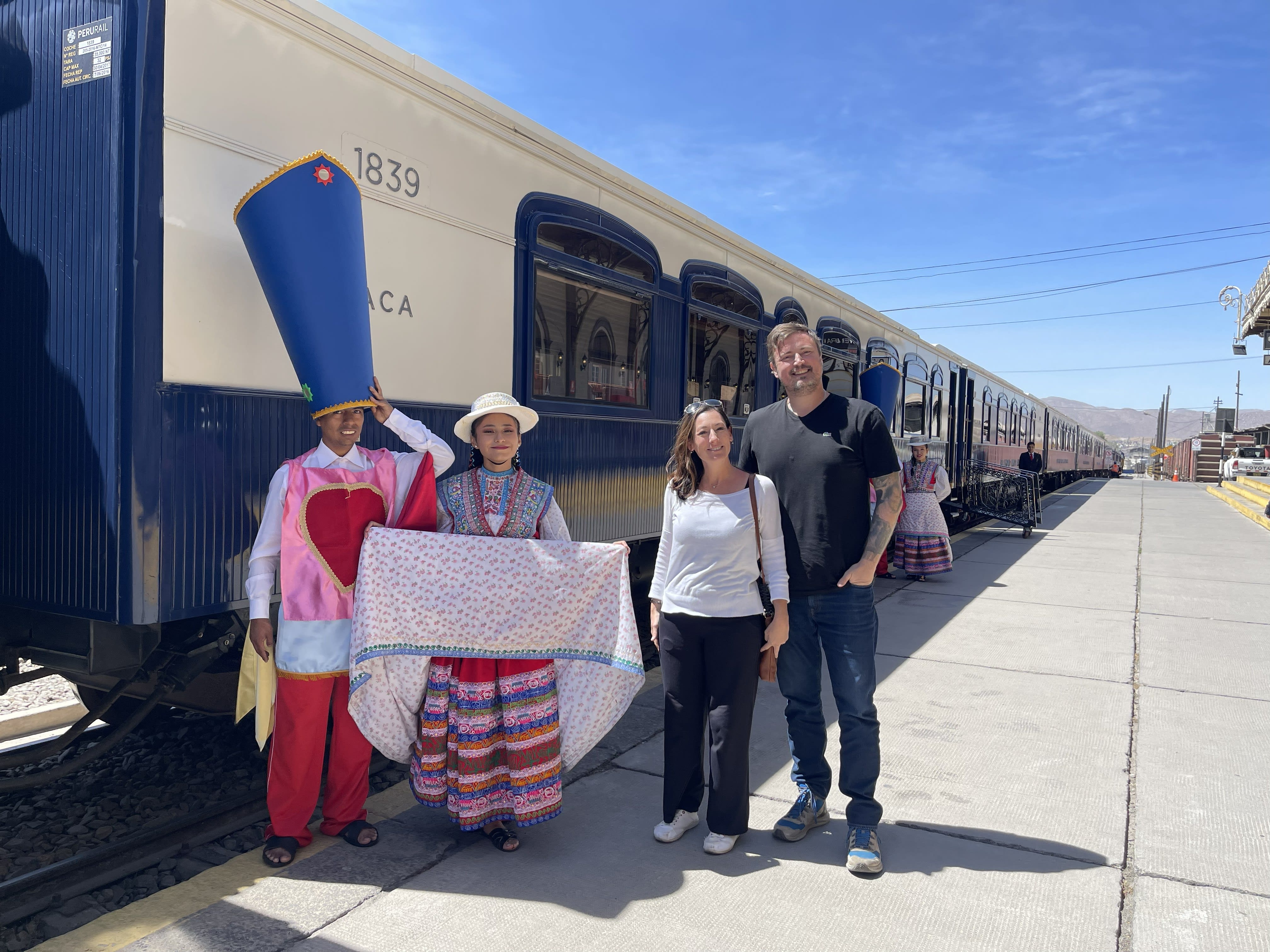
We departed from Arequipa on the full Arequipa-to-Cusco route, which includes a stop in Puno and a full day exploring Lake Titicaca. Before boarding, Belmond hosted us with drinks, snacks, and live entertainment—several traditional Peruvian dance performances on the platform and a string quartet in the lobby. It immediately set a tone that felt special and well considered.
We had originally booked the bunk bed cabin (the entry-level category), but, because we booked through Fora and had access to Belmond’s Bellini Club perks, we received a complimentary upgrade to a double room at check-in. The double cabin was noticeably larger, with two full-size beds and more space to move around—a meaningful difference when you’re onboard for two nights. I’d encourage any traveler to book through a Fora Advisor, as these upgrades are based on availability and prioritized for Bellini Club members.
Onboard life
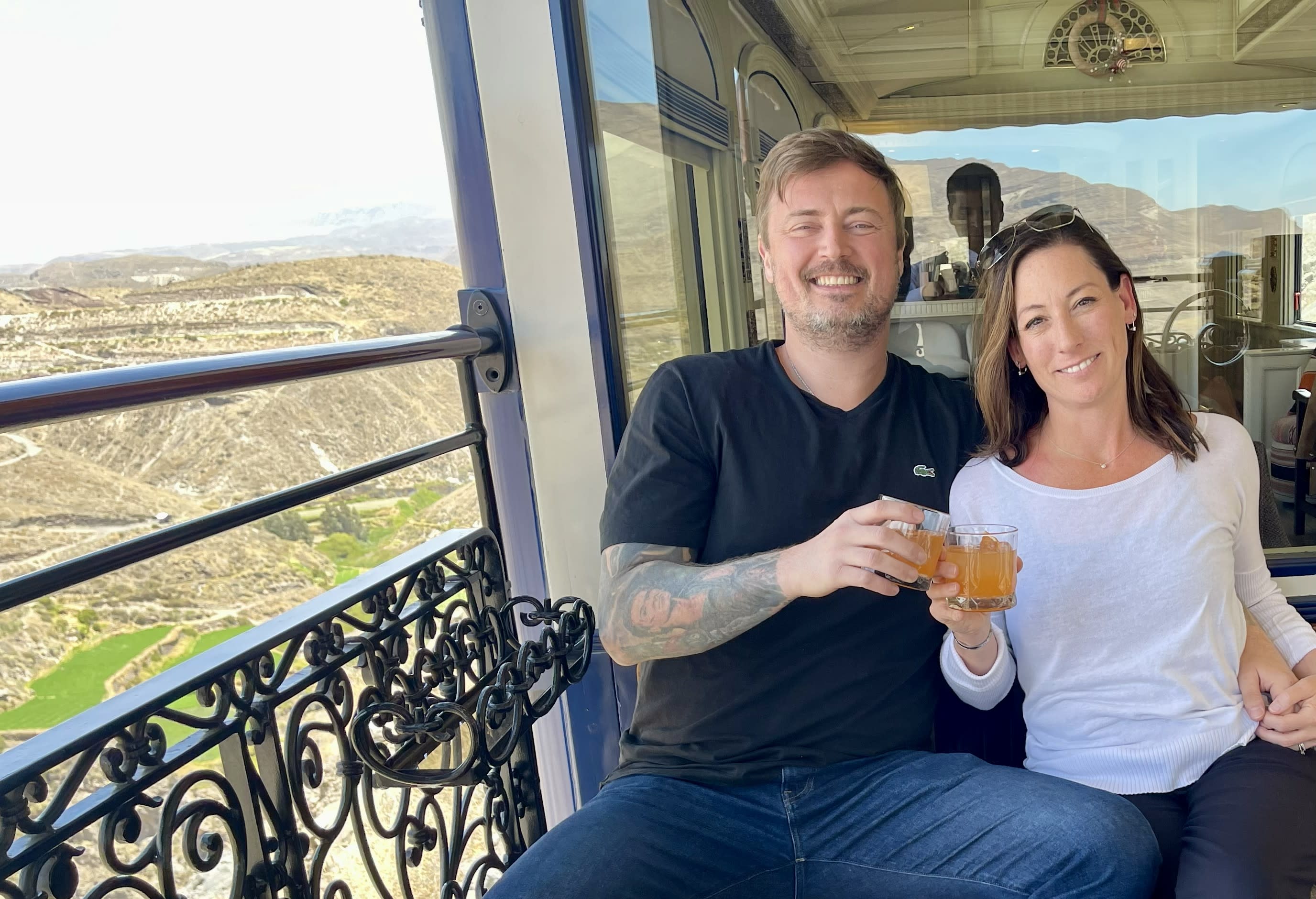
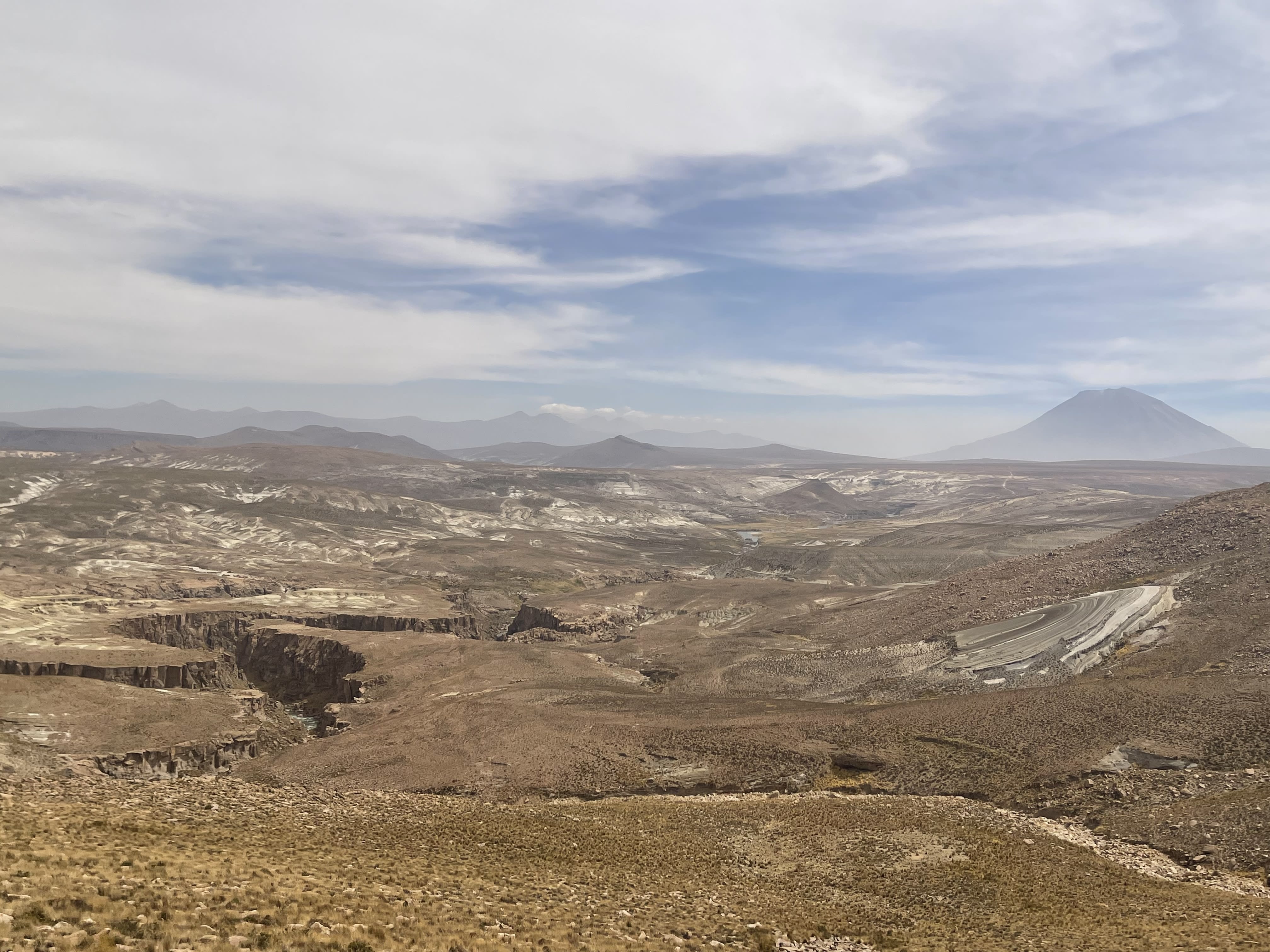
The heart of the Andean Explorer is its front observation car, which has both an open-air section and a sheltered lounge area. We spent hours here watching the landscape change—from Arequipa’s volcanic desert into vast, golden altiplano grasslands, with herds of alpaca dotting the plains and snow-capped peaks in the distance. The bar service was attentive and continuous, with cocktails, wine, and snacks included throughout the journey. There was never a moment when we felt overlooked.
The dining car served beautifully presented meals with Peruvian ingredients and regional flavors. The wine selection was genuinely impressive—not an afterthought. Every meal, drink, and snack onboard is fully inclusive.
One of the most memorable surprises was the onboard spa. I wasn’t expecting much, but the treatment was excellent, and the gentle rocking of the train during the massage created a uniquely relaxing effect that I haven’t experienced anywhere else. We received a complimentary spa credit as part of the Bellini Club benefits, which made it easy to try.
Thoughtful touches appeared throughout the cabin: handcrafted alpaca slippers, Belmond-branded reusable water bottles, and a champagne toast shortly after departure. The staff quickly learned our names and preferences, and by the second day, the service felt genuinely personal—not scripted.
The Sumbay Caves excursion
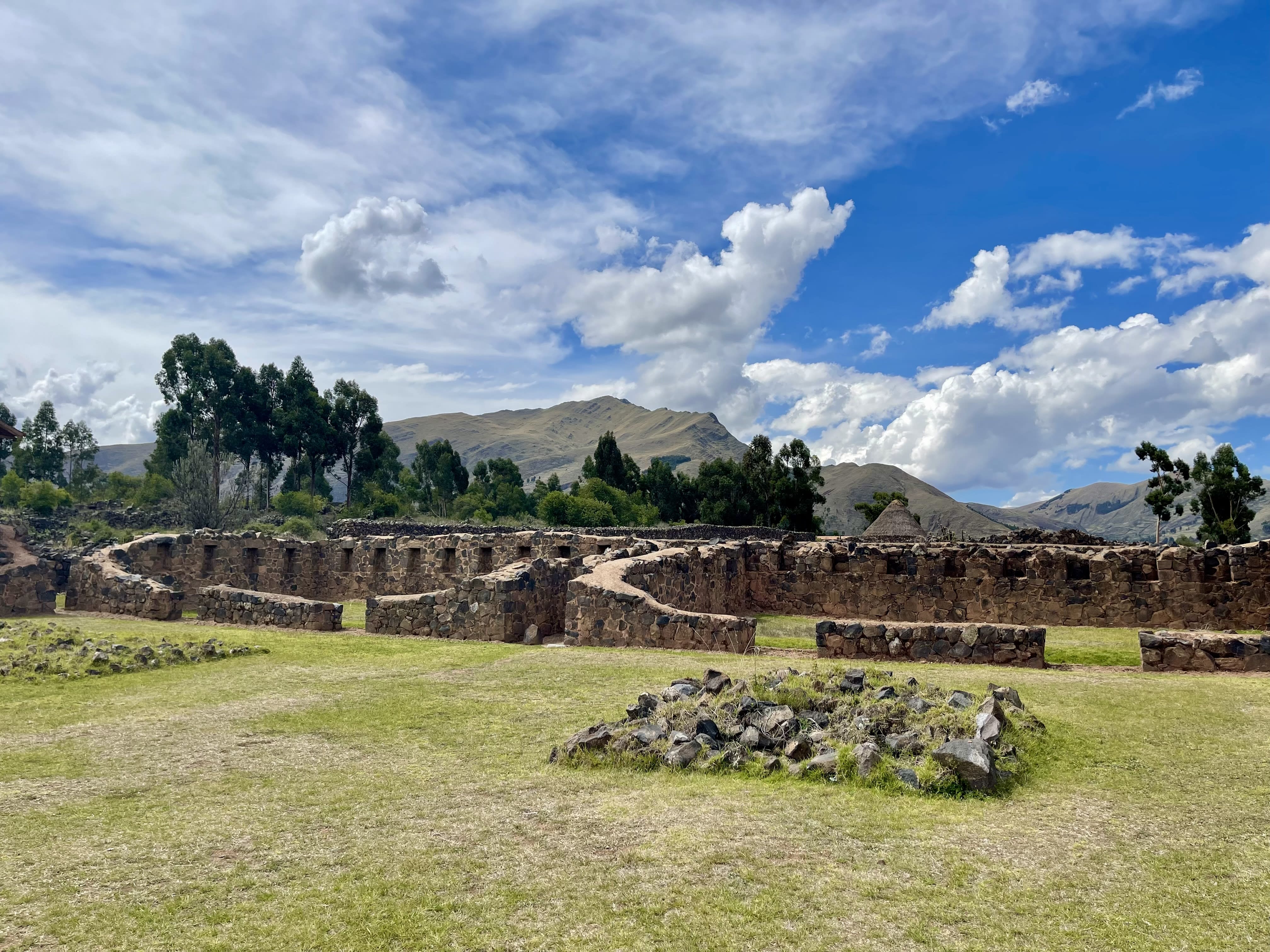
A few hours into the journey, the train stopped for a visit to the Sumbay Caves, which contain ancient pre-Columbian rock art. It’s a fascinating stop, but travelers need to be prepared: reaching the caves requires descending and then climbing steep stone steps, and at this point in the journey, you’re already at a significant altitude. This can be physically challenging. Belmond has a full-time nurse onboard who provides supplemental oxygen and altitude medication as needed, which was reassuring.
A full day on Lake Titicaca
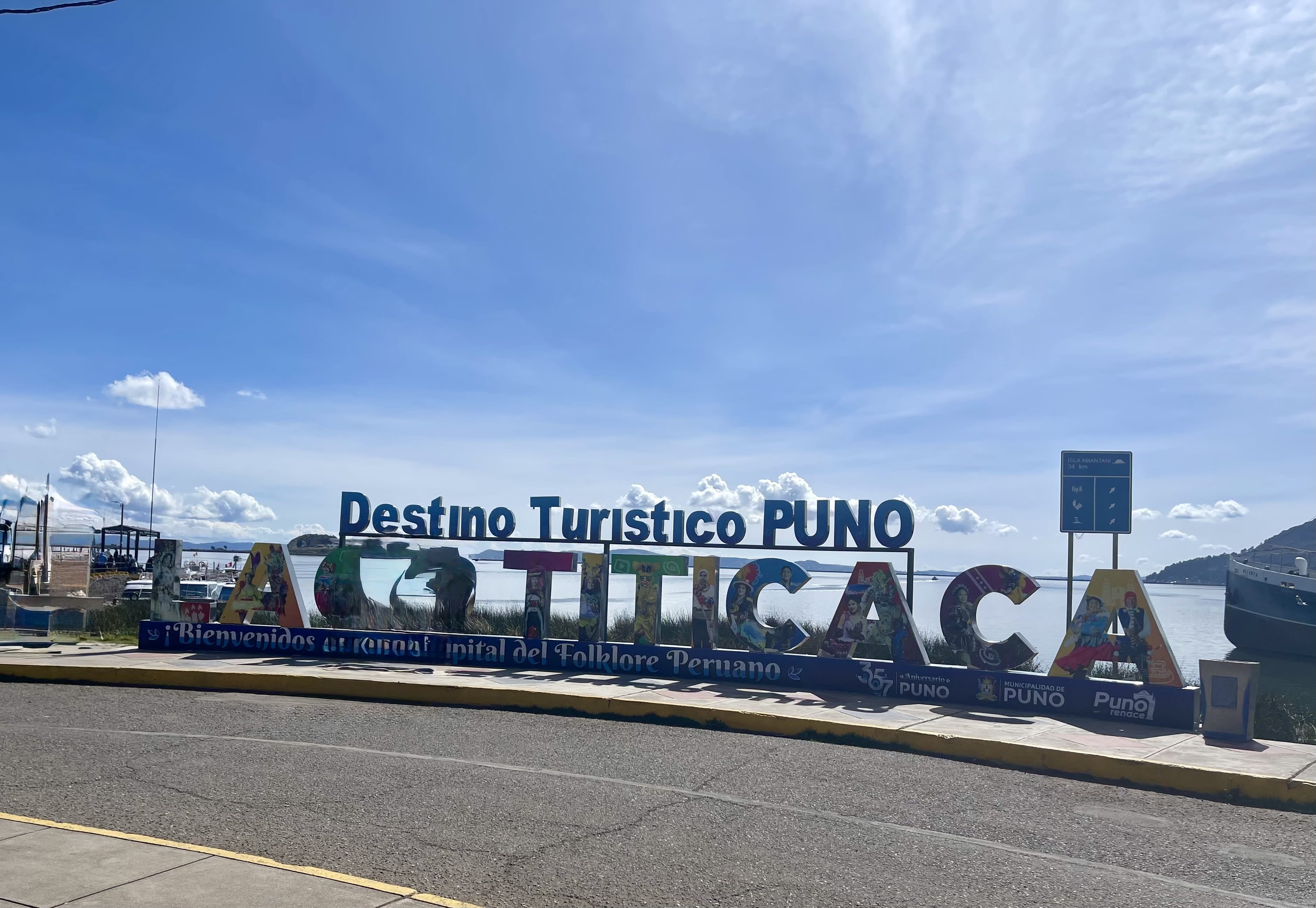
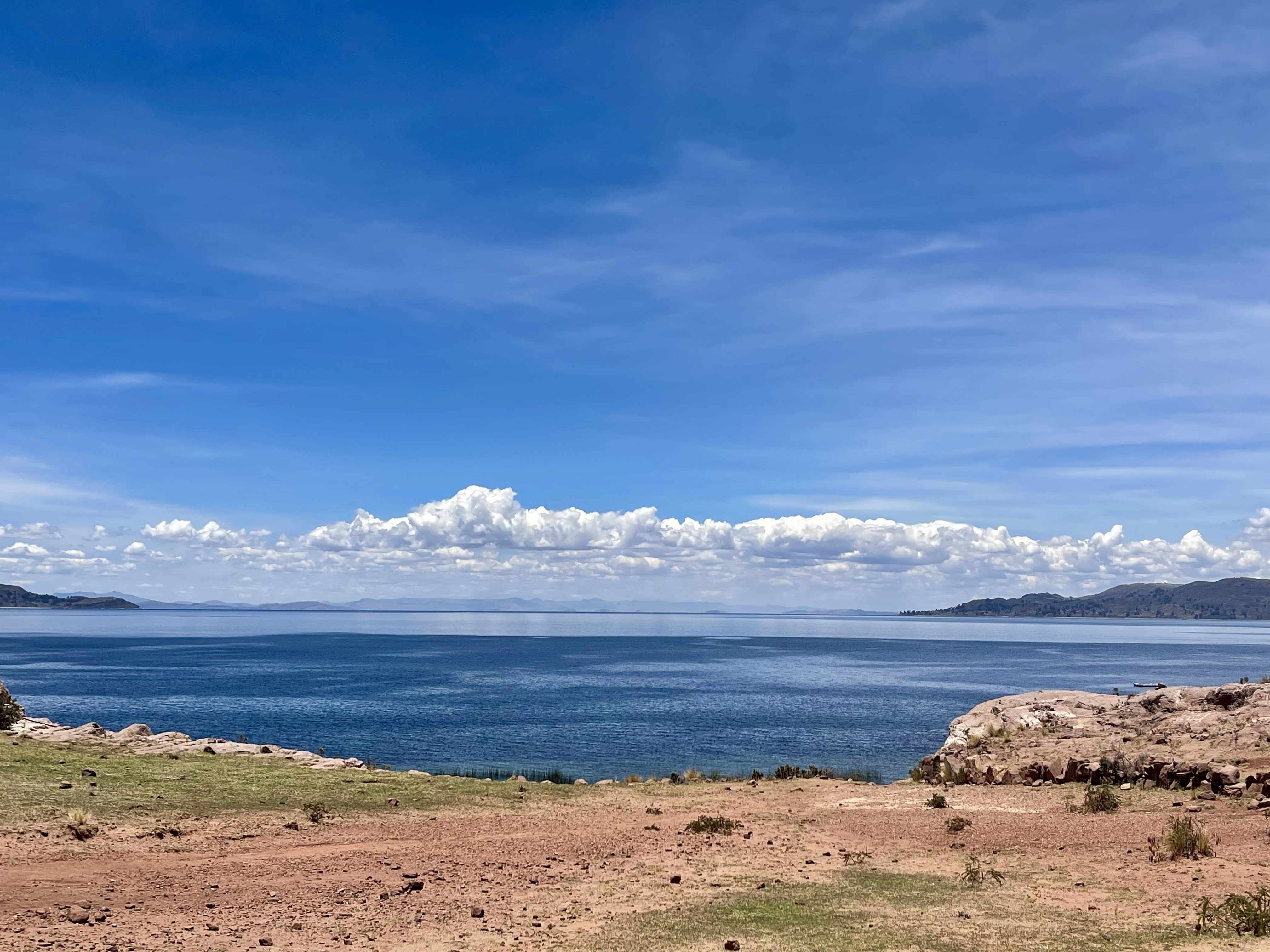
This was the highlight of the entire Andean Explorer journey for us—and honestly, of the entire Peru trip. We disembarked in Puno and boarded a boat for Lake Titicaca with an outstanding guide who narrated the history of the lake and the indigenous Uros people during the crossing.
Our first stop was one of the Uros floating islands, where a tribal leader explained how the islands are built and maintained from totora reeds. We then traveled to a larger island, hiked to the summit, watched a traditional dance performance, and browsed a local artisan market.
The finale was extraordinary. Belmond had arranged a private beach setup on the shores of Lake Titicaca—sun loungers with umbrellas, a champagne welcome, and a full gourmet barbecue prepared and served by the train’s chef and crew in professional attire. There were private changing rooms for those who wanted to swim, a lakefront yoga class, and painting supplies for guests to use. Across the lake, you could see the shores of Bolivia.
I spent several hours lounging on the beach, and it was one of the most special, carefully orchestrated experiences I’ve ever had while traveling. Belmond took a remote lakeside setting and made it feel both wild and polished at the same time.
Who is the Andean Explorer best for?
The Andean Explorer is best suited for travelers who love trains, appreciate slow travel, and want an immersive, multi-day experience rather than simply getting from point A to point B. It’s considerably more expensive than the Hiram Bingham, but the depth of the experience justifies the investment. The staff are attentive and personal, the landscapes are extraordinary, and the pacing allows you to genuinely absorb what you’re seeing. I would call it a singular travel experience—the kind of journey that stays with you.
The Hiram Bingham: Cusco to Machu Picchu
Boarding & atmosphere
We boarded the Hiram Bingham at the station outside of Cusco for the journey to Machu Picchu. The train itself is visually striking—dark polished wood throughout, which gives it a more opulent aesthetic than the Andean Explorer. Traditional Peruvian dancers in colorful dress performed on the platform, and we were greeted with a welcome cocktail upon boarding.
The observation car featured a live rock band, which created a more lively and social vibe. The atmosphere onboard was festive and energetic, but noticeably less intimate than the Andean Explorer. There were more passengers, the interactions with staff felt less personal, and the overall tone was closer to a group excursion than a private journey. This isn’t a criticism—the Hiram Bingham is a shorter ride with a different purpose—but it’s a meaningful distinction for travelers trying to choose between the two.
Arriving at Aguas Calientes
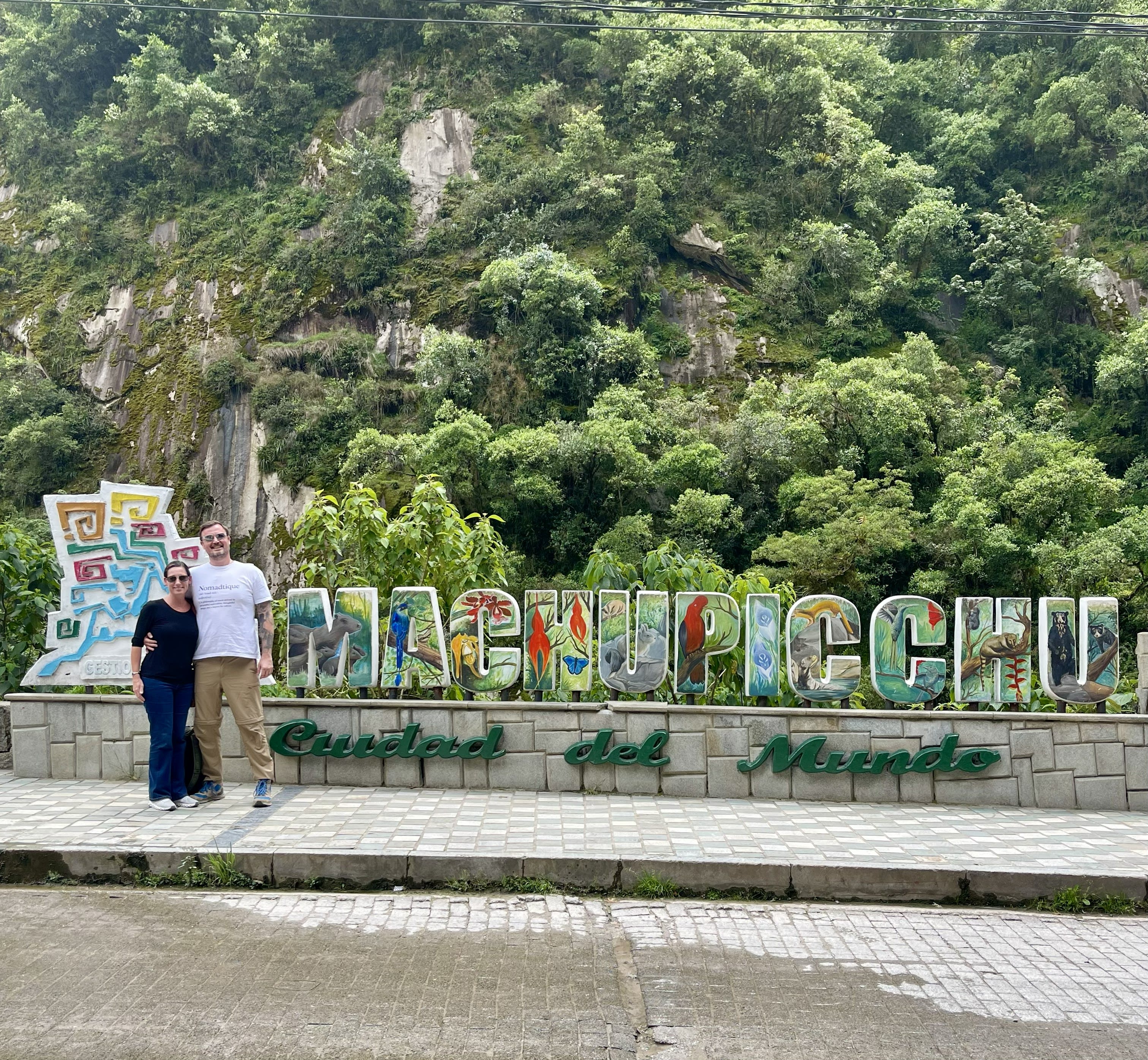
The arrival experience was excellent and well-organized. Hiram Bingham passengers have their own private exit at the Aguas Calientes station, along with dedicated restroom facilities—a small but meaningful perk when you’re arriving alongside crowds from other trains. The bus transfer to Machu Picchu was comfortable and efficient.
A fun detail: While waiting for the bus, there’s a small booth where you can get a Machu Picchu stamp in your passport for just $3 USD. It’s a small souvenir that travelers always appreciate.
The Machu Picchu experience (with Bellini Club benefits)
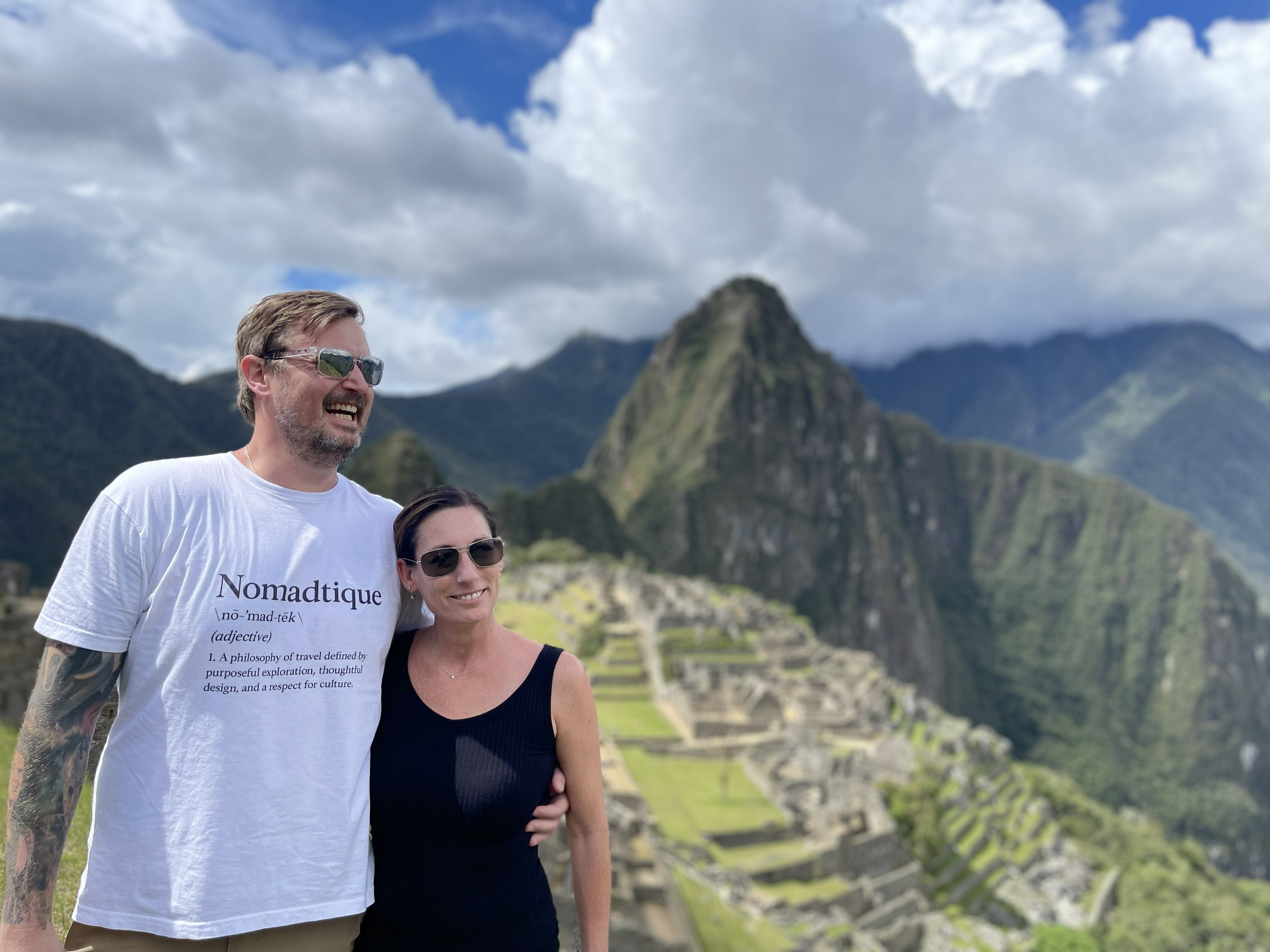
Because we booked through Fora and had access to the Bellini Club, our Hiram Bingham ticket included a private guided tour of Machu Picchu. Even more importantly, we were the first passengers off the train and the first to enter the site. This early access was transformative—we were able to explore Machu Picchu with real space and quiet before the larger tour groups arrived, which made the entire experience feel intimate and personal rather than crowded.
Our guide was knowledgeable, engaging, and generous with his time. He explained the engineering, history, and spiritual significance of the site in detail, and took plenty of photographs for us along the way. After the tour, the entire Hiram Bingham group was invited to the Belmond Sanctuary Lodge (the only hotel adjacent to Machu Picchu) for a complimentary cocktail and snack. It was a refined way to decompress and process what we had just experienced.
Who is the Hiram Bingham best for?
The Hiram Bingham is ideal for travelers who want a polished, efficient way to reach Machu Picchu without the logistical complexity of budget train options. It’s a shorter trip and less expensive than the Andean Explorer. The real value—especially when booked with Bellini Club perks—is in the Machu Picchu experience itself: private tour, early entry, and the Sanctuary Lodge visit afterward. For the onboard journey alone, it’s pleasant but not transformative. For the full package, it’s excellent.
Comparing the two trains
The Andean Explorer and the Hiram Bingham serve entirely different roles in a Peru itinerary, and travelers benefit from understanding that before booking.
The Andean Explorer is the journey as destination. It’s longer, more expensive, and deeply immersive. The staff get to know you personally, the pace allows for genuine relaxation, and the off-train excursions (especially Lake Titicaca) are extraordinary. It’s best for travelers who want slow, considered travel and are willing to invest in a singular experience.
The Hiram Bingham is a premium transfer with beautiful design and excellent access to Machu Picchu. The onboard hours are enjoyable but brief. The real payoff comes at the destination—particularly with the Bellini Club’s private tour and priority entry. It’s best for travelers who want a refined Machu Picchu experience without the hassle of standard tourist logistics.
If budget allows for both, I recommend riding the Andean Explorer first. It acclimatizes you to altitude, sets a deliberate pace, and makes the arrival at Machu Picchu feel like a well-earned crescendo.
Hotels and properties we loved
Arequipa: Katari Hotel at Plaza de Armas
Positioned directly on Arequipa’s main square, the Katari was a wonderful home base. The rooftop restaurant serves an outstanding ceviche sampler with panoramic views of the surrounding volcanoes and Plaza de Armas. Arequipa itself was a highlight—whitewashed volcanic-stone architecture, beautiful monasteries and gardens, and a food scene that rivals much larger Peruvian cities. We toured the Monastery of Santa Catalina, ate exceptional regional Peruvian food at Chicha por Gaston Acurio, and took a day tour to Colca Canyon to see wild condors and soak in natural hot springs. The Colca Canyon excursion reaches 16,000 feet, which we used strategically to acclimatize before boarding the Andean Explorer.
Cusco: Palacio del Inka, a Luxury Collection Hotel (Marriott)
We stayed two nights at the Palacio del Inka before boarding the Hiram Bingham. Through Fora’s Marriott STARS Preferred Partner program, we were upgraded from a king room to a full suite. The hotel offers complimentary pisco sour-making classes in the bar, a daily guided historic tour of the property, a strong on-site restaurant, and boutique shops in the surrounding courtyard. Breakfast was included, with the option to have it delivered to the room for a small surcharge. One evening, we crossed the square to dine at El Tuypay inside the Belmond Monasterio hotel, where live opera performances accompany dinner—a spectacular evening.
Aguas Calientes: Inkaterra Machu Picchu Pueblo Hotel
This eco-lodge sits along the river in the jungle below Machu Picchu. We booked a king room but were upgraded to a suite with a private, walled-in patio containing its own hot spring—an incredible way to end a day at Machu Picchu. Every room has a working fireplace (staff will build a fire on request), and turndown service includes hot water bottles placed in your bed. As a Fora Preferred Partner property, we received complimentary pisco and locally sourced tea. The hotel also features a butterfly garden and complimentary guided nature walks.
An honest note: Inkaterra is a nature-forward, eco-lodge experience. It is not a conventional five-star hotel with polished finishes. For travelers who enjoy immersive, ecological settings, it’s exceptional. For those expecting a more traditional high-end resort experience, it may not be the right fit.
Need to know
Altitude is the single most important logistical consideration for this trip. The Andean Explorer crosses 16,000 feet twice during the journey. I strongly recommend consulting a physician before departure and discussing prophylactic altitude medication. Coca tea is widely available and helpful, and Belmond provides a nurse onboard with supplemental oxygen. Plan to spend at least two to three days acclimatizing at a moderate elevation (Arequipa sits at roughly 7,600 feet) before boarding the Andean Explorer.
Book through a Fora Advisor for Bellini Club perks. The Bellini Club benefits on both trains—cabin upgrades, spa credits, private Machu Picchu tours, and priority entry—meaningfully elevated our experience at no additional cost. These are the kinds of perks that transform a good trip into a remarkable one.
Sequence the Andean Explorer before the Hiram Bingham. The longer train journey acclimatizes you to altitude, establishes a slower pace, and makes the arrival at Machu Picchu feel like the culmination of a well-structured trip rather than a standalone event.
Allow two full days in Arequipa. Most Peru itineraries skip Arequipa entirely, which is a missed opportunity. The city’s colonial architecture, culinary scene, and proximity to Colca Canyon make it a compelling destination in its own right—and it serves as ideal preparation for the higher elevations ahead.
Bring your passport to Machu Picchu. Entry requires a valid passport, and there’s a small booth at the Aguas Calientes bus station where you can get a Machu Picchu stamp for $3 USD.
For more inspiration and insider recommendations, visit our Peru page.


Travel Advisor
Nomadtique


Summer Hartley

Get in touch with Nomadtique
Did you like this guide? Reach out to customize and book your own experience. Or, just to chat about travel in general.