


Curator’s statement
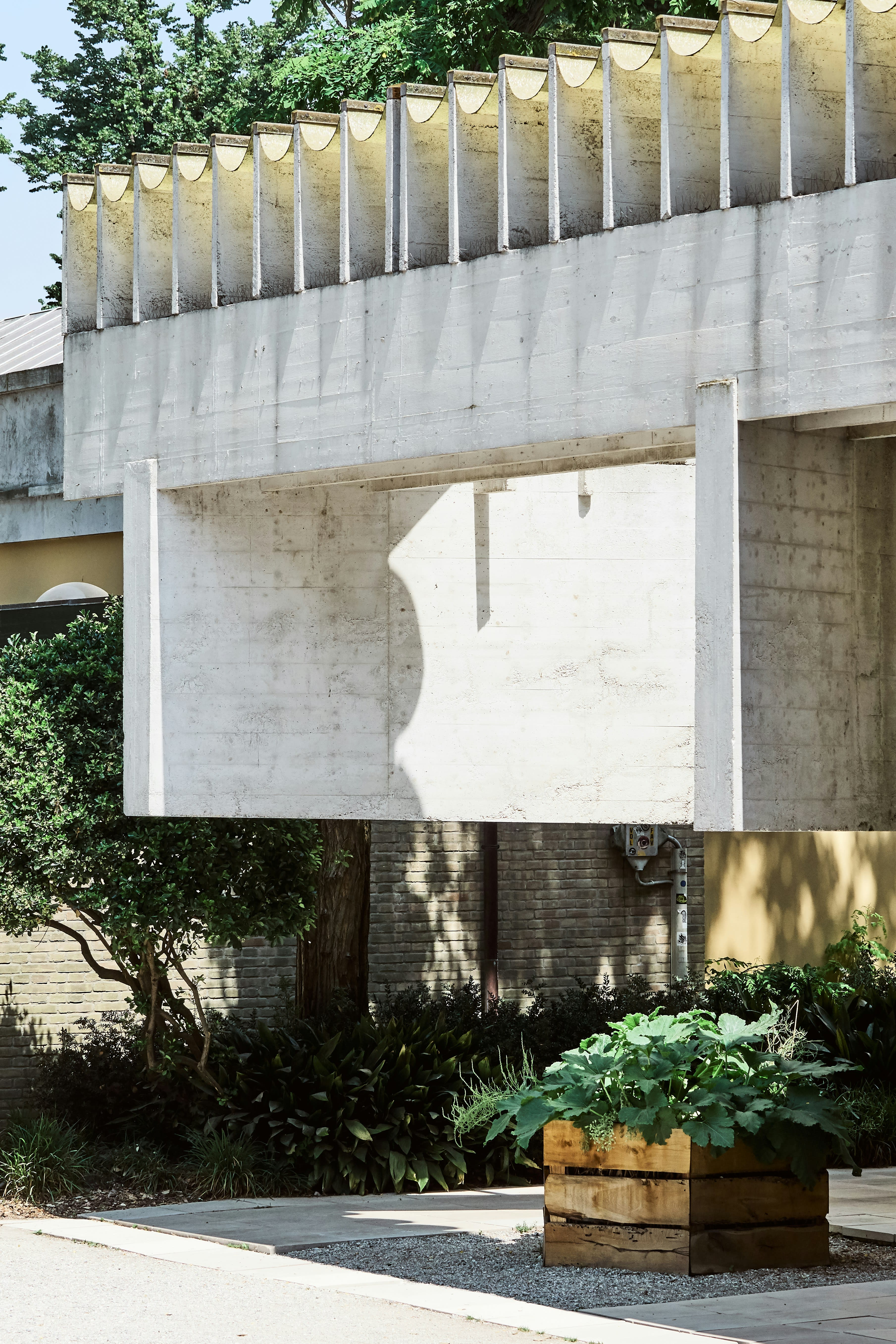
Widely considered the world’s most important exhibition of contemporary art, the Venice Biennale transforms the city into a layered cultural landscape that extends far beyond the formal exhibition venues themselves. Rather than rushing to see everything, the experience is best approached selectively and with intention, balancing significant global works with the atmosphere of Venice itself. Leveraging my background in art history, I work closely with clients to shape informed Biennale itineraries, from identifying the most significant national pavilions and exhibitions of a given edition to arranging specialist-led visits, meetings with gallery professionals, and carefully curated cultural experiences throughout the city.
The Fora Difference
Book with Vera Vojvodic to access exclusive perks and experiences on your trip.

Killer perks
Free upgrades, spa credits and more—we got you

Personalized recs
Customized travel planning for your style

Insider knowledge
Expert advice from people who’ve actually been there
Where to stay
Unlock perks by contacting Vera Vojvodic to book your trip.
Photography courtesy of Duchess Concept
What the Venice Biennale actually Is
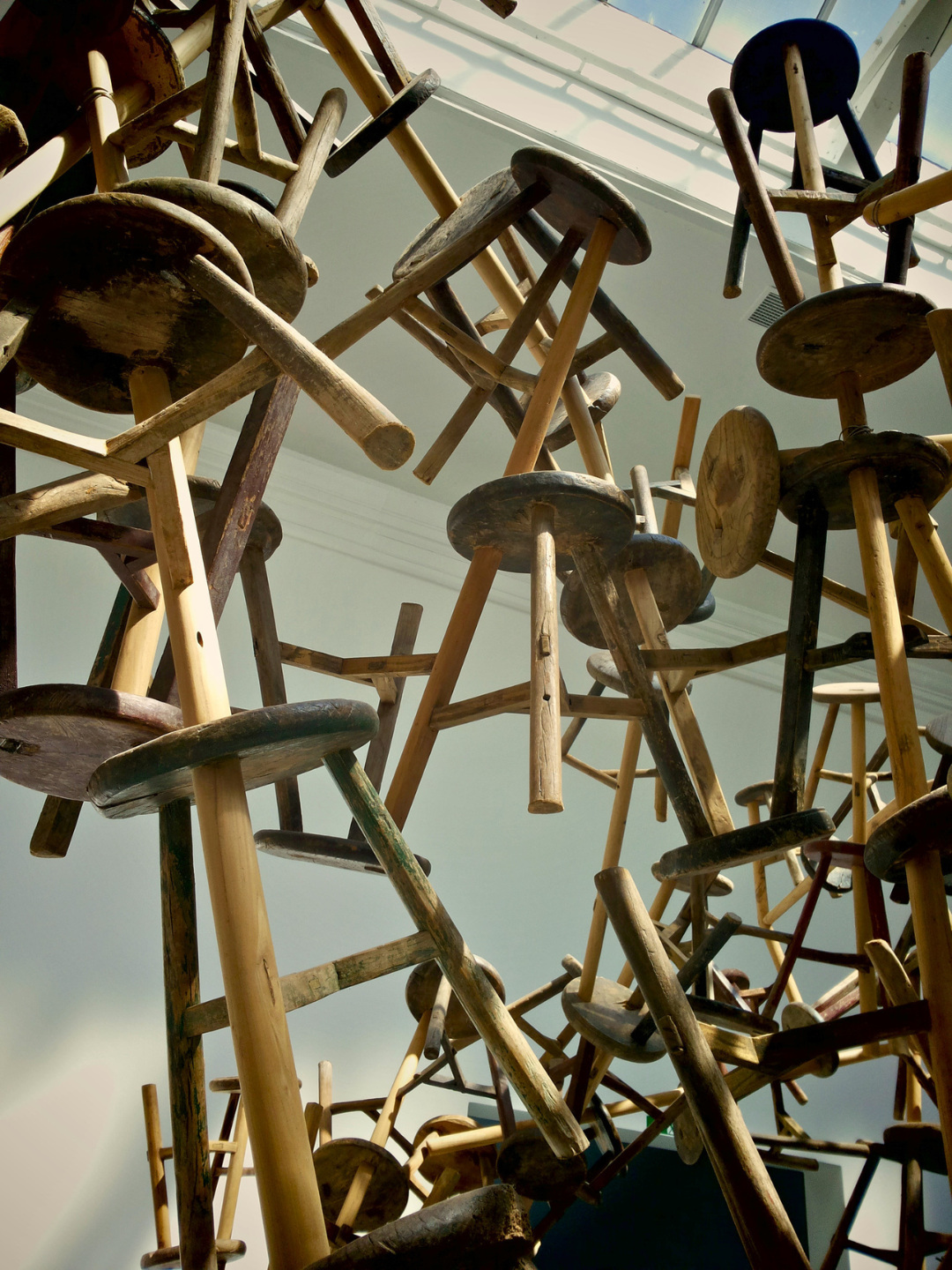
The Venice Biennale is far more than a traditional art exhibition. During Biennale season, Venice itself becomes a living gallery, with exhibitions, installations, conversations, and events unfolding across the entire city.
While the Giardini and the Arsenale remain the two main Biennale venues, important collateral exhibitions, foundations, and national participations appear throughout Venice, from historic palazzos and churches to industrial spaces and private institutions. Rather than something you simply “visit,” the Biennale is something you move through over several days.
For art collectors and travelers interested in contemporary art, architecture, design, and culture, it remains one of the most rewarding moments to experience Venice.
Photography courtesy of Duchess Concept
Who the Biennale is best for
The Biennale is especially rewarding for culturally curious travelers who enjoy moving at a slower, more intentional pace. It tends to appeal particularly to art collectors, architects, designers, creative professionals, and travelers who already know Venice and want to experience the city from a different perspective.
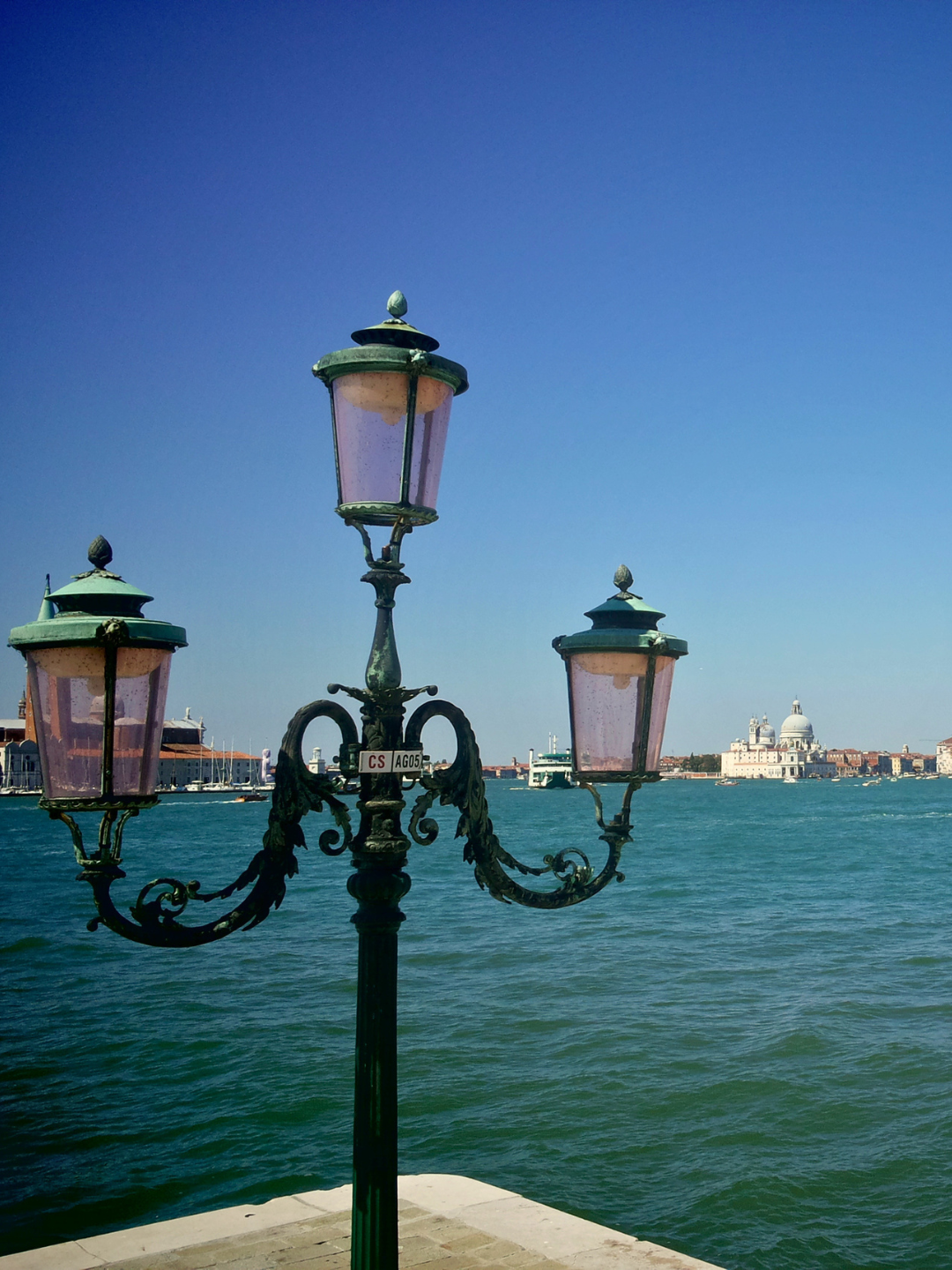
Rather than approaching Venice as a checklist destination, the Biennale invites a more layered experience of the city itself, balancing contemporary art with long walks, quiet canals, historic cafés, and beautifully restored hotels.
Why the Biennale requires planning
The Venice Biennale is also one of the few cultural events where thoughtful planning genuinely changes the quality of the experience.
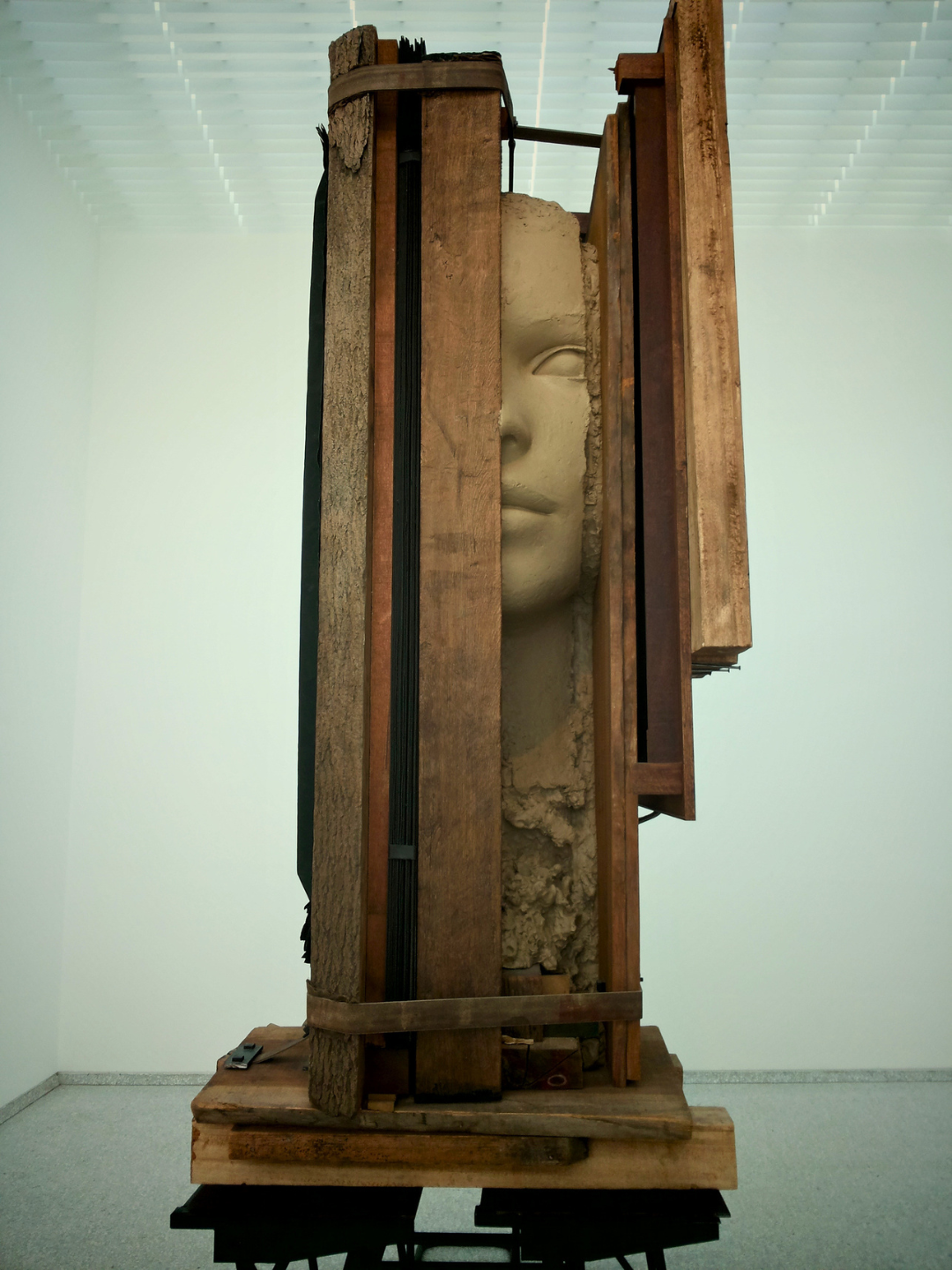
Not every pavilion is equally relevant each year, and attempting to see everything is often the fastest way to experience museum fatigue rather than meaningful engagement with the work itself. Having a strong understanding of the curatorial direction, the most significant national participations and the wider cultural program allows the experience to feel far more focused and rewarding.
With a background in art history, I particularly enjoy helping clients navigate the Biennale in a more informed way, whether through selecting exhibitions aligned with their interests, creating a slower and more intentional pace throughout the city, or arranging specialist-led visits and introductions within the art world where appropriate.
Photography courtesy of Duchess Concept
How many days you really need
One of the most common mistakes travelers make is underestimating how much time the Biennale requires.
While it is technically possible to visit the main venues in one long day, the experience becomes significantly more rewarding when spread across several days. I generally recommend a minimum of four nights in Venice, ideally longer for travelers with a deeper interest in contemporary art.
A well-paced itinerary might include:
One day focused primarily on the Giardini and national pavilions
One day dedicated to the Arsenale and the central exhibition
Additional time reserved for collateral exhibitions, museums, and private foundations
Slower moments for long lunches, aperitivo stops, and quieter neighborhoods beyond the main Biennale flow
Trying to see everything is rarely the right approach. The Biennale is best experienced selectively.
How to pace the experience properly
The Venice Biennale can easily become overwhelming if overplanned.
Walking distances are longer than many travelers expect, vaporetto transportation takes time, and the sheer scale of the exhibitions often leads to visual fatigue. Building slower moments into the itinerary makes an enormous difference.
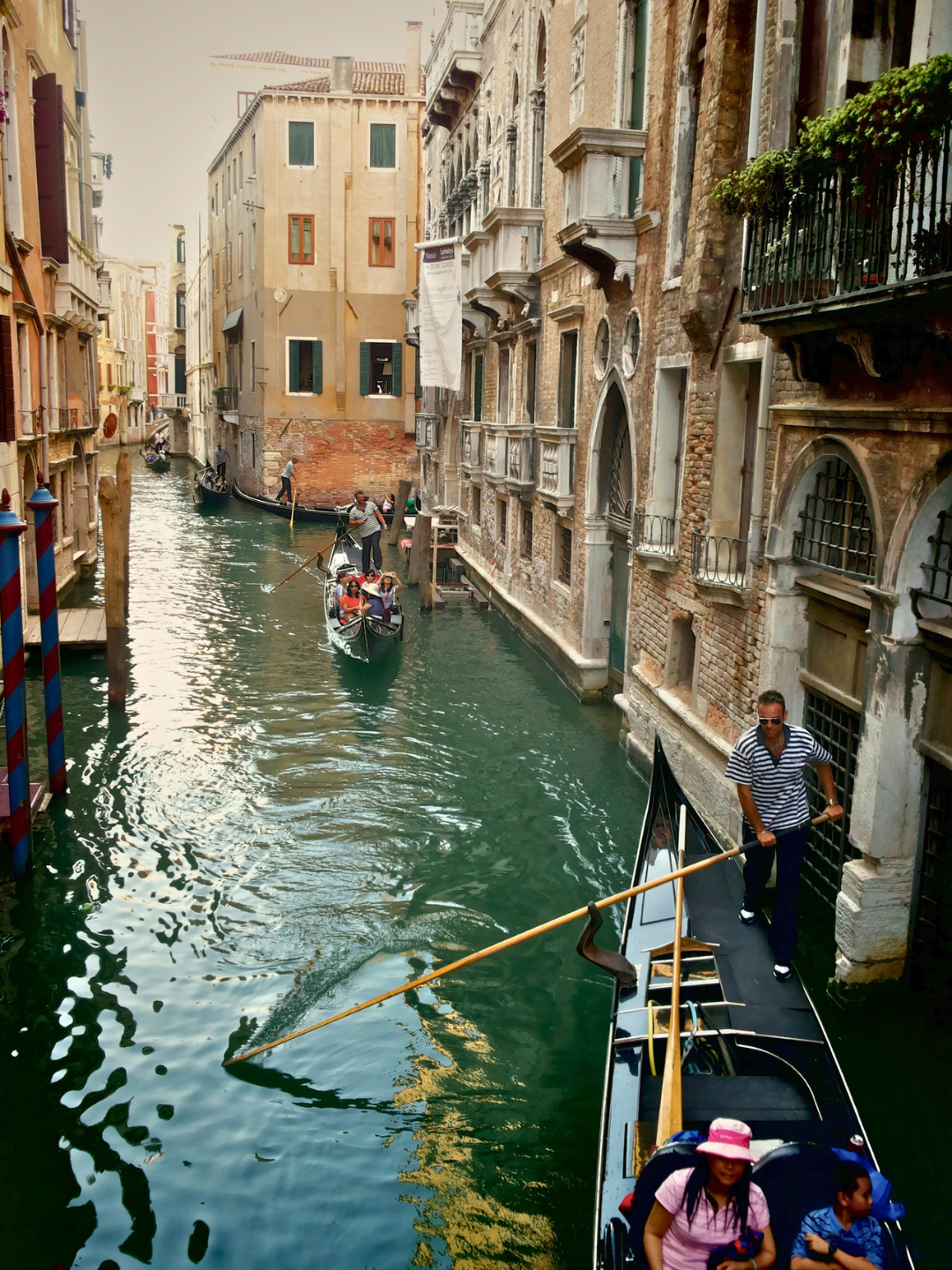
Long lunches overlooking the canal, an afternoon at the Peggy Guggenheim Collection, or a quiet stroll through Dorsoduro often become just as memorable as the exhibitions themselves.
Part of experiencing the Biennale properly is allowing Venice itself to remain part of the journey.
Photography courtesy of Duchess Concept
Beyond the main venues
Beyond the Giardini and the Arsenale, Biennale season spills beautifully into the rest of the city.
Among the institutions and off-site exhibitions I would strongly consider during a Biennale stay are the Peggy Guggenheim Collection, Fondazione Prada’s Ca’ Corner della Regina, and the exhibitions hosted on San Giorgio Maggiore. These spaces often provide a quieter and more reflective counterpoint to the scale and intensity of the Biennale itself.
The Peggy Guggenheim Collection in particular remains one of the most elegant modern art experiences in Venice, set directly on the Grand Canal within Peggy Guggenheim’s former home.
Where to stay
Venice is currently undergoing a particularly interesting moment within its luxury hotel landscape, with several landmark reopenings and renovations quietly reshaping the city.
For travelers seeking privacy and a true palazzo atmosphere, Aman Venice remains one of the city’s most exceptional addresses, offering a rare sense of calm in the heart of Venice.
For those who prefer to stay closer to the Biennale venues themselves, Hotel Gabrielli offers a beautifully restored historic setting within easy reach of the Giardini, allowing for a more fluid rhythm throughout the day.
One of the most anticipated reopenings in Venice is Hotel Danieli, which is entering a new chapter as a Four Seasons property following a significant restoration. Its reopening further reinforces Venice’s position within the global luxury hospitality landscape during Biennale season.
Belmond Hotel Cipriani also continues its extensive transformation, including redesigned suites and major updates to several of its public spaces and wellness facilities, bringing renewed energy to one of Venice’s most iconic hotels.
Among the upcoming luxury openings attracting considerable attention is Airelles Venezia on Giudecca, expected to introduce a more intimate and design-forward interpretation of luxury hospitality to the city.
Final thoughts
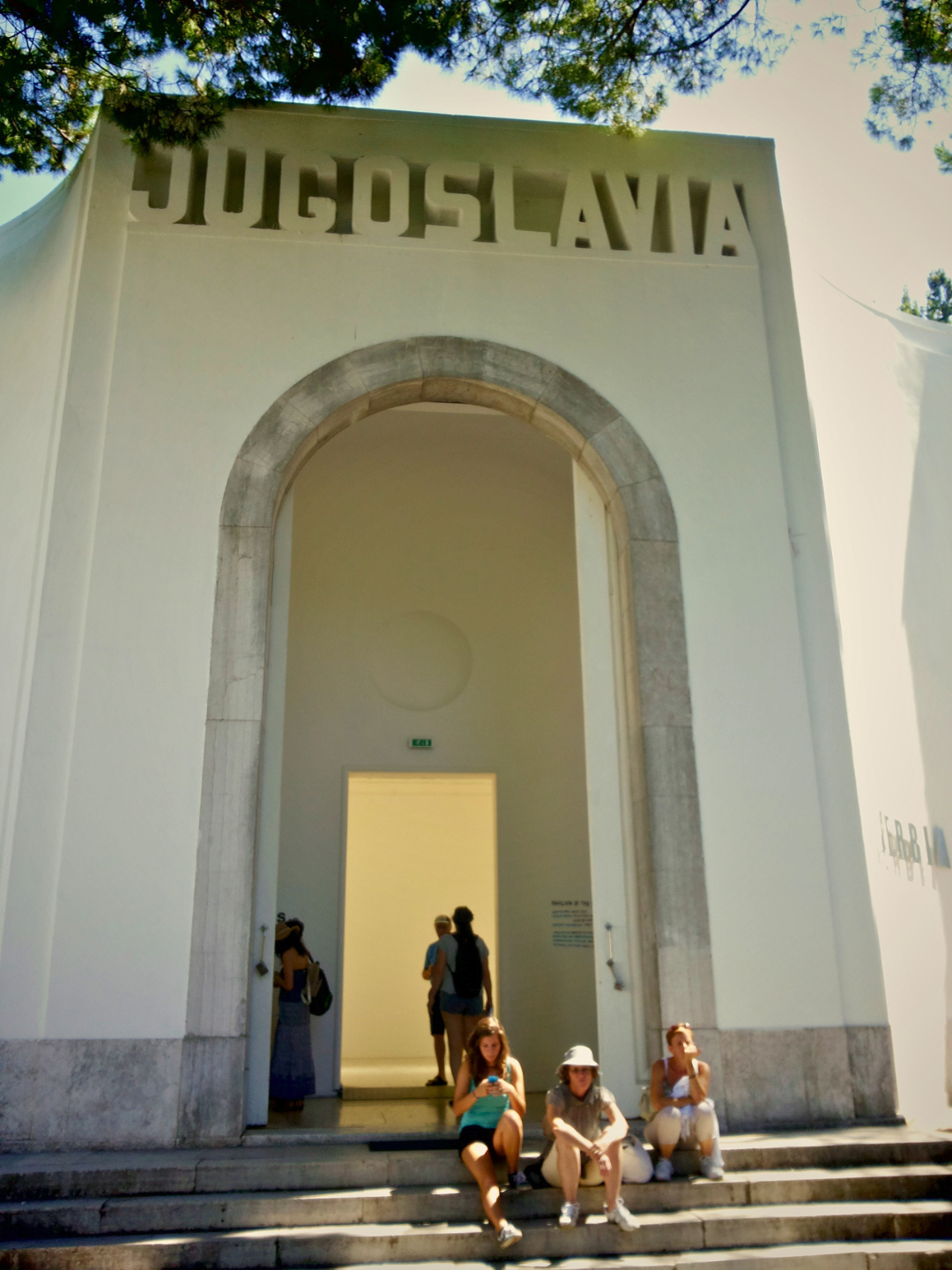
Experiencing the Venice Biennale properly is not about trying to see everything, but about selecting the right moments and allowing the city to unfold naturally. For travelers visiting Venice during Biennale season, careful planning makes an enormous difference, from choosing the right exhibitions and timing to selecting a hotel that matches the rhythm of the trip itself.
Photography courtesy of Duchess Concept
Need to know
A minimum stay of four nights is highly recommended for a well-paced Biennale experience.
The Biennale extends far beyond the Giardini and Arsenale, with important exhibitions taking place throughout Venice.
Trying to see everything is rarely rewarding. A more selective approach creates a far richer experience.
Comfortable walking shoes are essential, as distances across Venice are often longer than expected.
During opening weeks and vernissage periods, hotels often book out many months in advance.
Purchasing a multi-day vaporetto pass makes navigating Venice significantly easier throughout the trip.
Spring and early autumn are generally the most pleasant periods to visit Venice during Biennale season.
Private guided visits and specialist-led experiences can add significant depth for travelers with a serious interest in contemporary art.
For more inspiration and insider recommendations, visit our Venice page.


Travel Advisor
Vera Vojvodic

Vera Vojvodic

Get in touch with Vera Vojvodic
Did you like this guide? Reach out to customize and book your own experience. Or, just to chat about travel in general.