
When Hundreds of Manta Rays Gather in Baa Atoll: A Once-in-a-Lifetime Experience at Hanifaru Bay

Curated By
Luminita Popescu
Curator’s statement
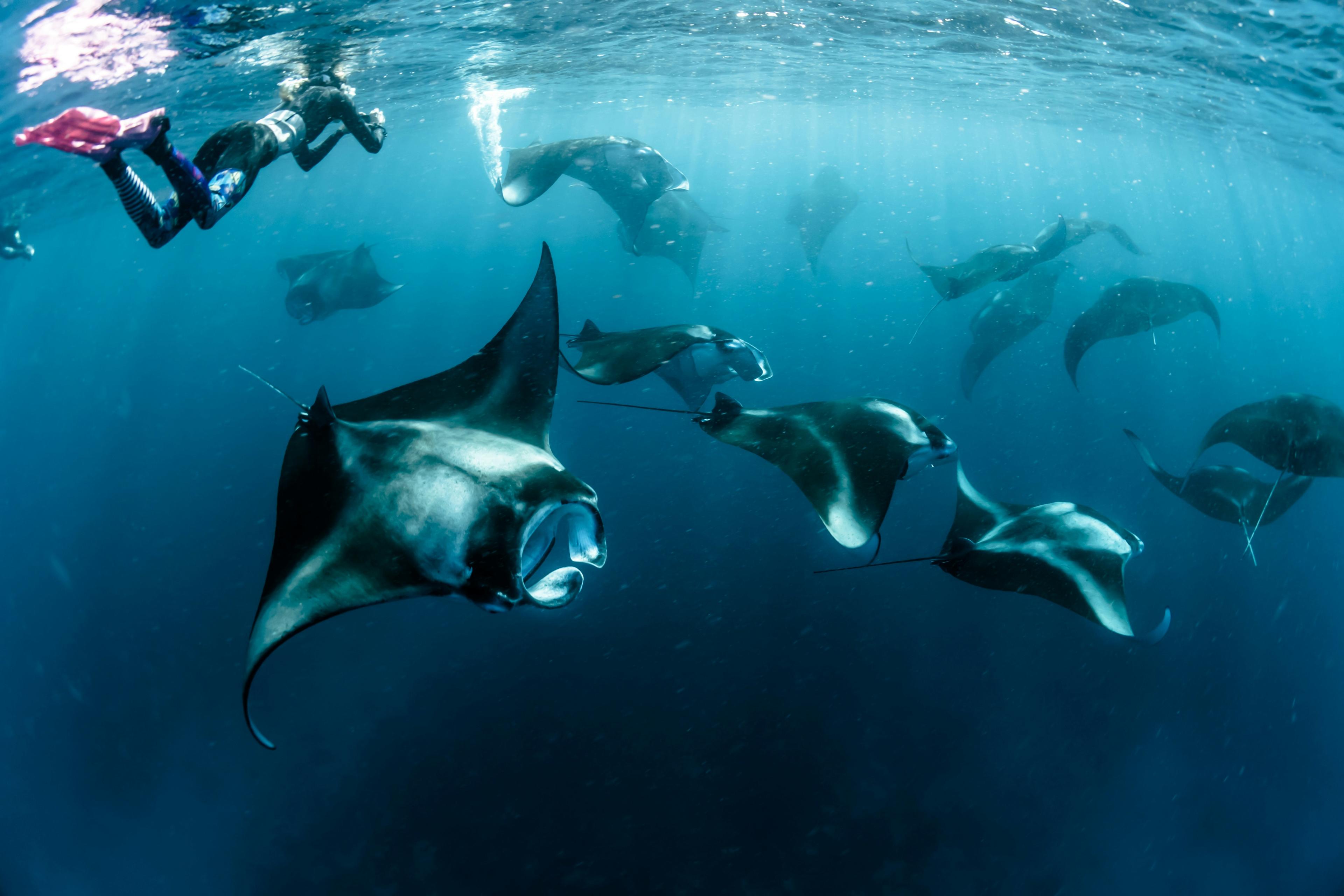
I have snorkeled with manta rays before—a single one gliding past in open water, maybe two or three on a good day. Nothing prepared me for Hanifaru Bay. Baa Atoll is one of those places that reminds you how extraordinary the natural world is, and how privileged we are to share it. This experience—watching tens of manta rays feeding in a frenzy just meters from where I floated in the water—brought me to tears. It is the kind of moment that stays with you not just in your memory, and it keeps you in a state of awe, opening your curiosity up to how incredible nature is. If you love wildlife and you love the ocean, Hanifaru Bay belongs on your bucket list without question.
The Fora Difference
Book with Luminita Popescu to access exclusive perks and experiences on your trip.

Killer perks
Free upgrades, spa credits and more—we got you

Personalized recs
Customized travel planning for your style

Insider knowledge
Expert advice from people who’ve actually been there
Where to stay
Unlock perks by contacting Luminita Popescu to book your trip.
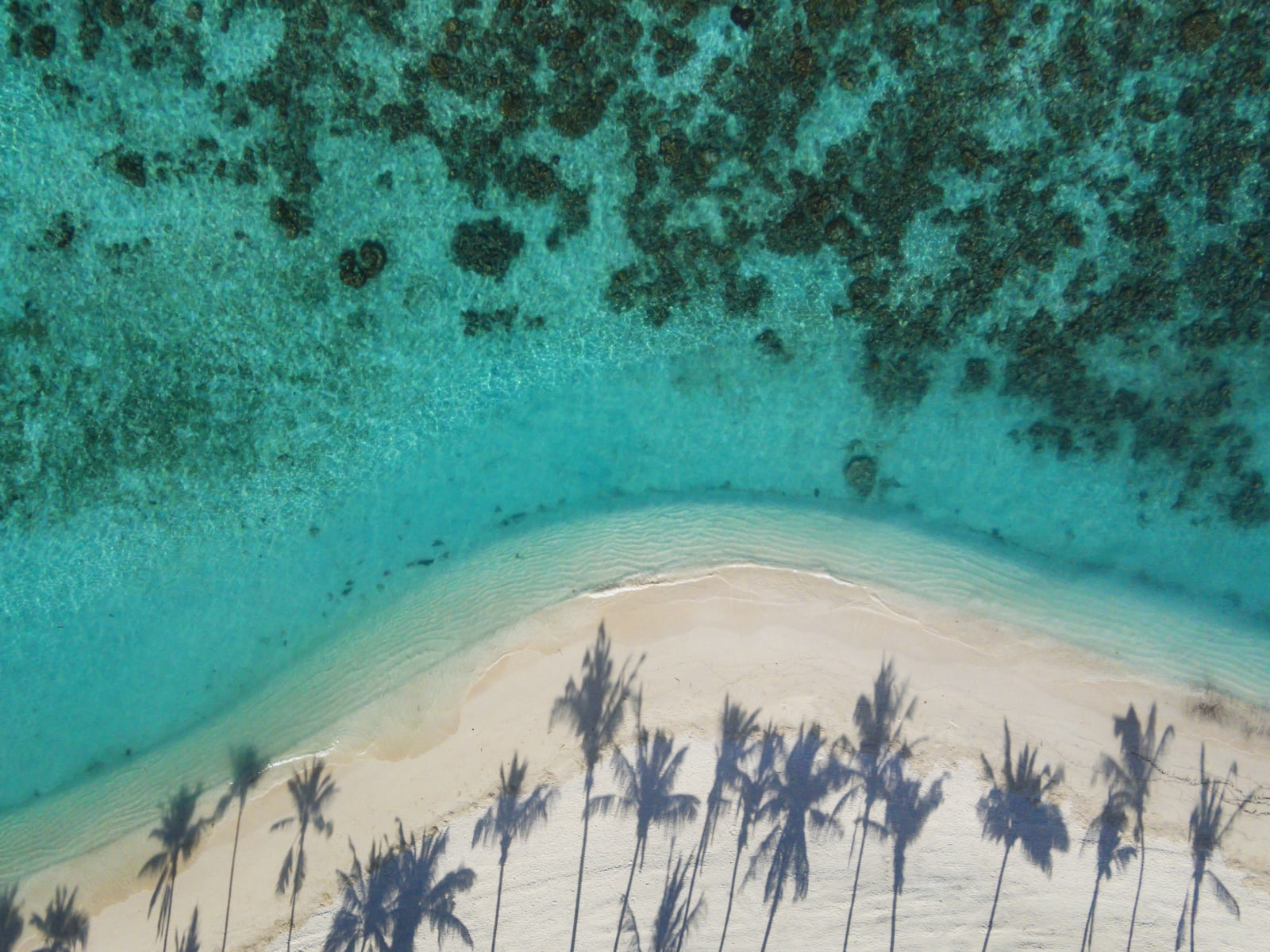
Photo courtesy of Milaidhoo Maldives
I visited Milaidhoo Maldives in September for seven nights—and if you are reading this, wondering whether September is a good time to visit the Maldives, let me reassure you immediately. Yes, September falls within the wet season. Yes, we had some rain. But the showers were short, warm, and passed quickly, leaving the ocean calm and the sky dramatically beautiful. The Maldives in September is quieter, more intimate, and for Baa Atoll specifically, it is one of the best months of the entire year to be there. Here is why.
Baa Atoll is a UNESCO World Biosphere Reserve—and its crown jewel is Hanifaru Bay, a small, horseshoe-shaped bay with a unique funnel-like reef structure that traps plankton-rich water during the southwest monsoon season. From May through November, strong monsoon winds push nutrient-rich water from the deep ocean into the atoll, triggering massive plankton explosions that concentrate into what marine biologists describe as a dense underwater soup. The bay's shape means this plankton has nowhere to go—it simply accumulates, creating the perfect feeding conditions for one of the ocean's most graceful giants: the manta ray.
I was having breakfast at Milaidhoo when the marine biology team made the announcement over the resort. There had been a storm the night before—a full moon aligning with strong monsoonal conditions, exactly the trigger that causes the most spectacular congregations. As the storm cleared and visibility improved, the manta alert was called. Without hesitation, I grabbed my goggles, took a croissant, and walked straight to the speedboat. 15–20 minutes later, we were at Hanifaru Bay—just five of us, a small group, accompanied by the Milaidhoo marine biology team.
What happened next is genuinely difficult to put into words. We were told that over 50 manta rays had gathered in the bay. The boat approached carefully and slowly, maintaining respectful distance as the team had trained us to do. From the surface, you could already see them—these enormous, gentle creatures, their wingspan reaching up to 4–5 meters, moving through the water with an effortless grace that feels almost impossible at that scale. When I slipped into the water, I stayed well back from the group, giving them space, watching from a distance that felt both close enough to be overwhelmed and respectful enough to feel right.
I have seen manta rays before. Lone ones hovering near a house reef. Two or three together on a particularly lucky dive. But nothing—absolutely nothing—compares to witnessing over a hundred of them feeding together in a coordinated, ancient choreography. They barrel rolled through the plankton soup. They formed chains, one following another in slow spirals. They moved beside me and above me and below me, completely indifferent to my presence, entirely focused on the feast. I had tears in my eyes and inside my mask. It wasn't comfortable, but I didn't care a single bit. They were tears of pure, overwhelming joy and gratitude that I was there, in that water, witnessing something that most people will never see in their lifetime. Nature at its finest, doing the most impressive show.
The marine biology team was extraordinary throughout. They briefed us before we entered the water—no touching, maintain distance, move slowly. Their presence made the experience so much more meaningful. They shared facts about the mantas as we went—about their migration patterns, their intelligence, their vulnerability. They shared with us everything that I tell you about mantas in this article. Being just five people in the water rather than the large groups that can sometimes descend on popular snorkeling sites. Here it was: us in the front seat of what, for me, is one of the most beautiful spectacles of nature. Just the ocean and those magnificent animals and the profound silence of being somewhere genuinely wild.
Milaidhoo itself is the perfect base for this experience. Adults-focused resort, just fifty villas, Forbes 4-Star rated, and positioned perfectly within Baa Atoll for Hanifaru Bay access. The house reef at Milaidhoo is exceptional—I snorkeled it every morning before breakfast and encountered turtles, reef sharks, and abundant coral life just steps from the beach. The dining is outstanding and the level of personal service is the kind that makes you feel the island was designed entirely for you. But it was the marine biology program—the team who called the manta alert that September morning and guided us safely through one of the most extraordinary experiences of my life—that made Milaidhoo genuinely unforgettable.
Need to know
September is a wonderful time to visit Baa Atoll. Do not let the wet season label put you off. Rain in the Maldives typically comes in short, warm showers that pass quickly. The ocean remains calm between weather events, the resort is quieter and more intimate, and September sits right in the heart of peak manta ray season. The combination of post-storm conditions and full moon cycles in September creates some of the most spectacular manta congregations of the entire year.
The manta alert can happen at any time. Stay close and make sure you let your butler know that you want to be notified by the marine biology team when there are manta congregations. The congregations are triggered by specific weather and tidal conditions and can form quickly—sometimes first thing in the morning as mine did. Be ready to go at a moment's notice. A croissant in hand is entirely optional, but I recommend it.
Keep your group small and your distance respectful. The most extraordinary wildlife experiences happen when humans cause the least disruption. Five people in the water is very different from fifty. Choose a resort with an active marine biology programme and a genuine commitment to ethical wildlife encounters. Alternatively, if your resort feels crowded and you crave a more intimate experience, let me know. Together with my partner, Hummingbird Travel, we will craft a private, unforgettable excursion just for you. The mantas at Hanifaru Bay are wild animals in their natural habitat—treat them that way and the experience will be infinitely richer for it.
Hanifaru Bay is protected. Entry is managed and a small fee is charged to support conservation. This is worth every penny. The UNESCO Biosphere Reserve status of Baa Atoll exists because people have worked hard to protect it—visiting ethically means that protection continues for generations to come.
You do not need to be an experienced snorkeler. The feeding congregations happen in relatively shallow water, and manta rays are surface feeders. As long as you are comfortable floating, life jackets are provided, and if you can follow simple instructions about distance and behavior, you will be able to witness this experience fully. The feeling of seeing your first manta ray—let alone over 50 of them—is something no level of experience can prepare you for.
For more inspiration and insider recommendations, visit our Maldives page.


Travel Advisor
Luminita Popescu

Luminita Popescu

Get in touch with Luminita Popescu
Did you like this guide? Reach out to customize and book your own experience. Or, just to chat about travel in general.