




Curator’s statement
On Jeju Island, luxury does not always announce itself in marble lobbies or champagne flutes. Sometimes it rises quietly from a volcanic crater at dawn. Sometimes it surfaces in the sharp whistle of a diver breaking through cold Pacific waters. This is a journey of dualities—wind and water, solitude and sisterhood, raw terrain and refined retreat. An escape for travelers who crave both elemental adventure and impeccable comfort.
The Fora Difference
Book with Sonya Barbir to access exclusive perks and experiences on your trip.

Killer perks
Free upgrades, spa credits and more—we got you

Personalized recs
Customized travel planning for your style

Insider knowledge
Expert advice from people who’ve actually been there
Where to stay
Unlock perks by contacting Sonya Barbir to book your trip.
During my time on Jeju Island, I quickly realized that the island’s most memorable luxuries weren’t found behind polished doors or velvet ropes—they were elemental. Wind, light, water, and the feeling of standing somewhere vast and quietly powerful. Before sunrise one morning, I set out toward Geum Oreum. The path climbed gently through fields of silver grass that swayed in the early breeze, the island still wrapped in that hushed pre-dawn stillness. As the trail curved upward, the crater suddenly opened before me like a natural amphitheater, its rim forming a perfect circle above the clouds. There was no crowd, no signage directing the moment—just volcanic earth beneath my boots and a horizon slowly brushed in golden light. Standing there, watching the island wake up in silence, it felt cinematic and deeply personal. It reminded me that true indulgence isn’t always about comfort—it’s about space, perspective, and the rare luxury of quiet.
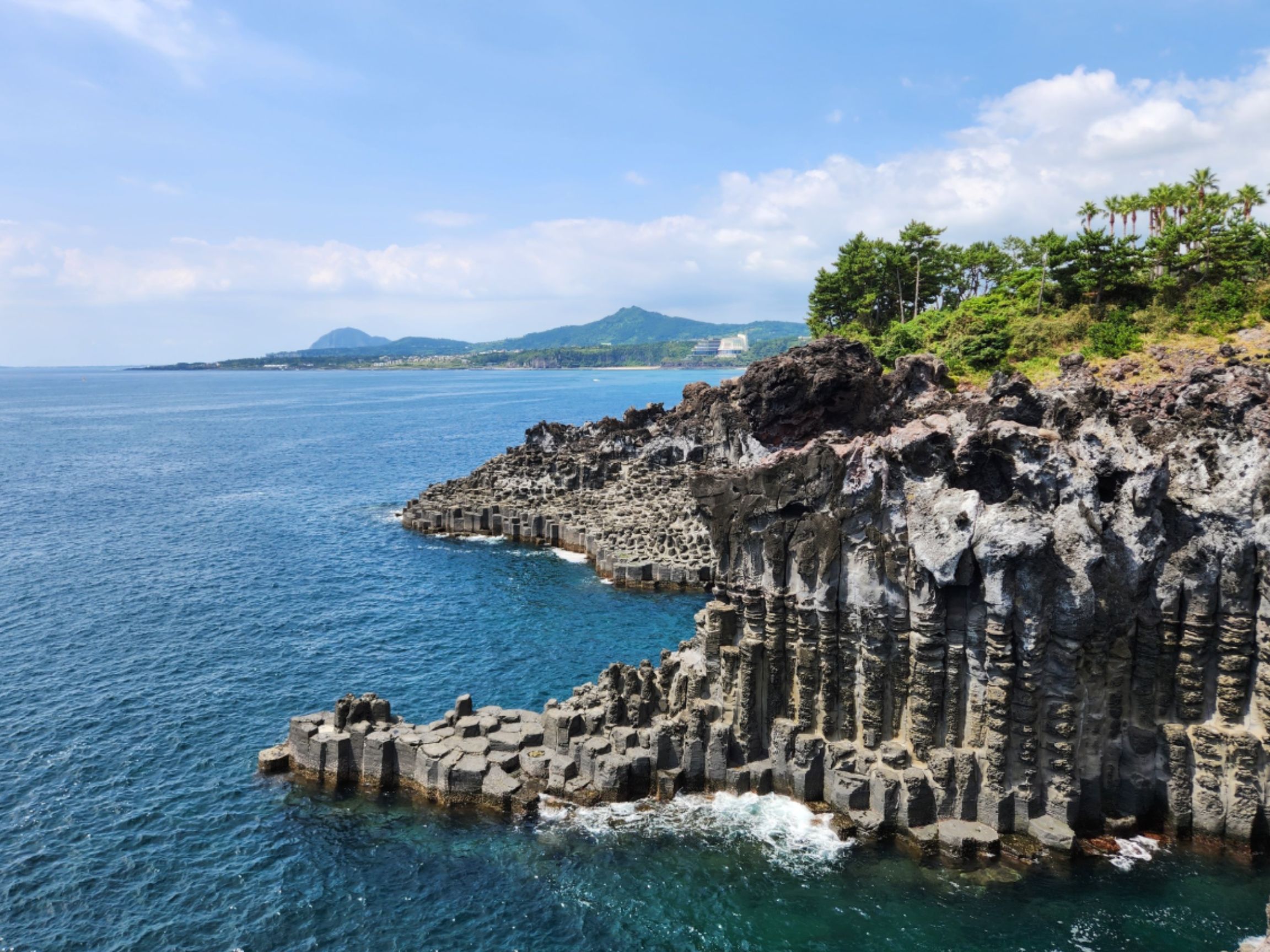
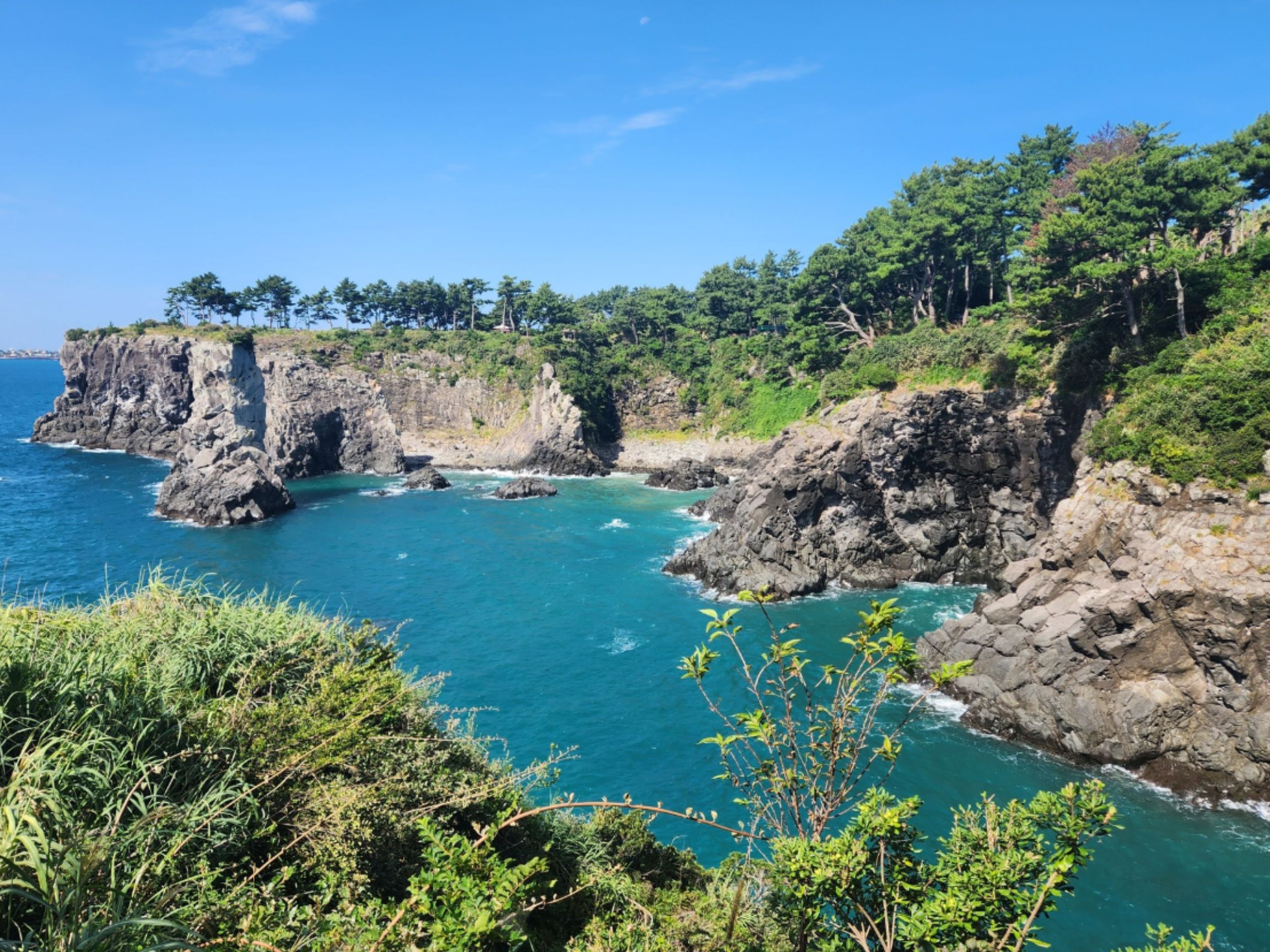
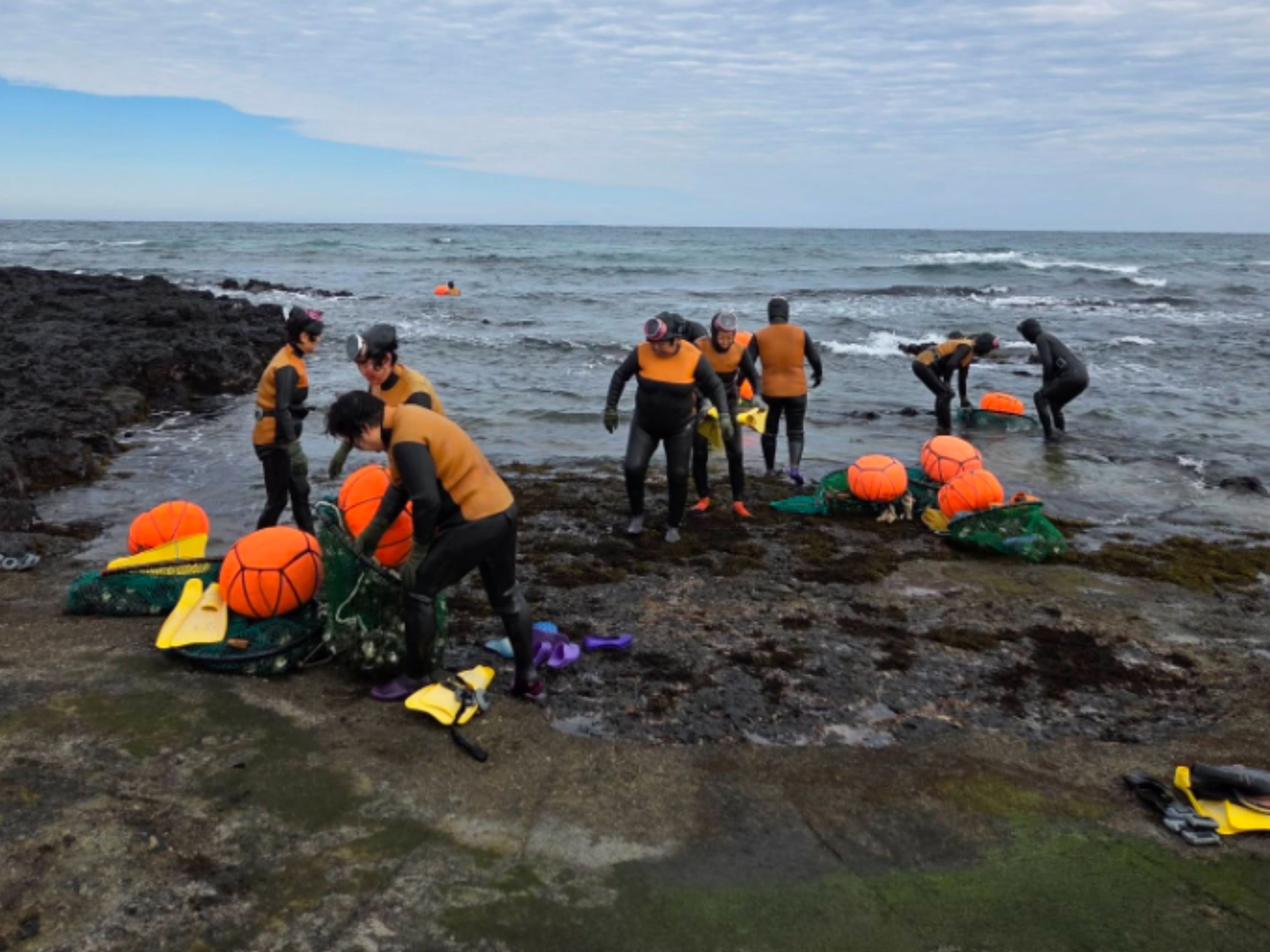
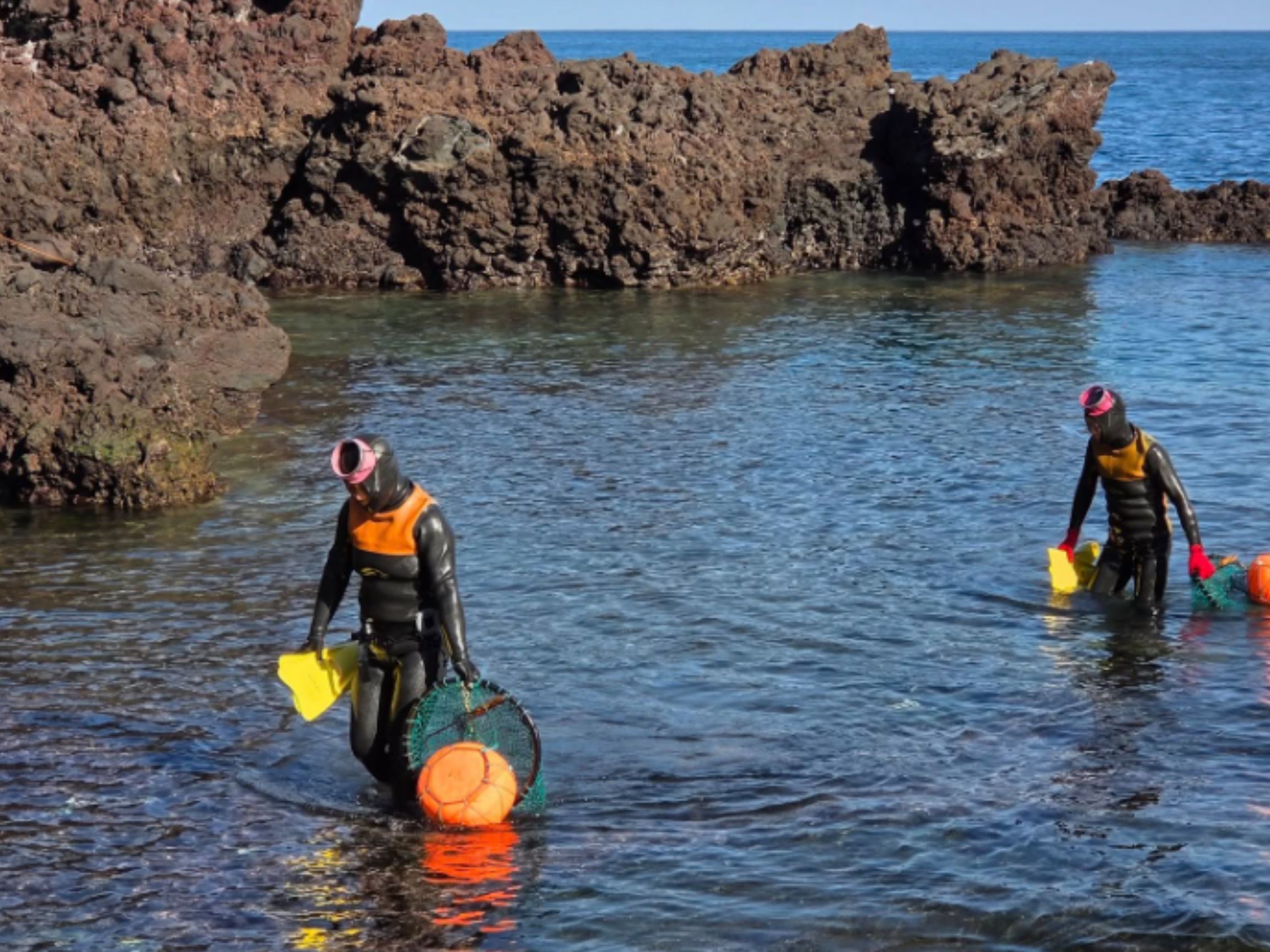
By mid-morning, the island’s mood had shifted completely. The highland calm gave way to the rhythmic hush of the sea near Seongsan Ilchulbong, the famous volcanic tuff cone rising dramatically from the coast. Along the basalt shoreline, I watched one of Jeju’s most extraordinary living traditions unfold: the women divers known as the Haenyeo. It is recognized by UNESCO as an Intangible Cultural Heritage, these divers enter the cold water without tanks, guided only by breath, instinct, and generations of inherited knowledge. From the rocks, I watched them gather, adjust their gear, and slip into the water with ease. Minutes would pass in quiet anticipation until a diver resurfaced with the sharp, whistling sumbisori—that unmistakable exhale that carries across the waves. Hearing it in person was striking. It wasn’t a performance or a tourist attraction; it was work, skill, and resilience shaped by decades of salt water and survival. There was something profoundly moving about witnessing a matriarchal tradition still alive in its natural rhythm.
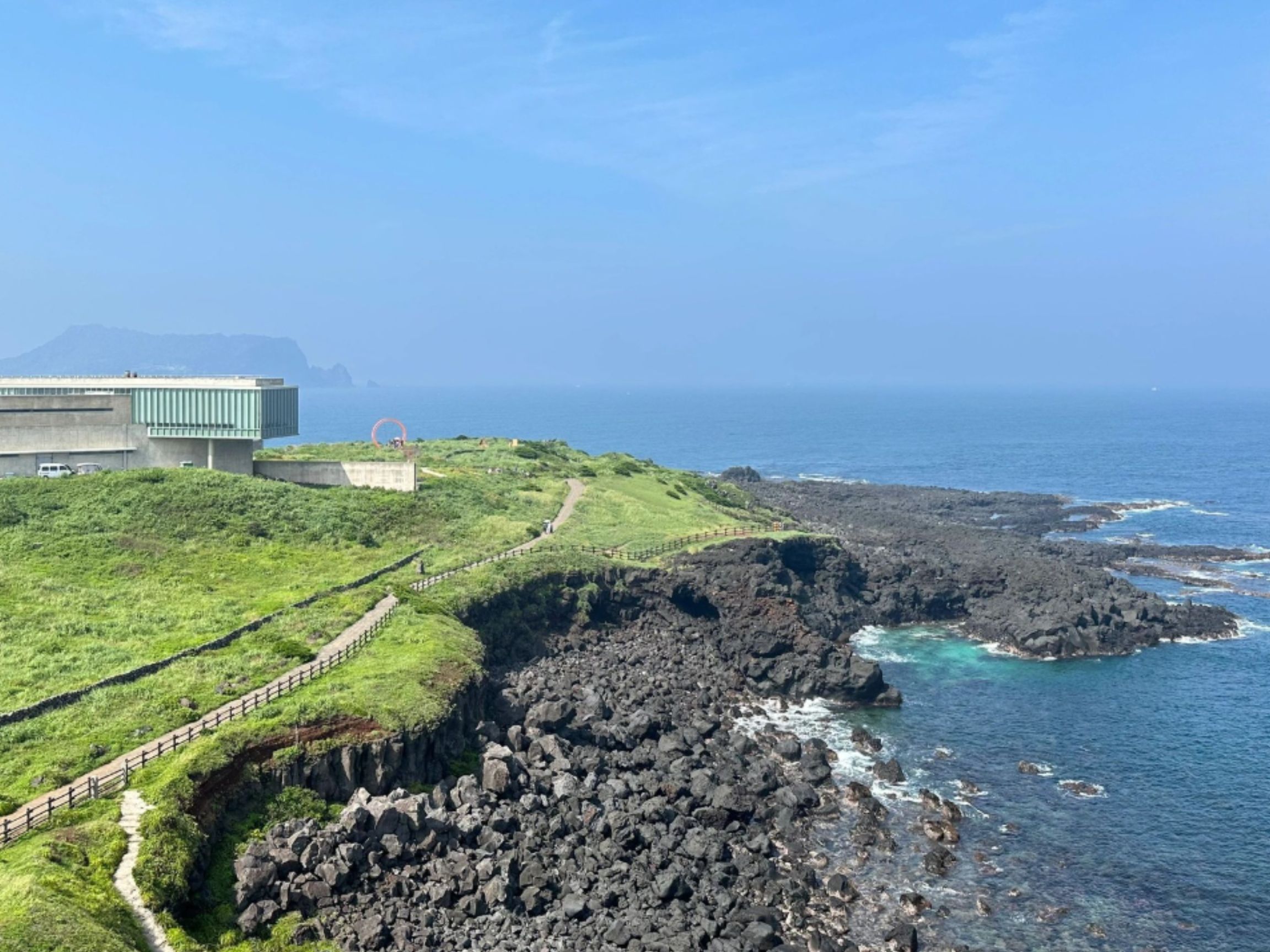
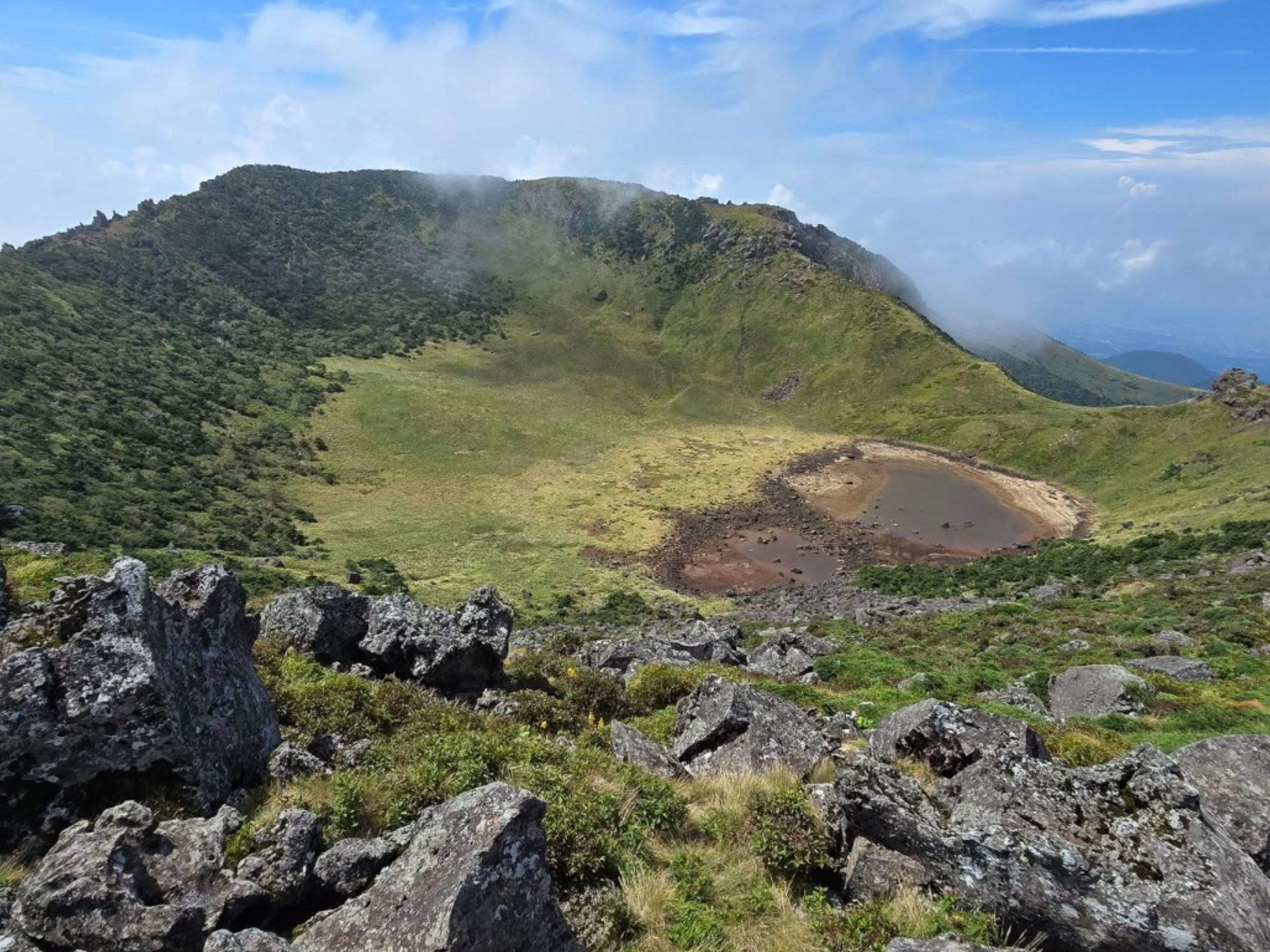
Geum Oreum Volcanic Crater
Experiences like this make Jeju especially rewarding for culturally curious travelers who prefer meaningful immersion over spectacle. The rhythm of the island favors early mornings and a willingness to adapt to weather and sea conditions. A moderate level of activity—particularly for hikes like the ascent around Geum Oreum—goes a long way in opening up some of the island’s most rewarding landscapes. And when observing the Haenyeo, respectful distance matters. These women are working divers, not staged performers, and the experience feels far more powerful when approached with quiet appreciation.
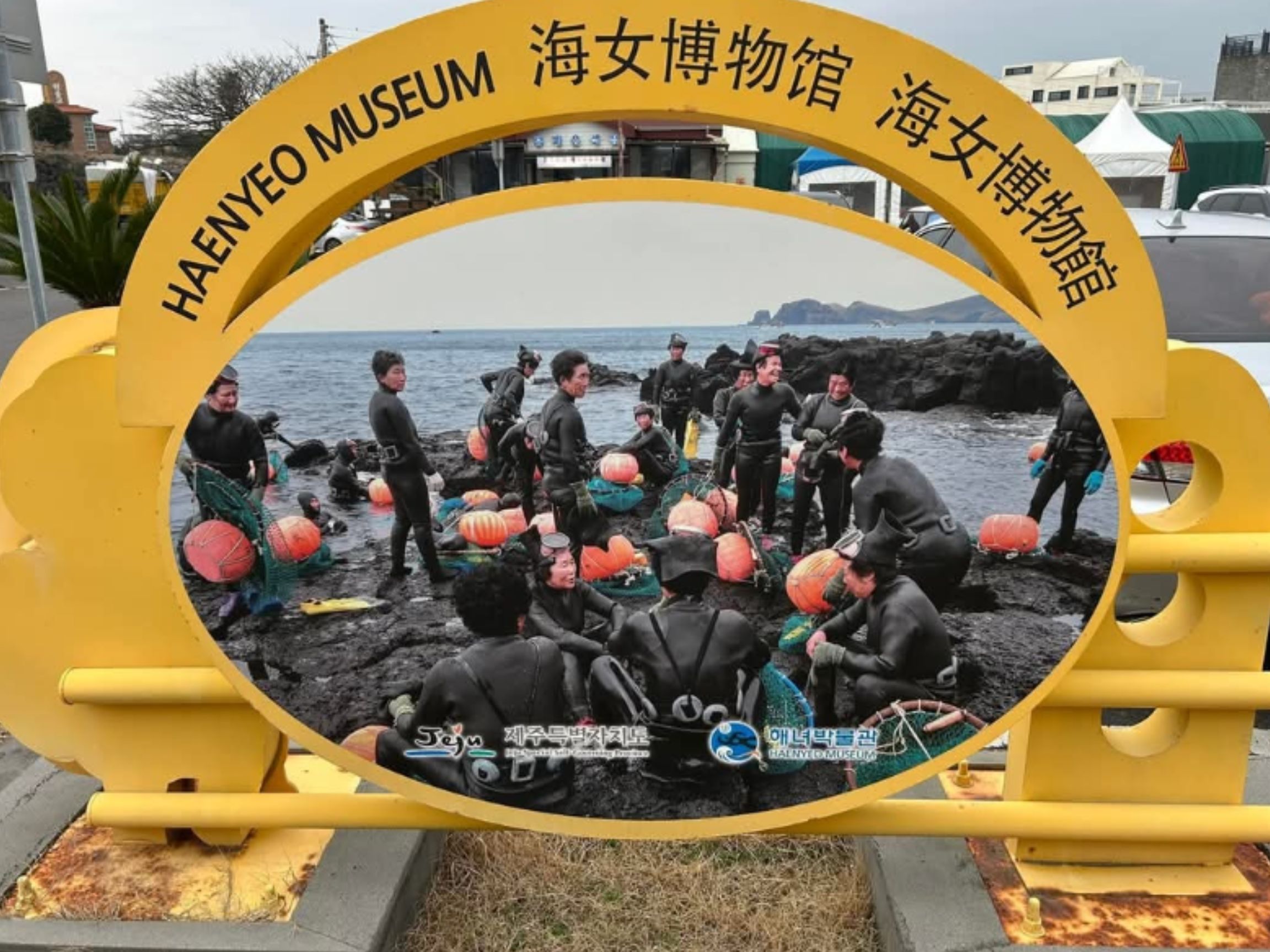
Haenyeo Museum
After wind-swept trails and salt-kissed shores, returning to refined accommodations felt like the perfect counterbalance. Properties like The Shilla Jeju and Haevichi Hotel & Resort Jeju offer exactly the kind of restoration you crave after a day outdoors—spas, thoughtful dining, and serene balconies overlooking the same waters the Haenyeo enter at sunrise. Watching the light fade over the ocean from a quiet terrace, it struck me how effortlessly Jeju blends adventure with elegance. To move comfortably between the island’s rural trails and coastal villages, I found that a rental car or private transfer made all the difference. Jeju rewards those willing to wander, and having the freedom to follow winding roads from volcanic hills to open sea allows you to experience the island’s most beautiful contrast: untamed nature paired with understated luxury.
Need to know
Insider advice:
Arrive at Geum Oreum before 7 a.m. for solitude and golden light.
Check local conditions for Haenyeo dive schedules as they vary with tides and weather.
Wear sturdy footwear since the volcanic gravel can shift underfoot.
Bring layers: Jeju’s coastal winds are brisk even in warmer seasons.
Practice respectful observation. Avoid intrusive photography or drones.
Use Naver map for accurate navigation across rural roads.
For more inspiration and insider recommendations, visit our South Korea page.


Travel Advisor
Sonya Barbir

Sonya Barbir

Get in touch with Sonya Barbir
Did you like this guide? Reach out to customize and book your own experience. Or, just to chat about travel in general.