

A Guide to the Golden Gap Year: Why Retirement Is Your Most Important Travel Milestone

Curated By
Travel with Makini

Curator’s statement
Retirement is one of the most significant life transitions a person will ever navigate, yet the travel industry rarely treats it that way. Too often, travelers in this season of life are offered cruise deals and senior discounts when what they really need is someone who understands the full picture. The reality is that retirement travel often involves far more than choosing a destination. It may mean coordinating a trip for three generations of a family. It may mean navigating mobility changes, vision loss, memory concerns, or the practical realities of traveling with a cane, walker, scooter, or wheelchair. It may mean finding experiences that work equally well for a neurodivergent grandchild, an aging parent, and everyone in between. As an Accessible Travel Ambassador and Certified Autism Travel Professional, I believe thoughtful planning opens doors. Barrier-free travel, multigenerational connection, and meaningful experiences should not be reserved for a select few. They should be available to anyone willing to dream a little and plan with intention. The Golden Gap Year is real, and it belongs to you.
The Fora Difference
Book with Travel with Makini to access exclusive perks and experiences on your trip.

Killer perks
Free upgrades, spa credits and more—we got you

Personalized recs
Customized travel planning for your style

Insider knowledge
Expert advice from people who’ve actually been there
Where to stay
Unlock perks by contacting Travel with Makini to book your trip.
There’s a moment that happens for a lot of newly retired travelers. They’re sitting at the kitchen table with a cup of coffee, no alarm set for tomorrow, and no PTO request waiting for approval. For the first time in decades, the calendar belongs entirely to them. Eventually, it’s someone says it: “We should really take that trip.”
Maybe it's Alaska. Maybe it’s a river cruise sailing through Europe. Maybe it’s a family reunion at sea with children and grandchildren coming from different corners of the country. Whatever the destination, the idea has been waiting patiently for years, filed away under a category called “someday we’ll do that.”
Here’s the thing no one tells you clearly enough: someday is now.
Not because time is running out, but because this particular combination of freedom, resources, and health is one of the rarest gifts retirement offers.
Retirement changes the meaning of travel in ways many people don’t fully appreciate until they experience it. For most of our adult lives, travel exists in the margins—squeezed between meetings, school calendars, and limited vacation days. Retirement removes those constraints and creates something rare: the ability to travel according to your own priorities. That freedom is what makes retirement one of life’s most important travel milestones.
What is the Golden Gap Year?
You’ve probably heard of a gap year as the period when young adults travel and discover who they are before stepping into the next phase of life. Retirement offers a remarkably similar opportunity, though we rarely talk about it that way.
I call it the Golden Gap Year: the period between retirement and the time when health, mobility, caregiving responsibilities, or life circumstances may make travel more difficult.
For some people, that season lasts a year. For others, a decade or more. Some travelers enter this season as a couple. Others arrive there unexpectedly on their own and discover that solo travel can be just as meaningful and transformative. None of us knows exactly how long it will be, which is precisely why it deserves thoughtful attention. The concept is not rooted in fear. It is rooted in clarity. Retirement creates a window when many people finally possess three things at once: time, resources, and health. The Golden Gap Year is when travel shifts from being an occasional reward to becoming a meaningful part of how you choose to live—milestone travel in its purest form.

Retirement creates something rare: the freedom to travel on your own terms.
Why retirement travel is different
Many travelers approach retirement using the same mindset they used during their working years: maximize every day, cover as much ground as possible, come home feeling like they conquered something. Retirement invites a different approach entirely.
Without the constraints of work schedules and limited vacation time, travel becomes less about efficiency and more about experience. There is time to linger in a favorite city, spend an extra afternoon in a museum, or stay somewhere long enough to develop a genuine sense of it. Some travelers enroll in cooking classes in Tuscany with a friend or partner. Others take a studio apartment stay in Portugal or spend a month learning a language abroad. Many choose this type of cultural immersion over sightseeing checklists and find the slower pace far more rewarding.
Others are drawn to more transformative experiences. One of the most powerful examples is Spain’s Camino de Santiago, a historic pilgrimage route walked by travelers from around the world. Some complete a portion of the route; others spend a month or more walking toward Santiago de Compostela. The journey is often less about religion than reflection—creating space to process a major life transition, heal from loss, consider what comes next, or simply spend time alone with one’s thoughts. For many retirees, the Camino becomes as meaningful as the destination itself.
For some travelers, the Golden Gap Year is finally about saying yes to the destinations that have lived on the list for decades. Antarctica. The Galápagos Islands. An African safari. A Panama Canal transit. These aren’t simply vacations. They are the experiences people imagine when they picture retirement travel—adventures that require a little more time, planning, and intention than most working years allow.
The question shifts from how many places can we see to how deeply can we experience this one. That shift changes everything.

Travel becomes easier when there is time to move at your own pace.
Why so many retirees wait too long
One of the most common conversations I have with clients begins the same way: we wish we had done this sooner.
The reasons for waiting are understandable. Retirement often arrives alongside competing responsibilities—aging parents, adult children who need help, grandchildren who are still very young. Many people spend the first years handling practical matters before turning to the dreams they postponed. Unfortunately, life does not always wait. A knee replacement changes mobility. A spouse develops a health concern. The trip stays on the list, but the logistics grow more complicated every year.
Sometimes the changes are less visible. A parent begins experiencing memory loss. A spouse receives a diagnosis that affects hearing, vision, or cognition. Someone who has always been the family’s planner finds that complex travel arrangements feel more overwhelming than they once did. These situations do not necessarily mean travel must stop, but they often change what is possible, how a trip is structured, and when it makes sense to go.
What feels accessible today may feel significantly more challenging in three years. This is not a reason for anxiety. It is simply an honest case for the Golden Gap Year—and for recognizing that good enough is the moment to go.
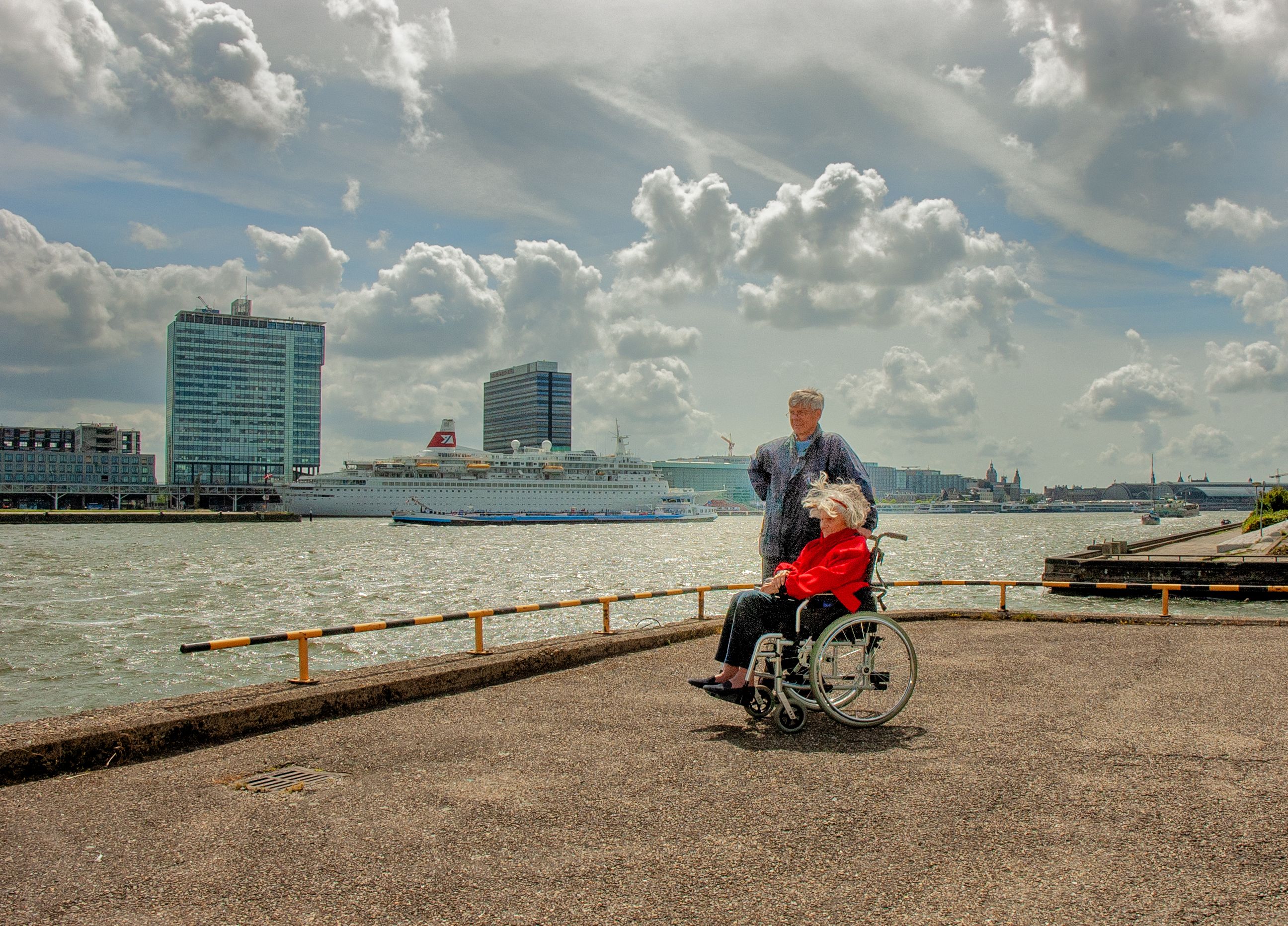
Accessibility and mobility support can open doors to experiences many travelers assume are no longer possible.
Traveling across generations
One of the greatest gifts retirement provides is the opportunity to share experiences with the people we love. Multigenerational travel continues to grow because families recognize that shared experiences create stronger memories than material gifts ever could. An Alaska cruise, a heritage journey through Europe, VIP tours at Walt Disney World Resort, or a family reunion at sea becomes more than a vacation—it becomes family history. Grandparents bring perspective and storytelling. Grandkids bring curiosity and wonder. The result is something genuinely powerful: memories that belong not to one person, but to an entire family.
Heritage travel is particularly meaningful at this stage. Many retirees use their Golden Gap Year to visit the places that shaped their family’s story—walking through villages where grandparents once lived, visiting churches where ancestors married, exploring countries that have existed only in family lore. These journeys often become less about tourism and more about understanding where we come from.
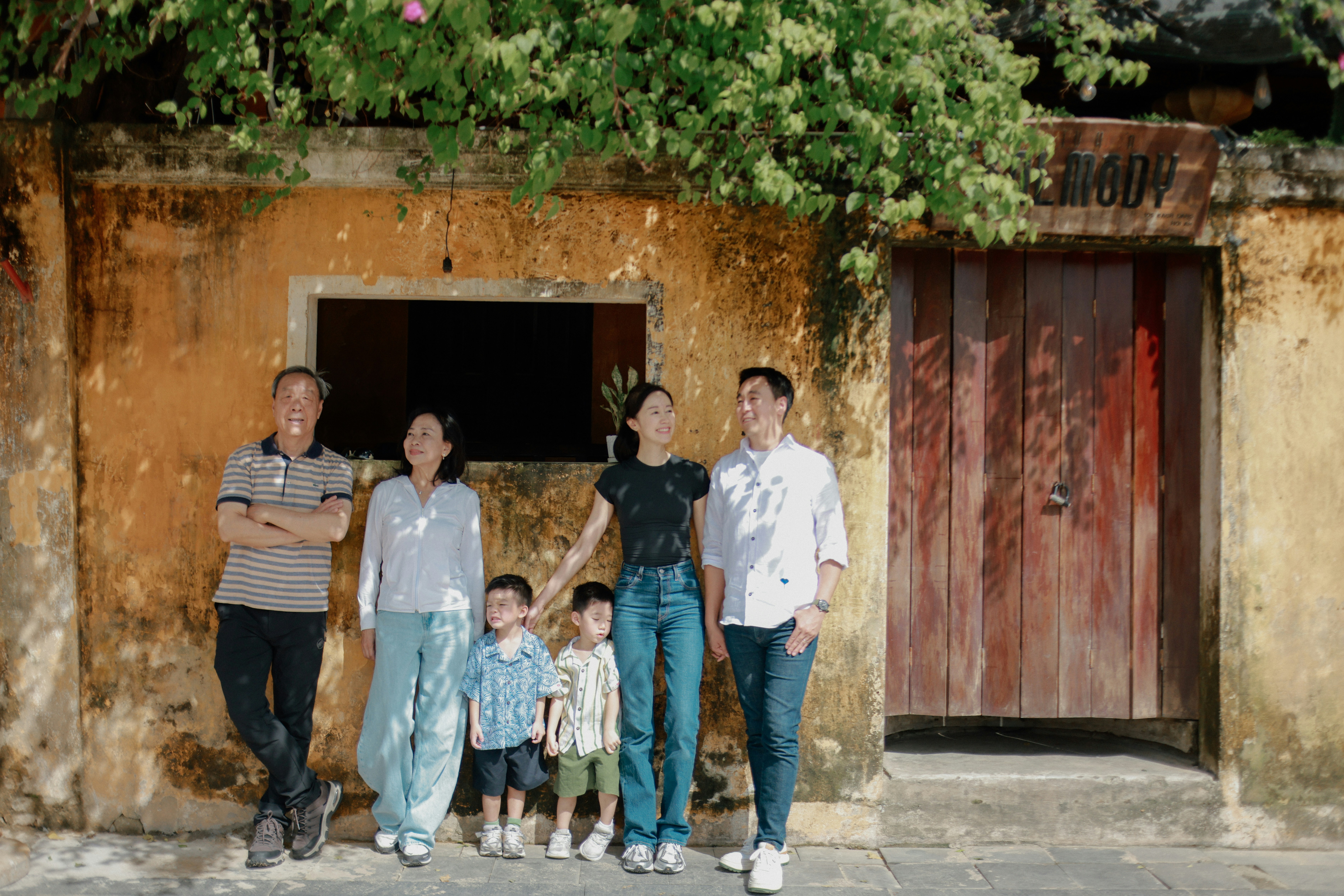
Some of the most meaningful journeys happen when three generations travel together.

Fun times! Shared experiences often become the stories families tell for decades.
What most travelers forget to plan for
Travel insurance becomes more important as we age, not less. Domestic healthcare plans generally do not cover international medical emergencies, and evacuation costs can be significant without proper protection. A comprehensive policy should be treated as part of the trip budget itself, not as an optional add-on.
Accessibility planning should happen early. I work with travelers planning around recovery from surgery, recent injuries, or changing mobility needs—situations that are far more common than most people realize and far more manageable than most travelers assume. Accessible travel is often more achievable than travelers realize. Handicap accessible cruise cabins that meet ADA guidelines, adapted hotel rooms, and adapted transportation have limited availability and are best secured well before departure. Pace matters more than most travelers admit. The traveler you are at seventy-five is not the traveler you were at forty-five. Building rest into an itinerary is not a compromise—it is often the thing that makes everything else enjoyable.
Why working with a travel advisor matters more after retirement
At many stages of life, a travel advisor is a convenience. During the Golden Gap Year, one becomes something more valuable: a strategic partner. Retirement travel involves larger investments, longer trips, blended families, multigenerational logistics, and more nuanced planning than a typical vacation. The most important questions are often the ones travelers don’t know to ask. Which cruise line truly excels at accessibility? Which itinerary works well for grandchildren with sensory needs? Which insurance policy provides real protection for a specific medical situation? These are not questions easily answered by an online search. They are answered by experience, relationships, and a genuine understanding of how travel fits into this season of life.

Longtime friends make the best travel partners. They already know the stories—and they’re still ready to make new ones.

Legacy travel helps families connect past, present, and future.
Need to know
What I have learned, after years of planning travel for people in this season of life, is that the trip is rarely just about the destination. It is about the grandfather standing in the village his family left generations ago, finally understanding something about himself that no conversation could have unlocked. It is about the grandmother watching her grandchildren see a glacier for the first time, knowing she made that moment happen. It is about the traveler who assumed that mobility limitations meant certain experiences were no longer possible—and discovered otherwise. And sometimes it is about a grandchild with sensory needs or autism experiencing the world in a way that finally feels welcoming rather than overwhelming, and a family realizing that travel, planned with enough care and intention, has room for all of them.
The Golden Gap Year is not really about travel at all. It is about recognizing that some of life’s most meaningful milestones arrive after retirement, not before it. The goal is not to travel more. The goal is to travel intentionally—while the people, places, and possibilities that matter most are still within reach.
For more inspiration and insider recommendations, visit our accessible travel page.


Travel Advisor
Travel with Makini


Makini Bridgewater

Get in touch with Travel with Makini
Did you like this guide? Reach out to customize and book your own experience. Or, just to chat about travel in general.