
Curator’s statement
Oaxaca is a place where food, art, and ancestral tradition flow together, especially during the luminous days of Día de los Muertos. From the quiet elegance of Quinta Real Oaxaca, it was easy to wander into markets, galleries, and streets alive with celebration. Visiting Panteón de Santa Cruz Xoxocotlán (Xoxo) and the ancient terraces of Monte Albán revealed the depth of Zapotec and Mixtec heritage that still shapes the region. Each experience layered another dimension onto a city where history is tasted, seen, and felt in every moment.
The Fora Difference
Book with Keri Pyke to access exclusive perks and experiences on your trip.

Killer perks
Free upgrades, spa credits and more—we got you

Personalized recs
Customized travel planning for your style

Insider knowledge
Expert advice from people who’ve actually been there
Where to stay in Oaxaca
Unlock perks by contacting Keri Pyke to book your trip.
My journey to Oaxaca was shaped by a desire to understand a city where food, history, and ritual are inseparable. Oaxaca is often described as Mexico’s cultural heart, but being there during Día de los Muertos reveals just how deeply its traditions pulse through daily life. The city becomes a living tapestry: marigold‑lined streets, candlelit altars, families honoring generations past, and artisans whose work carries centuries of indigenous knowledge.
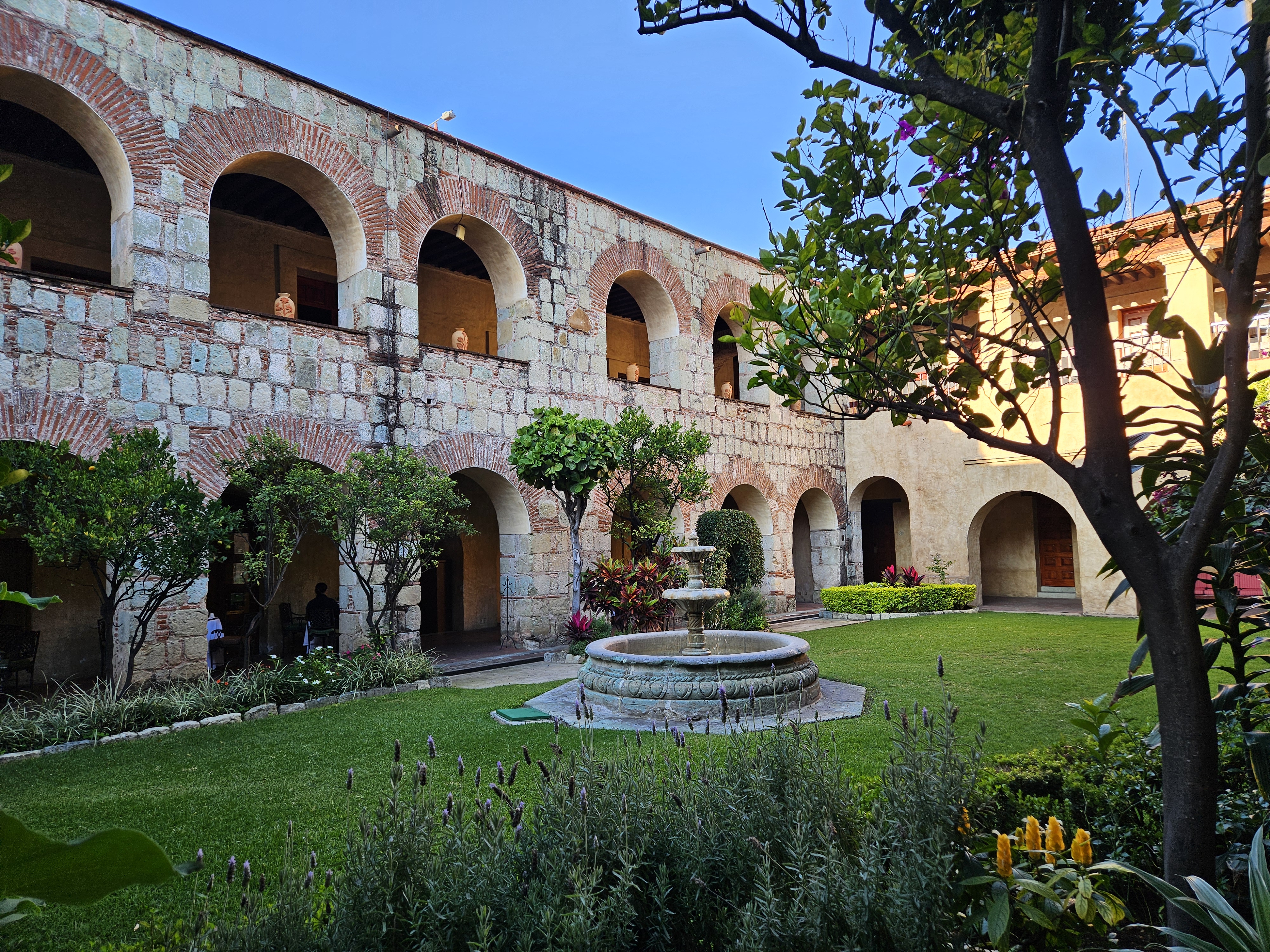
Jardin de Naranjos, Quinta Real Oaxaca; photo by Keri Pyke
Food is the most intimate storyteller here. From the smoky depth of mole negro to the earthy warmth of tejate, every dish reflects Oaxaca’s layered past—Zapotec and Mixtec roots, Spanish influence, and the creativity of modern cooks who continue to reinterpret ancestral flavors. Here are a couple of my favorite restaurants from my time in Oaxaca:
Casa Oaxaca: Set in historic El Centro, this Michelin-starred restaurant boasts an al fresco dining experience with views of Cathedral Santo Domingo and authentic regional cuisine, including the seven different moles.
Teocintle-Tika’aya: This tiny Michelin-starred restaurant offers a seven-course chef’s tasting menu using fresh local ingredients and indigenous cooking techniques. A singular experience inspired by Chef Toño García’s Mixteca heritage.
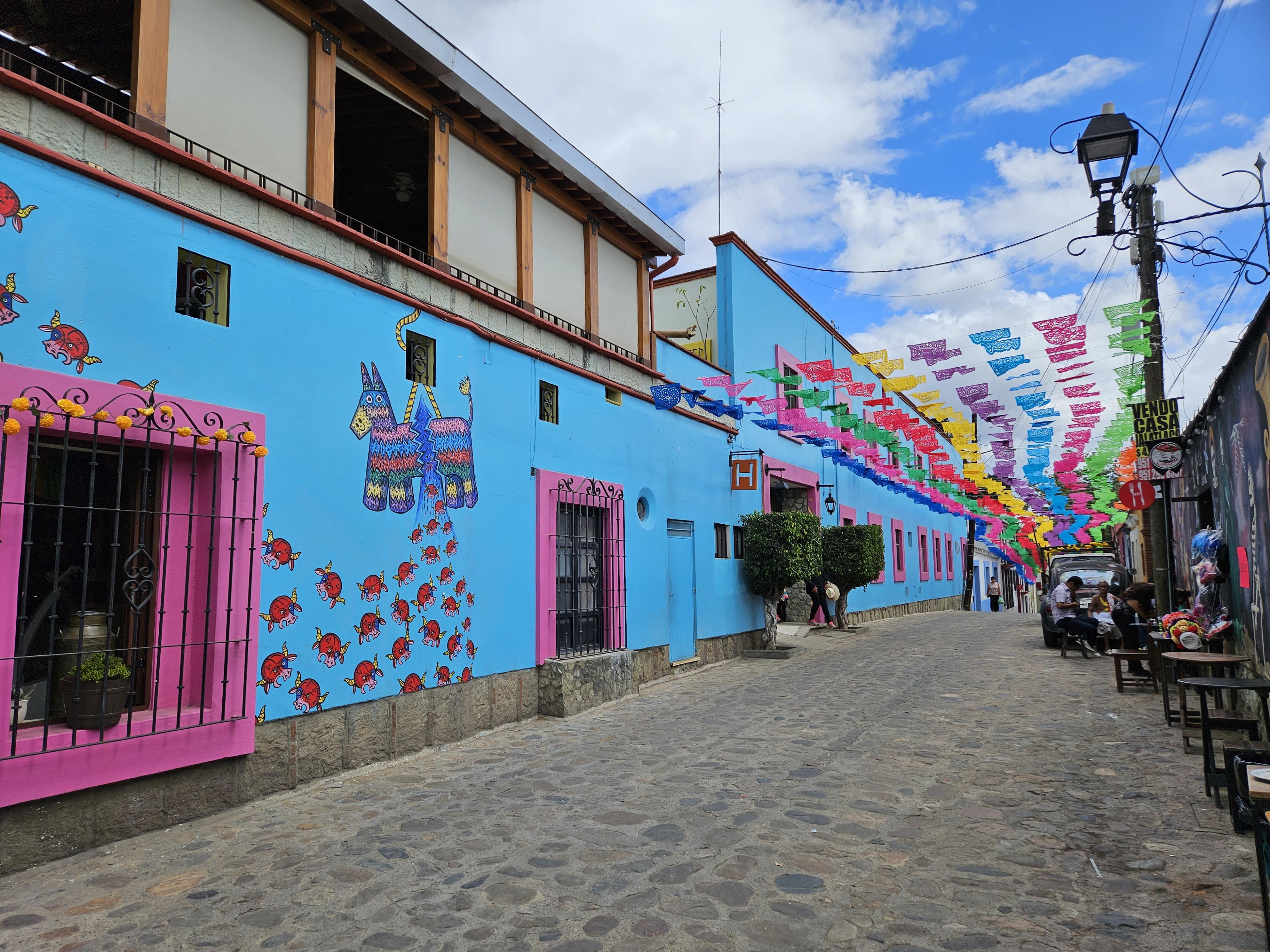
Staying at Quinta Real Oaxaca, a former 16th‑century convent turned elegant hotel, offered a serene and central base for exploring the city and surrounding valleys. Its courtyards and stone archways echo the colonial history that shaped Oaxaca’s architectural landscape, while its location made it easy to step directly into the rhythm of the city—from the Zócalo to the artisan workshops of Jalatlaco and Xochimilco.
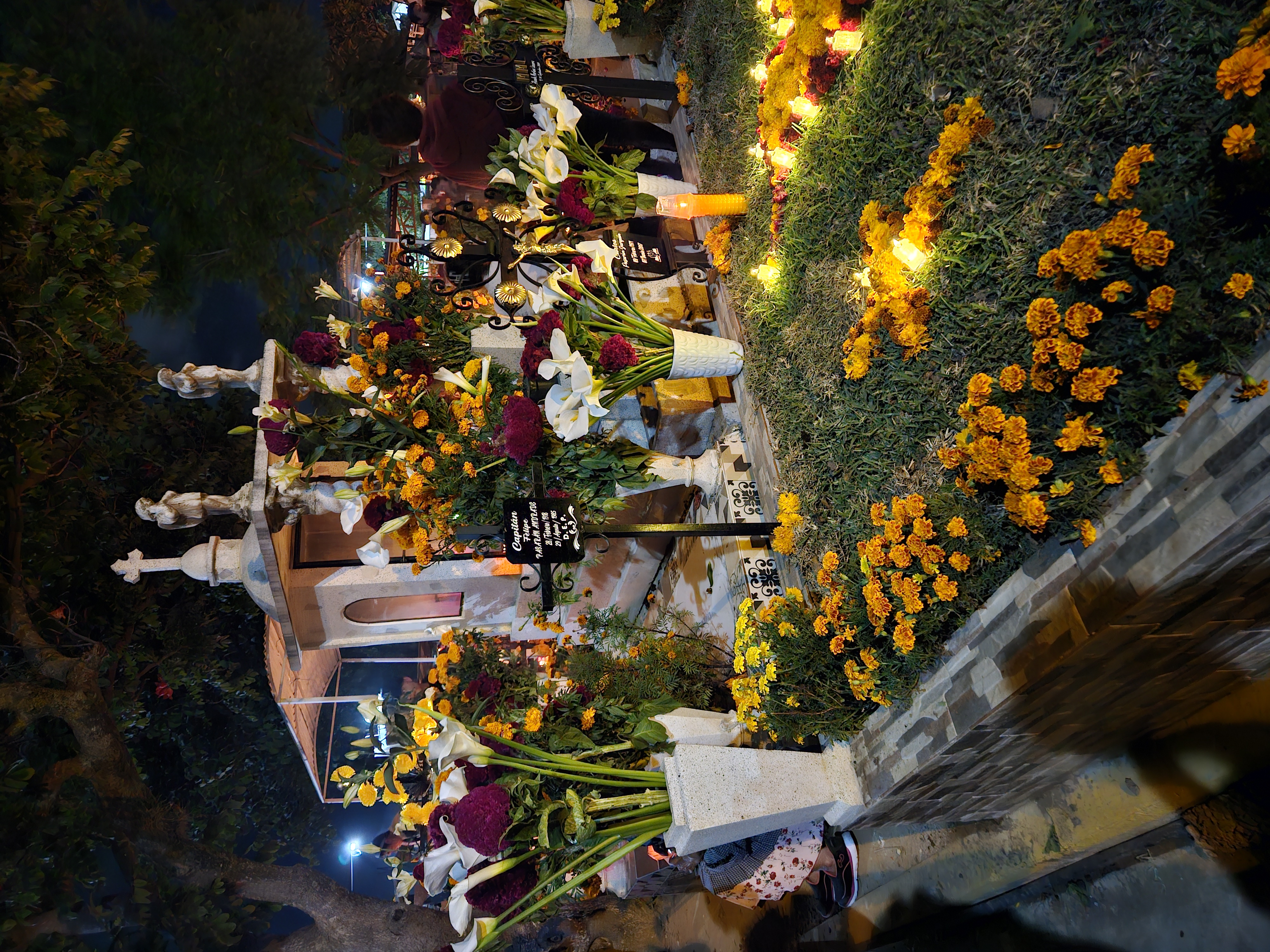
Panteón de Santa Cruz Xoxocotlán (Xoxo); photo by Keri Pyke
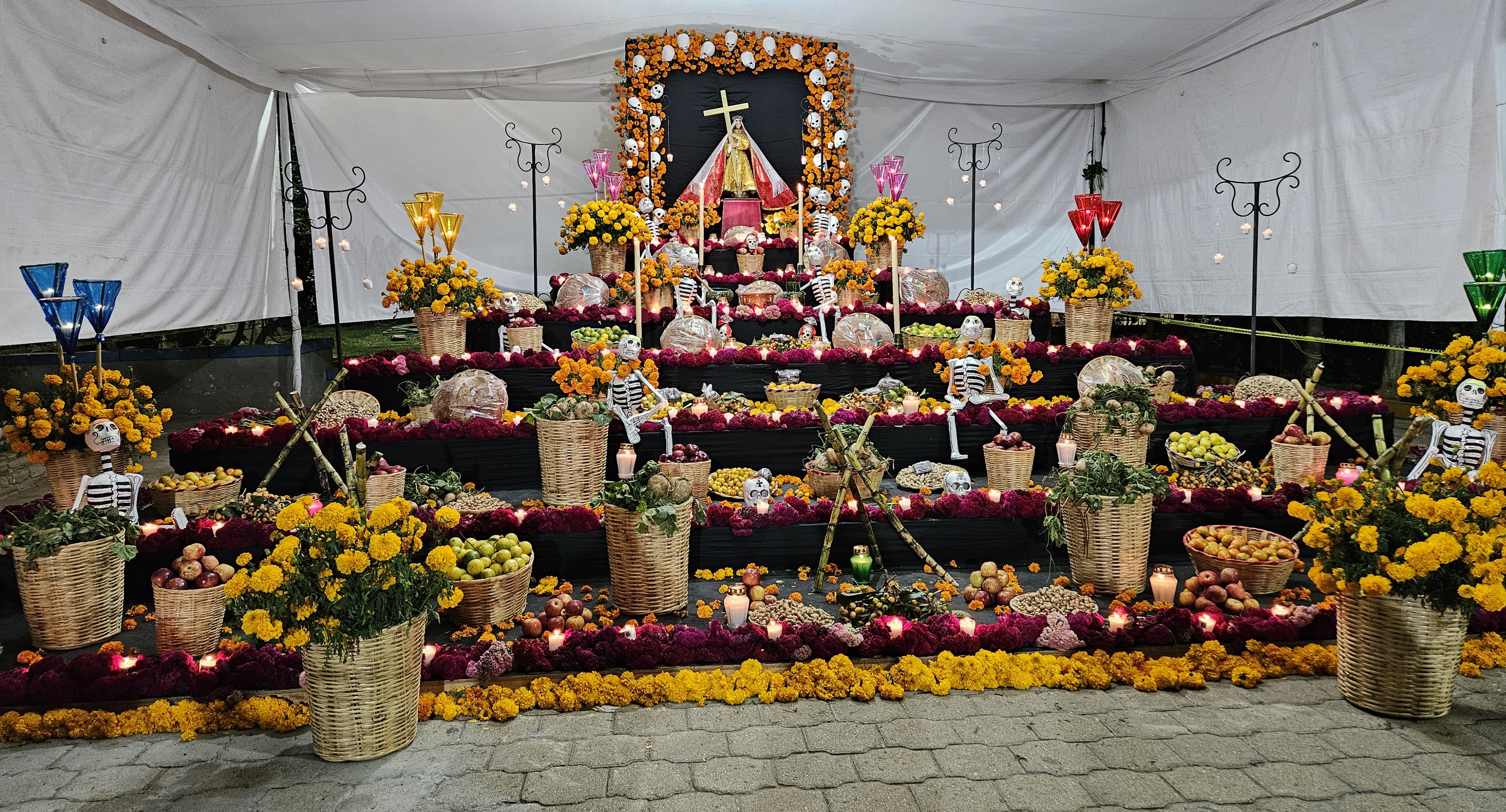
Ofrenda at Panteón de Santa Cruz Xoxocotlán (Xoxo); photo by Keri Pyke
Although Oaxaca City offers endless experiences, the surrounding region reveals even deeper layers of its cultural richness. At Cocina de Sonia, Sonia and her son Baldo welcome guests into their home to cook traditional Oaxacan dishes using ancestral techniques. In nearby Teotitlán del Valle, Zapotec weavers continue a meticulous textile tradition rooted in natural dyes, hand‑spun wool, and designs passed down through generations. San Bartolo Coyotepec is known for its artisans who transform local clay into the iconic black pottery that has become a symbol of Oaxacan craftsmanship. And high above the valley, Monte Albán stands as one of the most significant ceremonial centers of the ancient Zapotec world, where political power, astronomy, and spiritual life once converged. Together, these experiences reveal the depth and diversity of the cultural landscape that surrounds Oaxaca.
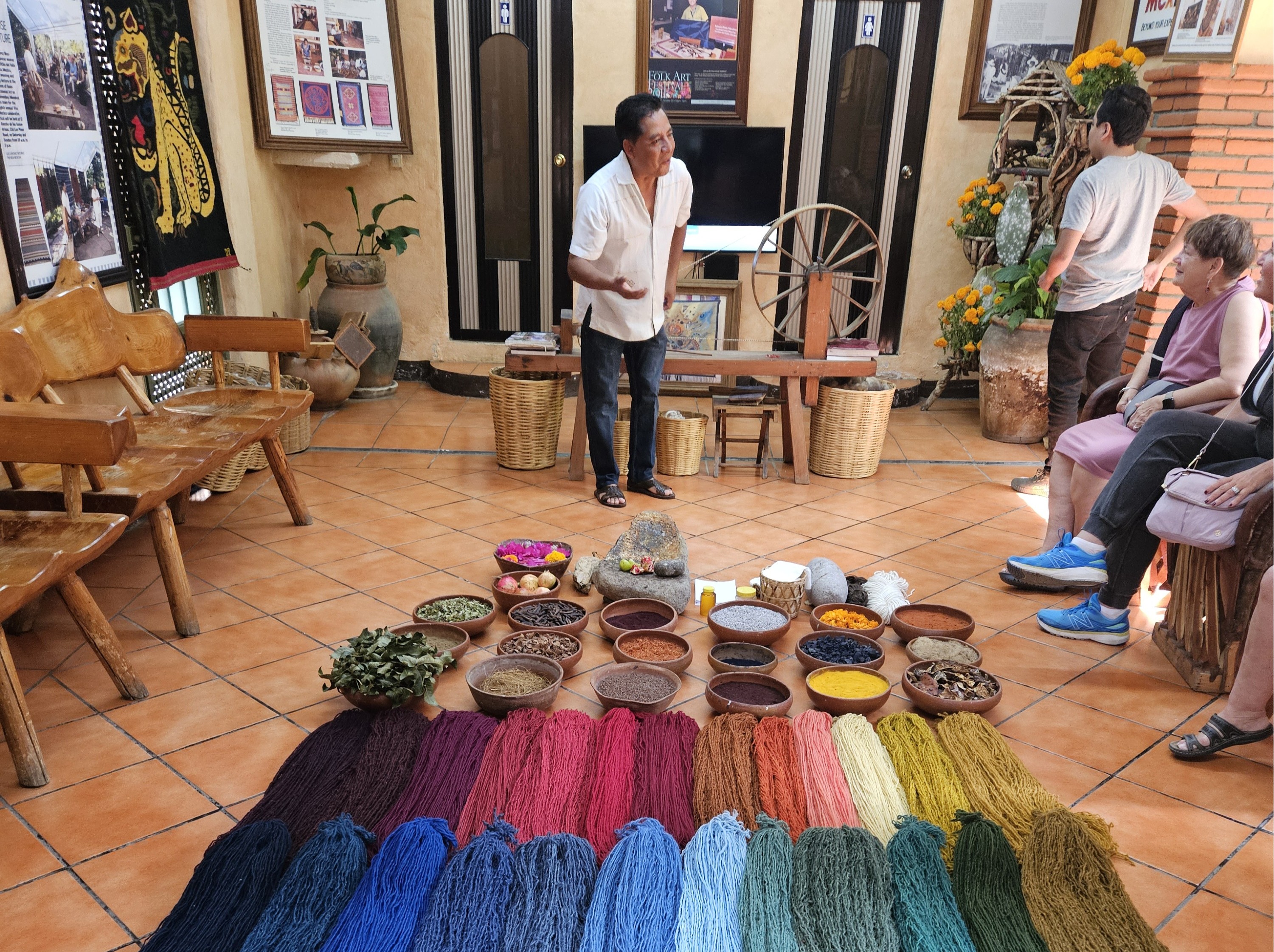
Learning about Zapotec weaving at Vida Nueva; photo by Keri Pyke
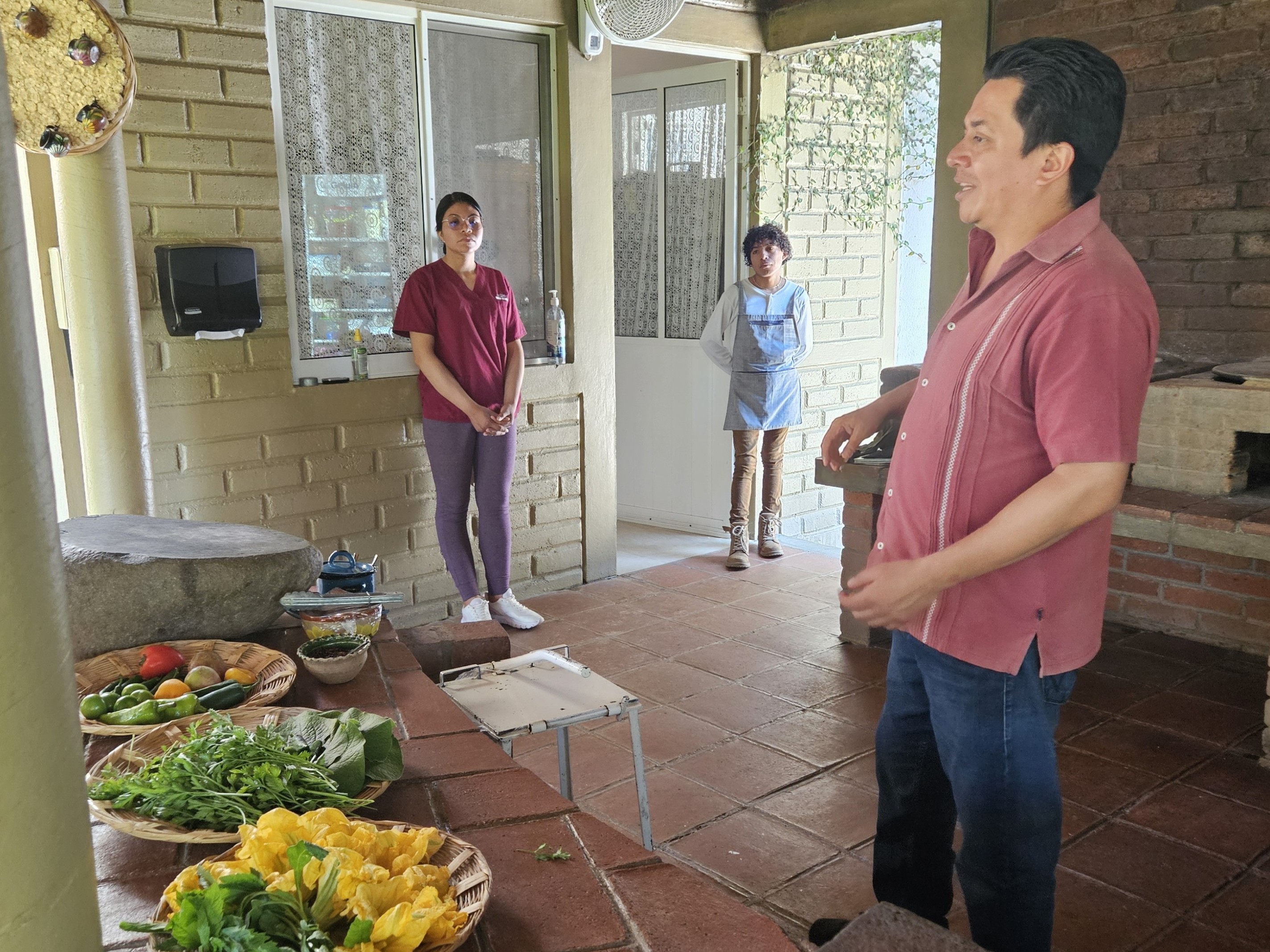
Baldo teaching how to cook mole; photo by Keri Pyke
This trip was not simply about witnessing a celebration; it was about understanding how Oaxaca holds memory—through food, through craft, through ritual, and through the communities who keep these traditions alive. The experience reaffirmed that travel is most meaningful when it deepens our connection to the stories and people who define a place.
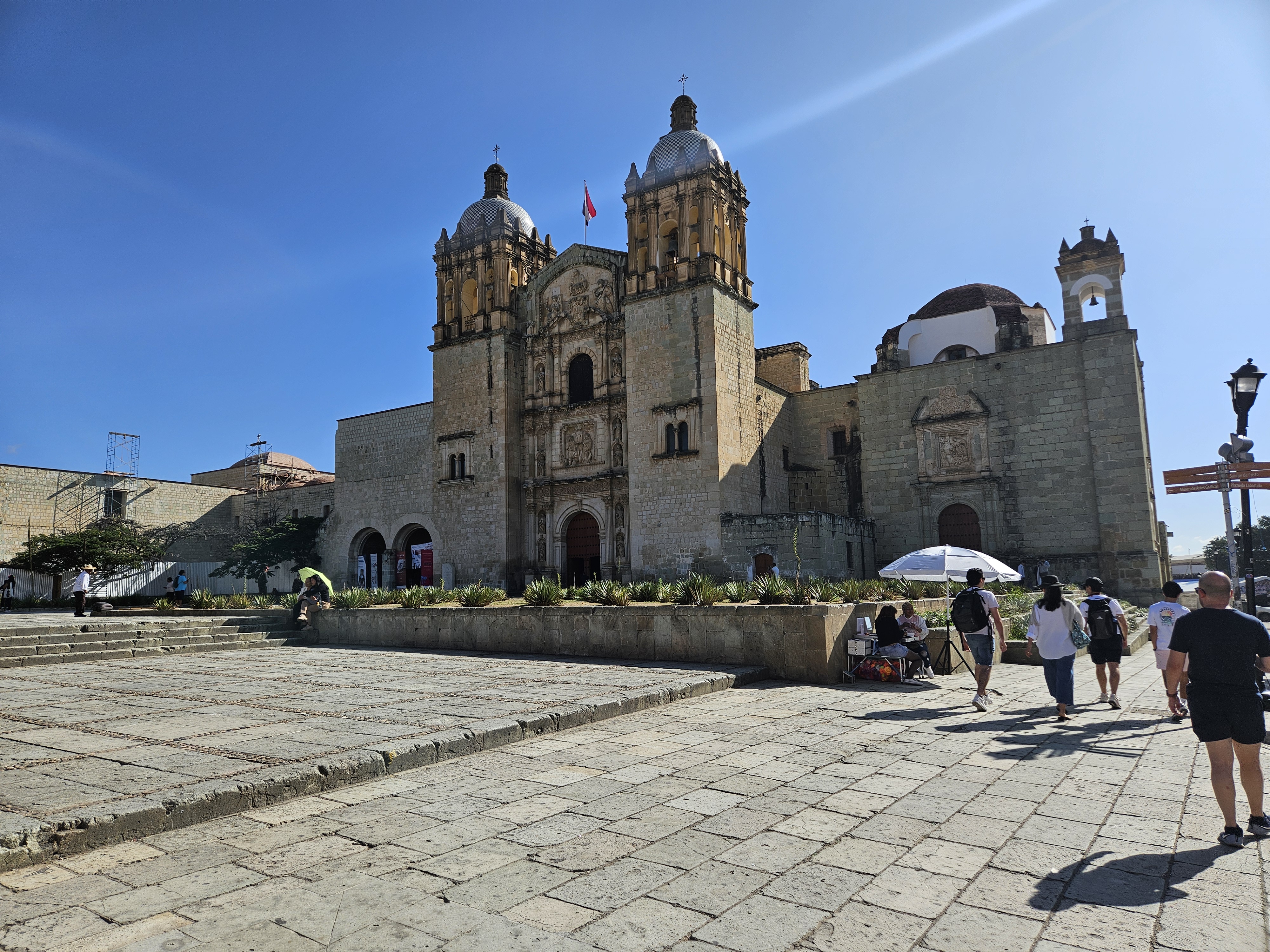
Cathedral Santo Domingo, Oaxaca Central City; photo by Keri Pyke
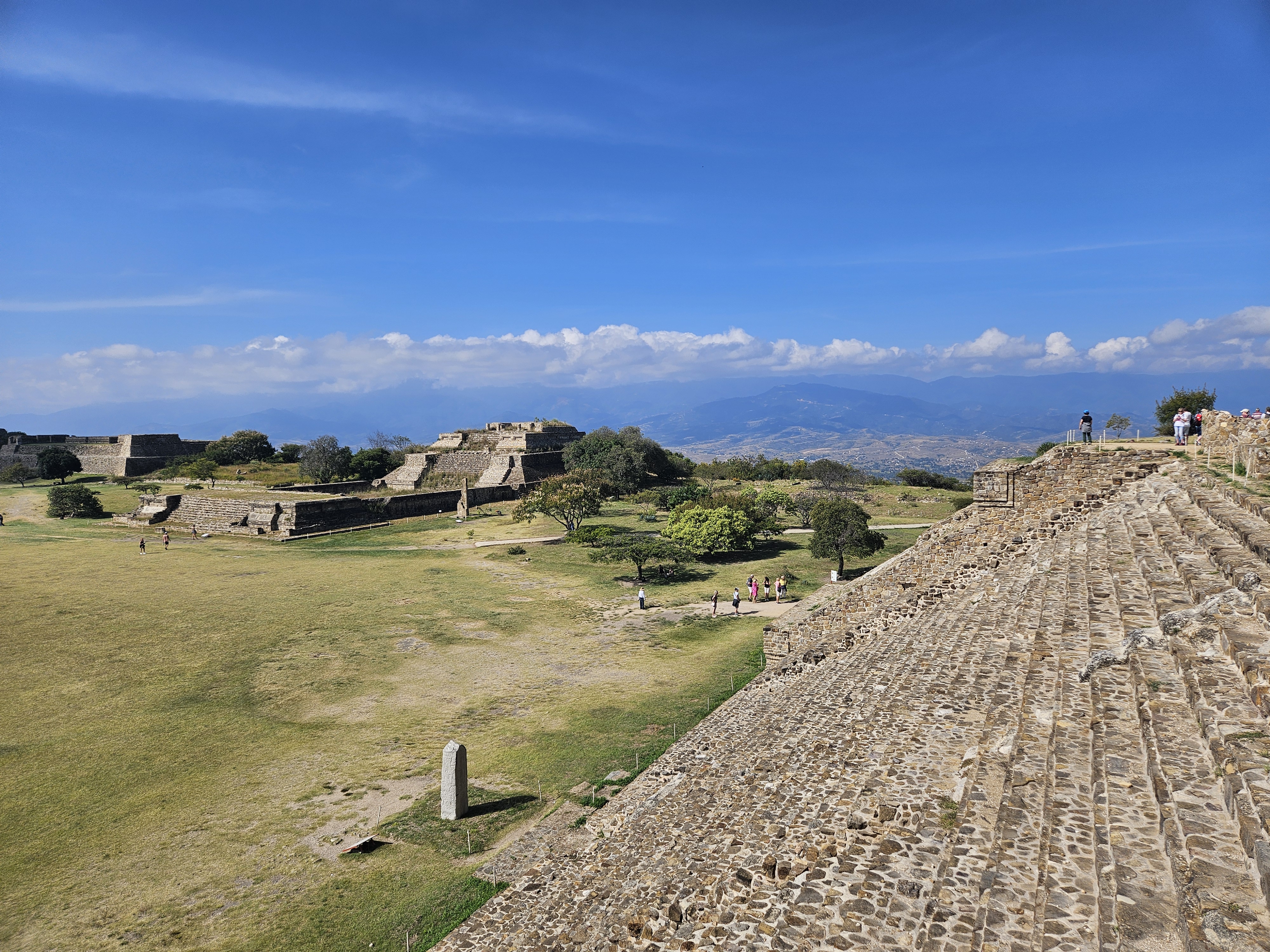
Monte Albán; photo by Keri Pyke
Need to know
If you travel to Oaxaca for Día de los Muertos, be prepared for crowds. The celebration stretches through most of October and into early November, drawing visitors from across the region, the country, and the world.
For more inspiration and insider recommendations, visit our Oaxaca page.


Travel Advisor
Keri Pyke
Keri Pyke

Get in touch with Keri Pyke
Did you like this guide? Reach out to customize and book your own experience. Or, just to chat about travel in general.