





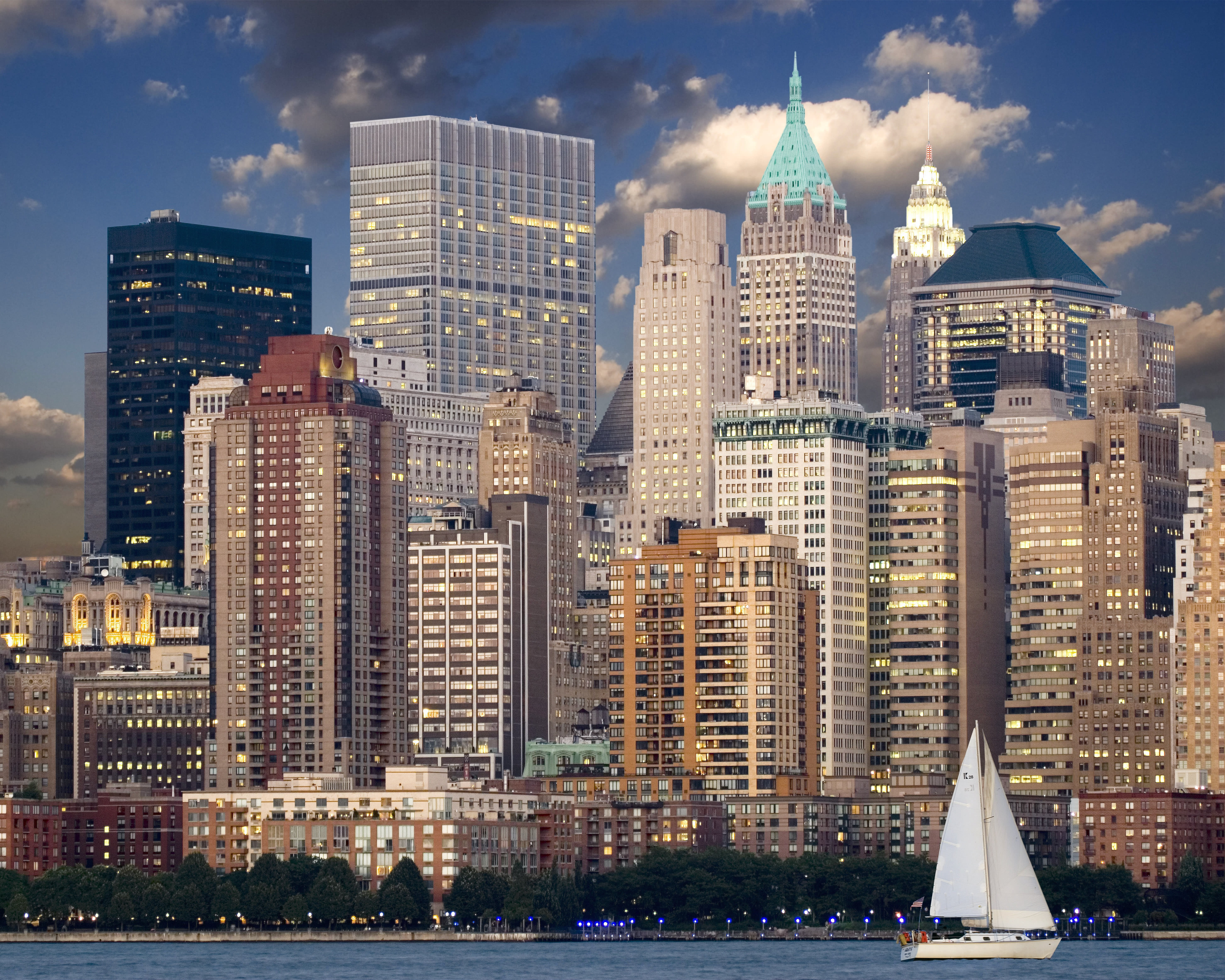
New York City doesn't ease you in. The sensory stack hits immediately—the subway screeches, the food carts, the rush of people, and towering skyscrapers all around. The city operates at a volume and density that either clicks or overpowers the senses (sometimes both).
From Grand Central Terminal to Rockefeller Center, shopping on Fifth Avenue, and the bright lights of Broadway all within easy reach. Days can begin with coffee and a walk through Bryant Park, continue with museum visits, rooftop cocktails, or a ferry ride on the East River, and end with dinner at a Michelin-starred restaurant. Central Park, the Upper East Side, SoHo, and the West Village each add a different perspective on the city, making it easy to balance iconic attractions with local discoveries. Midtown East, however, is a bustling, upscale Manhattan hub that blends major global businesses with sophisticated residential enclaves, and it ends up being one of the more popular neighborhoods of Manhattan for visitors to stay in.
Need to know
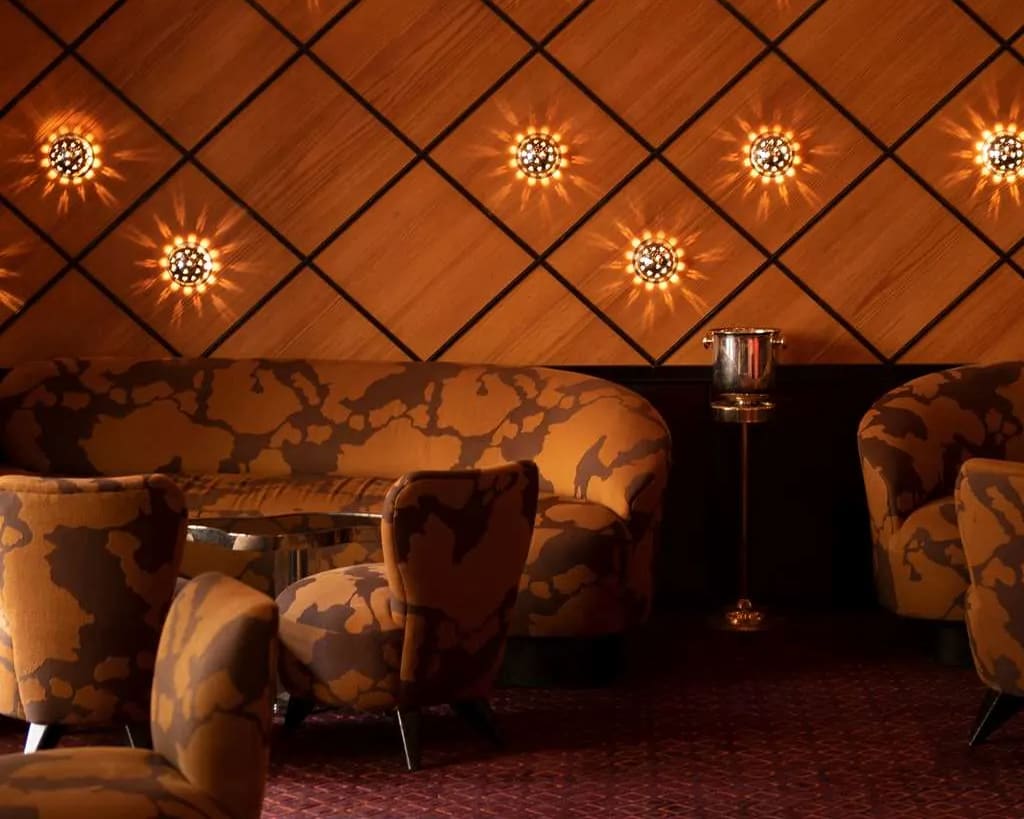
Image courtesy of The Mark
Neighborhoods that seem close on a map can feel worlds apart on the ground. Knowing a few practical basics about getting around, when to go, and how New York City actually operates will save time, money, and from being overwhelmed. Just remember that New York moves quickly, so avoid stopping abruptly on busy sidewalks, keep bags zipped with valuables secure, and stay aware of your surroundings, especially in crowds.
Airports
John F. Kennedy International (JFK) in Queens is the city's primary gateway, handling the majority of long-haul and domestic connections. Newark (EWR), located just across the Hudson River in New Jersey, is a major hub that serves as a practical alternative for Manhattan's West Side. LaGuardia (LGA) is the most central option, having been recently modernized to handle a dense network of short-haul North American routes.
Transportation
Navigating New York City is highly efficient via walking, the extensive subway system, yellow taxis, and ubiquitous Citi Bike or e-bike rentals. Arriving from the airports can be deceptive, however; coming from JFK requires a multi-train connection that can sometimes justify splurging on an Uber or Lyft for an easier, faster journey.
Best time to visit
New York is a year-round city, but spring (April–June) and fall (October–November) are the most consistently enjoyable windows, delivering mild temperatures and full energy. September is the exception to fall—particularly in Midtown East, the UN General Assembly and back-to-back fashion weeks spike hotel rates and block restaurant reservations. Summer (June–August) is hot and humid, but pairs well with a Hamptons extension; August, however, sees locals clear out, allowing more options but showcasing less character. Winter (December–March) is cold but brings quintessential New York Christmas celebrations.
Ideal length of stay
Four nights is the minimum to move across neighborhoods, catch a Broadway show, and visit the museums without feeling frantic. That said, New York is one of those cities where a week disappears fast and you'll still leave with a list of things to do.
What to wear
Comfortable walking shoes are essential to explore the city on foot. Dress in smart casual layers year-round, with lightweight clothing for humid summers and a warm coat, scarf, gloves, and waterproof boots for cold winters. Spring and fall temperatures can change throughout the day, making a light jacket and layers useful. If you plan to enjoy rooftop bars, Broadway shows, or fine dining, pack a few polished outfits to match the city's atmosphere.
A closer look at Midtown East
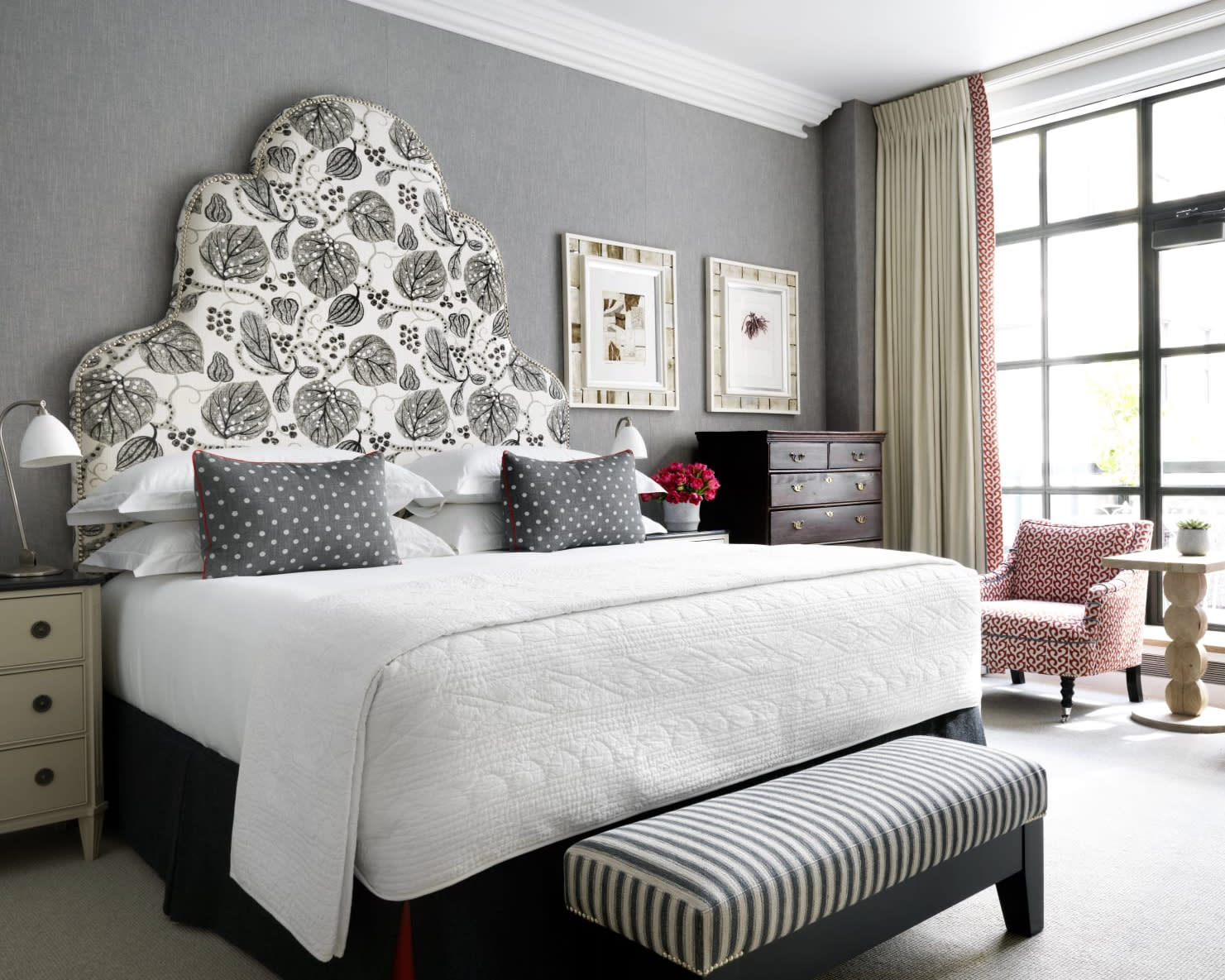
Image courtesy of The Whitby Hotel
Midtown East is the part of New York City that looks most like what people picture before they arrive. The United Nations complex sits along the East River, and the neighborhood around it houses some of the city's most interesting dining as a result. Park Avenue between Grand Central and the 50s is corporate New York at its most formal, but Grand Central Terminal is a destination in its own right. The stretch of Fifth Avenue from the 40s through the 50s remains the city's most recognizable commercial corridor: the New York Public Library's main branch, Rockefeller Center's Art Deco complex, and St. Patrick's Cathedral, along with luxury retail that has colonized nearly every adjacent block. Lexington Avenue runs more practical and more lived-in than its neighbors, and the stretch around the 20s known as Curry Hill has anchored some of the city's best South Asian cooking for decades.
Where to stay
Lotte New York Palace: A row of Gilded Age mansions form the base of this Midtown tower. From the soaring public spaces to the courtyard that separates it from St. Patrick's Cathedral, this retreat provides a grand, full-service experience with genuine architectural pedigree.
Fora Perks include a $100 hotel credit, daily breakfast credit, an upgrade, and extended check-in/out whenever possible.
Waldorf Astoria New York: After a years-long restoration, this Park Avenue icon has revived its Peacock Alley corridor and original Art Deco detailing. This Manhattan address is best for travelers seeking old-world luxury, and a stay at the Waldorf is itself part of the experience.
Fora Perks include a $100 hotel credit, daily breakfast, an upgrade, and extended check-in/out whenever possible.
Omni Berkshire Place: A well-run Midtown choice with more room configurations than most—including notable two-bedroom options in a neighborhood where space comes at a premium. Best suited for families and groups who want a dependable, centrally located address.
Fora’s Omni Select partner perks include a $50 hotel credit, daily breakfast, an upgrade, and extended check-in/out whenever possible.
The St. Regis New York: The 1904 Beaux-Arts landmark on Fifth Avenue, founded by John Jacob Astor IV remains the standard for a particular set of New York luxury—butlers on every floor, the King Cole Bar with its Maxfield Parrish mural, and a formality that feels increasingly rare.
Fora Perks include a $100 hotel credit, daily breakfast, welcome amenity, an upgrade, and extended check-in/out whenever possible.
The Mark: Graphic, precise, and unapologetically glamorous interiors give this Upper East Side hotel a unique visual identity. Sophisticated, design-conscious travelers will find a cool, contemporary alternative to the neighborhood's more traditional grande dames.
Fora’s Preferred Platinum partner perks include a $100 hotel credit, welcome amenity, daily breakfast, an upgrade, and extended check-in/out whenever possible.
Sofitel New York: A freshly renovated option that brings French sensibility and considered design to a well-located address between Bryant Park and Rockefeller Center for business travelers and couples who want a polished, design-forward stay in Midtown.
Fora Perks include a $100 hotel credit, daily breakfast, an upgrade, and extended check-in/out whenever possible.
The Plaza Hotel: Eloise lives here, the “Home Alone” sundae is a menu item, and Central Park is directly outside. The Plaza, a Fairmont hotel, blends its pop-culture icon status with one of the best locations in the city for a landmark stay fit for families, romantics, and bucket-list travelers.
Fora Perks include a $100 hotel credit, daily breakfast, an upgrade, and extended check-in/out whenever possible.
The Peninsula New York: The Hong Kong-based brand brings an Asian sensibility and immaculate standard of service to its 1905 Beaux Arts building on Fifth Avenue, complete with a rooftop bar and afternoon tea program that have become institutions in their own right.
Fora Perks include a $100 hotel credit, daily breakfast, welcome amenity, an upgrade, and extended check-in/out whenever possible.
The Whitby Hotel: Kit Kemp's signature maximalism—mixed prints, original artwork, bold color—fills this boutique Firmdale property just off Fifth Avenue, with the energy of a larger hotel and a playfulness unlike traditional offerings in the area.
Fora Perks include a $100 food and beverage credit, daily breakfast, welcome amenity, an upgrade, and extended check-in/out whenever possible.
The Langham, New York, Fifth Avenue: A quietly refined presence on Fifth Avenue, where spacious rooms, attentive service, and an in-house dining program provide understated elegance and room to breathe over the social buzz of more scene-driven properties.
Fora Perks include a hotel credit, daily breakfast, welcome amenity, an upgrade, and extended check-in/out whenever possible.
Cruising from New York City
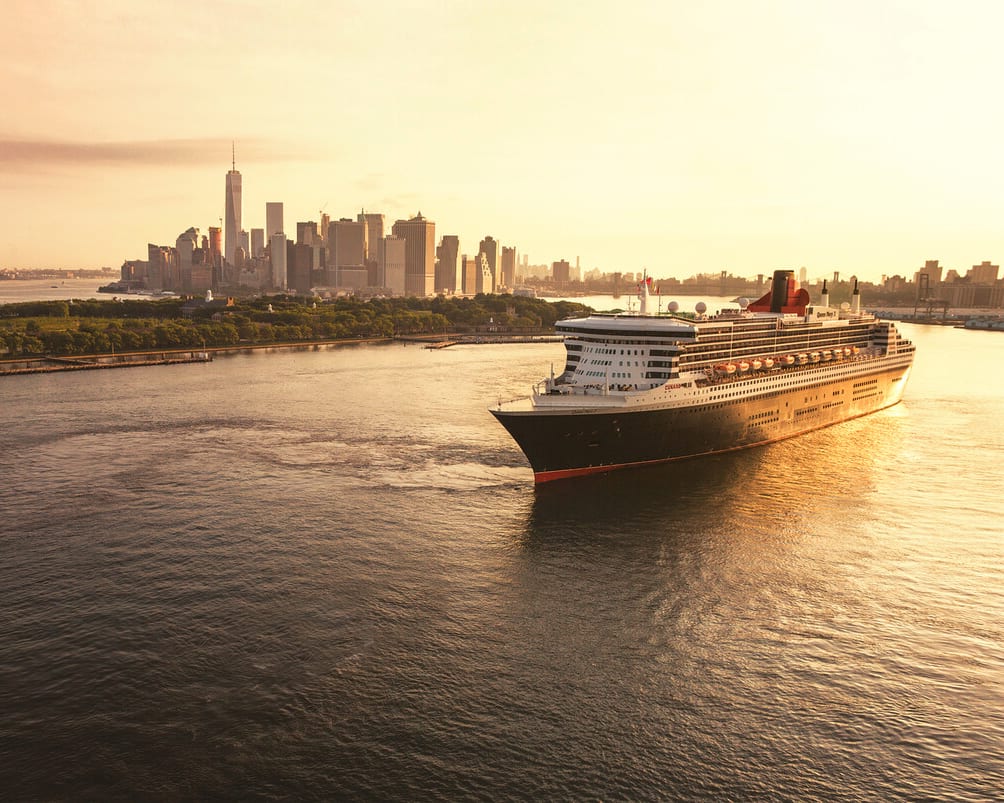
Image courtesy of Cunard Cruises
New York City is a major cruise departure point, with sailings ranging from Bermuda and Bahamas runs to transatlantic European crossings. The city has three terminals operating under the label of “New York”—Manhattan Cruise Terminal in Midtown, Red Hook in Brooklyn, and Cape Liberty in New Jersey. The distinction matters more here than in most cities because the same cruise line can operate out of multiple locations depending on the sailing. Midtown East is not as close to the Manhattan Cruise Terminal as Hell’s Kitchen and other neighborhoods, but it’s a short trip across town and better situated for pre- or post-cruise stays to explore the city.
Popular itineraries
Bermuda (5–7 nights): One of the most popular short sailings on the East Coast, running mostly from April through November. Dock in Bermuda for one to three days to enjoy pink sand beaches and pastel-colored towns.
New England and Canada (7–14 nights): Trace the New England coastline through Newport, Bar Harbor, and Boston before crossing into the Canadian Maritimes. September and October are the prime months, coinciding with fall foliage.
Caribbean (7–14 nights): Roundtrip and one-way routes that call at the Bahamas, Puerto Rico, the Leeward Islands, or the ABC islands (Aruba, Bonaire, Curaçao).
Repositioning and transatlantic (7–14 nights): One-way sailings that cross the Atlantic in either direction, typically in spring and fall. The crossing itself is the draw, with several leisurely sea days and remote ports.
World voyages (100+ nights): New York serves as a prominent embarkation port for grand voyages that circle the globe over several months, visiting such ports as far afield as Sydney, Hong Kong, and Cape Town.
Notable ocean cruise lines
Cunard Cruises: The only line still operating a true ocean liner on scheduled transatlantic crossings. Afternoon tea, ballroom dancing, Gala Evenings that take the dress code seriously, and a lecture series bringing authors, historians, and performers aboard define the experience.
Fora Perks include up to $600 onboard credit per stateroom on select sailings.
Regent Seven Seas Cruises: Regent's all-inclusive model means every shore excursion, specialty restaurant, premium beverage, and gratuity is folded into the fare. Ships are all-suite, service is attentive, and the atmosphere is casually elegant.
Virtuoso Voyages Hosted Benefits available on select sailings.
Norwegian Cruise Line: Norwegian's Freestyle model means no assigned dining times, no set seating, and no dress code. This translates to a flexible, lively onboard atmosphere that’s perfect for first-time cruisers and families who want variety, flexibility, and larger ships.
Fora Perks include up to $300 shipboard credit per stateroom on select sailings.
Virgin Voyages: The adults-only line brings a genuinely different sensibility to cruising. All restaurants are included, as are group fitness classes and basic Wi-Fi, and the overall vibe is social, energetic, and intentionally younger-skewing without being a party ship.
Fora Perks include up to $200 Sailor Loot per stateroom.
Holland America Line: A well-established premium line with a fleet of mid-sized ships that offer a polished, comfortable atmosphere without formality. Live music, a signature Crow's Nest observation lounge, cooking demonstrations, and destination lectures frame the itinerary.
Fora Perks include a $100 shipboard credit per stateroom on select sailings.
New York City history and culture
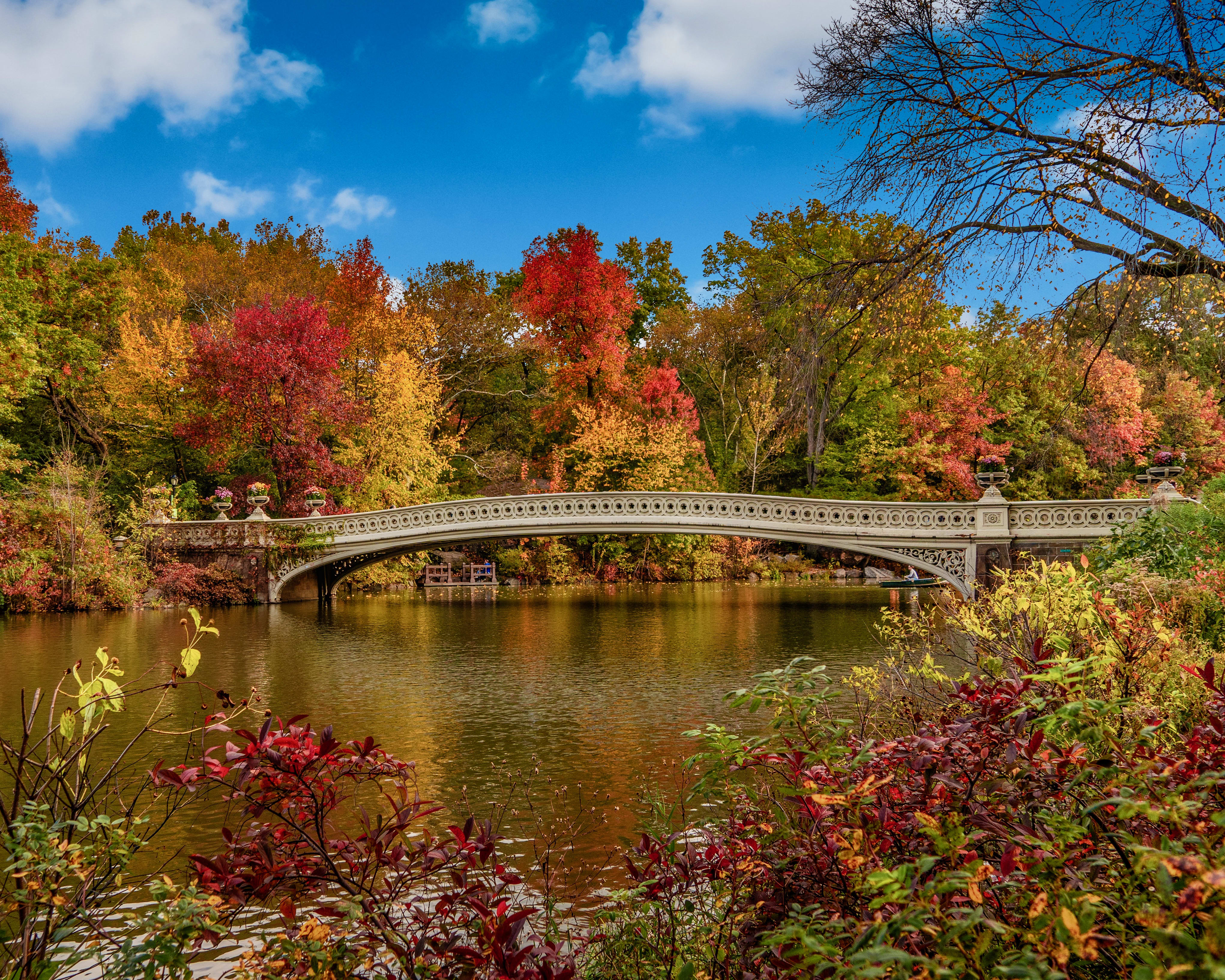
New York City's layered history begins with the Lenape people, who inhabited the land they called Mannahatta for thousands of years before Dutch traders established a trading post at the southern tip of the island in the 1620s. The British took control in 1664, renamed it New York, and the city grew into an important commercial port. What followed across the 19th and early 20th centuries was one of the largest human migrations in recorded history, as successive waves of Irish, Italian, Jewish, Chinese, and other immigrants passed through or made New York City their new home. That tension between aspiration and inequality has never resolved.
Hundreds of thousands of Black Americans from the South migrated to the city, sparking the Harlem Renaissance. Puerto Rican, Dominican, West Indian, and South Asian communities reshaped entire boroughs across the 20th century. What persists after centuries of transformation and reinvention is a city whose cultural footprint in music, fashion, finance, publishing, theater, and visual art remains disproportionate to its geography.
Signature food and drinks
Pastrami on rye: Beef brisket that's been cured, spiced, smoked, and steamed until it falls apart, piled high on rye bread with a swipe of spicy brown mustard
Bagels and lox: New York’s characteristic dense, chewy bagel topped with cream cheese, cured salmon, capers, and thin-sliced onion
Black and white cookie: A bakery staple of soft, cakey vanilla cookie base iced with equal halves of chocolate and vanilla fondant
Egg cream: A soda fountain drink of chocolate or vanilla syrup, cold milk, and a hard blast of seltzer that produces a brief, foamy head
The Manhattan: Rye whiskey, sweet vermouth, and Angostura bitters, stirred cold and served up with a cherry
Cultural celebrations and events
NYC St. Patrick's Day Parade (March): The oldest St. Patrick's Day parade in the U.S., with no floats or vehicles, just 150,000 people in bands and marching units, since 1762.
NYC Pride March (June): Rooted in the Stonewall Uprising of 1969, millions of people fill the city's venues, parks, and streets with performances, parties, and community events.
Harlem Summer Nights (July–August): Outdoor celebrations honoring Harlem's deep history in music and performing arts.
Feast of San Gennaro (September): For 11 days, Little Italy’s street festival sees food stands and competitions, a procession honoring the patron saint of Naples, and crowds that pack the neighborhood well into the night.
TCS New York City Marathon (November): More than 50,000 runners make up the largest marathon in the world, passing through all five boroughs, with an estimated million spectators lining the route.
Holiday season (November–January): The Macy's Thanksgiving Day Parade signals the start, followed by the Rockefeller Center tree lighting. It all closes out at Times Square on New Year's Eve, where the ball drop draws crowds that begin staking their spots hours before midnight.
What to do in New York City
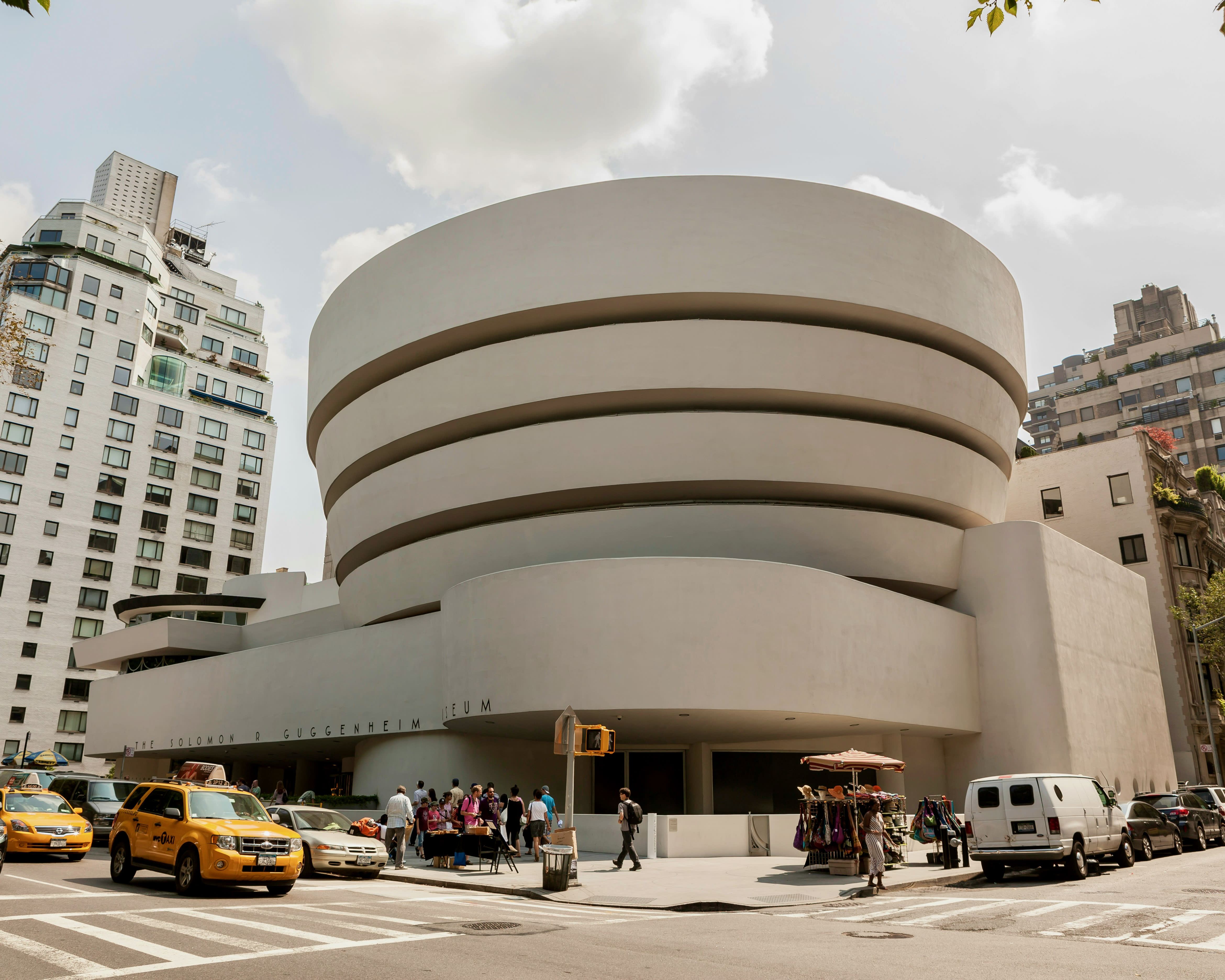
New York City's museums alone could fill an entire week, but enjoying the neighborhoods, the food, the parks, and the year-round performance calendar makes the city even more exciting.
Broadway: The Theater District clusters around Times Square, with marquees running from 41st to 54th Street. From The Lion King to Hamilton and Wicked, you can book tickets in advance or try to score last-minute tickets if a production has available seats.
Central Park: The 843-acre park boasts the Central Park Zoo anchoring the southeast corner, Belvedere Castle at the midpoint, and seasonal programming that ranges from ice skating in winter to summertime Shakespeare in the Park.
Museum Mile: This stretch of Fifth Avenue is home to several major institutions, with the Metropolitan Museum of Art anchoring the southern end. The Neue Galerie focuses on early 20th-century German and Austrian art and design. The Guggenheim is as much an architectural experience as a museum. The Cooper Hewitt Smithsonian Design Museum is the only U.S. museum dedicated entirely to design. The Frick Collection is housed in a Gilded Age mansion, showcasing Vermeers, Rembrandts, and Holbeins.
Museum of Modern Art (MoMA): The permanent collection houses Picasso's Les Demoiselles d'Avignon, Monet's Water Lilies, Van Gogh's Starry Night, and several floors more. The 2019 expansion added significant gallery space, and the film program screens rarely seen works and retrospectives year-round.
Bryant Park: In winter, the park’s ice rink is free to use (skate rental available) and lined with Holiday Shops. In summer, the lawn hosts free Monday film screenings, morning yoga, an acrobatic circus residency, and rotating events.
New York Public Library: The Stephen A. Schwarzman Building is one of the great Beaux-Arts buildings in the city. The Rose Main Reading Room on the third floor, with its 52-foot painted ceiling, is open to the public.
Rockefeller Center and Radio City Music Hall: The 19-building Rockefeller Center Art Deco complex features an observation deck with an arguably better view of the Manhattan skyline than the Empire State Building. The outdoor plaza below hosts the city's famous Christmas tree, with an ice rink at its base. Radio City Music Hall, on the complex's western edge, remains one of the great theaters in the U.S.; the Rockettes' Christmas Spectacular runs from November through January and consistently sells out.
Fifth Avenue shopping: The city's luxury retail corridor, anchored by flagship designers. Saks Fifth Avenue's holiday window displays draw crowds. Macy's Herald Square is the largest department store in the U.S. and a Thanksgiving Day Parade anchor.
St. Patrick's Cathedral: The largest Gothic Revival Catholic cathedral in the country. The interior—particularly the rose window and the side chapels—is worth time regardless of religious affiliation.
Where to eat in Midtown East
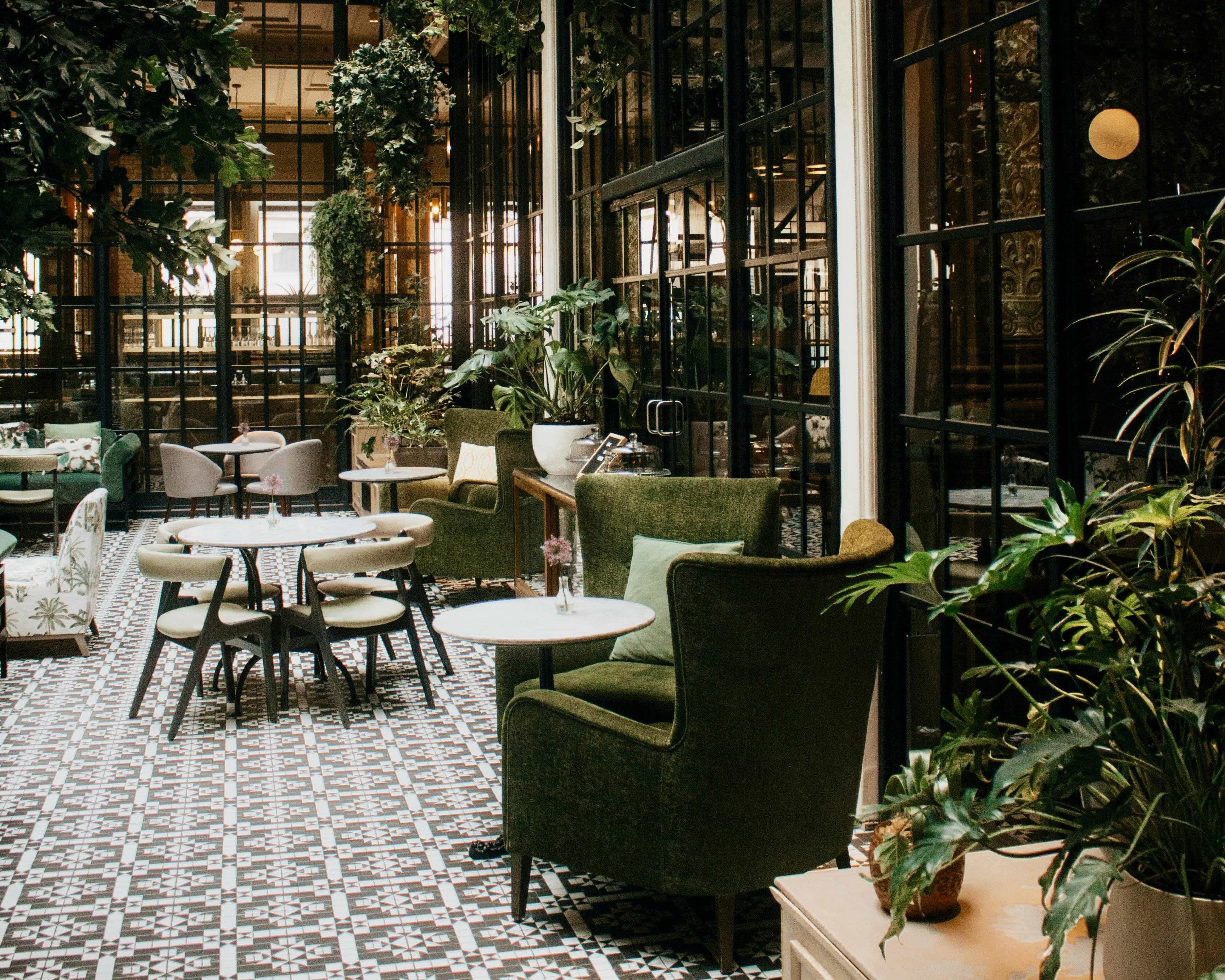
New York City’s dining landscape is an electric, international, ever-evolving ecosystem. Historic neighborhood mainstays, museum-side cafes, and sky-high cocktail lounges compete for the attention of the world's most discerning palates.
Fine dining
The Modern: This elegant, two-Michelin-starred destination looks out over MoMA's Abby Aldrich Rockefeller Sculpture Garden, serving hyper-refined, artfully plated contemporary American tasting menus.
Le Bernardin: Chef Éric Ripert’s Midtown institution for French seafood, serving immaculate, fish-centric tasting menus in a calm, formal dining room.
Eleven Madison Park: Set in a grand Art Deco space overlooking Madison Square Park, this three-Michelin-starred destination offers an ambitious, plant-based tasting menu.
Daniel: Chef Daniel Boulud’s Upper East Side flagship delivers refined French gastronomy, pairing classic techniques and seasonal ingredients.
Casual eateries
Café Sabarsky: Inside the Neue Galerie, this local gem perfectly captures the romance of a 20th-century Viennese coffeehouse, complete with period wood paneling, live piano music, and exceptional Austrian pastries like Sachertorte.
The Great Hall Balcony Cafe: Perched above The Met’s bustling main entrance, this sophisticated rest stop offers a serene, elevated vantage point to enjoy light bites, a glass of wine, or a cocktail.
Joe’s Pizza: The quintessential Greenwich Village slice shop, churning out crisp, thin-crust cheese and pepperoni slices to a perpetual line of locals and visitors.
Russ & Daughters Cafe: A sit-down Lower East Side offshoot of the legendary shop, serving elevated smoked fish platters, babka French toast, and classic egg creams.
The Smith: A quintessential, bustling American brasserie with multiple locations, serving up reliable, comforting bistro classics from steaks and burgers to a massive raw bar in an energetic setting.
Cocktail and wine bars
Jazz Club at Aman New York: A moody, subterranean lounge pairing craft cocktails with live jazz, sleek design, and an exclusive neighborhood crowd.
Monkey Bar: A historic Midtown staple revived with clubby leather booths, vintage murals, classic steaks, and ice-cold martinis.
The Campbell: Inside a restored 1920s private office in Grand Central Terminal, this soaring lounge serves classic cocktails amidst Florentine plasterwork and stained glass.
Russian Vodka Room: A bustling, no-frills Theater District hideaway known for its extensive list of infused vodkas, traditional zakuski bites, and late-night piano playing.
Nothing Really Matters: A hidden speakeasy tucked behind an unassuming subway entrance at the 50th Street station, serving refined craft cocktails in a sleek, tiled space.
Darling Rooftop at Park Lane Hotel: High above Billionaire’s Row, this stylish indoor-outdoor rooftop lounge is the only high-rise bar directly overlooking Central Park.
Day trips from New York City
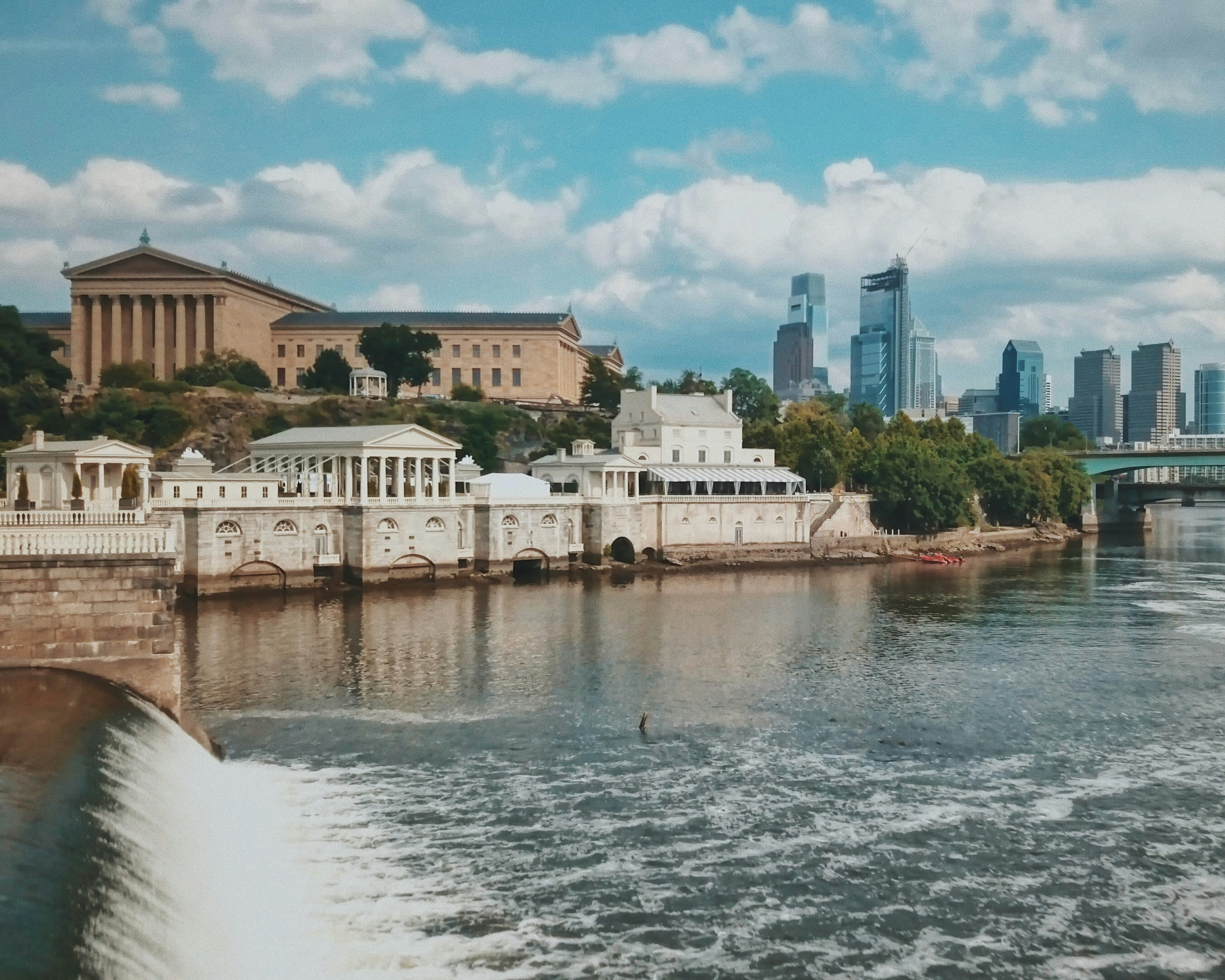
When you need a temporary reprieve from Manhattan, there’s a diverse array of coastal escapes, historic river towns, and cultural capitals just a short drive or train ride away.
The Rockaways (30-minute drive or 1.5-hour ferry): This lively Queens beachfront offers New Yorkers an immediate surf-and-sand escape complete with vibrant boardwalk concessions, outdoor taco shacks, and a laid-back, local coastal culture.
Cold Spring (75-minute train): This historic, picture-perfect riverside village invites you to wander independent boutiques along Main Street or explore the wooded ruins of the West Point Foundry Preserve trails.
Beacon (1.5-hour train): This vibrant, artsy industrial haven, anchored by Dia Beacon—a massive, world-class contemporary art museum housed in a former Nabisco box-printing factory—complemented by a thriving scene of craft breweries, independent galleries, and cafes.
Philadelphia (1.5-hour train): The birthplace of American democracy makes for an effortless urban day trip ideal for viewing the Liberty Bell, touring Independence Hall, and sampling local culinary staples at the iconic Reading Terminal Market.
Trips to add on
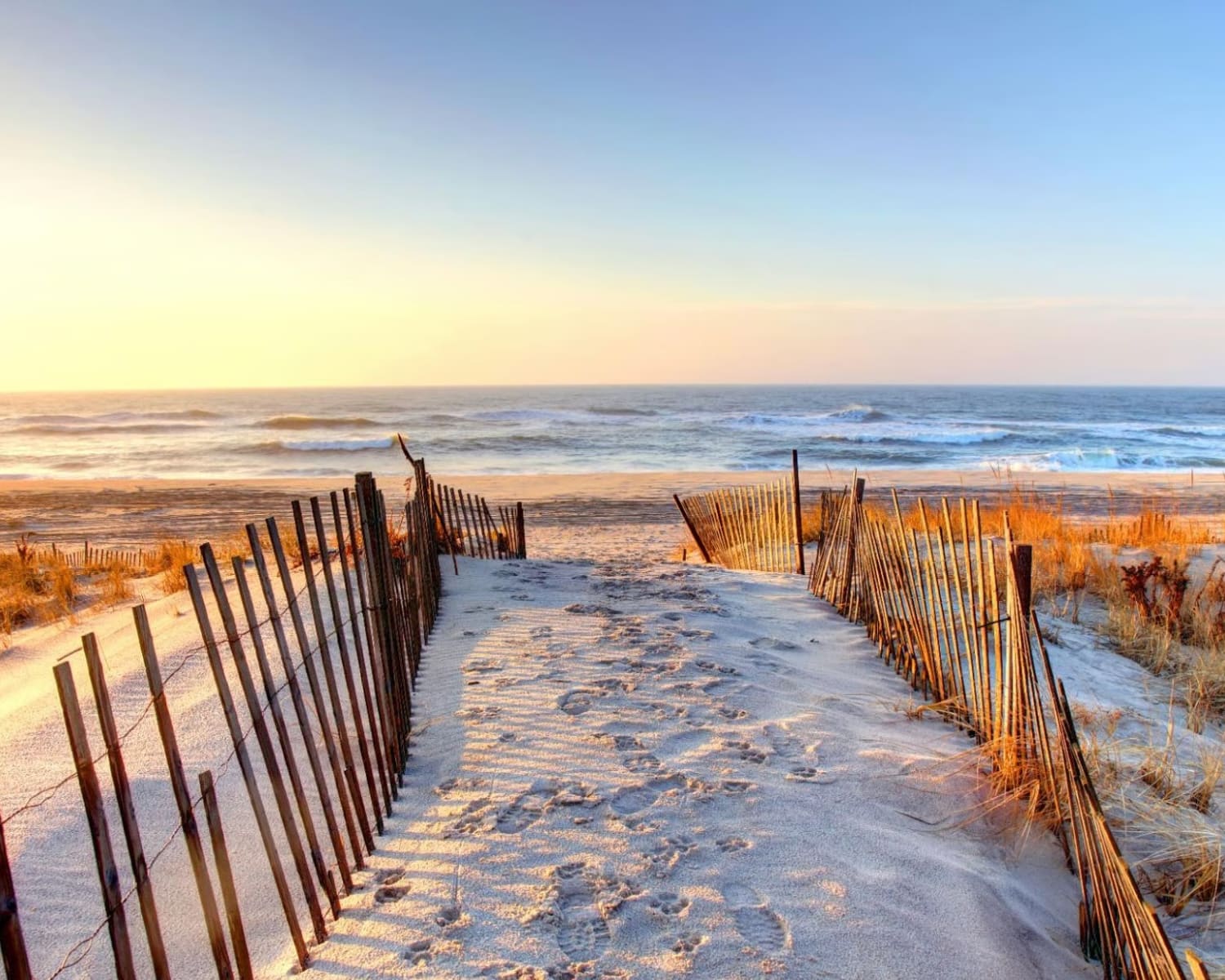
New York City provides effortless access to the wider Northeast corridor. These additions allow you to trade Manhattan for historic coastal charm, political power centers, or pastoral mountain retreats.
Boston (1-hour flight or 4-hour train): Massachusetts’ historic capital offers a distinct intellectual charm where you can trace the American Revolution along the brick-lined Freedom Trail, wander the gas-lit streets of Beacon Hill, and explore world-class museums like the Isabella Stewart Gardner.
The Hamptons (2-hour drive): This legendary summer playground pairs historic, shingle-style seaside villages with expansive Atlantic beaches, high-end farm stands, and a glamorous, slow-paced coastal lifestyle.
Washington, D.C. (3.5-hour train): The nation's capital is an expansive and stately alternative to Manhattan, where you can easily fill a few days touring the monumental National Mall, exploring the free-to-enter Smithsonian museums, and dining in vibrant neighborhoods like Georgetown.
The Berkshires (4-hour drive): Located in the highlands of Western Massachusetts, this idyllic rural retreat provides a complete sensory shift, drawing travelers with rolling hills, historic estates, world-renowned spa programs, and a legendary summer arts scene.
Newport, Rhode Island (3.5-hour drive): A classic New England coastal getaway renowned for its opulent Gilded Age mansions, premier sailing heritage, and the scenic Cliff Walk winding past historic architecture and ocean vistas.
The Hudson Valley (1.5–2 hour drive or Amtrak/Metro-North train): A pastoral countryside retreat packed with boutique wineries, historic estates, and a renowned farm-to-table culinary scene.
If not New York City…
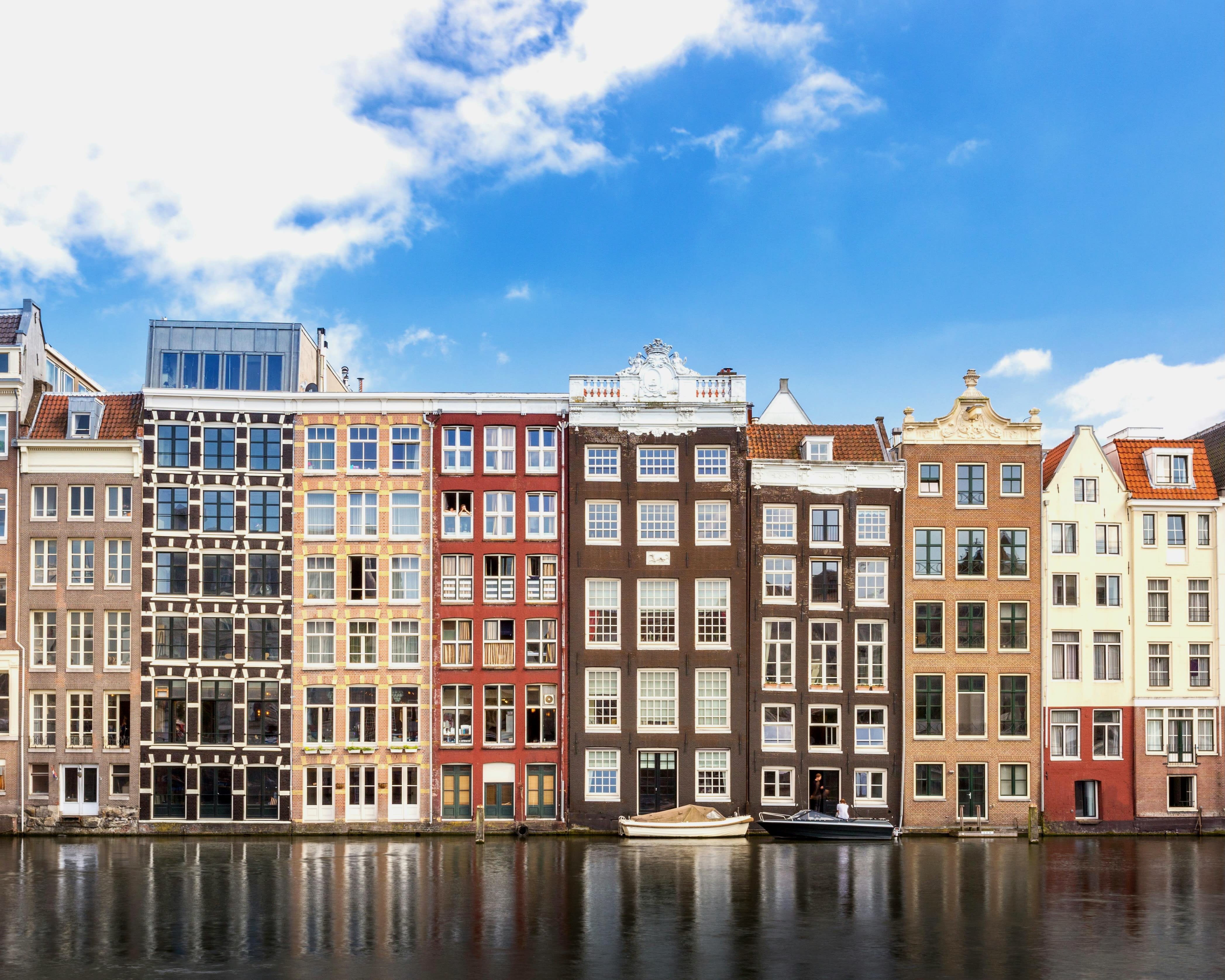
New York delivers a density of culture—food that spans every cuisine and price point, neighborhoods that operate as cities within a city, and an energy that's difficult to replicate. But each of these share a similar DNA, just concentrated differently.
Hong Kong: The vertical density, the harbor, the Michelin-starred tasting menus to midnight street food stall culture, and the collision of Cantonese tradition with international finance give Hong Kong a pace and intensity that rivals New York.
Mexico City: Landmark museums, a globally recognized food scene, and neighborhoods like Roma and Condesa that are best experienced by walking—the city's scale, energy, and perpetual sense of forward motion make it the most New York-adjacent city in Latin America.
London: A massive global capital seamlessly blending centuries-old royal landmarks and historic neighborhood pubs with world-renowned West End theater, free museums, and a cutting-edge culinary scene.
Paris: A deeply cinematic city of distinct, romantic neighborhoods, high fashion, and monumental architecture, where aimless wandering reveals legendary bistro culture and hidden street life at every turn.
Amsterdam: Compact enough to cover on foot or by bike, but dense with restaurants and nightlife. The Rijksmuseum and the Van Gogh Museum anchor the cultural case, but Amsterdam's real appeal is in its Jordaan and De Pijp neighborhoods.
Copenhagen: Design, food, and civic confidence make the city feel unique. The restaurant culture remains exciting, and the combination of waterfront architecture, world-class museums, and an effortlessly bikeable layout gives Copenhagen an enjoyable quality of life.