





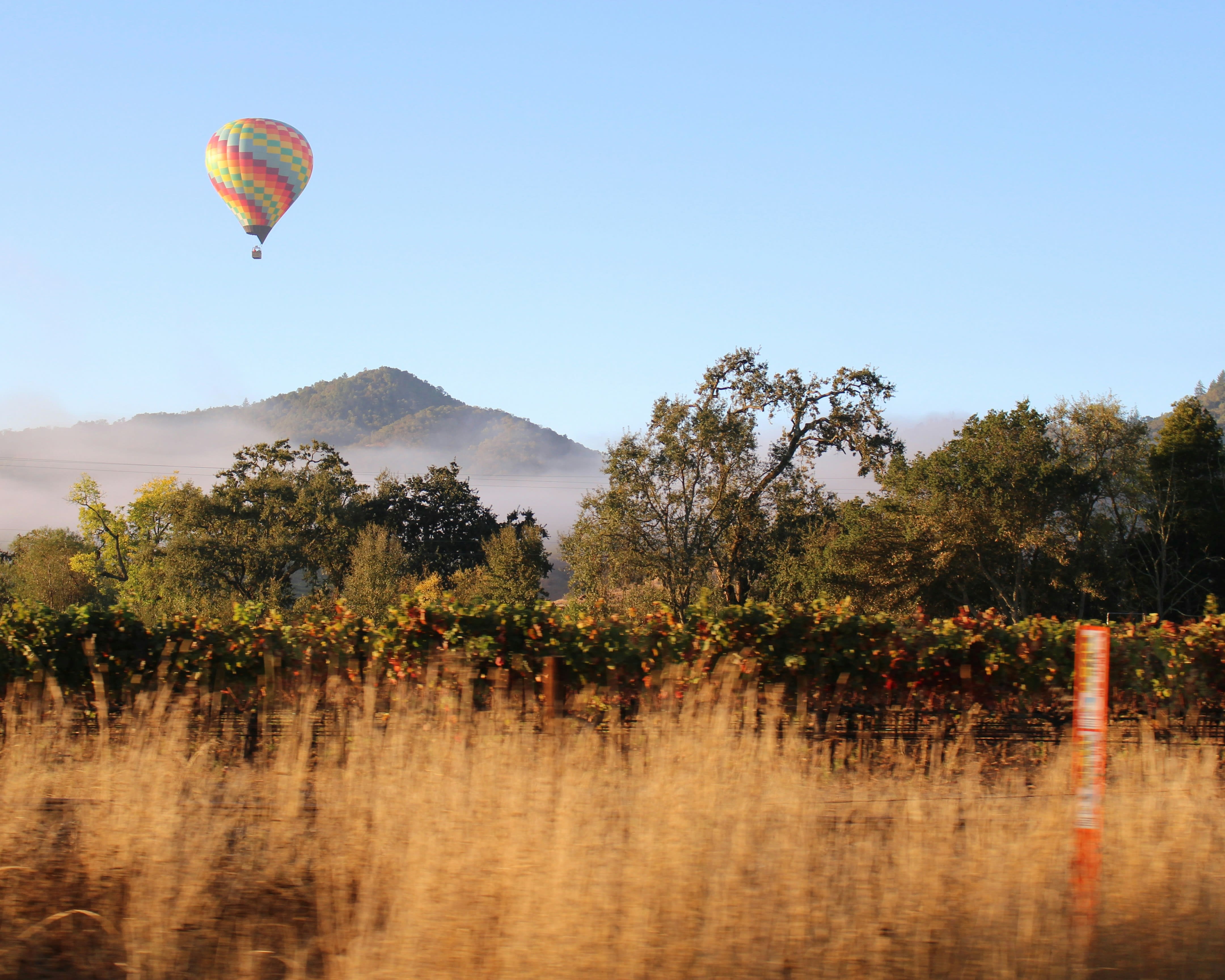
Napa Valley has quietly assembled the kind of food and hospitality infrastructure that most destinations spend generations trying to build. Michelin-starred restaurants, roadside farm stands, and spa resorts pair with award-winning wines that add up to the best Napa has to offer.
The valley runs 30 miles from end to end, with Napa at the southern gate, Calistoga in the north, and St. Helena and Yountville in between. Highway 29 and the Silverado Trail run north to south along the length of the valley, connecting nearly all of it. What surprises many first-time visitors is how much variation exists within Napa Valley—16 distinct subregions each run on their own microclimate and soil composition. A Cabernet grown in the cool, clay-heavy southern reaches of Los Carneros tastes fundamentally different from one pulled off a hillside estate above Oakville or a volcanic-soil plot outside Calistoga.
Many of the more than 500 wineries here are small, family-run operations. The food scene has also been built around the same agricultural seriousness that goes into the wine. The only real question is how many stops you're willing to make. Come with an appetite, a flexible itinerary, and a willingness to linger somewhere longer than planned.
Need to know
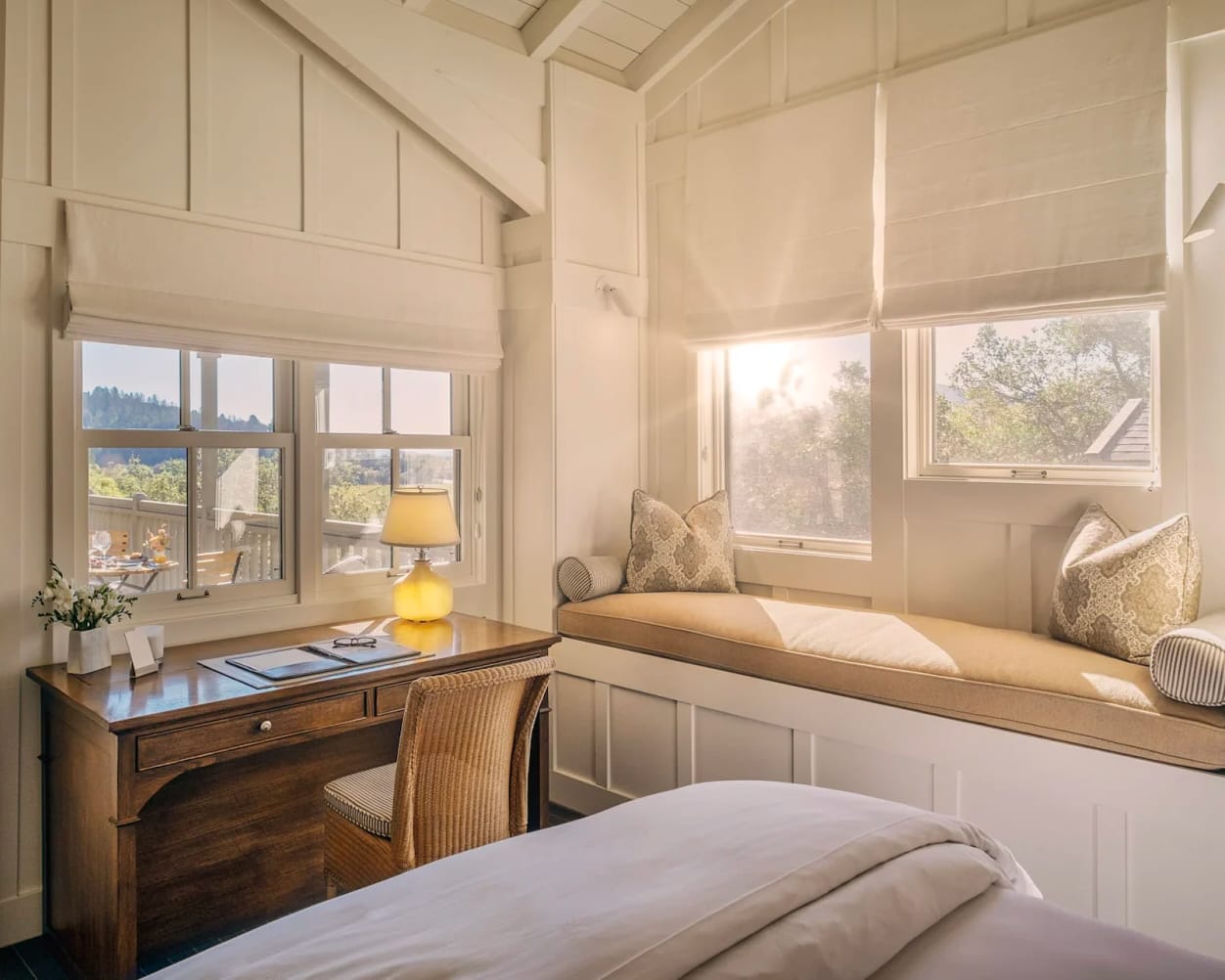
Image courtesy of Meadowood Napa Valley
Compact, well-signposted, and built around a pleasurable, unhurried exploration, Napa Valley benefits from a few practical considerations. From transportation, to tasting room reservations, getting to know the rhythm of the valley will help you get the most out of a visit here.
Airports: Sonoma County (STS) is the closest full-service airport, with a growing roster of year-round and seasonal flights to Los Angeles, Seattle, and Denver. Napa County Airport (APC) handles limited seasonal service to Los Angeles area airports on boutique carriers. For a wider selection of nonstop routes, San Francisco (SFO), Oakland (OAK), and Sacramento (SMF) are all roughly 50 to 60 miles away, though traffic can push drive times to two hours or more.
Transportation: A rental car offers the most flexibility since the valley is spread out, but, if tasting is the point of the trip, designate a driver. Rideshare operators like Uber and Lyft are available, though response times can be inconsistent outside of busier areas. Some resorts and hotels offer shuttles to nearby wineries, while bike rentals and scenic train routes also extend the variety of options. The towns in the valley are walkable once you're in them.
Best time to visit: Spring (March–May) and fall (September–October) are the two strongest cases for a Napa Valley visit, with mild temperatures and vineyards in full bloom. Fall is harvest season, when the crush is underway and the valley is operating at peak energy, though availability and prices reflect that. Summer (June–August) is hot and heavily trafficked. Winter (November–February) is nicknamed “Cabernet Season,” when the pace slows, the landscape turns stark and dormant, and some wineries pull back their hours or close around the holidays. Be aware that wildfires can start anytime—especially September through November—and the valley floor can flood, particularly January to March in rainy years.
Ideal length of stay: A weekend to three nights allows time to visit a handful of wineries and explore a few towns. Four to five days works well if you want to range a bit further, dipping into Sonoma or the Carneros regions. Napa is also a natural add-on to pair with other destinations as part of a longer West Coast trip.
Signature dishes and drinks:
Fresh oysters: Locally harvested oysters on the half shell—briny, cold, and a reminder that the Pacific Coast is less than an hour away
Artisanal cheese: Organic, California-made cheeses that range from triple-cream bries to aged tommes
Olive oil: The same warm days and cool nights that make Napa ideal for Cabernet also produce exceptional olives—pressed into oils that range from grassy and peppery to buttery and mild
Artisanal bread: Serious bakeries have taken root in the valley, turning out well-regarded sourdoughs, levains, and country loaves
Cabernet Sauvignon: The grape that built Napa's reputation—bold, structured, and loaded with blackberry, cassis, and dark plum
Fumé Blanc: Robert Mondavi's 1960s rebranding of Sauvignon Blanc into something oak-aged, rounder, and distinctly Californian
Blackberry Cabernet sangria: A valley staple mixing heavy Cabernet, brandy, blackberries, and warm spices
What to wear: Napa's dress code lands somewhere between polished casual and smart—well-fitted jeans and linen. Daytime tastings are relaxed, but higher-end estates skew smarter, and evening dining calls for a step up—a blazer, dress, or elevated separates. Summers run hot, so sun protection is essential, and evenings cool down enough to warrant a light layer. Winters turn cool and wet, requiring a proper jacket. Comfortable but stylish footwear matters—you'll be on your feet through tastings and walking during tours.Travel tips:
Driving: Highway 29 between St. Helena and Napa is one of the most DUI-patrolled roads in California—do not drink and drive.
Tastings: The era of walk-in tastings has all but ended; book appointments 2–4 weeks ahead of time. Some wineries don't have public tastings at all. Budget up to $200 per person per day for tastings, but some wineries may waive fees with a bottle purchase.
Mailing lists: Most wineries allocate their best bottles exclusively to mailing list members before retail release. If you discover a producer you love, join their list immediately—it may become the only way to continue buying.
A closer look at Napa Valley
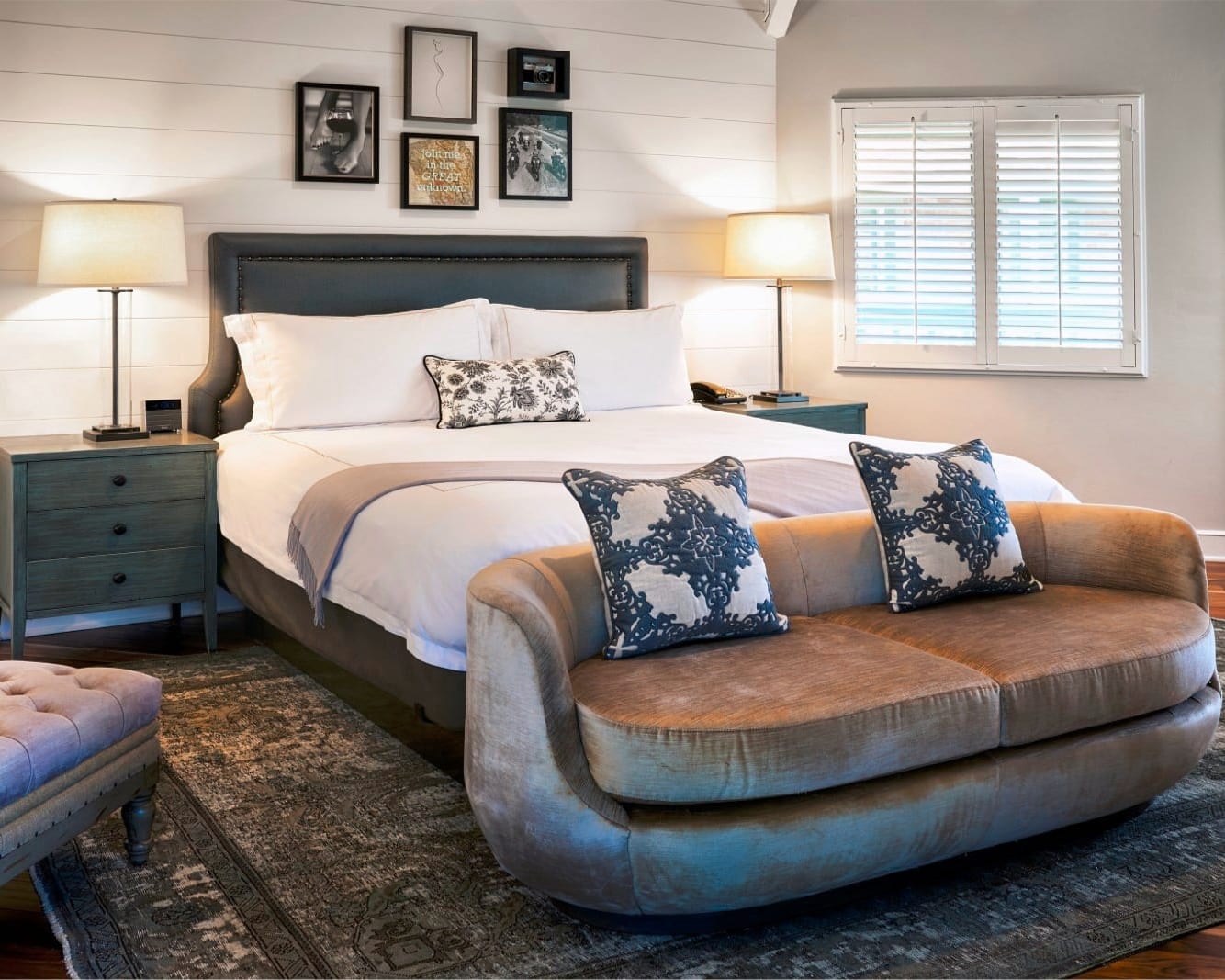
Image courtesy of The Estate Yountville
Napa Valley’s reputation for Cabernet Sauvignon is deserved—the combination of volcanic soils, afternoon heat, and cool marine air pushing in through the Carneros gap produces conditions that serious winemakers have been chasing for decades.
The city of Napa itself has shifted considerably over the past decade, with a downtown that now has genuine restaurant depth, and functioning as a more affordable base. Yountville, a few miles north, is the culinary epicenter with a remarkable density of serious restaurants, tasting rooms, and design-forward hotels along a compact stretch. St. Helena is the old-money wine country town with independent bookstores coexisting with Michelin restaurants. Calistoga, at the northern end, runs warmer and less polished than its neighbors, known as much for its geothermal mud baths and spa culture as for its wine—the Old Faithful Geyser erupts reliably just outside of town, and the general atmosphere is closer to a small Western resort town.
Where to stay
Auberge du Soleil: The closest Napa comes to a European hillside retreat—adults-only, terraced into the Rutherford hillside, and a timeless sensibility. Request a valley-facing room; on a clear morning, it can feel more like Tuscany than California. A collection of residential suites—some with dedicated Mercedes service—operate closer to a private estate than a hotel.
Fora Perks include a $100 resort credit, daily breakfast, welcome amenity, an upgrade, and extended check-in/out whenever possible.
Meadowood Napa Valley: Hillside cabins thread through old-growth trees, a well-regarded spa, and an atmosphere that’s luxury resort meets private woodland retreat. The “adult summer camp” comparison is well-earned and entirely complimentary, with wine programming, hiking trails, and wellness offerings have kept it among Napa's most sought-after addresses.
Fora Perks include a $100 resort credit, daily breakfast, an upgrade, and extended check-in/out whenever possible.
Stanly Ranch, Auberge Collection: The most family-friendly of Auberge's three Napa properties, with single-story cottages spread across working vineyards. The food program and spa facilities punch well above the family-resort category, and its position in southern Napa makes it strategically placed among the valley's top-tier stays.
Fora Perks include a $100 resort credit, daily breakfast, welcome amenity, an upgrade, and extended check-in/out whenever possible.
Four Seasons Resort and Residences Napa Valley: A sprawling, low-rise campus in the northern valley with beautifully appointed rooms, extensive spa facilities, and a full resort polish without the intimacy-at-all-costs ethos of smaller properties. Families and accessibility-conscious travelers will find it better suited than other ultra-high-end alternatives as the layout and service model are built for broad appeal.
Fora Perks include a $100 resort credit, daily breakfast, an upgrade, and extended check-in/out whenever possible.
Solage, Auberge Collection: Auberge's northernmost Napa property draws a younger, more design-conscious crowd. A recent renovation consolidated the pool into one long stretch, and the rooms trade the ultra-luxury register for something more relaxed and livable. Suites with private outdoor tubs and upgraded amenities are worth the step up, particularly for couples or groups making a long weekend of it.
Fora Perks include a $100 resort credit, daily breakfast, welcome amenity, an upgrade, and extended check-in/out whenever possible.
The Estate Yountville: The prime advantage here puts downtown Yountville’s restaurants, tasting rooms, and boutiques within walking distance. The property divides between two distinct sides: Villagio, the larger and more polished of the two, and Vintage, whose cottage character gives it a warmer, more personal feel.
Fora Perks include a $100 resort credit, daily breakfast, welcome amenity, an upgrade, and extended check-in/out whenever possible.
Alila Napa Valley, a Hyatt Luxury Resort: A contemporary property just outside Yountville with a shingled facade, a creek running through the grounds, and direct views across Beringer's vineyards and historic mansion. Adult-focused, with a gym and spa, it sits in a category of its own: genuinely special without the price tag or attitude of Napa's most established names.
Fora Perks include a $100 resort credit, daily breakfast credit, an upgrade, and extended check-in/out whenever possible.
History and culture
The Napa Valley was home to the Wappo people for centuries before Spanish missionaries, Mexican rancho holders, and American settlers displaced them in the early 19th century. The agricultural chapter began in earnest in 1839, when homesteader George Calvert Yount planted the first non-native vines, soon followed by others who recognized the valley's potential for European varietals. Some of today’s most established wineries followed, setting up roots between the 1860s and 1890s—Charles Krug, Schramsberg, Beringer, and Inglenook among them. They survived successive crises in the late 19th century: a grape glut that collapsed prices, a phylloxera epidemic that destroyed 80 percent of the vines, and ultimately Prohibition, which shuttered most operations. When the 21st Amendment was repealed in 1933, a new generation moved in, growing the region over the coming decades, and putting Napa Valley on the map.
That reckoning arrived in Paris in 1976, when a blind tasting organized by British wine merchant Steven Spurrier led to a Chateau Montelena Chardonnay and a Stag’s Leap Cabernet Sauvignon topping their respective categories against Burgundy and Bordeaux's most storied producers. The so-called Judgment of Paris reoriented the global wine conversation overnight, and Napa has occupied a place at the top of that conversation ever since. Today the valley operates as both an agricultural region and a cultural destination—one where the serious business of winegrowing coexists with a hospitality industry of considerable sophistication, drawing visitors as interested in architecture, cuisine, and landscape as in what's in the glass.
Cultural celebrations and events
Napa Valley Restaurant Month (January, Napa Valley): Restaurants offer special menus and prix-fixe offerings for 31 days full of premium, farm-fresh ingredients.
BottleRock Napa Valley (May/Memorial Day weekend, Napa): Three days of A-list musical acts across multiple stages, with local wines and food from the valley's restaurants woven into the festival grounds.
Heritage in the Vines (June 19, Napa): Hosted at The Prisoner Wine Company, this Juneteenth event centers Black history, culture, and community with curated tasting flights, live music, and programming that gives the holiday genuine substance.
Inspired by the Land (June, Bothe-Napa Valley State Park): A free community event during California State Parks Week that centers local artist pop-ups, nature-inspired workshops, hands-on craft zones, and food trucks.
Festival Napa Valley (July, Napa Valley): For ten days, wineries, estates, and outdoor venues across the valley host classical music, opera, and ballet performances, many of them open to the public at no cost.
Harvest season (August–October, Napa Valley): Starting in August, peaking in September and October, the crush parties, harvest dinners, and events are in full swing.
What to do in Napa Valley
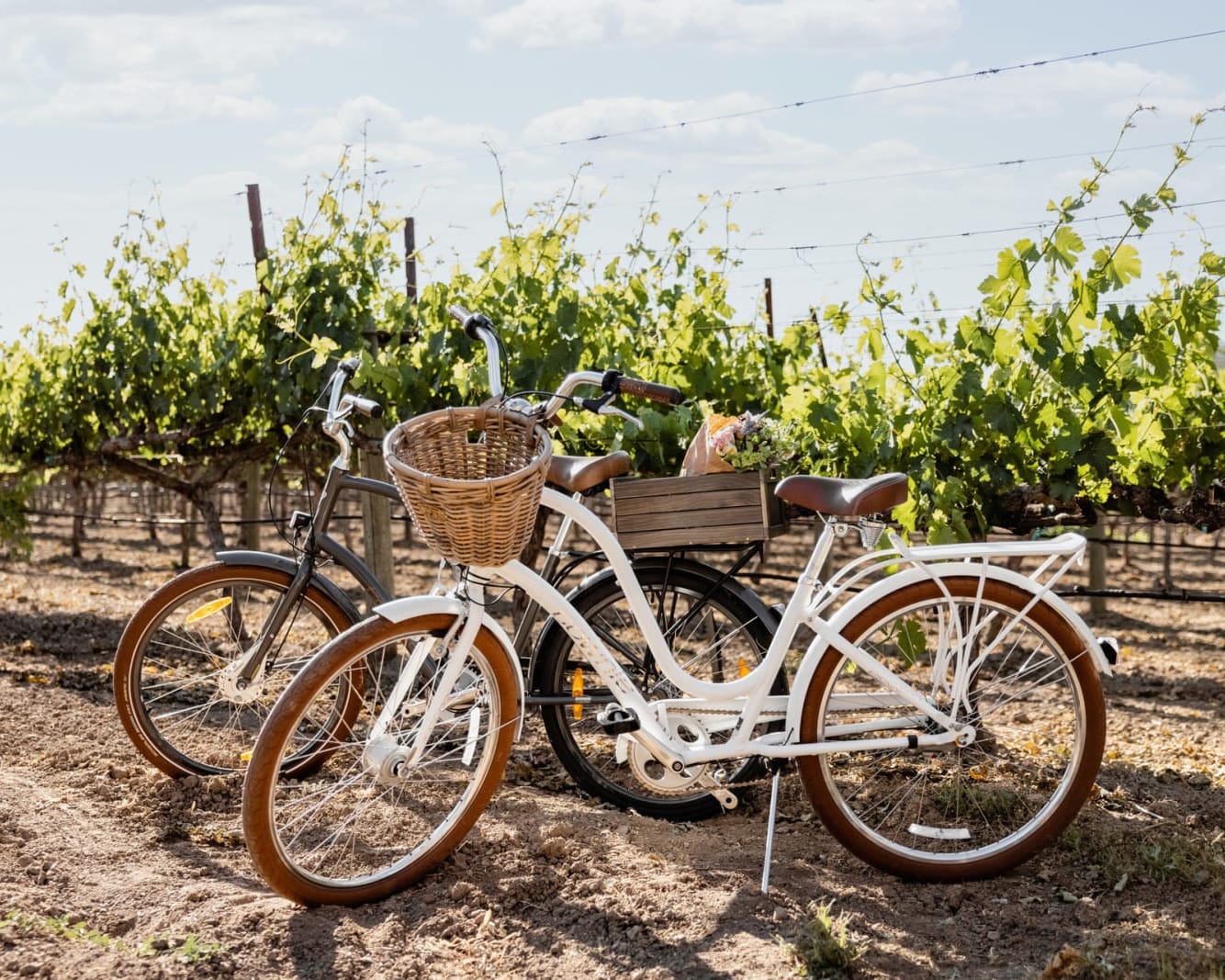
Image courtesy of Four Seasons Resort and Residences Napa Valley
Napa's reputation is built on wine, but the valley has enough beyond the glass to fill several days without repetition.
Napa Valley Wine Train: Covering the 36-mile route between Napa and St. Helena in restored century-old Pullman dining cars, the three-hour round trip includes a multi-course meal and passes through the heart of the valley's vineyard corridor.
Hot air ballooning: Several operators run sunrise flights that lift off from the valley floor and drift over rows of vineyards and morning mist. Flights last roughly an hour and typically finish with a sparkling wine toast.
Napa Valley Vine Trail: Rent a bike to explore the 12.5 mile trail from downtown Napa north to Yountville, lined with vineyard views for much of its length.
Napa Riverfront: The Napa Riverfront area offers gondolas along the Napa River, and pairs naturally with the Oxbow Public Market for food vendors and local produce.
Calistoga Hot Springs: The northern end of Napa Valley sits over a geothermal field, where mud baths using volcanic ash and mineral soaks the signature treatments.
Bothe-Napa Valley State Park: Adjacent to Bale Grist Mill, the park offers 10 miles of hiking trails through redwood groves, a seasonal swimming pool, and campground.
Farmers markets: The Napa Farmers' Market runs Tuesdays and Saturdays, drawing local producers from across the valley. The Calistoga Farmers' Market on Saturday mornings runs smaller with a mix of produce, prepared food, and local crafts.
Golf: Napa Valley has five public courses across the valley, including the distinctive 150-acre Chardonnay Golf Club winding through active vineyards.
Lake Berryessa: The reservoir east of Calistoga is one of the largest lakes in California and offers a full range of water recreation—boating, waterskiing, kayaking, and fishing—that operates independently of wine country's rhythms.
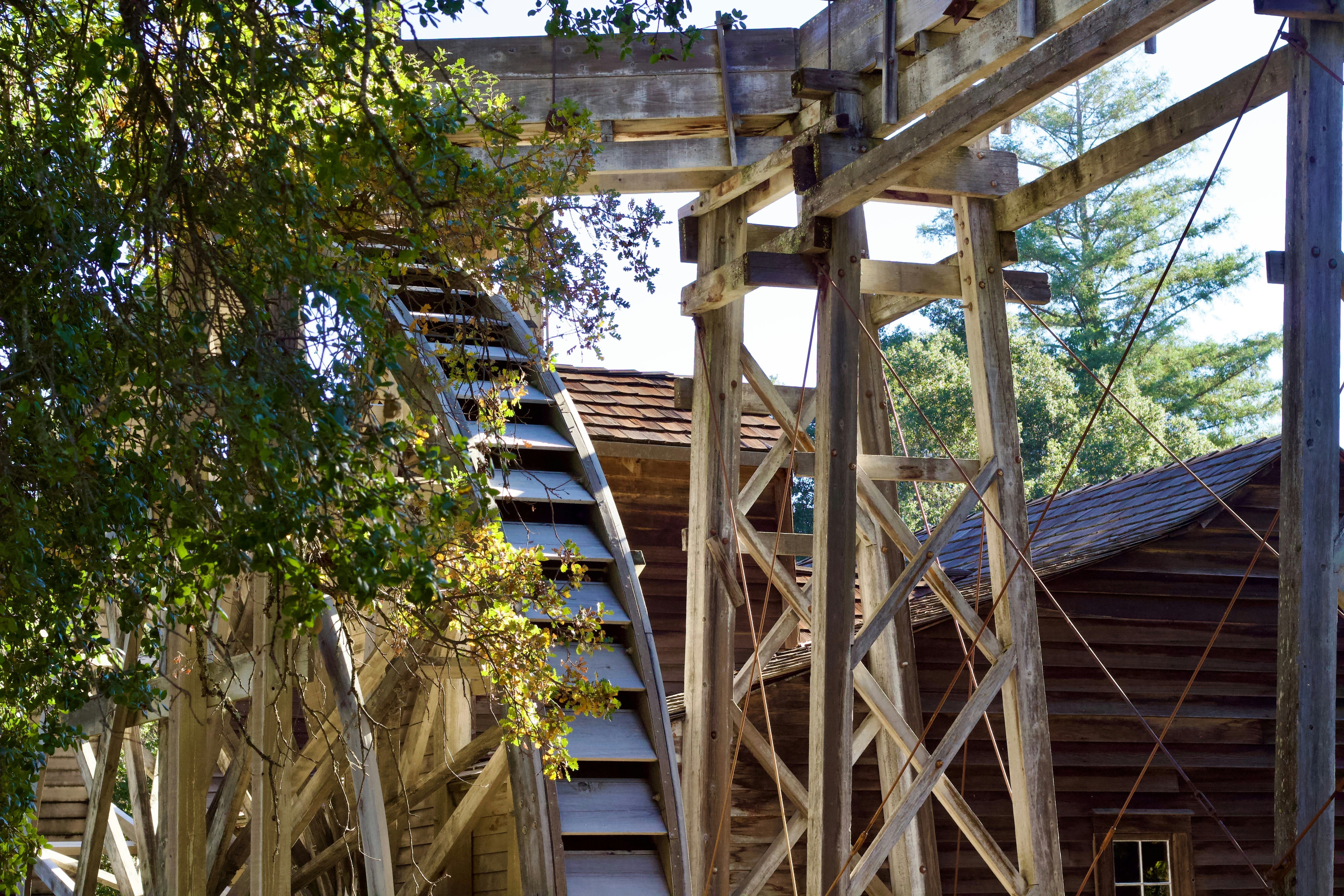
Bale Grist Mill: The partially-restored water-powered mill was built in 1846 and remains one of the oldest surviving mills in California. The surrounding State Historic Park also holds the Pioneer Cemetery and the site of the valley's first church.
Vineyards and wineries
Cabernet Sauvignon is the valley's king, but the sub-appellations matter. Oakville and Rutherford produce wines with a distinctive mineral, cocoa-like quality. Stags Leap produces elegant, red-fruited Cabs. Howell and Spring Mountains produce tannic, structured wines requiring years of aging. While these vineyards and wineries offer memorable experiences, knowing what notes and flavors you respond to will help you narrow down which ones to visit.
Davis Family Vineyards (Santa Rosa): A boutique operation with a philosophy that has stayed consistent: minimal intervention, estate-grown fruit from their Soul Patch Vineyard in the Russian River Valley, and small-batch production.
Boeschen Vineyards (St. Helena): The Boeschen family's 11-acre estate dates to 1880 with rose gardens, a 19th-century estate home, a classic car collection, and an underground cave winery focusing production on only Sauvignon Blanc, rosé, Cabernet Sauvignon, and a Bordeaux-style blend.
Hill Family Winery (Napa): Doug Hill has been farming his Yountville-area vineyards since the 1970s, and the downtown Napa tasting room is relaxed and salon-styled. The blind tasting in black glasses is a strong option for those who want to test their palate.
Chappellet Winery (St. Helena): Founded in 1967, Chappellet was among the first Napa producers to look to the hills for their vines. The pyramid-shaped winery building, inspired by Egyptian architecture, is unlike anything else in the valley.
Aperture Cellars (Sonoma): Jesse Katz founded Aperture in 2009 after becoming the country's youngest head winemaker at 25, forging an acclaimed track record that includes 100-point Cabernet Sauvignon and Malbec varietals.
Dakota Shy (St. Helena): Operating from a six-acre estate tracing to an 1836 Mexican land grant, production is deliberately small and aimed at serious wine enthusiasts.
Baldacci Family Vineyards (Napa): The Baldacci family has been farming organically in the Stags Leap District for over 25 years. The focus is almost entirely on Cabernet, and the cave tour is the best way to understand how location shapes the same variety across Napa's different zones.
Joseph Phelps Vineyards (St. Helena): Founded in 1973 on a former cattle ranch, the winery is best known as the originator of Insignia, California's first proprietary Bordeaux-style red blend, first produced in 1974.
Caymus Vineyards (Rutherford): The Wagner family's roots in Napa go back to the mid-1850s. Tastings in the garden are always anchored by Cabernet Sauvignon and the Special Selection—which remains the only wine in history to receive Wine Spectator's “Wine of the Year” award twice.
Where to eat in Napa Valley
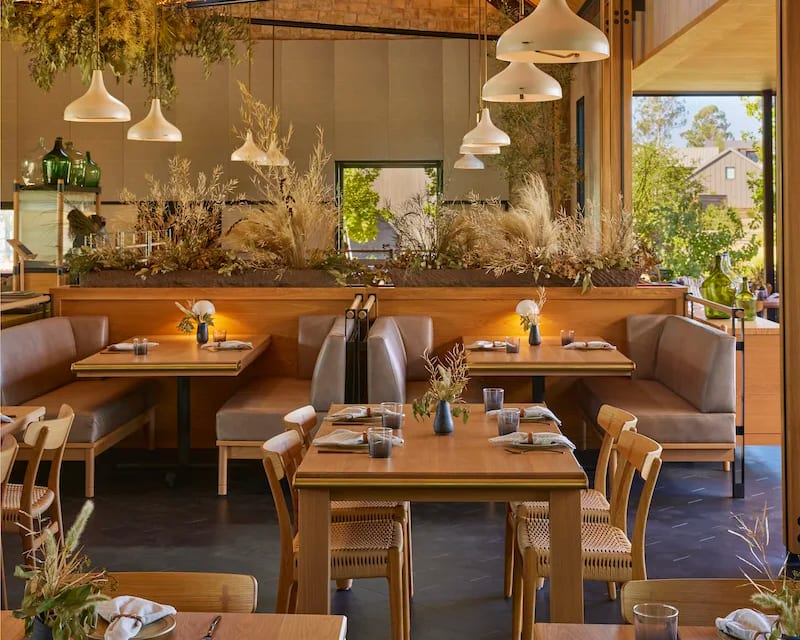
Image courtesy of Bear at Stanly Ranch, Auberge Collection
Napa Valley set the standard for the farm-to-table movement, where the kitchen garden, the vineyard, and the dining room are treated as a single system, across Michelin-starred restaurants to roadhouse grills.
Bear at Stanly Ranch, Auberge Collection (Napa): A Michelin-starred flagship California-style restaurant that runs an all-day menu built around wood-fire grilling, fermentation, and produce sourced from the ranch itself.
Single Thread (Healdsburg): Chef Kyle Connaughton and his wife opened this three-Michelin-starred restaurant, offering a 10-course kaiseki-influenced tasting menu that draws from the couple's 24-acre biodiverse farm in Dry Creek Valley.
The French Laundry (Yountville): Thomas Keller’s three Michelin-starred restaurant remains the most coveted reservation in Napa, set in a 1900 stone cottage, and offering up two nine-course tasting menus (one with meat, and one without).
Bounty Hunter Wine Bar & Smokin BBQ (Napa): An 1880s brick building in downtown, operating as a wine shop, BBQ joint, and whiskey bar.
Ciccio (Yountville): A wood-framed California-Italian trattoria with a wood-fired oven at its center remains one of the most satisfying meals in Yountville.
Glen Ellen Star (Glen Ellen): This restaurant is built around a wood-burning oven, highlighting Argentine and North African spices, produce from a nearby farm, and a wine list of small-production Sonoma and Napa bottles most restaurants overlook.
Mustards Grill (Napa): Open since 1983, this landmark roadhouse has built its reputation on a menu that merges Midwestern sensibility, California produce, and Asian and Latin influences.
Bouchon Bistro (Yountville): Thomas Keller opened this classic French brasserie as a more accessible, reliable counterpart to his French Laundry flagship down the block. The zinc bar, mosaic floor, and hand-painted mural set the scene for a French menu.
Ramen Gaijin (Sebastopol): Ramen built on handcrafted noodles, succulent pork chashu, and non-traditional, Sonoma-inspired broths that combine traditional Japanese technique with local, seasonal ingredients.
El Molino Central (Sonoma): A Michelin–recognized fast-casual taquería that makes its tortillas from scratch, which supports its reputation for the best tacos in Sonoma.
Bistro Don Giovanni (Napa): A California-Italian institution, still drawing locals as reliably as first-time visitors, on the strength of house-made pasta, a wood-fired oven, and a fountain-facing garden terrace—the secret menu fried olives are worth asking for.
Gott's Roadside (St. Helena and Napa): A roadside stand turned institution open since 1949 serving California-style burgers, garlic fries, and milkshakes.
Angele Restaurant & Bar (Napa): A French bistro in a converted 19th-century boathouse on the Napa River, balancing white-tablecloth and neighborhood bistro that most places in this bracket don't quite manage.
Bistro Jeanty (Yountville): The only French-owned-and-operated restaurant in Napa Valley is known for its rich crème de tomate sealed under a dome of puff pastry, duck confit with lentils, mussels in red wine, and chocolate croissant bread pudding.
Trips to add on
Napa Valley sits at the center of a scenic, food-driven region, where the Pacific Coast, the Sierra Nevada, and national parks are all within reasonable reach.
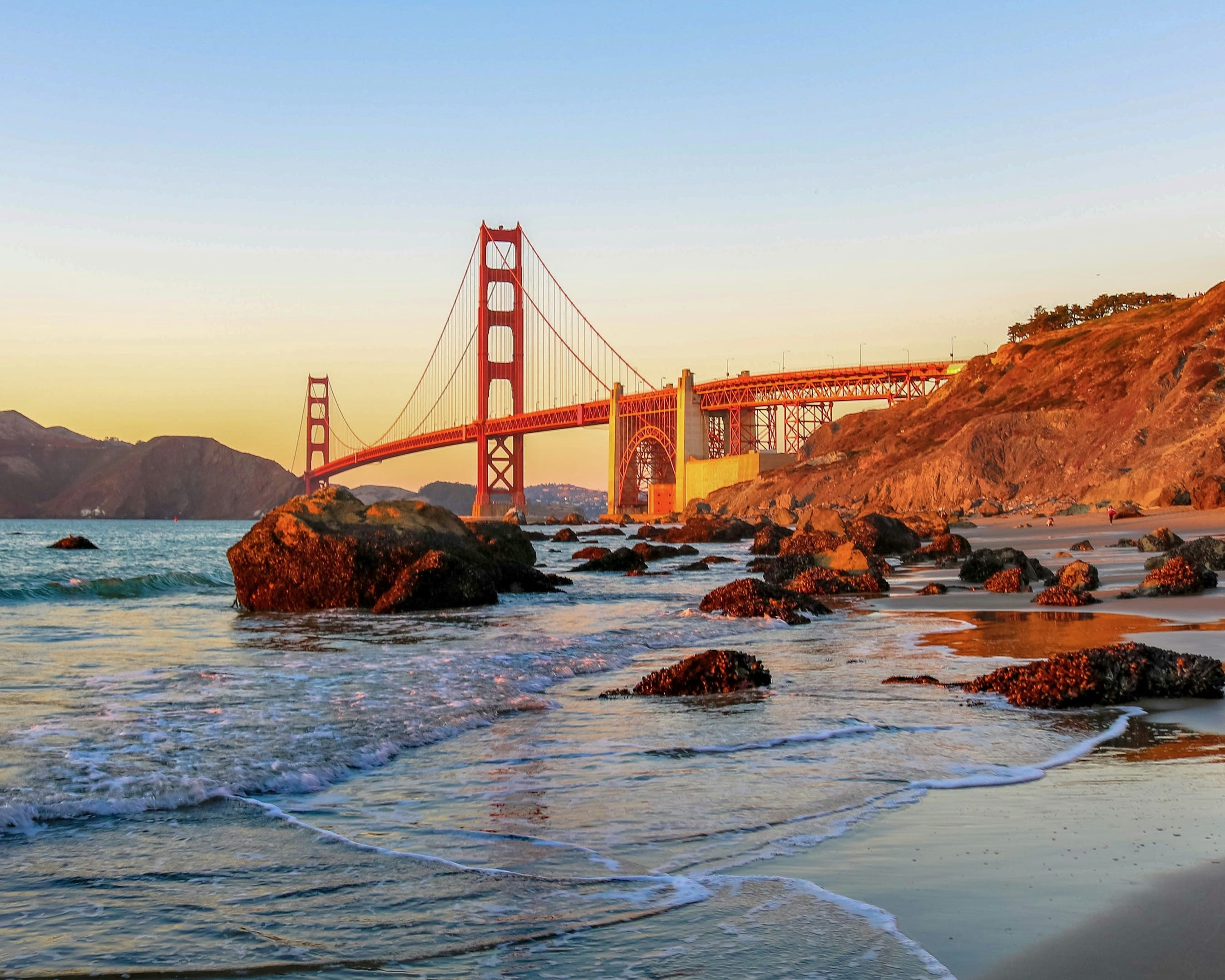
San Francisco (1-2 hour drive): The city's neighborhoods—the Mission, Hayes Valley, the Ferry Building and its Saturday farmers market—are easily explored on foot. The food scene draws as heavily on the same Northern California produce and wine culture that defines Napa. Factor in time for at least one meal that justifies the drive on its own.
National parks (1-4 hour drive): The options stack up quickly depending on how far you're willing to go. Muir Woods, just north of San Francisco across the Golden Gate, puts you among ancient coastal redwoods within 30 minutes of the city. Redwood National Park further north requires a longer drive but delivers a more immersive experience. Yosemite to the east is a longer commitment but one of the most dramatic landscapes in North America.
Lake Tahoe (2.5-hour drive): Straddling the California-Nevada border high in the Sierra Nevada, Tahoe shifts character by season—skiing and snowboarding in winter, hiking, kayaking, and clear freshwater swimming come summer. The north shore is quieter and more scenic; the south shore has more nightlife and the Nevada casinos if that's the draw.
Los Angeles (8-hour drive or 1-hour flight): Take a proper California road trip down the coast on Highway 1, with stops in Carmel, Big Sur, and Santa Barbara. Los Angeles is big enough to explore its neighborhoods, its food scene, and its beaches for more than a few days, but also easy enough to explore pockets of the city for any amount of time.
Willamette Valley, Oregon (8–9 hour drive or 1-hour flight): A detour in terms of distance, but one that makes for a quieter, less polished wine country escape. The valley produces some of the finest Pinot Noir outside of Burgundy—cooler, more restrained, and shaped by volcanic soils and a maritime climate that Napa can't replicate. The town of McMinnville is the practical base, with tasting rooms and farm-to-table restaurants spread across the hills.
If not Napa Valley…
World-class Cabernet, estate restaurants, and a landscape that makes wine tourism feel like an event in itself. These regions match Napa’s ambition, each with its own spin on the wine country experience.
Santa Ynez Valley, California: An hour north of Santa Barbara, Santa Ynez sees cooler temperatures, a longer growing season, and serious Rhône and Chardonnay varieties. The towns of Los Olivos and Solvang give the valley a distinct character, and the tasting room scene feels more accessible and less produced than Napa at its most formal.
Bordeaux, France: The reference point for Cabernet Sauvignon, Bordeaux's Left Bank châteaux—Margaux, Pauillac, Saint-Julien—produce the wines that Napa spent decades trying to rival. The city of Bordeaux itself has transformed into a serious cultural destination, with La Cité du Vin offering an ambitious wine museum and a growing restaurant scene.
Australia: Southern regions of Australia see prime Cabernet growing regions. The Margaret River in the southwest produces Cabernet shaped by ocean influence, the Barossa Valley in South Australia is Shiraz country with its own Cabernet spin, and Coonawarra's famous terra rossa soils produce Cabernet with a dark fruit concentration.
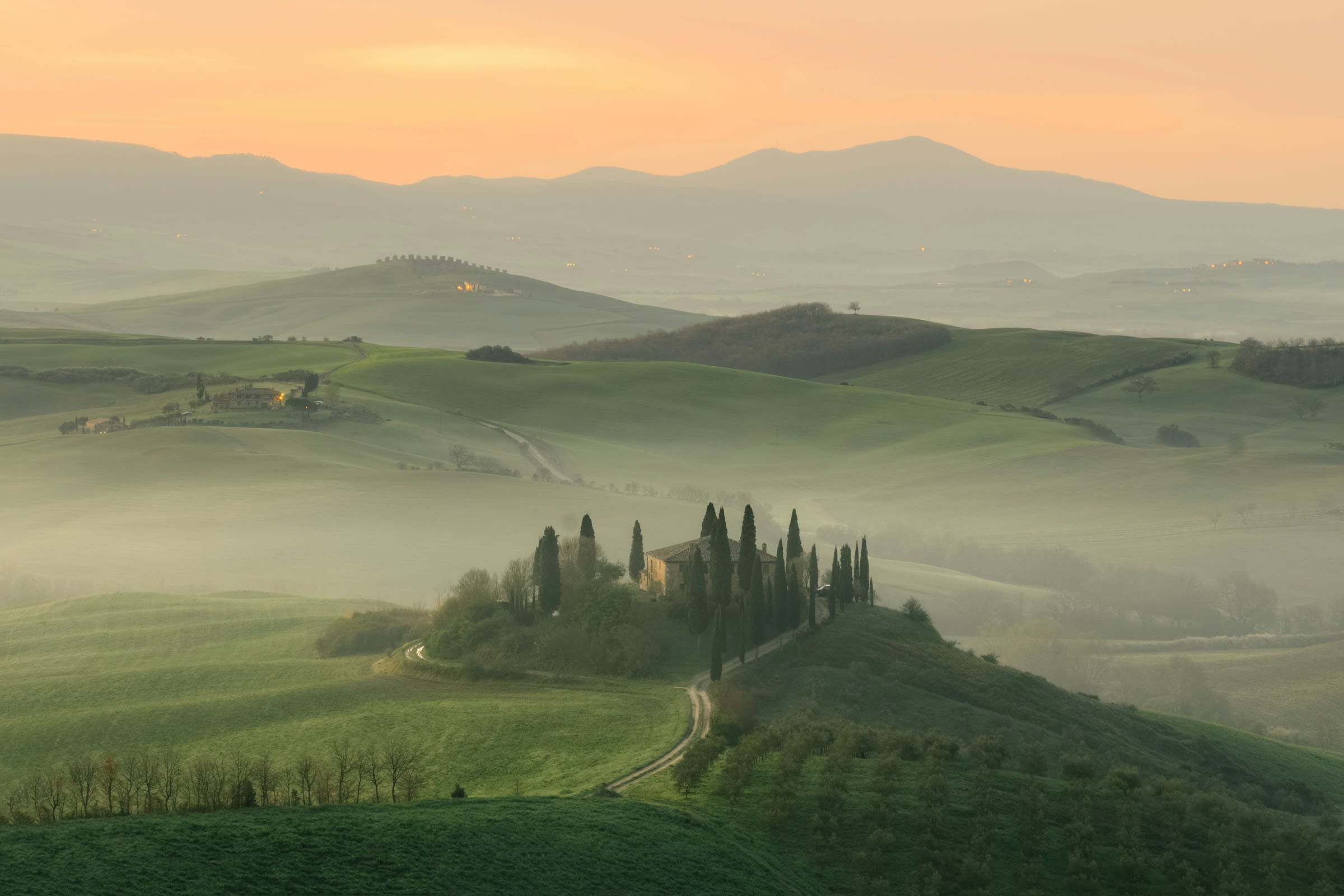
Tuscany, Italy: The landscape—rolling hills, cypress lines, hilltop villages—draws an obvious comparison to Napa, but the wines give Tuscany a breadth that rewards multiple visits. Chianti's Sangiovese-driven reds, the prestige Brunello di Montalcino, and the Super Tuscans of Bolgheri all produce some of Italy's most collectible bottles.
Maipo Valley, Chile: Wedged between the Andes and the Pacific, Chile's most celebrated wine region has built its reputation on Cabernet Sauvignon that is elegant and fruit-forward. The “Bordeaux of South America” is anchored by major estates like Concha y Toro, and the Andean backdrop gives vineyard visits a dramatic framing that Napa can't match.
Cape Winelands, South Africa: Stellenbosch sits at the center of striking mountain ranges, Cape Dutch estates, and a matured wine culture. The Cabernet Sauvignons here carry an Old World structure that sets them apart, and Cape Town's proximity means the Winelands integrate naturally into a broader South Africa itinerary.