





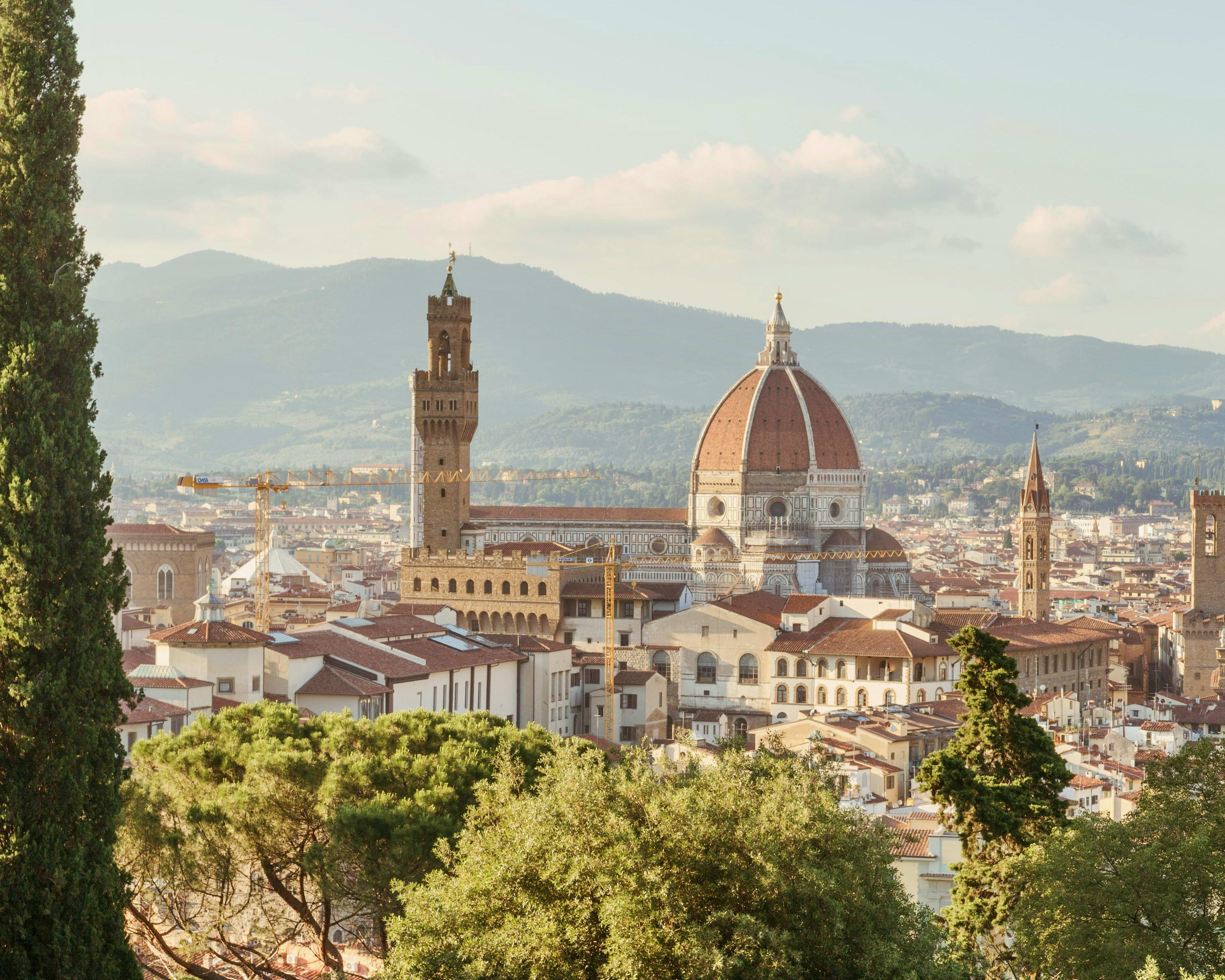
Florence is where art, architecture, and everyday life blend into one of Italy’s most picturesque cities. What draws people here is an unmatched concentration of Renaissance art, centuries-old artisan workshops, sleek high-fashion boutiques, and traditional osterias. Whether you are navigating the bustling stalls of the Mercato Centrale or watching the sunset from the steps of San Miniato al Monte, Florence balances its monumental past with a fiercely proud, living culture. Beyond the historic center, the surrounding countryside offers vineyards, hill towns, and scenic estates, making Florence an ideal base for exploring Tuscany.
Whether it’s world-class museums, exceptional food, or the slower rhythm of Tuscan life, read on to discover the essential museums, hidden cocktail dens, and the best day trips that make Florence entirely unforgettable.
Need to know
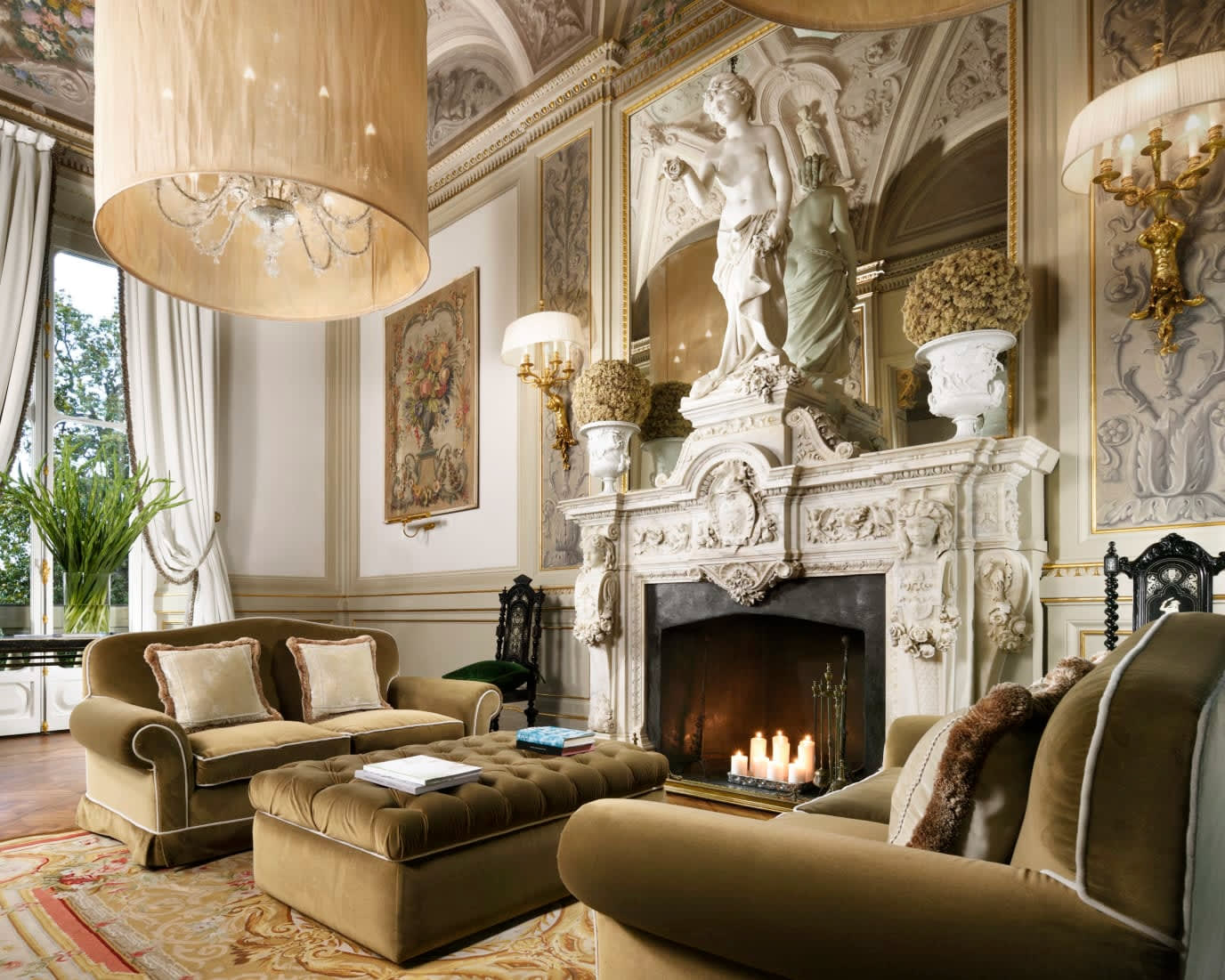
Image courtesy of Villa Cora
Before you finalize your itinerary, navigating a few essential logistics—from the realities of ancient urban terrain to local labor rhythms—ensures a smoother trip.
Currency
Italy uses the euro (EUR). Credit cards and contactless payments are widely accepted, though carrying some cash is helpful for smaller cafés, markets, and shops. Tipping is appreciated but not expected, with many locals rounding up the bill or leaving a small amount.
Languages
Italian is the official language, with English spoken in most hotels and major tourist areas. Making the effort to use a few words of Italian is genuinely appreciated.
Key phrases: ciao (hello), grazie (thank you), per favore (please), scusi (excuse me), come sta? (how are you?), sì/no (yes/no), non parlo italiano (I don't speak Italian), parla inglese? (do you speak English?)
Airports
Florence (FLR) connects to major European hubs like London, Paris, and Rome, though there are no nonstop flights from North America. Most travelers fly into Rome (FCO), Milan (MXP), or Venice (VCE) instead, all of which are linked to Florence by high-speed train.
Transportation
Florence is a compact city, with most major sites within walking distance of one another, but the cobblestone streets can be tricky for some visitors. Rental cars are unnecessary, buses cover the city well for longer crosstown trips, and taxis are the practical call for airport runs. The train station sits at the heart of the city and connects directly to cities across the country.
Best time to visit
Florence’s mild climate holds up well year-round. Spring (April–June) and fall (September–October) bring comfortable temperatures, manageable crowds, and a scenic Tuscan countryside, with fall in particular layering in truffle season and the wine harvest. Be aware of significant crowds around Easter that affect citywide access and business hours. Summer (July–August) gets genuinely hot and the tourist volume peaks. Winter (November–March) is cool and quiet, with a more local feel to the city but expect some rain.
Ideal length of stay
Three to four nights allows enough time to explore the Uffizi, cross the Ponte Vecchio, and enjoy a day in the Tuscan countryside. Pair it with a longer stay in Tuscany or another part of the country, and you have a solid week in Italy.
What to wear
Florence has a polished, fashion-conscious style, so smart-casual clothing fits in well. Comfortable walking shoes are essential for cobblestone streets. Pack light layers for spring and fall, breathable fabrics for the hot summer months, and a coat with waterproof layers in winter. When visiting churches, dress modestly by covering shoulders and knees.
Travel tips
Accessibility challenges: Florence’s historic cobblestone streets, narrow sidewalks, and steep staircases are not super favorable for travelers with mobility needs. That said, major sites like the Duomo and the Accademia Gallery are wheelchair accessible. Confirm accessibility ahead of time.
Proactive safety: The city is exceptionally safe and welcoming, but densely crowded plazas, bustling markets, and museum lines are prime areas for pickpockets. Keep valuables secured in zippered inner pockets, and always stay alert.
Transit strikes: Scheduled transport strikes (scioperi) involving national trains, local buses, and airport personnel are a regular facet of Italian labor culture. Keep an eye on regional transit calendars, and build flexible backup options into your itinerary.
A closer look at Florence
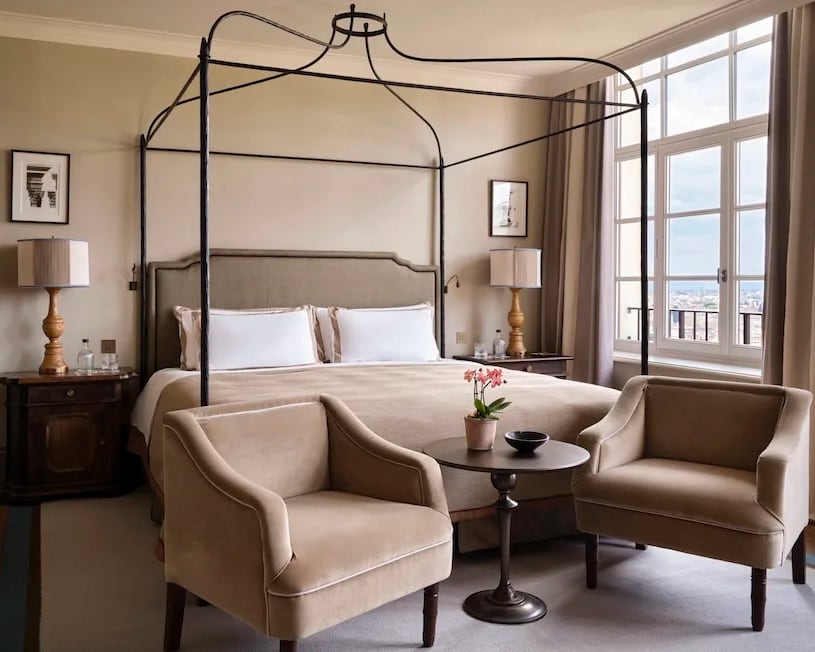
Image courtesy of Collegio alla Querce, Auberge Collection
Florence is compact enough to walk end to end, but dense enough that almost every block carries something worth stopping for.
The city center holds the heaviest hitters—the Duomo, the Uffizi, the Ponte Vecchio. While the crowds are real, the locals retake the area when aperitivo culture kicks in around 6pm. Santa Croce, east of the center, exhibits historical weight—Michelangelo, Galileo, and Machiavelli are all buried in the basilica. Leather shops, neighborhood cafés, and a nightlife scene give the area extra reason to visit.
San Lorenzo, just north of the Duomo, is where the Medici Chapels and the covered market pull in visitors and locals alike. Oltrarno, across the Arno, is anchored by the Palazzo Pitti and Boboli Gardens, but the artisan workshops and independent restaurants see a fraction of the foot traffic of the northern bank. San Niccolò, at Oltrarno's eastern edge, adds the best vantage point in the city—the climb to the piazzale at dusk, with the Duomo and the valley behind it settling into the light, is the kind of view that reframes everything you saw at street level.
Where to stay
Collegio alla Querce, Auberge Collection: A former Barnabite college set in its own parkland outside the city center. The large pool, dining program, and resort-scale amenities make it best suited for families and multi-generational groups who want a taste of a countryside retreat.
Fora Perks include a $100 hotel credit, daily breakfast, an upgrade, and extended check-in/out whenever possible.
The Place Firenze: Guests ring a bell to be admitted to this boutique retreat in the centro storico. Deeply personal service and considered design are made for couples and solo travelers who prefer the feeling of staying at a friend's home rather than a conventional hotel.
Fora Perks include a $100 food and beverage credit, daily breakfast, welcome drink, an upgrade, and extended check-in/out whenever possible.
Lungarno Collection: The Ferragamo family's design-forward portfolio covers five properties. Portrait Firenze is the flagship on the Arno River. Gallery Hotel Art brings a contemporary art focus just steps from the Ponte Vecchio. Hotel Lungarno offers a classic, understated Florentine character. Lungarno Apartments and Palazzo Ottaviani provide the same design sensibility in a residential format.
Fora Perks include a $100 food and beverage credit, daily breakfast, an upgrade, and extended check-in/out whenever possible.
Grand Hotel Minerva: A well-positioned refuge on Piazza Santa Maria Novella with a distinctive outdoor pool. Ideal for multi-generational families and budget-conscious travelers who want a central, full-service address without the premium of Florence's top-tier properties.
Fora Perks include a $100 food and beverage credit, daily breakfast, an upgrade, and extended check-in/out whenever possible.
Helvetia & Bristol Firenze – Starhotels Collezione: Two distinct personalities occupying the same address. The Helvetia side features bold colors, velvet, and unapologetic maximalism, while the Bristol side takes a clean, contemporary approach.
Fora Perks include a $100 hotel credit, daily breakfast, an upgrade, and extended check-in/out whenever possible.
Villa Cora: A restored 19th-century villa above the city boasts original frescoes, richly colored fabrics, and terraced gardens. The location outside the center encourages a retreat-like vibe that offers couples a romantic, design-rich base.
Fora Perks include a $100 food and beverage credit, daily breakfast, an upgrade, and extended check-in/out whenever possible.
Rocco Forte Hotel Savoy: On the pedestrian Piazza della Repubblica, Rocco Forte's modern, warm styled flagship boasts one of the more central addresses in the city. Connecting rooms make it great for families and luxury travelers who want a sense-of-place in the city, with service to match.
Fora Perks include a $100 food and beverage credit, daily breakfast, an upgrade, and extended check-in/out whenever possible.
Cruising to Florence
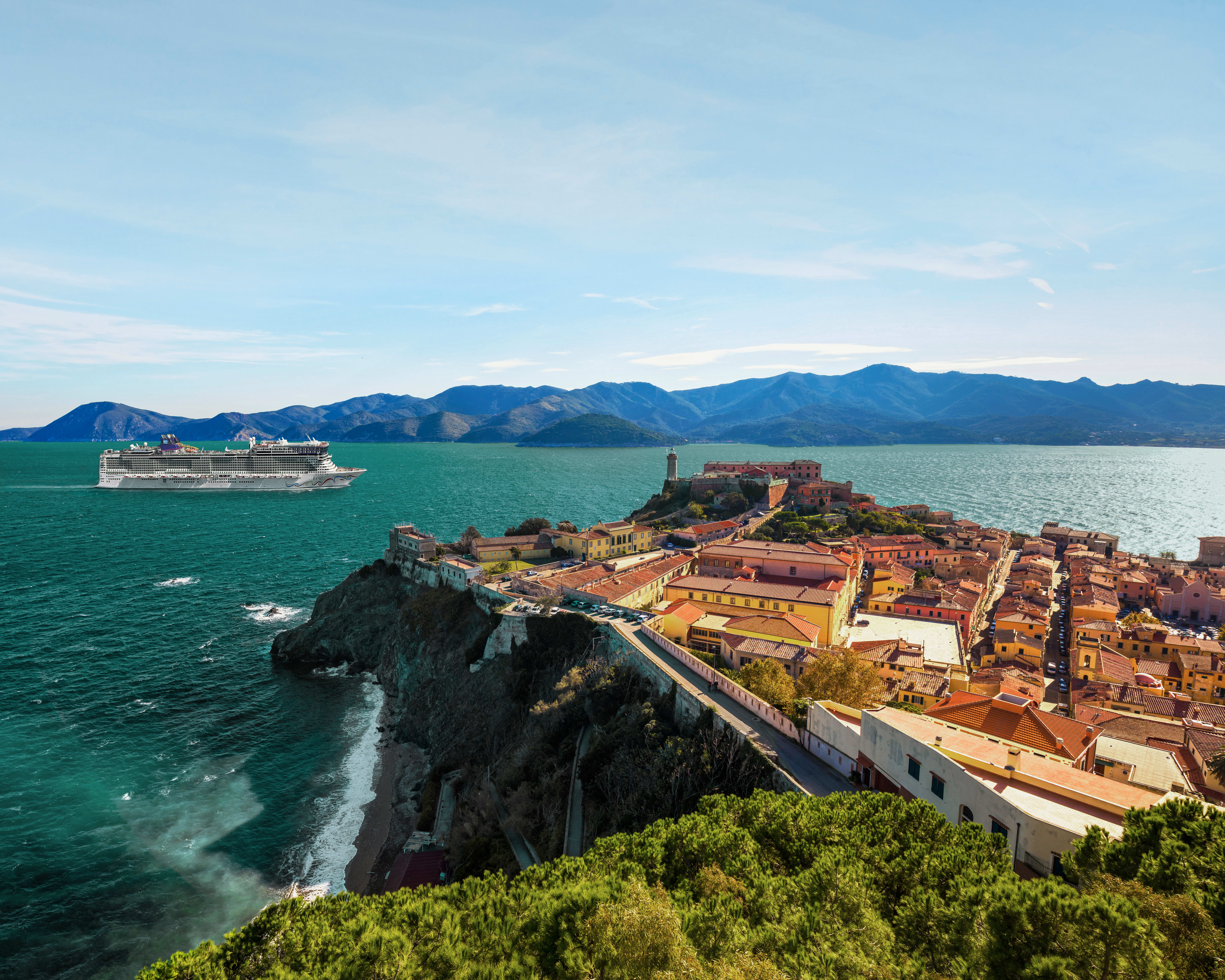
Image courtesy of Norwegian Cruise Line
Florence is a popular stop on Western Mediterranean itineraries. Ships dock at Livorno, a working commercial port with shuttles to reach the terminal exit. From there, Florence sits roughly 90 minutes away by road or train, which can eat into a single port day.
Livorno's position opens up more than one city, however: Pisa is closer and easier to reach than Florence, Lucca's Renaissance walls and medieval center make for a less crowded alternative, and the Chianti wine country and hilltop towns like San Gimignano are just as accessible.
Notable cruise lines
Viking Cruises: Viking's adults-only, Scandinavian-designed ships draw a culturally engaged crowd, where a shore excursion is included at each port, and the onboard programming spans expert-led lectures and documentary screenings.
Fora Perks include up to $200 onboard credit per stateroom on select sailings.
Regent Seven Seas Cruises: On select itineraries, Regent includes an overnight stay at Livorno, with an all-inclusive shore excursion model. Onboard, the experience is all-suite, with butler service, specialty restaurants included, and genuinely attentive service.
Virtuoso Voyages Hosted Benefits available on select sailings.
Norwegian Cruise Line: Norwegian’s later departure times in Livorno extend the day ashore. Onboard, their Freestyle model means no assigned dining times, numerous amenities, and an overall lively, family-friendly atmosphere.
Fora Perks include up to $300 shipboard credit per stateroom on select sailings.
Florence history and culture
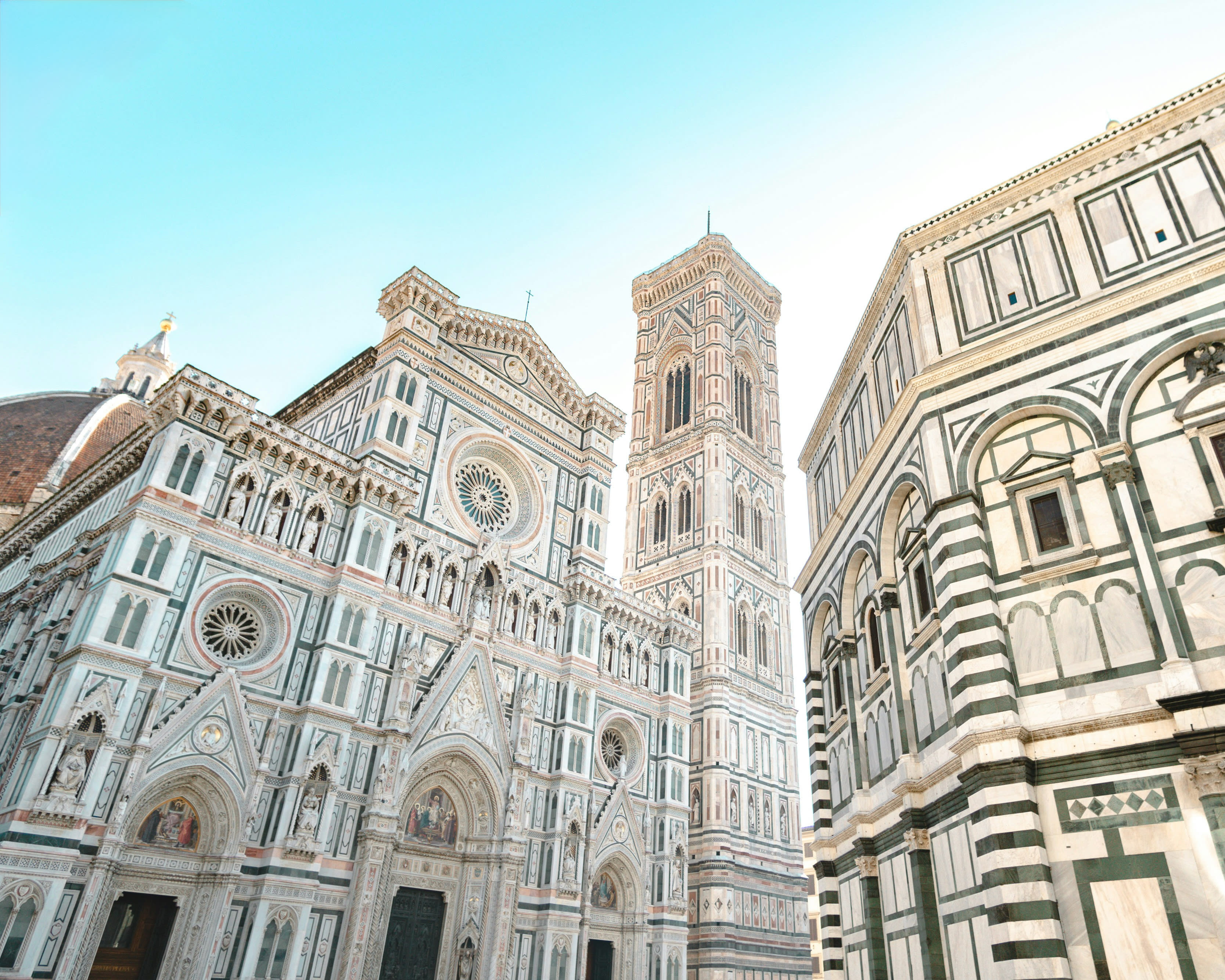
Florence began as a modest Roman settlement, Florentia, but came into its own in the 14th century. Its merchants grew wealthy through textiles and banking, minting the gold florin as Europe's dominant currency and fueling the architectural and artistic rivalries that made the city the cradle of the Renaissance.
The Medici family rose on this wealth, building a banking dynasty and bankrolling Michelangelo, Donatello, and Galileo while steadily expanding their political influence. The centuries that followed brought their own upheavals, from the Guelph-Ghibelline rivalry that exiled Dante to Savonarola's brief moral crusade against Medici excess.
Florence later passed from grand duchy to a short stint as capital of unified Italy in 1865, a transition that modernized much of its medieval layout. Today it's both a living Italian city and an open-air museum, its streets still carrying that same proud, competitive spirit.
Signature food and drinks
Bistecca alla Fiorentina: A massive, thick-cut T-bone steak traditionally sourced from the Chianina breed of cattle, grilled over an open fire and served very rare
Ribollita: A twice-boiled vegetable and bread soup featuring stale unsalted Tuscan bread, cannellini beans, and black Tuscan kale
Gelato: Florence claims to have invented modern gelato, a rich, artisanal frozen dessert
Negroni: The classic cocktail that mixes gin, sweet vermouth, and Campari, allegedly invented in Florence in 1919
Chianti: The flagship local red wine, traditionally aged and served out of a straw-wrapped flask
Cultural celebrations and events
Pitti Immagine Uomo (January and June): This biannual men’s fashion event draws designers, buyers, and street-style icons to preview upcoming trends and designs.
Scoppio del Carro/Easter Sunday (March/April): The “Explosion of the Cart” is an elaborate, centuries-old ritual in the Piazza del Duomo signaling a good harvest.
Maggio Musicale Fiorentino (April to July): Italy's oldest and most prestigious arts festival brings opera productions, classical concerts, and ballet performances to the city.
Festa di San Giovanni (June 24): St John’s Day honors Florence's patron saint with a grand parade in Renaissance costume, the final match of Calcio Storico (historic football), and a fireworks display over the Arno River.
Festa della Rificolona (September 7): This centuries-old evening tradition sees children parade through the streets carrying colorful, illuminated paper lanterns on long poles.
Florence Biennale (October): Held every two years, this international contemporary art and design fair brings together artists from around the world.
Firenze Marathon (November): This major annual footrace sends thousands of runners through the city’s ancient urban core.
What to do in Florence
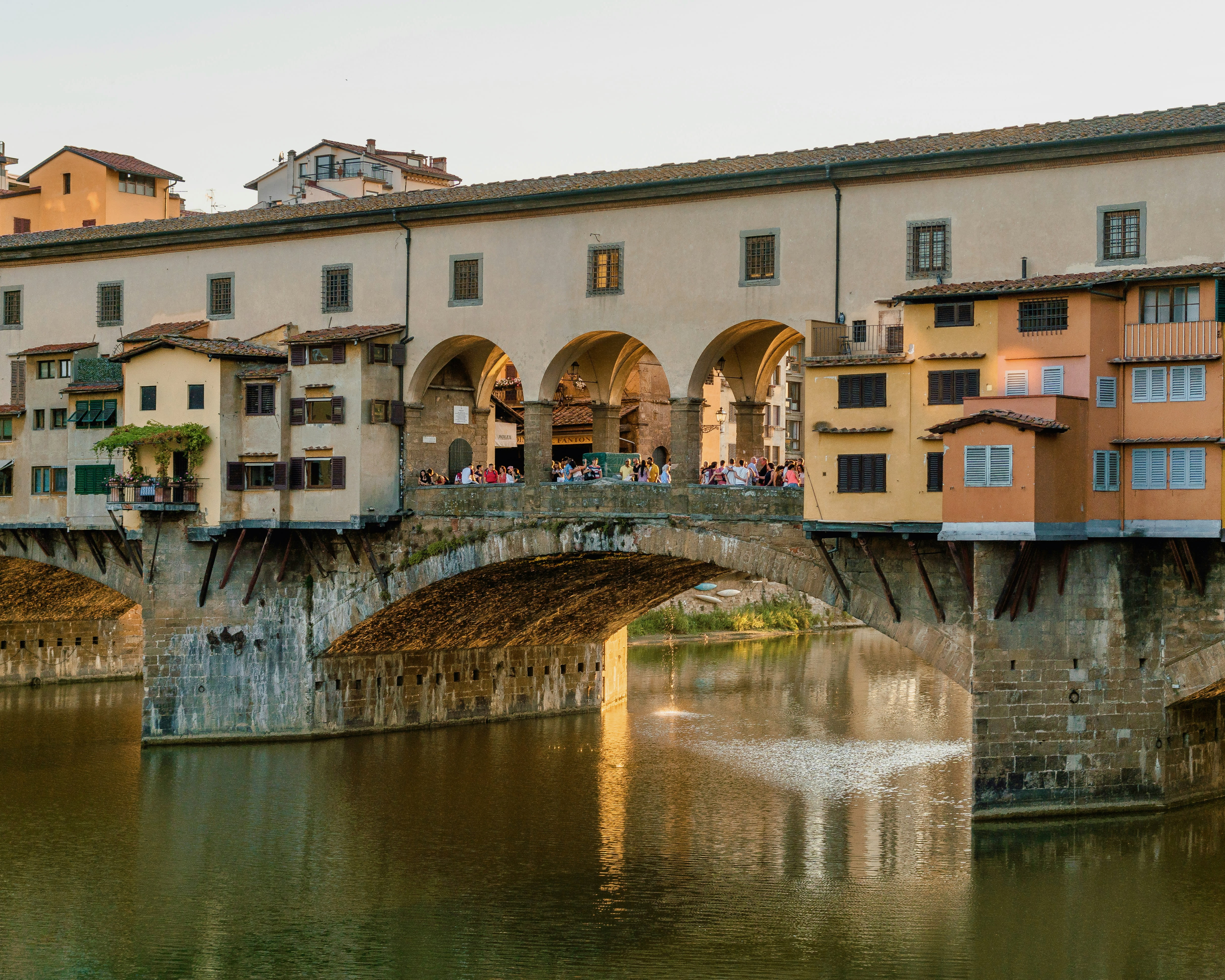
Florence’s greatest treasures are never more than a short walk apart, making it easy to weave masterful art, artisan shopping, and exceptional food into a single seamless day.
Art museums: The city boasts an unmatched concentration of Renaissance masterworks, from the Uffizi Gallery’s iconic Botticellis to Michelangelo’s David at the Accademia Gallery, and the massive Pitti Palace—a former Medici stronghold that opens directly into the sprawling, sculpted greenery of the Boboli Gardens.
The Vasari Corridor: This legendary, elevated private passage winds just under half a mile above the Ponte Vecchio, offering exclusive architectural tours that trace the historic path of the Medici family from the Uffizi Gallery directly into the Boboli Gardens.
The Duomo: Climbing Filippo Brunelleschi’s revolutionary brick dome is a rite of passage, but booking private access to the cathedral's exclusive open-air terraces allows you to walk high above the piazza crowds for panoramic views.
High-fashion museums: Florence's deep-rooted legacy of haute couture is on display at dedicated museums for Ferragamo and Gucci, alongside the Museum of Costume and Fashion—displaying archival designs from Valentino, Versace, and Armani.
Artisan shopping: Step away from the main commercial drags to explore traditional workshops where master craftsmen keep historic disciplines alive. Commission custom leather goods, source hand-marbled paper, or browse centuries-old jewelry boutiques.
Food tastings: Dive into the city’s vibrant culinary identity by touring the historic Mercato Centrale. Sample local street food alongside artisanal cheeses, cured Tuscan meats, and exceptional local olive oils.
Cooking classes: Go behind the scenes with local chefs to master regional culinary secrets through interactive workshops, learning the precise science behind churning authentic Italian gelato or kneading traditional, salt-free Tuscan bread.
Arno River boat rides: Trade the bustling stone streets for a peaceful perspective by boarding a traditional wooden barchetto—Florence’s historic equivalent of a gondola—to glide quietly beneath the stone arches of the Ponte Vecchio at dusk.
Where to eat in Florence
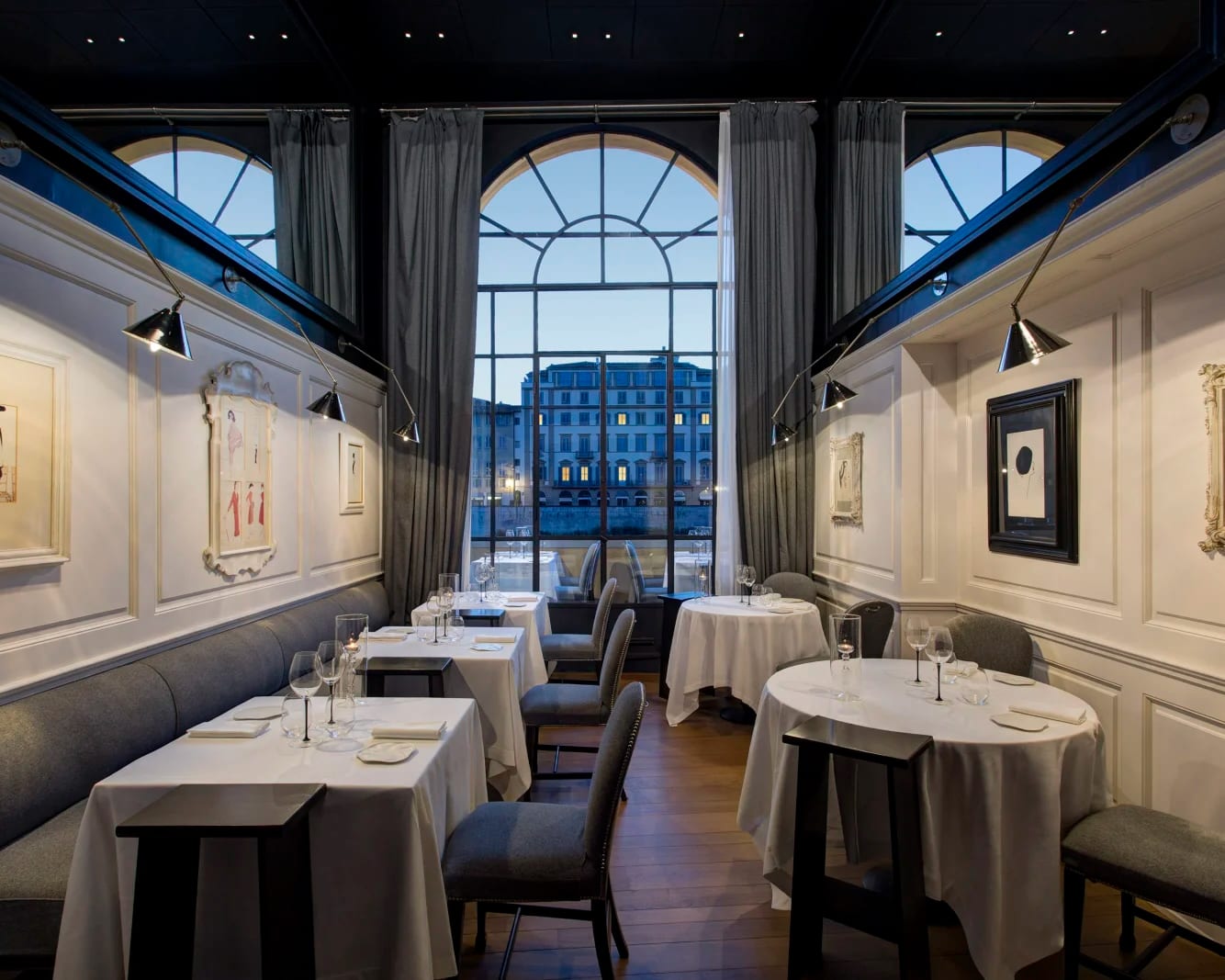
Image courtesy of Borgo San Jacopo at Hotel Lungarno - Lungarno Collection
Florence’s dining scene strikes a balance between Tuscan traditions and contemporary innovation across historic osterias to quiet, Michelin-starred dining rooms along the Arno.
Fine dining
Il Latini: A legendary institution where communal tables feature massive bistecca alla fiorentina and carafes of house red wine beneath a canopy of hanging prosciutto hams.
Cantinetta Antinori: Housed in a magnificent 15th-century palazzo, this elegant dining room pairs sophisticated, modern Tuscan cuisine with prestigious vintages of the historic Antinori winemaking family.
Ristorante Il Profeta: A refined and intimate sanctuary known for its polished service and comforting classic dishes, most notably its legendary John Travolta Pasta.
Borgo San Jacopo at Hotel Lungarno: This Michelin-starred venue along the Arno pairs refined, contemporary Italian tasting menus with sweeping views of the Ponte Vecchio.
Atto di Vito Mollica: Set within the frescoed walls of the Palazzo Portinari Salviati, chef Vito Mollica delivers exceptional fine dining centered around regional ingredients.
Casual eateries
Osteria del Cinghiale Bianco: Tucked into a medieval tower in Oltrarno, this cozy spot specializes in hearty, traditional Tuscan food, particularly its namesake wild boar.
Gustapizza: A beloved neighborhood staple near Piazza Santo Spirito, famous for serving up wood-fired Neapolitan-style pizzas to a lively crowd of locals and travelers.
Pino’s: An iconic, family-run sandwich shop for legendary, affordable panini packed with fresh Tuscan meats, cheeses, and homemade sauces.
Il Parione: A classic, welcoming trattoria blending old-world charm with a fantastic wine cellar, serving up flawlessly executed regional staple dishes.
Gelateria Perchè No!: Operating since 1939, this historic, artisanal gelateria crafts exceptionally clean, intense flavors using all-natural, seasonal ingredients.
Cocktail and wine bars
Mad Souls & Spirits: A high-energy, unpretentious neighborhood hangout where master mixologists craft boundary-pushing cocktails with a heavy dose of local wit.
Rasputin: Florence's premier underground speakeasy, hidden behind a secret door and draped in velvet and candlelight, offering serious, expertly mixed drinks.
Bitter Bar: A stylish cocktail den where molecular mixology meets retro design, delivering highly inventive, sensory-driven drinks.
Manifattura: A vintage-inspired bar dedicated exclusively to crafting exceptional cocktails using only Italian-made liquors, amari, and vermouths.
Il Santino: A sleek, intimate wine bar for a curated glass of Tuscan red paired with artisanal cheeses and cured meats.
Day trips from Florence
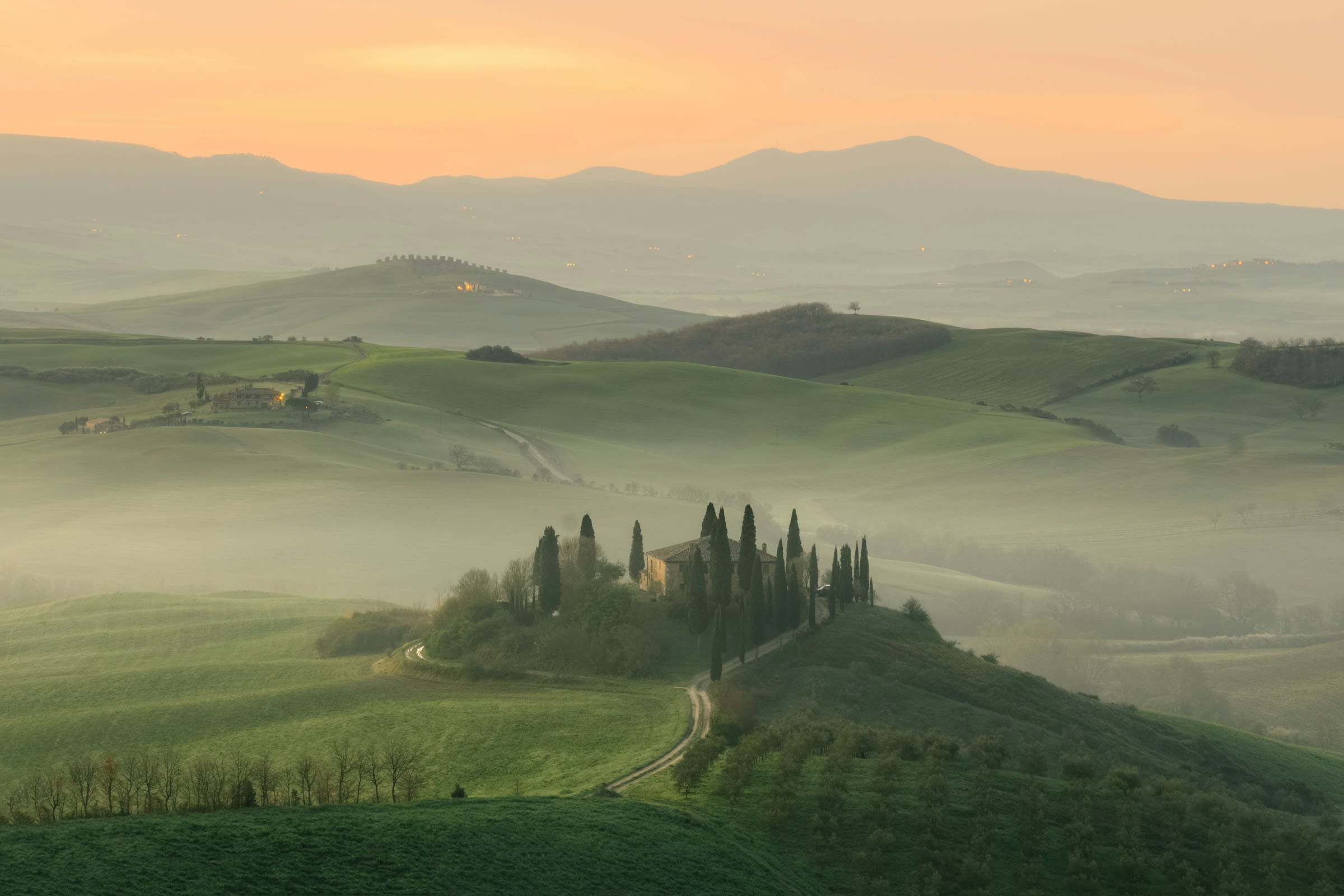
Use Florence as a launchpad to explore the sun-drenched Tuscan countryside with private Chianti wine tastings, seasonal truffle hunting, or exploring medieval brick towers of neighboring cities.
San Gimignano (1-hour drive): A striking hilltop village known as the “Medieval Manhattan,” famous for its 14 surviving stone towers and its crisp Vernaccia white wine.
Siena (1-hour drive or 1.5-hour train): A magnificent medieval city centered around the shell-shaped Piazza del Campo, boasting a soaring striped cathedral, Gothic architecture, and the legendary Palio horse race.
Lucca (1-hour drive or 1.5-hour train): A charming town encircled by massive Renaissance walls, where you can rent a bicycle to ride along the top of the ramparts and wander Piazza dell’Anfiteatro, an oval square built on the ruins of a Roman amphitheater.
Pisa (1-hour drive or 1.5-hour train): A bustling university city home to the Piazza dei Miracoli, where the world-famous Leaning Tower stands alongside a spectacular, intricate Romanesque cathedral and baptistery.
Val d'Orcia (1.5–2 hour drive): A postcard-perfect landscape of rolling clay hills and cypress-lined roads, encompassing the Renaissance town of Pienza (famous for pecorino cheese) and the historic, hill-perched wine capitals of Montalcino and Montepulciano.
Trips to add on
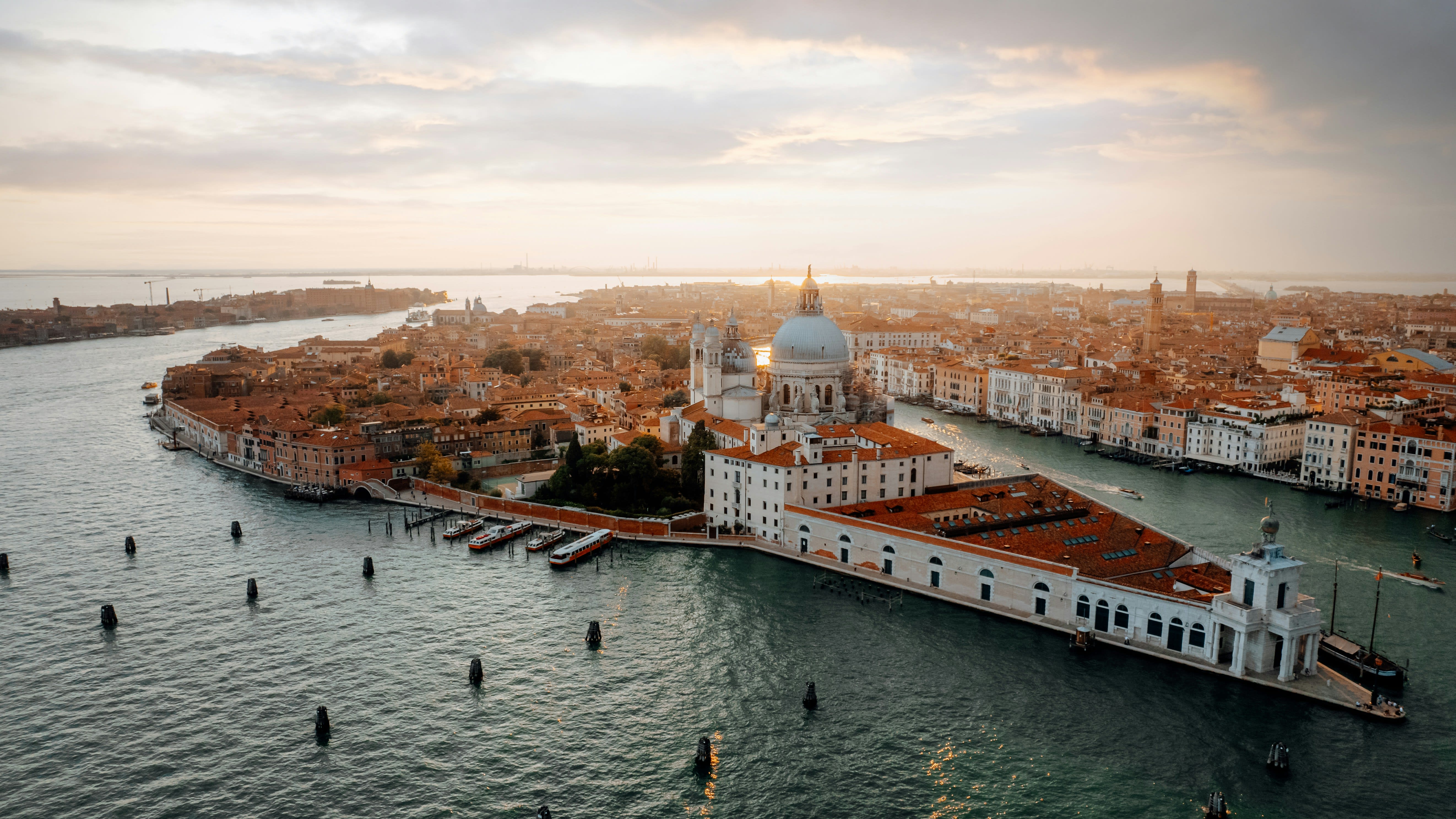
Florence serves as a perfect springboard for exploring the rest of Italy. Transition from Renaissance art to ancient ruins, immerse yourself in world-class food valleys, or unwind on coastal shores—these extensions pair effortlessly with Florence.
Emilia-Romagna (1–2 hour train): Italy’s ultimate gastronomic heartland anchors a world-class food valley that encompasses the vibrant, pasta-centric university city of Bologna, the balsamic vinegar heritage of Modena, and the prosciutto-and-parmesan capital of Parma.
Italian Riviera (1–4 hour drive or train): This dramatic stretch of coastline features cliffside, pastel-hued fishing villages like Portofino and Cinque Terre. Or head south to the “Tuscan Hamptons,” Forte dei Marmi, with wide sandy beaches, designer boutiques, and beach clubs.
Rome (1.5-hour train): The Eternal City offers an immediate escalation in historical scale, allowing you to easily layer ancient wonders like the Colosseum and the Vatican onto your Renaissance itinerary.
Tuscany (1.5–2 hour drive): A deeper immersion into the countryside allows you to slow down among the rolling vineyards of Chianti, the ancient Etruscan walls of Cortona, or the quiet, medieval brick palazzi of Siena.
Venice (2-hour train): The legendary city of canals trades Florence's solid stone architecture for a water-based landscape of Gothic palaces, gondolas, and labyrinthine alleys.
Milan (2-hour train): Italy’s sleek northern metropolis makes for a sharp, modern contrast with its towering gothic Duomo and high-fashion shopping.
Umbria (2-hour drive or 2–3 hour train): Often called the “Green Heart of Italy,” this quieter, less-trafficked region offers a more rugged landscape of mist-shrouded valleys, dense forests, and fortified hilltop towns like Assisi, Orvieto, and Perugia.
Italian Lakes (2–3 hour train): Head north and swap the warm tones of Tuscany for dramatic alpine scenery, grand historic villas, and an elegant, slow-paced waterfront lifestyle along Lake Como, Lake Garda, or Lake Maggiore.
If not Florence…
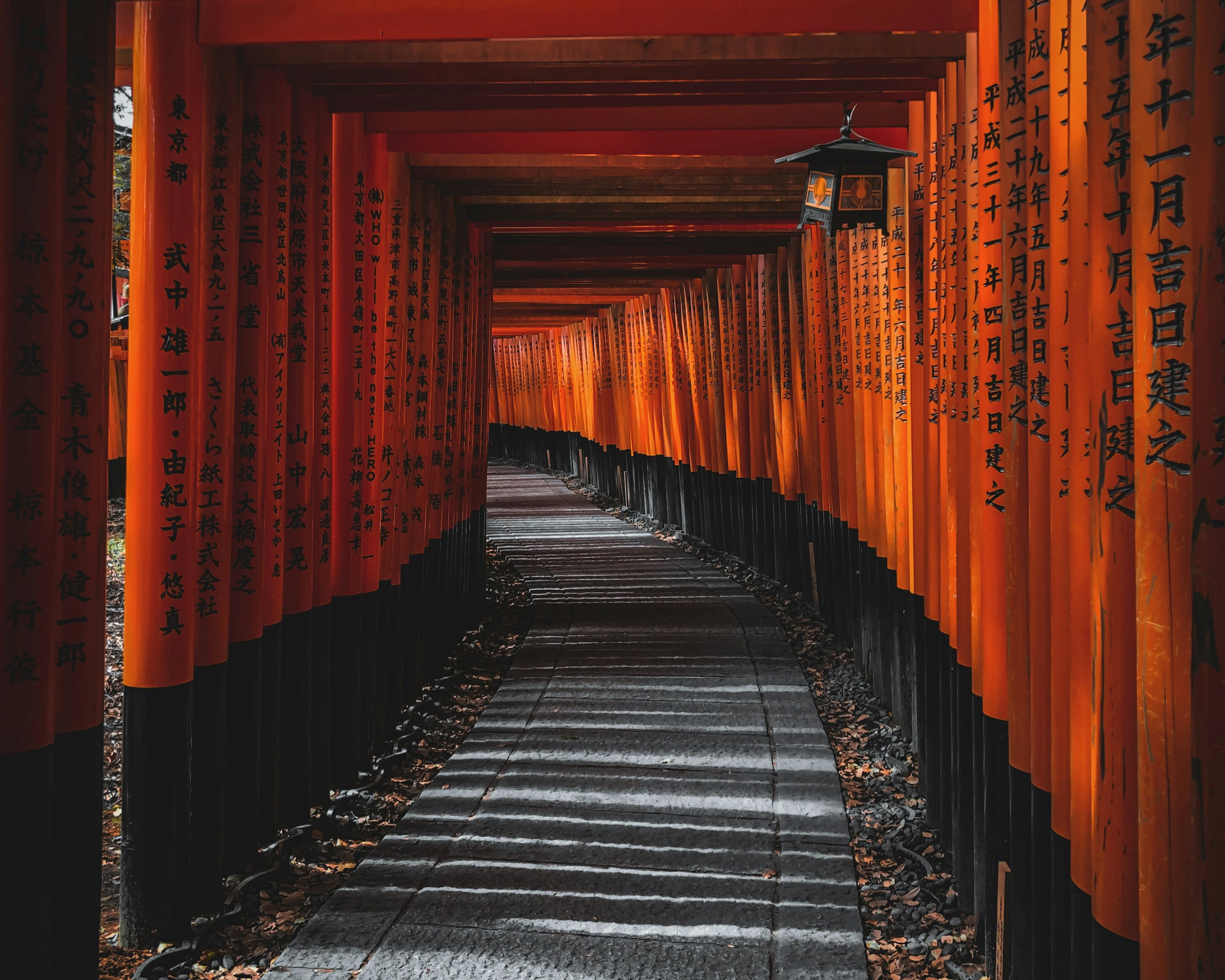
If you are drawn to Florence’s artistic heritage, architectural scale, and deeply embedded creative soul, these other cities offer that same intoxicating blend of beauty and history across every corner of the world.
Antibes, France: This sun-drenched French Riviera gem swaps dark Tuscan stone for ancient seaside ramparts and cobblestone alleys, offering a similarly potent artistic legacy where creators like Pablo Picasso were captivated by the Mediterranean light.
Kyoto, Japan: Acting as Japan's ultimate cultural and historical repository, this serene former capital trades Renaissance cathedrals for classical Buddhist temples, moss-covered Zen gardens, and historic wooden tea houses that preserve an ancient, ritualistic way of life.
San Miguel de Allende, Mexico: This high-desert creative sanctuary matches Florence’s artistic energy with its own vibrant community of craftsmen, painters, and writers, all set against a stunning backdrop of baroque and neoclassical architecture and rose-hued cobblestone streets.
Seville, Spain: Moving with a passionate, slow-burned intensity, the Andalusian capital pairs a rich architectural tapestry—exemplified by the Moorish-Renaissance Alcázar Palace—with deep culinary traditions and the nightly, visceral rhythm of flamenco.
Prague, Czech Republic: This Central European capital feels more like an open-air museum, offering a fairy tale alternative to the Renaissance, weaving a dense, atmospheric urban core out of intact Gothic bridges, baroque palaces, and a legendary classical music heritage.
Vienna, Austria: For those who love the concentration of institutional art, the grand Austrian capital serves as an aristocratic counterpart to Florence with monumental imperial palaces, world-class museum quarters, and a centuries-old coffeehouse culture worth slowing down for.
Quebec City, Canada: Perched high above the St. Lawrence River, North America's only intact fortified city north of Mexico mirrors the romantic, European scale of Florence, drawing history enthusiasts with 17th-century stone bastions, winding cobblestone streets, and a vibrant cultural rhythm.