

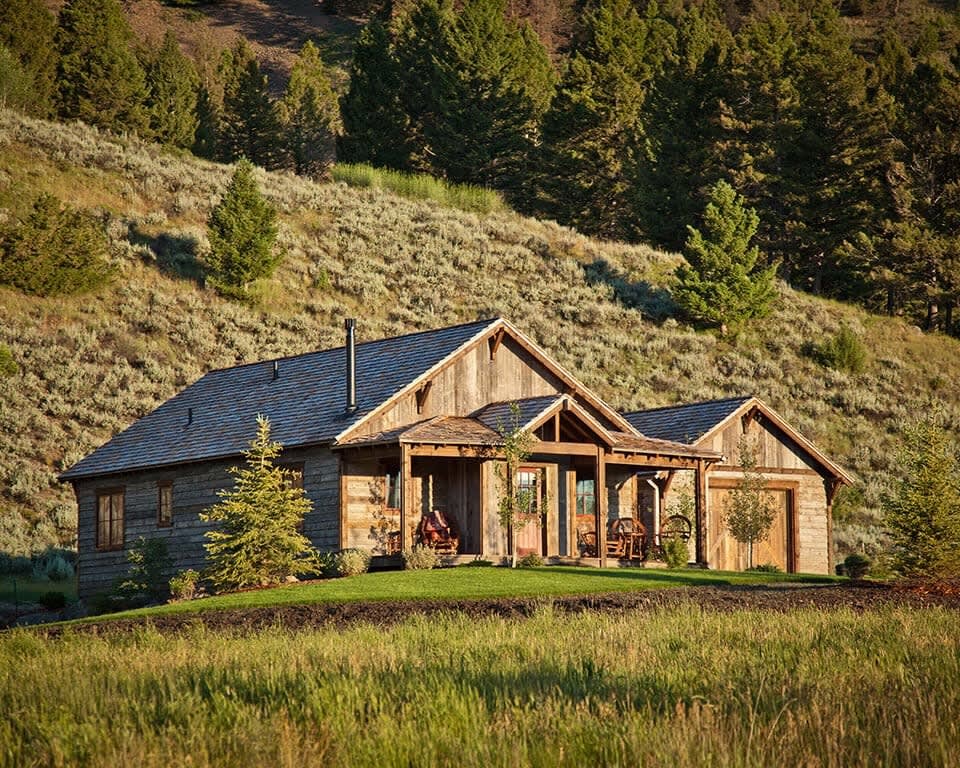
Image courtesy of The Ranch at Rock Creek
A dude ranch vacation runs on simple trades: desk chairs for saddles, computer screens for open skies, and blaring alarm clocks for gentle sunrises. Wyoming, Montana, and Colorado claim the most celebrated properties—from sprawling all-inclusive ranches in the Rockies to intimate fly-fishing retreats along blue-ribbon trout streams—but you can find experiences across a broad swath of the West, from the Texas Hill Country to the high desert of New Mexico.
Properties range from rustic bunkhouse charmers with real cattle drives to luxe all-inclusives with full-service spas and farm-to-table dinners. But the through line holds: days spent on horseback across open terrain, communal meals, and a rhythm that's hard to find anywhere else. No matter where you choose to go, you're invited to experience two things that are increasingly rare—a pace that slows you down, and a setting that makes you look up.
Need to know
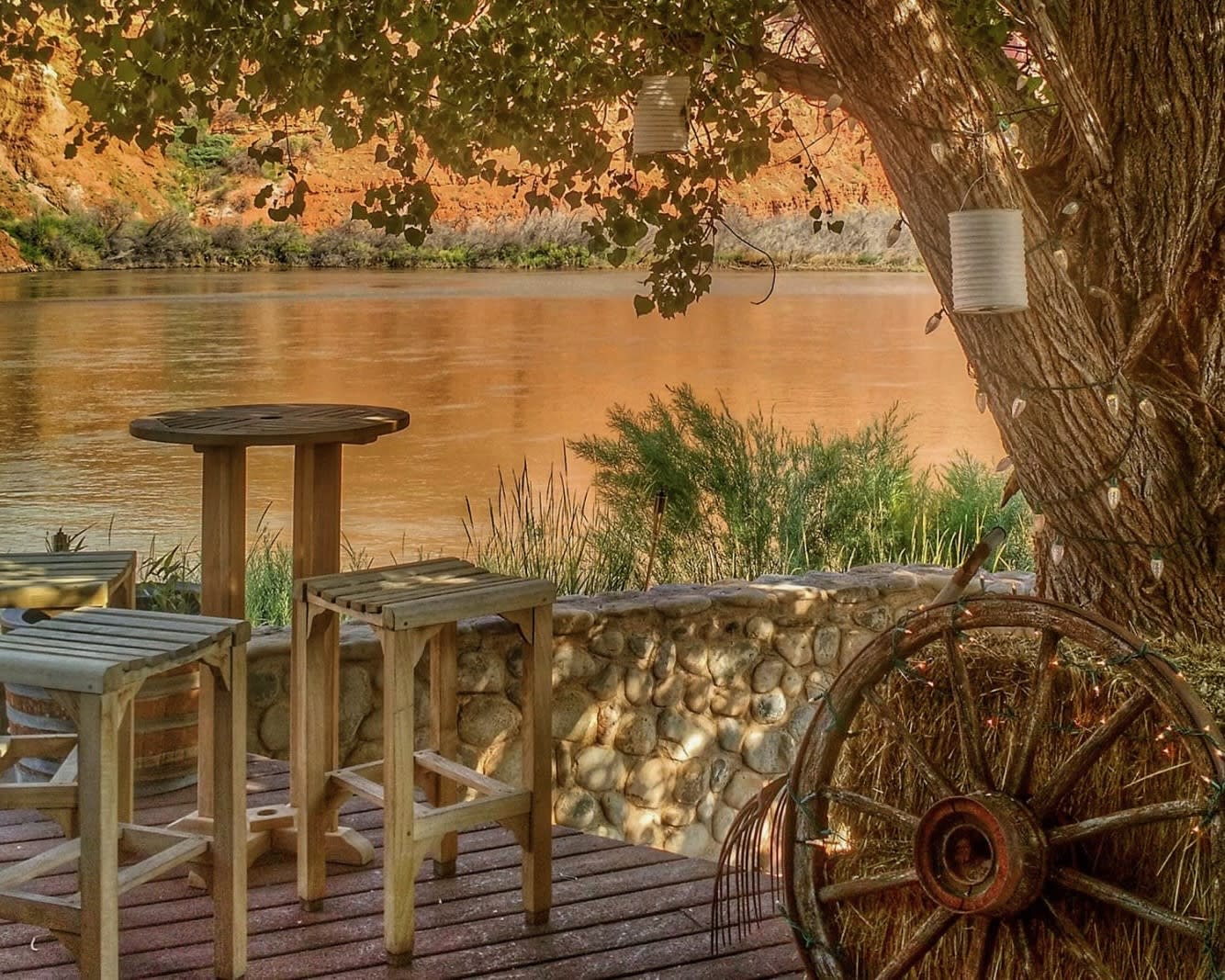
Image courtesy of Sorrel River Ranch Resort
A dude ranch vacation differs than a typical resort escape in both substance and vibe—and that's exactly the draw. Here, you're as much a temporary participant as you are a guest, so the more hands-on you intend to be, the better your experience. Here's what you should expect going in.
Transportation: Most ranches require a connecting flight through a regional airport, making a rental car or private driver the most practical choice.
Best time to visit: Summer is peak season, bringing warm weather, full programming, and high demand—book well ahead, especially around the Fourth of July. Fall brings cooler temperatures and stunning foliage with fewer crowds. Some ranches run strong winter programs that offer skiing and snowshoeing. Avoid the muddy weather in April through late May.
Ideal length of stay: Five nights is the sweet spot, allowing enough time to settle into ranch life and try a range of activities without feeling rushed. Some popular properties may require a seven-night minimum stay in summer months.
Signature dishes and drinks:
Chuckwagon breakfast: Eggs, bacon, and biscuits cooked over an open fire
Slow-roasted meats: Brisket, pork tenderloin, and rack of lamb sourced locally, plus regional game like elk, bison, and wild boar
Fresh fish: Locally caught and smoked, grilled, or pan-seared fish like trout or salmon
Chili verde: Slow-cooked pork or chicken in a tomatillo and green chile sauce
Beans: Ranch beans are cooked low, slow, and smoky, while cowboy beans get the same treatment plus bacon or beef thrown in
Corn pudding: Creamy and slightly sweet, somewhere between a side dish and a dessert
Fruit cobbler: Stone fruit, cast iron, and a biscuit crust, best eaten warm with cold ice cream melting on top
Cowboy cookies: Oversized and loaded with oats, chocolate chips, and pecans
Ranch water: Tequila, fresh lime, and sparkling water over ice
What to wear: Ranch life calls for comfortable, practical layers—broken-in jeans, sturdy boots, and breathable tops that work from a cool morning ride to a warm afternoon on the trail. A wide-brimmed hat and sunscreen are essential. Evenings are relaxed and informal; a fleece or denim jacket handles the drop in temperature and a rustic dinner at the lodge.
Travel tips:
Food: Meals are typically included in your stay and served communally.
Schedule: Ranch days follow a loose but satisfying rhythm—morning rides or activities, afternoons fishing or hiking, and evenings around the fire pit or at the dinner table.
Connectivity: Many ranches are intentionally remote, with limited cell service and Wi-Fi confined to the main lodge.
Tipping: Gratuities for wranglers, guides, and lodge staff are customary. Some ranches include gratuities in the rate, while others can provide suggested guidelines.
Luxury dude ranches
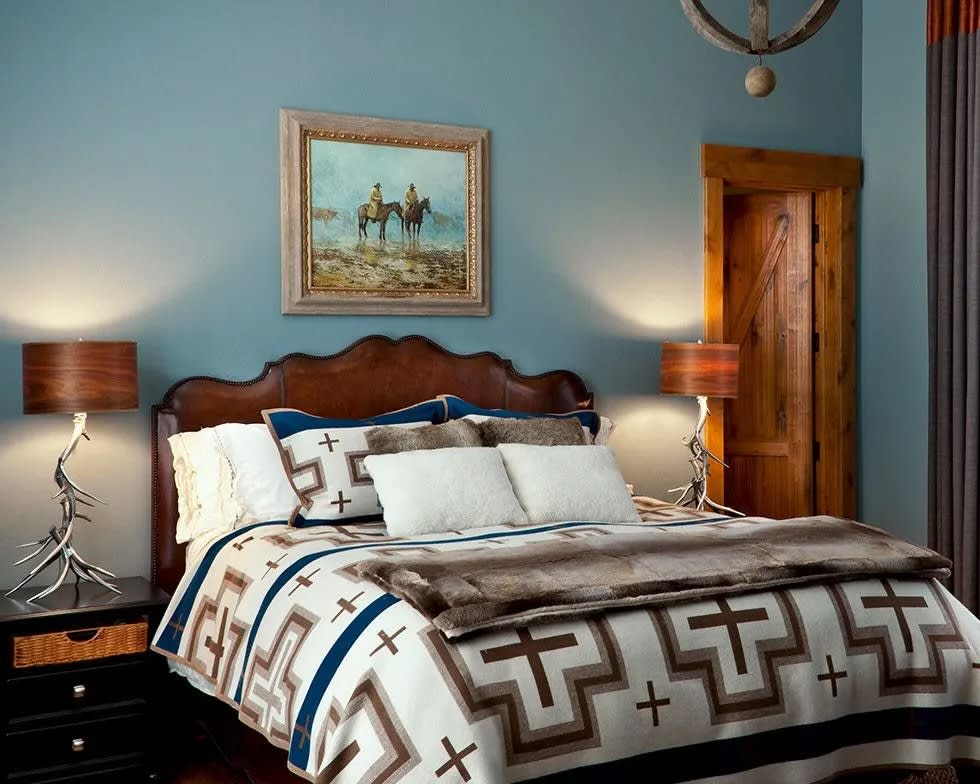
Image courtesy of The Lodge & Spa at Brush Creek Ranch
Luxury dude ranches are where the American West meets five-star hospitality. Properties span tens of thousands of acres, showcase genuine ranch culture, and offer horsemanship programs led by wranglers who have spent their lives in the saddle. Days might move from a cattle drive at dawn to a spa treatment before dinner. Some are adults-only retreats, others welcome families with structured kids' programs. The ethos of each ranch is often built around sustainability in the form of responsible land stewardship and wildlife management.
Where to stay
The Lodge & Spa at Brush Creek Ranch (Wyoming): All-inclusive working ranch set across 30,000 acres of wilderness. Horseback riding, fly fishing, and guided hunts fill the days, while refined lodge dining and a polished full-service spa anchor the evenings.
Fora Perks include a $150 hotel credit per person, and an upgrade whenever possible.
Triple Creek Ranch (Montana): Adults-only Relais & Châteaux property in the Bitterroot Mountains, with private cabins, exceptional dining, and a strong list of guided outdoor pursuits. Intimate, secluded, and quietly one of the finest small resorts in the American West.
Fora Perks include a $100 hotel credit, daily breakfast, an upgrade, and extended check-in/out whenever possible.
Paws Up Montana: Sprawling luxury ranch spread across 37,000 acres of Montana wilderness. From glamping tents to lodge suites alongside fly fishing, rafting, horseback riding, and a destination spa, it’s a polished take on the great outdoors.
Fora Perks include a $300 activity credit, daily breakfast, welcome amenity, round-trip airport transfers, an upgrade, and extended check-in/out whenever possible.
The Ranch at Rock Creek (Montana): All-inclusive ranch set on a working homestead, with private cabins and a restored barn at its center. Guided activities range from archery and cattle drives to fly fishing, all framed by some of the most scenic countryside in the state.
Fora Perks include a $100 hotel credit, daily breakfast, an upgrade, and extended check-in/out whenever possible.
The Green O (Montana): Adults-only design retreat set within The Ranch at Rock Creek, offering a more minimal, nature-forward aesthetic. Transparent walls and outdoor soaking tubs offer a quiet remove for those who want the wilderness without sacrificing design.
Approachable dude ranches
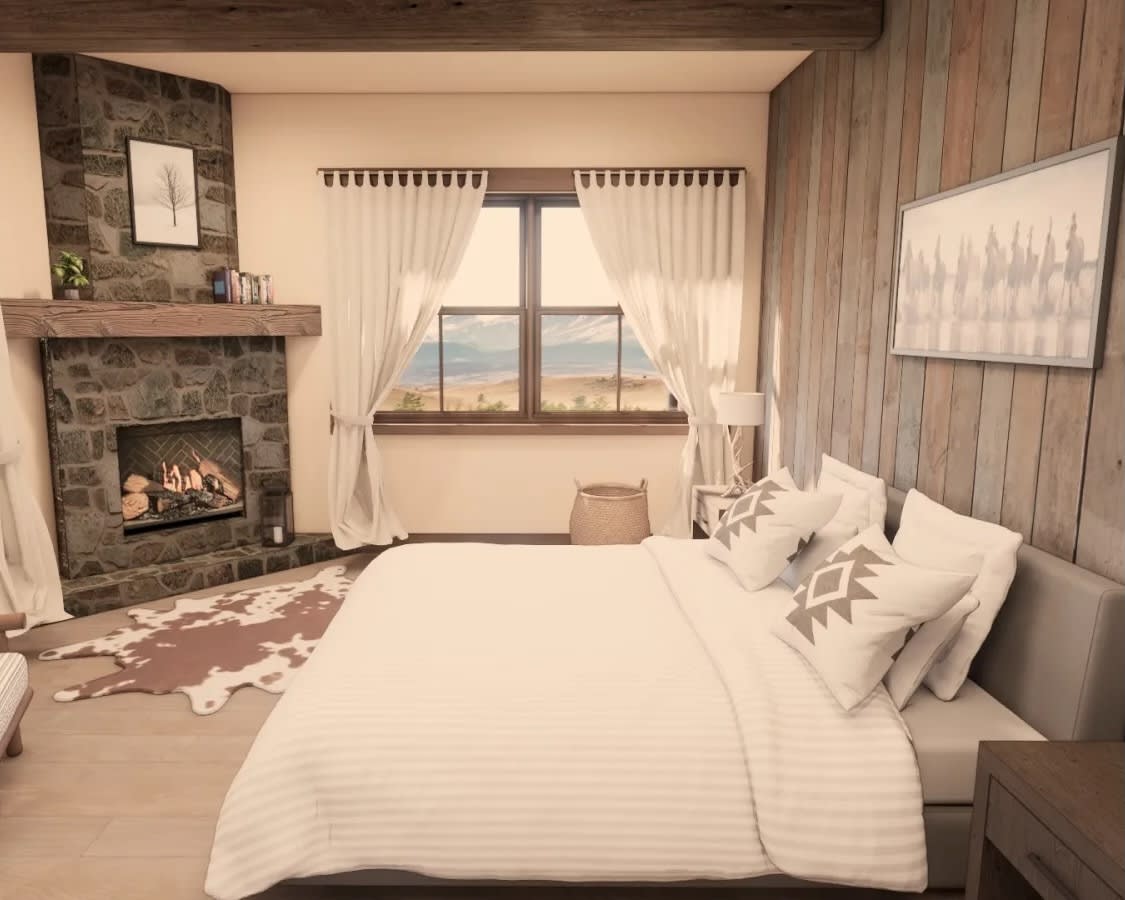
Image courtesy of C Lazy U Ranch
These dude ranches are rooted in real ranch heritage—many are century-old operations with working cattle—in an unassuming, informal experience. The accommodations are comfortable, the dining is hearty, and the activities are the reason you're here. Horseback riding, fly fishing, and stargazing make guests feel genuinely off the map. Many ranches sit on conservation holdings, Nature Conservancy partnerships, or biosphere-scale terrain. The price point is affordable but the value is high, and you'll be on a first-name basis with your wrangler by day two.
Where to stay
Vermejo, A Ted Turner Reserve (New Mexico): Vast, conservation-focused reserve spanning nearly 600,000 acres, where bison roam freely. Guided fly fishing and wildlife safaris alongside comfortable, lodge-style accommodations for a remote stay unlike anything else in the area.
Fora Perks include a $100 hotel credit, daily breakfast, complimentary experience, an upgrade, and extended check-in/out whenever possible.
Lone Mountain Ranch (Montana): Classic fly-fishing retreat near Big Sky, with guided snowshoeing, cross-country ski trails, and summer horseback riding. A cozy, lodge-style atmosphere that’s warm, unpretentious, and deeply rooted in the outdoors.
Cibolo Creek Ranch and Resort (Texas): Remote, fortress-style ranch spread across 30,000 acres, with restored 19th-century adobe forts. One of the most atmospheric and historically layered stays in the American Southwest for stargazing, hiking, and horseback riding.
C Lazy U Ranch (Colorado): A Relais & Châteaux dude ranch in the Colorado Rockies, with an all-inclusive program, guided horseback rides, and kids' programming that starts at age three — a combination that keeps families coming back.
3 Spear Ranch (Wyoming): Exclusive, private ranch experience in the Wyoming wilderness, where guided fly fishing and big-sky scenery combine for an intimate, unhurried stay. Ideal for those looking to go deep into the landscape without the structured programming of a resort.
Dude ranch light
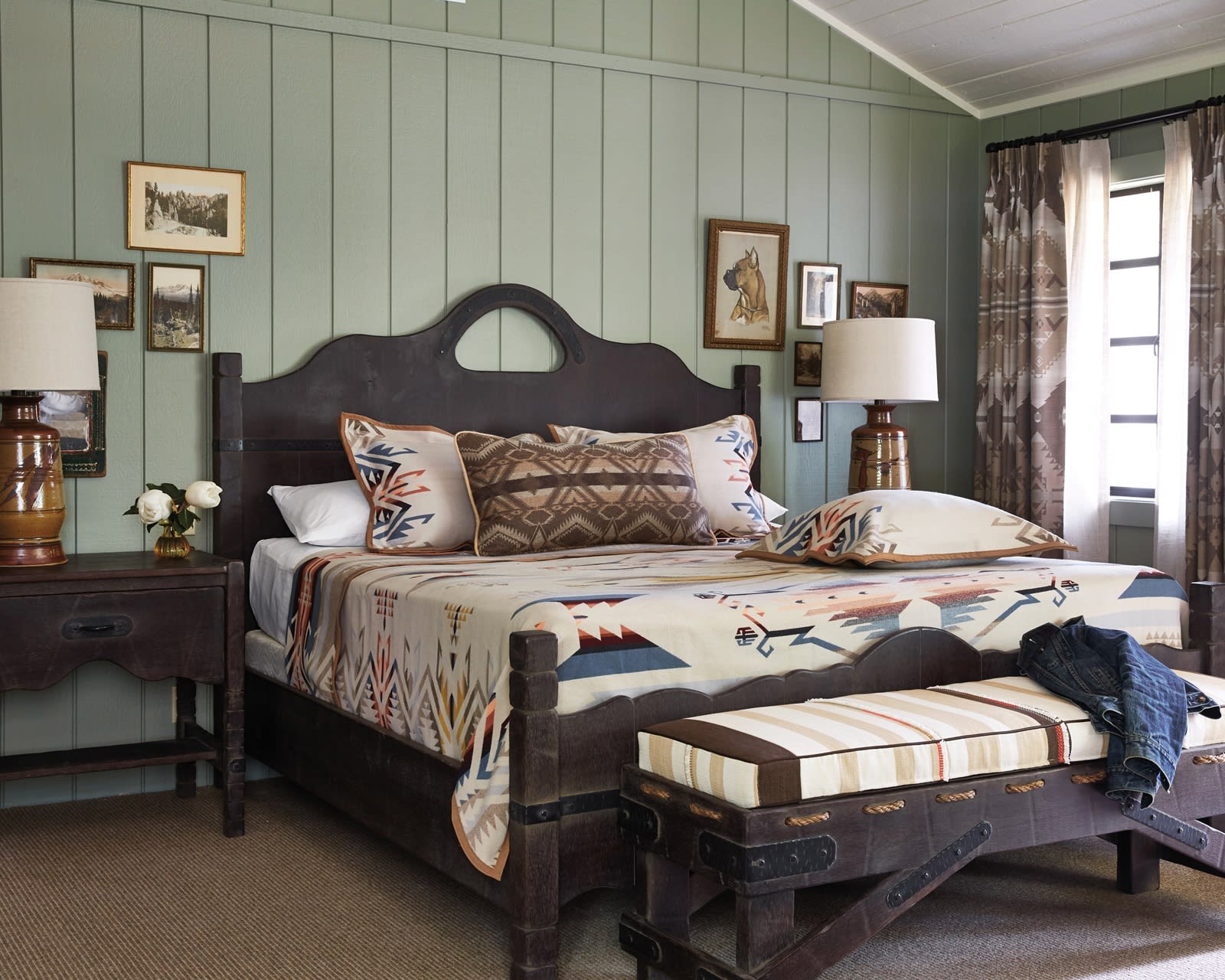
Image courtesy of The Alisal Guest Ranch
Outdoor and adventure ranches take the Western setting as a starting point and build out a broader experience. Horses are still part of the picture, but these experiences shift toward the landscape itself. Fly fishing, hiking, and mountain biking often round out the activity menus. Design tends to be more polished, interiors lean contemporary-rustic rather than Old West, and the spa and wellness programming gets real attention. These are properties where someone who has never been near a horse will feel just as at home as someone who grew up riding.
Where to stay
Sage Lodge (Montana): Lodge on the Yellowstone River, where guided fly fishing, rafting, and horseback riding fill the days and a spa and farm-to-table dining bring it home in the evenings. Unpretentious but well-appointed, with the kind of setting that does most of the heavy lifting.
Fora Perks include a $100 food and beverage credit, daily breakfast, an upgrade, and extended check-in/out whenever possible.
Alisal Ranch (California): Classic dude ranch in the Santa Ynez Valley, where two private lakes, oak-studded hills, and a working cattle operation set the tone. Horseback riding, golf, and sailing sit alongside easy access to Santa Barbara wine country.
Sorrel River Ranch Resort (Utah): Riverside ranch outside Moab, with red rock canyon walls on all sides. Horseback riding, guided tours of Arches and Canyonlands, and a full-service spa make it an ideal base for active travelers who don't want to sacrifice comfort.
Dunton Hot Springs (Colorado): Restored ghost town in the San Juan Mountains, reimagined as an intimate, all-inclusive retreat. Natural hot springs, a restored saloon, and hand-hewn log cabins create one of the American West's most atmospheric stays.
Fora Perks include a $100 resort credit, daily breakfast, an upgrade, and extended check-in/out whenever possible.
The JL Bar Ranch, Resort & Spa (Texas): All-inclusive Hill Country retreat where horseback riding and sporting clays share the schedule with spa services and refined ranch cuisine. Polished and purposeful, with enough programming to fill the days without ever feeling rushed.
Dude ranch adjacent
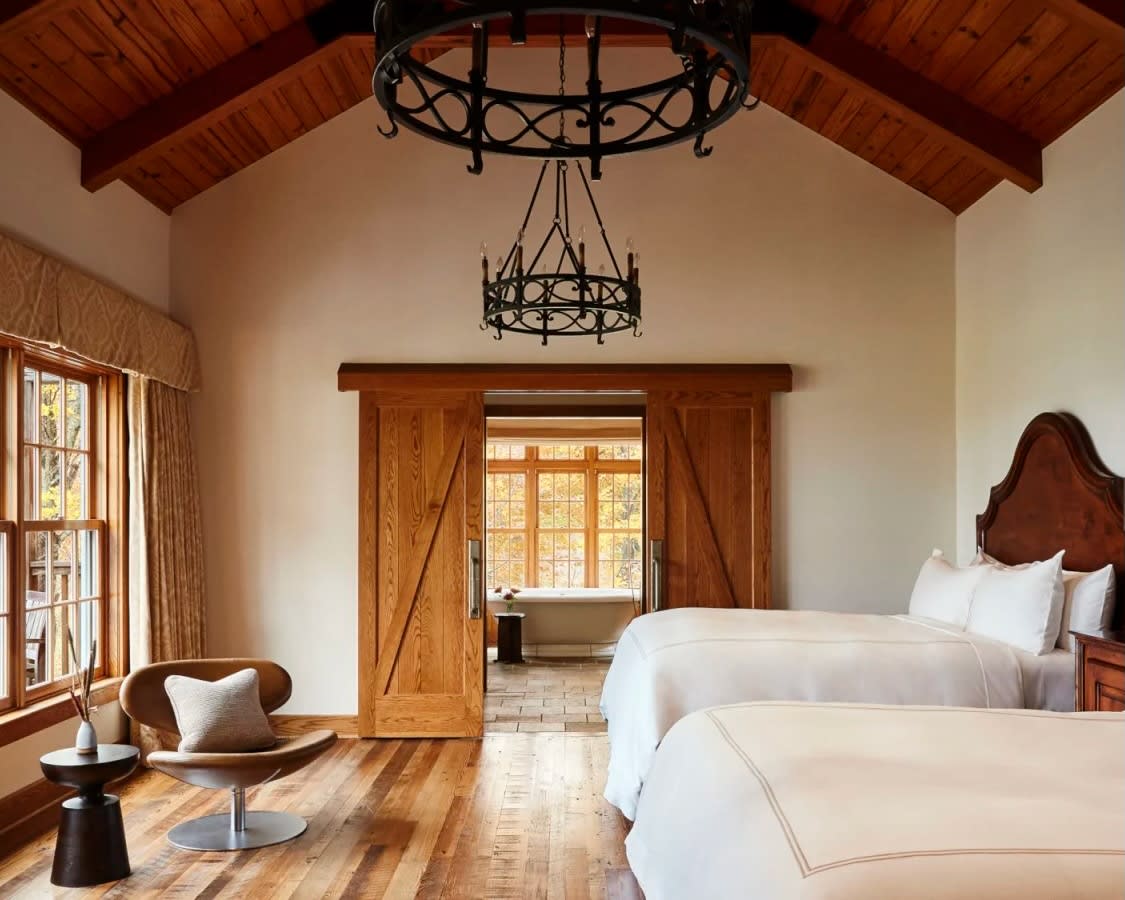
Image courtesy of Primland Resort, Auberge Collection
While sharing the outdoor ethos of a dude ranch, there are no cattle drives, no wrangler programs, no communal chuck wagon dinners here. What you get instead is modern architecture married to the wilderness and outdoor activities curated like a bespoke expedition. These are destinations for deep immersion in landscape without the ranch format. The American West still provides the context, but the experience itself is something closer to a wilderness retreat than a working ranch.
Where to stay
The Lodge at Blue Sky, Auberge Collection (Utah): Sleek, design-forward property in the high desert that feels elevated without being precious. Adventure programming like rappelling and mountain biking compliment refined dining and spa facilities.
Fora Perks include a $100 resort credit, daily breakfast credit, welcome amenity, an upgrade, and extended check-in/out whenever possible.
Amangiri (Utah): A design landmark where low-slung concrete pavilions wrap around a natural rock formation and floor-to-ceiling windows frame dramatic terrain. The spa, pool, and adventure programming are exceptional, but the setting is the real draw.
Fora Perks include a $100 resort credit, daily breakfast, an upgrade, and extended check-in/out whenever possible.
Primland Resort, Auberge Collection (Virginia): Sprawling Blue Ridge Mountain retreat on 12,000 acres of the southern Appalachians. Refined dining, a well-appointed spa, and activities like golf, fly fishing, and a private observatory make it an underrated luxury escape.
Fora Perks include a $100 resort credit, daily breakfast, an upgrade, and extended check-in/out whenever possible.
Blackberry Farm (Tennessee): Set in the foothills of the Great Smoky Mountains, this working farm has long set the standard for American pastoral luxury. Stone cottages, heirloom gardens, and a kitchen that honors the Appalachian region make it a stand-out property
Blackberry Mountain (Tennessee): The bolder sibling to Blackberry Farm sits high above the valley on 5,200 acres of ridge and woodland. Adventure programming, a striking spa, and mountain views give this a more active sensibility, without sacrificing refined comfort.
High Hampton Resort (North Carolina): This Blue Ridge institution has been drawing families since 1922. Chestnut bark siding, rocking chair porches, and a glacier-carved lake preserve the unhurried character of a resort that hasn’t needed to reinvent itself.
The Swag (North Carolina): Along the crest of the Great Smoky Mountains National Park, this intimate retreat rewards the journey up its steep mountain road. Hand-hewn log cabins, no televisions, and views that stretch to the horizon encourage guests to unwind.
Fora Perks include a $100 hotel credit, welcome amenities, and an upgrade whenever possible.
Cataloochee Ranch (North Carolina): Sitting atop the Maggie Valley highlands, this working ranch excels in authenticity. Take a horseback ridie through mountain meadows, chat with fellow guests at communal dining tables, and stay in cabins that have sheltered guests for generations.
Fora Perks include a $100 hotel credit, welcome amenities, and an upgrade whenever possible.
History and culture
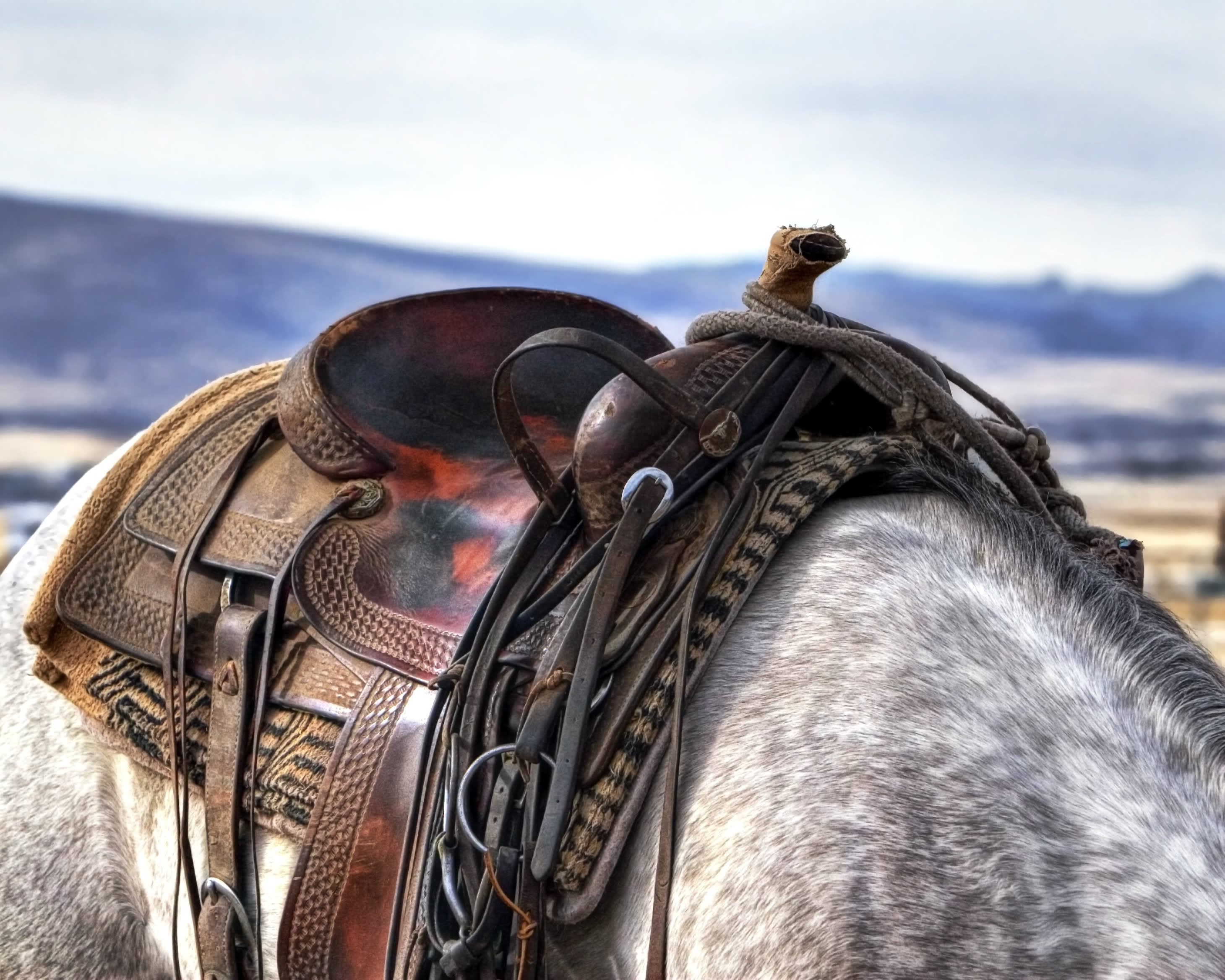
Dude ranches have deep roots in the American West. The lands that host working ranches were home to Native Americans, including the Lakota, Crow, and Blackfeet, among many others. Their relationships with the land and wildlife shaped the culture of the West in ways that still echo through ranch life today. Cowboy traditions like horsemanship, cattle herding, and open-range riding draw directly from the vaquero culture brought north by Mexican ranchers in the 18th and 19th centuries.
As a hospitality concept, dude ranches took shape in the late 1800s, when Eastern visitors began paying to stay on working ranches in Wyoming and Montana. Writers, artists, and adventurers came west looking for open space, physical work, and a life that felt less mediated. By the early 20th century, ranches were actively welcoming guests, and the term “dude”—Western slang for an Easterner unfamiliar with ranch life—stuck. Today's ranch experience carries that same spirit, updated but largely unchanged from a genuine encounter with the land, horses, and a slower, more deliberate way of moving through the world.
Cultural celebrations and events
Rodeo season (spring–summer): Local and professional events showcase barrel racing, steer wrestling, and bull riding.
Independence Day (July 4): Ranches often host patriotic cookouts, horseback parades, and fireworks under open skies.
Autumn harvest and cowboy festivals (September–October): Celebrate the season with hayrides, live country music, and farm-to-table dinners.
Winter wilderness events (December–February): Winter programs include snowshoeing, cross-country skiing, and ice fishing alongside holiday dinners.
Western Heritage Days (varies by location): Ranches showcase cowboy cookouts, leatherworking, and storytelling that celebrate working ranch history.
What to do at dude ranches
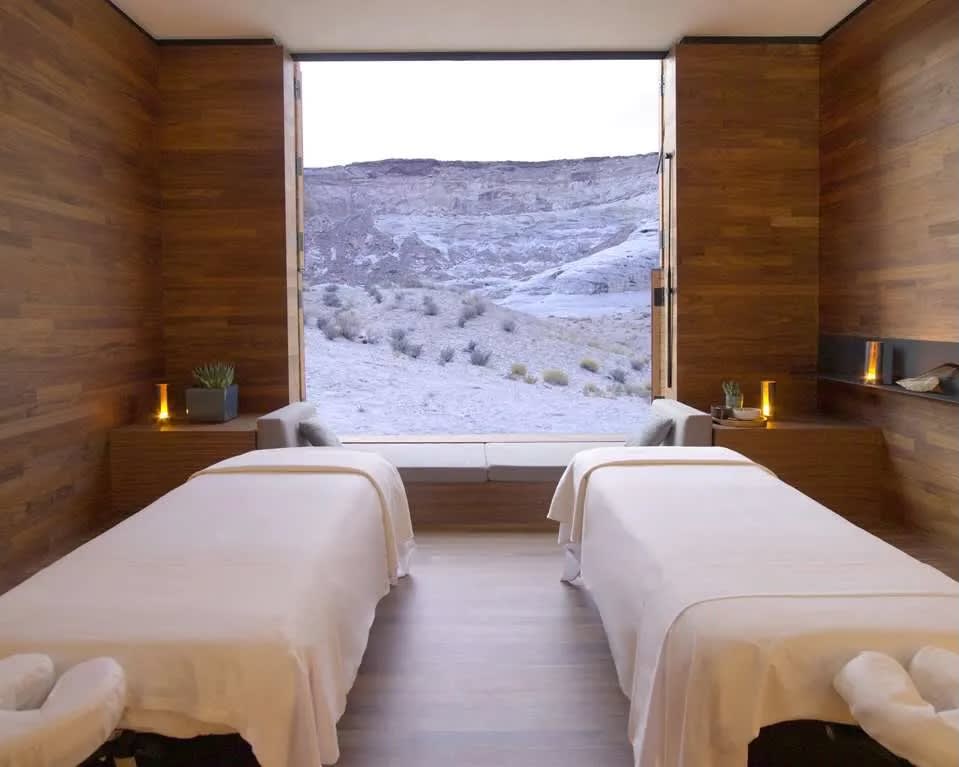
Image courtesy of Amangiri
Dude ranches are built around the outdoors, and the best ones offer enough things to do to fill a week without the days ever feeling repetitive.
Horseback riding: The centerpiece of ranch life—whether it's a guided trail ride through open meadows or a mountain climb, tailored to all experience levels.
Cattle drives: A hands-on taste of ranch culture, allowing guests to herd cattle alongside experienced wranglers across open terrain.
Fly fishing: Some of the best trout water in the country runs through ranch country, with access to private stretches of river for anglers of all levels.
Archery: A satisfying way to spend an hour. Most ranches offer instruction and equipment, making it accessible for first-timers and a natural fit for the setting.
Shooting: Skeet shooting and target practice are ranch staples, typically set up with instructors on hand for those new to it.
Hiking: Trail options range from easy meadow walks to serious backcountry climbs, with most ranches sitting inside or adjacent to dramatic natural landscapes.
Spa: A number of ranch properties have full-service spa facilities for a natural counterbalance to a day on horseback or the trail.
Bird watching: Ranch landscapes attract diverse birdlife year-round, with guided outings available at select properties for serious birders.
Skiing and snowshoeing: Several ranches run strong winter programs with groomed trails, snowshoeing, and access to nearby downhill terrain.
Trips to add on
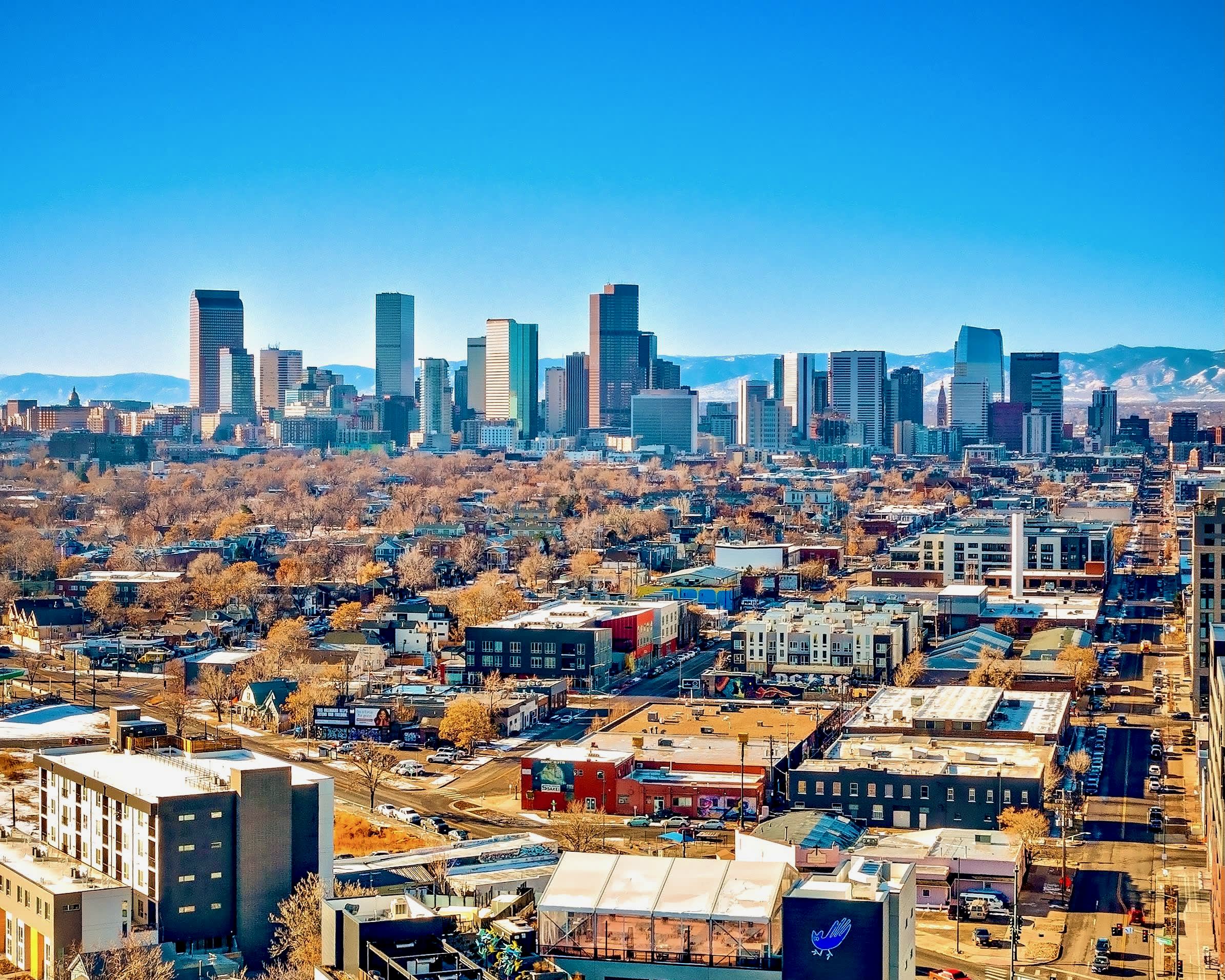
Natural landscapes, historic sites, and landmarks that make easy add-ons to any ranch vacation.
National parks: Natural jewels of the U.S., national parks like Yellowstone, Glacier, and Rocky Mountain National Parks are within a short distance of many dude ranches. From geothermal wonders to high-altitude, all three reward an early start and a slower pace.
Cities: Denver brings a polished food and arts scene alongside easy airport access. Bozeman’s restaurants and strong outdoor culture make it an up-and-coming gateway. Cheyenne carries a history of rodeos and a Western character.
Mountain towns: Trade urban energy for slower charm in towns like Colorado’s Crested Butte, Wyoming’s Jackson, and Montana’s Whitefish. Wildflower meadows, serious mountain biking, and ski runs in winter months offer a change-of-pace from dude ranches.
If not dude ranches…
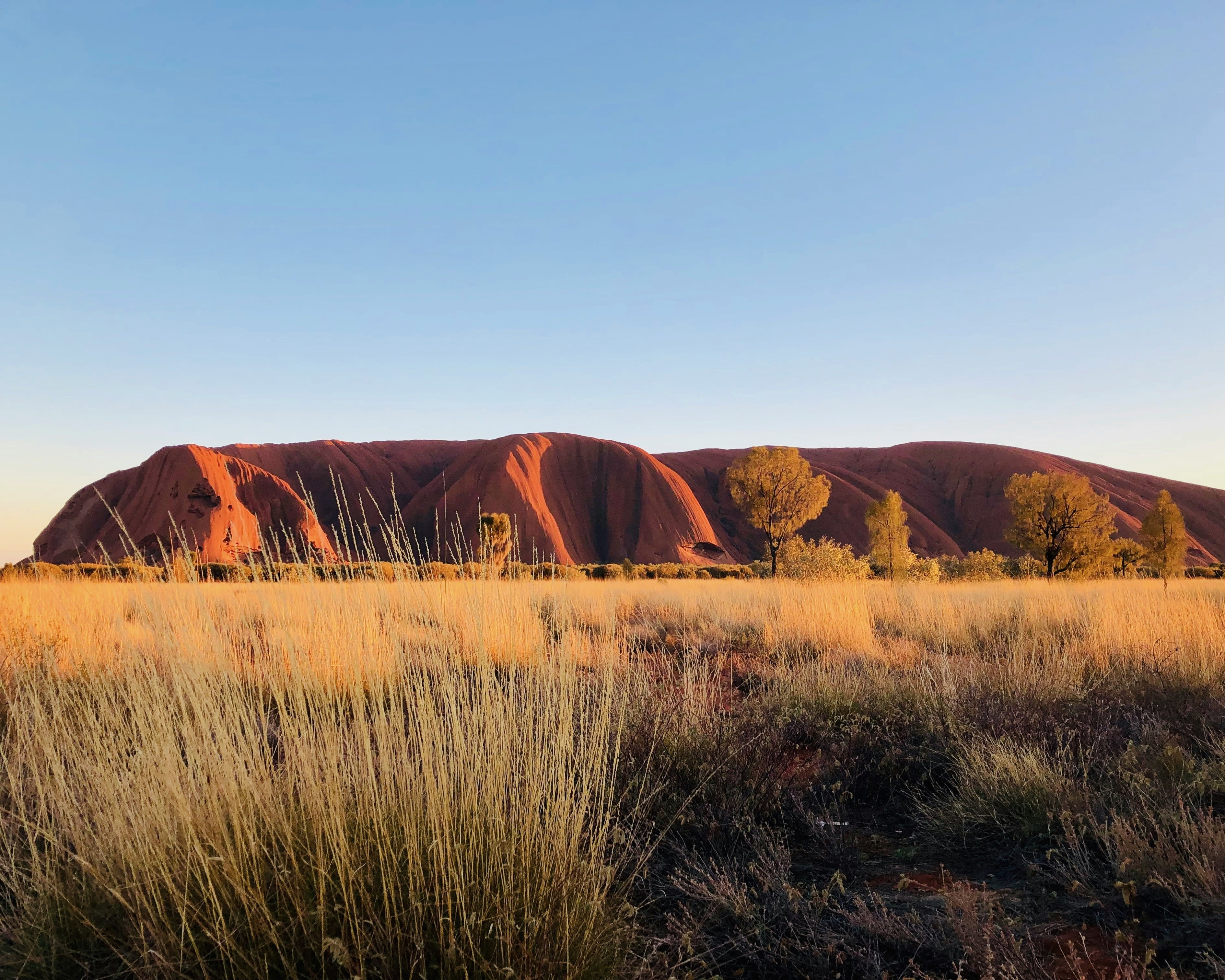
These alternatives deliver immersion in nature, a slower pace, and a strong sense of place in very different corners of the world.
Eco-lodges: From Costa Rica’s rainforests, wildlife encounters in the Galápagos, and Tanzania’s safaris, eco-lodges minimize human impact on the environment.
Farms: Find a connection to the land in Tennessee's pastoral stays, Spain's rural fincas, and the rural lodgings of South Africa's Western Cape.
Wilderness retreats: Remote properties in Alaska’s unfiltered tundra, Australia's outback, and Thailand's rainforests encourage total disconnection.
Glamping: California's vineyard yurts, Botswana’s floodplain camps, and dunetop tents in Morocco's Sahara Desert deliver nights under the stars without sacrificing comfort.