


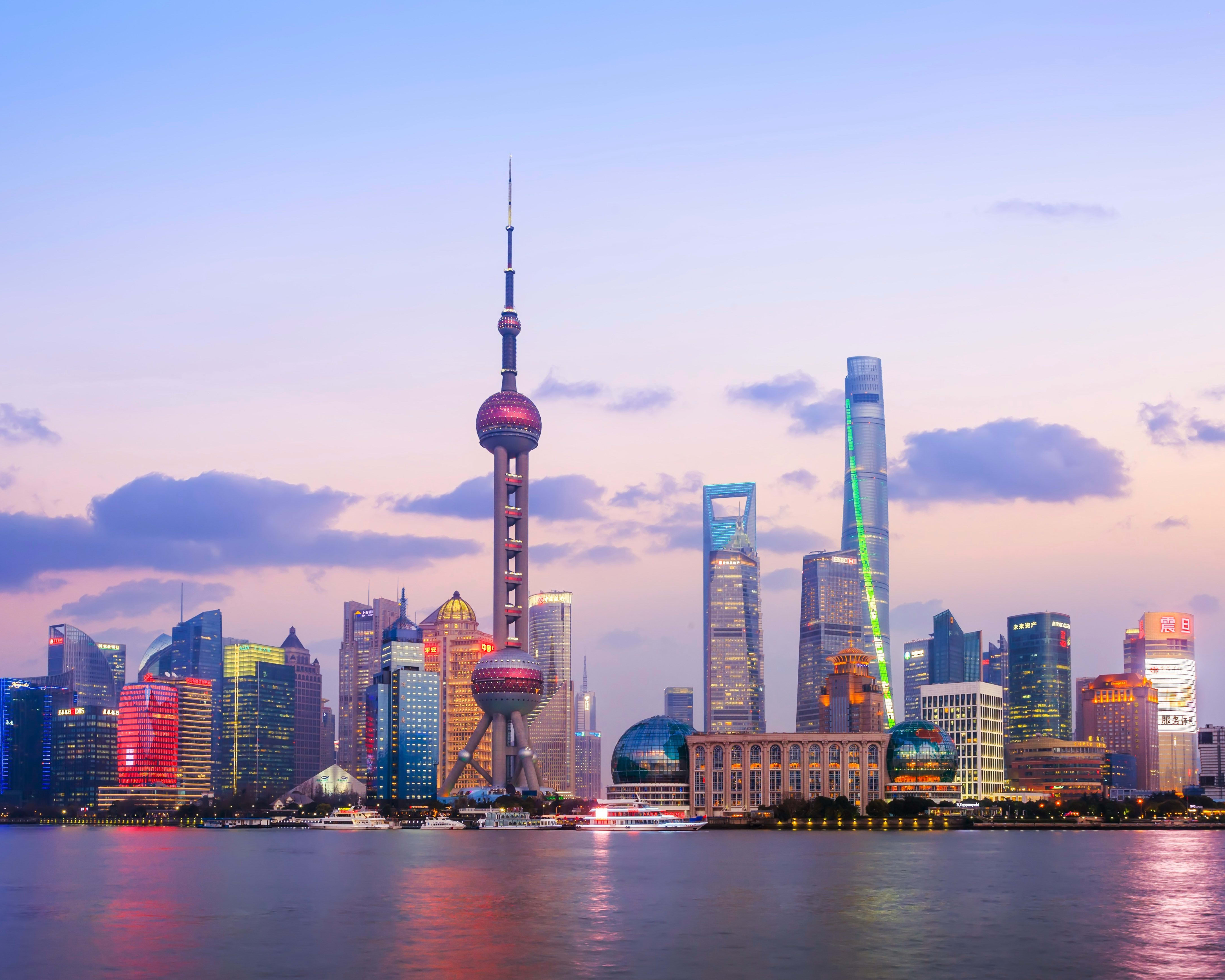
China is a country defined by extraordinary geographic scale, millennia of storied dynasties, and a relentless forward momentum. Beijing showcases the country’s imperial history front and center with sprawling courtyards in the Forbidden City and stone ramparts of the Great Wall. Shanghai presents a stark, hyper-modern contrast, where 1920s Art Deco architecture along The Bund gazes across the river at Pudong’s soaring glass skyscrapers. Beyond the primary metropolises, high-speed rail lines cut across emerald landscapes, connecting the quiet tea hills of Hangzhou, the misty karst peaks of Guilin, and the panda-filled sanctuaries of Chengdu. Along the way, centuries-old teahouses, regional markets, and a deeply rooted culinary heritage anchor a culture that honors its past while shaping the future.
Whether you are drawn by ancient history, visionary architecture, or world-class food, China offers a journey that is as vast as it is unforgettable.
Need to know
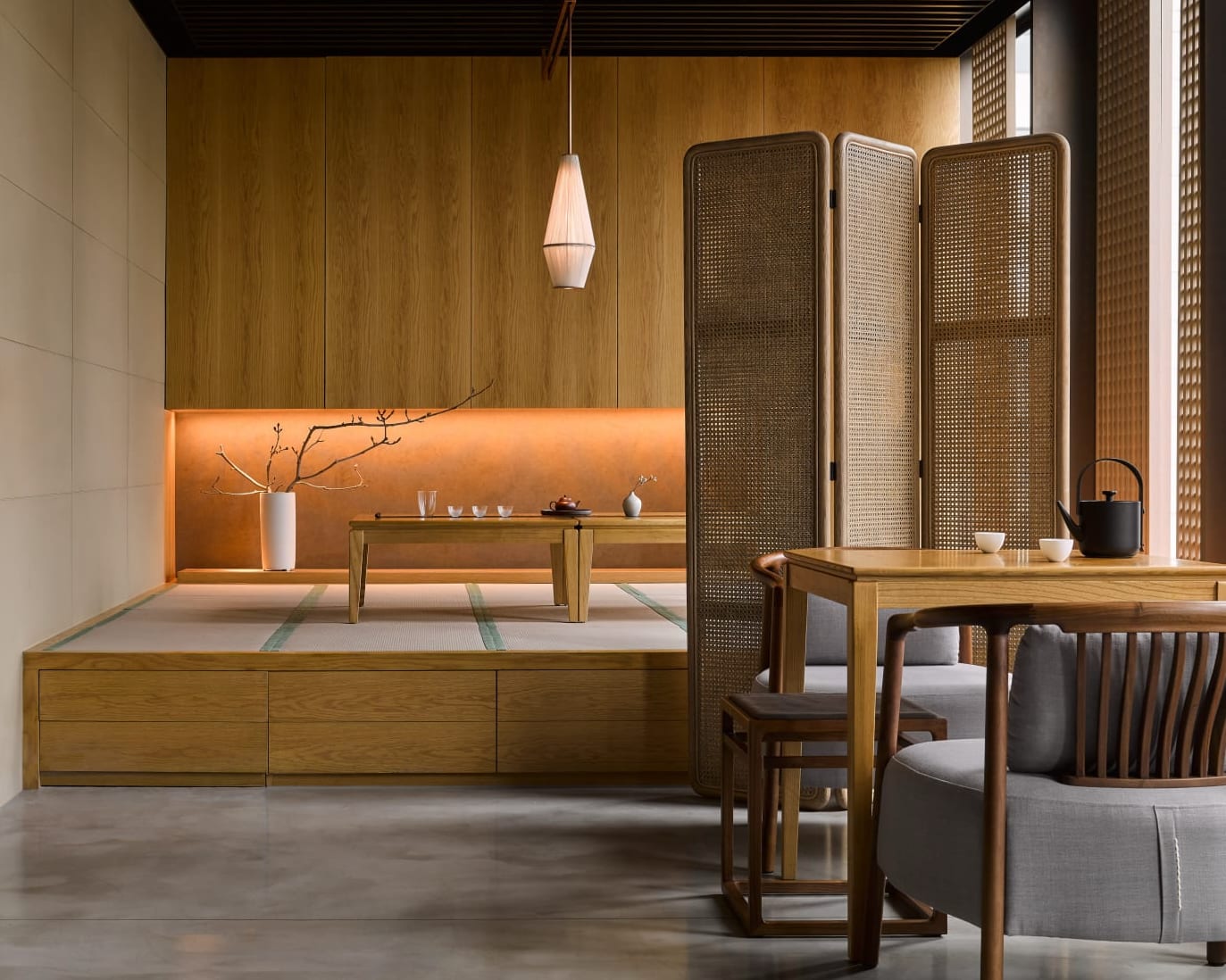
Image courtesy of The PuXuan Hotel and Spa
Before embarking on a trip across China, mastering some crucial logistical details will ensure a smooth and stress-free journey through the country.
Currency
China uses the Chinese Yuan (CNY), also known as the Renminbi (RMB). Mobile payment platforms like Alipay and WeChat Pay are the dominant payment methods—link your credit or debit card prior to arrival. Credit cards are rarely accepted outside major international hotels and high-end department stores, while cash is still accepted by small street vendors. Tipping is generally not expected or accepted.
Languages
Mandarin Chinese is the official language spoken throughout the country. English is understood at major international hotels, transport hubs, and by younger urban locals. Knowing some key phrases goes a long way, as will a reliable translation app.
Key phrases: nǐ hǎo (hello), xièxie (thank you), qǐng (please), nǐ hǎo ma? (how are you?), shì (yes), bú shì (no), wǒ bù huì shuō zhōngwén (I don't speak Chinese), nǐ huì shuō yīngwén ma? (do you speak English?)
Airports
Beijing Capital International (PEK) and Shanghai Pudong International (PVG) serve as China's primary international gateways to North American cities like New York City (JFK), Los Angeles (LAX), and Toronto (YYZ). Each city has a secondary airport—Beijing Daxing (PKX) and Shanghai Hongqiao (SHA)—serving mostly domestic flights and cities across Asia.
Transportation
China’s efficient high-speed bullet train network has transformed travel between major cities. Within cities, modern and efficient public transport networks span massive underground metro systems, with cashless digital ticketing via mobile apps. Hailing taxis can be tricky due to designated pickup areas, making rideshares the most practical option; DiDi dominates the market throughout mainland China, where Uber does not operate.
Best time to visit
Spring (March–May) and fall (September–November) offer the most comfortable conditions across China, delivering mild temperatures and pleasant weather. Cities like Beijing and Shanghai experience hot and humid summers, cool winters with light snowfall, and crisp, scenic shoulder seasons. Spring in the north can occasionally bring sandstorms blown in from the Gobi Desert that degrade air quality, while the southern and eastern coasts face peak typhoon season from July through September.
Ideal length of stay
China is a destination that warrants a dedicated trip rather than a stopover or extended Asian itinerary. Eight nights is the minimum to experience the core highlights across the primary cities, but two weeks is ideal to comfortably combine major historical landmarks with scenic countryside regions without feeling overly rushed.
What to wear
China’s vast size brings significant climate variation, making versatile layers the best overall strategy. Summers across most of the country are hot and humid, requiring lightweight, breathable fabrics and sun protection, while northern winters demand insulated coats and thermal base layers. Urban locals tend to dress in a modern, smart-casual style, with modest attire covering shoulders and knees required at all temples and religious sites. Comfortable walking shoes are essential to navigate historical monuments and major city attractions.
Travel tips
Time zone: Despite spanning a large geographical area, China officially observes a single standard time zone, China Standard Time (UTC+8), meaning sunrise and sunset times vary dramatically between eastern cities and western provinces.
Visas and entry permits: Entry requirements vary by nationality, but U.S. and Canadian travelers may qualify for China’s 240-hour visa-free transit program when traveling onward to a third country or region. Travelers who don’t qualify should arrange the appropriate visa before departure. Visiting the Tibet Autonomous Region requires additional permits arranged through an authorized agency. Confirm all visa requirements well in advance of travel.
Geopolitical topics: Be aware of international relations, regional territorial disputes, and sensitive historical events; maintain a respectful, open-minded tone.
Local apps: Mainland China operates on its own self-contained digital landscape; Alipay and WeChat dominate daily payments, transit bookings, and messaging, while local platforms like Douyin and Taobao drive video content and e-commerce.
Internet access and VPNs: Western platforms like Google, WhatsApp, and other outlets are blocked. If you need to connect for work or to stay in touch with anyone back home, look into a reliable Virtual Private Network (VPN) or secure international roaming eSIM prior to entering the country.
Beijing
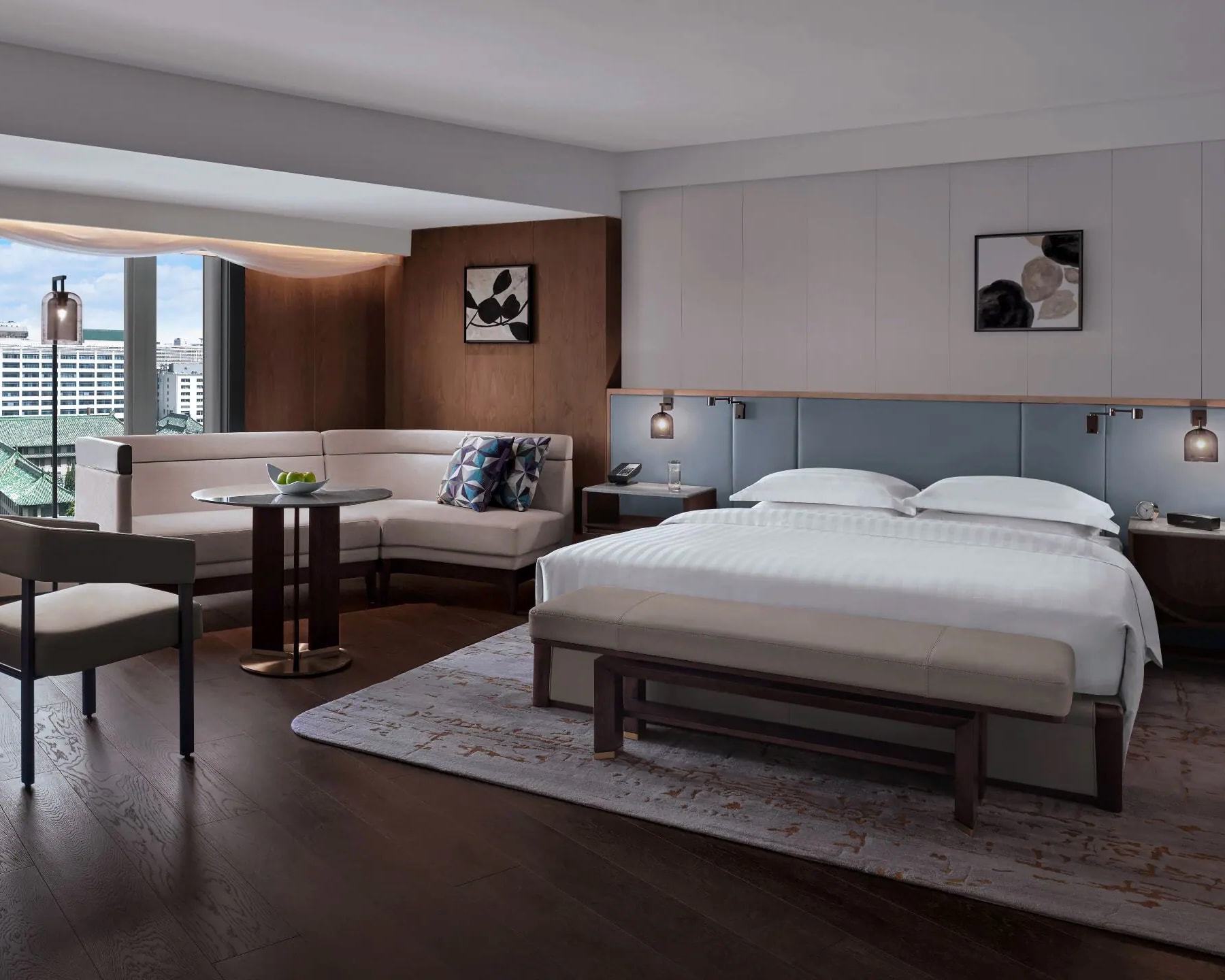
Image courtesy of Grand Hyatt Beijing
As China’s political and cultural heart, Beijing is structured around a historic central axis and a series of expanding ring roads. The central Dongcheng and Xicheng districts hold the city's grandest imperial landmarks, including Tiananmen Square, the vast Forbidden City complex, and the Temple of Heaven. Just north of the palace, Jingshan Park offers panoramic views across the city's yellow-tiled rooftops, while the winding, narrow alleys of the surrounding hutong neighborhoods preserve traditional courtyard living alongside local teahouses, street food stalls, and small shops.
To the east, Chaoyang district showcases the capital’s modern, global face with the glass skyscrapers of the Central Business District, the shopping and nightlife of Sanlitun, and the contemporary galleries housed in former military factories at the 798 Art District. In the northwestern Haidian district, the imperial gardens and lakes of the Summer Palace provide a scenic retreat from the city center. Beijing also serves as the main launching point for visiting the Great Wall, with well-preserved mountain sections like Mutianyu and Simatai accessible as day trips.
Where to stay
The Peninsula Beijing: Located steps from the Wangfujing shopping district, this all-suite luxury retreat blends traditional Chinese architectural elements with contemporary design. Broad room layouts, refined dining, and a dedicated spa make it an ideal place to stay.
Fora Perks include a $100 food and beverage credit, daily breakfast, an upgrade, and extended check-in/out whenever possible.
Grand Hyatt Beijing: This full-service refuge offers unmatched convenience for exploring the capital. A grand resort-style indoor pool, expansive dining options, and direct access to major shopping avenues make it a practical choice for families and business travelers alike.
Fora Perks include a hotel credit, daily breakfast, welcome amenity, an upgrade, and extended check-in/out whenever possible.
The PuXuan Hotel and Spa: Positioned on the doorstep of the Forbidden City, this modern spot pairs sleek design with views of the imperial palace. A serene spa, intimate dining spaces, and understated interior styling deliver an urban sanctuary in the historical center.
Fora Perks include a $100 hotel credit, daily breakfast, one bottle of red wine, complimentary mini bar, an upgrade, and extended check-in/out whenever possible.
Shanghai
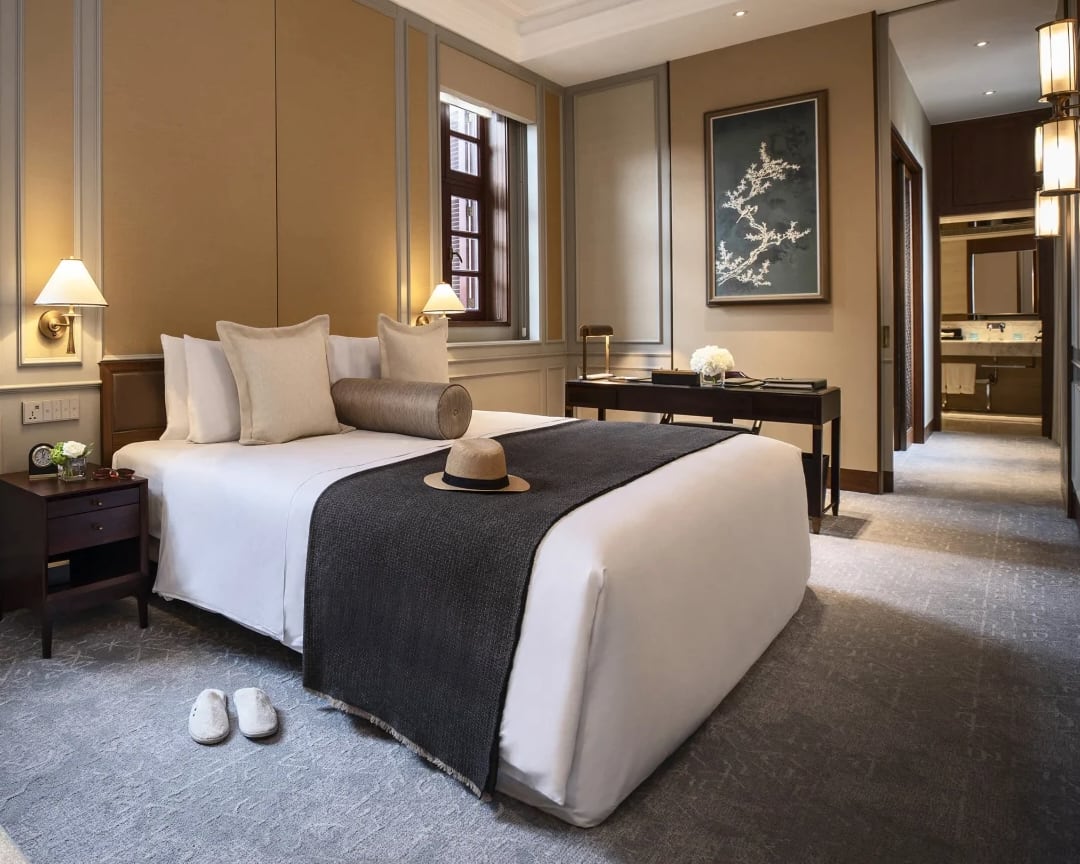
Image courtesy of Capella Shanghai, Jian Ye Li
Divided by the Huangpu River, Shanghai is a high-energy metropolis. On the western bank, the waterfront promenade of The Bund features a grand stretch of 1920s European architecture, offering views across the water to the towering skyscrapers of Lujiazui in Pudong, including the iconic Oriental Pearl Tower and Shanghai Tower. Just behind The Bund, the tree-lined streets of the former French Concession house leafy residential avenues, restored Shikumen architecture at Xintiandi, independent cafés, and a thriving international dining scene.
Further inland, Huangpu district holds traditional landmarks like Yu Garden, a classic Ming Dynasty garden complex, and the adjacent Old City market area. Nanjing Road serves as the city’s primary pedestrian shopping artery, stretching toward People's Square—home to the Shanghai Museum and the Museum of Art Pudong across the river. For a slower-paced day trip, ancient water towns like Zhujiajiao sit at the city's outer edges, featuring stone bridges, canals, and traditional wooden rowing boats.
Where to stay
Waldorf Astoria Shanghai on the Bund: A modern tower extension and restored early 20th century neoclassic building anchor the historic waterfront promenade with the iconic Long Bar, grand marble interiors, and direct views of the Pudong skyline.
Fora Perks include a $100 hotel credit, daily breakfast, an upgrade, and extended check-in/out whenever possible.
Capella Shanghai, Jian Ye Li: Set entirely within a restored 1930s residential estate in the Former French Concession, this luxury retreat features private courtyard villas, tree-lined pedestrian lanes, a French bistro, and a quiet spa.
Fora Perks include a $100 hotel credit, daily breakfast, an upgrade, and extended check-in/out whenever possible.
Mandarin Oriental Pudong, Shanghai: Situated along the banks of the Huangpu River in the Lujiazui financial center, this sleek property provides high-rise luxury with sweeping skyline views, expansive spa facilities, and Michelin-starred dining.
Fora Perks include a $100 hotel credit, daily breakfast, welcome amenity, an upgrade, and extended check-in/out whenever possible.
Cruising to and around China
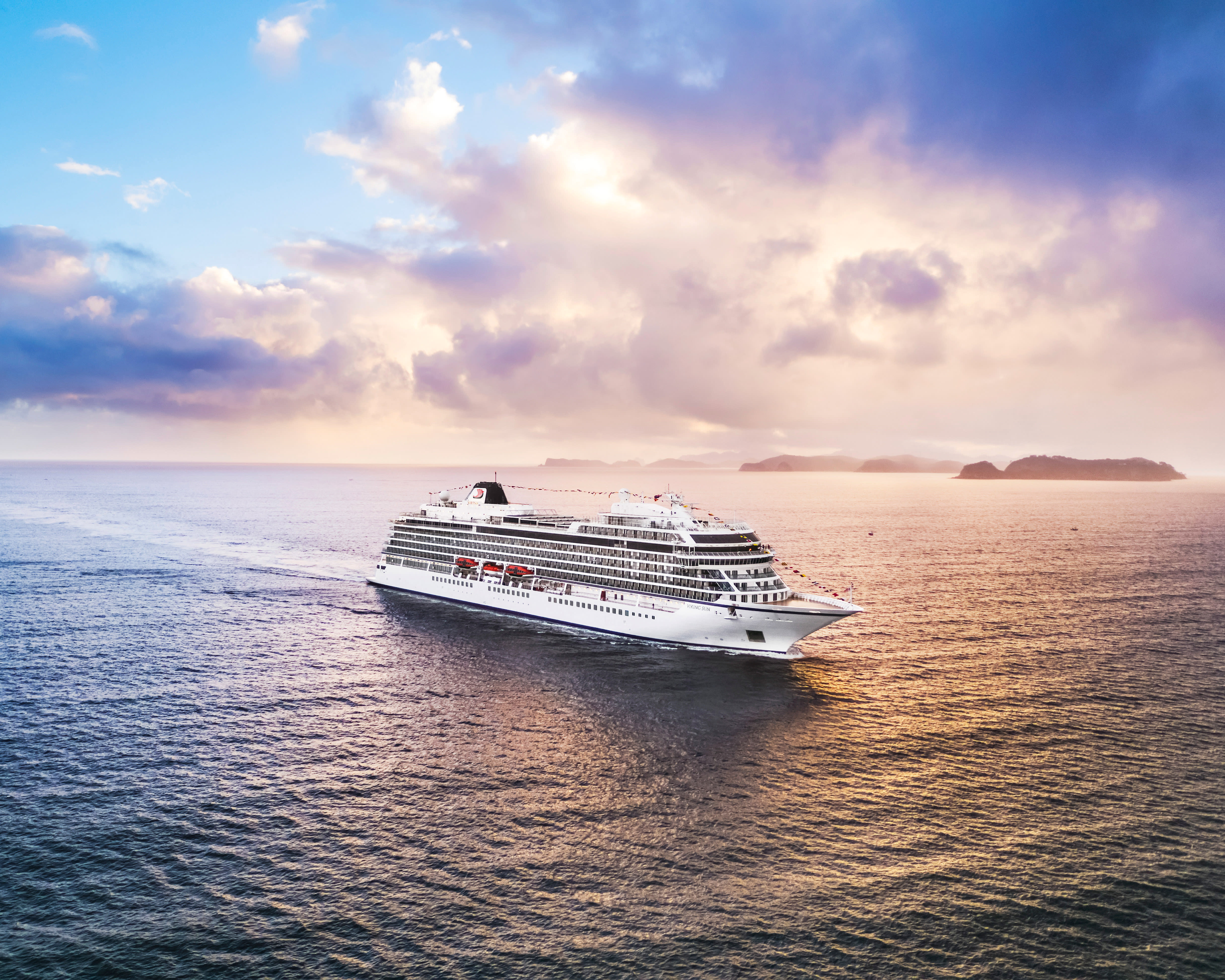
Image courtesy of Viking Cruises
Cruising in China centers around major ocean gateways and scenic inland rivers, with Shanghai serving as the primary hub for both international departures and port calls. Most long-haul ocean itineraries stop at just one Chinese port—often Shanghai or Tianjin (for Beijing)—making river sailings or regional ocean routes the better option for exploring further.
The Yangtze River is the classic inland itinerary, typically operating over four to five nights between Chongqing and Yichang through the dramatic Three Gorges. These river cruises are usually integrated into longer land packages that extend up to ten days to include overland trips to Beijing, Xi'an, or Shanghai. On the ocean side, Shanghai functions as a major embarkation point for round-trip and one-way East Asian itineraries to South Korea and Japan, or further south to Singapore with stops in Hong Kong, Vietnam, and Thailand.
Notable river cruise lines
Abercrombie & Kent: This high-end tour operator offers one of the most exclusive and intimate Yangtze River experiences. Fully inclusive land-and-cruise itineraries, private balcony suites, and curated shore excursions set these luxury river vessels apart.
Victoria Cruise Line: A well-established line sailing traditional, fully equipped vessels featuring private balconies in every cabin. Bilingual river guides and onboard cultural activities make it a reliable and accessible choice for western travelers exploring China.
Century Cruises: Known for its modern, eco-friendly fleet, Century ships feature grand atrium lobbies, heated indoor pools, private balconies, and dedicated VIP executive floor amenities that deliver a polished, resort-style river experience.
Notable ocean cruise lines
Seabourn Cruise Line: Seabourn operates ultra-luxury, small-ship vessels with all-suite accommodations, inclusive amenities, fine dining, and open bars, with itineraries that access smaller regional ports along the East Asian coastline alongside major hubs like Shanghai and Hong Kong.
Fora Perks include up to $250 shipboard credit per person.
Ritz-Carlton Yacht Collection: Designed to resemble a private yacht, this luxury line pairs sleek, modern vessels with custom itineraries, private terrace suites, personal concierges, and an emphasis on lingering longer in port.
Fora’s STARS Program partner perks include $150 shipboard credit per guest, welcome amenity, exclusive shore excursion options, enhanced recognition on board, and more.
Viking Cruises: Renowned for its destination-focused, adults-only concept, Viking operates sleek Scandinavian-designed ships that emphasize cultural enrichment, verandas in every stateroom, and inclusive shore excursions in every port.
Fora Perks include up to $200 onboard credit per stateroom on select sailings.
Azamara: A destination-immersion line using mid-sized ships that focuses on longer port stays and night-time excursions, while the onboard atmosphere is upscale yet relaxed, bridging the gap between premium and luxury cruising for culturally curious travelers.
Fora Perks include up to $200 shipboard credit per stateroom on select voyages. Virtuoso Voyages Hosted Benefits also available on select sailings.
Princess Cruises: A major premium cruise operator running large, feature-rich ships with broad passenger appeal, comfortable cabins, traditional cruise amenities, and varied dining choices for a dependable option popular with families and multi-generational groups.
Fora Perks include up to $100 shipboard credit per stateroom on select sailings.
China’s history and culture
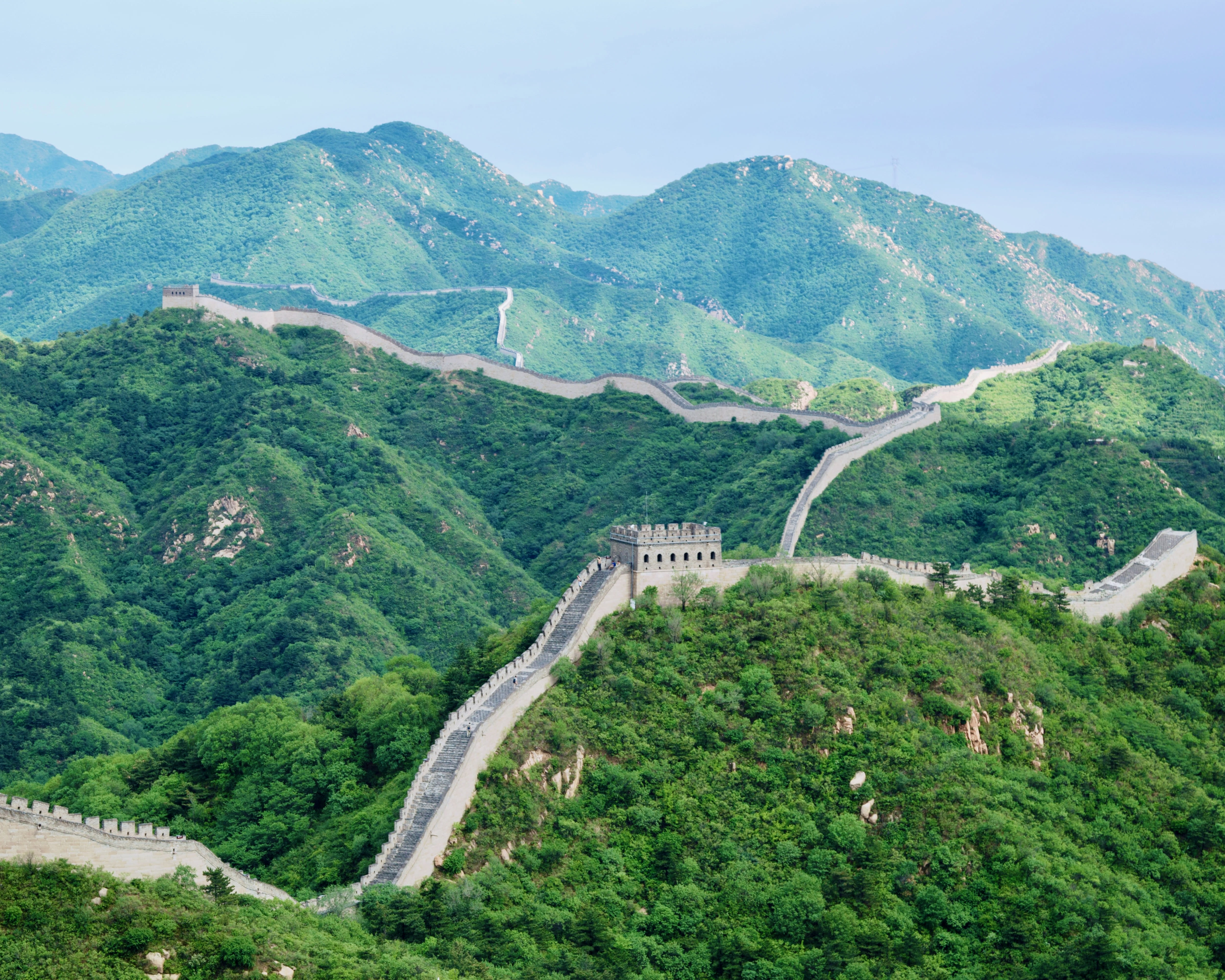
As one of the world's oldest continuous civilizations, China's history spans thousands of years of dynastic rule, deep philosophical traditions, and monumental human achievements. Early dynasties like the Qin and Han unified the country, seeing written language and currency become standardized, as well as trade networks established along the Silk Road. The Tang and Song eras sparked golden ages of poetry, painting, and technological innovations like printing and the compass. Imperial rule culminated under the Ming and Qing dynasties with the construction of grand monuments like the Forbidden City. Following decades of conflict and civil war in the early 20th century, rapid economic opening and urbanization has transformed the nation into a global economic power.
Today, China’s cultural identity balances profound ancient philosophy with dynamic modern innovation. Confucian values emphasizing family harmony, filial piety, and social respect remain central to daily life, coexisting alongside Taoist and Buddhist traditions. A rich culinary legacy rooted in regional geography extends to ancient teahouses, Michelin-starred dining, and street food stalls. Modern China reflects a constantly evolving dialogue between thousands of years of heritage and rapid modern progress.
Signature food and drinks
Peking duck: Beijing’s imperial masterpiece, featuring roasted duck carved tableside to highlight its paper-thin, lacquered crispy skin
Sichuan hot pot: A lively communal dining tradition centered on a tabletop pot of fiery, numbing broth infused with chili oil and Sichuan peppercorns, used to cook wafer-thin meats, leafy greens, and mushrooms dipped in seasoned sesame oil
Xiao long bao: Shanghai’s signature soup dumpling, holding seasoned pork and a pocket of rich, piping-hot broth
Dim sum: The Cantonese ritual of sharing bamboo steamer baskets filled with bite-sized delicacies—like translucent shrimp dumplings, pork-and-shrimp siu mai, and fluffy barbecue pork buns—traditionally enjoyed alongside hot tea
Chinese tea: The foundational pillar of daily hospitality and culture, spanning distinct regional varieties from chestnutty Longjing green tea to floral Tieguanyin oolong
Baijiu: China's national spirit, a potent, crystal-clear liquor distilled primarily from fermented sorghum, famous for its high alcohol content
Cultural celebrations and events
Chinese New Year (January/February, nationwide): The grandest celebration on the lunisolar calendar with multigenerational family reunions, red envelope exchanges, vibrant lion and dragon dances, and nationwide fireworks displays.
Shanghai Peach Blossom Festival (March–April): A springtime celebration in Pudong’s sprawling orchards, with local rural folk arts, and peach-themed market treats.
Dragon Boat Festival (May/June, nationwide): An ancient tradition honoring the poet Qu Yuan on the fifth day of the fifth lunar month, featuring high-energy dragon boat races and the sharing of zongzi (bamboo-wrapped sticky rice dumplings).
Mid-Autumn Festival (September/October, nationwide): A serene autumn harvest celebration held under the year's brightest full moon, marked by family gatherings, paper lantern displays, and eating traditional mooncakes.
National Day Golden Week (October 1-7, nationwide): An extended weeklong national public holiday period that celebrates the founding of the People's Republic of China, marked with fireworks, concerts, and patriotic decorations.
Shanghai International Arts Festival (October–November): China's premier state-level arts gala, gathering global and domestic performers for a month-long showcase of opera, ballet, orchestral music, and contemporary theater.
What to do in China
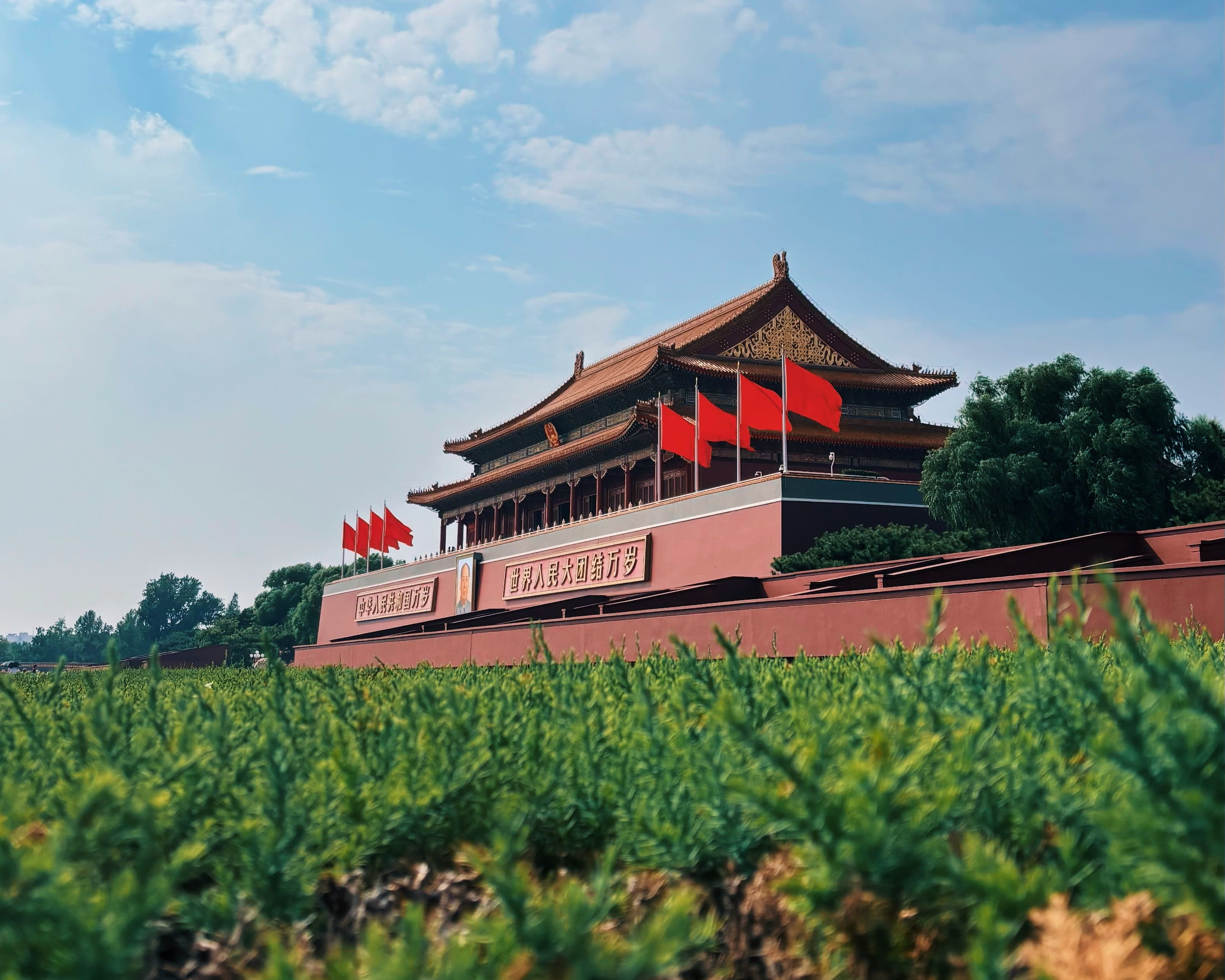
From thousand-year-old imperial palaces to futuristic high-rise observation decks, China offers a vast tapestry of historical landmarks, vibrant shopping, and spiritual sites.
Beijing
Forbidden City: The world's largest and best-preserved ancient wooden-structure complex spans 180 acres in the heart of Beijing, serving as the ceremonial and political center for 24 emperors across the Ming and Qing dynasties.
Tiananmen Square: This expansive public plaza holds deep political significance and serves as the venue for national ceremonies, anchored by the Monument to the People's Heroes and the Mausoleum of Mao Zedong.
Lama Temple (Yonghe Temple): This vibrant, active Tibetan Buddhist monastery features colorful courtyard buildings, fragrant incense-filled halls, and a massive 18-meter-tall statue of the Maitreya Buddha carved from a single piece of sandalwood.
Great Wall of China: Snaking across northern mountain ridges, this legendary fortification system offers varied experiences, from the fully restored walkways at Mutianyu to the steep, wild, and unrestored ruins at Jiankou.
Shanghai
Shanghai Museum: This world-class institution houses a vast collection of ancient Chinese art, including pristine bronzes, delicate ceramics, classical calligraphy, and historic jade carvings.
Shanghai Urban Planning Exhibition Center: Located at People's Square, the museum's highlights include an extraordinary scale model of Shanghai, detailing every street and building across the city's master plan.
Nanjing Road: A bustling pedestrian thoroughfare that’s one of the world's busiest shopping districts, lit by vibrant neon signage and lined with historic 1920s department stores alongside global flagships.
Yu Garden (Yuyuan): First built during the Ming Dynasty, this expansive classical garden provides a peaceful retreat in the heart of the city, featuring winding koi ponds, dragon-adorned walls, zig-zag bridges, and traditional pavilions.
Where to eat in China
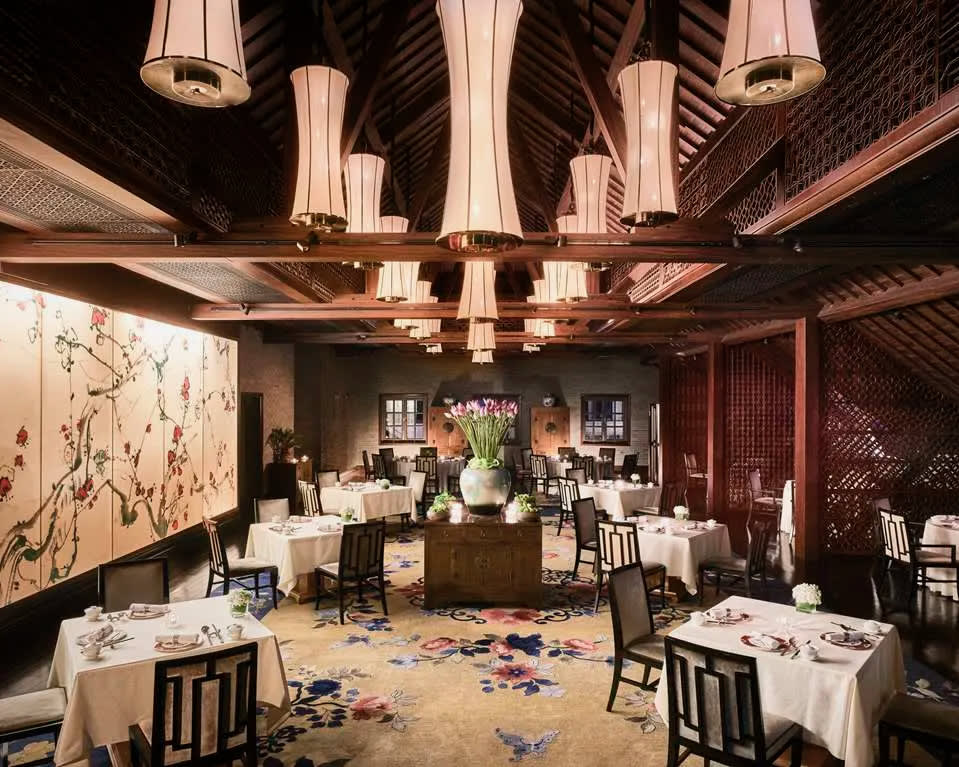
Image courtesy of Wai King Kok at Waldorf Astoria Shanghai on the Bund
From historic duck houses and vegetarian sanctuaries to innovative French-Chinese fusion and high-concept cocktail bars, China’s dining scene delivers an extraordinary spectrum of culinary craftsmanship.
Beijing
Lamdre: A serene, plant-driven concept emphasizing minimalist presentation, natural flavors, and meditative mindfulness.
Chef 1996: A vibrant neighborhood staple celebrated for its authentic, unapologetically bold Sichuan cuisine.
King’s Joy: An upscale, two-Michelin-starred vegetarian destination serving artfully presented tasting menus in a tranquil, glass-roofed courtyard setting.
Da Dong: A world-famous culinary institution devoted to duck and an artistic menu of Chinese contemporary dishes.
Qu Lang Yuan: Tucked inside a beautifully converted historic hutong courtyard, this expressive restaurant pairs local Chinese ingredients with French culinary techniques.
The House of Dynasties: An opulent Cantonese dining hall that delivers grandiose dim sum, featuring meticulously crafted dumplings and imperial-inspired table settings.
Bar Long Fong: A cozy cocktail den tucked behind the Park Plaza Hotel, known for its intimate atmosphere and creative cocktails infused with traditional local spirits.
Yibin: A popular regional eatery famous for serving deeply authentic, fiery Sichuan noodles and spicy regional specialties.
Shanghai
Gong De Lin (Godly): Operating since 1922, this institution is one of the city's oldest vegetarian restaurants, famous for its traditional Buddhist mock-meat dishes.
Ling Long: Chef Jason Liu’s acclaimed fine-dining venue that offers a playful, contemporary interpretation of traditional Chinese culinary heritage.
Fu He Hui: A tranquil, Zen-inspired vegetarian fine-dining retreat where multi-course tasting menus showcase rare mushrooms, teas, and seasonal produce.
Wai King Kok at Waldorf Astoria Shanghai on the Bund: An elegant Cantonese restaurant offering refined dim sum, delicate seafood, and classic regional cuisine.
La Bourriche 133: A chic French seafood bistro infused with vintage Art Deco flair, serving fresh bivalves, refined fish courses, and classic French bistro fare.
Coa Shanghai: A Shanghai outpost of Hong Kong’s celebrated agave bar, serving as a dedicated house of rare mezcals and tequilas.
Da Vittorio: A Shanghai branch of the famed Italian dining family, holding two Michelin stars for its elevated, Chinese-influenced Italian fine-dining tasting menus.
Maison Lameloise: This fine-dining outpost in the Shanghai Tower delivers old-school French haute cuisine backed by Michelin-starred heritage and panoramic city views.
Trips to add on
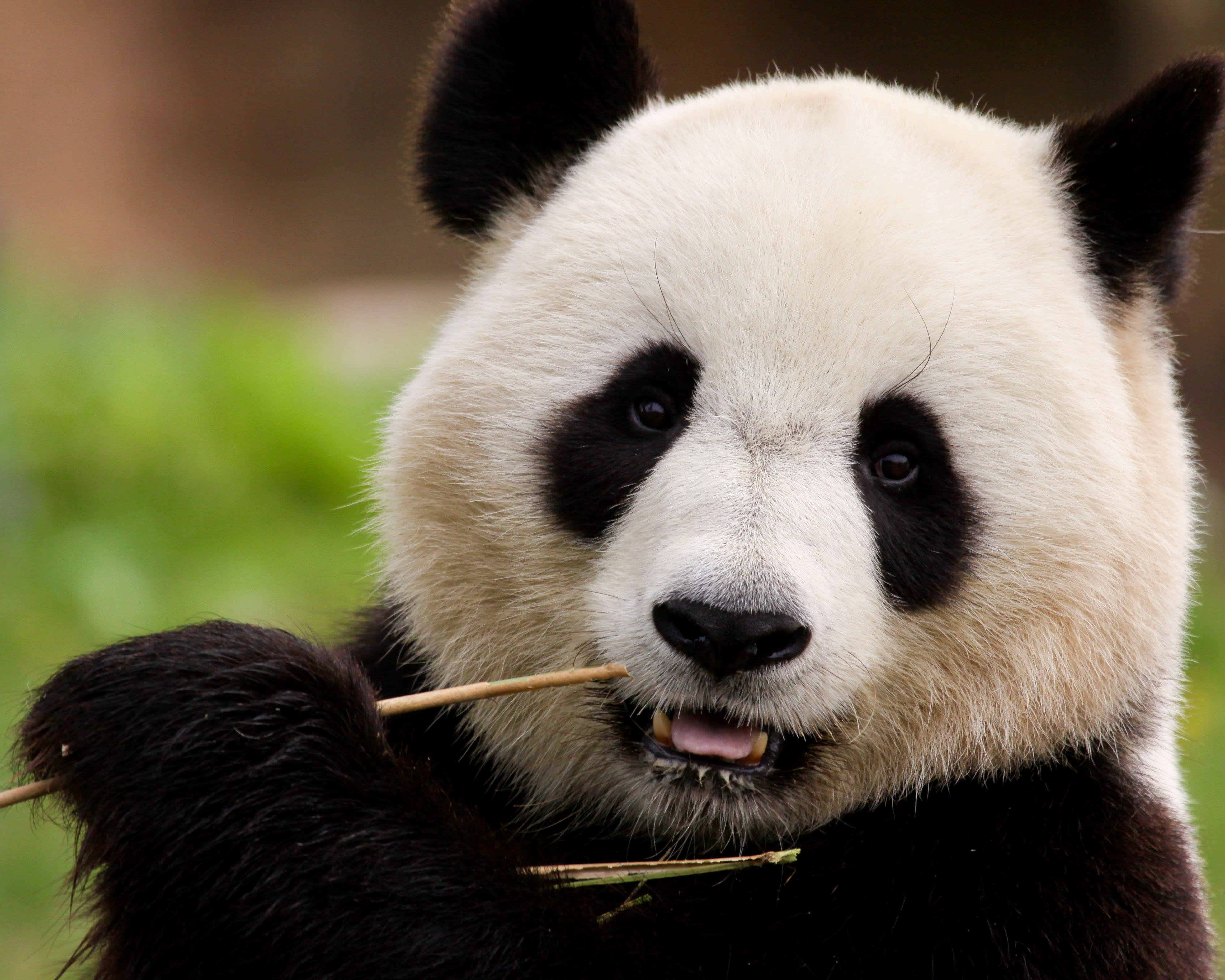
Imperial history meets dramatic karst landscapes, sacred mountain sanctuaries, and coastal getaways beyond China’s major gateways.
Hangzhou (1-hour train from Shanghai): Famed for the picturesque West Lake—a UNESCO World Heritage site lined with ancient pagodas, willow-draped causeways, and historic teahouses nestled within the surrounding green tea hills of Longjing.
Xi’an (2-hour flight from Beijing): The ancient starting point of the Silk Road and capital for thirteen dynasties, famous for the world-renowned Terracotta Army, an intact 14th-century city wall, and a vibrant Muslim Quarter celebrated for its street food.
Guilin and Yangshuo (2.5-hour flight from Shanghai): World-famous for their otherworldly limestone karst scenery, where tranquil Li River cruises, bamboo raft trips along the Yulong River, and countryside cycling routes wind past emerald peaks and mist-covered rice paddies.
Mongolia (2.5-hour flight from Beijing): A sweeping land of open steppe, rugged mountains, and the vast Gobi Desert, where nomadic traditions, horse riding, and stays in traditional felt gers provide an untamed wilderness extension to northern China.
Hong Kong (3-hour flight from Shanghai): A high-energy vertical metropolis where neon-lit skyscraper districts, historic Star Ferries, and Michelin-starred dim sum halls meet dramatic mountain peaks and secluded island beaches.
Chengdu (3-hour flight from Beijing or Shanghai): China’s laid-back capital of Sichuan province, known globally as the home of giant panda conservation centers, a UNESCO-recognized culinary scene driven by fiery hot pots, and a historic teahouse culture.
Kunming (3.5-hour flight from Shanghai): Nicknamed the “City of Eternal Spring” for its year-round mild climate, green highland scenery, lakeside resort retreats, and proximity to the dramatic limestone formations of the Stone Forest.
Tibet (4-hour flight from Beijing or Shanghai): The “Roof of the World,” offering a deeply spiritual high-altitude journey centered in Lhasa, home to the sprawling Potala Palace, sacred Jokhang Temple, and dramatic views across the Himalayas.
If not China…
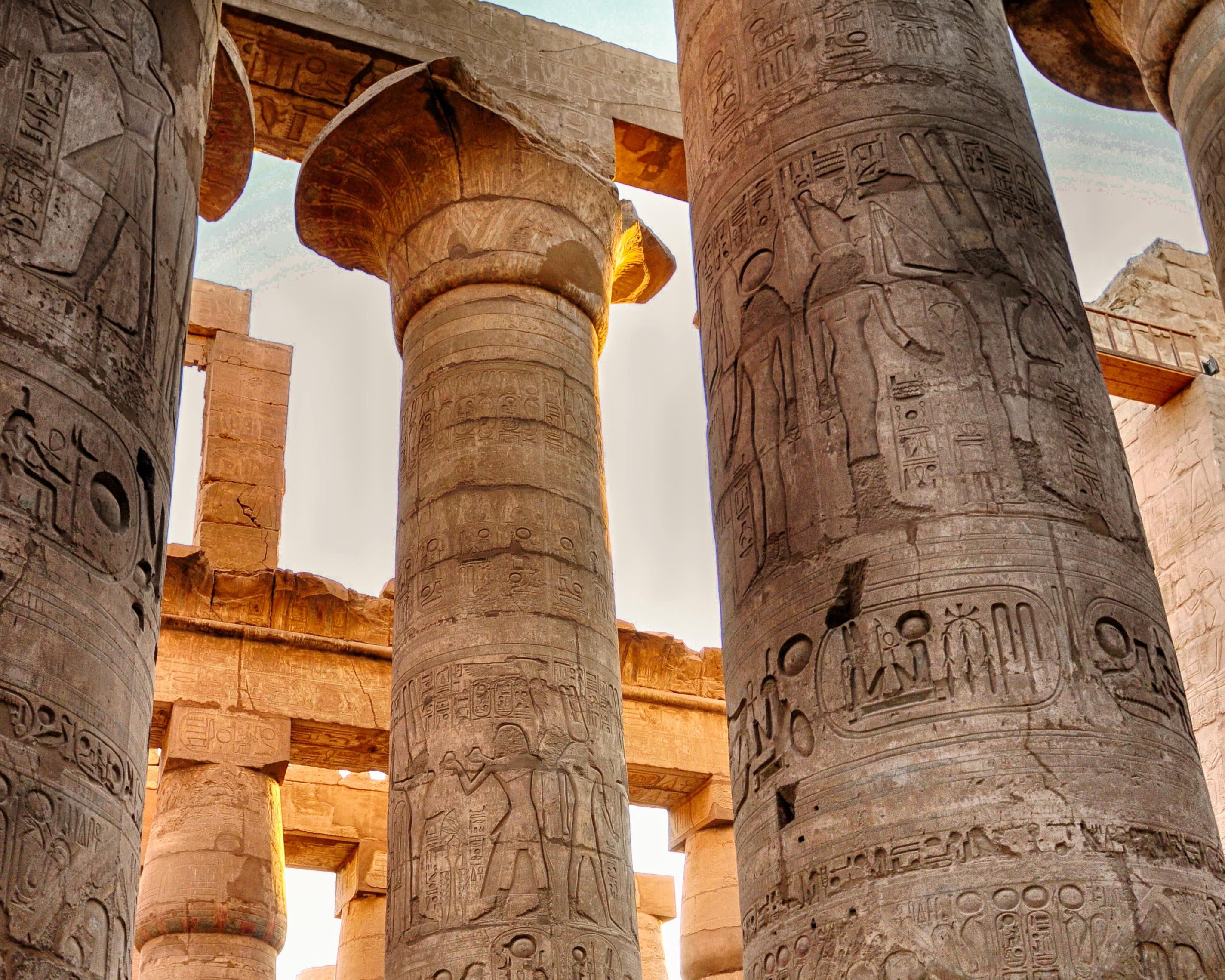
If you are drawn to China’s mix of hyper-modern metropolises, millennia-old monuments, and dramatic natural landscapes, several global destinations deliver a surprisingly similar spirit.
New York City: A Western counterweight to Beijing’s political and cultural dominance, Gilded Age landmarks, museums, and urban parks are anchored by deep immigrant heritage.
Los Angeles: A dynamic, sprawling counterpart to Shanghai, trading riverfront skyscrapers for Pacific shorelines, contemporary art, and an influential global media and culinary scene.
Charleston: Swapping Guilin’s dramatic karst mountains for a serene water-bound escape with moss-draped oak waterways, historic architecture, and a deeply rooted regional culture.
Egypt: Ancient history, monumental architecture, Nile River cruises, and the pyramids of Giza mirror China's imperial dynasties with thousands of years of preserved heritage.
Brazil: Matching China’s vast geographical scale and deep variety, from high-energy, cultural urban hubs of São Paulo and Rio de Janeiro to the untamed biodiversity of the Amazon basin.

