


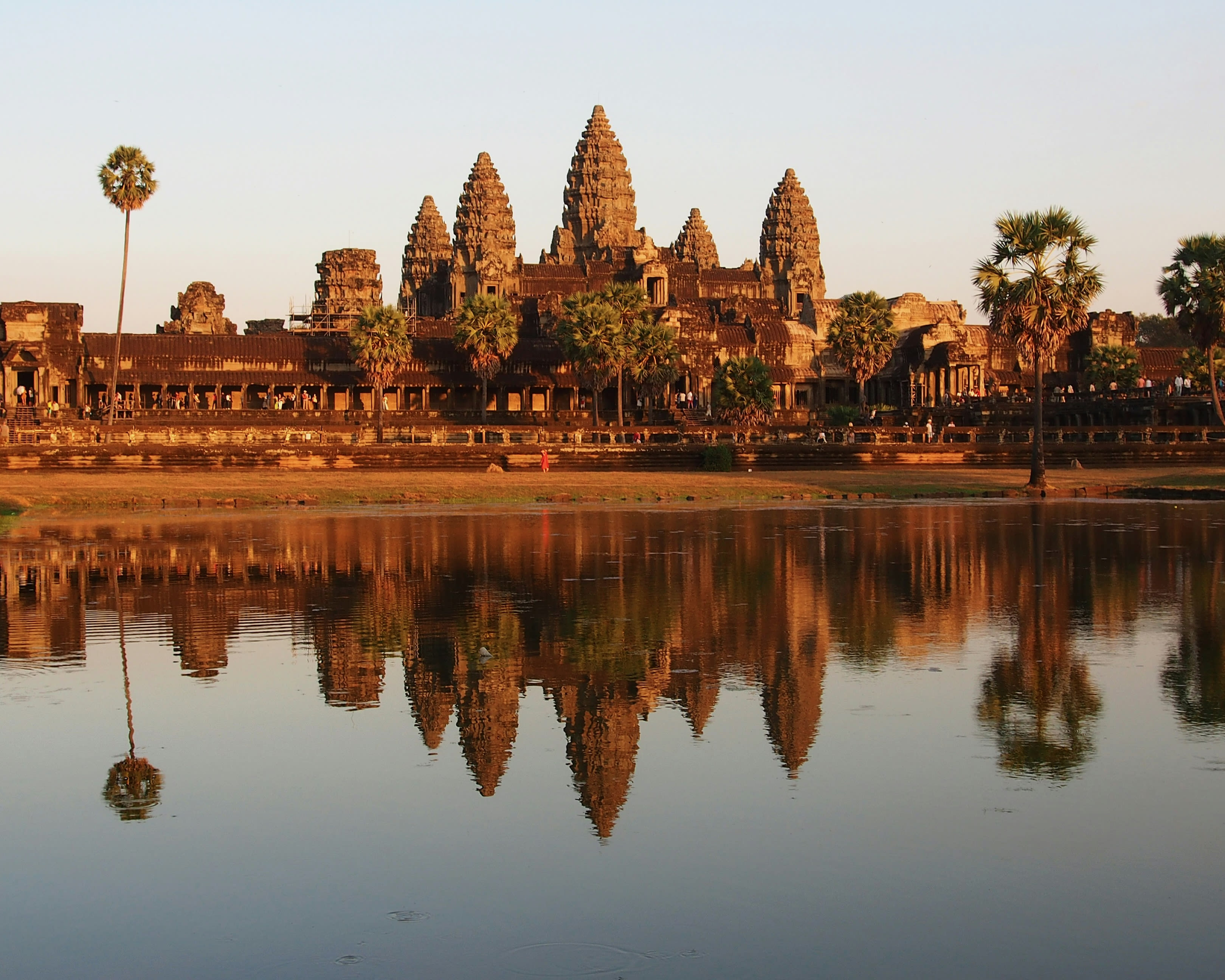
Cambodia is a country where ancient history, resilient culture, and everyday life come together in remarkable ways. Siem Reap draws travelers from around the world to explore the Angkor Wat complex, jungle-covered ruins, and other intricately carved stone temples. Phnom Penh offers a deeper look at Cambodia's past and present through its royal palaces, bustling riverside, and moving historical sites. The southern coast and islands reveal a slower side of the country with quiet beaches, fishing villages, and turquoise waters. Along the way, you'll find colorful night markets, family-run restaurants serving fragrant Khmer cuisine, and warm hospitality that leaves a lasting impression.
Whether you're drawn by history, culture, food, or nature, Cambodia offers an experience that feels both deeply meaningful and refreshingly unhurried.
Need to know
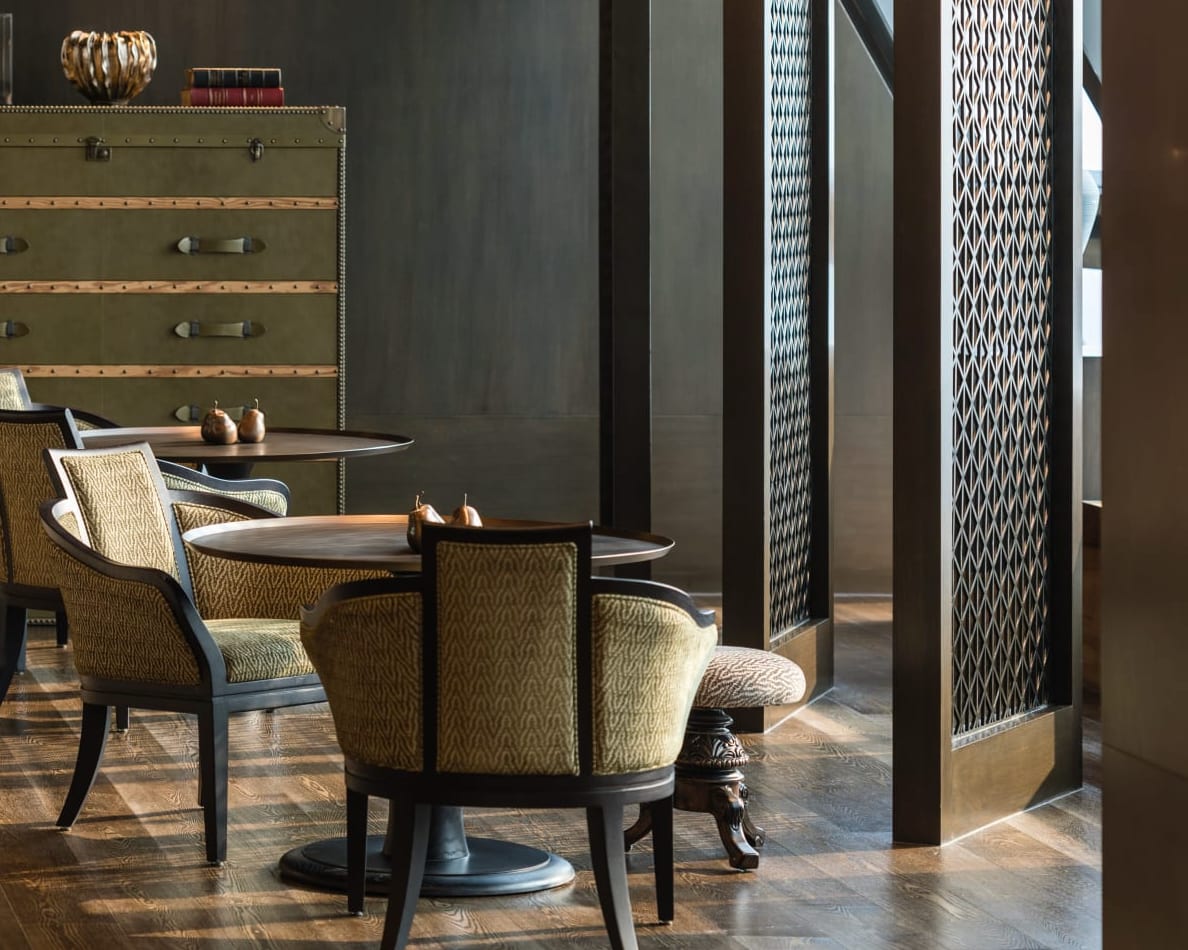
Image courtesy of Rosewood Phnom Penh
Cambodia is not the most natural entry point for first-time visitors to Southeast Asia; the country tends to land better once you have some regional context.
Currency
Cambodia uses the Cambodian Riel (KHR), though U.S. Dollars are widely accepted—especially clean and relatively new bills, older or worn ones may be refused. Credit cards are accepted at most hotels, upscale restaurants, and larger shops, but cash is essential for markets, street food, and tuk-tuks. Tipping small amounts for good service is appreciated but not expected.
Languages
Khmer is the official language spoken by the vast majority of the population. English is widely understood in major cities, hotels, restaurants, and tour operations. Outside of those areas, a handful of Khmer phrases will serve you well.
Key phrases: suostei (hello), awkoun (thank you), soum (please), sok sabai te? (how are you?), baat/chaa (yes, male/female speaker), te (no), khnhom min yul phasa khmer te (I don't speak Khmer), neak cheeh phasa angles te? (do you speak English?)
Airports
Cambodia's two main gateways are Siem Reap (SAI)—well connected to Southeast Asian cities including Bangkok, Singapore, Kuala Lumpur, and Hanoi—and Phnom Penh (PNH), which handles longer-haul routes to Dubai, Hong Kong, and Seoul. Sihanoukville (KOS) in the south serves the coastal region with domestic connections to both cities.
Transportation
Hiring a private driver is your best bet for getting around. Between major cities, flying is the better call; the road journey runs around six hours and shares space with heavy truck traffic and little scenery to justify the time.
Best time to visit
November through February is the dry season with manageable temperatures for the most straightforward window to visit. March through June becomes hot, often intensely so. The rainy season (July–October) brings short, sharp tropical downpours; the moss-covered stones of Angkor take on a deeper, greener character in the wet season, but the same moisture makes the temple surfaces slippery to explore.
Ideal length of stay
Three nights is how most travelers slot Angkor Wat into a broader Southeast Asia itinerary. A standalone trip to Cambodia warrants at least seven days.
What to wear
Cambodia is hot and humid year-round, so lightweight, breathable fabrics are the practical starting point. Modest dress is essential, particularly at temple complexes and religious sites. Beach towns are casual, but Phnom Penh skews slightly smarter in the evenings. Comfortable, closed-toe shoes handle uneven terrain well, and slip-ons make frequent shoe removal considerably easier.
Travel tips
Visa requirements: Most international travelers require a tourist visa, either acquiring an eVisa online prior to departure, or alternatively, a Visa on Arrival (VOA). In addition, travelers may need to submit a digital e-Arrival card; confirm before departure.
Sunrise at Angkor Wat: Sunrise is simultaneously the best and worst time to visit Angkor Wat. It’s a beautiful sight, but attended by thousands of visitors simultaneously so prepare for crowds and an early arrival.
Accessibility: Cambodia can be challenging for travelers with mobility concerns. Temple sites have uneven terrain and steep steps. Planning routes ahead and arranging private transportation or a guide can make exploring much easier.
Siem Reap
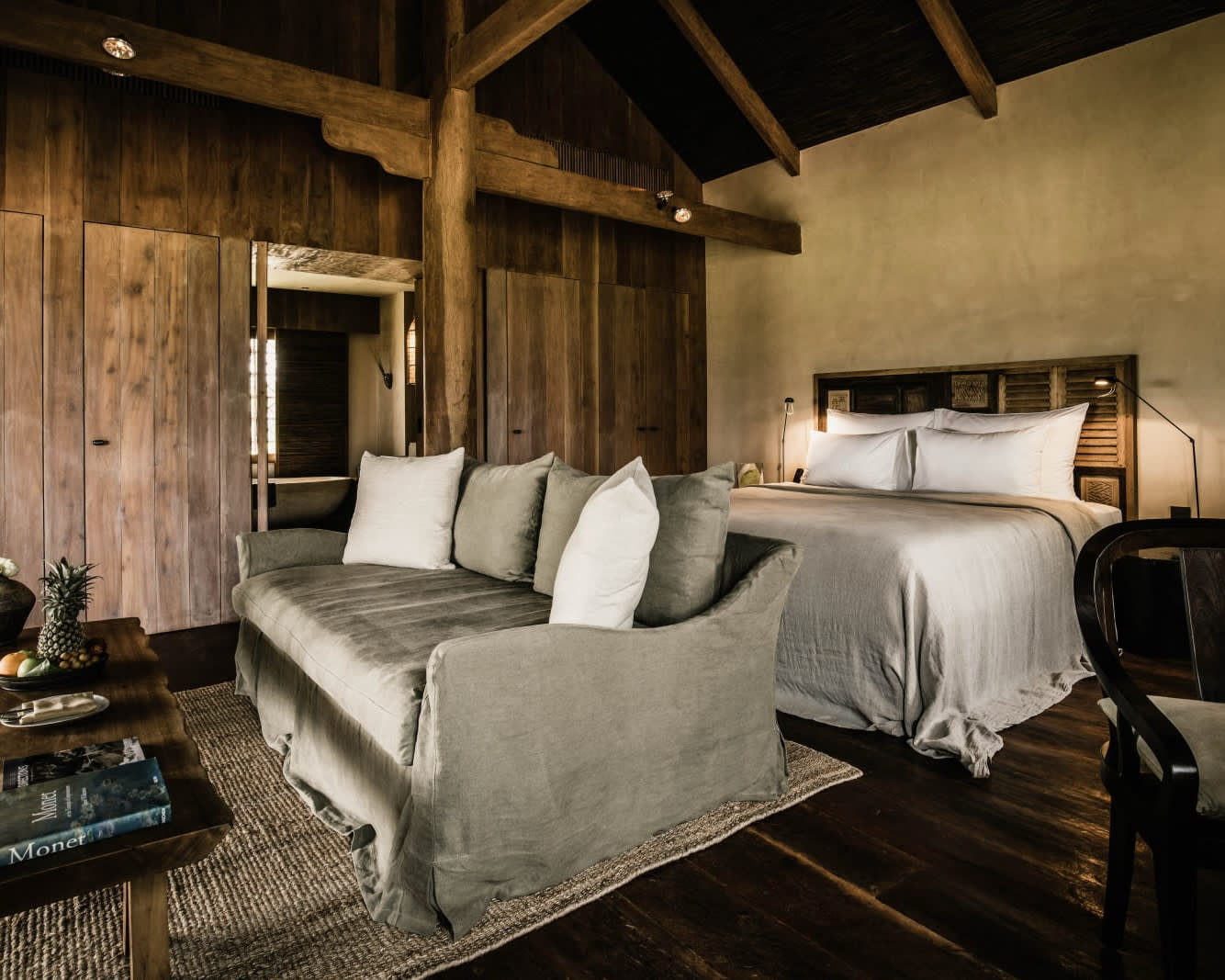
Image courtesy of Zannier Phum Baitang
Siem Reap has grown considerably around the tourist trade without losing its navigability. Pub Street and the Old Market area handle most of the nightlife and souvenir shopping, while the streets around them have developed a genuine restaurant scene. The river and surrounding countryside offer a slower counterpoint: floating villages on the Tonlé Sap lake, cycling through rice paddies, and craft workshops keeping traditional Khmer silk weaving and stone carving alive.
The Angkor Wat temple complex in the north of the city is considered one of the greatest archaeological sites on earth. While Angkor Wat is the centerpiece, the walled city of Angkor Thom, the jungle-consumed towers of Ta Prohm, and the lesser-visited outer temples spread out across dozens of square miles that could take several days of serious exploration.
Where to stay
Zannier Phum Baitang: A village-style resort set among rice paddies and tropical gardens where traditional Khmer stilted houses have been reimagined as guest villas. The organic farm, cooking classes, and community programs give it a unique sense of place.
Fora Perks include daily breakfast, welcome amenities, and an upgrade whenever possible.
Park Hyatt Siem Reap: A refined, 1930s Art Deco address in the heart of the city, with interiors that draw on Khmer crafts. The pool, spa, and dining make a polished, centrally located base for couples and luxury travelers wanting temple exploration with resort amenities.
Fora Perks include a hotel credit, daily breakfast, welcome amenity, an upgrade, and extended check-in/out whenever possible.
Raffles Grand Hotel d'Angkor: Opened in 1932 and still presiding over Siem Reap's central park, this is the city's most historically resonant address. Period details have been maintained with enough care to feel genuine and central to the appeal.
Fora Perks include a $100 hotel credit, daily breakfast, an upgrade, and extended check-in/out whenever possible.
Phnom Penh
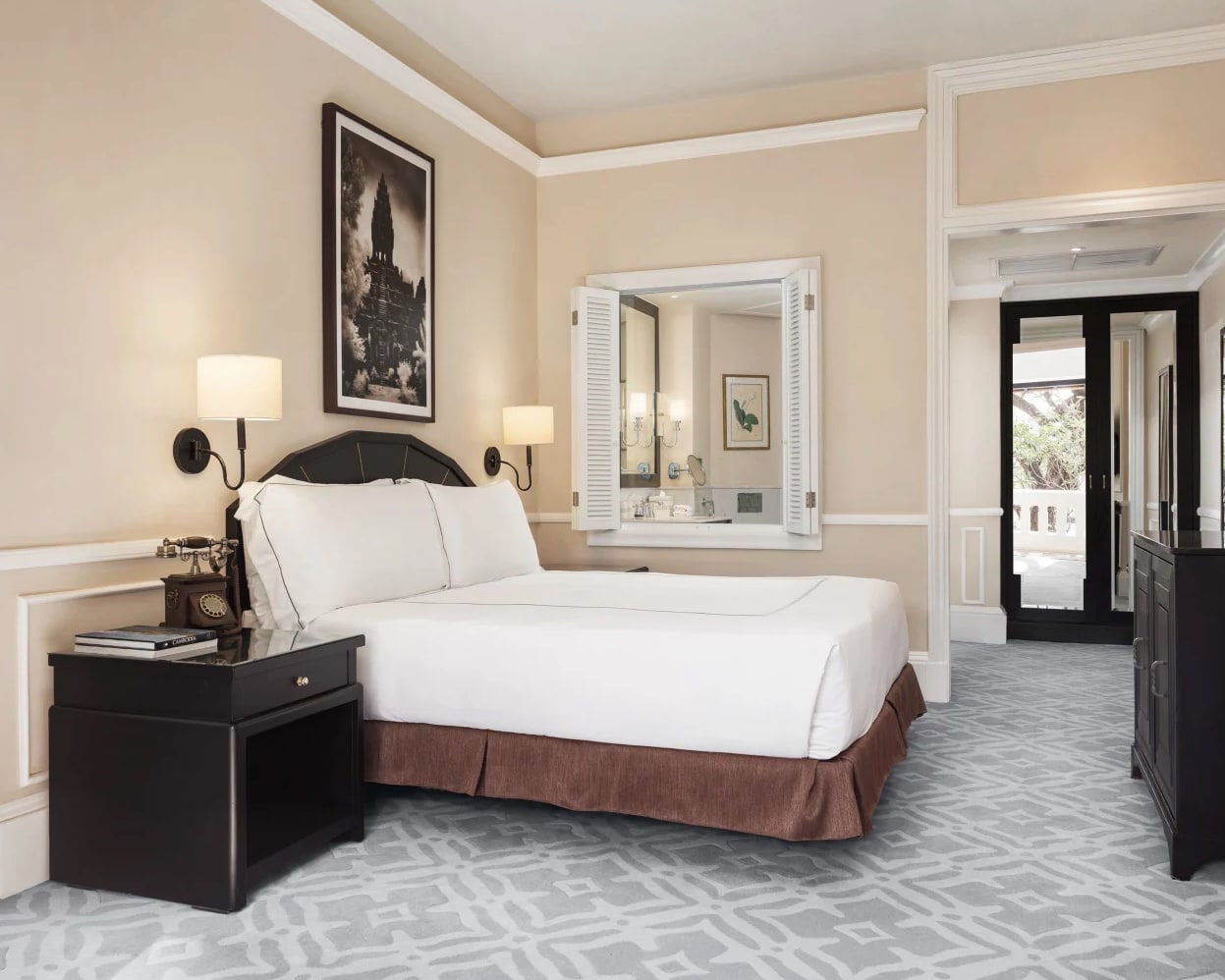
Image courtesy of Raffles Hotel Le Royal
Phnom Penh sits at the confluence of the Mekong and Tonlé Sap rivers. The waterfront, Sisowath Quay, is made up of a promenade of cafés, restaurants, and colonial-era buildings. The Royal Palace and the Silver Pagoda, a short walk from the quay, are the city's most photogenic landmarks, and remain active religious and ceremonial sites. The National Museum, just north of the palace, houses the world's finest collection of Khmer sculptures.
Impossible to separate from the Khmer Rouge period, the city also holds two important memorial sites: Tuol Sleng, a former prison where records of the regime's atrocities were meticulously kept, and the Choeung Ek Killing Fields, 15 kilometers outside the center.
The Russian Market and the Central Market handle most of the city's shopping in very different registers—the former is the better destination for textiles, street food, and the sense of a city going about its day. BKK1, the neighborhood that has absorbed most of Phnom Penh's restaurant and café growth over the past decade, runs international and polished.
Where to stay
Raffles Hotel Le Royal: Operating since 1929, this retreat remains the most storied address in the Cambodian capital. The two pools, the Elephant Bar, and the restored colonial architecture make it a destination in its own right.
Fora Perks include a $100 hotel credit, daily breakfast, an upgrade, and extended check-in/out whenever possible.
Rosewood Phnom Penh: Occupying the upper floors of the city’s most architecturally ambitious building, this is a modern, design-forward choice. Rooms overlook the rivers, while the spa and rooftop bar make it a mainstay for luxury and business travelers.
Fora Perks include a $100 hotel credit, daily breakfast, welcome amenity, an upgrade, and extended check-in/out whenever possible.
Sofitel Phnom Penh Phokeethra: Set within expansive tropical gardens for an urban resort property. A large pool, multiple dining options, and a spa all deliver a stay best suited for families, groups, and travelers who want full infrastructure and amenities.
Fora Perks include a $100 hotel credit, daily breakfast, an upgrade, and extended check-in/out whenever possible.
Beaches and jungle
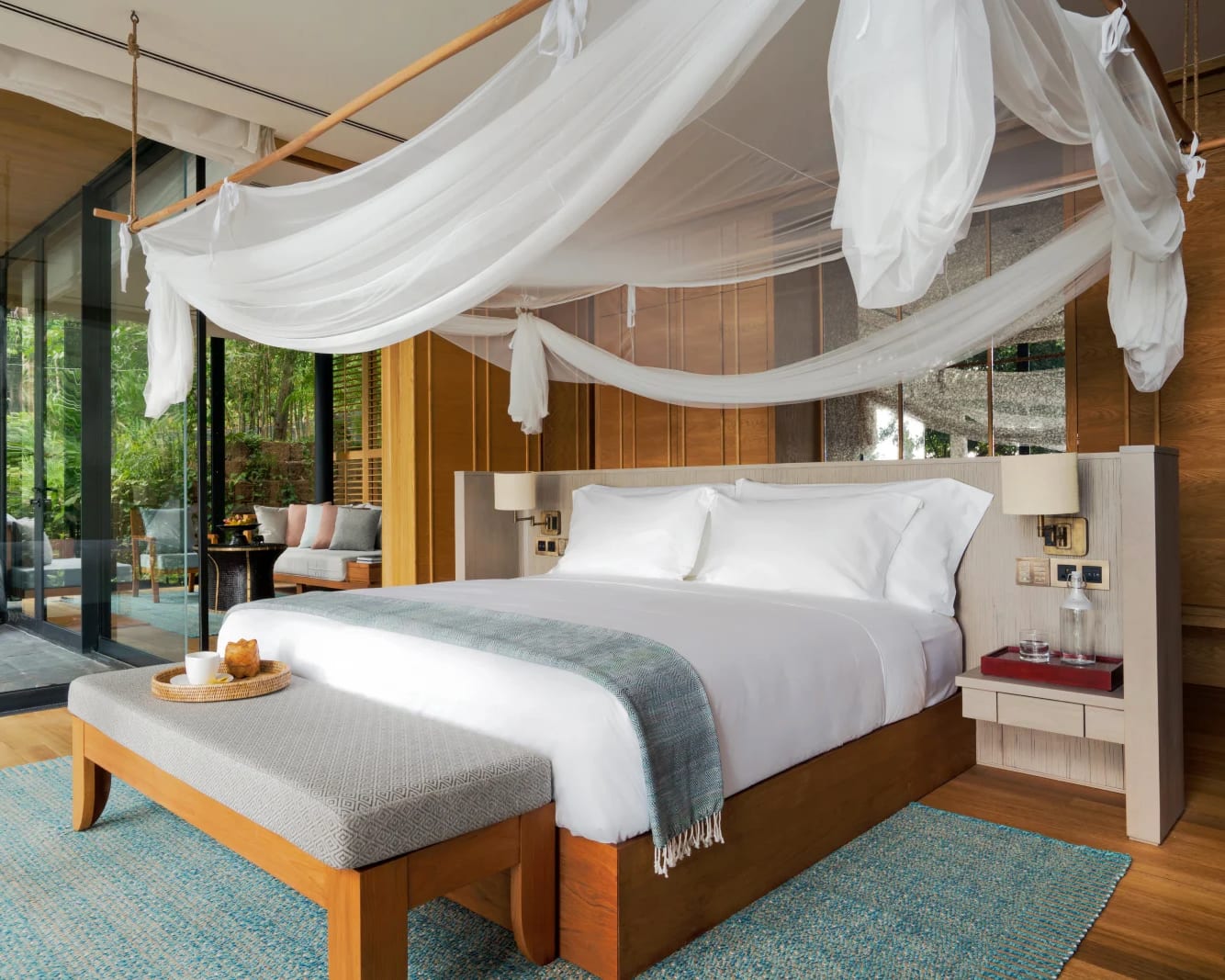
Image courtesy of Six Senses Krabey Island
Cambodia’s southern coastline and jungles is easily reached from the port city of Sihanoukville. Once a sleepy backpacker beach town, it has transformed into an industrial hub and gateway to the pristine islands of Koh Rong, Koh Rong Samloem, and others in the Gulf of Thailand. Each is renowned for their white sand beaches, crystal-clear waters, and rich tropical jungles.
Inland from Sihanoukville, the landscape shifts toward the Elephant Mountains, filled with dense rainforest and rugged terrain. Major protected areas teeming with waterfall hikes and wildlife corridors border each other, from Cardamom National Park to Bokor National Park, and Kirirom National Park. The area around Botum Sakor National Park is among the least visited and most ecologically intact stretches of mainland Southeast Asia.
Where to stay
Six Senses Krabey Island: This island retreat’s scale and limited room count keep it genuinely exclusive, enhanced by the brand's signature wellness programming. Couples and luxury travelers seeking a remote, unspoiled setting with resort amenities won’t be disappointed.
Fora Perks include a $100 hotel credit, daily breakfast, welcome amenity, an upgrade, and extended check-in/out whenever possible.
Song Saa Private Island: Overwater and jungle villas stretch across two islands in the Koh Rong Archipelago connected by a bridge over a protected marine reserve. Genuine seclusion and a strong sustainability ethos go beyond the typical private island formula.
Fora Perks include a hotel credit, daily breakfast, an upgrade, and extended check-in/out whenever possible.
Shinta Mani Wild: A tented camp reached by zipline is built into a protected wildlife corridor in the Cardamom Mountains. Its serious conservation mission is backed by Wildlife Alliance rangers, and an all-inclusive rate covers everything from cocktails to guided treks.
Fora Perks include a $100 gift shop credit, complimentary on-site experience, an upgrade, and extended check-out whenever possible.
Cruising to Cambodia
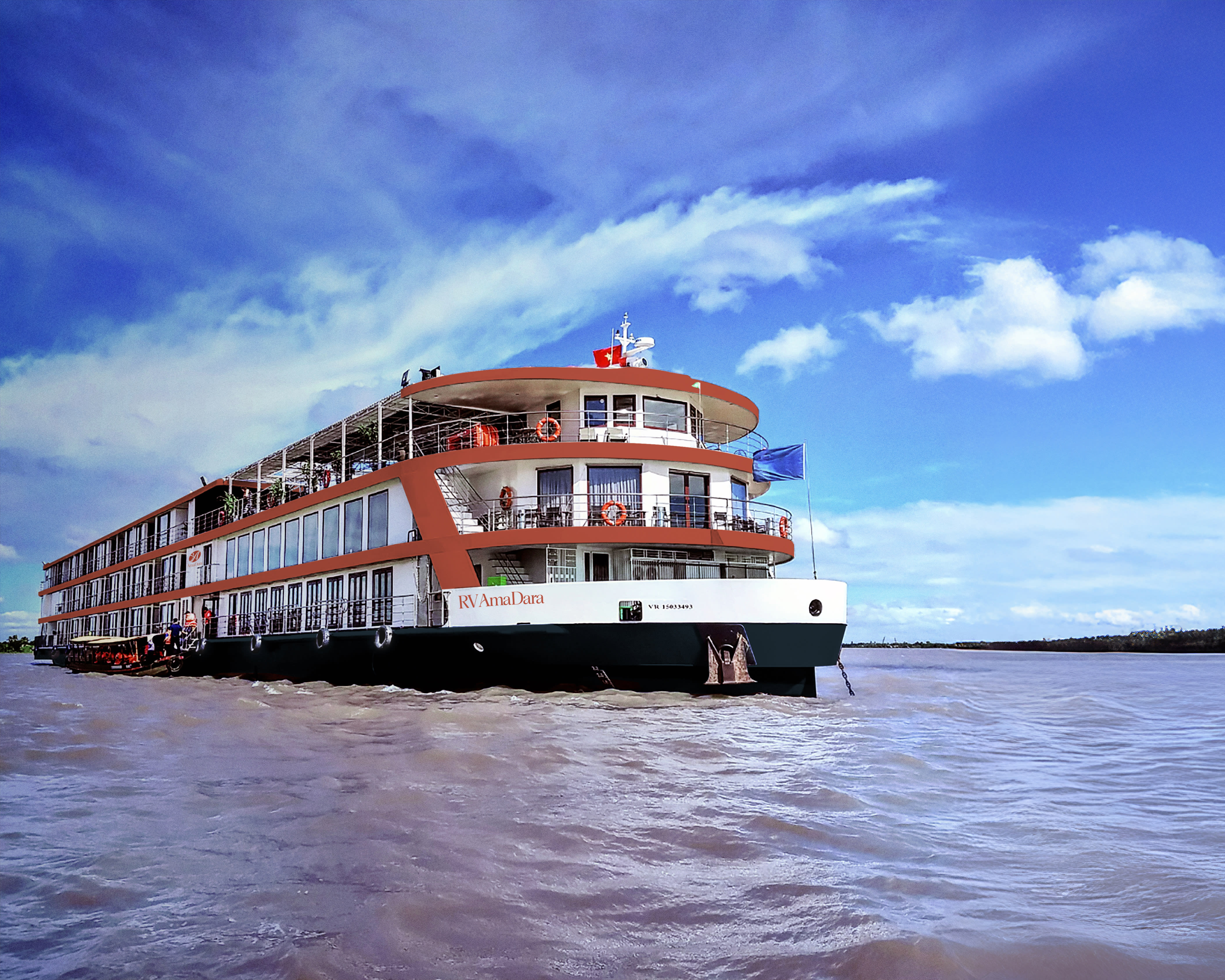
Image courtesy of AmaWaterways
Cambodia is primarily a river cruising destination, with the Mekong River connecting to Vietnam between Saigon (Ho Chi Minh City) and Phnom Penh. The route is seasonal since river water levels change, so sailing windows and direction can shift year to year. The journey can take between three to seven days depending on the direction and stops included.
On ocean itineraries, ships port at Sihanoukville on the Gulf of Thailand coast. The beaches provide the main draw and overnight port stays can sometimes include flight-based excursions to Siem Reap to explore Angkor Wat.
Popular itineraries
Mekong River (4–7 nights): Sailings run between Phnom Penh and Saigon, with most itineraries including time on the Tonlé Sap, Southeast Asia's largest freshwater lake. Optional land extensions push deeper into Vietnam's Mekong Delta or into Thailand.
Southeast Asia (7–14 nights): Ocean itineraries that call at Sihanoukville typically sail between Singapore and Hong Kong with stops at ports in Vietnam, Thailand, and sometimes Malaysia or the Philippines.
Notable river cruise lines
Aqua Expeditions: The most intimate and expedition-minded option on the Mekong, the Aqua Mekong carries just 40 guests across 20 suites. Floor-to-ceiling windows, a plunge pool, outdoor cinema, and culinary program create a luxurious but informal onboard experience.
Fora Perks include up to $100 onboard credit per guest.
AmaWaterways: The AmaDara, the line's signature Mekong vessel, reflects regional design influences alongside twin-balcony staterooms. All excursions, gratuities, and most beverages are included in the fare, and a culturally engaged program built around local guides.
Fora Perks include up to $250 shipboard credit per stateroom.
Uniworld Boutique River Cruises: The 60-guest Mekong Jewel offers an all-suite experience, a tiled sundeck pool, and a boutique hotel vibe. The fully packaged itinerary integrates pre- and post-cruise stays for a luxurious trip that’s thoughtful and engaging.
Fora Perks include up to $300 shipboard credit per stateroom.
Notable ocean cruise lines
Regent Seven Seas Cruises: Regent's casually elegant ships are all-suite, the fare is all-inclusive, and the clientele skews toward experienced travelers who want a luxe experience with all of the details carefully pieced together.
Virtuoso Voyages Hosted Benefits available on select sailings.
Oceania Cruises: Oceania's identity is built around food, leaning into the region's dishes that go beyond standard cruise menus. The onboard atmosphere reflects their adults-only model with cooking classes, a well-stocked library, and guest lecturers keeping sea days purposeful.
Virtuoso Voyages Hosted Benefits available on select sailings.
Princess Cruises: Princess ships are large, family-friendly, and full of amenities, with comprehensive shore excursion, dining, and entertainment options that make for a practical and accessible entry point for travelers new to the region.
Fora Perks include up to $100 shipboard credit per stateroom on select sailings.
Cambodia history and culture
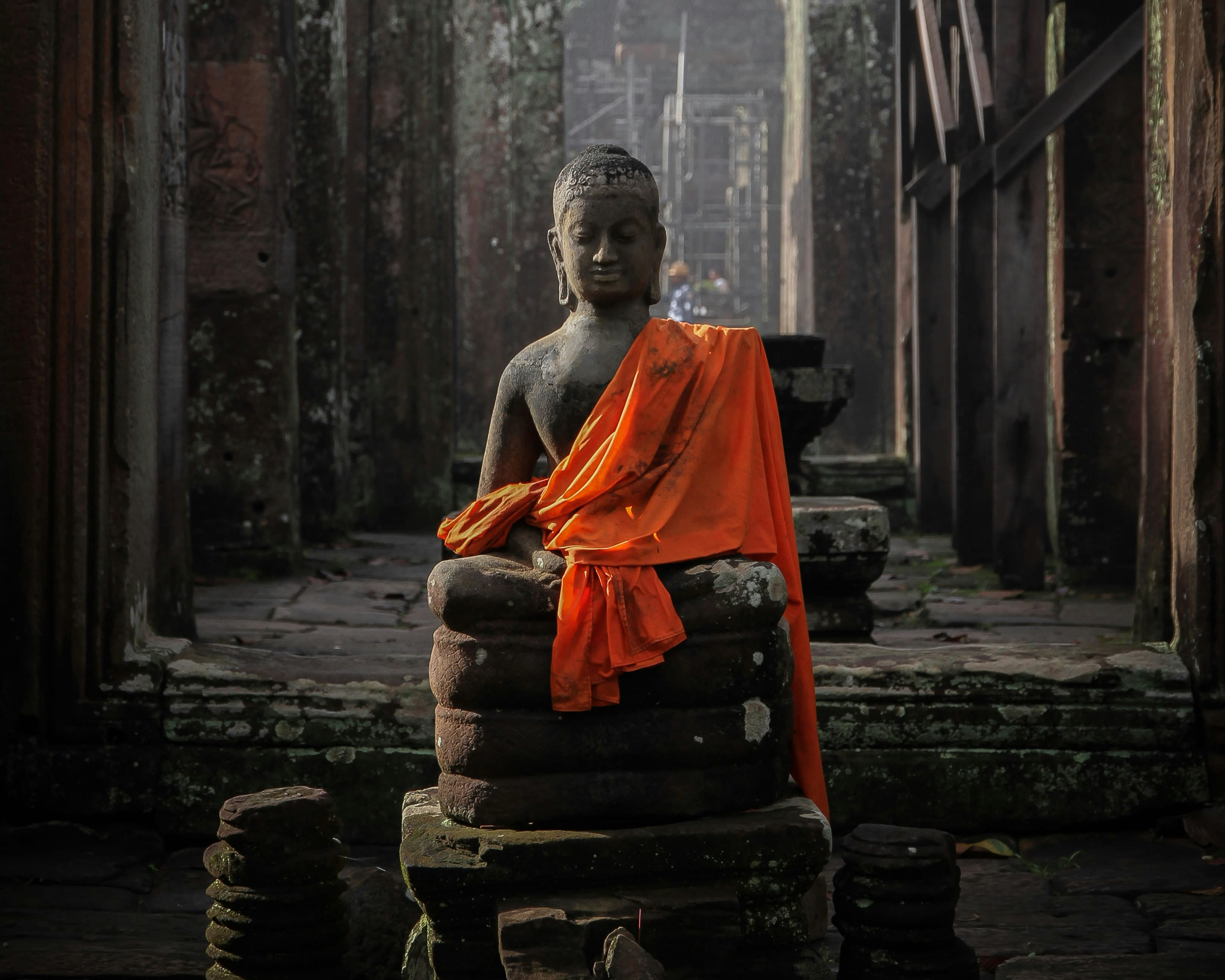
Cambodia's cultural identity is inseparable from the Khmer Empire, which dominated Southeast Asia from the 9th to the 15th century. At its peak, the Khmer capital of Angkor was among the most populous cities on earth, sustained by an elaborate hydraulic system that even irrigated the surrounding rice plains. The empire's decline came gradually through a combination of environmental stress, shifting trade routes, and pressure from neighboring kingdoms. By the 15th century, the capital had been abandoned and the center of Khmer power moved south toward present-day Phnom Penh.
Centuries of vulnerability followed—to Siamese and Vietnamese encroachment, to French colonial rule in the 19th and 20th centuries, and ultimately the violent Khmer Rouge regime from 1975 to 1979. The latter systematically targeted the educated, the urban, and the ethnically diverse, killing nearly a quarter of the country's population. That history is present in the age structure of the population, in the work of institutions like the Tuol Sleng Genocide Museum, and in a generational reckoning that Cambodians are still navigating.
The country that has emerged is young, complicated, and resistant to easy characterization. Buddhist temple culture, a growing contemporary art scene, and the living traditions of Khmer classical dance coexist with the ongoing work of rebuilding a society that was deliberately nearly destroyed.
Signature food and drinks
Fish amok: Cambodia's national dish is a delicate, mousse-like fish curry made with kroeung paste and coconut milk, steamed in a banana leaf until just set
Nom banh chok: The default Cambodian breakfast of fermented rice noodles topped with a bright green fish, lemongrass gravy, raw vegetables, and fresh herbs
Kuy teav: A pork or beef bone broth noodle soup finished tableside with fresh herbs, bean sprouts, lime, and fried garlic
Tuk-a-lok: A blended drink of tropical fruit—avocado, mango, or strawberry are common—condensed milk, and a raw egg yolk, poured over crushed ice
Palm wine: Tapped from the flowering stems of sugar palms and lightly fermented for a faintly sweet, and slightly sour drink
Cultural celebrations and events
Chaul Chnam Thmey/Khmer New Year (April, nationwide): The end of the harvest season is celebrated over three days, when temples fill with offerings, streets fill with water and powder, and traditional games play out in neighborhoods.
Royal Ploughing Ceremony (May, Phnom Penh): An ancient Brahmic ritual held at the Royal Palace, where oxen are led to troughs of rice, corn, sesame, and grass, and their choices are read by court Brahmins to forecast the harvest ahead.
Pchum Ben/Ancestors' Day (October, nationwide): Over 15 days, Cambodians mark one of the most spiritually significant periods of the year by visiting pagodas across to offer food to monks and make merit on behalf of deceased relatives.
Bon Om Touk/Water Festival (November, Phnom Penh): The annual reversal of the Tonle Sap River is marked with three days of dragon boat races, fireworks, and illuminated boat processions after dark.
Independence Day (November 9, nationwide): Cambodia marks its 1953 independence from France with ceremonies, parades, and Phnom Penh’s Independence Monument illuminated in the national colors at night.
What to do in Cambodia
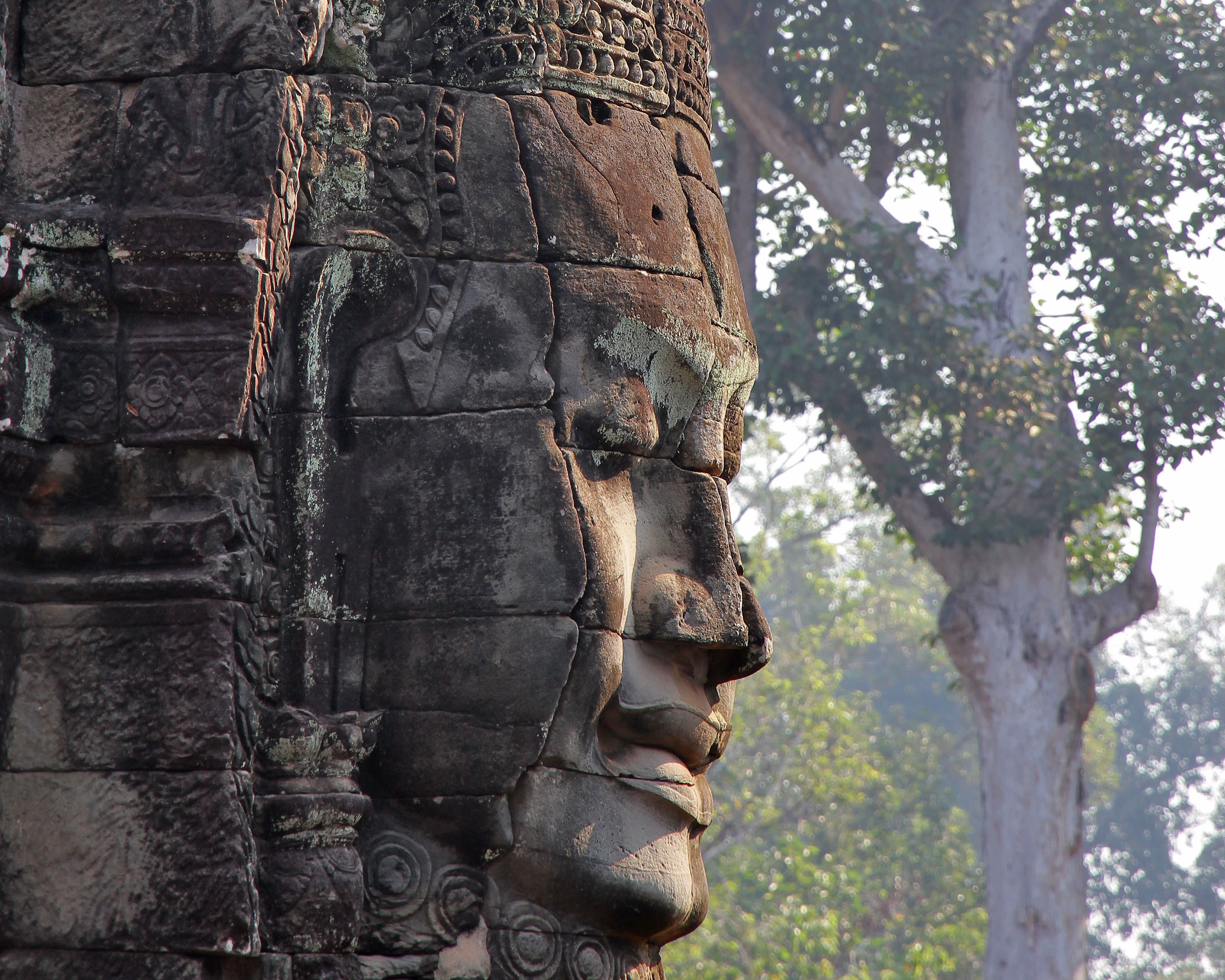
From awe-inspiring architectural marvels to the haunting history, and buzzing night markets, Cambodia offers an immersive journey through ancient empires and a resilient modern culture.
Siem Reap
Temple complexes: Angkor Wat delivers the iconic sunrise experience, while nearby Bayon impresses with carved stone faces, Ta Prohm remains tangled in tree roots, and Beng Mealea sits remote and swallowed by jungle. Tuk-tuks, bicycles, or foot paths allow for easy exploration at your own pace.
Tonlé Sap Lake: Stilted and floating villages like Kampong Phluk and Kampong Khleang showcase resilient waterborne communities living in harmony with the seasonal rise and fall of Southeast Asia’s largest freshwater lake.
Culture and arts: Wander the Old Market, visit local artisan workshops, examine artifacts at the Angkor National Museum, or take in an evening Apsara dance performance highlighting traditional Cambodian heritage.
Phnom Penh
Royal Palace and Silver Pagoda: The city’s defining landmarks showcase Cambodia’s royal heritage through ornate architecture, thousands of solid-silver floor tiles, and sacred treasures like the Emerald Buddha and a diamond-studded gold statue.
Tuol Sleng and Choeung Ek: The former S-21 prison and the memorial grounds at the Killing Fields offer a sobering, essential look into Cambodia’s Khmer Rouge history through preserved historic sites and survivor accounts.
Museums and markets: The National Museum houses the world’s largest collection of Khmer sculpture, while the Art Deco Central Market and bustling Russian Market offer stalls packed with local crafts, textiles, and street food.
Riverside escapes: Sisowath Quay and BKK1 highlight the capital's modern side with riverside cafés, rooftop bars, and the hidden cocktail spots of Bassac Lane. For a quieter escape, cycle across Silk Island (Koh Dach) to see traditional weaving communities.
Where to eat in Cambodia
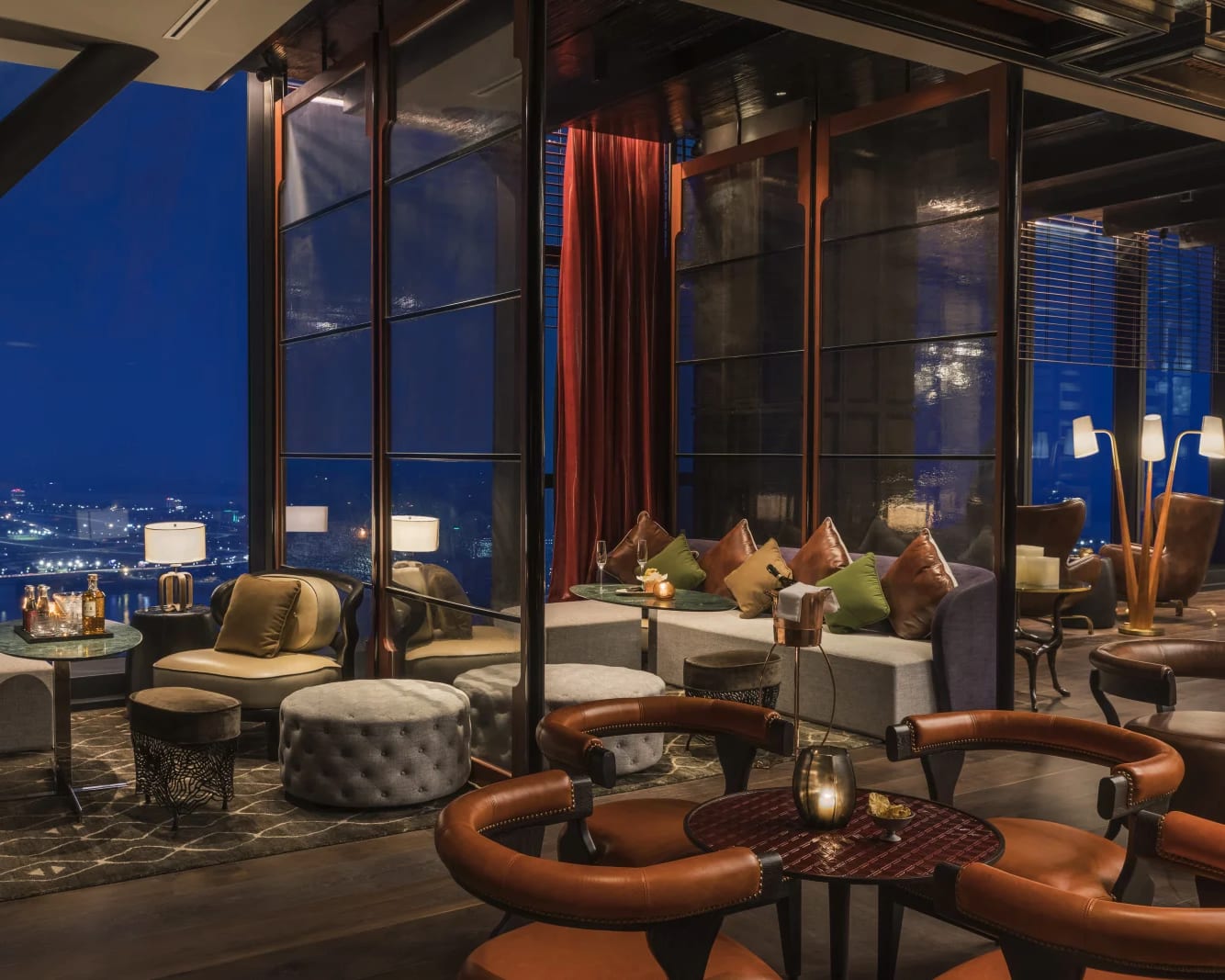
Image courtesy of Sora at Rosewood Phnom Penh
Cambodia’s restaurant scene is an exciting culinary spectrum that spans traditional Cambodian stews, inventive French-Khmer fusion, and a world-class cocktail scene.
Siem Reap
Cuisine Wat Damnak: French chef Joannès Rivière transforms rare Tonle Sap lake fish and wild foraged fruits into ever-changing modern Khmer tasting menus.
Sister Srey: An iconic, riverfront social enterprise cafe serving ethical coffee, healthy power bowls, and hearty all-day breakfast options.
Elephant Bar at Raffles Grand Hotel d'Angkor: A grand, historic lounge renowned for its 1930s charm, signature Airavata cocktails, and extensive collection of fine spirits.
Olive: Sophisticated French and Mediterranean gastronomy served up in a restored colonial venue, celebrated for its refined seafood, lamb, and flawless service.
Chanrey Tree: Classic, high-end Khmer cooking featuring river prawns and Kampot pepper served in a lush, open-air garden setting along the Siem Reap River.
Gelato Lab: A beloved artisanal parlor churning daily batches of authentic Italian gelato and sorbet using fresh local fruits and imported ingredients.
The Hashi: A sleek, contemporary venue showcasing masterfully crafted sushi, sashimi, and rare imports of premium Kobe beef.
Abacus: Fine French cuisine and exceptional wines enjoyed in an elegant glass-walled dining room and romantic garden terrace.
The Little Red Fox: An artisanal espresso bar in the Kandal Village district, famed for locally sourced organic beans, creative teas, and a vibrant community vibe.
Miss Wong Cocktail Bar: A moody, velvet-and-lantern-lit lounge channeling 1920s Shanghai, famous for its house-infused gin punch and dim sum.
Phnom Penh
Topaz: A legendary fine dining spot serving impeccably executed French haute cuisine in an opulent dining hall adorned with Baccarat crystal.
Wild: A verdant, hidden garden oasis loved for its relaxed nature-filled vibe, creative artisan cocktails, and a menu of gourmet, tapas-style spring rolls.
Le Langka: A chic, atmospheric neighborhood bistro celebrated for its intimate setting and blending of French and Mediterranean flavors.
AURA: A sophisticated, two-story restaurant and outdoor lounge on Bassac Lane, featuring charcoal-grilled meats, live acoustic sets, and premium cocktails.
Sora at Rosewood Phnom Penh: This glamorous sky bar pairs 360-degree panorama views with high-end Japanese whiskies and eco-conscious, local vermouth infusions.
Trips to add on
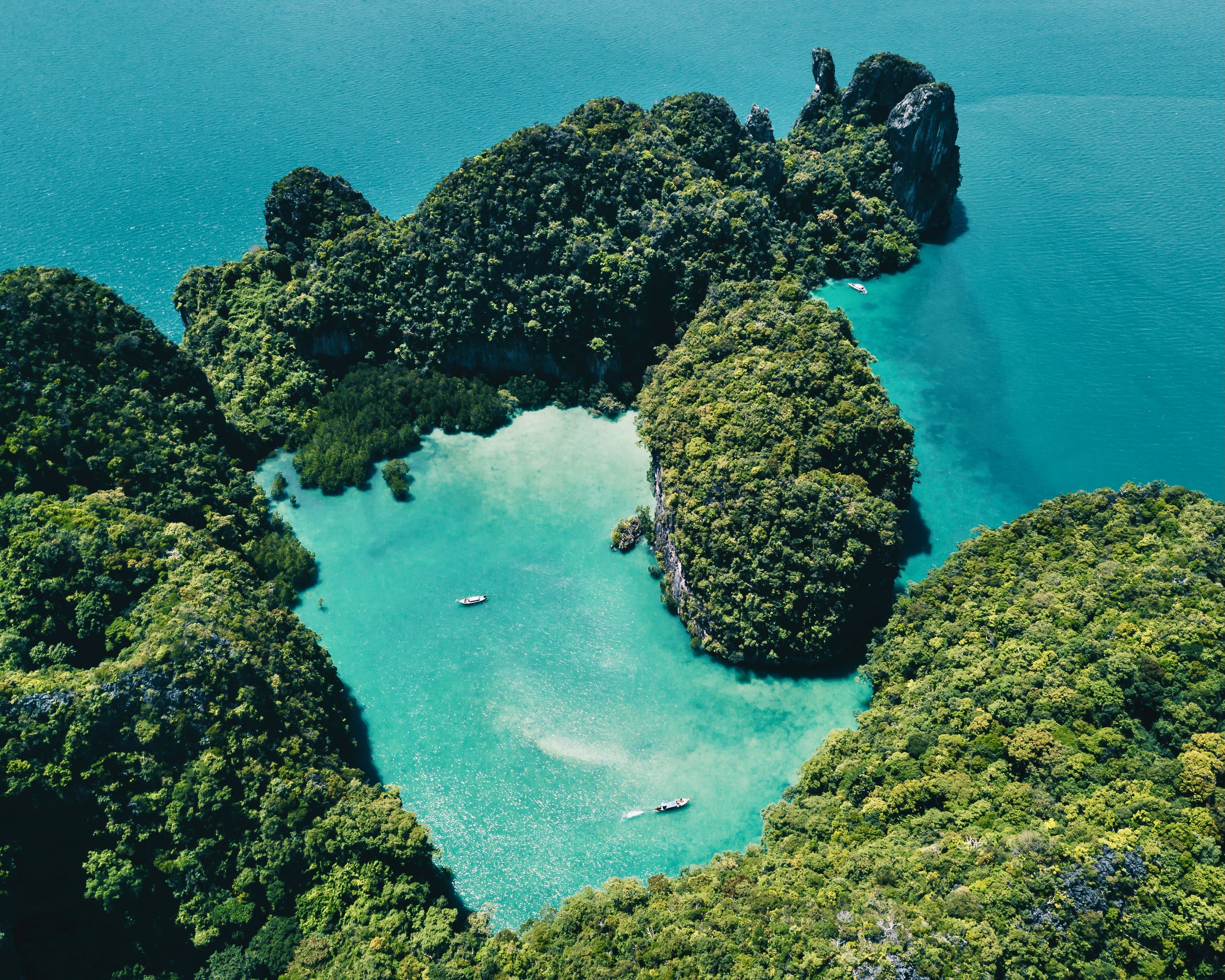
Pairing Cambodia's ancient ruins with wider Southeast Asia effortlessly bridges the gap between Khmer heritage and mega-metropolises, pristine coastlines, or mountain kingdoms.
Thailand (1-1.5 hour flight): Pair the tranquil spirituality of Cambodia's temples with Bangkok’s high-octane rooftop bars, the white-sand beaches of Koh Samui, and world-class luxury resorts in Phuket.
Vietnam (1–2 hour flight): Transition from the fast-paced culinary energy of Ho Chi Minh City to the timeless, lantern-lit trading ports of Hoi An.
Laos (1.5-2 hour flight): Maintain a deeply spiritual, slower-paced journey to this landlocked mountain kingdom with early-morning Buddhist almsgiving rituals and untamed jungles.
Singapore (2-hour flight): Serving as a sleek, hyper-modern contrast to Cambodia, this pristine city-state offers a futuristic playground of botanical design, Michelin-starred street food hawker centers, and high-end shopping.
Hong Kong (3-hour flight): This electric, vertical metropolis combines a dramatic neon-lit skyline, historic deep-harbor ferries, and a legendary global dim sum and cocktail scene.
If not Cambodia…
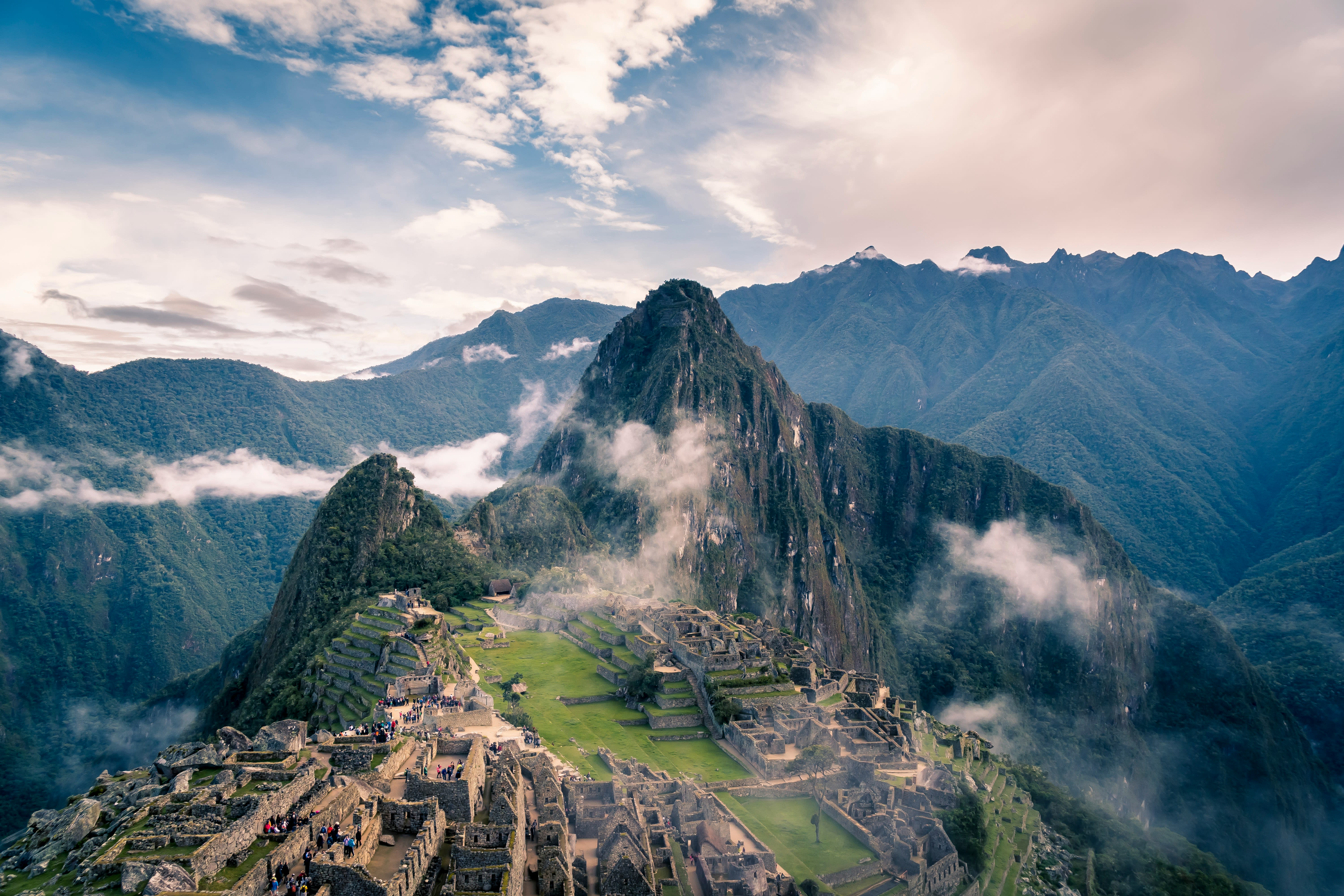
If you’re fascinated by Cambodia’s sprawling, jungle-shrouded temples, several legendary archaeological wonders offer a sense of discovery around the globe.
Machu Picchu, Peru: Hidden high within the misty peaks of the Andes, this iconic 15th-century Incan citadel swaps tropical jungle for dramatic, terraced mountain ridges and precision-cut stone palaces.
Tikal, Guatemala: Deep within the dense, wildlife-rich rainforests of the Maya Biosphere Reserve, this massive ancient Maya metropolis showcases soaring limestone temple pyramids that pierce the jungle canopy amidst the calls of howler monkeys.
Borobudur, Indonesia: The world’s largest Buddhist temple dates to the 9th century, rising like a massive stone pyramid and offering a deeply spiritual journey through nine stacked, relief-carved terraces and 72 perforated stupas.
Petra, Jordan: This ancient Nabataean capital offers a desert alternative, where monumental tombs, temples, and an entire classical city were elaborately carved directly into vibrant, red sandstone canyon walls.
Egypt: Standing as the ultimate heavyweight of antiquity, the colossal Pyramids of Giza to the carved tomb walls of the Valley of the Kings rival the staggering engineering scale and deeply institutionalized sacred art found in Cambodia.
Chichén Itzá, Mexico: This grand Maya-Toltec capital showcases a magnificent architectural display and ancient astronomy, anchored by the iconic El Castillo pyramid, which reflects a sophisticated cosmic alignment that closely mirrors the sacred layouts of the Khmer temples.