

Image courtesy of Princess Cruise Line
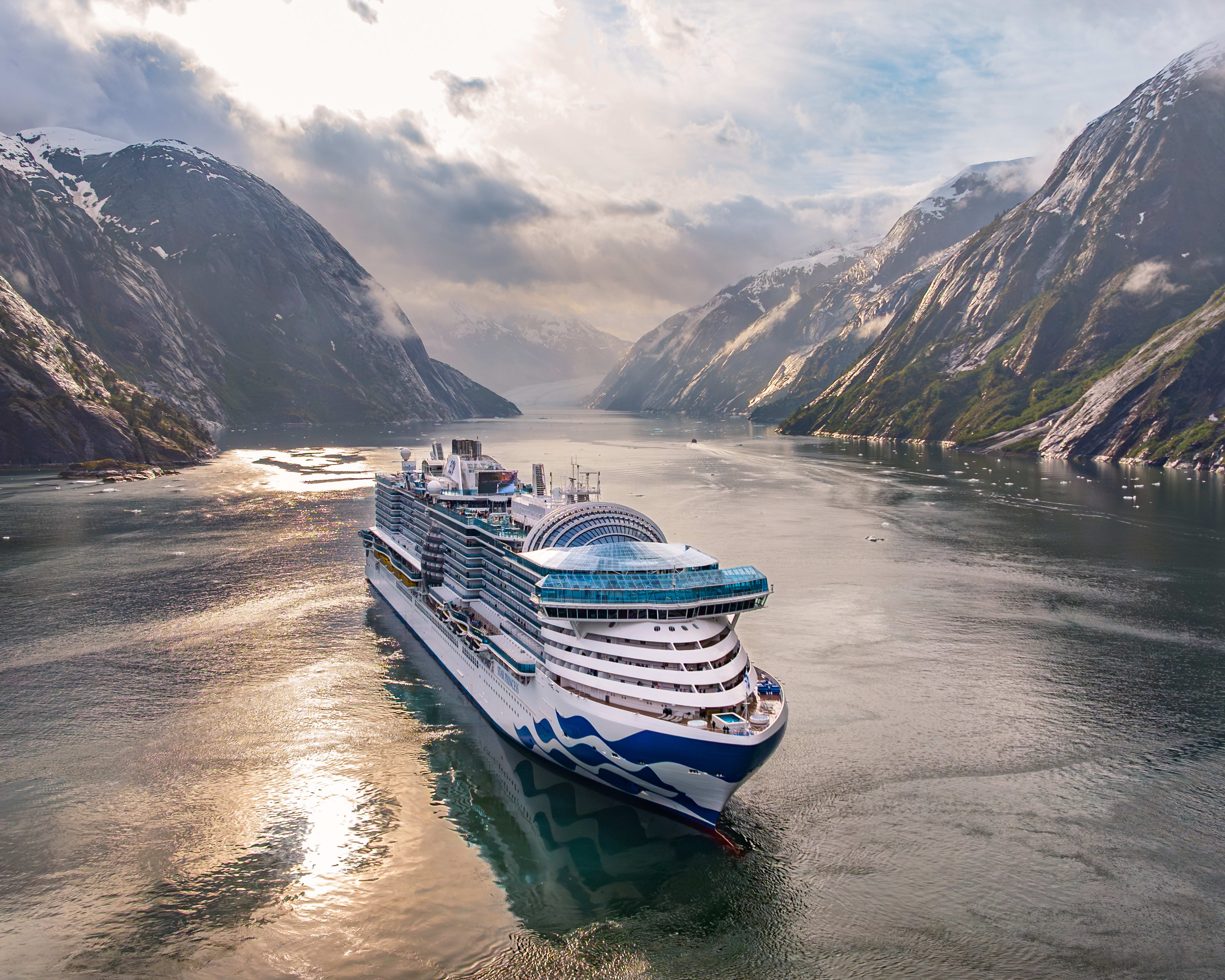
An Alaska cruise is a voyage through raw wilderness, where deep fjords, ancient tidewater glaciers, and moss-draped rainforests define the horizon. The journey weaves together iconic port calls, from Gold Rush boomtowns to coastal communities rich in Alaska Native heritage. Days on the water bring front-row encounters to calving ice sheets, humpback whales, and bald eagles—while inland extensions open up the vast interior of Denali National Park and the Yukon. Combined with fresh wild seafood, historic rail lines, and aviation-driven remote access, a cruise to “The Last Frontier” delivers a balance of rugged wilderness adventure for one of the most memorable ways to experience Alaska.
Need to know
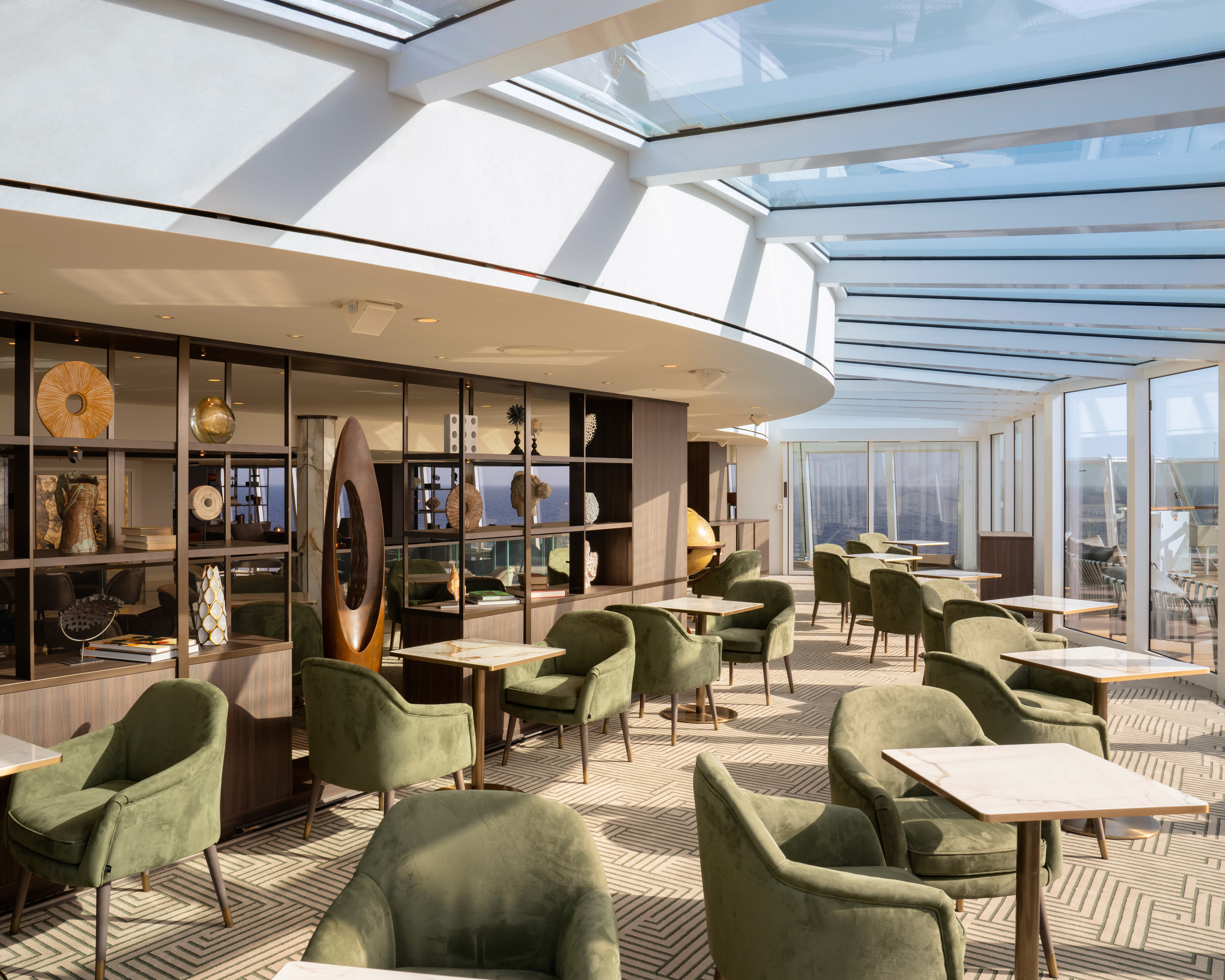
Image courtesy of Explora Journeys
From deciding the best itinerary to navigating high-demand shore excursions and variable inclusion packages, knowing some key logistics can help when planning an Alaska cruise.
Departure ports and airports
Seattle (SEA) and Vancouver (YVR) serve as the primary gateways for Alaska cruises, offering standard roundtrip Inside Passage itineraries alongside one-way northbound sailings. One-way southbound routes generally originate in Seward or Whittier for Anchorage (ANC), with Juneau (JNU) handling a smaller mix of roundtrip expedition cruises and one-way small-to-midsize luxury sailings connecting back to Seattle or Vancouver.
Although more limited in offerings, extended 14+ night roundtrip voyages depart from San Francisco (SFO, OAK) and Los Angeles (LAX, SNA, LGB). Select transpacific sailings repositioning between Tokyo (NRT, HND) and Seattle or Vancouver often stop in Alaska.
Transportation
For convenient transfers, many cruise lines offer dedicated shuttle services between airports, hotels, and cruise terminals. Booking a private driver or rideshare is another convenient option for more privacy. If departing from Anchorage, be aware that the Whittier port requires a 1.5-hour drive, while Seward is roughly a 3-hour drive—though taking the Alaska Railroad to Seward offers a scenic alternative through mountain passes and past coastal fjords.
Once docked in port, cruise line excursions pick up and drop off directly at the pier. Independent travelers may opt to explore port towns on foot or arrange private tours and local drivers—but take note of port departure times to know when to be back onboard.
Itineraries
Alaska itineraries are generally split into three types of offerings.
Inside Passage: These roundtrip voyages tend to be the most common. They sail a network of islands and fjords from Washington to British Columbia and Southeast Alaska. Offering the simplest logistics, travelers arrive and depart from the same port, often from Seattle or Vancouver.
Gulf of Alaska: One-way northbound or southbound sailings that traverse the more northern Prince William Sound region and broader Gulf of Alaska, venturing between Vancouver or Seattle and the ports of Seward or Whittier.
Cruise tours: This third option pairs a one-way Golf of Alaska sailing with two to 10 nights of land travel. These packages bundle domed railcar tours, motorcoach transfers, luggage handling, and wilderness accommodations into a single booking. Princess Cruises and Holland America Line are the primary operators in this space, as the only lines owning their own lodges near Denali National Park. Tours then offer optional extensions to places like Fairbanks, the Canadian Yukon, the Kenai Peninsula, and the Copper River region.
Best time to visit
Alaska’s cruise season runs from April through early October, with peak conditions in June through August for the warmest weather, vibrant vegetation, and prime wildlife viewing. Shoulder-season sailings in spring (April–May) and fall (September–October) offer cheaper fares, though travelers may see colder, rainier weather, sparser foliage, and less wildlife.
What to wear
Layering is essential for Alaska's unpredictable climate. Pack moisture-wicking base layers, insulating fleece or cozy knits, and a windproof, waterproof rain shell. Aboard the ship during daytime and in port towns, jeans, sweaters, and comfortable walking boots work seamlessly. Waterproof gear and sturdy outdoor footwear are non-negotiable for wilderness excursions. Some cruise lines may have formal evenings and other dress codes to be aware of.
Travel tips
Port arrivals: Arrive at your departure gateway one to two days before your cruise in case of unexpected flight delays, lost luggage, or canceled connections.
Inclusions: Cruise fare structures vary widely—some bundle drink packages, Wi-Fi, and gratuities into the price, while others charge extra for these perks.
Room selection: Choosing an unobstructed balcony cabin ensures private, uncrowded glacier and scenery viewing away from crowded top decks. On one-way routes, select the port or starboard side based on whether you prefer coastal land or open ocean views.
Shore excursions: High-demand activities like helicopter glacier landings and private boat charters carry premium price tags and sell out months in advance, making early booking essential for securing desired tours.
Itinerary flexibility: Weather conditions can alter sailing routes, but so can geological instability and landslide risks—Tracy Arm Fjord, a once popular scenic cruising destination, is closed for the foreseeable future due to a 2025 landslide.
Accessibility tips
Book early: Accessible cabins are usually limited, and are often the first to get booked.
Plan ahead for special requests: Many cruise lines require you to inform them well in advance of sailing (30-90 days) if you have food allergies, require sign language interpreting, need special equipment, or have other accessibility needs. Check with your cruise line about specific requirements.
Read the fine print on excursions: Excursions are not always fully accessible even if they indicate accessibility. For example, the activity itself may be accessible but you may still need to walk up three or four steps for coach transportation. Always double check with the cruise line directly to ensure the excursion is truly accessible.
Ask for accessible taxis: Accessible taxis are pretty easy to find in most Alaska ports. Go to the designated taxi line and let them know you need an accessible taxi. Visitor centers can also be very helpful for finding transportation.
Contemporary and mainstream cruise lines
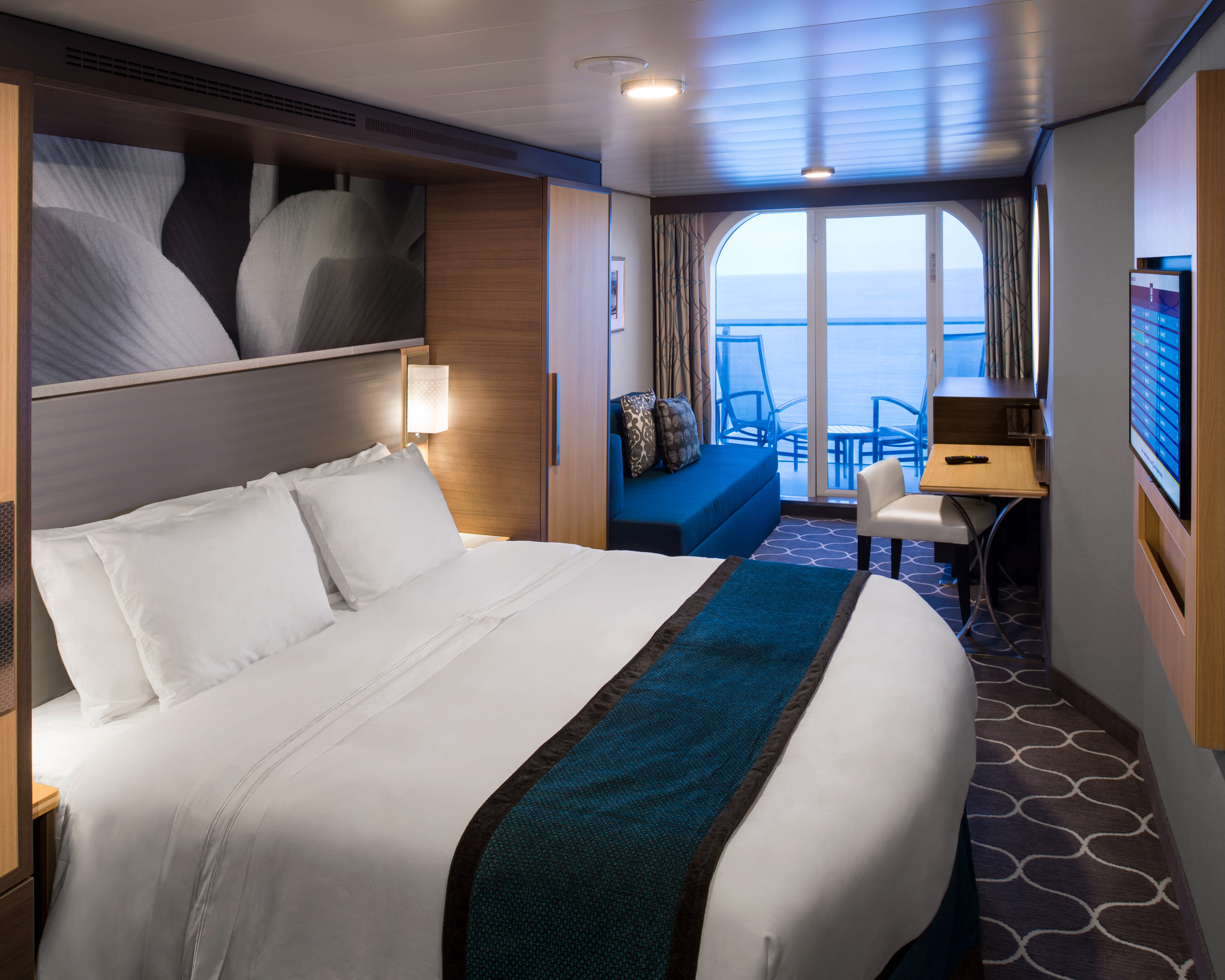
Image courtesy of Royal Caribbean
Contemporary and mainstream cruise lines tend to operate mid-size to large ships that prioritize high-energy variety and family-friendly accessibility. Ships can function as destinations in their own right, featuring amenities like water parks, Broadway-style theatrical productions, and dedicated youth clubs. Onboard dining emphasizes flexibility and choice, including open-seating buffets and traditional main dining rooms as well as diverse specialty venues. Designed for broad appeal—from multi-generational families to young couples to first-time cruisers—these lines offer the most feature-rich environments to complement larger ports of call and scenic cruising days at sea.
Who to sail
Princess Cruises: Large, well-established ships offer a classic cruise experience with broad appeal, featuring reliable service, extensive dining options, and comprehensive entertainment alongside deep destination expertise.
Fora Perks include up to $100 shipboard credit per stateroom on select sailings.
Royal Caribbean: Famous for pioneering the mega-ship concept, Royal Caribbean delivers high-energy, action-packed ships filled with deck-top innovations like surf simulators and climbing walls, extensive youth clubs, and multi-venue entertainment hubs.
Fora Perks include a specialty dining experience for balcony cabins and above, plus a spa treatment for Junior Suites and above on select sailings.
Premium cruise lines
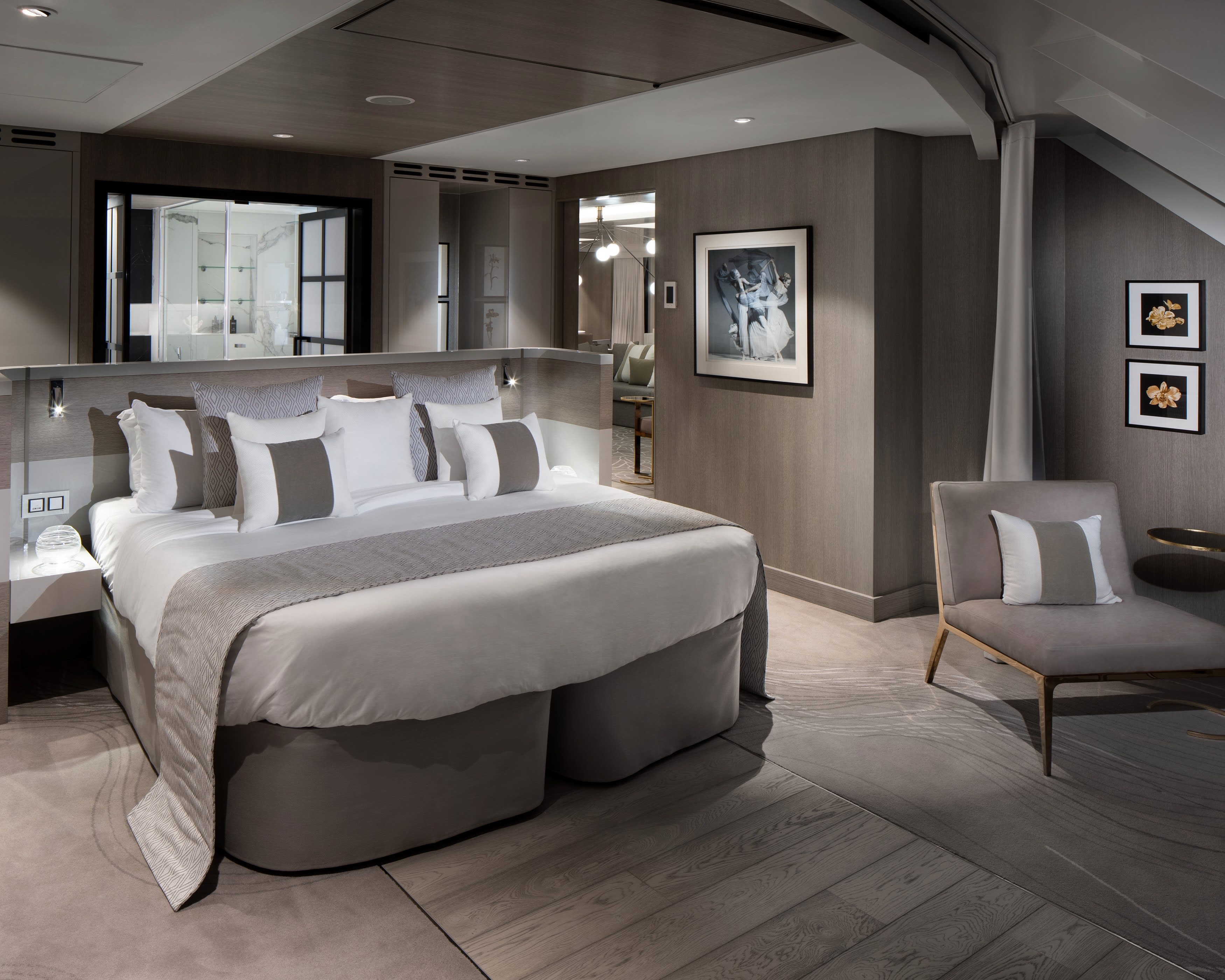
Image courtesy of Celebrity Cruises
Premium cruise lines prioritize refined atmospheres, destination-led itineraries, and elevated service. Ships in this tier range from mid-sized boutique vessels to larger mid-sized flagships, swapping out high-adrenaline deck attractions like water parks and thrill rides for sophisticated lounges, pool solariums, live music venues, and expansive spa complexes. The onboard experience emphasizes culinary quality through partnerships with world-class chefs, along with cultural lectures and culturally-rich shore excursions. Designed primarily for couples, solo travelers, and mature adults seeking an unhurried, upscale vacation.
Who to sail
Holland America Line: Carrying a traditional maritime aesthetic, Holland America focuses on an unhurried, adult-oriented experience centered around live music venues, refined regional dining, and enriched destination programming.
Fora Perks include a $100 shipboard credit per stateroom on select sailings, and dinner for two at the Music of Denali dinner theater for verandah and above staterooms on any Alaska cruisetour.
Azamara: Operating mid-sized boutique ships, Azamara centers its identity on destination immersion with extended port stays, frequent overnight calls, and evening cultural events designed for travelers who want to explore beyond the pier.
Fora Perks include up to $200 shipboard credit per stateroom on select voyages. Virtuoso Voyages Hosted Benefits also available on select sailings.
Celebrity Cruises: Sleek, design-forward ships emphasize elevated culinary offerings, modern wellness, and sophisticated style that delivers a relaxed, adult-leaning environment that sits a step above mainstream cruising.
Fora Perks include up to $200 onboard credit per stateroom on select sailings.
Disney Cruise Line: Designed around high-touch family entertainment, Disney's ships blend immersive storytelling, rotational dining, and elaborate Broadway-style productions with dedicated adults-only lounges and dining venues for parents.
Luxury cruise lines
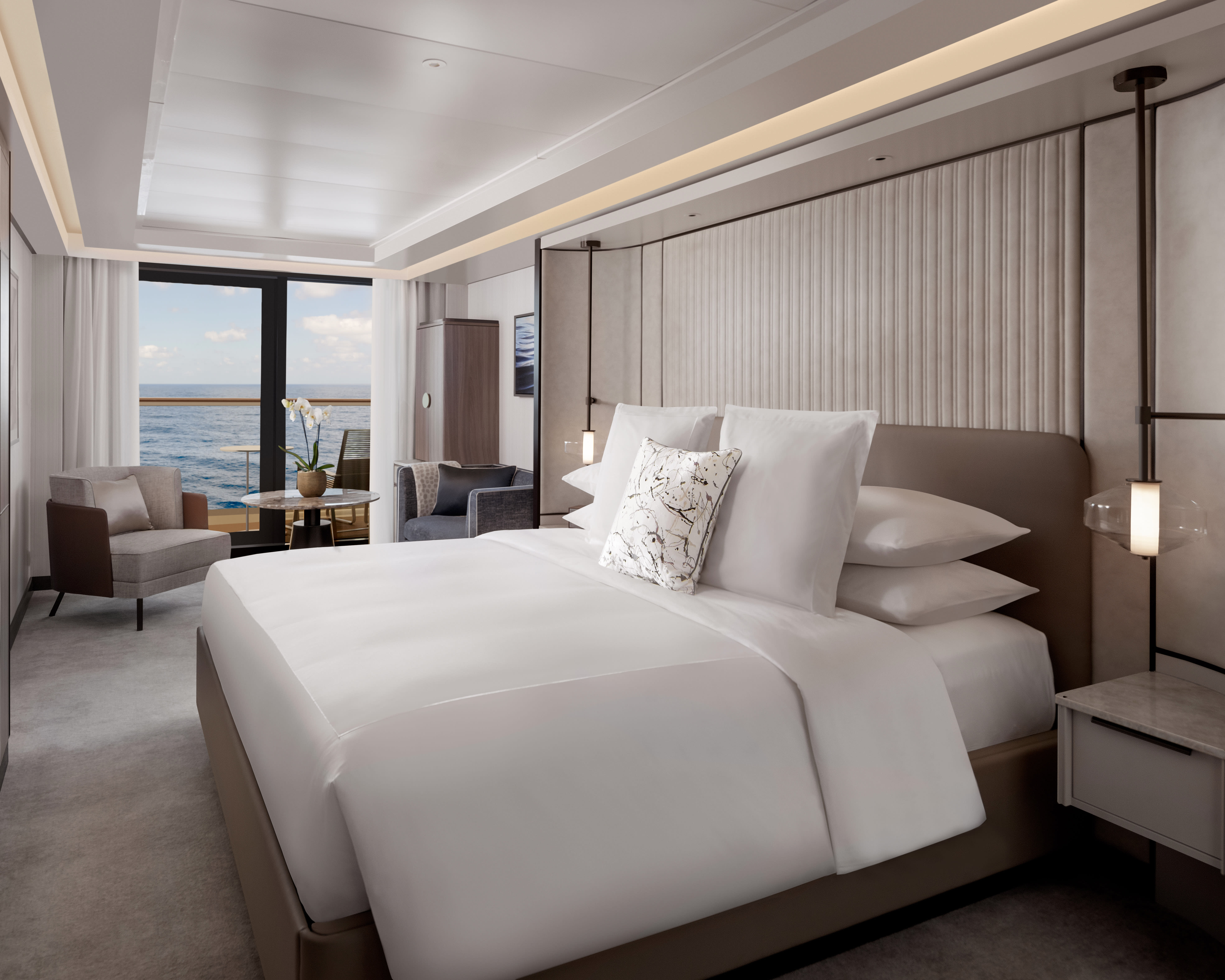
Image courtesy of Ritz Carlton Yacht Collection
Operating as all-suite boutique ships and private mega-yachts, luxury cruise lines prioritize maximum space, unhurried itineraries, and highly intuitive, personalized service. Ships in this tier feature expansive private balconies, residential-style suite layouts, and dining that focuses on open-seating gourmet culinary concepts. Daily schedules lean into cultural enrichment, expert-led lectures, and curated shore excursions. Operating on largely all-inclusive fare structures that bundle open bars, specialty dining, gratuities, Wi-Fi, and often shore excursions or transfers into the upfront price, these lines cater to couples and solo travelers seeking an exclusive, uncrowded atmosphere.
Who to sail
Regent Seven Seas Cruises: Offering an ultra-luxe, all-suite experience, Regent operates on a truly all-inclusive model that bundles gourmet dining, fine wines, shore excursions, and gratuities into a seamlessly managed voyage.
Virtuoso Voyages Hosted Benefits available on select sailings.
Explora Journeys: Combining European design elegance with a modern yacht-like feel, Explora offers spacious oceanfront suites, flexible non-seated fine dining, and an unhurried, residence-at-sea atmosphere.
Fora Perks include a €300 (about $350) Journey Experience Credit per stateroom on select voyages. Virtuoso Voyages Hosted Benefits also available on select sailings.
Ritz-Carlton Yacht Collection: Bringing the hotel brand's signature hospitality to sea, this line operates sleek superyachts featuring terrace-only suites, Michelin-inspired dining, and a waterside marina platform for private-yacht style cruising.
Fora Perks include $150 shipboard credit per guest, welcome amenity, exclusive shore excursion options, enhanced recognition on board, and more. Virtuoso Voyages Hosted Benefits available on select sailings.
Expedition cruise lines
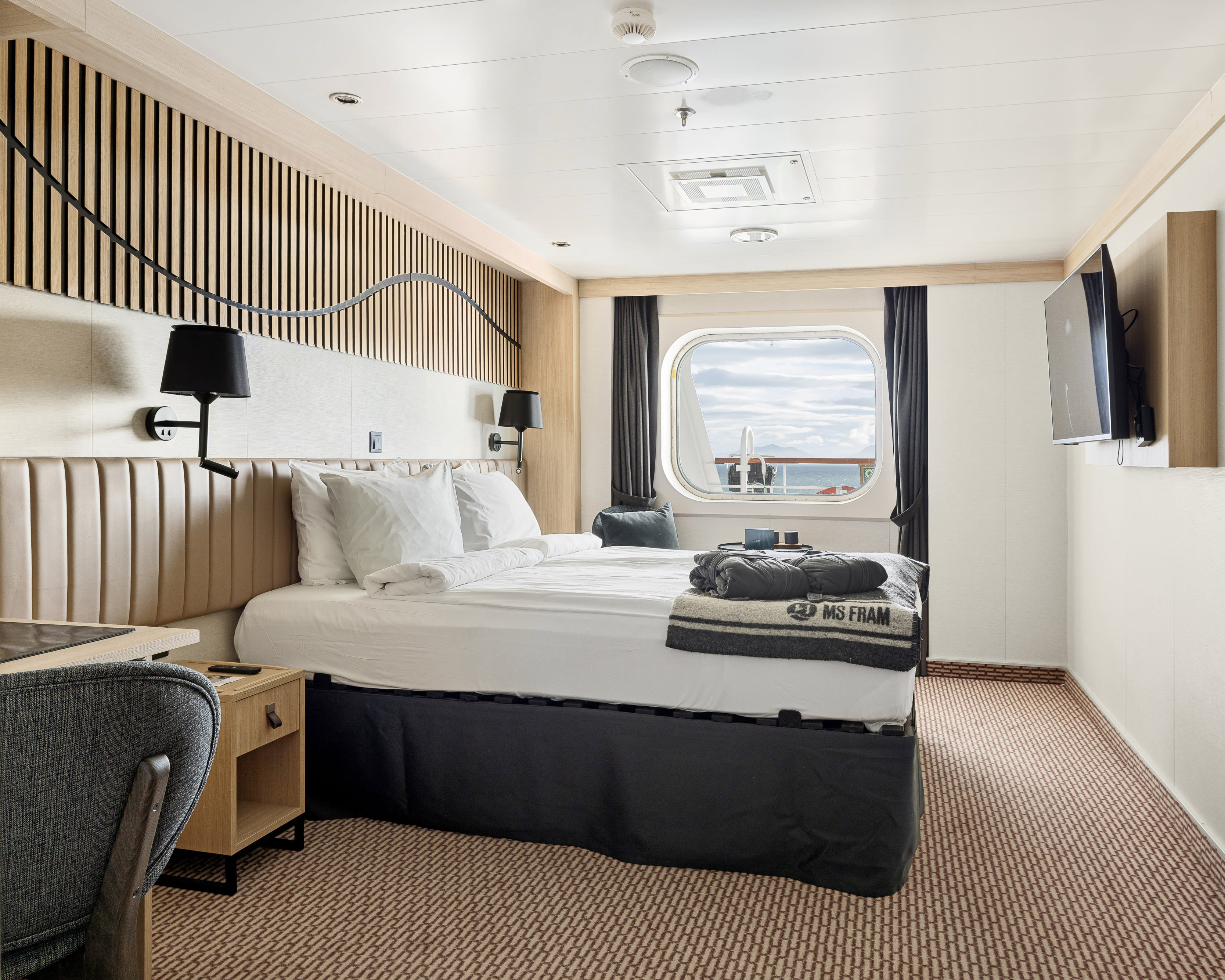
Image courtesy of HX Expeditions
Purpose-built for exploration in remote environments, expedition cruise lines prioritize destination immersion, active adventure, and scientific learning over traditional cruise amenities. These small vessels feature onboard science centers, panoramic observation lounges, and lecture halls. Daily schedules revolve around Zodiac shore landings, sea kayaking, guided wilderness hikes, and real-time wildlife tracking led by teams of marine biologists, naturalists, and historians. Itineraries remain deliberately flexible to adapt to shifting weather conditions and spontaneous nature sightings. Ranging from utilitarian small-craft operators to ultra-luxury polar vessels, these lines cater to active travelers seeking intimate, low-impact access to remote wilderness areas.
Who to sail
UnCruise Adventures: Operating ultra-small vessels accommodating just 22 to 86 guests, UnCruise focuses on active, off-the-beaten-path wilderness exploration with included daily kayaking, hiking, and intimate wildlife encounters far from big-ship ports.
Fora Perks include up to $200 shipboard credit per person.
HX Expeditions: Built on a deep Scandinavian heritage, HX operates ice-strengthened expedition ships equipped with onboard science centers and expert naturalist teams, prioritizing active field research and immersive eco-exploration.
Fora Perks include a $100 shipboard credit per person on select sailings.
Seabourn Cruise Line: Combining ultra-luxury with intuitive personalized service, Seabourn's line of purpose-built expedition vessels deliver Michelin-quality dining, open-bar inclusions, and curated access to both iconic ports and remote destinations.
Fora Perks include up to $250 shipboard credit per person.
Alaska history and culture
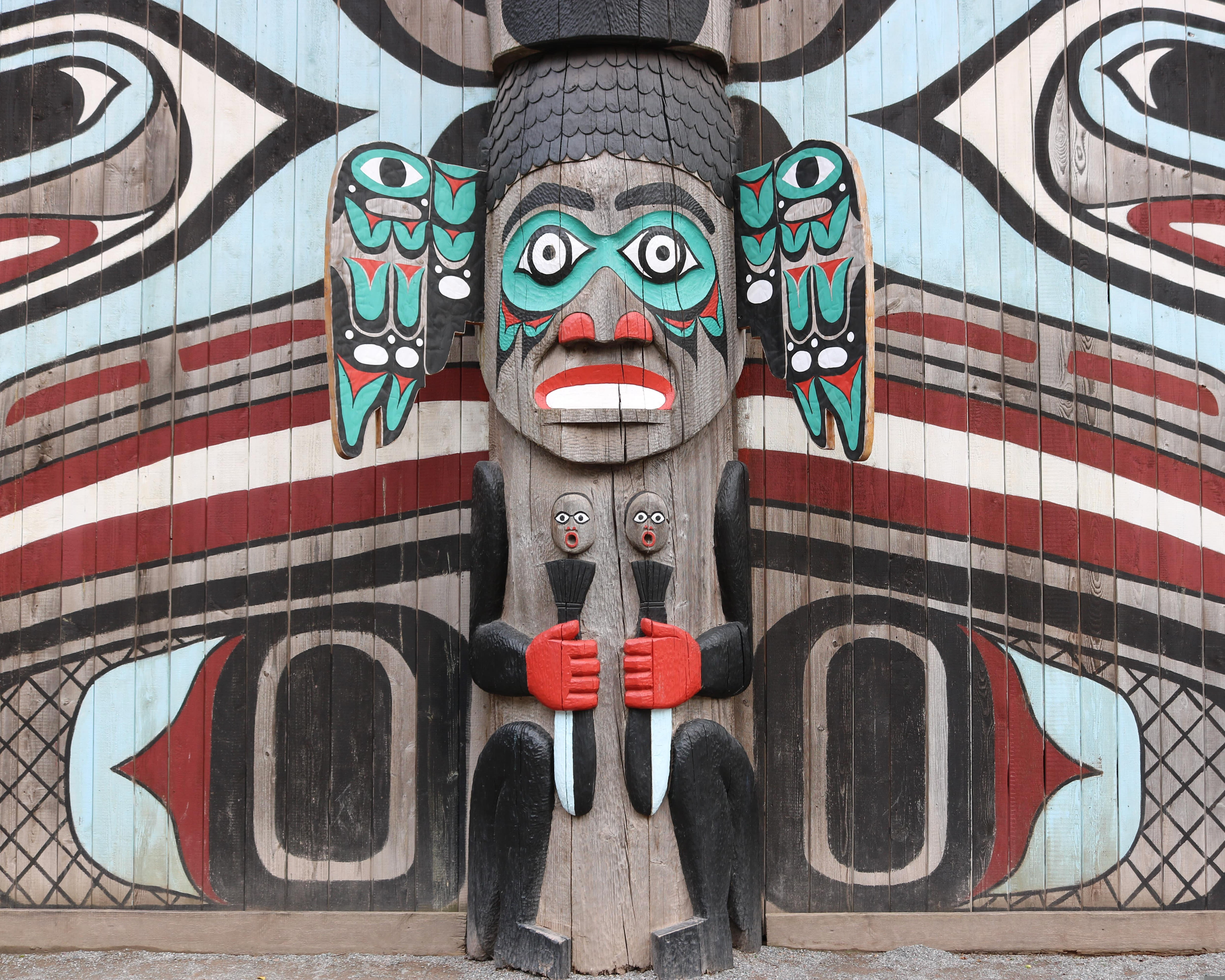
Before it became the 49th US state in 1959, Alaska was home to numerous Indigenous peoples, including the Tlingit, Haida, Tsimshian, Iñupiat, and Yup’ik. Their traditions, spiritual beliefs, and oral storytelling still shape local life across the state today. There are also echoes of Russian influence in towns like Sitka, as well as the wild frontier spirit of the late 19th-century Gold Rush era in Skagway's historic wooden storefronts and saloons.
Native cultural practices remain deeply woven into everyday life, from intricate totem carving in Southeast Alaska to traditional dance performances, blanket tosses, and community whaling festivals in the Far North. Landmark heritage centers and state parks throughout the state offer an immersive look into Alaska's distinct cultural story, proving that its human history is every bit as compelling as its dramatic natural landscapes.
Signature food and drinks
King crab legs: Large, sweet legs typically steamed and served with butter or lemon
Halibut cheeks: Considered a prized delicacy, these tender, medallion-sized cuts are often pan-seared in butter and paired with seasonal vegetables
Smoked salmon spread: A staple of Alaskan pantries, this rich blend combines cold-smoked wild salmon, cream cheese, and herbs
Reindeer sausage: Savory and lightly spiced with a distinct smokiness, served up at street carts and folded into hearty breakfast scrambles
Fireweed honey and goat cheese: A unique local pairing that layers floral honey made from wild fireweed blossoms and tangy, artisanal goat cheese
The Duck Fart: A legendary Alaska-born shot, constructed in three distinct, equal layers of Kahlúa, Baileys Irish Cream, and Crown Royal Canadian whisky
Chaga tea: A deeply earthy tea made from chaga mushrooms that grow on birch trees
Cultural celebrations and events
Alaska Native Heritage Center events (year-round, Anchorage): The ANHC serves as a premier cultural hub offering year-round programming like traditional storytelling, summer carving demonstrations, and deep insight into Alaska's Indigenous groups.
National Park Ranger Programs (all summer): Spanning iconic locations like Denali, Glacier Bay, and Kenai Fjords, these seasonal ranger-led hikes, talks, and interpretive programs offer an immersive way to explore local ecosystems and wildlife.
Sealaska Heritage Institute's Celebration (June, Juneau): Held biennially, this massive gathering brings together thousands of Tlingit, Haida, and Tsimshian people in Juneau for vibrant regalia, traditional song, and ceremonial dance.
Blueberry Festival (August, Ketchikan): A celebration of peak blueberry season in Southeast Alaska, featuring live music, lively pie-eating contests, and handmade crafts that highlight quintessential small-town charm.
Alaska State Fair (August–September, Palmer): A late-summer staple located northeast of Anchorage, famous for showcasing record-setting giant vegetables alongside live concerts, local crafts, and agricultural exhibits.
What to do in Alaska
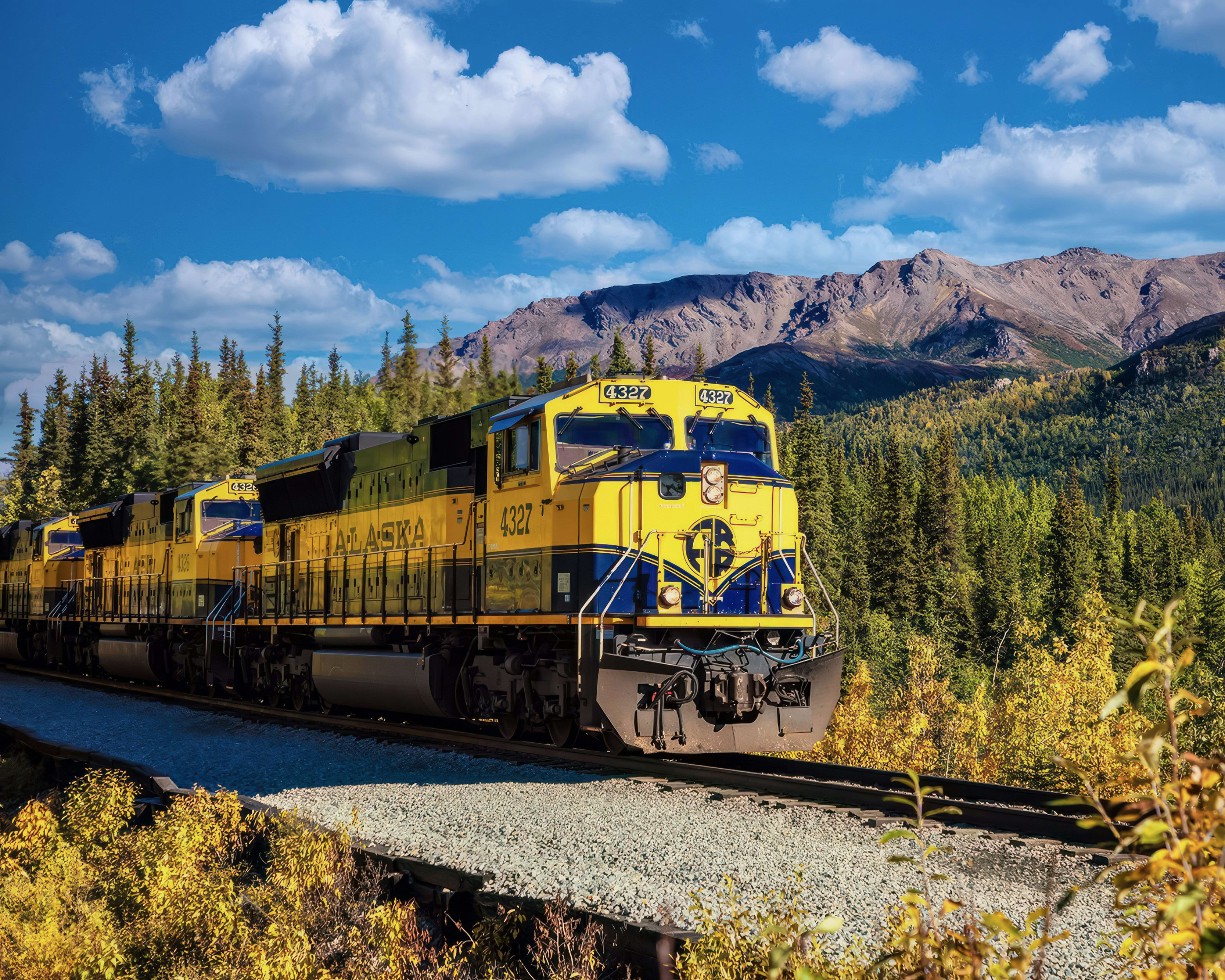
Alaska's coastal ports and interior stops deliver an incredible mix of tidewater glaciers, rich Indigenous heritage, Gold Rush history, and wilderness wildlife encounters.
Juneau: Alaska’s capital pairs glacier access with world-class whale watching, from Mendenhall Glacier to the Mount Roberts Tramway, and helicopter glacier landings with dog-sledding adventures. Accessible travel tip: At Mendenhall Glacier, the visitor center is wheelchair accessible, as are some of the trails; you can find an accessible taxi to take you there from the port.
Skagway: A remarkably preserved Gold Rush boomtown best known for the historic White Pass & Yukon Route Railway, which climbs steep mountain grades past waterfalls and gorges.
Ketchikan: A coastal hub rich in Tlingit and Haida totem parks, the historic Creek Street boardwalk, salmon fishing, and floatplane access to Misty Fjords National Monument. Accessible travel tip: Take a tour on one of the boats from TV’s Deadliest Catch, where you’ll learn about crab fishing and view local wildlife—it’s fully wheelchair accessible.
Sitka: This historic former Russian city offers a layered mix of Tlingit culture, moss-draped rainforest trails, and close encounters with bears and eagles.
Icy Strait Point: An Alaska Native-owned port near Hoonah built for adventure, boasting whale sightings, bear viewing, salmon fishing, and the world's largest ZipRider. Accessible travel tip: Take a wheelchair-accessible gondola and tram tour, offering spectacular mountaintop views and wildlife sightings.
Haines: A quieter, nature-focused port celebrated for the Chilkat Valley, pristine wilderness hikes, and exceptional bald eagle viewing along the riverbanks.
Anchorage: Alaska's largest city, offering the world's busiest seaplane base at Lake Hood, the Anchorage Museum, coastal biking along the Tony Knowles Trail, and birding at Potter Marsh.
Scenic cruising days: Non-docking days traversing iconic glacial waters, including ranger-narrated tours of Glacier Bay National Park and the advancing ice face of Hubbard Glacier.
Cruise tour destinations: Land-based extensions into the wild interior branch out to Denali National Park, the frontier town of Talkeetna, historic Fairbanks, the Kenai Peninsula, the Canadian Yukon, and beyond—depending on each cruise tour’s length.
Victoria, British Columbia: A popular Canadian port call on Seattle roundtrips, featuring the vibrant Inner Harbour, Canada's oldest Chinatown, the Royal BC Museum, and historic Craigdarroch Castle.
Where to eat in Alaska
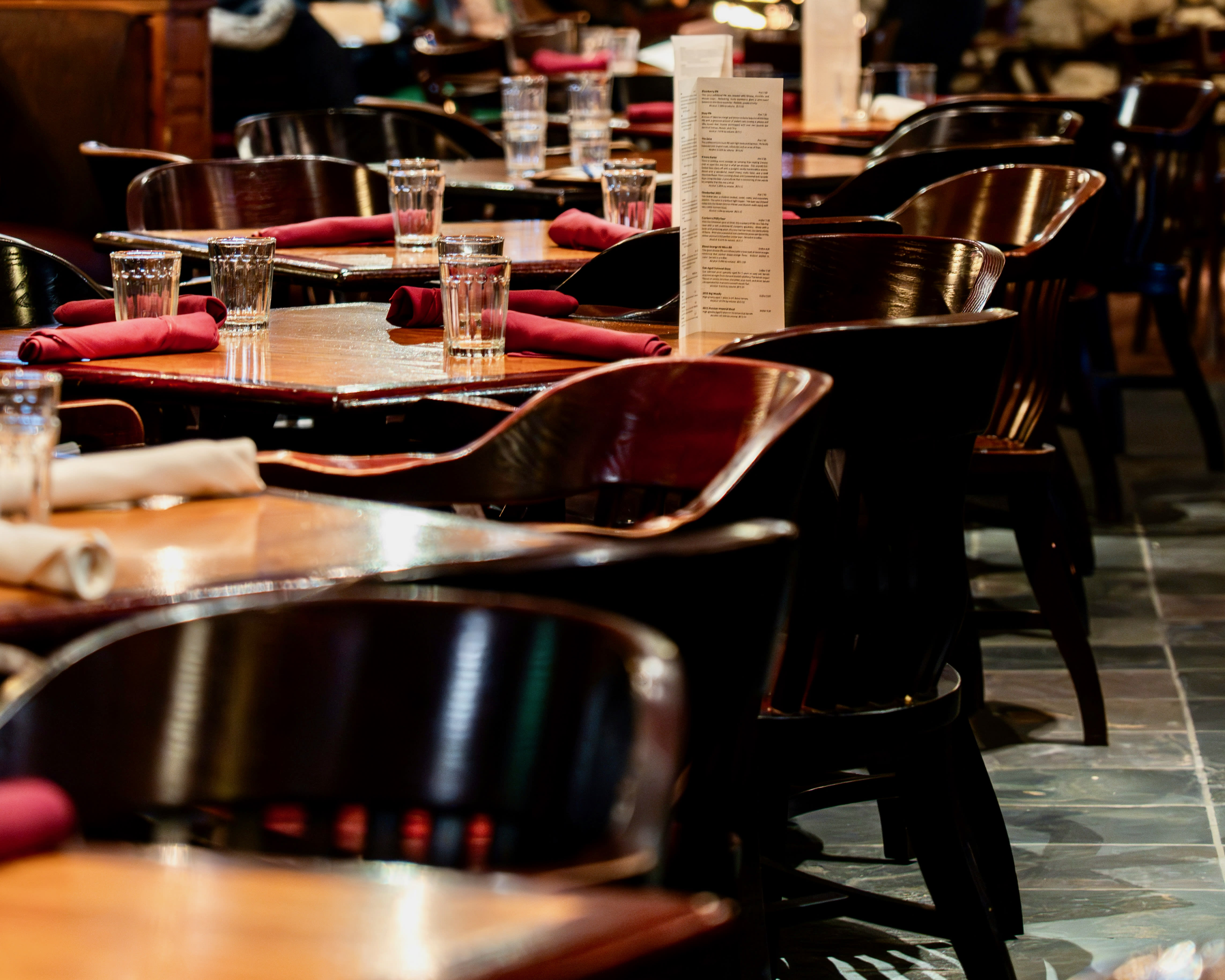
From waterfront crab shacks and historic brewpubs to elevated wilderness dining, Alaska's food scene highlights pristine wild seafood, hearty comfort staples, and distinct regional flavors.
Juneau
Red Dog Saloon: An iconic Western-style saloon with swinging doors and a sawdust floor, serving classic pub eats alongside the famous Duck Fart shot.
V’s Cellar: A cozy subterranean space featuring creative Mexican and Korean comfort food paired with a curated selection of beer and wine.
Carrillo's Caldo: A lively waterfront food stand serving Filipino street food, boba, and grilled skewers alongside exotic meats like bison and ostrich.
In Bocca al Lupo: An acclaimed Italian eatery led by a James Beard semifinalist chef, specializing in wood-fired pizzas, handmade pastas, and seasonal local ingredients.
The Rookery Cafe: A popular morning hub serving fresh pastries, specialty coffee, and elevated breakfast staples like custom omelets and rich eggs Benedict.
Tracy’s King Crab Shack: An iconic walk-up waterfront venue famous for its sweet Alaska king crab legs, rich crab bisque, and golden crab cakes.
Anchorage
Rustic Goat: An industrial-chic neighborhood gathering spot serving craft brews and an elevated menu of modern American comfort food.
Alaska Chopped and Chowdered: A relaxed seafood joint known for its loaded lobster rolls, rich clam chowder, and fresh local catches.
Moose's Tooth Pub & Pizzeria: A legendary, high-energy hangout famous for its inventive gourmet pizzas, psychedelic artwork, and house-brewed craft beers.
Crow's Nest: A fine-dining restaurant perched atop the Hotel Captain Cook, pairing French and New American cuisine with panoramic city views and an extensive wine list.
Gwennie's Old Alaska Restaurant: A historic local institution decorated with frontier relics and Native art, serving hearty, all-day homestyle breakfasts.
Ports of call
Channel Club (Sitka): An elegant waterfront steakhouse known for its prime cuts, fresh Alaskan seafood, and extensive wine list.
Timber & Tide (Ketchikan): A harborfront hotspot serving fresh seafood tacos like local halibut, salmon, and scallops alongside crispy fries and rich chowder.
The Cookery (Seward): A modern New American restaurant and oyster bar offering refined wild seafood, local craft beers, and an intimate atmosphere.
Skagway Brewing Company: A historic brewpub offering house-crafted microbrews, classic American pub fare, a game room, and a sheltered outdoor patio.
Il Terrazzo (Victoria, BC): An intimate Italian restaurant in a cozy courtyard, featuring brick fireplaces, candlelit tables, and a world-class wine list.
Alaska interior
Denali Brewpub (Talkeetna): A rustic frontier spot pairing house-brewed ales and craft cocktails with seasonal, locally sourced comfort food on an open deck.
49th State Brewing (Healy): A massive brewery and restaurant near Denali National Park serving craft beers, artisan pizzas, and hearty wild game burgers.
McKinley Creekside Café & Bakery (Denali): A charming stop serving all-day American classics, local reindeer sausage, and fresh daily baked goods.
The Pump House (Fairbanks): A historic surf ’n’ turf restaurant featuring Gold Rush-era antiques, a grand mahogany bar, and riverfront dining.
Blue Roof Bistro (Fairbanks): A warm, casual bistro serving elevated comfort food like wild salmon sliders, gourmet burgers, tacos, and prime steaks.
Trips to add on
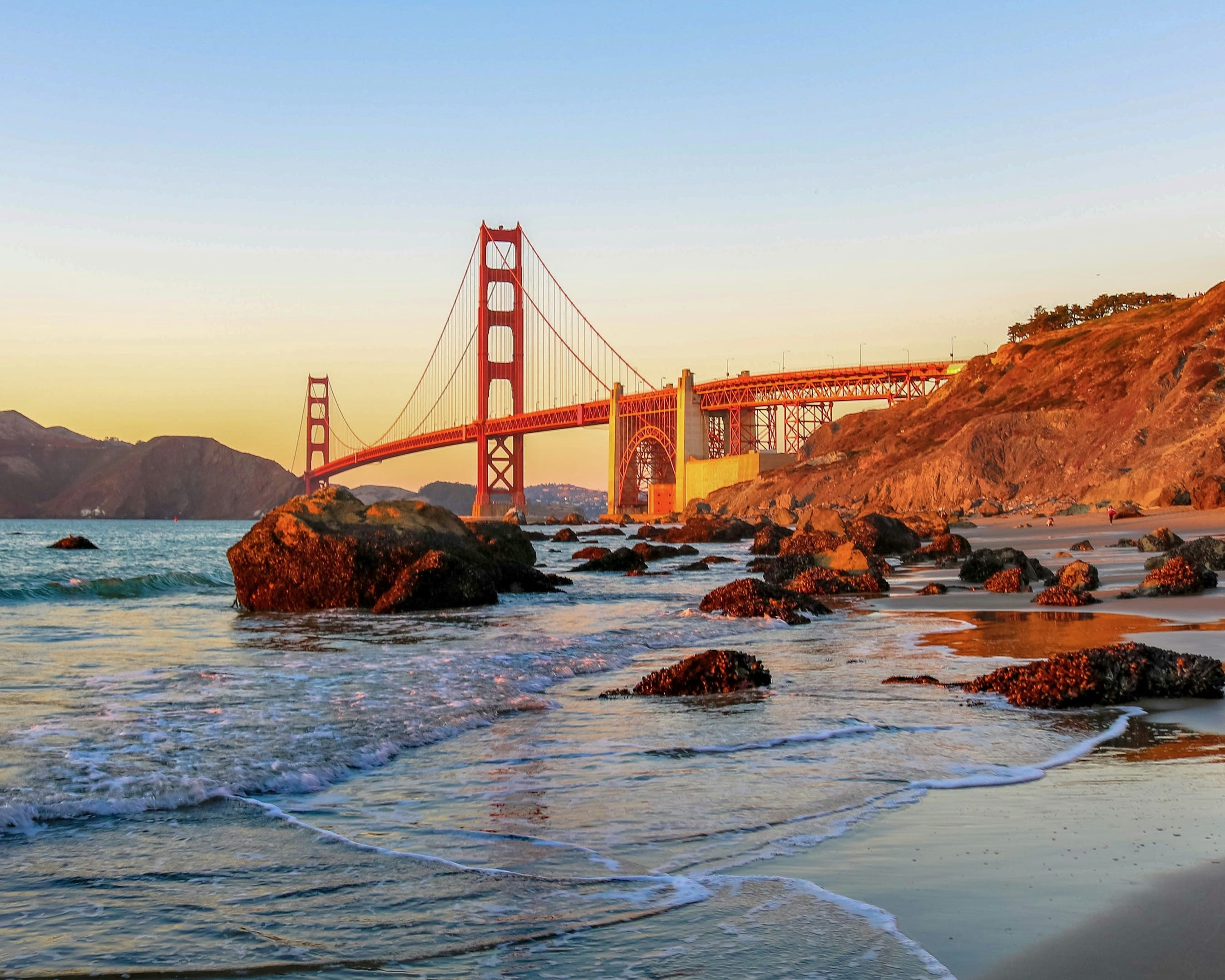
While cruise tours are one option to extend an Alaska cruise, exploring the vibrant gateway cities, coastal wilderness, and urban centers anchored by major embarkation ports is another.
Seattle: Home to Space Needle vistas and Pike Place Market; explore Mount Rainier National Park, the San Juan Islands, and Washington's emerging wine regions.
Vancouver: Framed by snowcapped peaks and the Pacific Ocean, British Columbia's coastal hub features Stanley Park's sprawling coastal trails, world-class dining, and easy day-trip access to the alpine village of Whistler.
Anchorage: Alaska’s main urban hub connects travelers to Chugach State Park hikes, the Kenai Peninsula, and scenic train routes toward Denali National Park.
Juneau: Nestled against the Coast Mountains with no road access to the outside world, Alaska's isolated capital offers up remote bear-watching excursions, flightseeing tours over the Juneau Icefield, and kayak trips through Admiralty Island.
San Francisco: Anchored by the Golden Gate Bridge and historic cable cars, Northern California's cultural capital offers seamless extensions to Napa and Sonoma wine country, Yosemite National Park, and the dramatic coastline of Big Sur.
Los Angeles: Southern California's sprawling metropolis pairs famous beach towns like Santa Monica and Malibu with world-class cultural institutions, movie studio tours, and quick access to nearby Palm Springs and Joshua Tree National Park.
If not an Alaska cruise…
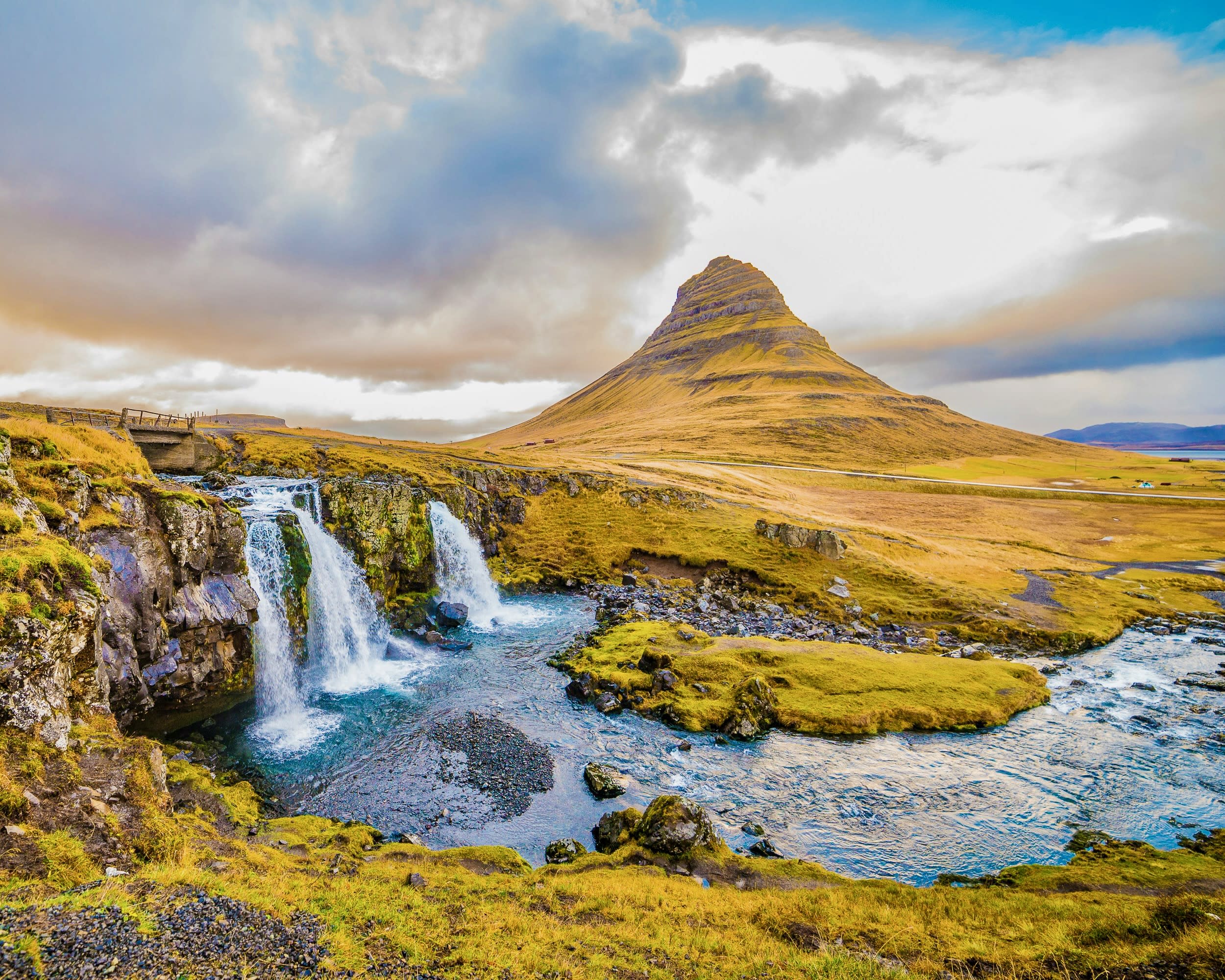
For those drawn to Alaska's dramatic glaciers, towering fjords, and untamed wilderness, several other destinations around the world offer equally thrilling landscapes, wildlife, and remote adventure.
Norway: Featuring steep fjords, historic fishing villages, and dramatic coastal mountains, Norway pairs colorful coastal towns with Viking heritage.
New Zealand: The South Island’s Fiordland National Park delivers towering waterfalls, emerald rainforests, and fur seal colonies along Milford and Doubtful Sounds.
Iceland: Ringed by volcanic black-sand beaches, active geysers, and sprawling ice caps, this elemental landscape is filled with geothermal hot springs, waterfalls, and glacial lagoons.
Greenland: Home to the massive Ilulissat Icefjord and vast Arctic tundra, Greenland is an untamed, off-the-beaten-path alternative featuring icebergs, Inuit culture, and quiet fjords.
Arctic Circle: Spanning Svalbard and high-latitude polar waters, Arctic Circle expeditions center on polar bear tracking, walrus haul-outs, and the Midnight Sun.
Antarctica: Serving as the ultimate polar expedition, the White Continent offers towering icebergs, massive penguin rookeries, and historic research outposts at the bottom of the world.

