

Curator’s statement
The Serengeti is special because it is one of the few places on Earth where you can witness the raw, rhythmic pulse of nature through the Great Migration. It represents a profound connection to our planet’s history, offering a vast, golden horizon where the circle of life unfolds in its most honest and unfiltered form. Standing amidst its endless plains, you feel a rare sense of perspective and peace that only a wilderness this ancient and powerful can provide.
The Fora Difference
Book with Adeline Poh to access exclusive perks and experiences on your trip.

Killer perks
Free upgrades, spa credits and more—we got you

Personalized recs
Customized travel planning for your style

Insider knowledge
Expert advice from people who’ve actually been there
Where to stay
Unlock perks by contacting Adeline Poh to book your trip.
Day 1: Arriving Arusha
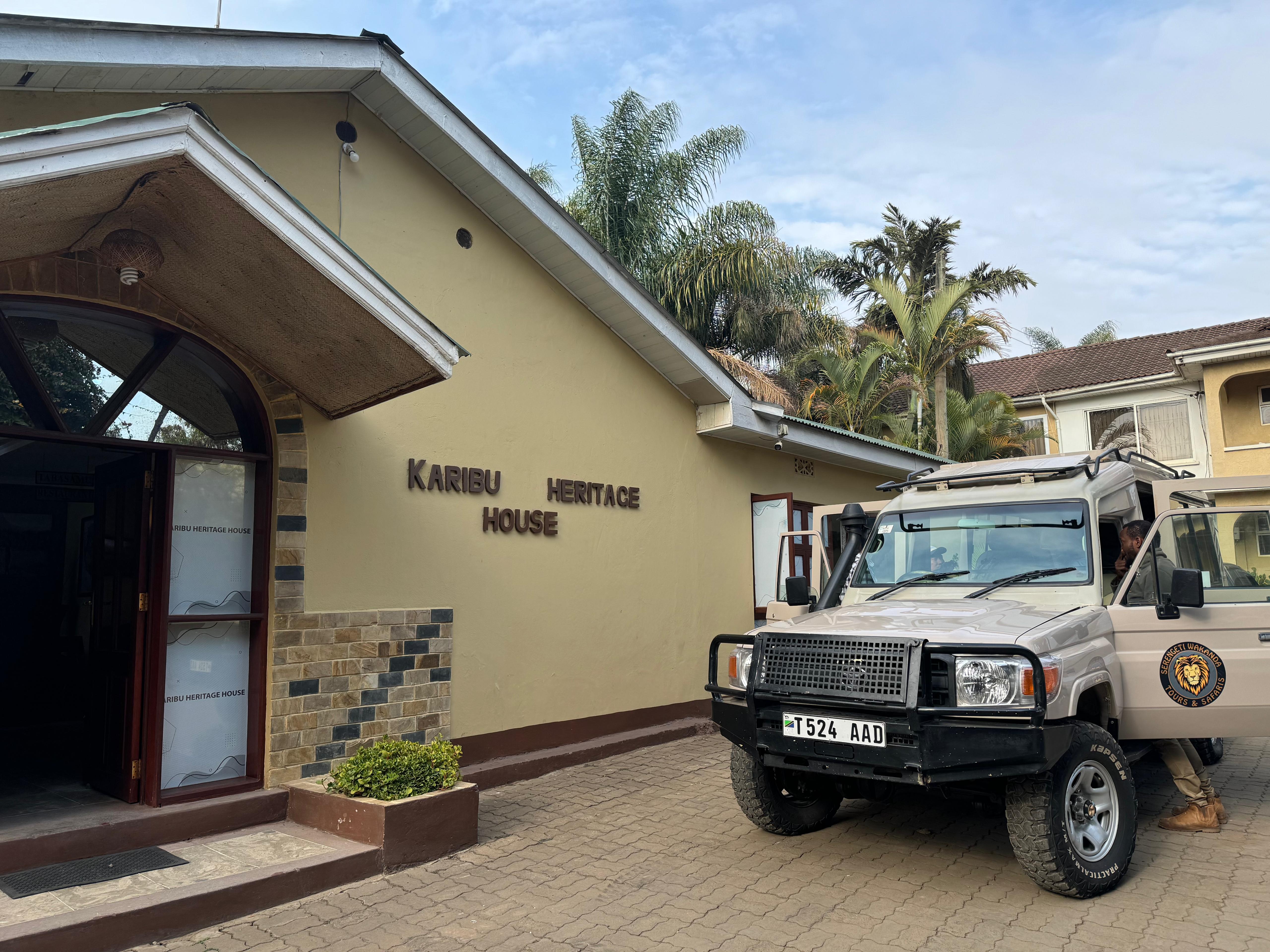
Checking into your home for the night to fully recharge before the safari begins tomorrow
Welcome to Tanzania, where your safari adventure begins with a warm greeting and a professional briefing to set the stage. You’ll start in Arusha, the vibrant gateway city that perfectly blends urban energy with essential pre-safari preparation. Spend your time exploring local restaurants and lively streets that offer a colorful snapshot of Tanzanian city life before heading into the wild. This “urban pit stop” is the ideal introduction to why Tanzania is considered Africa’s premier safari destination.
Day 2: Tarangire National Park
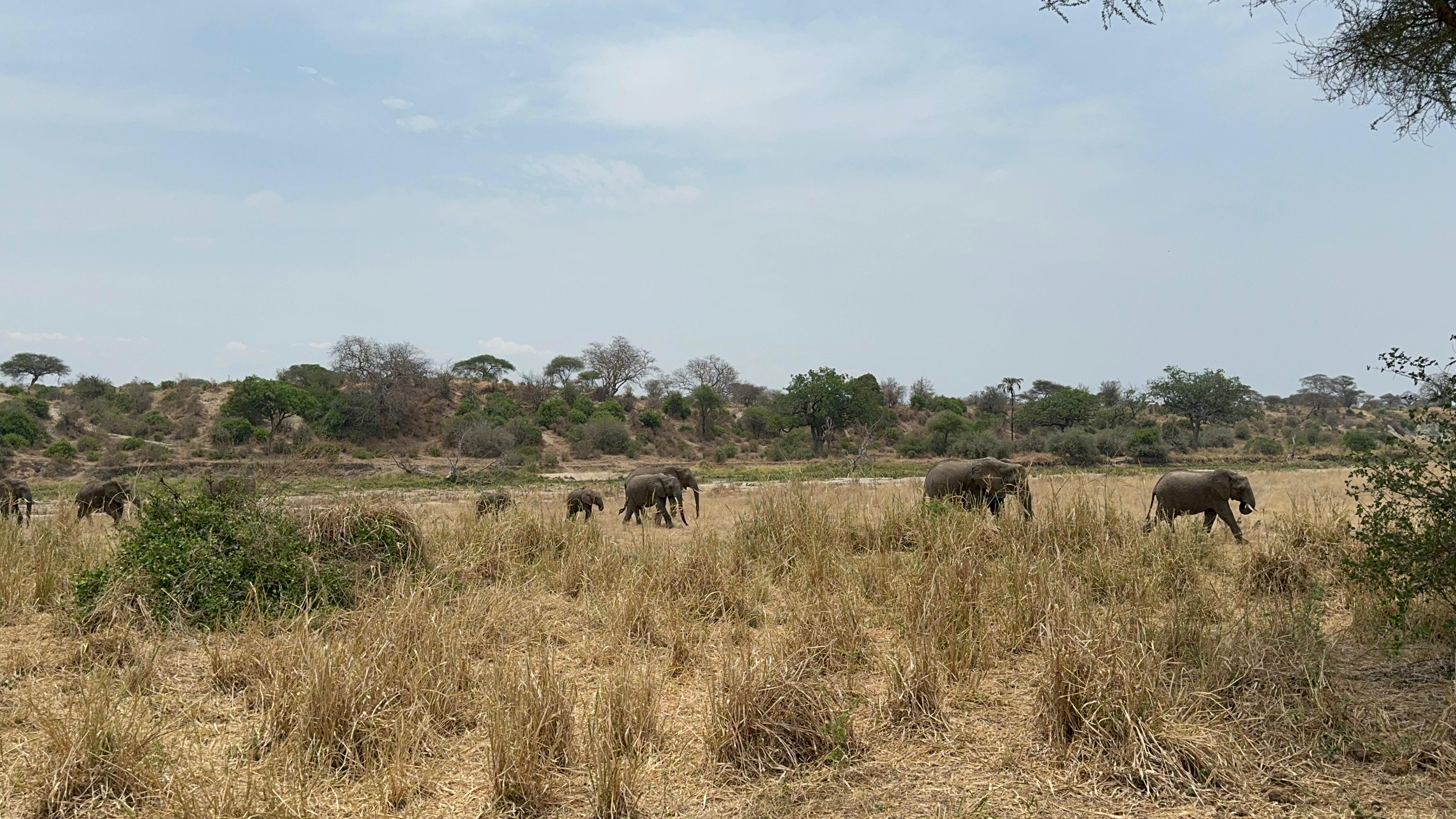
Witnessing the legendary herds of Tarangire National Park
We recommend a guided game drive through Tarangire National Park to witness its iconic, “fairy-tale” landscape defined by massive baobab trees and roaming elephant herds. It is one of Northern Tanzania’s premier spots for wildlife, offering a high probability of spotting lions, giraffes, and zebras against a stunning backdrop.
Insider tip: Keep your eyes peeled for Tarangire’s famous climbing lions—unlike most of their kind, the lions here are known to lounge in the trees to escape the heat and tsetse flies!
Day 3: Serengeti National Park
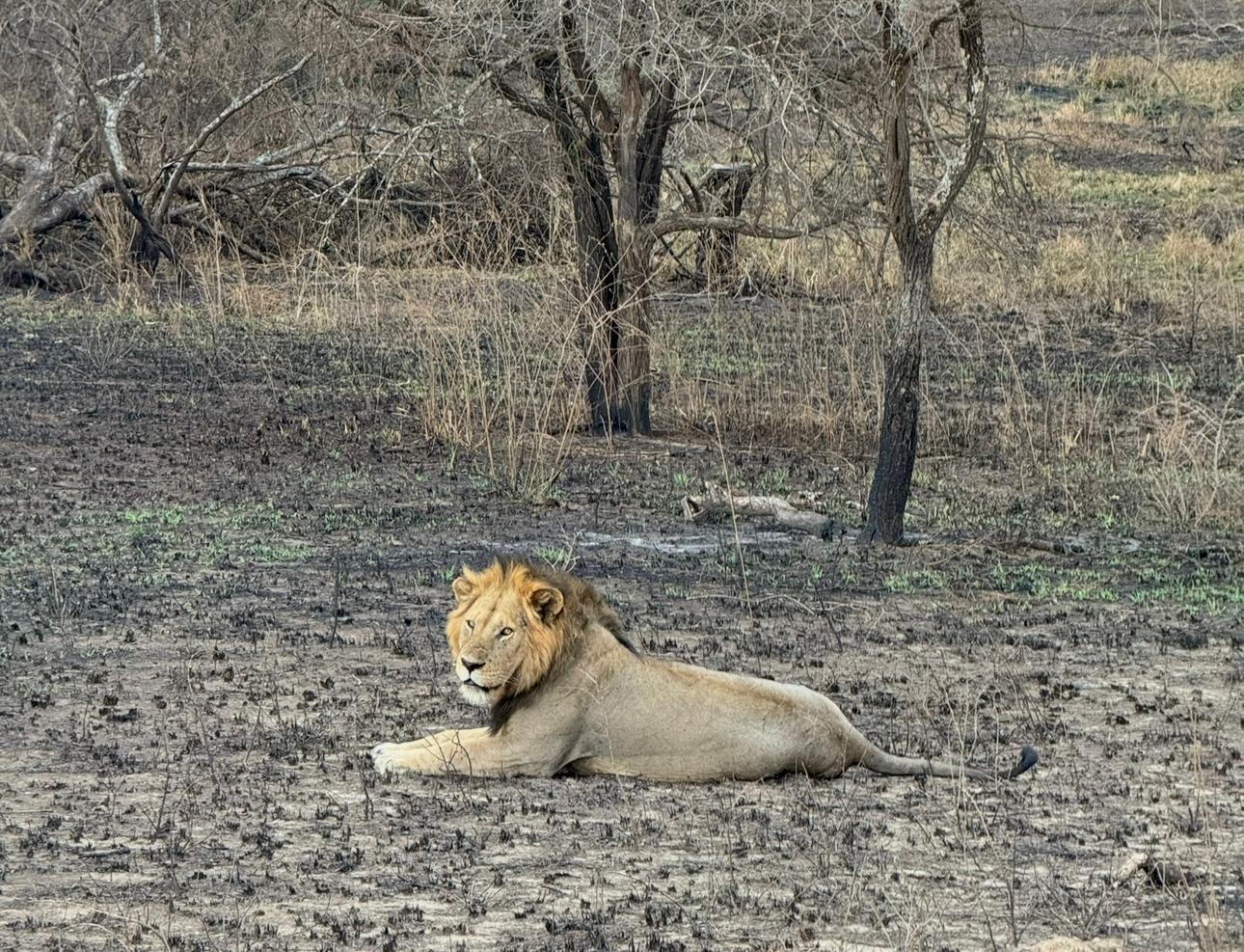
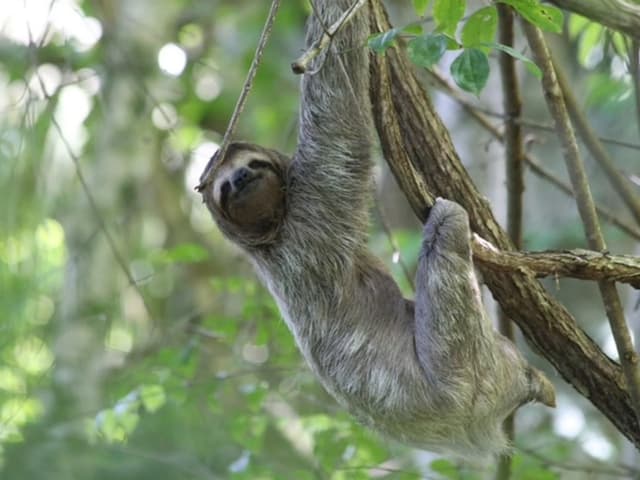
Finding the best seat in the house (or the savanna) to escape the midday heat.
Experience the legendary Serengeti by tracking the Great Migration across vast horizons, where the high visibility makes it the world’s premier stage for spotting lions, cheetahs, and dramatic hunts. We also recommend ascending to the Ngorongoro Highlands, where cooler forest trails offer a refreshing change of pace and breathtaking views of elephants and leopards.
Insider tip: Pack light layers for the Highlands, as temperatures drop significantly at night, and always keep your binoculars ready—the Serengeti’s flat-topped acacias are the favorite hiding spots for elusive leopards!
Day 4: Northen Serengeti National Park
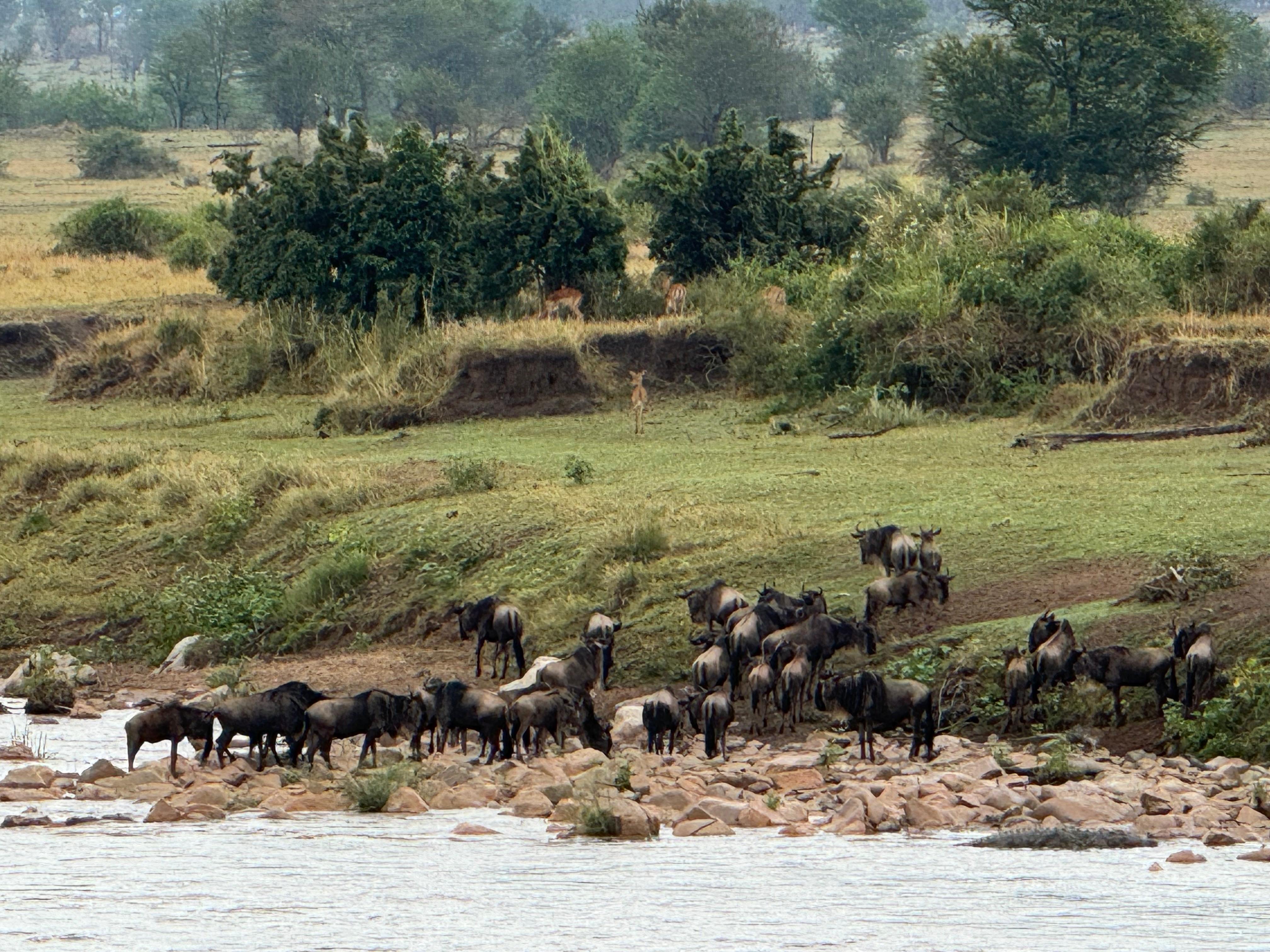
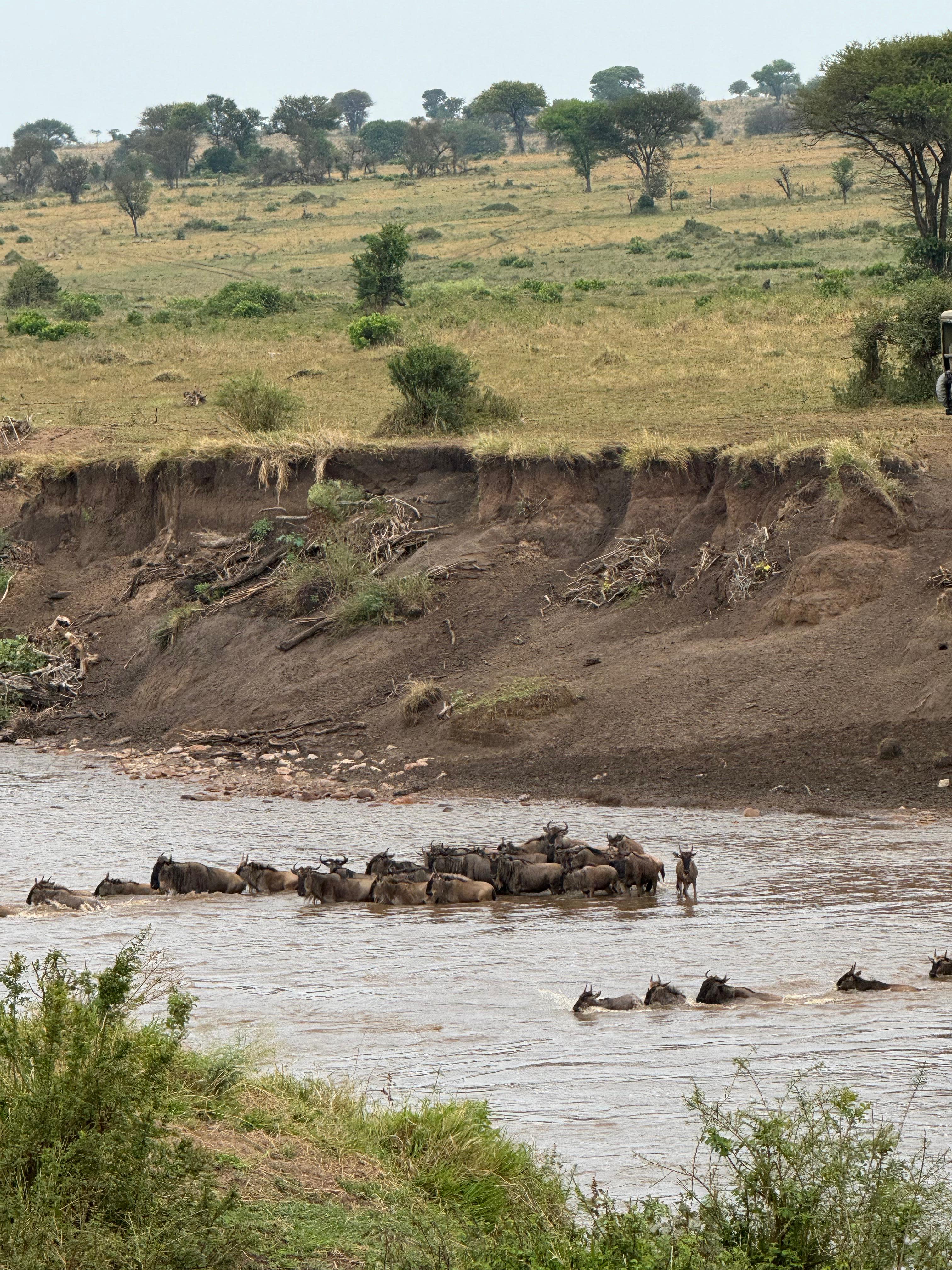
Thousands of wildebeest stretching as far as the eye can see—a true "bucket list" moment in the heart of the Serengeti.
Experience the Northern Serengeti at its most electric, where the dramatic grasslands and rocky hills become the stage for nature’s greatest show. We recommend heading straight toward the Mara River today, as the landscape is currently teeming with wildlife and the energy of the moving herds.
Insider tip: The Great Migration is active right now, so keep your voice low and your eyes on the riverbanks; the crossings can happen in a split second, and you won’t want to miss the intense drama of the wildebeest braving the water!
Day 5: Northern Serengeti National Park
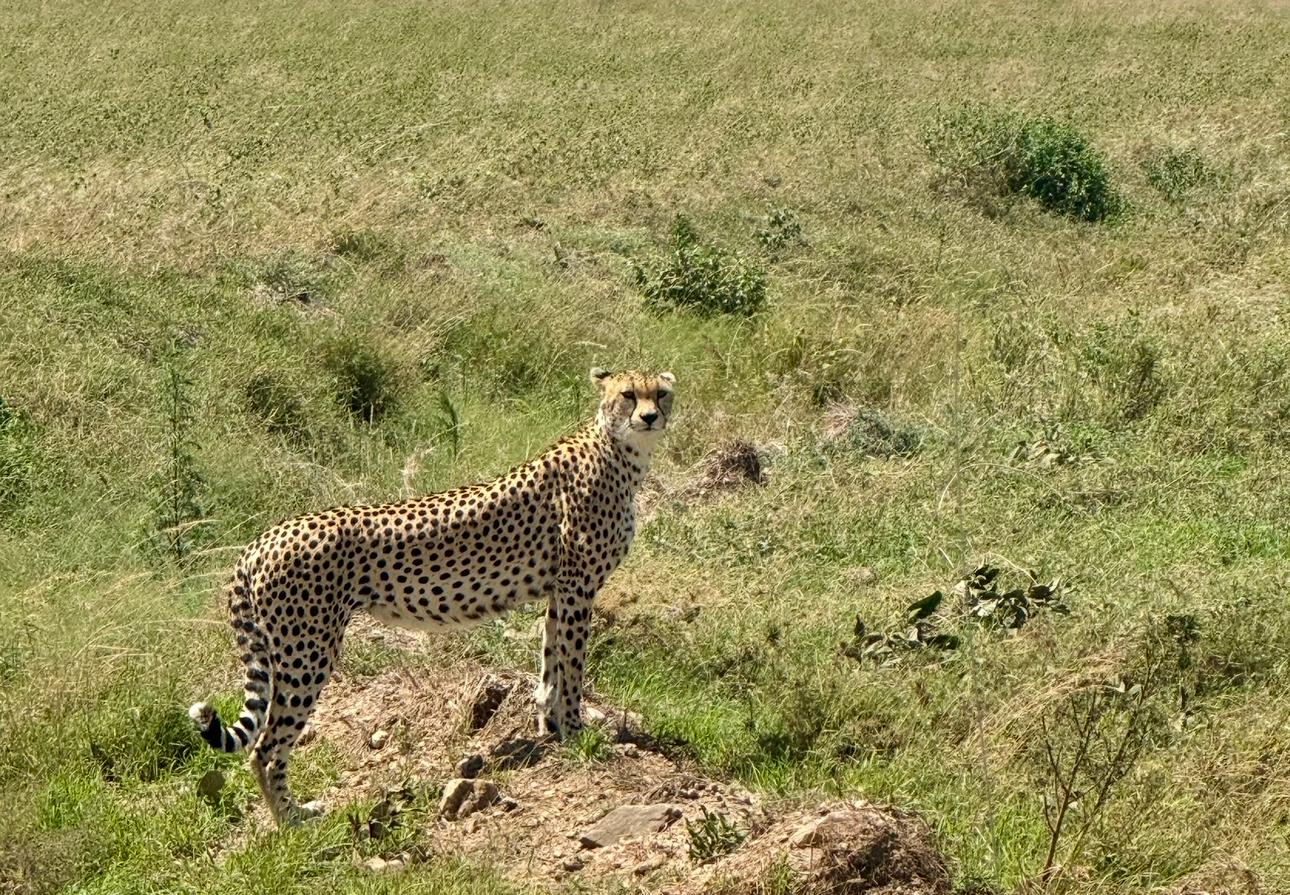
There’s nothing quite like the feeling of a leopard looking right through you.
Seize the magic of the Northern Serengeti with a pre-dawn game drive to witness predators at their most active under the stunning golden light of sunrise. Following this, enjoy a scenic transfer through the lush Ngorongoro Highlands, a drive we highly recommend for its dramatic shift in scenery from golden plains to misty, high-altitude forests.
Insider tip: The 5-to-6-hour drive to the crater rim can get surprisingly chilly as you gain elevation, so keep a warm fleece or jacket accessible in your day bag—don’t let the tropical sun at the start of the drive fool you!
Day 6: Ngorongoro Crater
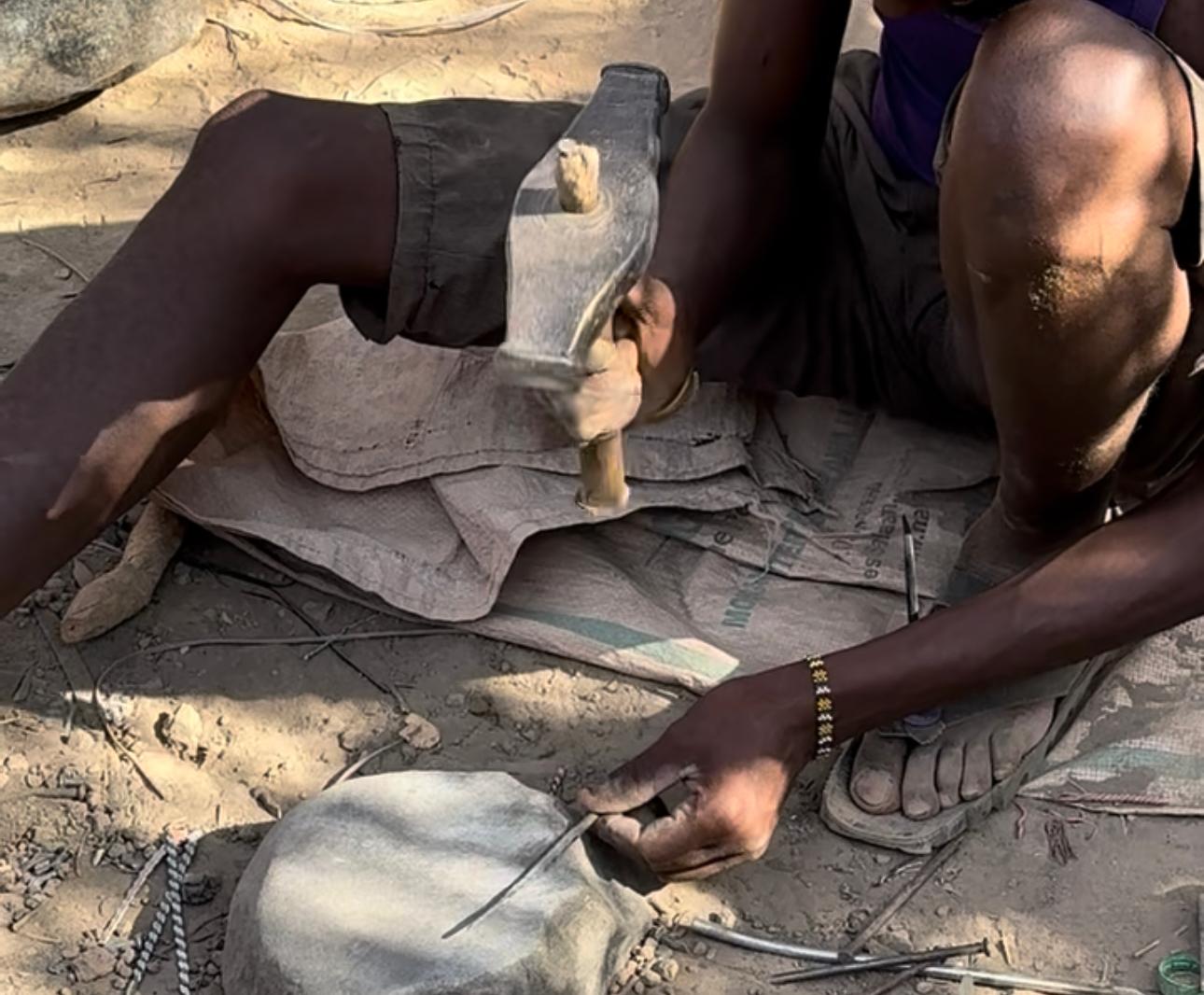
Watching the Datoga blacksmiths transform glowing metal into razor-sharp spears right before our eyes.
Descend into the Ngorongoro Crater at dawn to witness a "hidden world" teeming with life, from the rare black rhino to massive bull elephants and resident lion prides. We recommend the early morning descent not just for the active wildlife, but for the ethereal beauty of the mist rising off the salt lakes and deep-green crater walls. Conclude your day with a visit to Lake Eyasi for a rare, soulful encounter with the Hadza people, one of the world's last hunter-gatherer tribes.
Insider tip: The crater floor can be very dusty and the rim quite cold in the morning—bring a "safari scarf" (shuka) to protect your face during the drive and stay cozy while you wait for the sun to crest the walls!
Day 7: Lake Eyasi
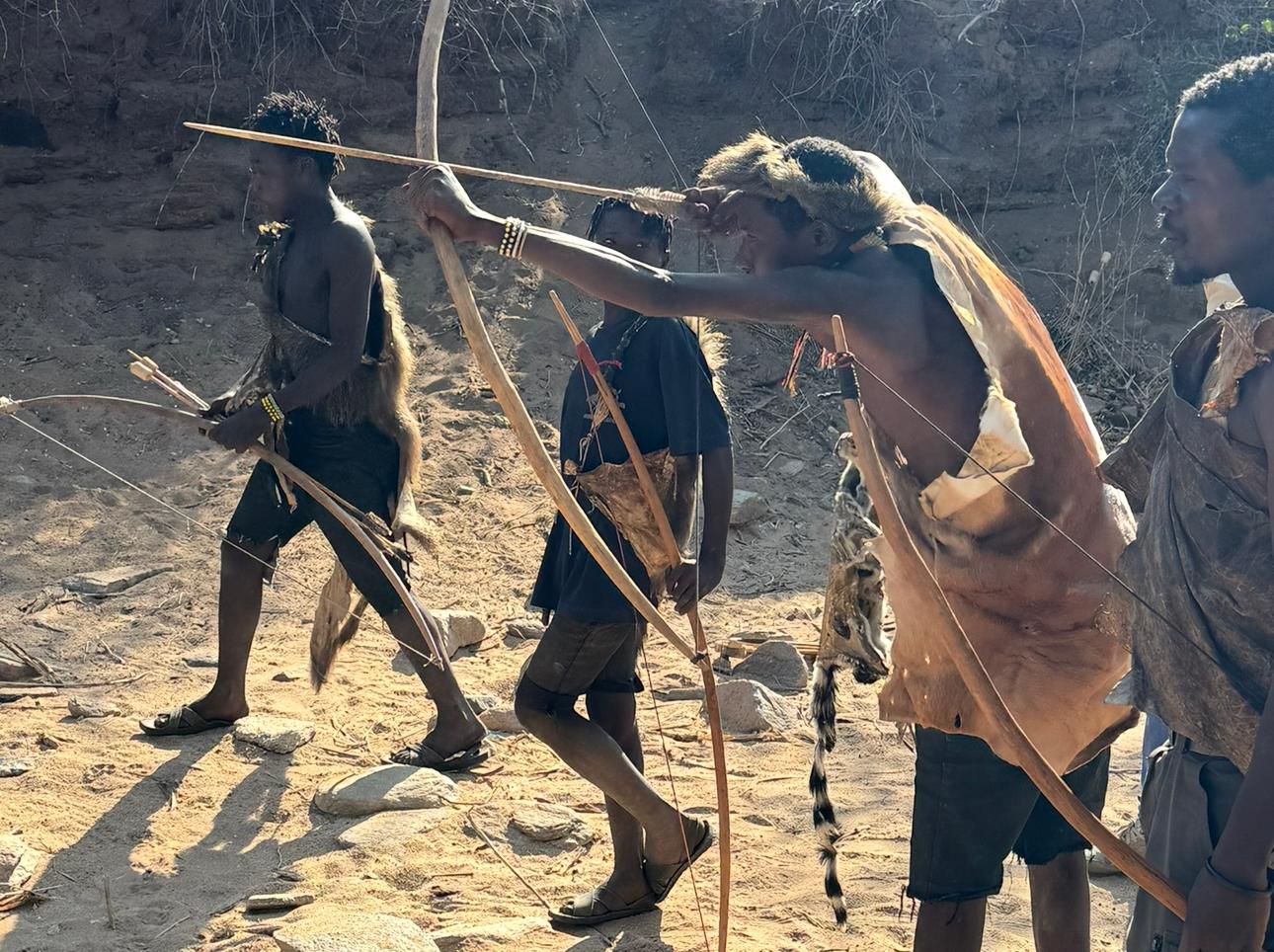
Honored to spend the morning with the Hadza, learning the ancient art of survival from one of the world's last hunter-gatherer tribes.
Step back in time at Lake Eyasi, one of the final frontiers where the Hadzabe bushmen have maintained a traditional hunter-gatherer lifestyle for over 10,000 years. We recommend this visit for a rare, soulful connection to humanity’s roots, offering a perspective on life that has remained largely untouched by the modern world. It is an unforgettable opportunity to witness ancient customs, from their unique click language to their masterful tracking skills.
Insider tip: This is a participatory experience, so wear sturdy, closed-toe shoes and be prepared to move quickly through the thorny scrub if you join them on a morning hunt—the Hadza move with incredible speed and agility!
Need to know
Preparing for a Serengeti safari is as much about the logistics as it is about the adventure. Beyond the wildlife, here is what you should know to make your trip seamless:
Choose your safari style
Mid-range: You’ll stay in comfortable, permanent tented camps, or eco-lodges with private bathrooms and great meals. It’s the best “value for money” and keeps you close to the action without the luxury price tag.
Luxury: Think exclusive boutique lodges or “mobile” glamping sites that move with the migration. You’ll enjoy gourmet dining, private vehicles, and often high-end amenities like plunge pools and spa treatments right in the bush.
Pack for our seasons in one day
Savanna weather is unpredictable. While afternoons are hot, early morning game drives are surprisingly cold due to the wind chill in open-top vehicles.
The layering rule: Bring a warm fleece or light down jacket for dawn and dusk, but wear breathable, neutral-colored clothing underneath to shed as the sun rises.
Colors matter: Avoid bright whites (they get dusty) and dark blues or blacks, which attract tsetse flies. Stick to khaki, beige, and olive.
Essential gear and health
Optics: Don’t rely on your phone camera for distant leopards. A good pair of binoculars is arguably the most important item in your bag.
Health: Tanzania is a malaria-risk area, so consult your doctor about prophylactics. As of 2026, travel insurance is mandatory for Zanzibar and highly recommended for the mainland to cover any emergency evacuations.
Connectivity: Many lodges have Wi-Fi in common areas, but it can be spotty. Purchase a local SIM card in Arusha if you need constant access.
The “safari pace”
Patience is a virtue: The Serengeti is vast. Some days you might drive for an hour seeing “only” beautiful landscapes before hitting a massive pride of lions. Trust your guide—they are experts at reading the bush.
Tipping etiquette: It is customary to tip your guide and lodge staff. A general rule of thumb is $20–$30 per day for your guide (per group) and $10–$15 for the general lodge staff.
Visa requirement
Most travelers need a Tourist eVisa ($50–$100 depending on nationality). It’s best to apply online 2–4 weeks before your trip to avoid long queues at Kilimanjaro International Airport.


Travel Advisor
Adeline Poh

Adeline Poh

Get in touch with Adeline Poh
Did you like this guide? Reach out to customize and book your own experience. Or, just to chat about travel in general.
For more inspiration and insider recommendations, visit our safari page.