




Curator’s statement
The Moselle isn’t one country or one grape—it’s three nations connected by one river and centuries of shared history. Between France, Luxembourg, and Germany, travelers discover a tapestry of vineyards that produce far more than Riesling: ancient Elbling, elegant Auxerrois, and sparkling Crémant de Luxembourg. I’ve traveled this route slowly through the Via Mosel network, where wine, culture, and architecture meet in perfect harmony. It’s a mindful journey meant to be savored—where each stop invites you to pause, taste, and connect deeply with place and people.
The Fora Difference
Book with Adagio Wine Travels to access exclusive perks and experiences on your trip.

Killer perks
Free upgrades, spa credits and more—we got you

Personalized recs
Customized travel planning for your style

Insider knowledge
Expert advice from people who’ve actually been there
Where to stay
Unlock perks by contacting Adagio Wine Travels to book your trip.
Day 1: Metz, France’s gateway to the Moselle
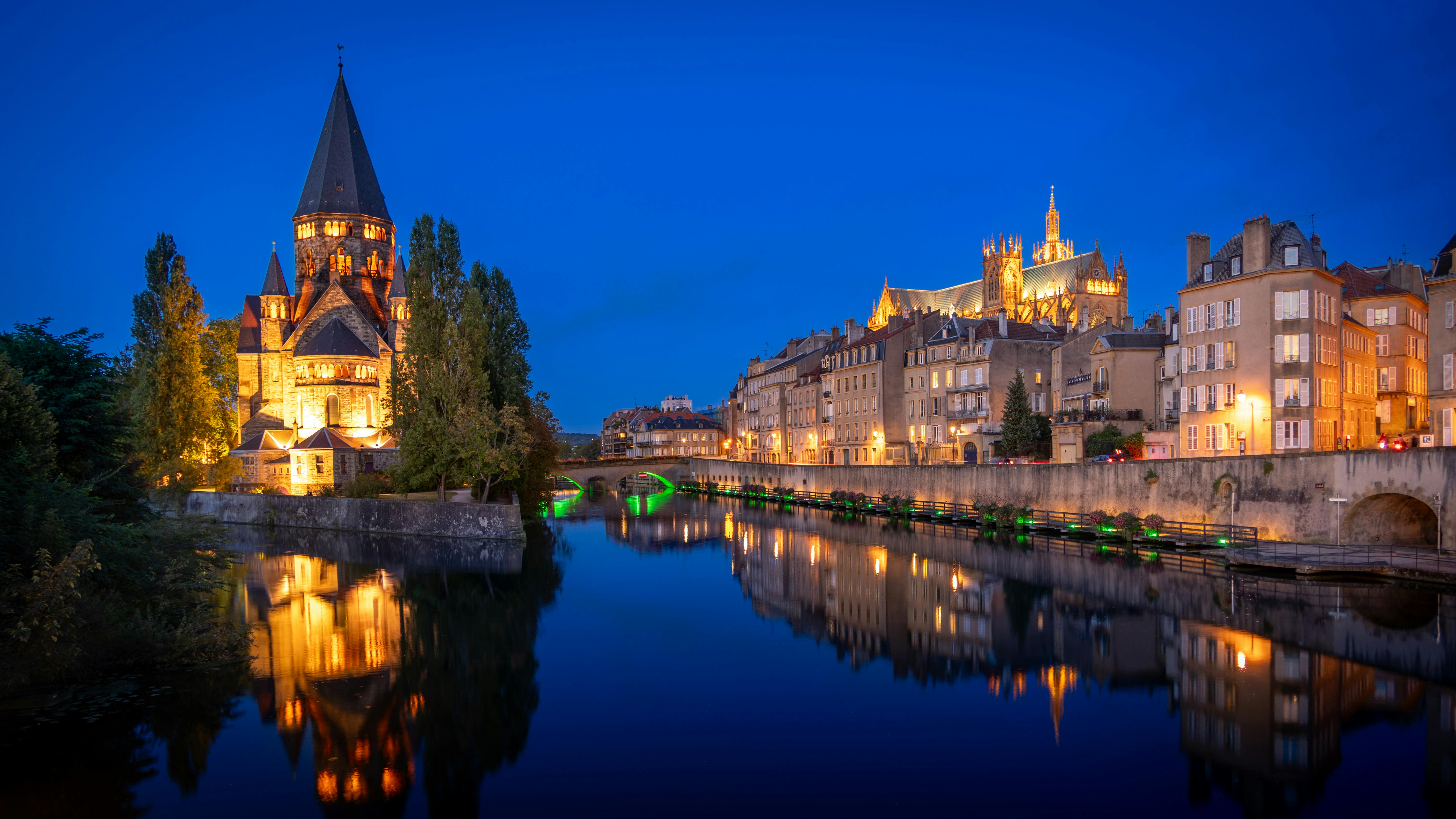
Begin your journey in Metz: Temple Neuf and the city’s historic monuments glow at night, a magical introduction to the French Moselle wine region just beyond.
Covered market and Old Town: Start your day at Marché Couvert, sampling local Mirabelle plums, cheeses, and traditional quiche Lorraine. The nearby Cathedral of Saint-Étienne, with its glowing Chagall windows, is a must-see.
Architectural gems: Admire the Metz train station—voted France’s most beautiful station multiple times—and stroll the riverside paths near Temple Neuf.
Dinner at Au Cul d’Poule: End your day with organic, market-fresh cuisine and a glass of pinot noir from local winemaker Domaine Rémi Gauthier. The menu and wine list are both rooted in regional terroir.
Evening: Wander along the Moselle River as Metz’s bridges and monuments light up at dusk—a soft, elegant start to your journey.
Day 2: The French Moselle & Luxembourg’s sparkle
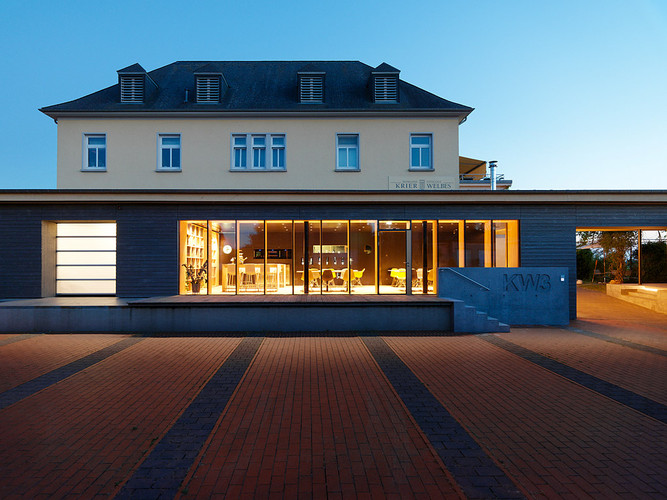
At Krier-Welbes in Luxembourg’s Moselle region, modern design and generations of winemaking craftsmanship meet—a perfect stop to savor both architecture and terroir.
Morning tasting at Domaine Les Béliers (Ancy-sur-Moselle): Visit Eve Maurice’s organically farmed estate, where sleek architecture blends into the hillside. Her wines express balance, nature, and the slower rhythm of rural France.
Lunch near the estate: Enjoy seasonal dishes at or near Domaine Les Béliers, often prepared with regional produce and paired with the estate’s own wines.
Afternoon drive to Luxembourg: Cross the border into Luxembourg with ease and stop at Caves St. Martin to explore underground limestone cellars and taste refined Crémants.
Tasting at Domaine Krier-Welbes (Ellange-Gare): Sample their award-winning Crémant “Julie,” named after the winemaker’s daughter—a sparkling favorite with delicate fruit and minerality.
Evening: Settle into Domaine La Forêt in Remich for dinner and an overnight stay, surrounded by quiet woods and vineyards.
Day 3: Luxembourg’s wine route & a taste of Elbling
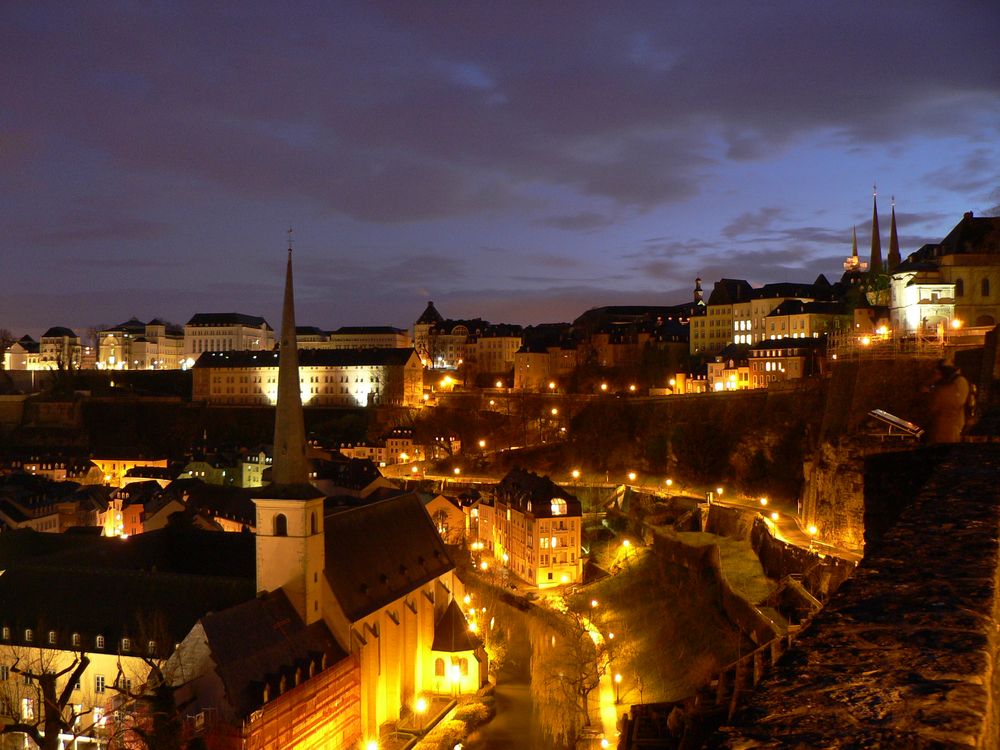
Evening light over Luxembourg City’s old quarter.
Morning at Weingut Stephan Steinmetz (Wehr an der Mosel, Germany): Just across the river from Remich, this family-run estate crafts vibrant Elbling, one of Europe’s oldest grape varieties. The wines are crisp, citrusy, and rare outside the region.
Late morning in Luxembourg: Return to Luxembourg’s Route du Vin and visit Domaine Alice Hartmann or Cep d’Or for elegant Auxerrois tastings overlooking the river.
Lunch with a view: Enjoy fresh local fare on Cep d’Or’s terrace, where each dish pairs naturally with the estate’s wines.
Afternoon in Luxembourg City: Drive or take the train into the capital for a guided tour of the UNESCO-listed old town—its fortifications and panoramic views tell centuries of history.
Evening: Dine in the Grund district, perhaps at Um Plateau, for a relaxed but refined end to your Luxembourg stay.
Day 4: Saar serenity at Cantzheim
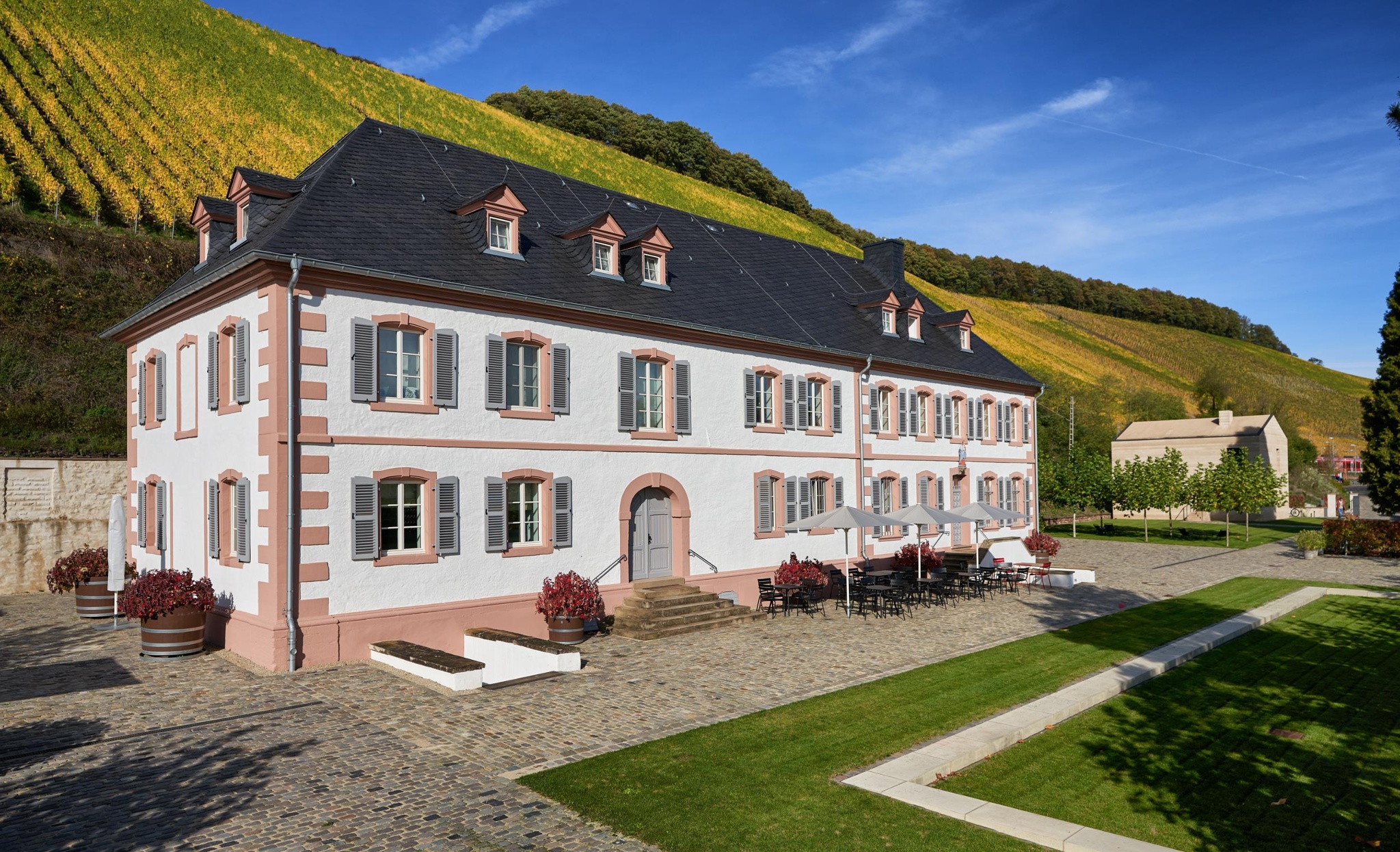
Cantzheim: a perfect expression of Saar terroir
Late morning arrival: Cross into Germany’s Saar Valley and arrive at Weingut Cantzheim, a stunning example of contemporary architecture nestled within historic estate walls.
Tasting and lunch on site: Try their signature Riesling Trocken “Der Gärtner” (The Gardener), a pure expression of Saar terroir. The in-house chef creates refined, seasonal dishes inspired by the estate gardens.
Afternoon excursion: Visit the nearby Saarschleife viewpoint—a gentle forest walk reveals breathtaking curves of the river below.
Evening: Stay overnight at Cantzheim to experience the calm of the Saar after dark, where modern design and timeless tranquility coexist beautifully.
Day 5: Longen-Schlöder & river life
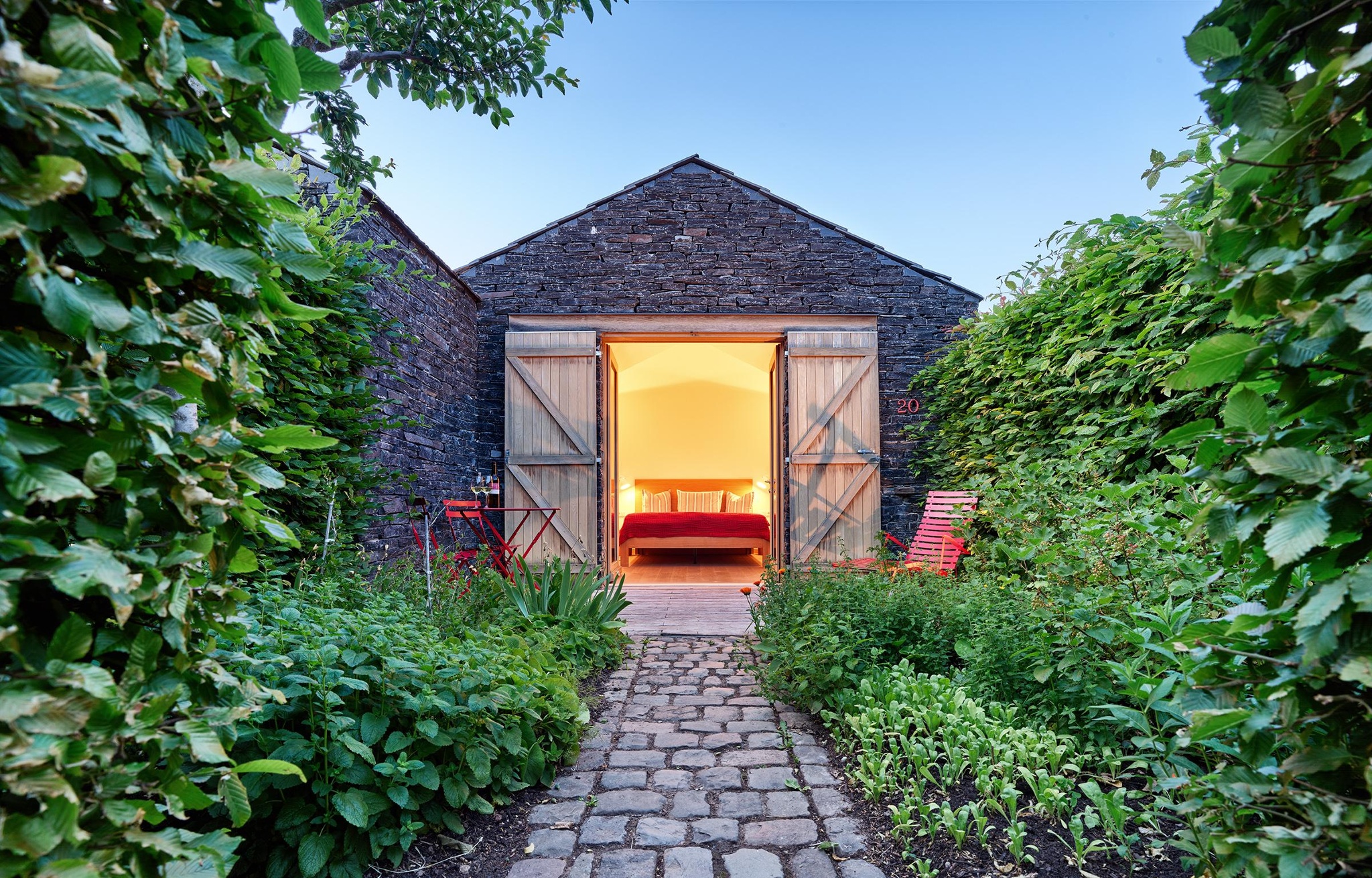
Wine, art, and architecture at Longen-Schlöder.
Morning tasting at Weinkulturgut Longen-Schlöder: Discover this architectural gem blending art, wine, and landscape. Their off-dry Rieslings are balanced, expressive, and ideal for slow sipping.
Lunch on site: Enjoy their vegetable tart or regional cheese plates paired with the estate’s wines—a perfect farm-to-table experience.
Afternoon e-bike ride: Follow the Moselle River path to Leiwen or Neumagen-Dhron, Germany’s oldest wine village. Stop for coffee and kuchen in a local bakery or by the riverbank.
Evening: Return to your guesthouse for a quiet evening of reflection—the Moselle’s golden light makes even simple moments memorable.
Day 6: Art Nouveau & hidden worlds in Traben-Trarbach
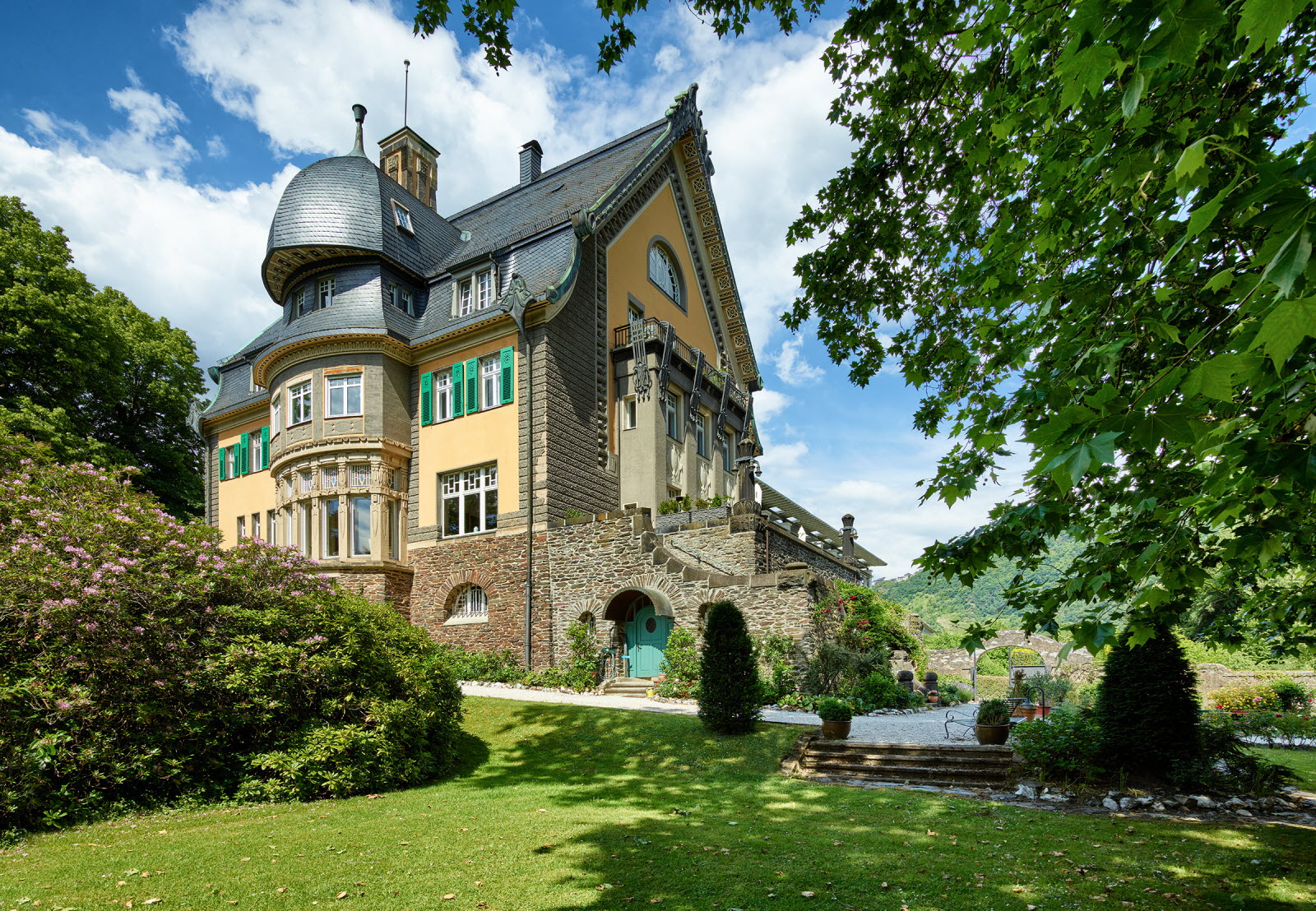
Villa Huesgen: a stunning Art Nouveau estate overlooking the Moselle, home to generations of winemaking tradition.
Morning exploration: Head to Traben-Trarbach, a historic wine trading town dating back to the eighth century. Its Art Nouveau architecture reveals the region’s former prosperity.
Lunch at Alte Zunftscheune: Dine in a restored merchant house featuring refined local dishes and classic Moselle hospitality.
Afternoon discovery: Take a guided tour of the town’s underworld—a network of old wine cellars that now hosts the Mosel-Wein-Nachts-Markt during the holidays.
Evening stroll: Wander along the river promenade and take in the romantic atmosphere that first captured my imagination when I visited as a student years ago.
Day 7: Roman heritage & farewell glass in Trier
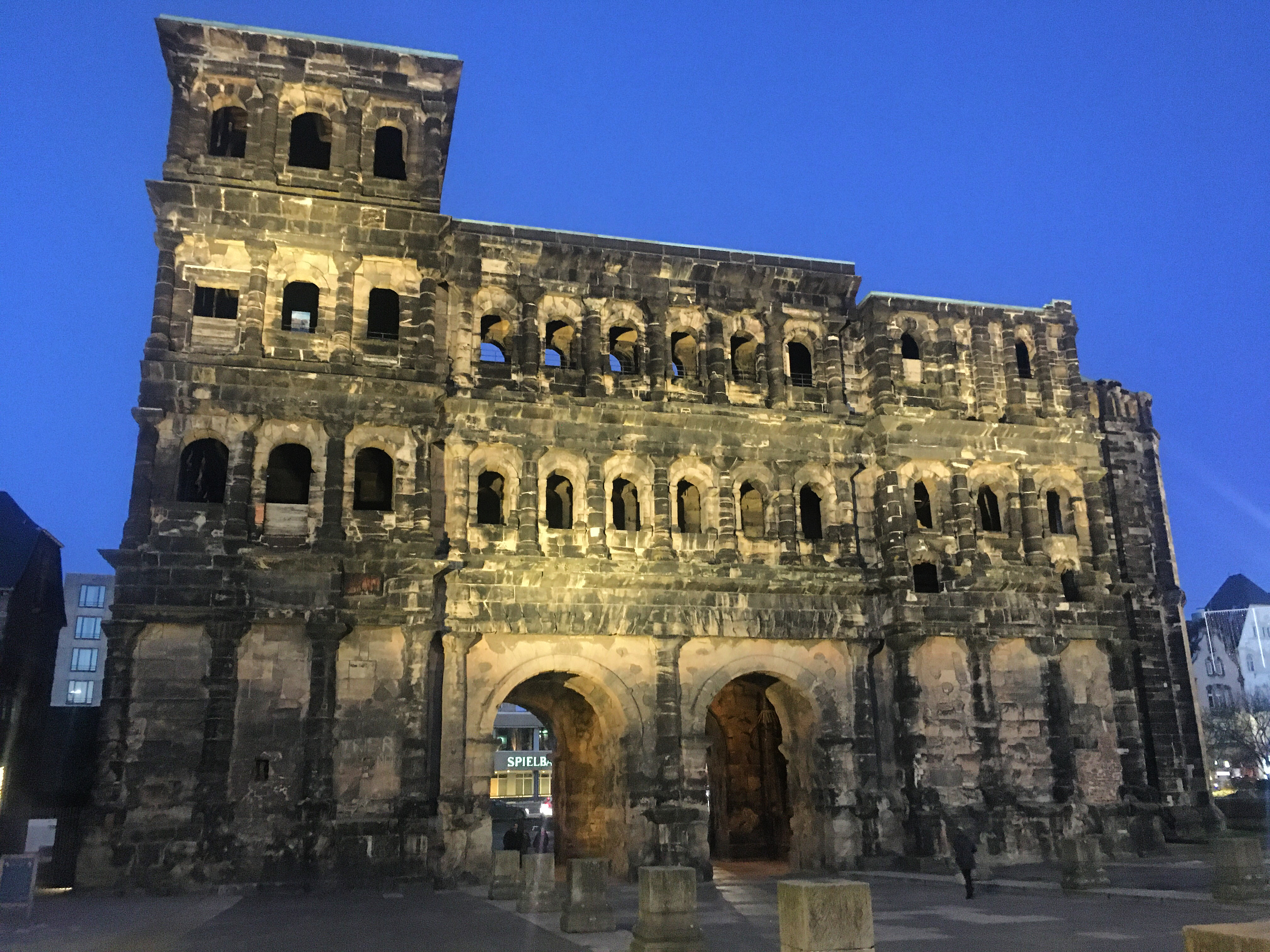
Trier’s iconic Porta Nigra, a UNESCO World Heritage Site and one of the best-preserved Roman monuments north of the Alps.
Morning guided tour: Explore Trier, Germany’s oldest city, with a local guide. Discover Roman marvels like the Porta Nigra, imperial baths, and amphitheater.
Lunch or dinner at Oechsle Wein & Fischhaus: A favorite among locals for creative cuisine and a fantastic Mosel wine list—perfect for a final toast.
Stay at Romantik Hotel Zur Glocke: Dating back to 1567, this lovingly preserved hotel blends history with comfort, right in the city center.
Evening reflection: Raise one last glass to the river that has linked cultures and vineyards for centuries—a fitting close to your slow, soulful journey.
Need to know
Borders: Seamless crossings—just carry your ID.
Reservations: Book tastings ahead via Via Mosel estates like Cantzheim, Longen-Schlöder, or Les Béliers.
Wine to try: Seek out Elbling (Germany and Luxembourg) and Auxerrois (Luxembourg) for something beyond Riesling.
Getting around: A car or e-bike offers maximum flexibility; trains link Metz, Luxembourg, and Trier for car-free travelers.
Sustainability: Most estates are family-run and organically farmed—true reflections of slow, responsible travel.


Travel Advisor
Adagio Wine Travels

Julie Bizzarri

Get in touch with Adagio Wine Travels
Did you like this guide? Reach out to customize and book your own experience. Or, just to chat about travel in general.
For more inspiration and insider recommendations, visit our Europe page.