




Curator’s statement
Florida is one of the most underestimated adventure destinations in the world, and this adventure trek proves it. From swimming alongside wild manatees in crystal-clear springs to hunting Burmese pythons through Big Cypress at dawn, there is simply nowhere else in America where you can check off this many bucket list wildlife experiences in a single week. What makes this itinerary special is that it works at every budget—whether you’re sleeping under the cypress canopy or unwinding at a gulf-front luxury resort, the experiences themselves are identical. This is Florida the way most people never see it: raw, wild, and completely unforgettable.
The Fora Difference
Book with Brittany Robbins to access exclusive perks and experiences on your trip.

Killer perks
Free upgrades, spa credits and more—we got you

Personalized recs
Customized travel planning for your style

Insider knowledge
Expert advice from people who’ve actually been there
Where to stay
Unlock perks by contacting Brittany Robbins to book your trip.
Day 1: Welcome to the wild
Fly into Orlando International on Sunday, pick up your campervan rental, and point the wheels northwest, because Day 1 belongs to the springs. Florida sits atop one of the largest freshwater aquifer systems on earth, and nowhere is that more magical than Ichetucknee Springs State Park near Fort White, where you’ll tube or kayak through water so clear it barely looks real.
Stop first at Ginnie Springs for a warm-up swim and some of the best snorkeling in the state. Visibility regularly exceeds 30 feet, and the underwater rock formations are otherworldly for underwater photographers.
But the crown jewel of Day 1 is a place most travelers have never heard of: Devil’s Den near Williston, Florida’s closest equivalent to the famous cenotes of Mexico’s Yucatan Peninsula. Devil’s Den is an ancient underground prehistoric spring nestled inside a cavern of exposed limestone. You descend a wooden staircase into the earth and emerge into a cathedral-like chamber where 72-degree, crystal-clear water glows an ethereal blue-green beneath an opening in the cave ceiling. Snorkeling and scuba diving are both available, and the underwater visibility and cave formations rival anything you’d find in the Yucatan. For photographers, it is an absolutely extraordinary location. The shaft of natural light pouring through the cave opening onto the water below creates one of the most dramatic natural lighting situations in the entire southeastern United States. Reservations are required and spots fill fast, so book Devil’s Den before anything else on this day.
If you arrive with enough daylight after, swing through Blue Spring State Park, one of the top manatee aggregation sites in Florida during cooler months. Camp overnight at Ichetucknee Springs or nearby O’Leno State Park, where the Santa Fe River literally disappears underground—a perfect first night under a canopy of live oaks draped in Spanish moss.
Pro tip: Pick up groceries and a quality cooler before you leave Orlando—provisioning gets sparse and expensive the further into wild Florida you go.
Day 2: Manatee encounter & Gulf Coast arrival
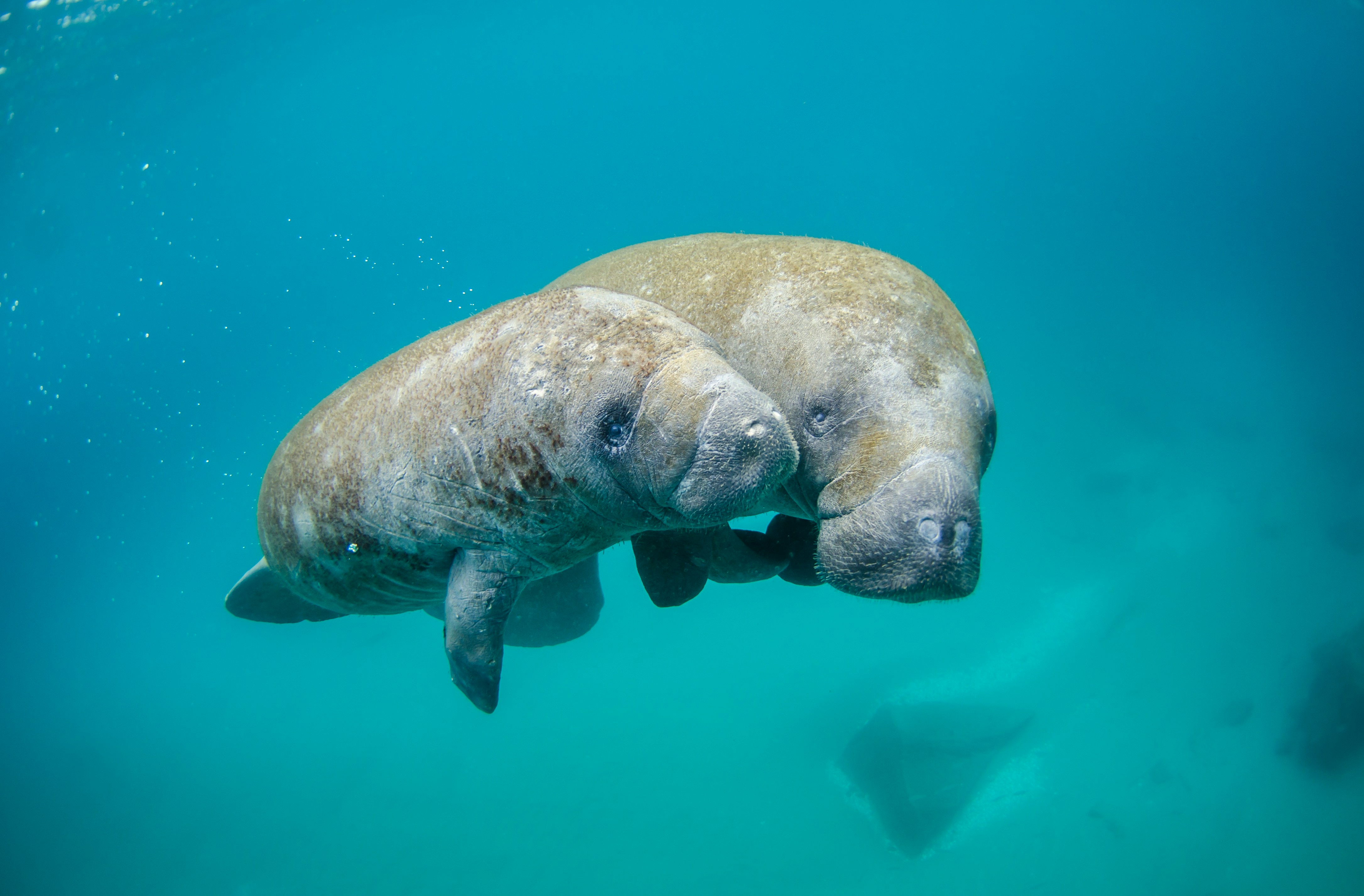
This morning belongs entirely to the manatees. Crystal River National Wildlife Refuge on the Nature Coast is the only place in the United States where you can legally swim with wild West Indian manatees in their natural habitat, and the experience is unlike anything else on the planet. Book a guided swim tour in advance—operators launch from Kings Bay, and on a good morning you’ll find yourself face to face with animals the size of small cars who are genuinely curious about you.
These are not captive animals—they approach entirely on their own terms, which makes the encounter that much more profound for wildlife photographers and nature lovers alike. After your swim, drive south along the Gulf Coast toward the Crystal River Preserve State Park for stand-up paddleboarding through the estuary. The calm tannin-stained water and buttonwood mangroves make for exceptional photography in afternoon light.
Set up camp at Fort Island Gulf Beach or Homosassa Springs area, and spend the evening tide-pooling along the gulf shoreline and watching for roseate spoonbills coming in to roost at sunset. Tonight is your first real dark sky opportunity—the Nature Coast is remarkably free of light pollution, so after dinner, break out a blanket and spend time with the stars.
Day 3: Everglades & Big Cypress
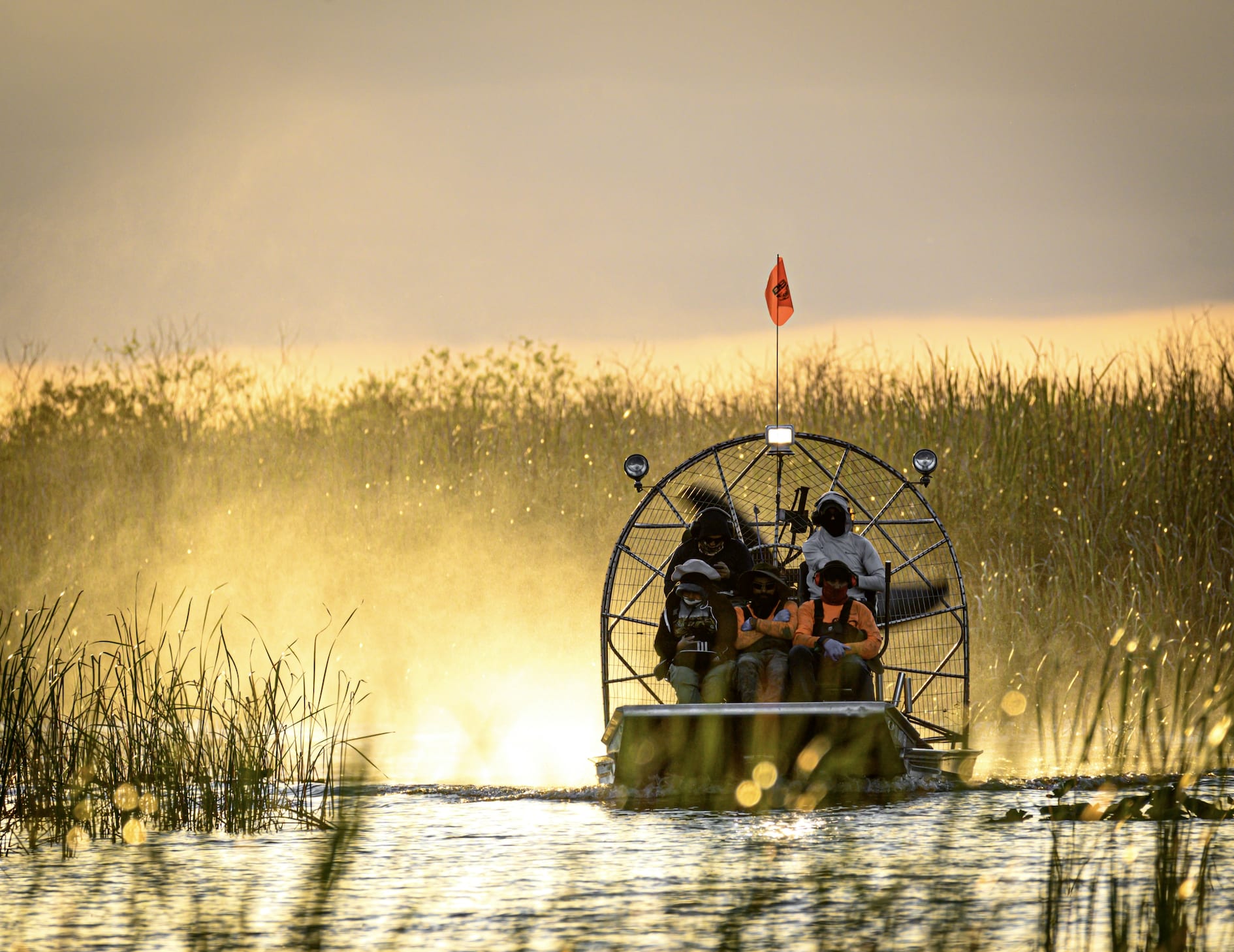
Rise before dawn and drive south—today is your deepest plunge into wild Florida and the most adrenaline-packed day on the entire loop. The Everglades is not a swamp; it’s a slow-moving river of grass 50 miles wide, and the only way to truly feel its scale is from the elevated platform of an airboat.
Book an airboat tour out of Everglades City or the Tamiami Trail corridor. Operators like Everglades Area Tours offer small group experiences that access backcountry areas the big commercial operators never reach.
Photographers: The cypress strands along the Tamiami Trail at golden hour are world-class, bromeliad-draped trees rising from black water with egrets and anhingas perched overhead. Camp at Monument Lake Campground inside Big Cypress, one of the most atmospheric campsites in the state, and fall asleep to the sound of frogs, crickets, and the occasional deep bellow of an alligator in the dark.
Day 4: Mangroves, shark teeth & the Ten Thousand Islands
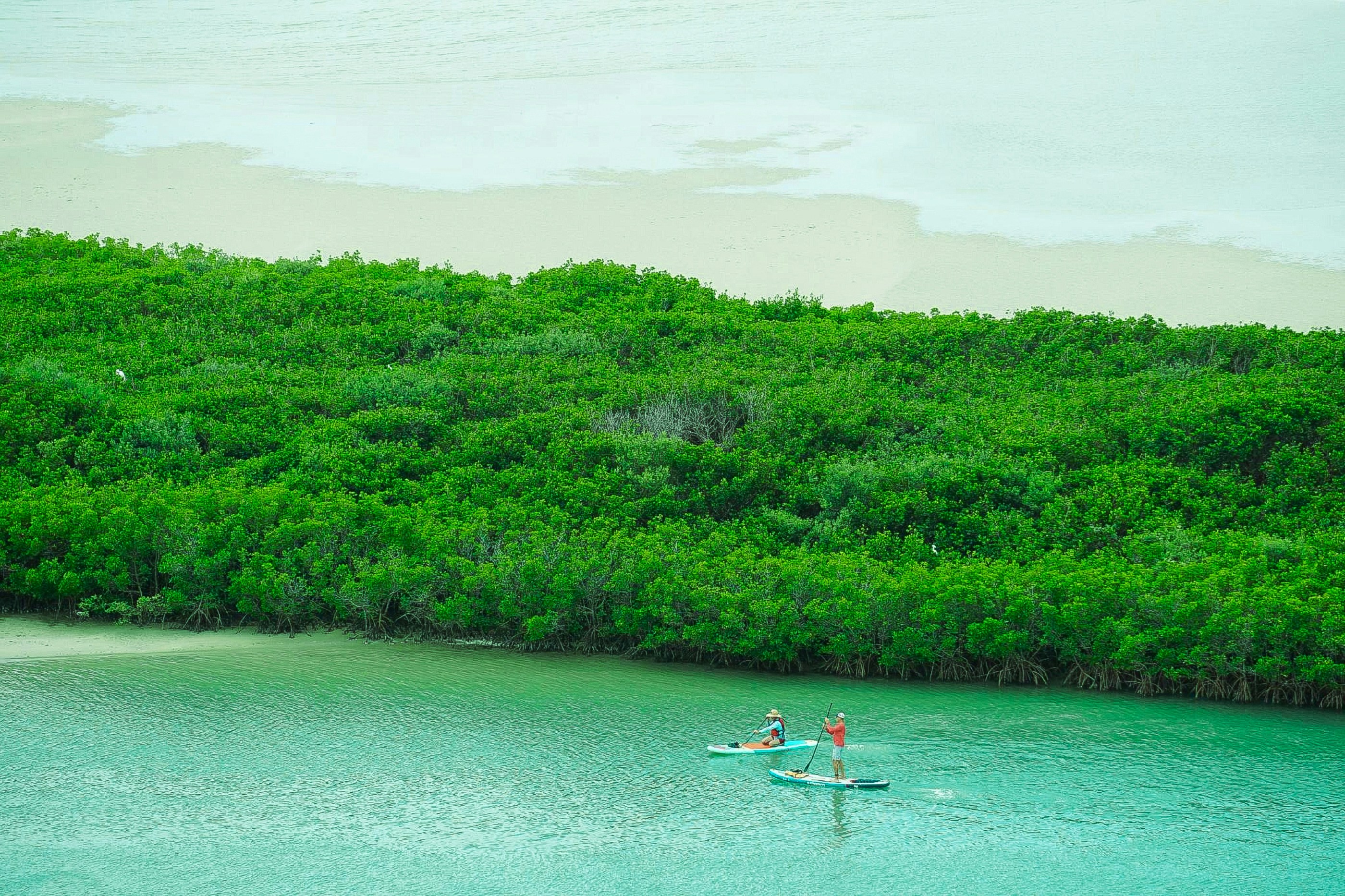
Today is about slowing down and getting into the water in a completely different way. Start the morning with a guided kayak or canoe tour through the Ten Thousand Islands, a labyrinthine maze of mangrove tunnels, open bays, and tidal creeks that is one of the most biodiverse estuaries in North America. A local guide is essential here—getting lost is genuinely easy, and the right operator will take you to spots where dolphins follow your kayak and osprey dive for fish overhead.
After your paddle, drive north to Venice Beach, the Shark Tooth Capital of the World, for an afternoon of shark tooth fossil hunting along the shoreline. Venice Beach and nearby Caspersen Beach are world famous for the concentration of fossilized megalodon and other shark teeth that wash up daily, and with a simple mesh sifting scoop (available at local bait shops) you can collect dozens in an afternoon. This is also one of the best shelling beaches in Florida, so bring a bag.
As the light drops, reposition the camper van toward the Naples or Marco Island area, grab fresh Gulf seafood for dinner, and set up camp at Collier-Seminole State Park—right on the edge of the Everglades with excellent birding at first light.
Day 5: Florida Keys
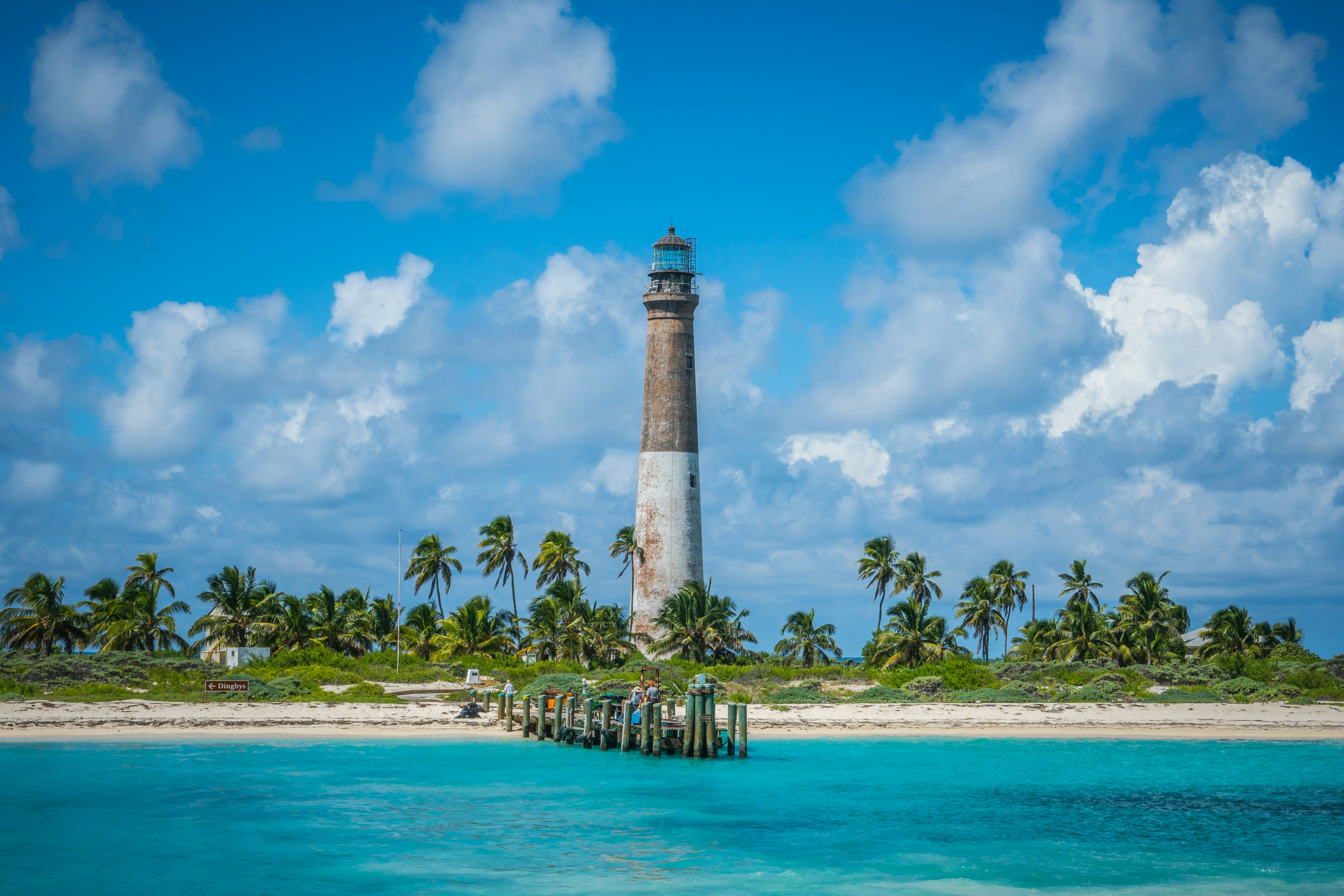
Today is your biggest logistical move and your most jaw-dropping reward. Drive south on US-1 through the Keys, stop at Bahia Honda State Park for what many consider the most beautiful beach in Florida, and position yourself in Key West by midday. From Key West, book the Dry Tortugas fast ferry (Yankee Freedom III—book weeks in advance as it fills up) for the following morning.
For this afternoon though, take a water taxi or rental boat out to Crab Island near Destin if you routed through the Panhandle. Alternatively, explore the living coral reefs of John Pennekamp Coral Reef State Park in Key Largo by snorkel or glass-bottom kayak. The snorkeling at Pennekamp is some of the best accessible reef diving in the continental United States—eagle rays, sea turtles, and dense schools of tropical fish in water you can see through for 60 feet.
Tonight, camp or stay at one of the state park campgrounds in the Keys. Bahia Honda fills fast, so book months ahead, but the campsites literally sit on the water’s edge.
Day 6: Deep blue adventure
There is no place in the continental United States that feels more remote or more extraordinary than Dry Tortugas National Park. Getting there requires a 70-mile ferry ride into open ocean, which is part of what makes it special.
Fort Jefferson, the massive 19th-century military fortification rising straight out of the turquoise gulf, is one of the most surreal and photogenic structures in America, and the surrounding waters are among the clearest and most biologically rich in Florida. Snorkel directly off the beach—the reef system here is pristine and largely untouched, with sea turtles nesting on the sand and loggerheads cruising the shallows—and bring a good underwater camera, because this is as good as it gets without a dive certification.
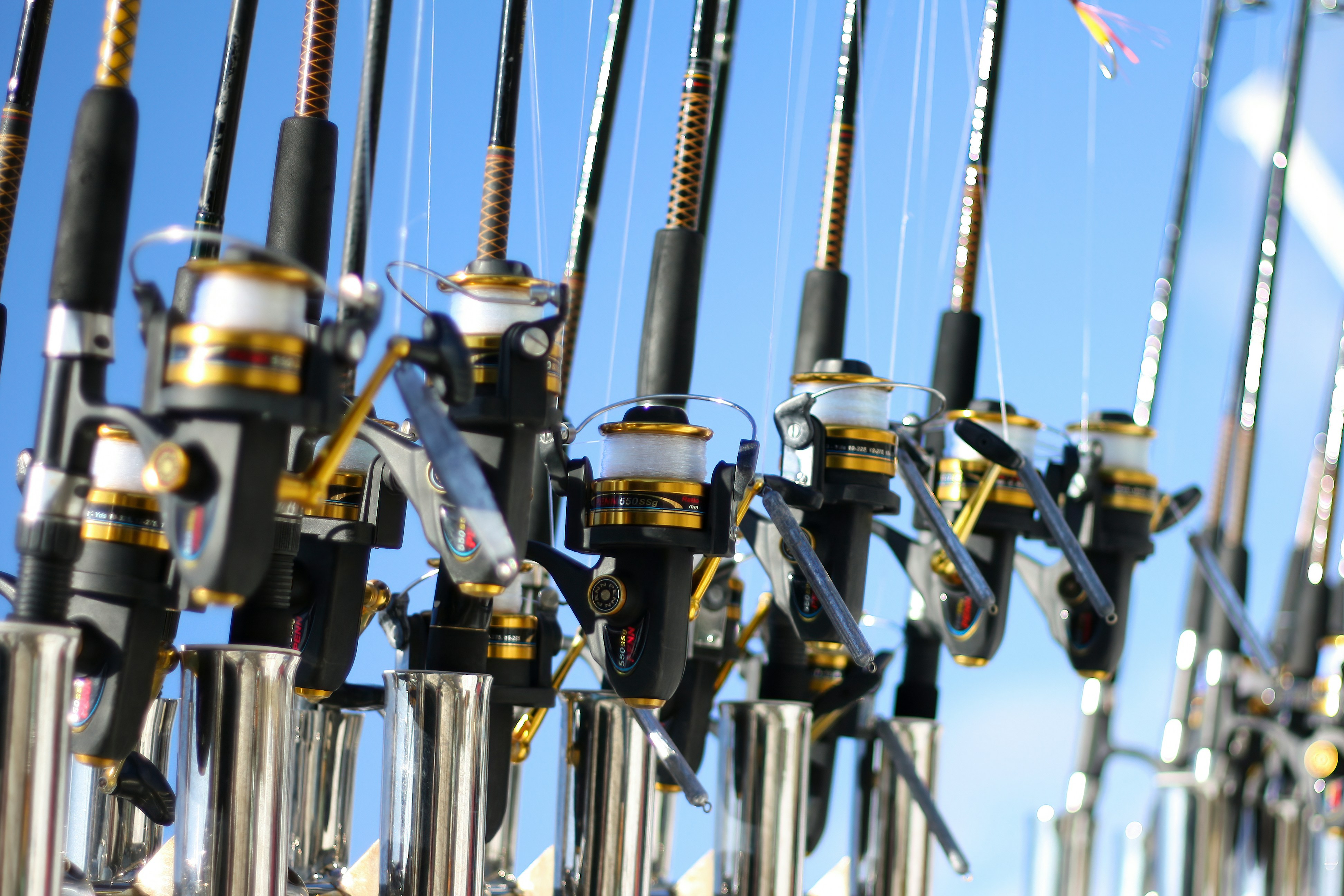
On your return ferry or the following morning, your deep-sea fishing charter departs from Key West or Islamorada. This is your big game day—depending on the season, you’re targeting mahi-mahi, wahoo, kingfish, tuna, sailfish, and marlin offshore, with grouper and snapper on the nearshore wrecks and reefs. A quality full-day charter runs six to eight hours, and most captains will clean and pack your fish for travel or arrange a local restaurant to cook your catch that night. Cap the evening at your luxury property, check into Isla Bella Beach Resort or your chosen Keys finale hotel, and celebrate properly.
Day 7: Final day of luxury
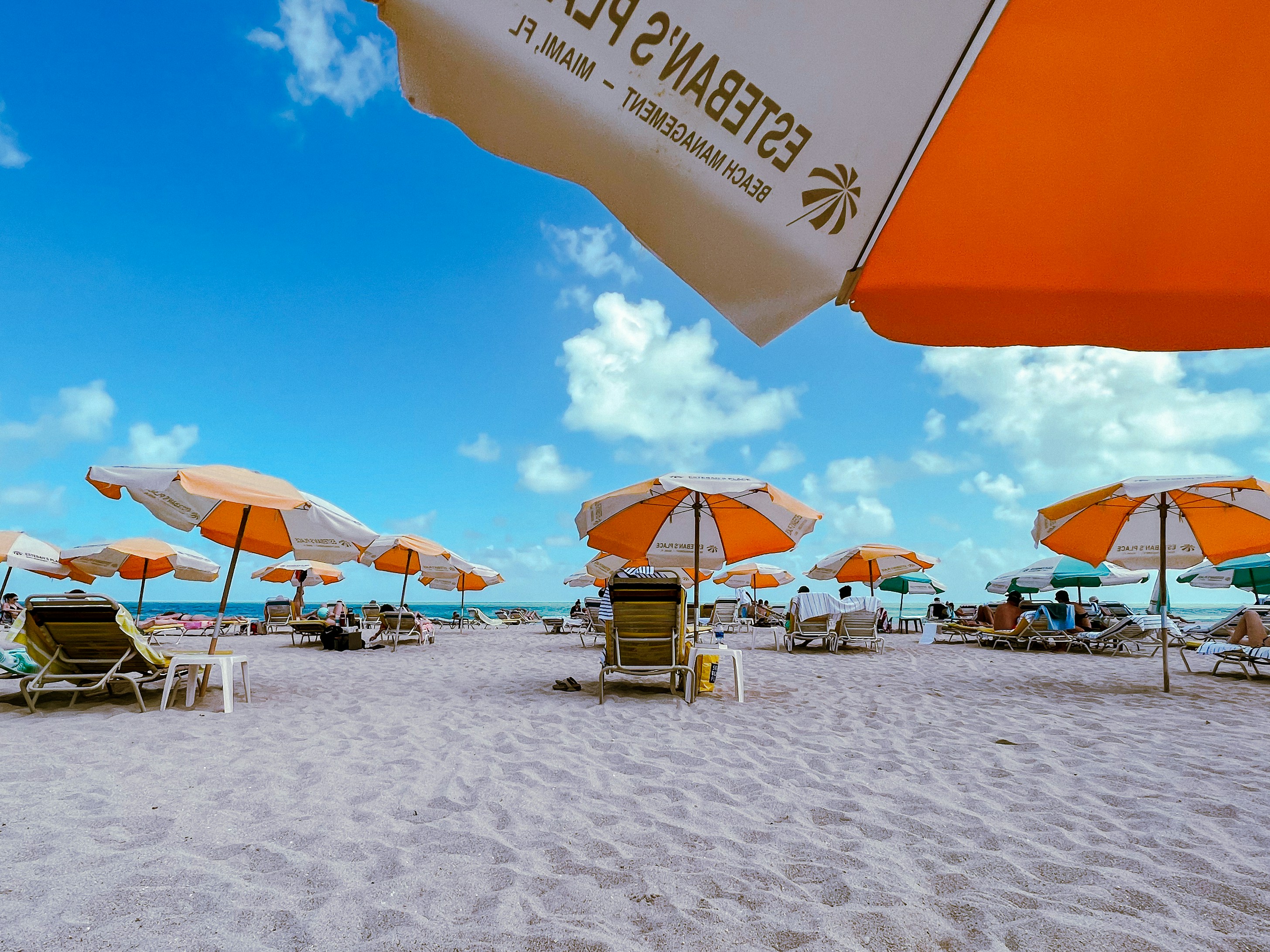
Your last full day is yours to spend exactly how you want, and the Florida Keys in luxury mode is a very good place to be.
Start the morning with a guided fly-fishing or flats fishing charter out of your resort marina. The Keys flats are legendary for permit, bonefish, and tarpon, and even a half day on the water with a good guide is a bucket-list experience for any angler.
Back at the resort, spend the afternoon on the water your way: jet ski rentals, stand-up paddle boarding the calm backcountry bay, or simply floating in that impossible turquoise water with a cold drink. For the adventurous, skydiving is available out of nearby Florida City and Marathon—tandem jumps over the Keys with views of the reef from altitude are as surreal as it sounds.
If a Bahamas day trip appeals, high-speed ferry service from Fort Lauderdale or Miami makes a day trip to Bimini, Bahamas, genuinely feasible—about 50 miles offshore, it gives you a second country stamp without losing a full travel day.
Tonight, dinner at a waterfront Keys restaurant, then an early transfer to Miami International or Fort Lauderdale for your Sunday departure flight.
You came to Florida for the wild version. You found it.
Need to know
Getting around
Pick up your camper van in Orlando or Tampa—Outdoorsy, RVshare, and Escape Campervans all operate Florida fleets. Book three to four months in advance for peak season (October–April). The camper van handles every camping night on this loop and saves significantly on lodging costs for the first five nights.
Best time to go
Mid-October through March is ideal. Manatees congregate in the springs from November onward, weather is mild throughout, and mosquito pressure drops significantly compared to summer. Avoid summer for this itinerary—heat, humidity, and bugs are brutal, and afternoon thunderstorms are daily.
Dark sky spots
Big Cypress National Preserve and Dry Tortugas National Park are both designated International Dark Sky areas. Bring a red-light headlamp, a star chart app, and a wide-angle lens if you’re a photographer.
Booking lead times
Dry Tortugas ferry (Yankee Freedom III): Book a minimum of four to six weeks in advance; often two to three months in peak season.
Bahia Honda State Park campsite: Book the day reservations open, 11 months in advance.
Deep sea charters out of Key West: Book at least two to four weeks ahead in season.
Manatee swim tours in Crystal River: Book at least one to two weeks in advance.
Photography notes
Golden hour at Big Cypress, the Tamiami Trail cypress strands, and Crystal River spring runs are world-class shooting locations. Bring a waterproof housing or underwater camera for springs, reef, and manatee work. Dry Tortugas offers some of the most unique architectural photography in the U.S.
Budget range
This itinerary scales beautifully.
Camper van rental and state park camping for the first five nights runs approximately $150 to $200 per night, all-in.
The luxury Keys finale (nights six and seven) at a property like Isla Bella runs $400 to $800 per night.
Deep sea charter: $250 to $400 per person for a full day.
Total trip budget (excluding flights): Approximately $3,500 to $5,500 for two travelers, or $5,000 to $8,000 for a more premium version.


Travel Advisor
Brittany Robbins

Brittany Robbins

Get in touch with Brittany Robbins
Did you like this guide? Reach out to customize and book your own experience. Or, just to chat about travel in general.
For more inspiration and insider recommendations, visit our Florida page.