




Curator’s statement
The first thing that struck me when I visited Ireland was the kindness of the people. Warm, welcoming, and genuinely friendly, there’s an openness here that feels increasingly rare. Beyond the landscapes and historic sites, it’s often the conversations, humor, and small moments of hospitality that stay with you long after the trip ends. While Dublin is a fantastic introduction, Ireland truly reveals itself once you leave the capital behind. This itinerary takes you through some of the country’s most extraordinary regions, where culture, history, and landscape become deeply intertwined. Medieval ruins rise from rolling countryside, sheep graze beneath dramatic mountain passes, and winding coastal roads open onto endless Atlantic views. At times, the scenery reminded me remarkably of New Zealand—vast, cinematic, and constantly changing—yet Ireland has a character entirely its own, shaped by centuries of history, storytelling, and resilience. From the wild beauty of Kerry and Connemara to the charm of Kilkenny and Galway, this journey offers far more than a traditional road trip. It’s an opportunity to experience the atmosphere, rhythm, and spirit of Ireland properly—and, like so many visitors beforeyou, you’ll almost certainly find yourself wanting to return again and again.
The Fora Difference
Book with Laurent Belamich to access exclusive perks and experiences on your trip.

Killer perks
Free upgrades, spa credits and more—we got you

Personalized recs
Customized travel planning for your style

Insider knowledge
Expert advice from people who’ve actually been there
Where to stay
Unlock perks by contacting Laurent Belamich to book your trip.
Day 1: Dublin arrival
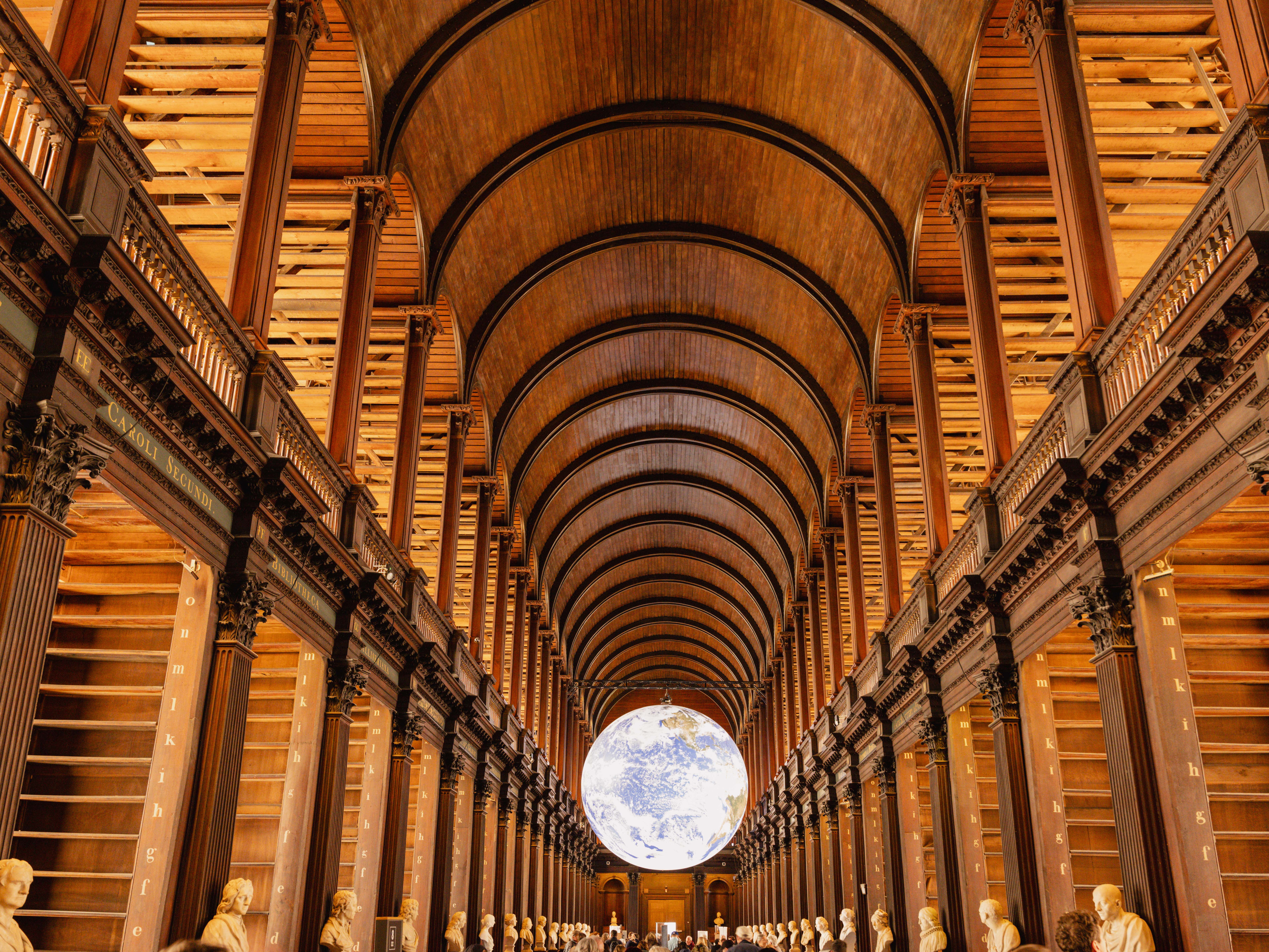
Start your Dublin journey with one of Ireland’s most iconic cultural landmarks: Trinity College Dublin, home to the legendary Book of Kells and the magnificent Long Room library.
Allow at least half a day here and don’t rush the experience. The Long Room remains one of the most breathtaking libraries in the world. Even during its current redevelopment project—with many books temporarily removed for conservation and cataloging—it still feels incredibly atmospheric and visually unforgettable. Beyond the library itself, the college grounds are beautiful to explore, with world-class sculptures by artists including Henry Moore and Alexander Calder scattered throughout the campus.
Tip: If the Long Room is one of your main reasons for visiting Ireland, note that it is expected to close for major renovations from mid-to-late 2027. Book tickets as early as possible, particularly for weekends. If standard tickets are sold out, guided tours often have additional availability.
From Trinity College, stroll through the heart of Dublin and stop briefly at the famous Molly Malone Statue - the fictional folklore figure who has become an enduring symbol of the city.
Continue on towards Dublin Castle. While the State Apartments and several interior visitor areas are currently closed during Ireland’s EU Presidency preparations (May 2026–January 2027), the grounds remain worth visiting. Wander through the elegant courtyards, explore the peaceful Dubh Linn Gardens, and don’t miss the exceptional Chester Beatty Library located within the castle complex.
End your afternoon at the magnificent St Patrick’s Cathedral. Ornate, atmospheric, and filled with stunning stained glass, it is one of Dublin’s most impressive interiors.
Tip: Join one of the complimentary guided tours if available. Ours was intimate, informative and gave fascinating insight into the cathedral’s history and restoration, including access to areas not usually open to the public.
If time allows, step next door into Marsh’s Library. This is one of Dublin’s true hidden gems and Ireland’s oldest public library.
Day 2: Guinness and Jameson day
Begin your second day at Guinness Storehouse, one of Ireland’s most visited attractions and the historic home of Guinness since 1837. Spread across several immersive floors, the experience explores the brand’s heritage, brewing process, and global cultural influence.
Book tickets well in advance and aim for an early morning visit if possible, when it tends to be noticeably quieter.
Next, head to Christ Church Cathedral. Smaller and less ornate than St. Patrick’s, it offers a completely different atmosphere and houses the largest crypt in Ireland, home to many important historical artifacts.
The cathedral is also instantly recognizable for its medieval bridge connecting directly to Dublinia, the city’s Viking and medieval history museum.
Tip: The free guided tours here, too, are excellent—engaging, informative, and full of unexpected details. One particularly fun fact: the cathedral served as a major filming location for the TV series The Tudors.
Continue to Jameson Distillery, Bow St. for an immersive introduction to Irish whiskey heritage. Located within the brand’s original 18th-century distillery site, the guided experience combines storytelling, sensory tastings, and insight into the distillation process.
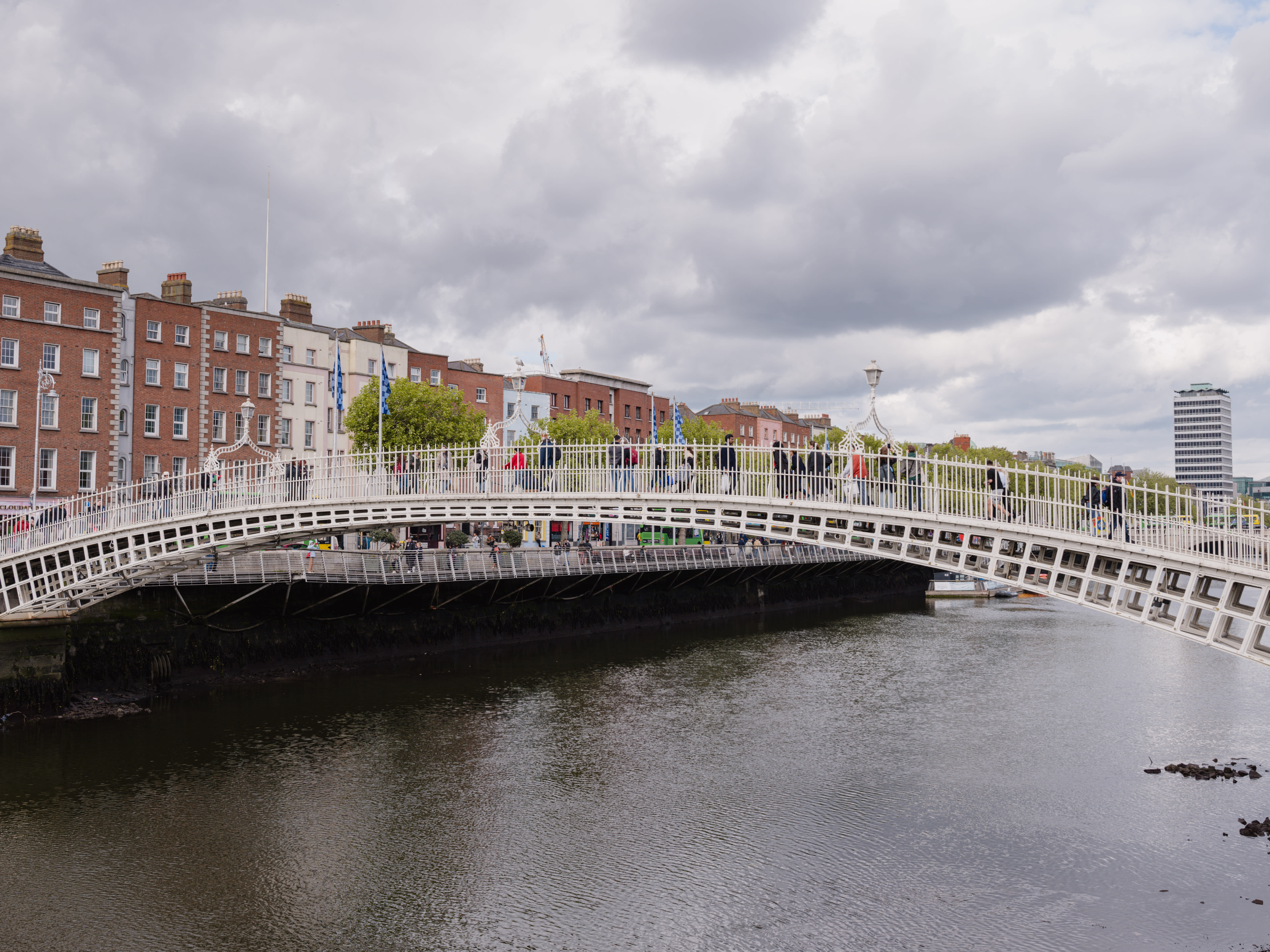
From there, walk towards the River Liffey and cross the iconic Ha’penny Bridge, the elegant cast-iron pedestrian bridge that has become one of Dublin’s most recognizable landmarks. Its name dates back to the original half-penny toll once charged to cross it.
You’ll emerge directly into Temple Bar. Undeniably touristy, but still worth experiencing at least once, particularly in the early evening when music begins spilling from the pubs into the cobbled streets.
Many venues host live traditional music sessions, especially on Sunday afternoons. The famous The Temple Bar Pub is Dublin’s most photographed pub and difficult to resist when passing through, while The Palace Bar offers a more atmospheric and historic alternative with one of the city’s most beautiful Victorian interiors.
Even if you’re not drinking, many pubs now serve excellent Guinness 0.0, allowing you to fully enjoy the atmosphere regardless.
Day 3: The road to Kilkenny
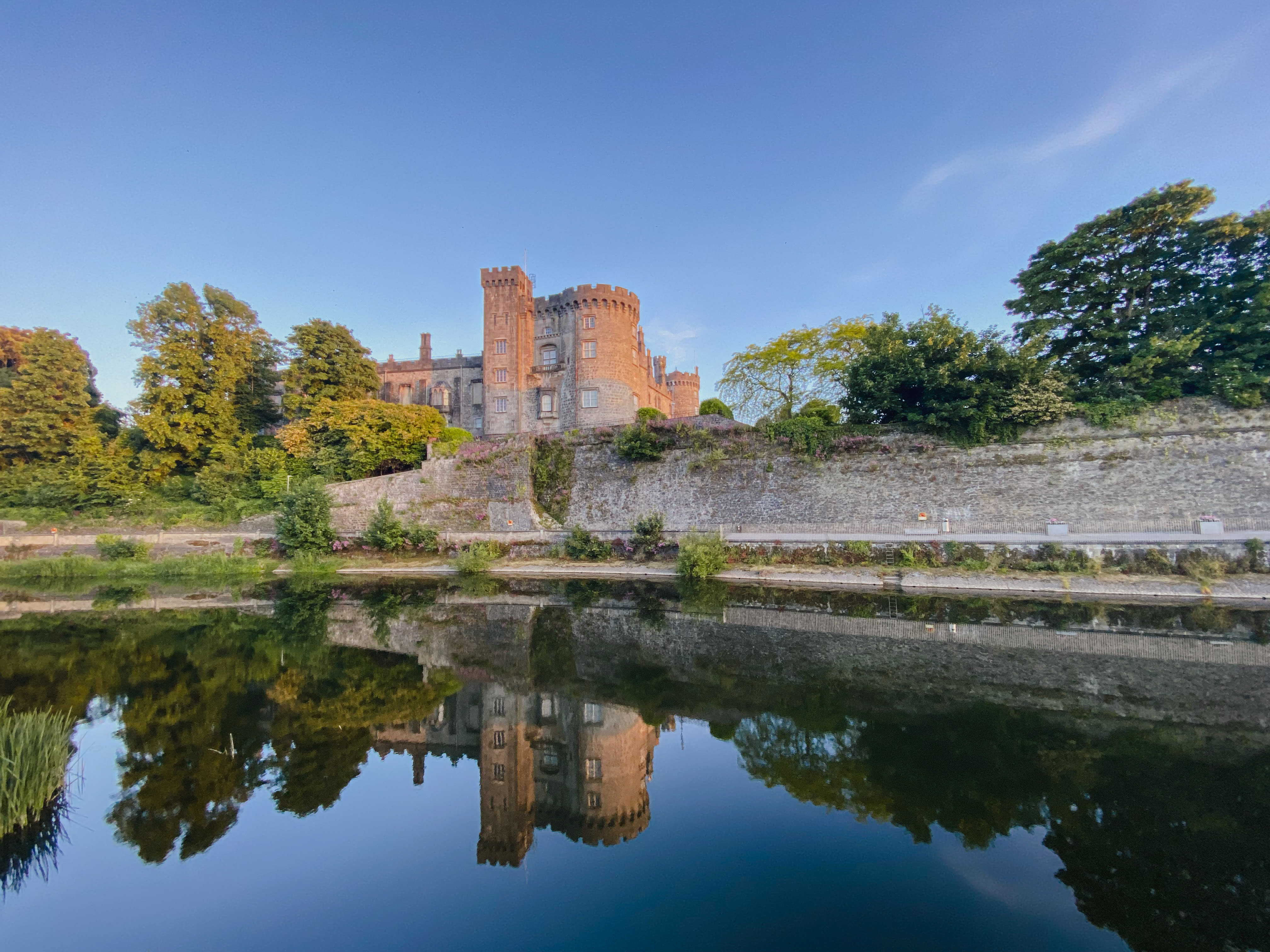
Leave Dublin behind and drive south towards Kilkenny, approximately two hours away and one of the most rewarding stops on the journey west.
Compact, walkable, and filled with medieval character, Kilkenny is often overlooked by visitors rushing directly towards County Kerry, but it deserves at least an overnight stay if time allows.
Start with Kilkenny Castle and its beautifully maintained parkland overlooking the River Nore. Nearby, the Kilkenny Design Centre is worth a stop for contemporary Irish craft, fashion, and design.
From there, simply wander. Kilkenny is best experienced slowly: narrow streets, independent shops, Georgian facades, and hidden lanes gradually reveal themselves as you walk through the old town towards St Canice’s Cathedral and the atmospheric ruins of Black Abbey.
If staying overnight, dinner at Campagne is highly recommended and remains one of the best meals we have had in Ireland.
For accommodation, my personal favorite is Mount Juliet Estate, located around 20 minutes outside of Kilkenny. The estate feels wonderfully peaceful, with vast grounds, woodland walks, and one of Ireland’s most celebrated golf courses.
Worth the Detour: If staying at Mount Juliet, take a short drive via Kells to visit Kells Priory. This is one of the largest and most atmospheric medieval ruins in Ireland. Open 24 hours and often almost empty, it feels remarkably untouched and cinematic.
Day 4: Kenmare & The Rock of Cashel
Leave Kilkenny early and begin the journey southwest towards Kenmare, your base for the next several days, exploring some of Ireland’s most spectacular landscapes.
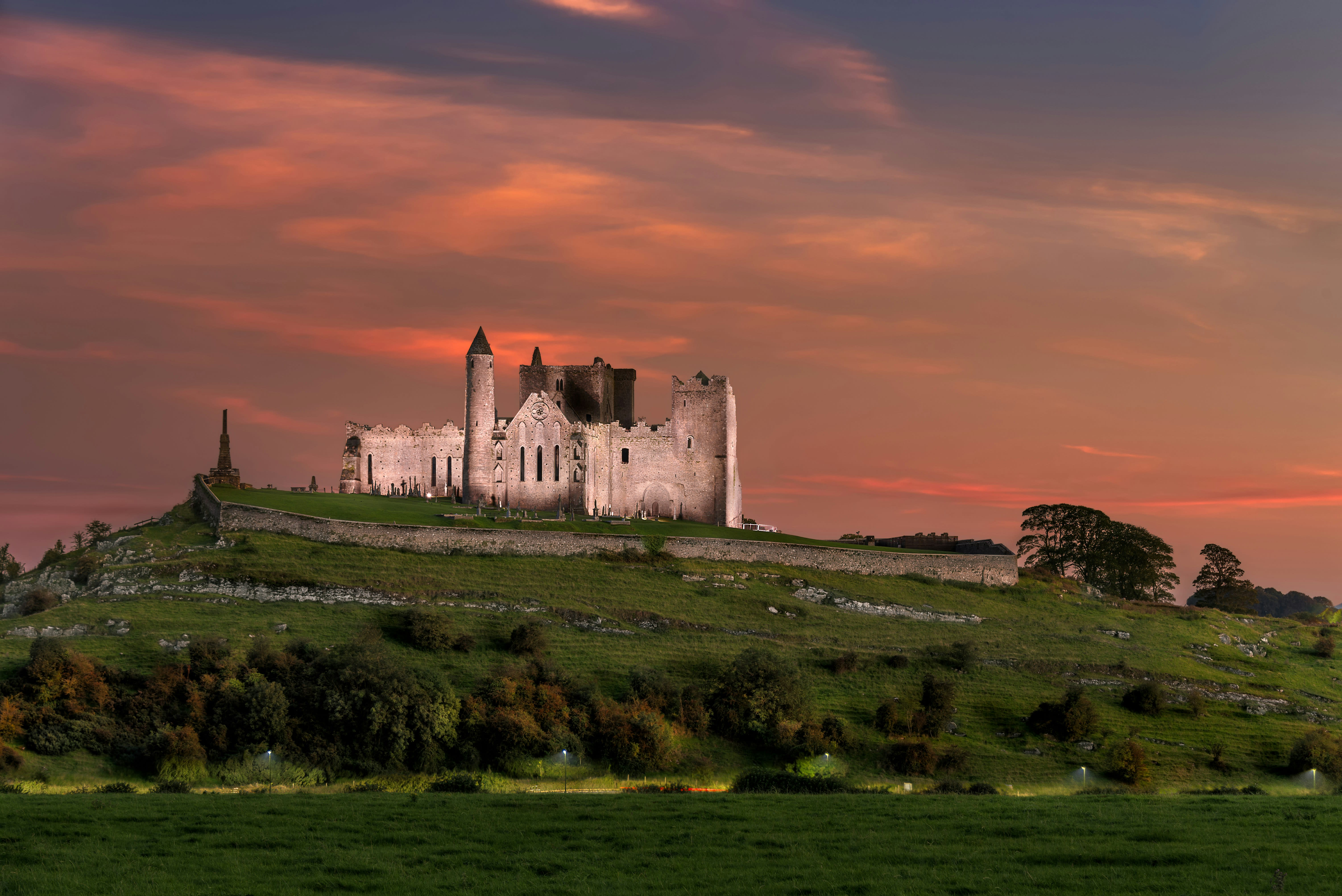
On the way, stop at the extraordinary Rock of Cashel. Thia is one of Ireland’s most iconic historic sites. Rising dramatically above the surrounding countryside, the complex of medieval buildings dominates the landscape and is a fantastic stop on the journey south.
Allow time to properly wander the grounds. The atmosphere here is incredibly special, with ancient stonework, sweeping views across, and flocks of crows flying around. Walk down the hillside afterward to explore the peaceful ruins of Hore Abbey, a 13th-century Cistercian monastery situated in the fields directly below the Rock
If timing allows, add a detour to Cahir Castle, one of Ireland’s best-preserved medieval castles, beautifully positioned beside the River Suir.
Continue onward towards Kenmare, one of the most charming towns along the Wild Atlantic Way and an ideal base for exploring both Kerry and West Cork.
Over the next three days, you’ll explore the Ring of Kerry, the Beara Peninsula, and the Dingle Peninsula. These are all within relatively easy driving distance.
Day 5: Killarney National Park & Moll’s Gap
Days 5–7 can be done in any order depending. If you are short on time, days five and six can technically be combined, though it will make for a very long day.
Today focuses on the landscapes surrounding Killarney and the breathtaking scenery of Killarney National Park.
Drive towards Killarney via the scenic R569/N22 route, allowing time to enjoy the changing landscapes along the way.
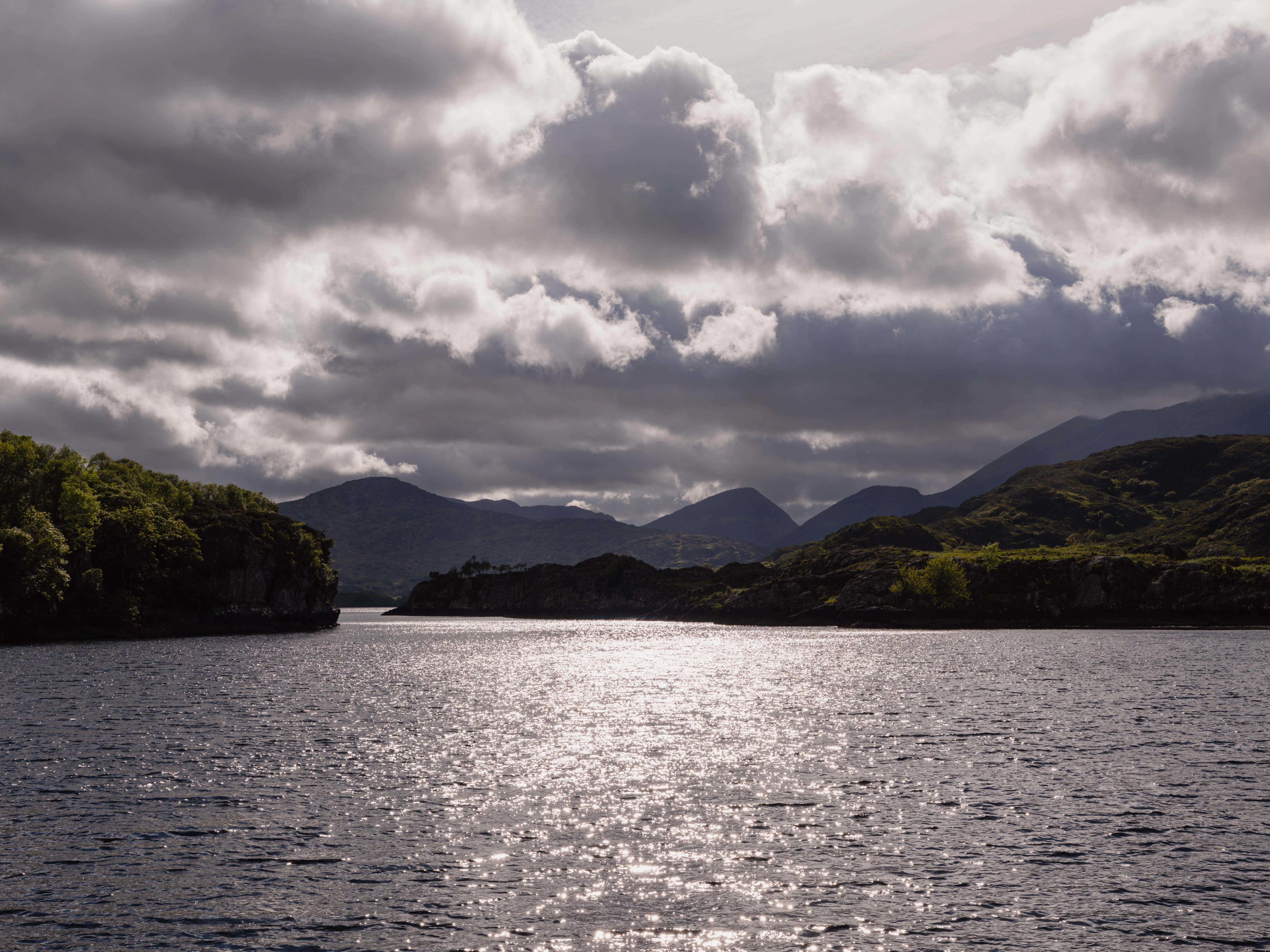
Begin in town with a visit to St Mary’s Cathedral before continuing to Ross Castle, a beautifully preserved 15th-century tower house overlooking the lakes. Nearby, take a cruise across Lough Leane. Lasting around an hour, it’s a wonderfully relaxing way to enjoy the scenery and local wildlife from the water.
Next, visit the atmospheric ruins of Muckross Abbey, famous for the ancient yew tree growing within its cloister - one of the most photographed and evocative locations in Kerry. It’s really eerily beautiful.
Then drive back towards Kenmare with a stop at Torc Waterfall before continuing through the legendary landscapes of Moll’s Gap.
This stretch of road is one of the most cinematic drives in Ireland, particularly in golden hour when the mountains begin to glow and the lakes reflect the evening light. Stop frequently. Some of the most rewarding moments are found between the major viewpoints. Ladies View is the most famous stop along the route, but there are countless smaller pull-ins offering equally stunning scenery.
Return to Kenmare in the early evening, where the town’s excellent restaurants and relaxed atmosphere make it the perfect place to end the day.
Day 6: Ring of Kerry & Valentia Island
Today explores the longer and wilder southern section of the Ring of Kerry, so set off early and allow yourself the entire day.
Your first stop is Staigue Fort, one of Ireland’s finest prehistoric stone forts. Hidden among rolling hills, it feels wonderfully isolated and atmospheric.
Continue onward to the beautiful Derrynane Beach before taking the coastal route towards Ballinskelligs. This section of Kerry is extraordinary for photography: dramatic skies, narrow coastal roads, crashing Atlantic waves, and endless opportunities to stop along the way.
Pause at both Coomakista Pass and Coomanaspig Pass for sweeping Atlantic panoramas. Expect strong winds and rapidly changing weather—all part of the experience.
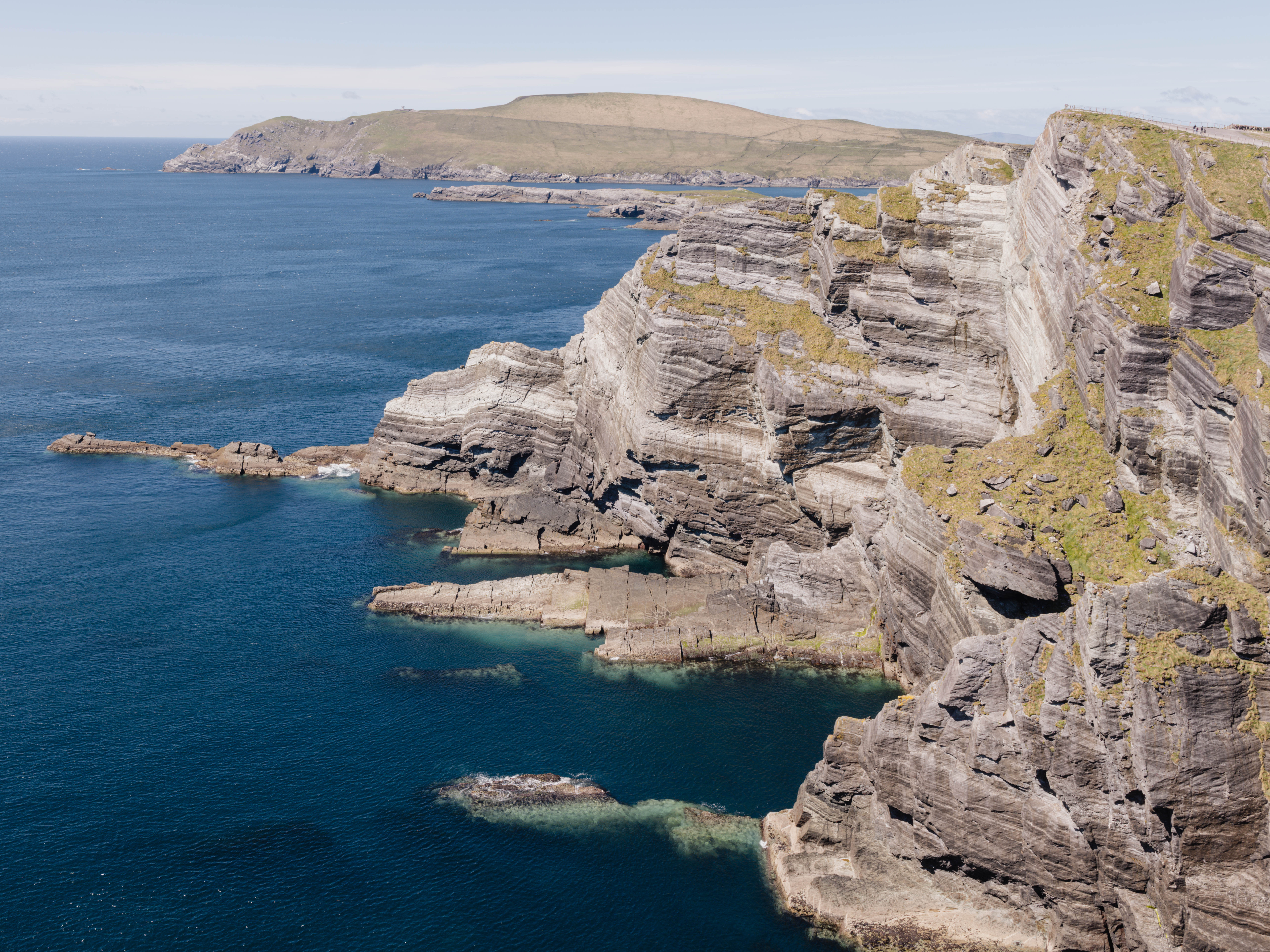
Continue to the spectacular Kerry Cliffs, one of the wildest coastal landscapes in Ireland. Far less crowded than the Cliffs of Moher, they feel raw, untamed, and genuinely dramatic.
Afterwards, stop in the fishing village of Portmagee for lunch or refreshments before crossing onto Valentia Island.
One of the highlights here is Geokaun Mountain. Despite its extraordinary scenery, it remains surprisingly under-visited. The views across the Atlantic coastline and surrounding islands are breathtaking and easily accessible either on foot or by car.
Tip: If you plan to visit Skellig Michael via a landing tour, book months in advance. Tours depart in the morning from the visitor center in Valentia and usually require an additional overnight stay due to sailing schedules and weather-dependent.
Return towards Kenmare via Rossbeigh Strand for another beautiful coastal drive.
Day 7: The Beara Peninsula
Today, explore the wonderfully rugged Beara Peninsula. Many blogs and some locals claim Beara surpasses the Ring of Kerry. I preferred Kerry overall—but Beara offers something quieter, wilder, and noticeably less touristed.
Drive first towards Healy Pass, one of the most rewarding mountain roads in Ireland. The road itself is narrow and winding, but the scenery is magnificent: sheep grazing against a backdrop of mountains, lakes, and distant Atlantic coastline.
Continue towards Castletownbere before heading onwards to Dursey Island Cable Car and the dramatic coastal landscapes surrounding Lamb’s Head.
Further west, Allihies is one of the most photogenic villages along the peninsula, with colorful houses overlooking the Atlantic and a small beach perfect for a peaceful pause.
On the return journey, stop at Derreen Garden, a beautiful subtropical woodland estate overlooking the water. It’s an ideal place for lunch or coffee and feels wonderfully calm after a long day of driving. It really was a great stop.
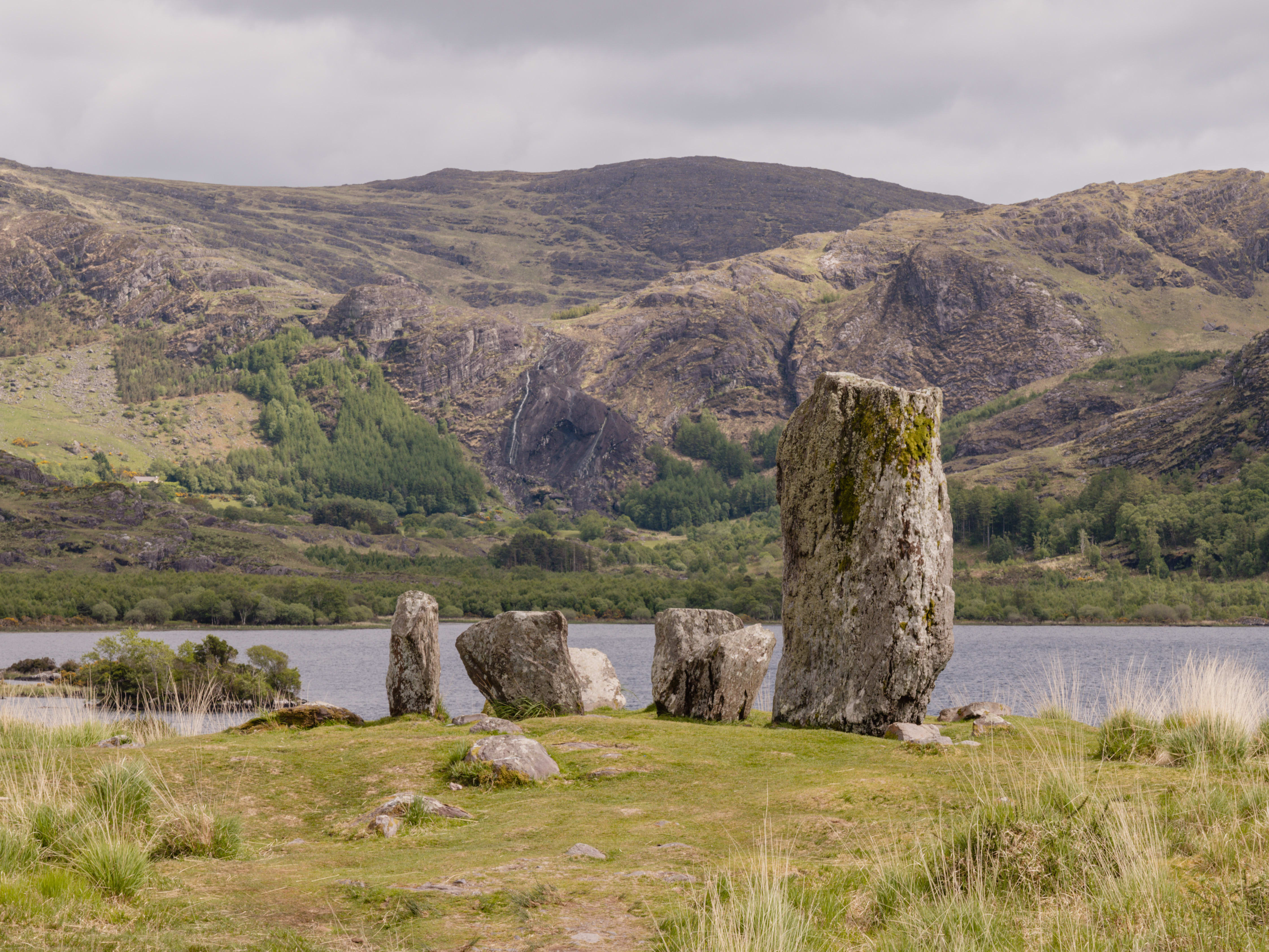
Your final stop before returning to Kenmare is the magical Uragh Stone Circle. Set beside a lake with mountains and waterfalls in the distance, it is one of the most atmospheric ancient sites in Ireland and the perfect way to end the day.
Day 8: Dingle Peninsula
Set off early for one of the most rewarding drives anywhere in Ireland: the spectacular Dingle Peninsula.
Your first stop is Inch Beach, a vast stretch of sand extending into the Atlantic for almost five kilometers.
Continue onwards to the beautifully positioned ruins of Minard Castle, often overlooked by visitors but incredibly photogenic against the rugged coastline.
From there, head into Dingle itself—lively, colorful, and full of excellent cafés, pubs, and seafood restaurants. It makes the perfect lunch stop.
Continue west towards Ventry Beach before entering some of the most dramatic scenery on the peninsula. The drive towards Coumeenoole Beach is extraordinary, with countless viewpoints along the route.
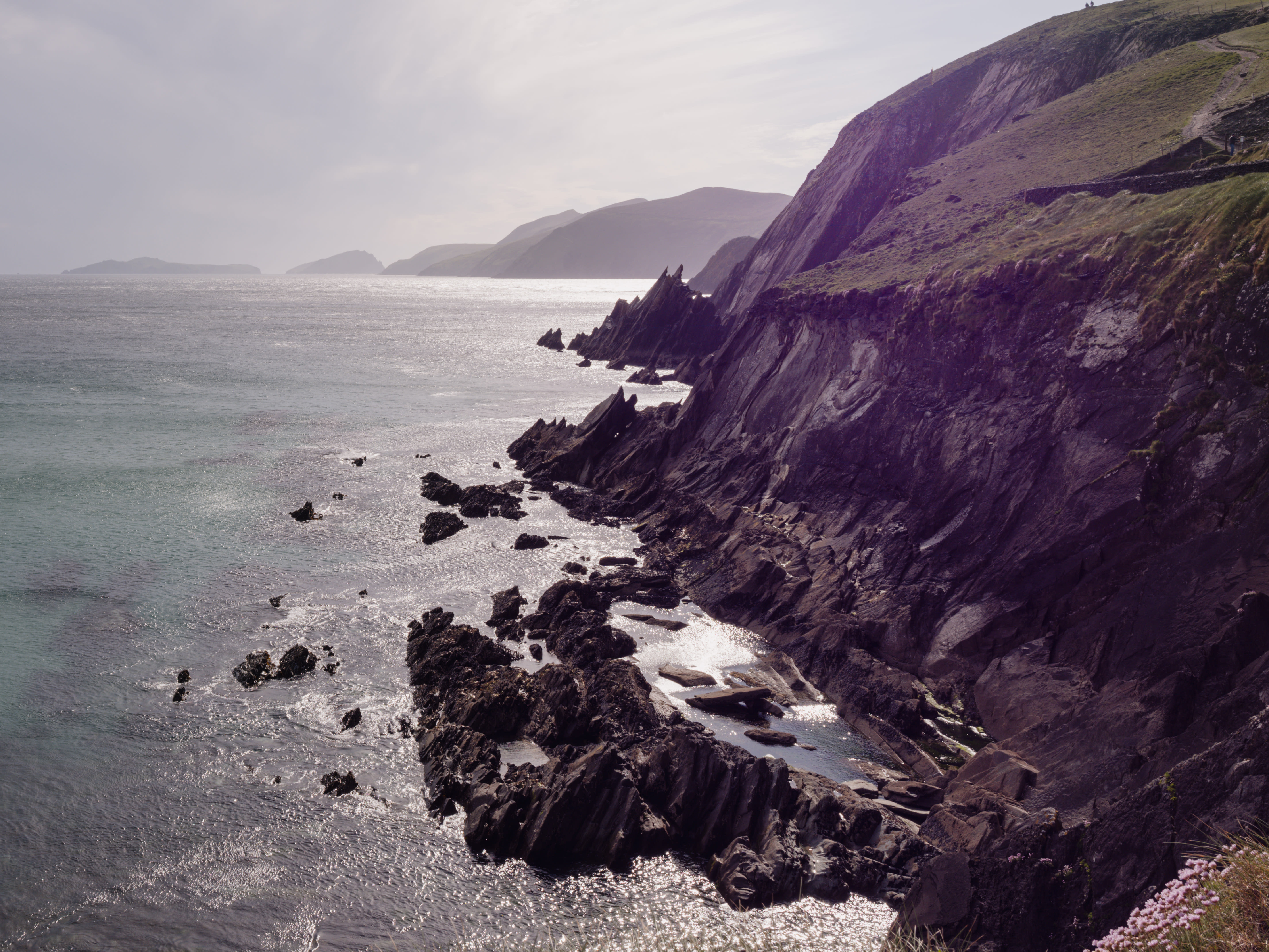
Coumeenoole itself is one of the most breathtaking landscapes on the Wild Atlantic Way: beautiful coves on one side and towering cliffs on the other, crashing surf and raw Atlantic wilderness stretching endlessly into the distance.
Nearby, Dunquin Pier offers another unforgettable viewpoint, famous for its steep, winding path descending dramatically towards the sea. Loop back via Clogher Strand before visiting the beautifully preserved Gallarus Oratory, an early Christian stone church remarkably intact after centuries of Atlantic weather.
Return towards Killarney for the evening. If conditions are good, take the spectacular Conor Pass route back. The road is narrow and challenging in places but offers some of the most dramatic mountain scenery in Ireland. After the pass, Fermoyle and Castlegregory have beautiful beaches on the way to Killarney.
Day 9: Cliffs of Moher & Galway
Leave Kerry behind and begin the journey north towards County Clare and the Atlantic coast.
On the way, stop at Bunratty Castle, one of Ireland’s best-preserved medieval castles. The beautifully restored interiors and surrounding folk park offer a fascinating glimpse into Ireland’s past and make a worthwhile stop before continuing west.
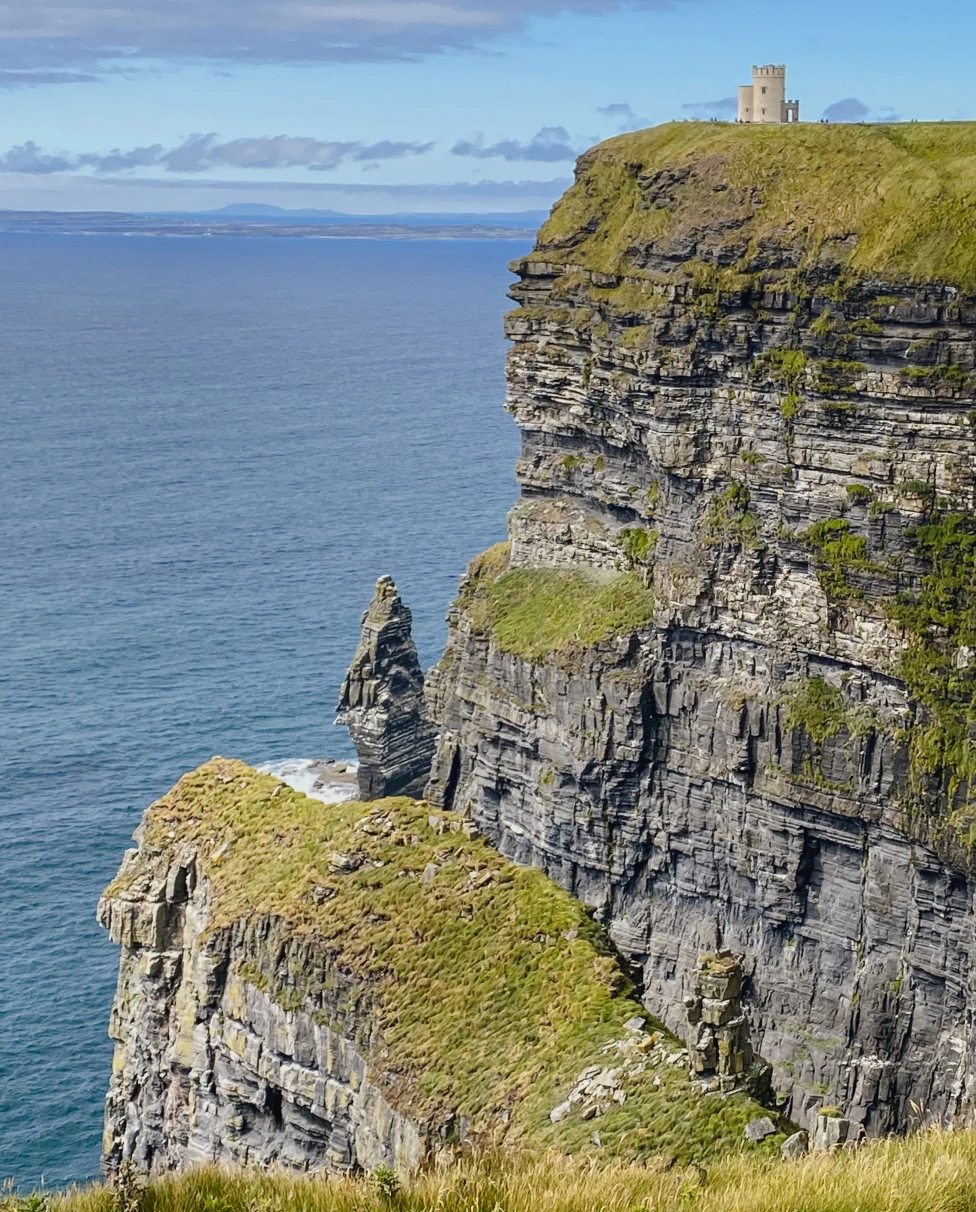
Nearby Lahinch Beach is a good place for a quick coastal stop before arriving at the majestic Cliffs of Moher.
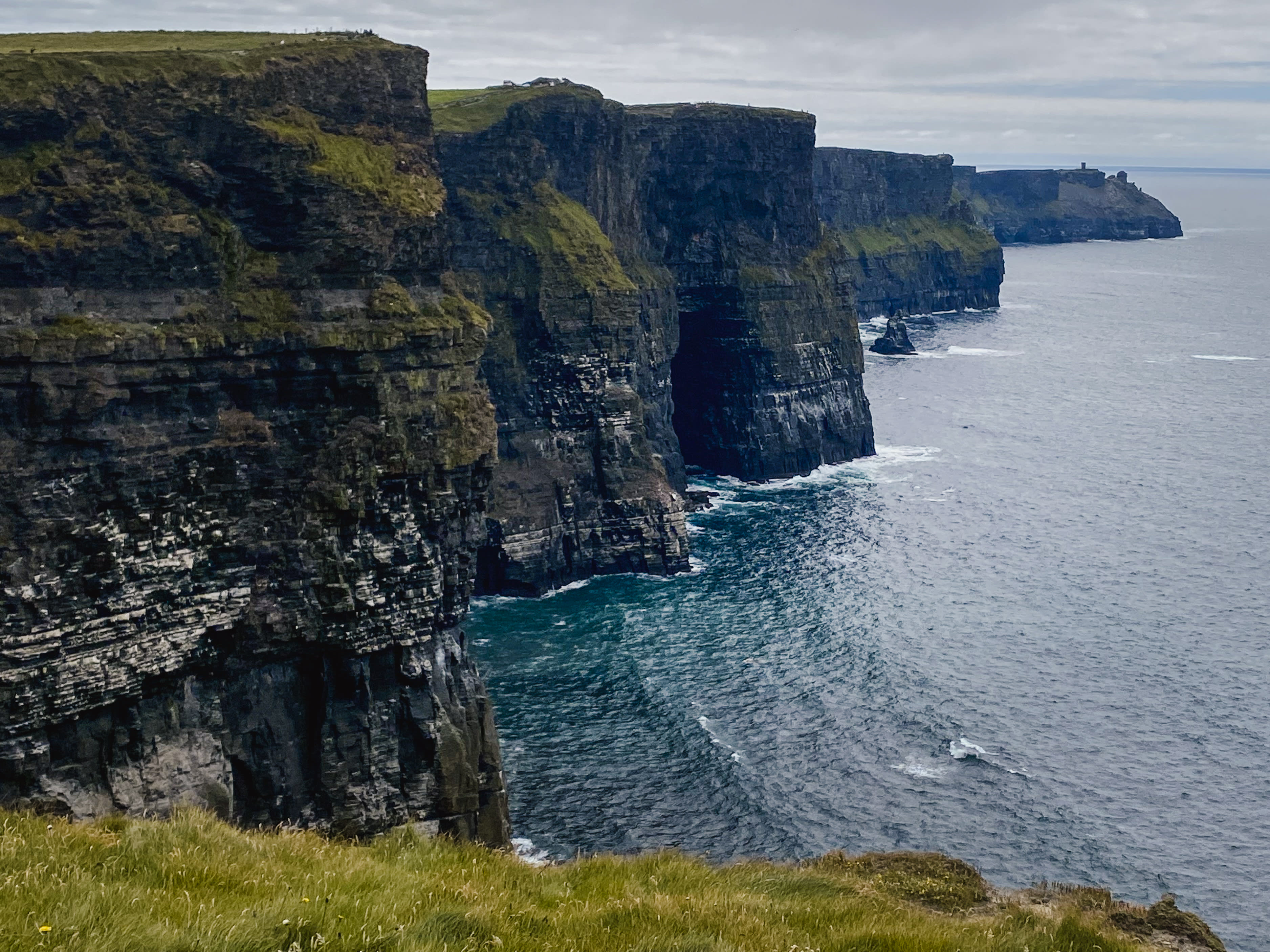
Towering dramatically above the Atlantic Ocean, the cliffs are one of Ireland’s most iconic natural landmarks and every bit as impressive in person. Allow around 1.5 to 2 hours if visiting via the main visitor center.
If you’d prefer to explore the quieter coastal walking trails away from the busiest areas, consider an overnight stay in nearby Doolin, a small village known for traditional music and excellent seafood restaurants.
Continue onward to Galway, stopping at Dunguaire Castle, a magnificent ruin, along the way.
Day 10: Galway
After several days of driving, today is intentionally slower. Spend the morning exploring Galway, one of Ireland’s most vibrant and creative cities.
Visit Galway Cathedral before wandering through the colorful streets of the Latin Quarter and lively Quay Street.
The atmosphere here feels distinctly different from Dublin - more bohemian, youthful, and artistic.
Later, head to Salthill Promenade for a long coastal walk overlooking Galway Bay.
Finish the day in the beautiful seaside village of Barna, where The Twelve Hotel is an excellent stop for dinner or drinks.
Day 11: Connemara
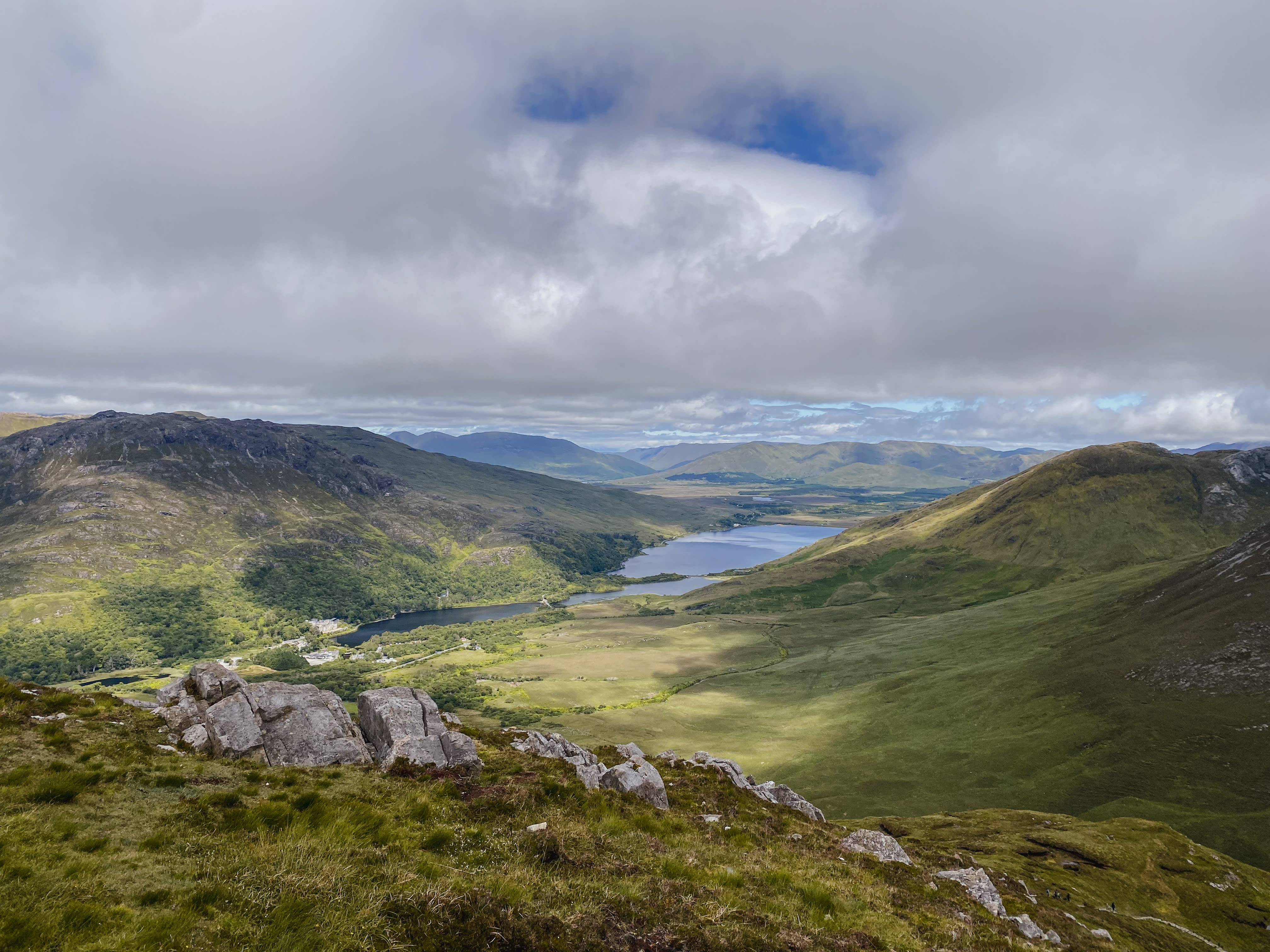
For your final full day in Ireland, head deep into the extraordinary landscapes of Connemara National Park.
Drive first towards Clifden and follow the famous Sky Road loop, stopping frequently along the way for coastal views and photography. Pause briefly at the ruins of Clifden Castle before continuing to the national park’s visitor center.
From here, hike Diamond Hill. The upper trail is longer, around 2h30min return, and more demanding but absolutely worth the effort, rewarding you with magnificent panoramic views across mountains, coastline, and the Atlantic Ocean.
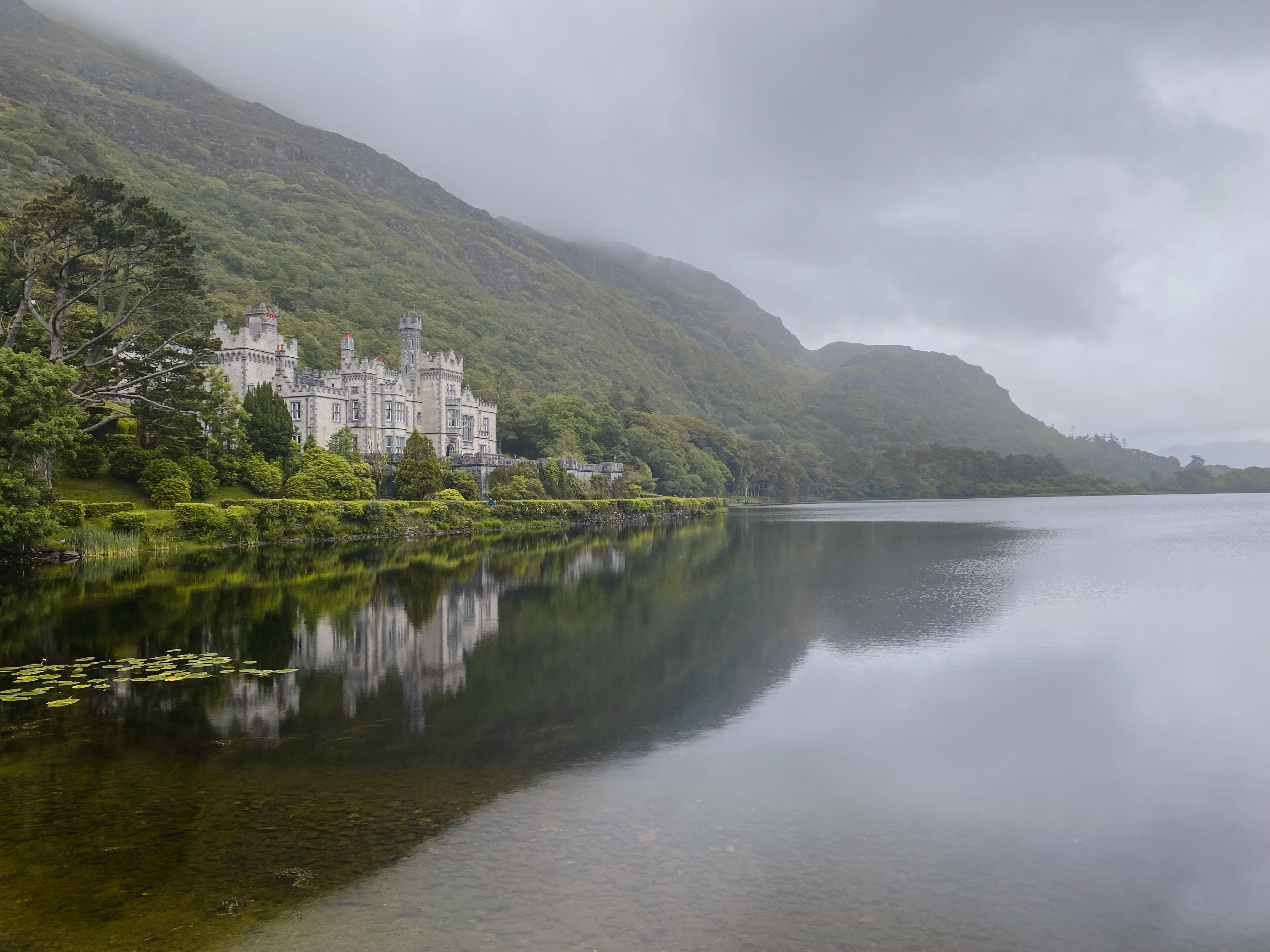
After the hike, visit the stunning Kylemore Abbey, one of Ireland’s most photographed landmarks. Make sure to explore the beautiful Victorian walled gardens before returning to Galway for your final evening in Ireland.
Need to know
Dublin restaurants
Chapter One: Quite simply, one of the finest dining experiences in Ireland. Elegant, refined, and beautifully executed, Chapter One is perfect for a special evening and absolutely worth planning ahead for.
Uno Mas: A buzzing, intimate Mediterranean-inspired restaurant with a lively atmosphere and consistently excellent food. Designed around sharing plates, every dish we tried was full of flavor, supported by warm service and great energy throughout the room.
Etto: A charming small bistro serving French-influenced cooking with an excellent wine-by-the-glass selection. Relaxed, understated, and consistently delicious.
Kilkenny restaurants
Campagne: Our favorite restaurant in Kilkenny. Beautifully cooked food, genuinely warm service, and an elegant dining room make this an essential stop if staying in the city.
Lady Helen: Located within Mount Juliet Estate, Lady Helen is ideal for a celebratory evening or special occasion. Sophisticated fine dining in one of Ireland’s most beautiful country house settings.
The Terrace at River Court Hotel: A lovely riverside setting for relaxed drinks or light bites, particularly on a sunny afternoon overlooking the castle and river.
Kenmare restaurants
No. 35: A relaxed and welcoming spot serving Irish dishes with subtle Spanish influences. The atmosphere is cozy, the team wonderfully friendly, and the portions surprisingly generous.
Lagom: One of our favorite meals of the trip. Scandinavian-inspired cooking with beautifully presented, highly creative dishes served in a warm and relaxed setting. The genuinely friendly team make the entire experience feel special without ever becoming formal.
Landline: Refined fine dining in a beautiful contemporary dining room featuring works by Sean Scully. Elegant cooking, polished service, and a calm, sophisticated atmosphere make this one of Kenmare’s standout dining experiences.
Galway restaurants
Pullman Restaurant: One of the most unique dining settings in Ireland. Located within beautifully restored former Pullman train carriages at Glenlo Abbey Hotel & Estate, the restaurant combines old-world glamour with outstanding food and service.
Blackthorn: Located within The Twelve Hotel in Barna, this bright Nordic-inspired restaurant focuses on a “land, fire and sea” concept, celebrating exceptional regional produce cooked over charcoal. The open-fire aromas, relaxed atmosphere, and beautifully executed dishes make it a fantastic final evening stop before leaving Ireland.
Dela: This charming Scandi-inspired eatery has become one of Galway’s most loved dining spots thanks to its strong farm-to-table philosophy. Much of the produce comes directly from the family’s nearby farm, resulting in beautifully fresh, seasonal cooking. Particularly popular for brunch, though the relaxed evening menu is equally thoughtful and well-balanced.
Driving in Ireland: Driving times in Ireland can be deceptive. While distances may appear short on the map, many of the most scenic routes are narrow, winding, and designed to be experienced slowly. Allow extra time for photography stops, changing weather conditions, and unexpected detours—often the best moments happen between destinations.
Best time to visit: Late spring through early autumn offers the best balance of longer days and more stable weather. May/June and September are particularly rewarding, with fewer crowds and beautiful light for photography.
Weather: Irish weather changes quickly, especially along the Atlantic coast. Even in summer, expect a mix of sunshine, wind, rain, and mist—often within the same day. Layers and waterproofs are essential.
Photography: Golden hour transforms the Irish landscape completely, particularly around Kerry, Connemara, and the Dingle Peninsula. Some of the best photo opportunities are completely unplanned, so allow flexibility within your itinerary and don’t rush between locations.
Suggested duration: While this guide is designed as an 11-day itinerary, adding one or two additional nights—particularly around Kerry or Connemara—allows for a far more relaxed and rewarding experience.


Travel Advisor
Laurent Belamich

Laurent Belamich

Get in touch with Laurent Belamich
Did you like this guide? Reach out to customize and book your own experience. Or, just to chat about travel in general.
For more travel inspiration and insider recommendations, check out our Ireland page.