





Curator’s statement
Real Roman charm lives in the details: a hidden bar you’d walk past if you didn’t know, a stack of vintage books by the Tevere, the sounds, the smells, the colors of a market morning. Some corners are beautiful in the obvious way. Others win you over with their imperfections.
The Fora Difference
Book with Patrizia Tyfaniuk to access exclusive perks and experiences on your trip.

Killer perks
Free upgrades, spa credits and more—we got you

Personalized recs
Customized travel planning for your style

Insider knowledge
Expert advice from people who’ve actually been there
Where to stay in Rome
Unlock perks by contacting Patrizia Tyfaniuk to book your trip.
Things to do in Rome
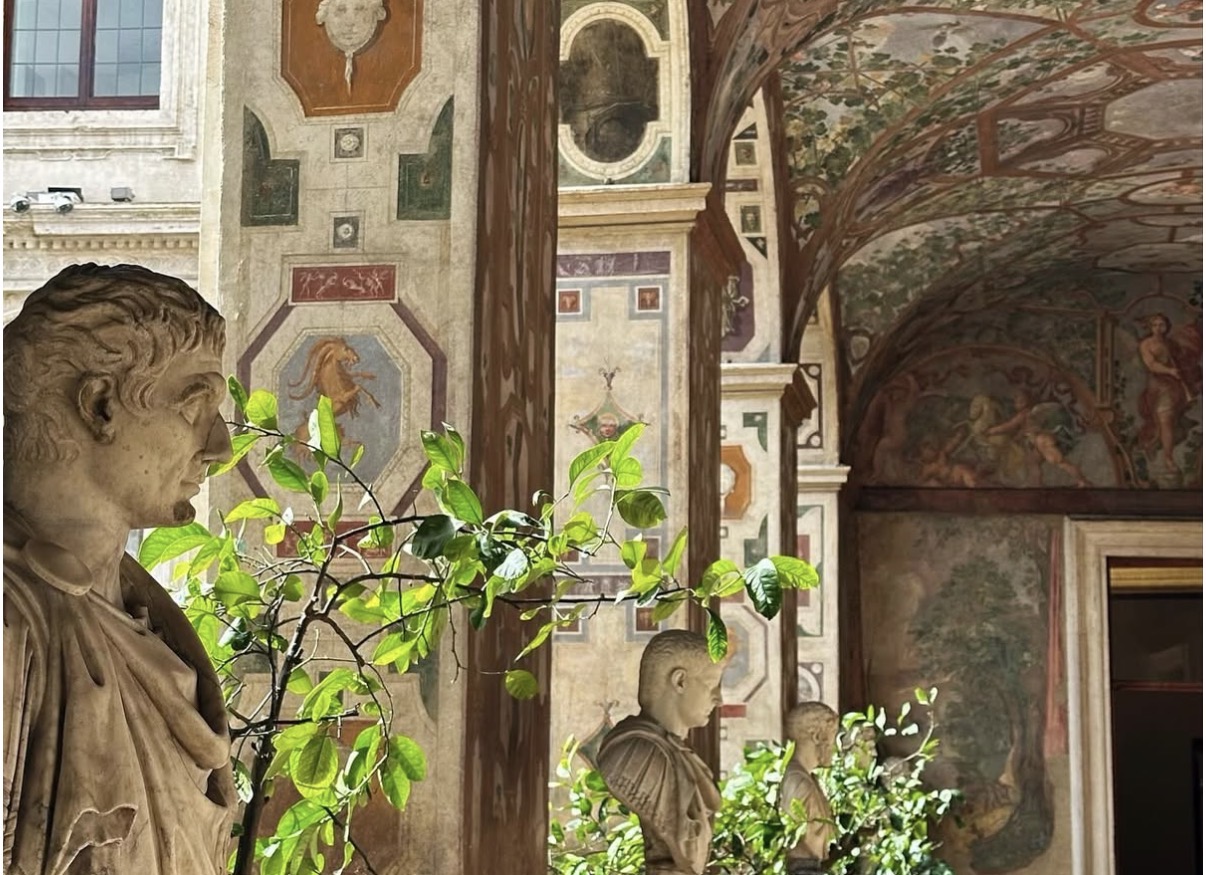
Palazzo Altemps Secret Courtyard
Rome’s hidden corners
The Villini delle Fate are a whimsical trio of houses tucked into the Coppedè district, their forms and colors almost defying logic. Built between 1920 and 1927 by Gino Coppedè, they mix Art Nouveau, Art Deco, and Gothic, using marble, brick, glass, and travertine. Stained glass, mosaics, medieval arches—it’s a garden of details.
Palazzo Altemps stands as a captivating stage of classical art and history. Formerly the residence of Cardinal Marco Sittico Altemps, the palace underwent extensive restoration before unveiling its treasures to the public in 1997. Room-by-room, visitors can marvel at the decorations, frescoes, and marbles. Mesmerizing are Cardinal Altemps’ ancient sculptures, including Roman copies of Greek originals. The Loggia reveals a secret courtyard, adorned like an enchanted garden, depicting history, art, and elegance.
Explore the quirky and colorful neighborhood of Trastevere. As for the ideal lunch spot, Ercoli is a must-go. Since 1928, the Ercoli family has been delighting locals and visitors. Presently, the concept embraces modernity, blending the traditional restaurant with a boutique and a stylish cocktail bar set in a charming outdoor space.
Step inside the home of Giacomo Balla, where the Futurist artist and his family lived and worked from 1929, transforming their apartment into a living manifesto of the movement. Every inch—from vibrant paintings to custom furnishings and even the floor tiles—reflects Balla’s radical vision and boundless creativity.
Giardino Botanico: Rome’s Botanical Garden presents a diverse array of flora, featuring medicinal plants, aquatic species, and an enchanting Japanese garden. Founded in 1883, this sanctuary offers an escape within the bustling city, inviting visitors to explore its rich botanical tapestry.
Campo de’ Fiori Market (7 a.m.–2 p.m.): Campo de’ Fiori is popular among the locals for its early-morning street market filled with local delicacies. Colors, voices, and sounds tell the stories of every Roman market. Warm bread stacked on wooden boards, artichokes and blood oranges, bouquets bundled in newspaper, quick exchanges between locals and travelers just passing through.
Palazzo Doria Pamphilj: A private gallery with a collection made up of more than 400 paintings produced between the 15th and 18th centuries. In the halls of the palace, you can admire the works of great masters, such as Tiziano, Raffaello, Caravaggio, Brueghel the Elder, Velázquez, and Bernini. One of the most mesmerizing rooms is the Hall of Mirrors, a long hall lined with sculptures and large gilded mirrors covered by a frescoed ceiling.
Cinecittà: The Factory of Dreams: Step into the captivating realm of Cinecittà, Italy’s legendary “factory of dreams.” Embark on a journey through time, from its inception during the Fascist era to its pivotal role in post-war Italian cinema, epitomized by classics like “La Dolce Vita.” Amidst the echoes of Hollywood’s golden era, relish in the allure of this cinematic haven, where iconic films such as “The Godfather Part III” and “Gangs of New York” came to life.
A day in Flaminio: Tucked between the Tiber and Villa Borghese, Flaminio is Rome’s understated cultural engine. Once known for its rationalist architecture and broad boulevards, today it’s where modern design meets lived-in charm. A stroll leads from MAXXI’s bold lines to the neoclassical elegance of the GNAM, with stops at independent galleries and cafés that feel more Milan than Rome. Pause at Palazzetto dello Sport or the Teatro Olimpico to catch a performance. It’s not postcard Rome—it’s the city as locals live it, layered and real.
Shop like a local
Archivio di Monserrato: is the fashion sanctuary of Soledad Twobly, the effervescent Argentine-Italian owner. Its curated collection marries classic elegance with contemporary flair, offering bespoke garments and accessories. Stories of travels in lands far, far away and a passion for textiles, decoration, and life are the key ingredients to this enchanted store.
Step into the world of Chez Dede at Palazzo Antonelli Capponi, a curated blend of fashion, design, books, and objects, all with a luxurious edge.
For film lovers, Hollywood Tutto sul Cinema is a Roman gem. Rare posters, vintage memorabilia, and a wildly eclectic DVD collection make it part store, part archive.
Triplef: Named for founder Federica Formilli Fendi, Triplef is a concept store that brings new life to design classics. Ponti furniture, Venini chandeliers, vintage YSL dresses—it’s all here. The space itself feels like a curated home, timeless and full of quiet charm.
Step into the exquisite world of Le Tre Sarte, a unique atelier embracing a revival of sartorial excellence. They craft bespoke garments using top-tier materials. Upholding a commitment to sustainability, they source Italian dead-stock fabrics, operate on a made-to-order basis, and repurpose excess materials.
Schostal: Would you be interested in knowing where Anne Hathaway purchases her sleepwear when in Rome? Instead of opting for the designer stores along Via del Corso, consider heading directly to Schostal. Established in 1870, this atelier boasts a collection of classic and timeless pajamas. A visit is a must for those seeking simple, comfortable, and tailored designs crafted from high-quality cotton, all of which can be personalized with monograms.
Il Paralume: immersed in the art of the ancient lampshade craft, and design, a unique piece choosing shapes, fabrics, and details.
HB Roma: It’s easy to miss this secret perfume store inside the 19th-century Palazzo Chauvet, but we can guarantee you won’t want to. Niche brands, tiled floors, frescoed ceilings, shiny perfumes, and modern art, plus a secret speakeasy bar in the back.
Places to eat & drink in Rome
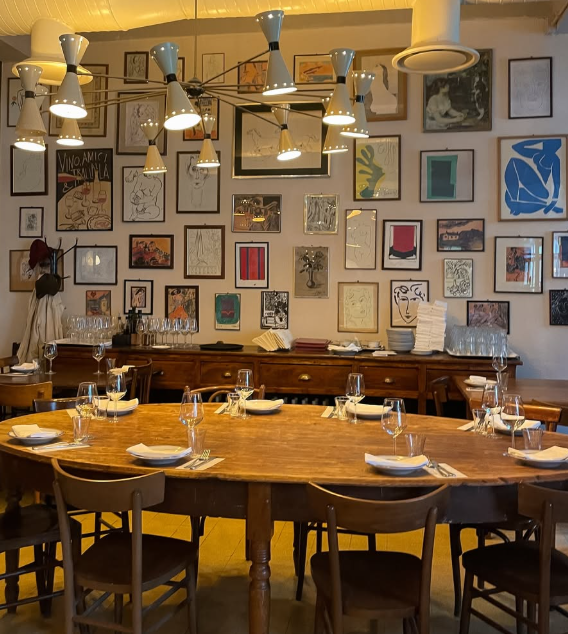
Locanda Coronari
Looking for a Roman merenda? Here are some of my favorite “forni”: Forno Campo de’ Fiori, Antico Forno Roscioli, Tulipane, Marigold, Panella, Forno Conti,
Rome’s Culinary Jewels: Carciofi alla Romana - Experience the essence of Roman cuisine with a taste of the city’s beloved artichoke dishes at Ristorante Piperno. Romans celebrate artichokes in two iconic ways: carciofo alla romana, simmered with garlic, mint, and lemon for a tender, aromatic bite, and carciofo alla giudia, Jewish-style artichokes, fried to a perfect crisp. These specialties, especially when made with the Romanesco variety, capture the history and flavor of Rome’s culinary traditions—a must-try for any visitor.
Sunday Lunch ‘come a casa nostra’ - but better. One of my favorites is without a doubt Locanda Coronari. This Roman institution is committed to upholding traditions while adapting to the ever-changing seasons, ensuring a evolving culinary experience.
When in Rome... the iconic supplì must be on your ‘to-try’ list. Supplizio, by Chef Arcangelo Dandini, embodies Rome’s culinary essence. A homage to traditional Supplì and ancient Roman cuisine, it’s a cozy street food corner reminiscent of a rustic living room.
For a quick and healthy pause: Ruma Bottega, a hidden gem near Piazza Navona, which draws inspiration from the Etruscan name of the city. Matidia and Guido Pallini have transformed their agricultural business into Bottega e Cucina Agricola. This shop not only sells their locally sourced products and goods, but also offers a curated and balanced menu from breakfast to dinner.
Pasticceria Regoli: founded in 1916 and still managed by the Regoli family, produces incredible pastries according to ancient recipes. Maritozzo - A soft, yeasty bun overflowing with a sumptuous mound of whipped cream, maritozzo is a delightful Roman pastry enjoyed year-round but holds a special place during festive times.
For an enchanting evening, few places rival the romantic ambiance and allure found at Casa Coppelle. The air is infused with an intoxicating blend of passion and sophistication, making it the perfect setting for a truly special dinner. This boutique restaurant has seamlessly combined Parisian charm with Roman charisma.
Osteria Fernanda: an elegant spot near the Porta Portese market. Run by two passionate partners, the restaurant offers inventive Italian cuisine crafted with locally sourced and regional ingredients. With its refined atmosphere and artful dishes, it’s a perfect pairing of culinary innovation and Roman charm. Reservations recommended.
To enjoy an after-dinner cocktail, head to Emerald’s Bar, a unique blend of a speak-easy and living room ambiance. With dimmed lighting, retro velvet sofas, and vintage decor, it exudes intimacy, with a globally inspired cocktail menu.
Need to know
Rome from above, dressed in golden light, is even more magical than it sounds—especially from a beautiful rooftop, a personal favorite? La Terrazza.


Travel Advisor
Patrizia Tyfaniuk

Patrizia Tyfaniuk

Get in touch with Patrizia Tyfaniuk
Did you like this guide? Reach out to customize and book your own experience. Or, just to chat about travel in general.
For more travel inspiration and insider recommendations, check out our Rome page.