

Curator’s statement
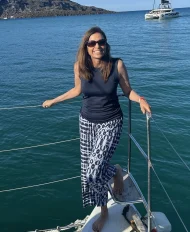
I just returned from an incredible 6-day walk along Spain’s Galician countryside via the Camino Portuguese Coastal route. We chose this path for its gentler terrain, which winds along the northwest coastline before moving inland to join the traditional route to Santiago de Compostela. While the full walk starts in Porto taking 12 days (180 miles), we shortened our journey to a 90-mile itinerary starting in Oia and upgraded by utilizing luggage transfers and staying in historic hotels. What I loved most about the Camino was the time to slow down, fully experience the rugged coastline and small villages, connect with global travelers, and find time for personal reflection. While my trip was planned as a special time to reconnect with college friends, Camino is also perfect for solo travelers, or anyone processing change or loss.
The Fora Difference
Book with Kristine Duffy to access exclusive perks and experiences on your trip.

Killer perks
Free upgrades, spa credits and more—we got you

Personalized recs
Customized travel planning for your style

Insider knowledge
Expert advice from people who’ve actually been there
Where to stay in Portugal and Spain
Unlock perks by contacting Kristine Duffy to book your trip.
Things to do in Portugal and Spain
Before hitting the trail, kick off your journey with a few days in Porto, which is easily accessible via train from Lisbon. Plan at least two days to immerse yourself in Porto’s vibrant culture, plus an extra day for a wine-tasting excursion to the breathtaking Douro Valley.
Day 1: Oia to Baiona
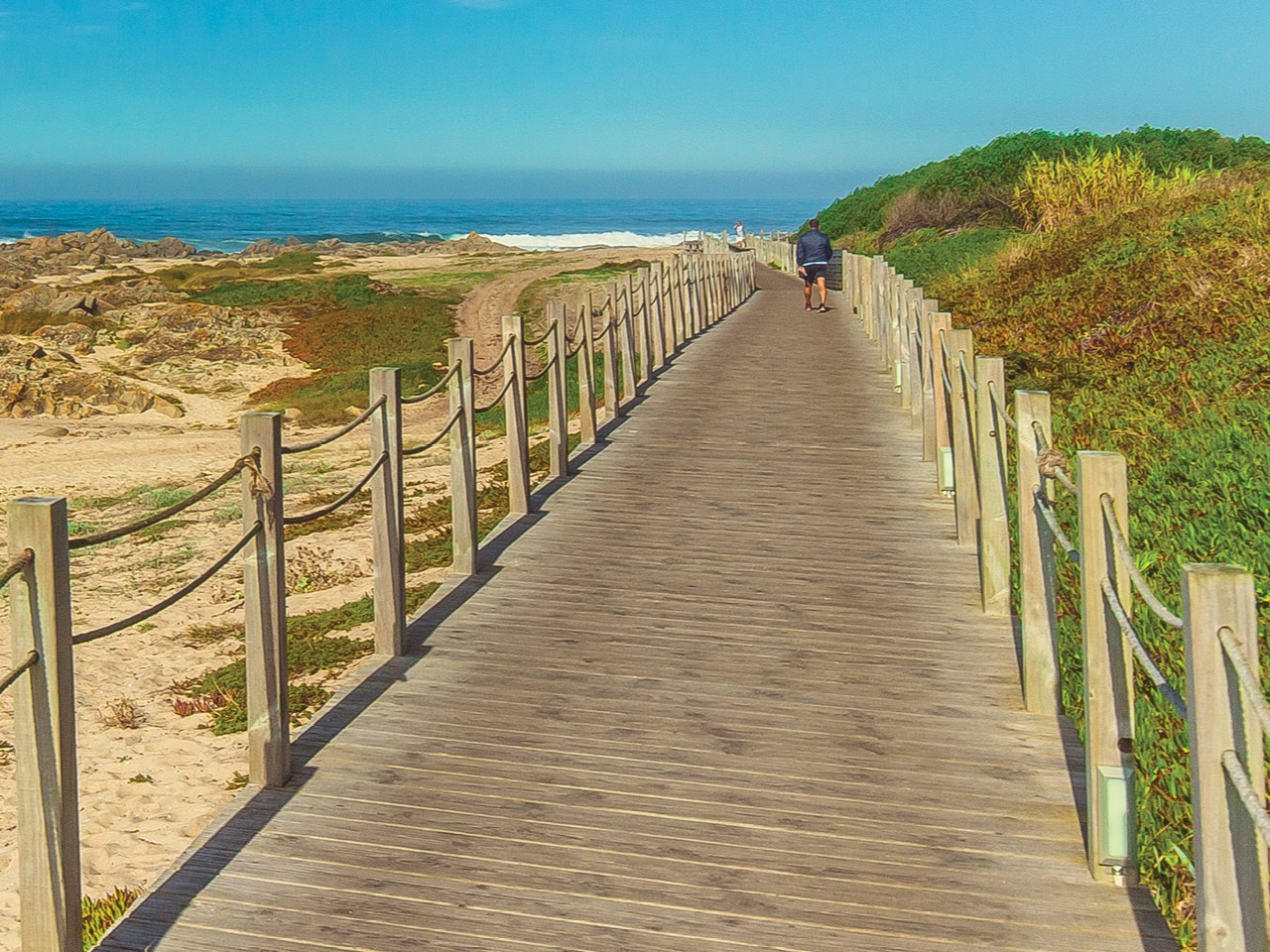
If you choose a shortened itinerary starting in Oia (as I did), book a private transfer the day before so you can wake up refreshed and ready to walk. Setting out from Oia, the path begins on a peaceful coastal trail safely separated from the highway. Soon, the route transitions into a series of stunning seaside boardwalks, offering breathtaking panoramas of the Cíes Islands and the vast Atlantic horizon.
Day 2: Baiona to Vigo
This coastal leg winds past some of the region's most stunning white-sand beaches. While incredibly serene and uncrowded in early June, these shores come alive in mid-summer with bustling beachside cafés and surf shops, making it the perfect spot for a midday swim. If you arrive early into Vigo, you'll have plenty of time to explore this historic maritime city, known for its vibrant old town and deep-sea fishing heritage.
Day 3: Redondela to Pontevedra
To bypass the industrial traffic out of Vigo, take a quick private transfer to Redondela, where the Coastal path merges with the traditional Portuguese Way. As you head inland, the trail winds through classic Galician landscapes: lush eucalyptus forests, vibrant blooming hydrangeas, and vineyards making a tunnel over the path. That evening, be sure to wander through Pontevedra, which boasts one of the most beautifully preserved, pedestrian-only historic centers in Spain.
Day 4: Pontevedra to Caldas de Reis
Leaving Pontevedra, you will cross a magnificent medieval bridge that offers one of the most picturesque vistas of the entire journey. This stretch wanders through tranquil hamlets, historic churches, and quiet monasteries. It can be a deeply spiritual day, with opportunities to stop and receive a traditional blessing from a local priest. Your reward at the end of the day is arriving in Caldas de Reis, a town famous for its natural thermal springs. We were lucky enough to stay in a hotel with its own private thermal pools, the absolute perfect way to soothe tired muscles.
Day 5: Caldas de Reis to Padrón
Leaving Caldas de Reis, the trail transitions into a shaded forest path framed by scenic rivers, stone bridges, and quiet villages. You'll enter Padrón alongside the peaceful Sar River, a town deeply rooted in Camino history as the legendary mooring site for the ship that bore the body of St. James. Celebrate the day's end with a plate of the town's world-famous blistered Padrón peppers at one of the local restaurants.
Day 6: The Grand Finale to Santiago de Compostela
Savor this final stretch, and be sure to greet your fellow travelers with a warm "Buen Camino!" Everyone is feeling the deep physical fatigue at this point, but sharing that familiar greeting offers a powerful burst of encouragement as you all push toward the finish line. Before long, the historic spires of the cathedral will peak over the horizon to welcome you. Arriving at the grand Plaza del Obradoiro in front of the cathedral pilgrims are cheering, crying, and dropping to the ground in sheer joy at their accomplishment. Once you've soaked it all in, head over to the Pilgrim Office to present your stamped passport and claim your official Compostela certificate of completion.
Places to eat & drink in Portugal and Spain
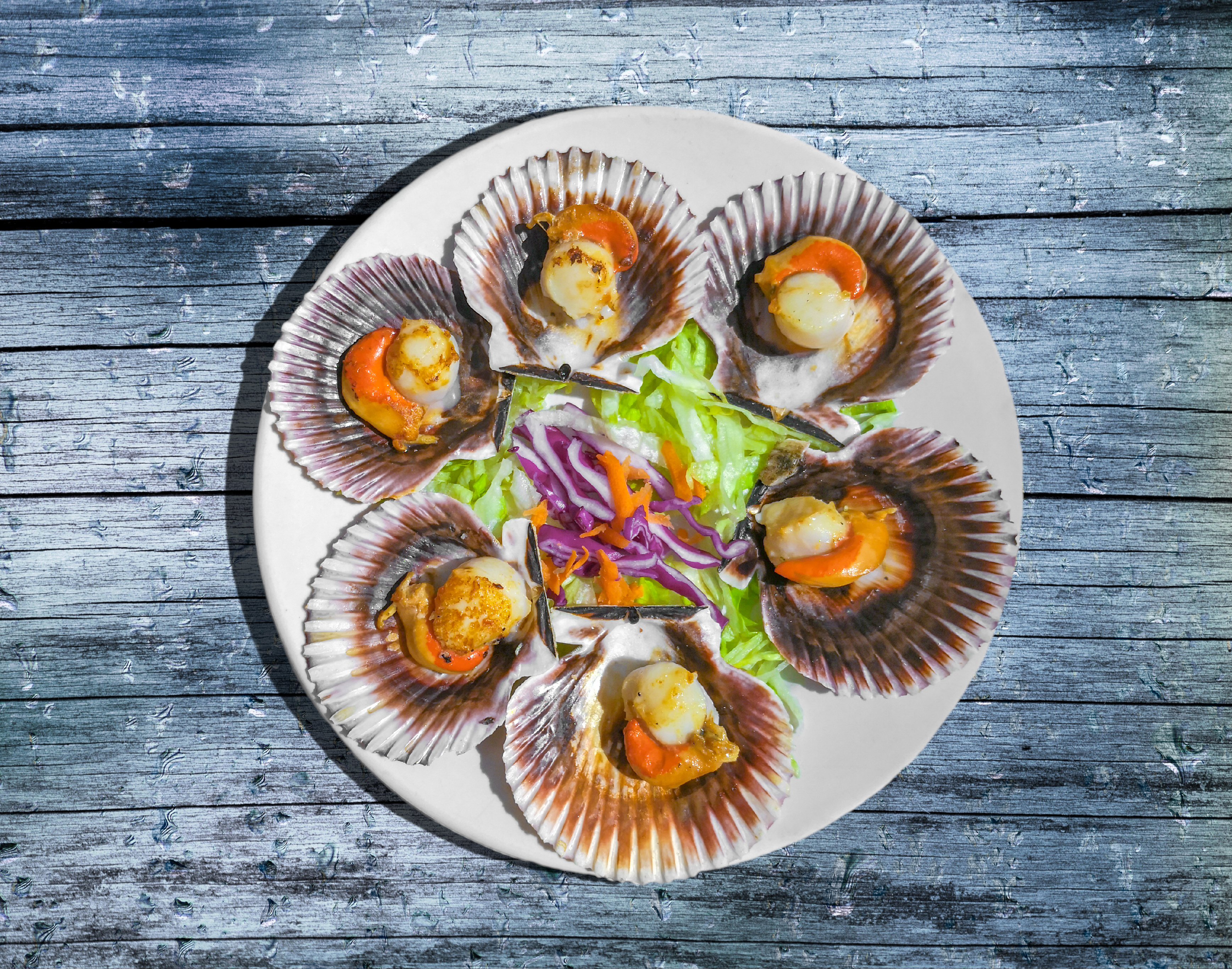
Galician Scallops are naive to the area and a symbol of the Camino
Bacalau in Porto: Situated along the scenic Douro riverfront, this highly-rated spot specializes in creative, contemporary takes on traditional Portuguese salt cod, served alongside a stellar national wine list.
Trasmallo in Pontevedra: A Michelin-rated, rustic stone tavern in the historic center that blends traditional Galician seafood with modern, creative twists like cuttlefish croquettes and razor clam tacos.
Puleria Rial in Padron: A beloved landmark tavern known for its bustling, traditional atmosphere. It’s the ultimate stop for high-volume, authentic Galician octopus (pulpo á feira), regional meats, and local blistered peppers.
A Noiesa Casa de Comidas in Santiago de Compostela: Located just steps from the cathedral, this incredibly popular, family-run restaurant serves cozy, locally sourced Galician comfort food and is the perfect spot to raise a glass and toast your incredible Camino triumph.
Need to know
When to go: The ideal months to walk this route are May, June, September, and early October. May marks the official start of the Camino season when seasonal albergues and village restaurants open their doors. To avoid intense summer heat and peak crowds, bypass July and August entirely. Keep in mind that Galicia’s rainy season begins rolling in by mid-October.
Where to stay: For a truly unforgettable trip, I highly recommend staying in at least one historic Parador, Spain’s luxury, state run hotels housed in beautifully restored castles and monasteries. Our stay at the Parador de Baiona felt like a fairytale castle, but because they are highly coveted, they must be reserved months in advance. If you prefer a budget-friendly or social experience, you can mix in albergues (traditional pilgrim hostels). Private albergues allow advance bookings and accept luggage transfers, while public ones operate strictly on a first-come, first-served basis, requiring an early start to secure a bed.
What to pack: Even if you utilize a daily luggage transfer service, pack light! A broken-in pair of running shoes or trail runners works best for the varied mix of pavement, cobblestone, and dirt paths. Bring breathable, moisture-wicking shirts, a medium weight windbreaker, and a lightweight poncho that can easily drape over your daypack during passing showers. Most hotels and albergues offer laundry facilities or sinks for washing clothes. While some hikers prefer walking poles, the minimal elevation gain on this coastal route makes them optional. You can’t carry them on the plane, so if you want them, buy a used pair in Porto.
Camino passport: Register for the Camino in advance and pick up your passport in Porto at the Pilgrim Office. If you work with me, I will have it delivered to your starting hotel. Make sure you get at least two stamps per day to show you completed the walk. They can be collected at hotels, churches, cafes and from local stands along the way. You must walk a minimum of 62 miles for the official Compostela certificate.
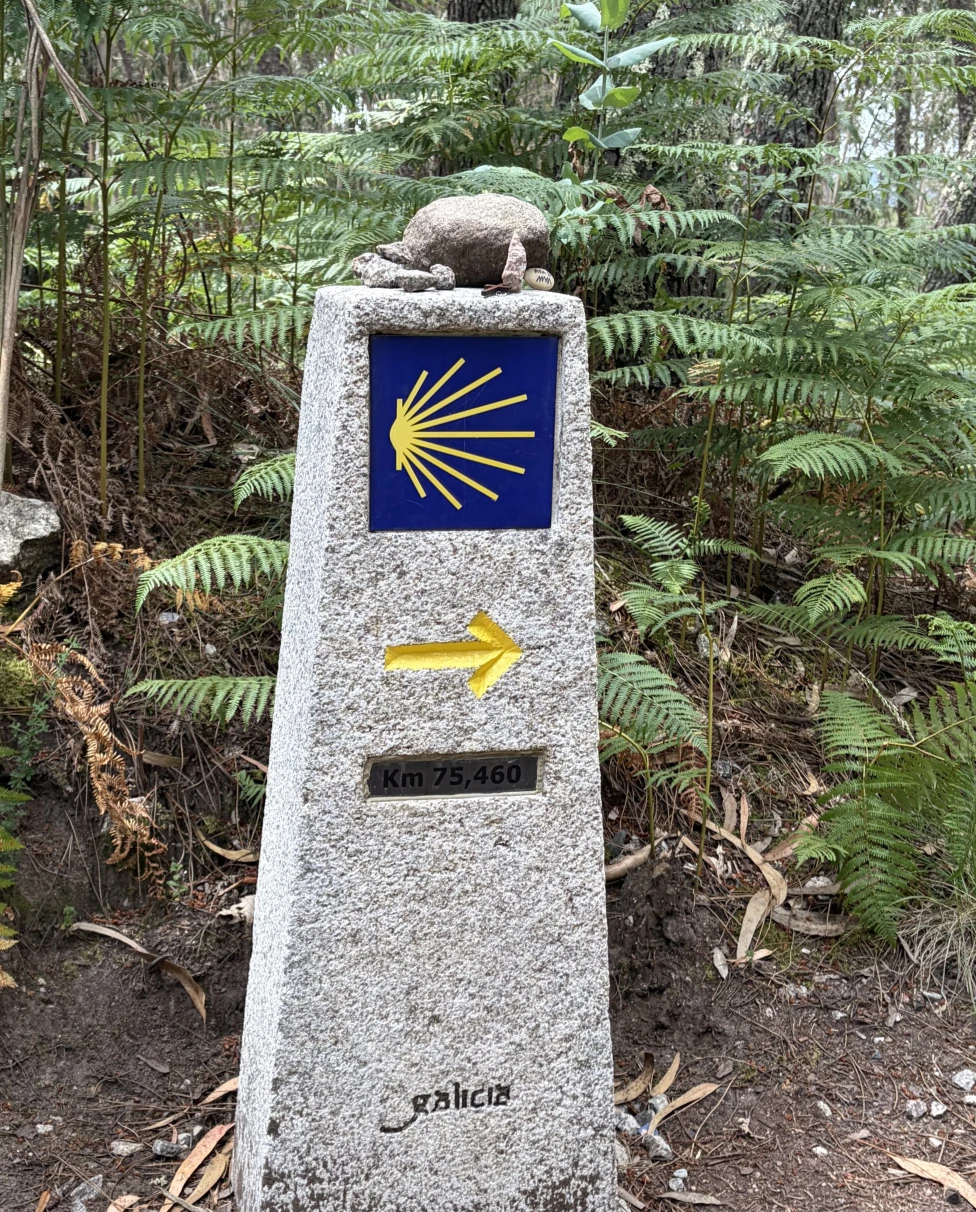
Mapping: Getting lost is nearly impossible. The entire trail is seamlessly marked by bright yellow arrows painted on walls and trees and iconic stone markers with scallop shells embedded that point you in the right direction. While the physical markings are excellent, many pilgrims prefer a digital backup. I provide all of my clients with a custom, turn-by-turn mapping app that guides them seamlessly from hotel to hotel.


Travel Advisor
Kristine Duffy

Kristine Duffy

Get in touch with Kristine Duffy
Did you like this guide? Reach out to customize and book your own experience. Or, just to chat about travel in general.