

Curator’s statement
Japan ruined me for food everywhere else—and I’m completely fine with that. This itinerary leans into the idea that some of the best moments in Japan happen between meals: a 6 a.m. tuna auction, a quick stop at a standing sushi counter, or a ramen bowl that has very quietly earned its Michelin star. Tokyo, Kyoto, and Osaka each have their own distinct food personalities, and while fourteen days might sound like a lot, once you’re there, it feels (and tastes) just right.
The Fora Difference
Book with Jennifer De Witt to access exclusive perks and experiences on your trip.

Killer perks
Free upgrades, spa credits and more—we got you

Personalized recs
Customized travel planning for your style

Insider knowledge
Expert advice from people who’ve actually been there
Where to stay
Unlock perks by contacting Jennifer De Witt to book your trip.
Day 1: Land, eat, repeat (Tokyo)
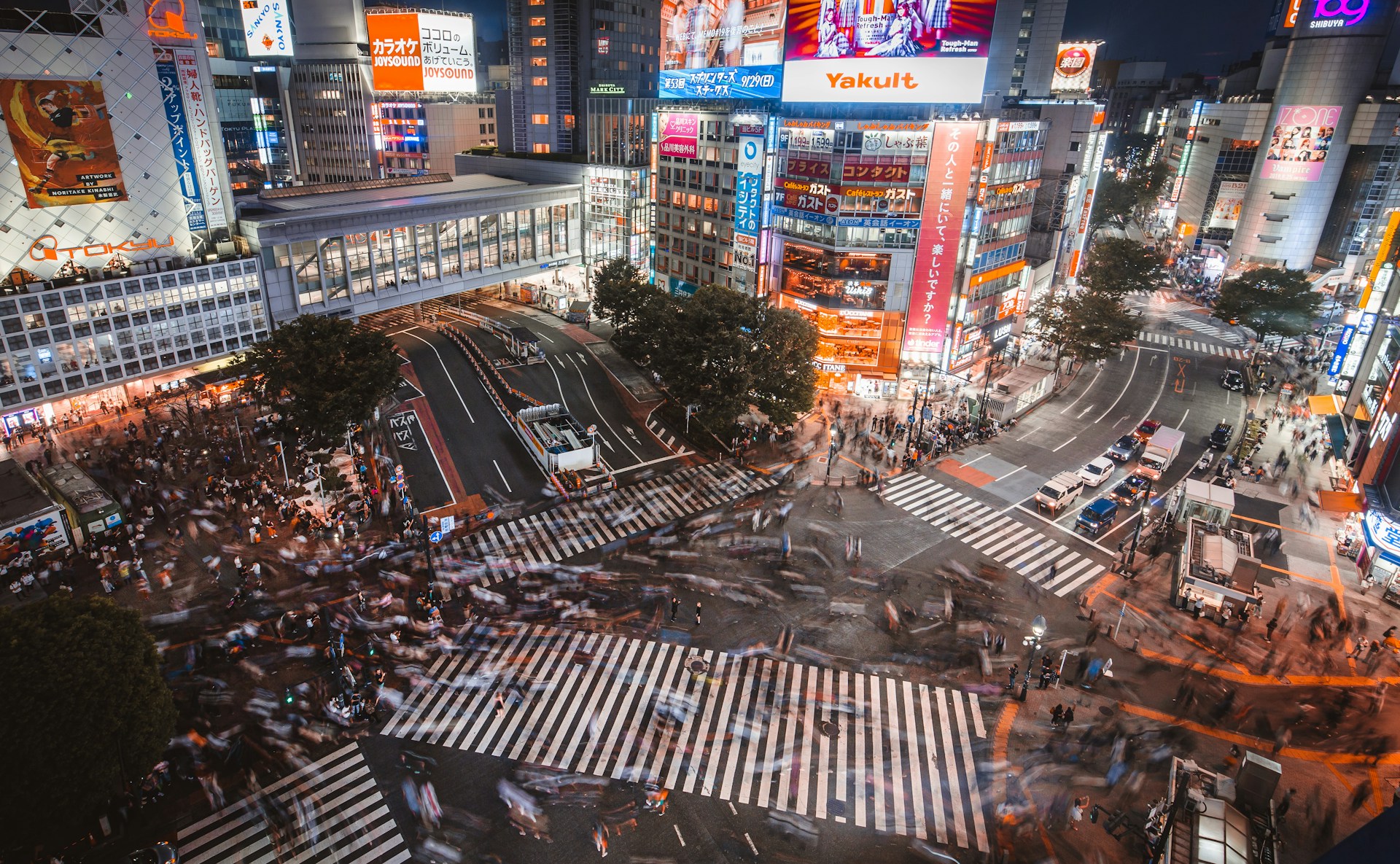
Shibuya Crossing by Denys Nevozhai/Unsplash
You land around 2 p.m., which gives you enough time to check in, shake off the flight, and head straight back out. Tokyo isn’t big on easing you in.
Start in Shibuya. The crossing alone is worth it, and the giant 3D panda and cat billboards are disorienting in the best way. Pop into the Pokémon Center or Tokyu Hands if you want something low-effort to fill the afternoon.
Dinner is a Shinjuku food tour. It’s an easy first night: small dishes, tucked-away izakayas, and a local guide who knows exactly where to go and why it matters. Don’t try to outsmart the jet lag—just eat your way through it.
Day 2: The tuna market changes everything (Tokyo)
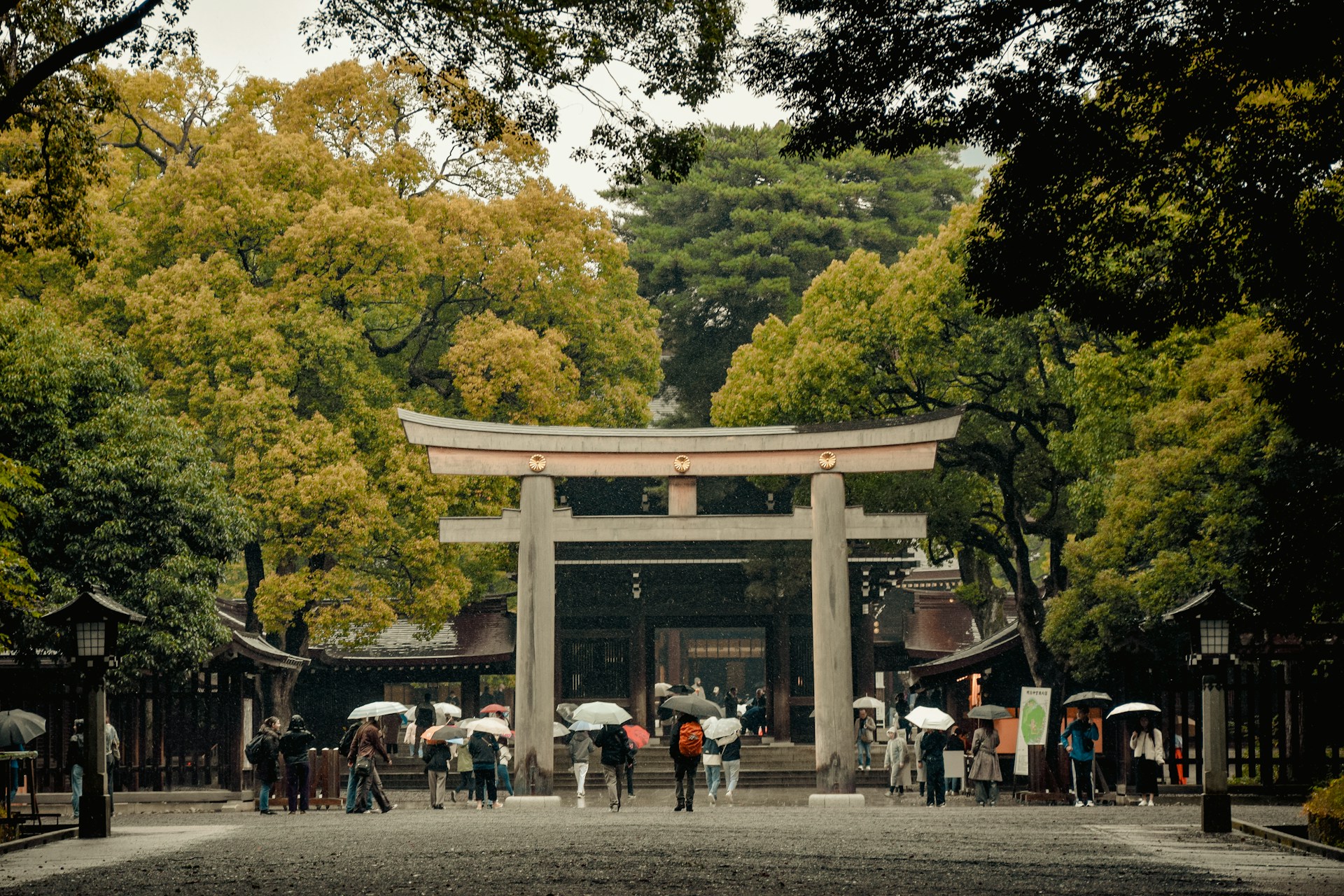
Meiji Jingu Shrine by Aestelle/Unsplash
Set your alarm for 5 a.m. The Tuna Market Feast Tour runs from 6 a.m. to noon, and it ends up being easily one of the best experiences of the trip. You’ll see the inner workings of Toyosu Market before the city is fully awake, and eat exceptionally well while you’re at it.
After, head to Shinjuku Gyoen for a reset, then Yoyogi Park, and Meiji Shrine for a bit of quiet and perspective.
Spend the afternoon wandering from Harajuku’s Takeshita Street into Omotesando and Cat Street. It’s an easy, interesting stretch, with plenty of places to dip in and out. Fuglen is great for coffee, and Seirinkan turns out seriously good Neapolitan pizza—yes, in Tokyo, and yes, it’s worth it.
Book Shibuya Sky well in advance and aim for sunset.
End the night in Omoide Yokocho or Golden Gai—ideally both. If you have a reservation at Tenku no Tsuki, give it your full attention.
Day 3: Ramen, thrift, repeat (Tokyo)
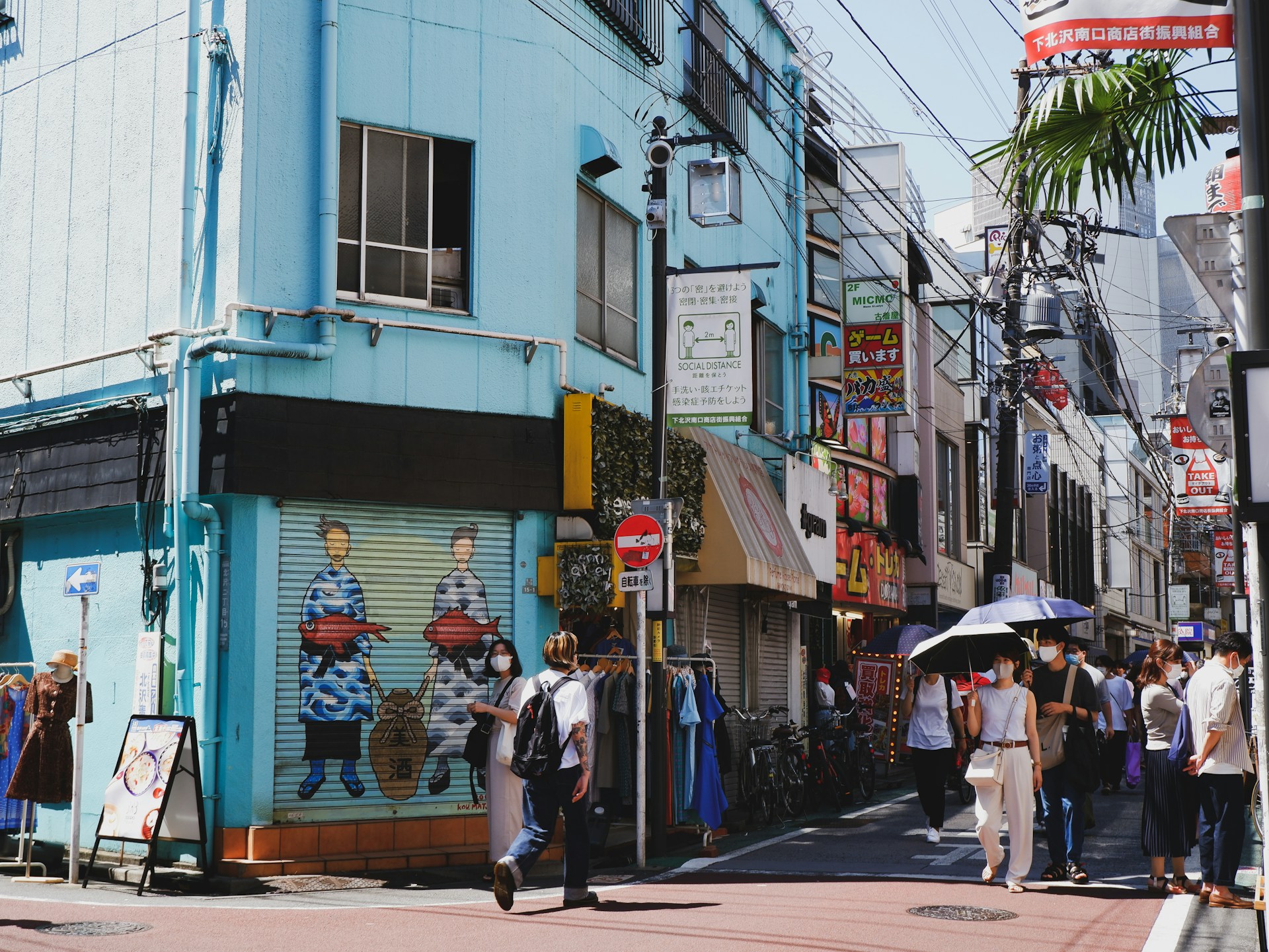
Shimokitazawa by Susann Schuster/Unsplash
Start with a 7/11 run. An onigiri at 8 a.m. from a convenience store is a perfectly valid cultural experience.
Go early to Tsuta for Michelin-starred ramen. Yes, for breakfast. Trust the process.
Spend the afternoon exploring Shinjuku properly, then stop by Uogashi Nihonichi Standing Sushi Bar for something quick, excellent, and unfussy. Onibus Coffee is worth a detour if you need a reset.
In the late afternoon, take the train to Shimokitazawa. It’s the antidote to Tokyo’s more polished side—think vintage shops, small cafes, and a slower pace. Bonus Track is a great place to wander, especially if you want something a little more local and low-key.
End the night in Golden Gai. If you’re somehow still hungry, Ramen Tatsunoya is a solid late-night stop.
Day 4: Temples, towers & knives (Tokyo)
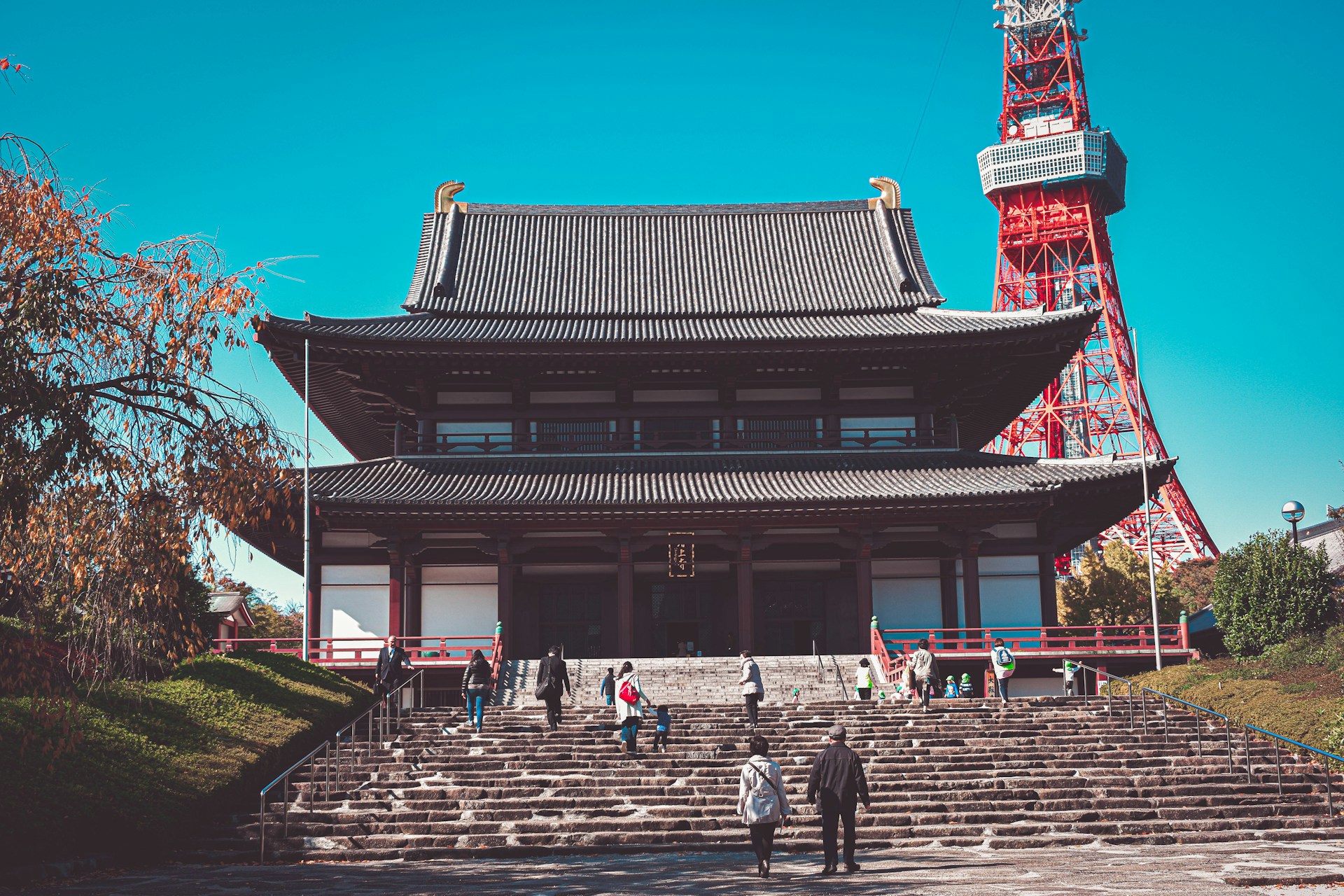
Zojoji Temple by Yam Style/Unsplash
Start with a quick FamilyMart breakfast, then head to Nakiryu for your second Michelin-starred ramen of the trip. It’s a completely different style from Tsuta, and worth the comparison.
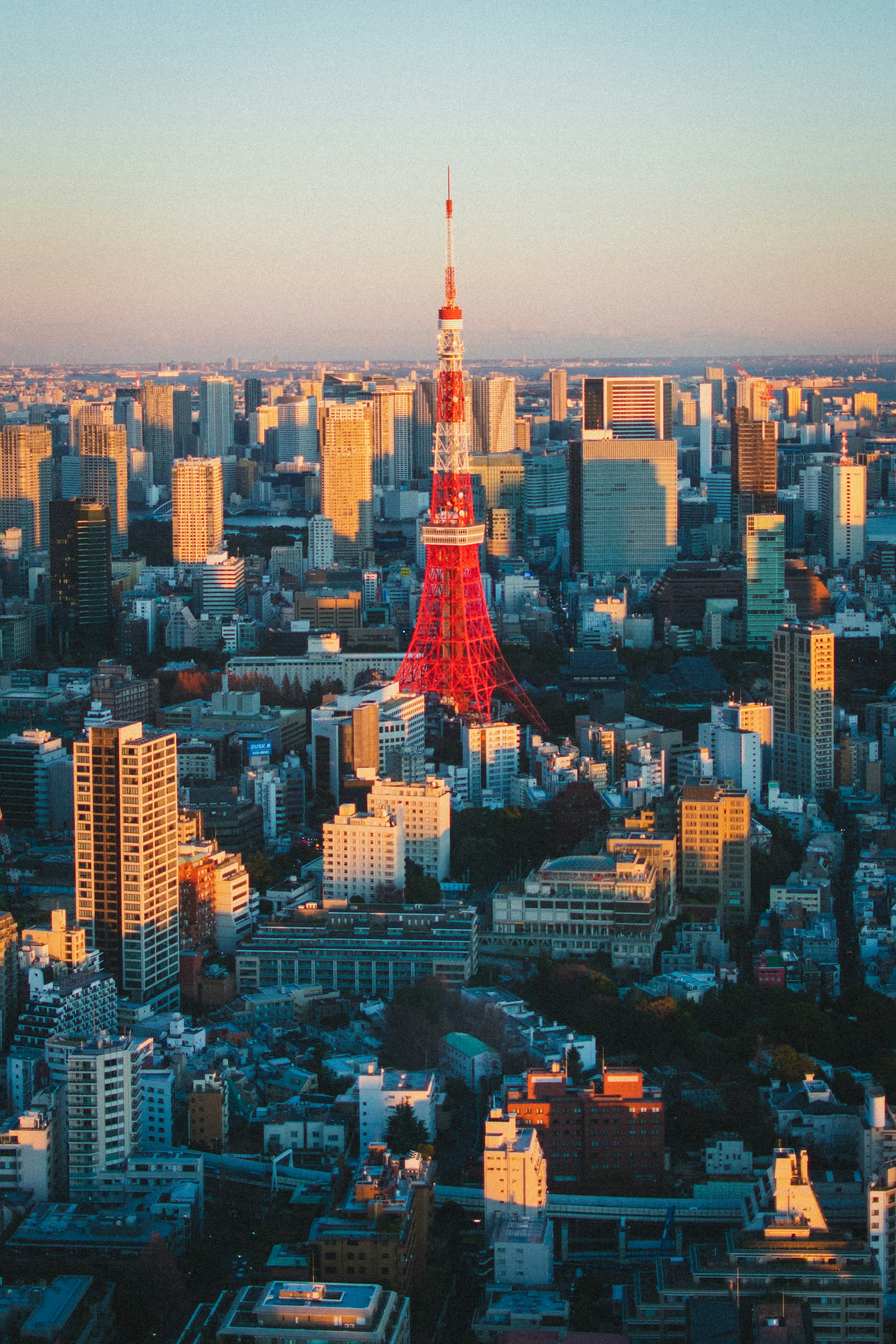
From there, make your way to Zojoji Temple, then Tokyo Tower. It’s a surprisingly good pairing—the temple tends to get overshadowed, but it shouldn’t.
If you have the energy, Akihabara is nearby. It’s chaotic, niche, and very Tokyo. You’ll know pretty quickly if it’s your thing.
The must-do today is Kappabashi, Tokyo’s chef supply district: eight city blocks of kitchen tools, ceramics, lacquerware, and some of the best knife shops in the city. Give yourself time—and maybe room in your luggage.
Day 5: Gates, geishas & Pontocho (Kyoto)
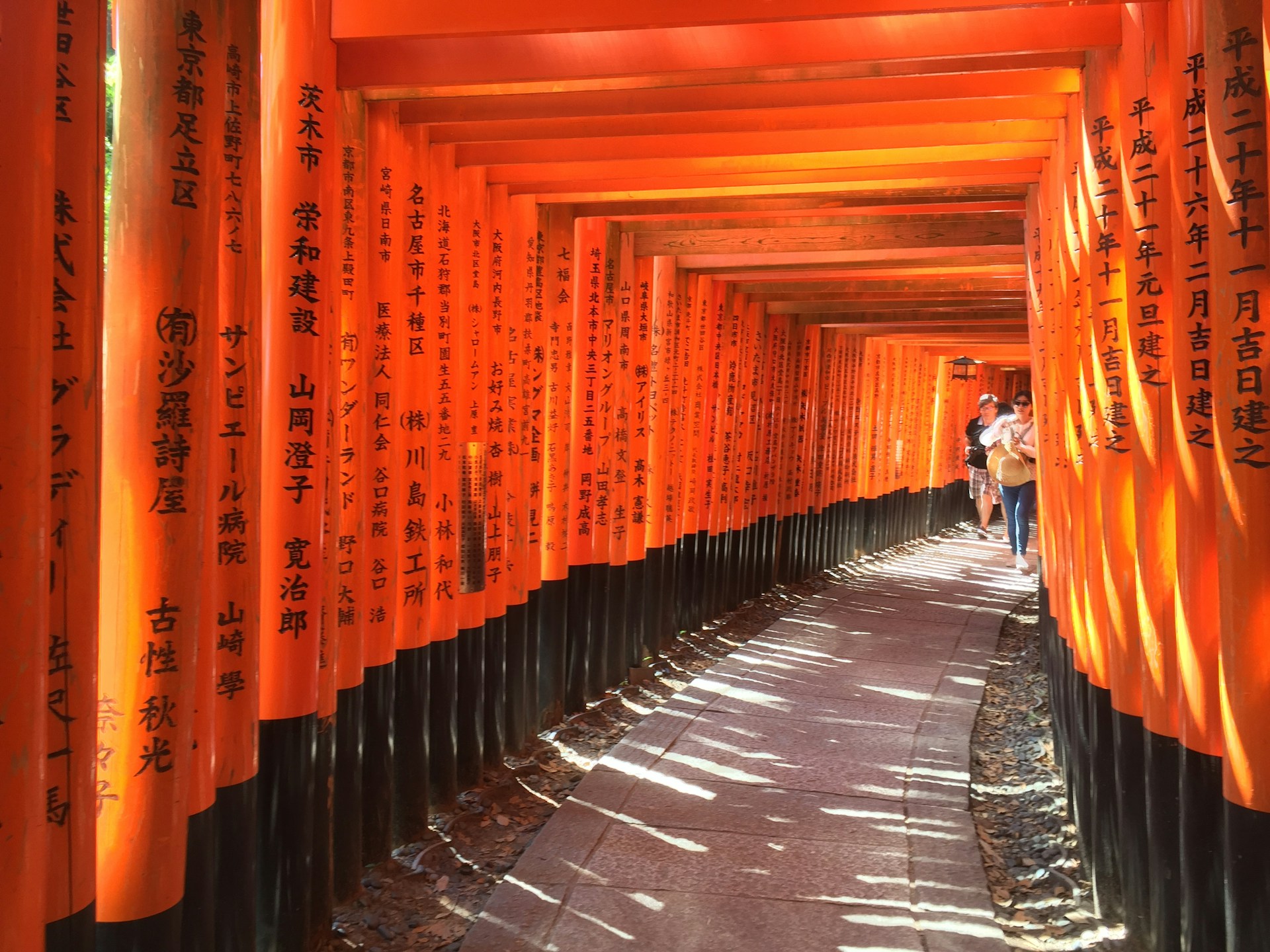
Fushimi Inari by Misa Vegan/Unsplash
Take an early Shinkansen to Kyoto. Before checking in, go straight to Fushimi Inari Shrine—the thousands of vermillion torii gates are iconic for a reason, and arriving before 9 a.m. means you’ll catch quieter stretches of the trail.
Check in, take a breather, then spend the afternoon in Gion. Walk Hanamikoji Street, wander the smaller lanes, and keep an eye out—you might spot a geisha or maiko on their way to an appointment.
By 5 p.m., head to Pontocho Alley and put your name down at Menya Inochi Hanare. This narrow stretch of restaurants along the river fills up quickly, and it’s one of the most memorable places to have dinner in Kyoto.
After, stop by Gion Tsujuri or Macca House for matcha, then take your time walking back.
Day 6: Arashiyama & Nishiki Market (Kyoto)
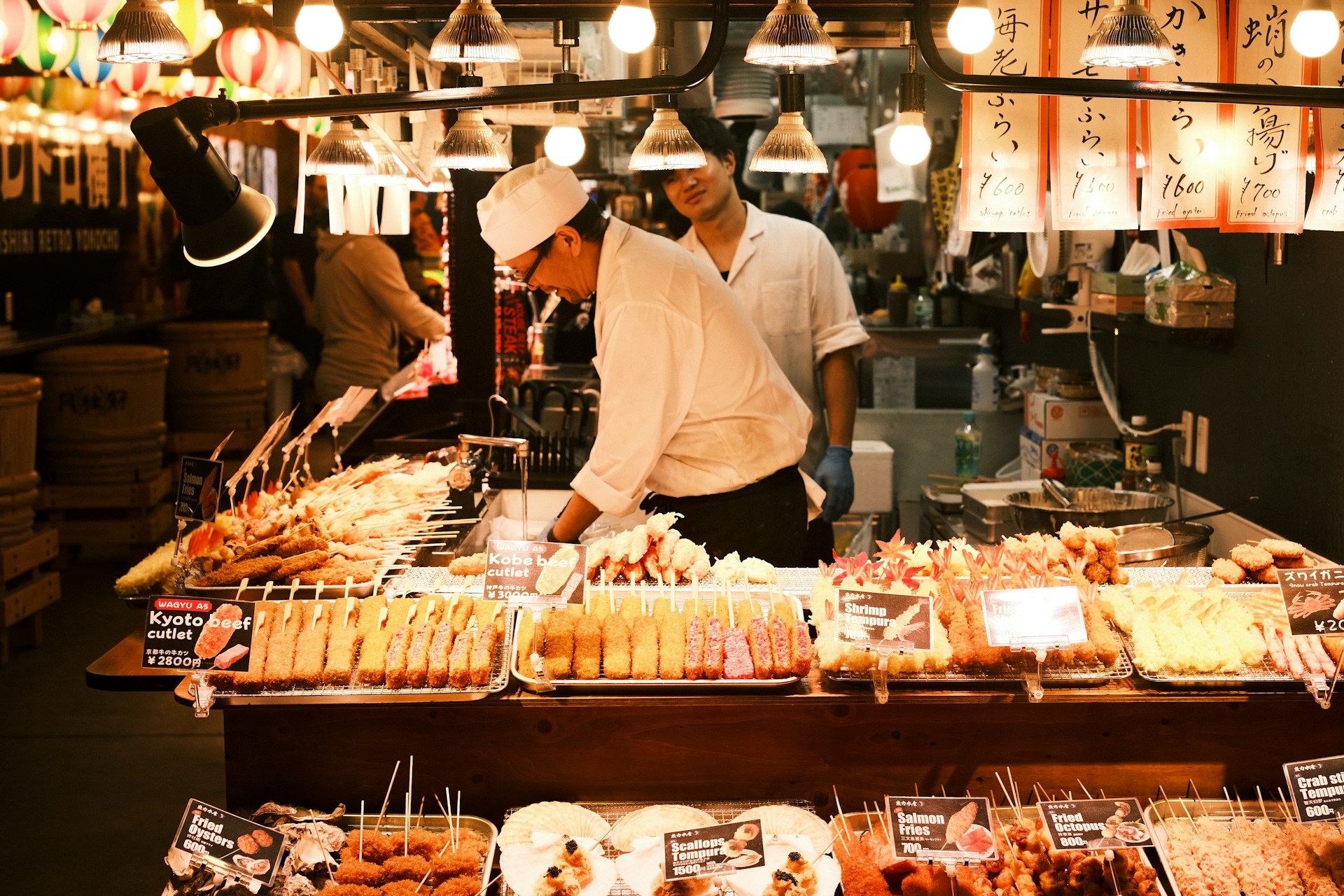
Nishiki Market by Perry Merrity/Unsplash
Start at MONDIAL KAFFEE 328. The French toast is the reason to go; the coffee is fine.
Head out to Arashiyama. Begin with Togetsukyo Bridge, then the Bamboo Grove—aim for before 10 a.m. to stay ahead of the tour groups. From there, go to Okochi Sanso Garden. Most people skip it, which makes it even better: a quiet hillside villa with views that will genuinely stop you for a minute.
Finish the morning at Tenryuji Temple.
In the afternoon, head back toward Nishiki Market. It’s crowded and absolutely worth it—snack your way through shrimp tempura, sweet potato on a stick, and anything matcha.
If you can, book Azuki To Kouri for shaved ice. Reservations open exactly seven days ahead, so set a reminder
Day 7: Temples, the Path & a last night (Kyoto)
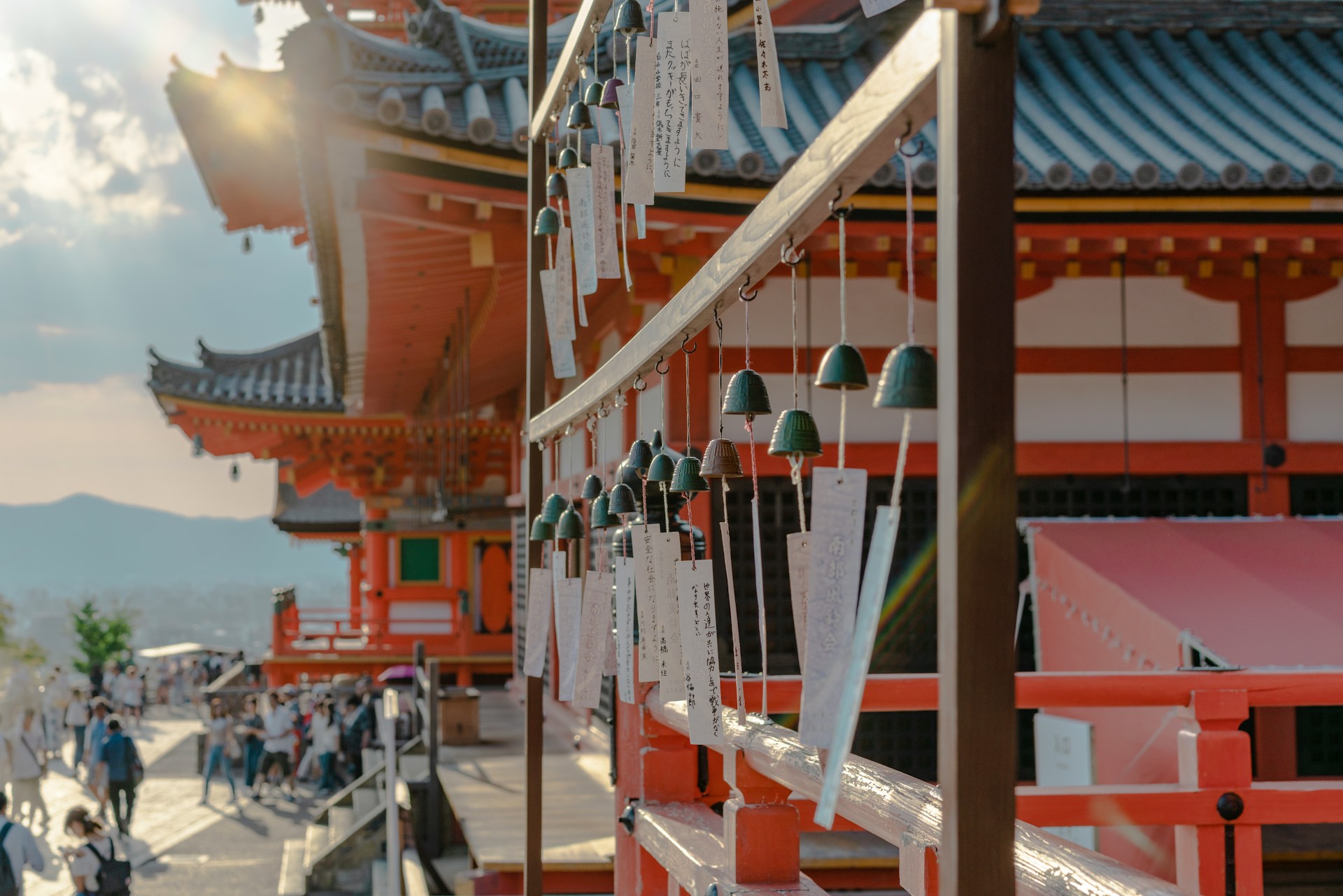
Kiyomizudera by White Rainforest/Unsplash
Lilo Coffee opens at 11 a.m.; Lilo Coffee Kissa at 1 p.m. If you’re into coffee, this is a great place to pick up beans to bring home.
Head to Kiyomizudera in the afternoon. It’s one of those places that fully lives up to the photos—the wooden stage overlooking the hillside is genuinely impressive.
After, take your time along the Philosopher’s Path. It’s best without a plan—just walk, and stop for a coffee or snack when something catches your eye.
Dinner is Gyukatsu Motomura. The breaded, medium-rare beef cutlet is one of those dishes that sounds simple and ends up being memorable.
If you’re up for it, Sushitetsu makes a great late stop for a few pieces at the counter.
Walk Pontocho one last time before heading back.
Day 8: Castle, market & the Glico sign (Osaka)
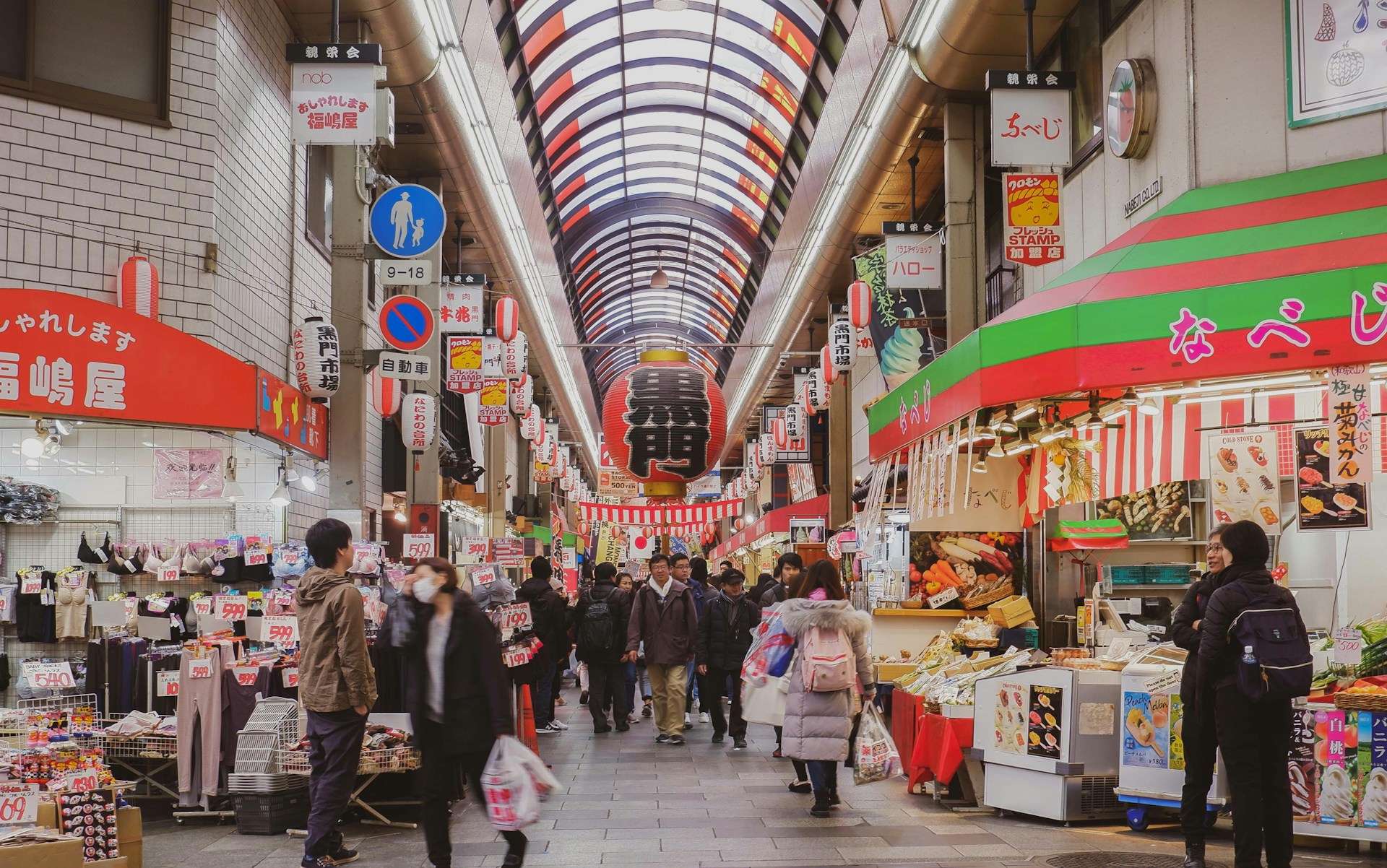
Kuromon Market by Helga Christina/Unsplash
Take a morning train to Osaka—the shift in energy is immediate. It’s louder, more casual, and a little more chaotic in a good way.
Check in, then head to Osaka Castle. It’s genuinely impressive, and the surrounding park is a great place to get a feel for the city.
Stop by % Arabica for coffee, then make a quick detour to Namba Yasaka Shrine—the massive lion head stage is as striking as it looks in photos.
Spend the afternoon at Kuromon Market. It’s busy, but that’s part of it—find the bluefin tuna stand and take your time.
In the evening, head to Dotonbori. The Glico sign, the canal, the lights—it’s a lot, and that’s the point.
Dinner at Gyozaoh!, then wander until you’re done
Day 9: The food capital earns its reputation (Osaka)
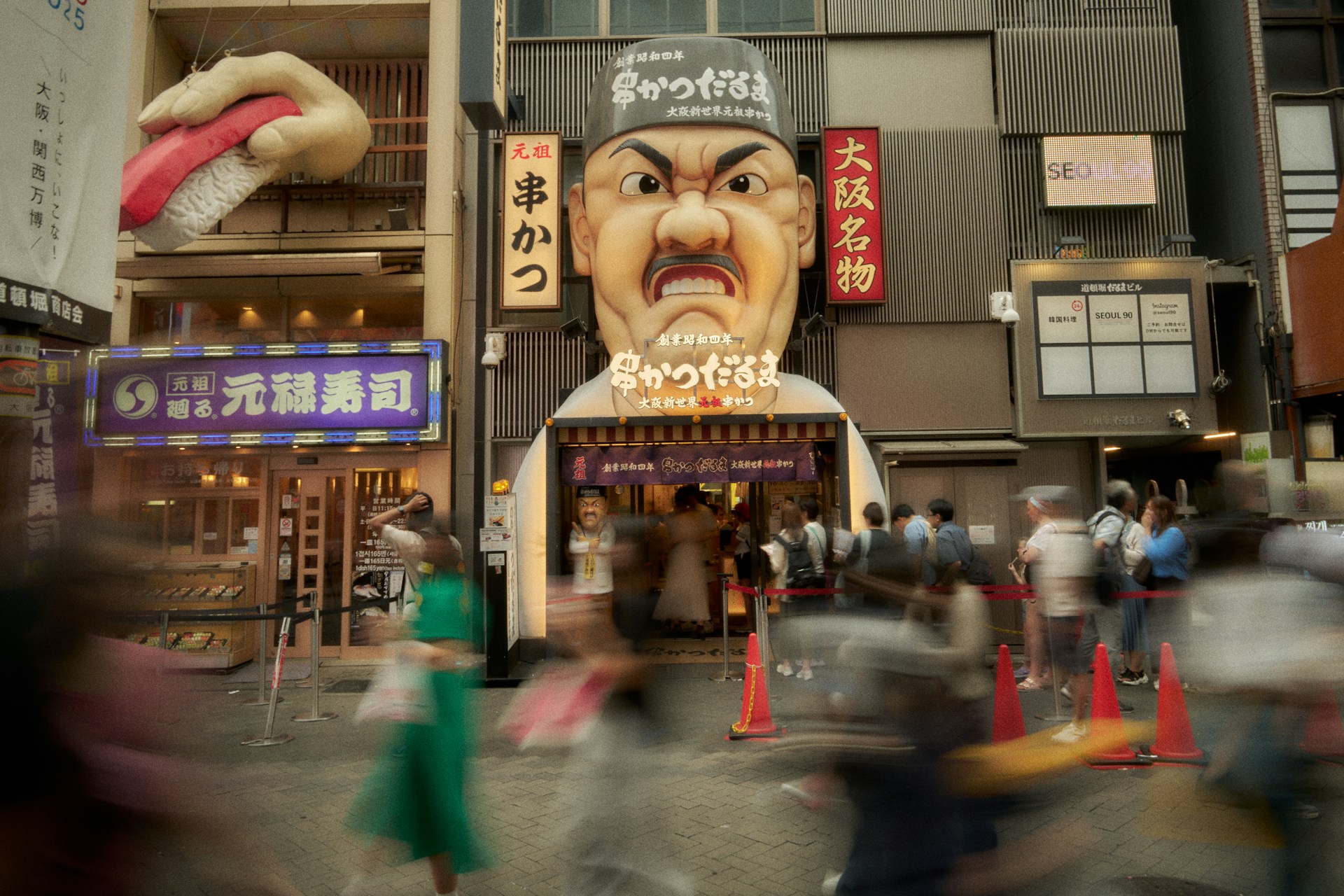
Shinseki by Buddy An/Unsplash
Osaka makes a strong case for being Japan’s food capital, and this day leans into it.
Start with takoyaki at Takoyaki Tamaya or Takoyaki Umaiya. This is where it comes from, and it shows.
In the afternoon, do the Osaka Food Tour. It goes deeper than you’d likely get on your own, and it’s an easy way to try a lot without overthinking it.
After, head to Amerikamura and Orange Street for shopping and people-watching.
By late afternoon, make your way to Shinsekai. It’s a little rough around the edges in the best way—old-school Osaka, street food stalls, and the glow of Tsutenkaku overhead.
If you need a break from all the traditional food, Dragon Burger is nearby—the yuzu burger is worth it.
Dinner at Komefuku for tempura before calling it a night.
Day 10: Last day, last bites (Osaka)
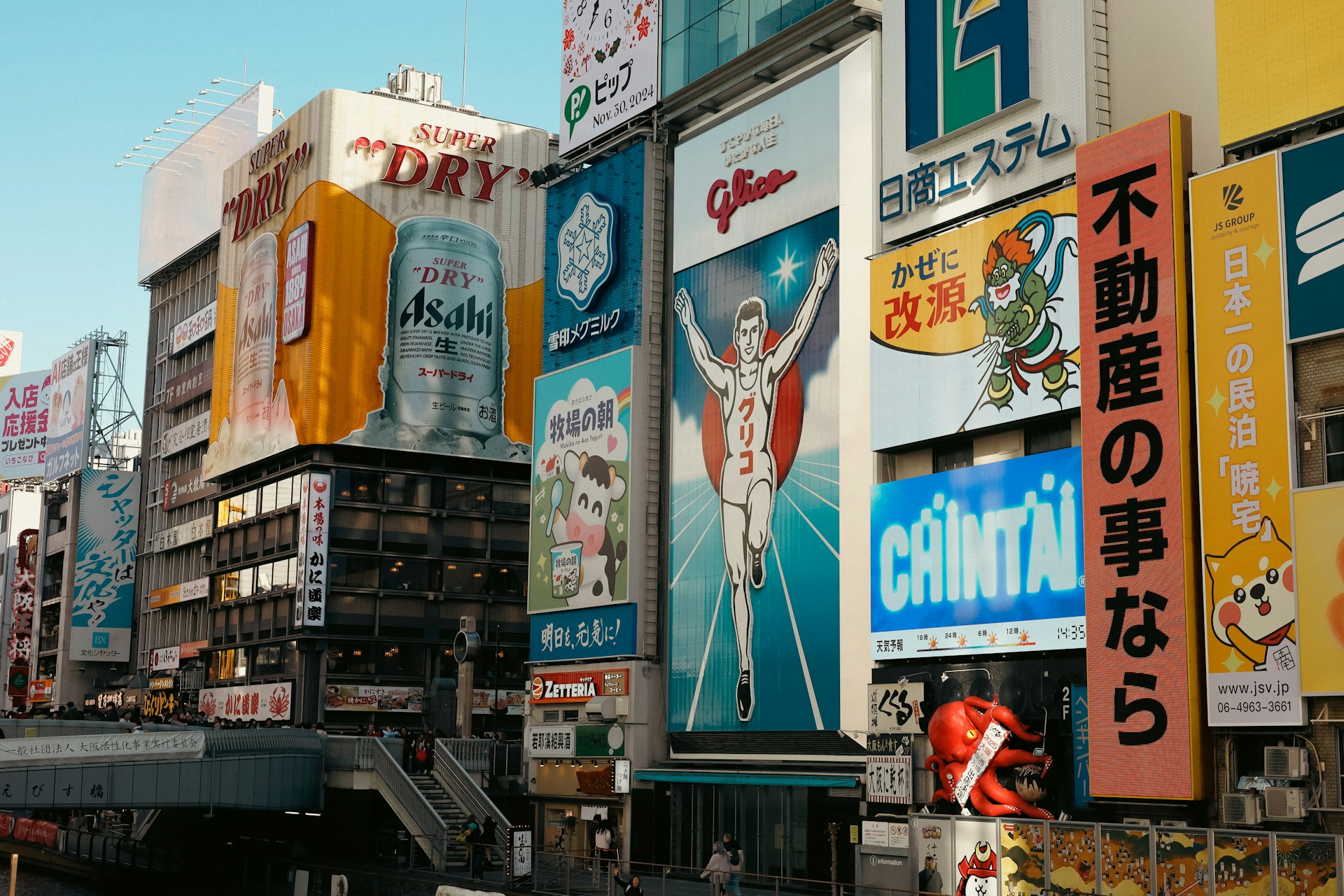
Glico Sign by Phatthanan Tuppocha/Unsplash
If it’s your thing, spend an hour in Nipponbashi Denden Town—Osaka’s answer to Akihabara, with anime, vintage games, and all things subculture.
Head to Kawafuku Honten for udon. It’s simple and precise, and exactly the kind of place you end up thinking about later.
Make one more pass through Dotonbori for lunch before heading to the station.
The Shinkansen back to Tokyo runs like clockwork—you’ll be checked in and settled before dinner.
Day 11-12: Tokyo, round two - what you missed the fist time
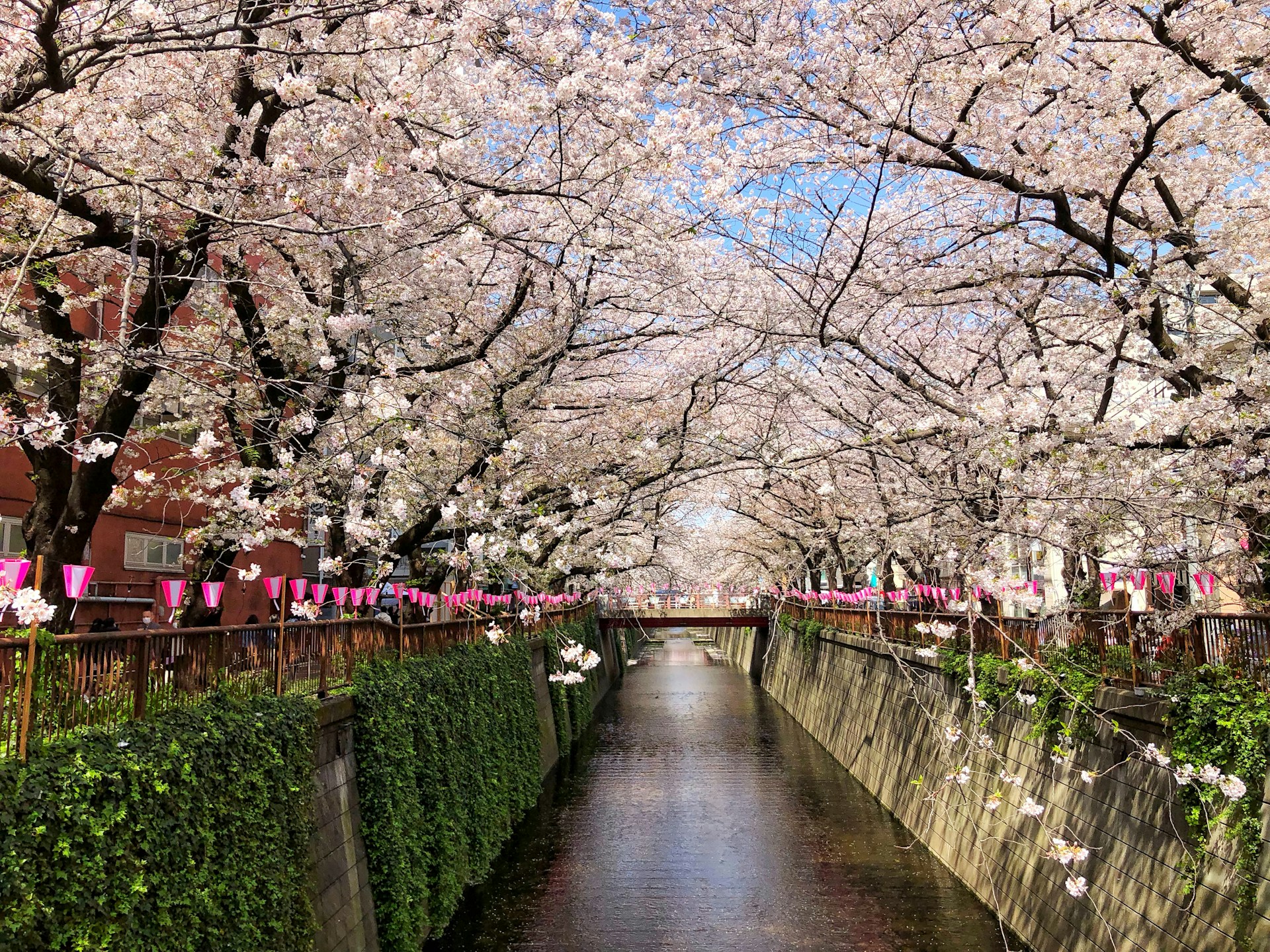
Nakameguro by Edward Ma/Unsplash
Tokyo rewards a second pass, and you’ve left room for it.
Circle back to anything you skipped the first time—Kappabashi if you showed restraint (unlikely), or Akihabara if there’s still something calling your name.
For a change of pace, Authentic Burger in Akasaka is worth a stop—better than it needs to be, in a city that doesn’t really need burgers at all.
The Pokémon Center Mega is a lot—overwhelming, but fun.
Fill in the gaps with shopping at Hands, Bic Camera, or Lumine, depending on your tolerance for browsing.
The real move, though, is to focus on neighborhoods instead of attractions. Yanaka, Daikanyama, and Nakameguro are all easy to spend time in—just walk, wander, and stop when something looks good.
And whatever ramen counters or standing sushi spots you didn’t get to the first time? They’re still there.
Day 13-14: DisneySea & the final hours (Tokyo)
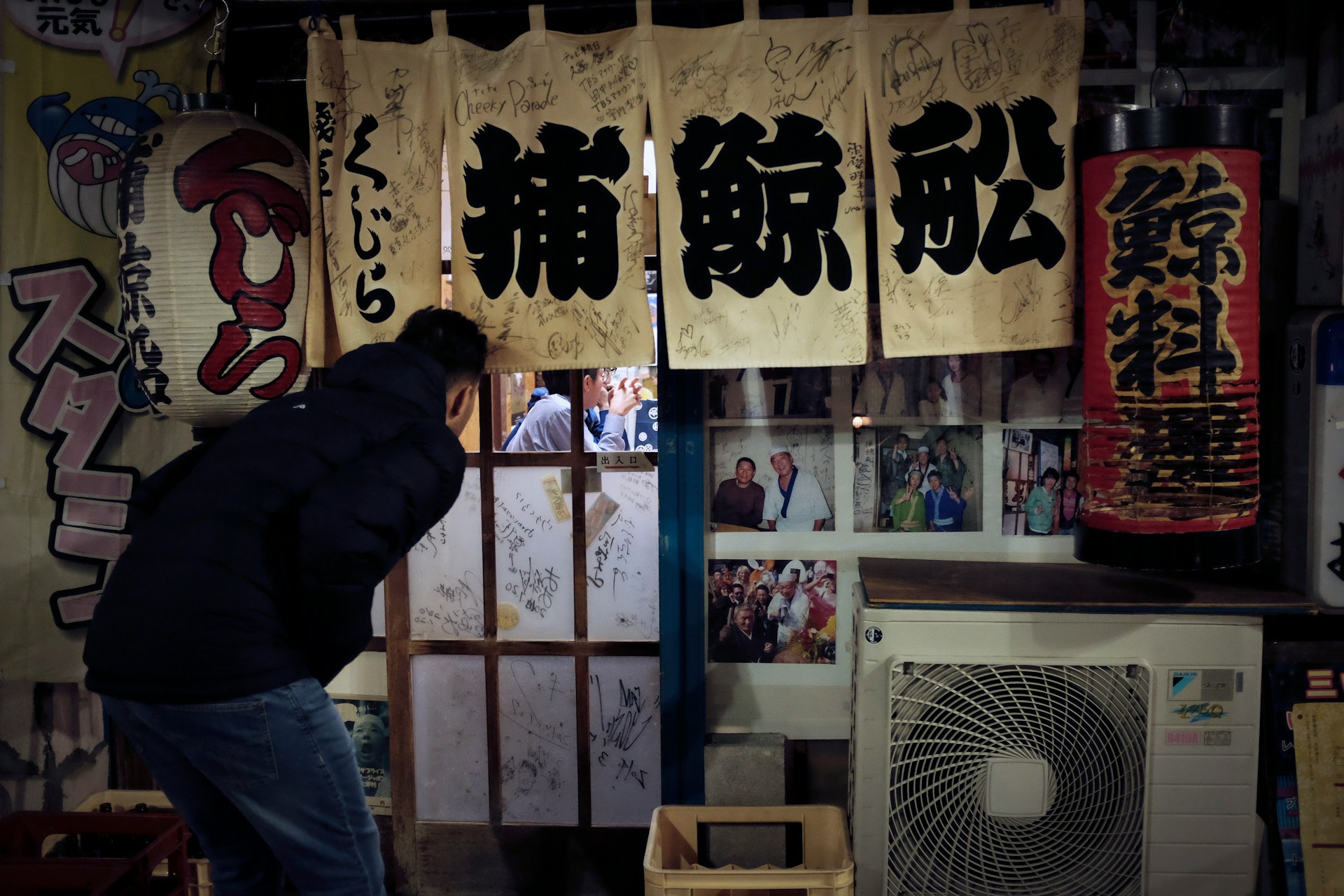
Izakaya at night by Hakan Nural/Unsplash
Tokyo DisneySea gets its own day, and it earns it. It’s unlike any other Disney park—more detailed, a little more grown-up, and the food is genuinely part of the experience. Book ahead, go early, and stay as late as you can.
Your final day is for loose ends. Do one last konbini run to stock up on whatever you wish you’d bought more of—snacks, Pocky, instant ramen for home.
Grab one more coffee somewhere, take a walk, and leave space for anything you didn’t quite get to.
Tokyo has a way of making it feel like you’ve only just started, no matter how long you stay.
Need to know
Get an IC card (Suica or Pasmo) as soon as you land. Load it once and use it everywhere—trains, vending machines, convenience stores. It makes getting around effortless.
Give yourself more time in Kappabashi than you think you need. It’s Tokyo’s chef supply district—knives, ceramics, kitchen tools—and it’s very easy to leave with more than planned.
Book the Tuna Market Feast Tour early. It fills up fast, and it’s one of the most worthwhile experiences on this itinerary.
Shibuya Sky sunset slots go quickly, especially in peak season. Book it when you book your flights.
If you want to go to Azuki To Kouri in Kyoto, set a reminder—reservations open exactly seven days ahead.
Don’t skip the convenience stores. 7/11, FamilyMart, and Lawson are part of the experience—onigiri, hot snacks, sandwiches, and late-night saves you’ll end up relying on.
Carry some cash. Smaller restaurants and market stalls are often cash-only, and 7/11 or Japan Post ATMs are the most reliable for foreign cards.
Osaka is louder, more casual, and a little rougher around the edges than Tokyo. That’s part of the appeal—lean into it.


Travel Advisor
Jennifer De Witt

Jennifer De Witt

Get in touch with Jennifer De Witt
Did you like this guide? Reach out to customize and book your own experience. Or, just to chat about travel in general.
For more inspiration and insider recommendations, visit our Japan page.