

Curator’s statement
I had dreamed of visiting the Galápagos Islands ever since I was a little girl watching National Geographic specials featuring the islands’ incredible wildlife. At the time, it felt like one of those far-off adventures that would always remain a dream. That changed after meeting an incredibly knowledgeable travel advisor who helped turn that dream into a reality. Standing face-to-face with giant tortoises, snorkeling alongside sea lions, and experiencing the islands up close was unlike anything I had ever experienced before. The Galápagos offered a level of adventure, beauty, and wildlife encounters that truly felt once-in-a-lifetime. Now, I would love to share what I learned and experienced to help others finally visit a destination most have only seen in documentaries.
The Fora Difference
Book with Kathryn Wilson to access exclusive perks and experiences on your trip.

Killer perks
Free upgrades, spa credits and more—we got you

Personalized recs
Customized travel planning for your style

Insider knowledge
Expert advice from people who’ve actually been there
Where to stay
Unlock perks by contacting Kathryn Wilson to book your trip.
Day 1: Exploring Guayaquil
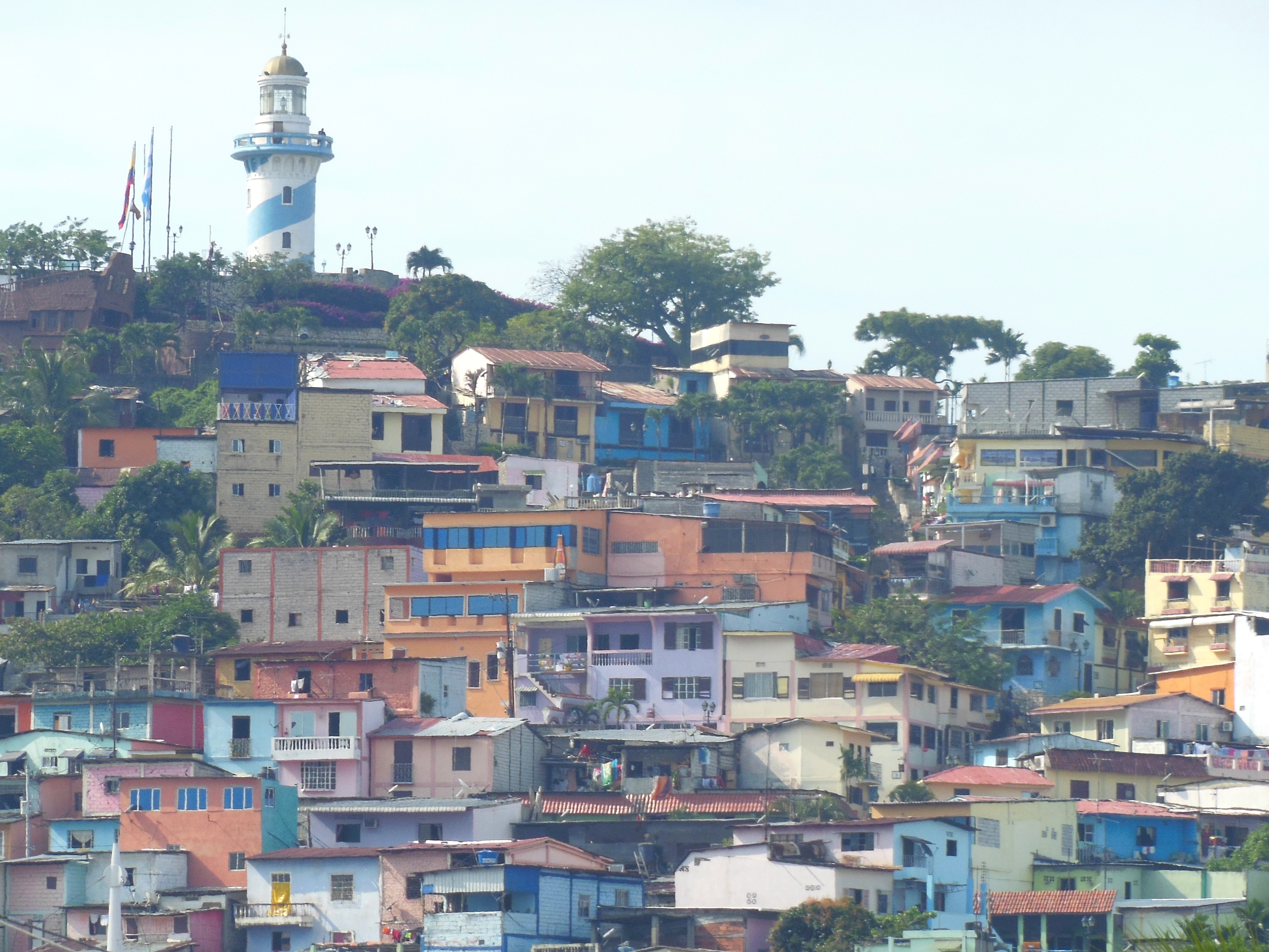
A view of the Guayaquil Lighthouse high atop Santa Ana Hill
Travelers visiting the Galápagos Islands must first travel through mainland Ecuador before taking a flight from cities such as Guayaquil, Quito, or Cuenca to the islands. We chose to begin our adventure in Guayaquil with a stay at the Hilton Colon Guayaquil. Here, you can spend time at the swim-up bar or exploring Malecón 2000, a boardwalk area along the Guayas River. While there, you can walk through the cobblestone streets of the Las Peñas neighborhood to view the colorful houses tucked into the hillside or climb the 444 steps to the Guayaquil Lighthouse for spectacular panoramic views of the city and river.
Day 2: Immersed in the wild beauty of Santa Cruz Island
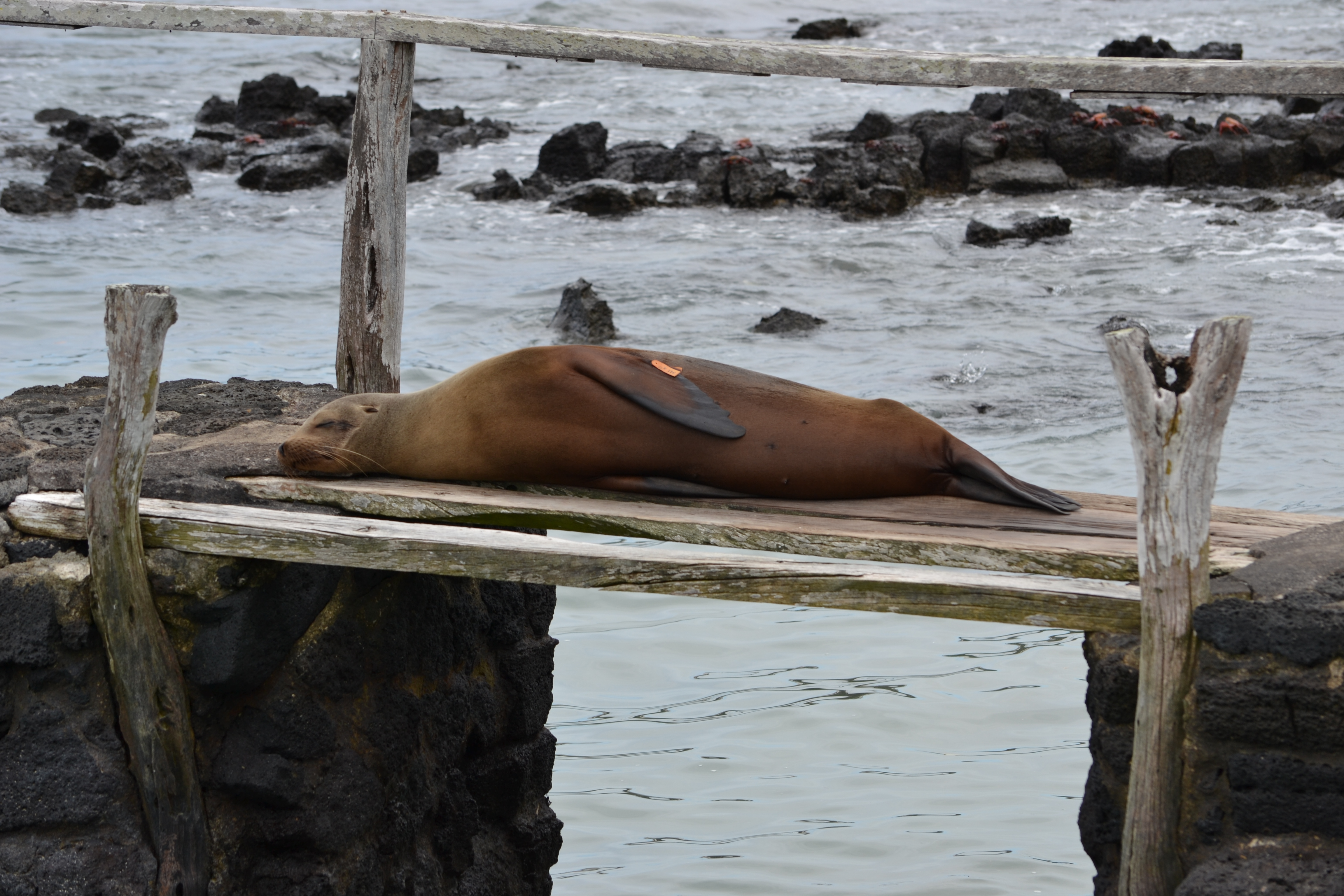
Sea lion resting just outside the hotel
The morning began with a short flight to Baltra Island, home to one of only two main airports in the Galápagos Islands. From there, we boarded a ferry to Santa Cruz Island before traveling along the island’s main road to Puerto Ayora. After arriving at our hotel, I thought I would take a few moments to relax—but that plan lasted less than five minutes. The sounds of wildlife just outside my window immediately drew me outside to explore.
Right from the hotel’s deck, nature surrounded us everywhere we looked. Sea lions rested peacefully in the shade while marine iguanas lounged nearby on the wooden deck. Blue-footed boobies soared overhead, colorful Sally Lightfoot crabs crawled across the rocks, pelicans floated calmly in the water, and wildlife seemed to appear in every direction.The Blu Galápagos Hotel (formerly Red Mangrove Adventura Lodge) is completely immersed in nature. Nestled within the mangroves and surrounded by wildlife, it became clear almost instantly that in the Galápagos, nature always comes first.
That afternoon, we took a short walk to the famous Charles Darwin Research Station. We wandered through the gardens filled with native plants and flowers while continuing to spot even more wildlife along the way.
Each evening, we enjoyed fresh local flavors prepared right at the hotel before falling asleep to the peaceful sounds of nature just outside our window.
Day 3: Giants of the Galápagos—tortoises & lava tubes
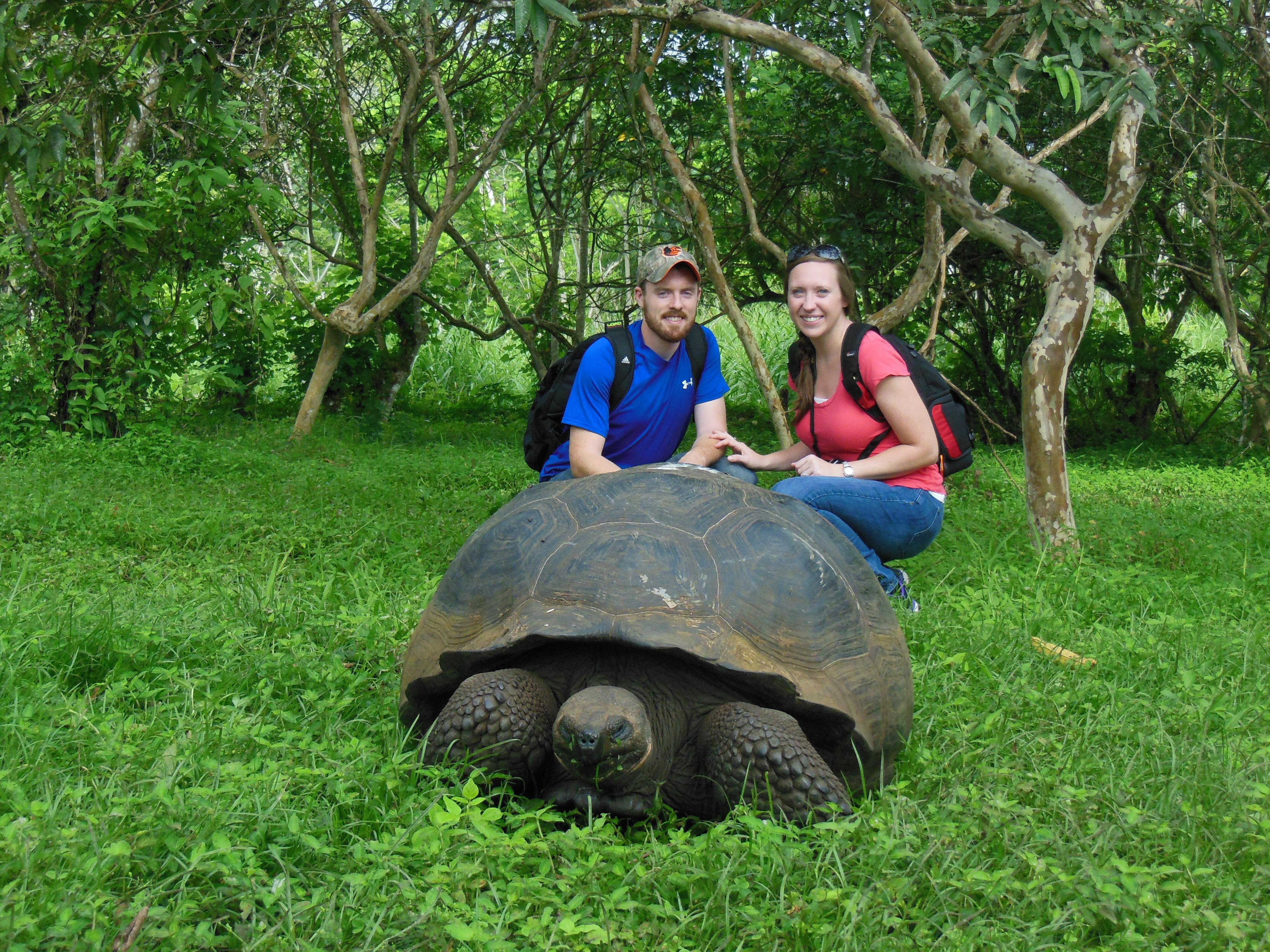
Peaceful Giant Tortoise making his way through the reserve
From this point forward, every day in the Galápagos became a nonstop adventure, and Day 3 was no exception. Our morning began with a visit to El Chato Ranch, a giant tortoise reserve where visitors can observe these incredible creatures roaming freely in their natural habitat.
Walking through the reserve felt surreal. The giant tortoises were even larger and more impressive than I remembered from the nature documentaries I watched as a child. Watching them slowly move through the grassy landscape made it feel like stepping back into another world entirely.
Beyond the tortoises, the ranch also offered another reminder of the islands’ fascinating volcanic history—ancient lava tubes carved deep beneath the surface. Since the Galápagos Islands were formed by a volcanic hot spot, much like the Hawaiian Islands, evidence of volcanic activity can be found throughout the islands. We had the opportunity to walk through these underground formations, shaped thousands of years ago as flowing lava cooled and hardened.
After exploring the ranch, we continued to Los Gemelos (The Twins), twin volcanic sinkholes created by collapsed lava chambers. Standing at the edge of these massive formations offered yet another glimpse into the powerful geological forces that shaped the Galápagos Islands.

A note from Kathryn
If you plan to visit El Chato Ranch, I highly recommend wearing long pants for the hike due to the tall grasses and insects along the trails.
Day 4: From snorkeling adventures to beachfront paradise
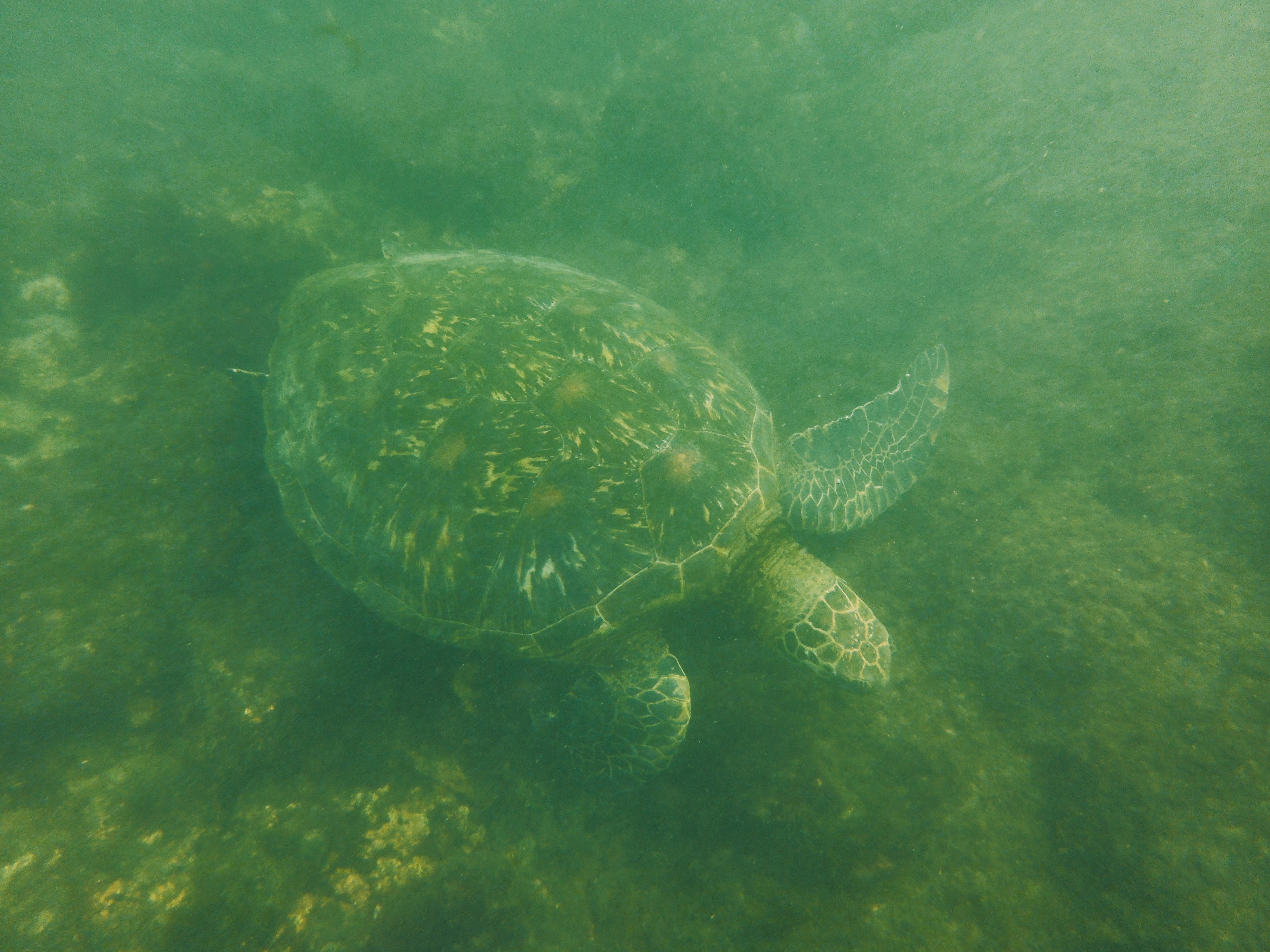
A sea turtle swimming nearby
Day 4 began with unforgettable water adventures along the Itabaca Channel. We kayaked through calm waters lined with mangroves on both sides, creating a peaceful habitat for an incredible variety of wildlife. Surrounded by nature at every turn, it felt like we were paddling through a hidden world untouched by time.
We also had the opportunity to snorkel alongside the mangroves, giving us an even closer look at the marine life beneath the surface. Throughout our snorkeling adventure, we spotted whitetip reef sharks gliding through the water, playful sea lions darting around us, sea turtles swimming peacefully nearby, stingrays resting along the sandy bottom, sea cucumbers, and vibrant tropical fish in every color imaginable. Every moment in the water revealed something new.
That afternoon, we boarded a boat to continue our journey to Isabela Island, the largest island in the Galápagos archipelago. There, we checked into the beautiful Hotel Isamar (formerly Red Mangrove Isabela Lodge), a beachfront property located directly along the shores of Puerto Villamil.
One of the most memorable parts of staying here was being able to step directly outside our room and onto Puerto Villamil Beach. The shoreline was a stunning contrast of soft white sand and dramatic lava rock formations shaped by the island’s volcanic history. The sand was easily some of the softest I have ever experienced, making it the perfect place to relax after a day full of adventure.
Each evening, we once again enjoyed fresh local cuisine prepared at the hotel while listening to the peaceful sound of waves just steps from our room.
A note from Kathryn
Boat rides between the islands can vary greatly depending on weather and ocean conditions. If you are prone to seasickness, I highly recommend taking motion sickness medication before traveling between islands.
Day 5: Volcano views & hidden underwater worlds
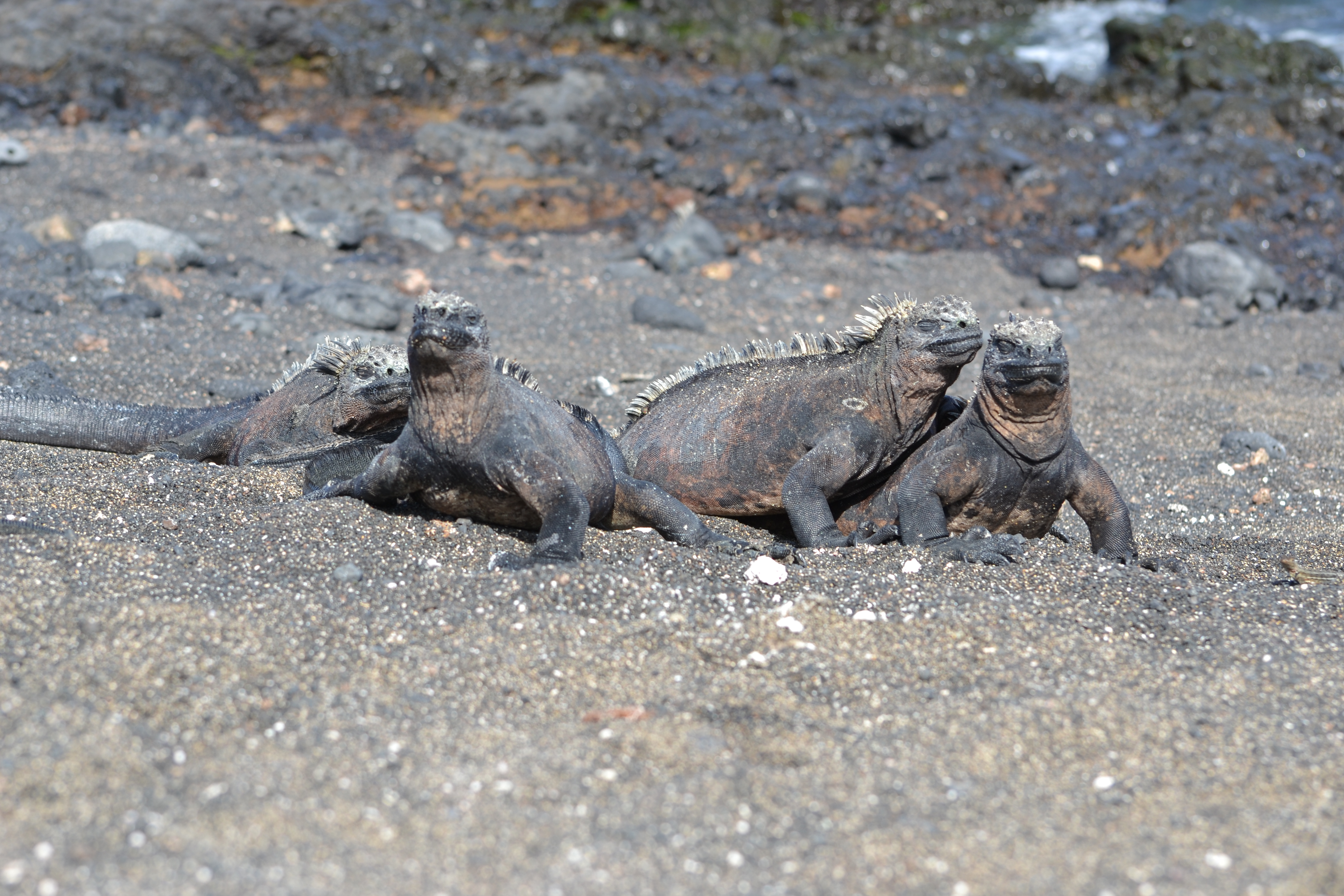
Marine iguanas lounging in the sand
Day 5 brought one of the most adventurous experiences of the entire trip—hiking Sierra Negra Volcano. The trail itself is not especially strenuous, but the hike takes more than five hours round trip and can become extremely muddy depending on recent weather conditions. Every step was worth it once we finally arrived at the edge of the massive caldera, the second largest in the world.
That afternoon led us to what felt like one of Isabela Island’s best hidden gems—Concha de Perla. Located just beside the main pier, the small mangrove-lined cove appeared quiet and unassuming from the surface. But the moment we stepped into the water, an entirely different world came to life beneath us.
The snorkeling there turned into one of the highlights of the entire trip. We watched a playful sea lion chase a marine iguana swimming through the water, spotted colorful sea stars and sea urchins clinging to the rocks, discovered tiny seahorses hidden among the mangroves, and encountered an enormous group—known as a “fever”—of golden stingrays gliding gracefully along the sandy bottom. Everywhere we looked, there was something incredible to discover.
A note from Kathryn
Good hiking boots are highly recommended for the Sierra Negra hike, especially during muddy conditions. The trail can become slippery, and while I managed to avoid completely falling into the mud, there were definitely a few close calls along the way. Be sure to bring plenty of water and snacks for the hike as well.
Day 6: From flamingo lagoons to lava-carved tunnels
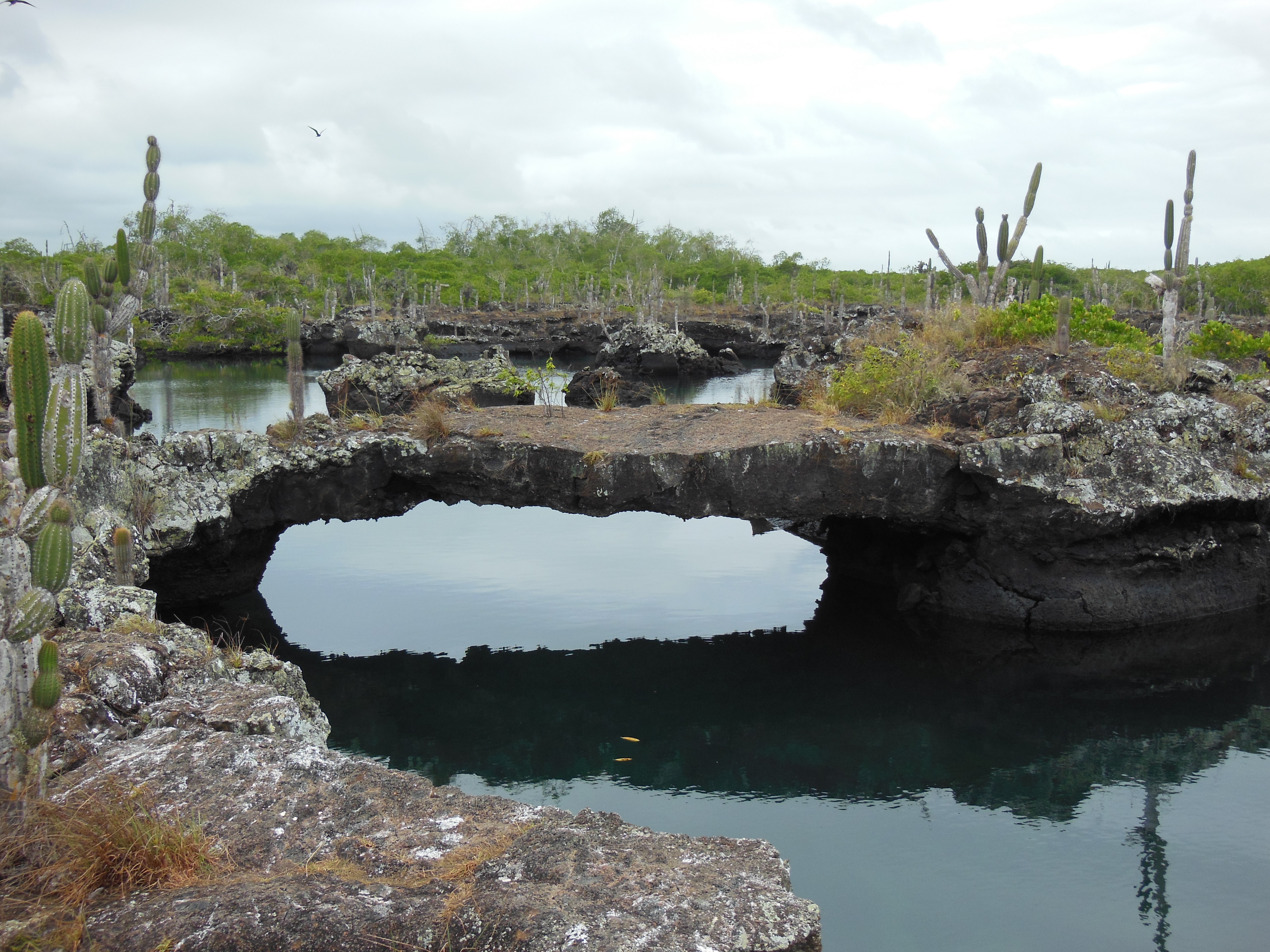
Natural bridges and arches at Los Túneles formed by years of erosion on the lava rocks
Day 6 was another unforgettable day filled with wildlife found nowhere else in the world and incredible snorkeling adventures. Just a short walk from our hotel was Flamingo Lagoon, where flamingos can regularly be seen wading through the shallow waters, exactly as the name suggests.
Beyond the lagoon, a scenic boardwalk winds through the mangroves for about 20 minutes, offering even more opportunities to spot wildlife along the way. Marine iguanas were everywhere—sometimes lounging beside the trail and other times directly in our path.
The trail eventually led us to the Arnaldo Tupiza Chamaidan Giant Tortoise Breeding Center, a conservation center dedicated to helping restore the Galápagos tortoise population after declines caused by human activity and volcanic eruptions. Visiting the center provided an inspiring look into the conservation efforts taking place across the islands. We were able to see tiny baby tortoises being carefully raised to help strengthen the population, as well as rescued adult tortoises receiving care and protection.
That afternoon, we boarded a boat to explore Los Túneles, one of the most unique landscapes in the Galápagos. Formed by ancient lava flows and years of ocean erosion, the area is filled with dramatic black lava rock formations, natural bridges, and arches stretching across the water.
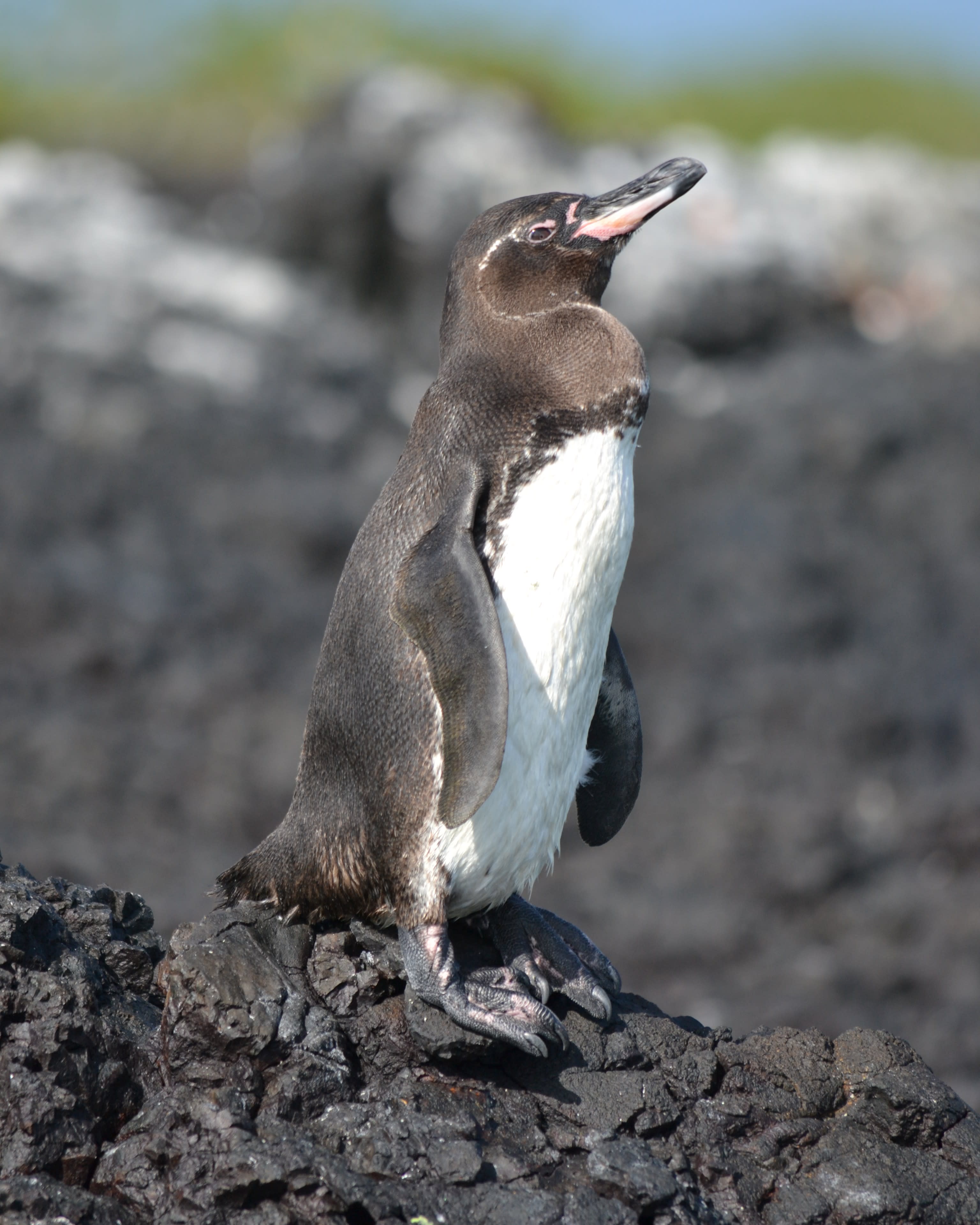
Los Túneles also proved to be one of the best snorkeling locations of the trip. Beneath the surface, we encountered sea turtles, sharks resting below the rocks, and even the rare Galápagos penguin—the only penguin species found north of the equator.
Day 7: One last glimpse of the Galápagos
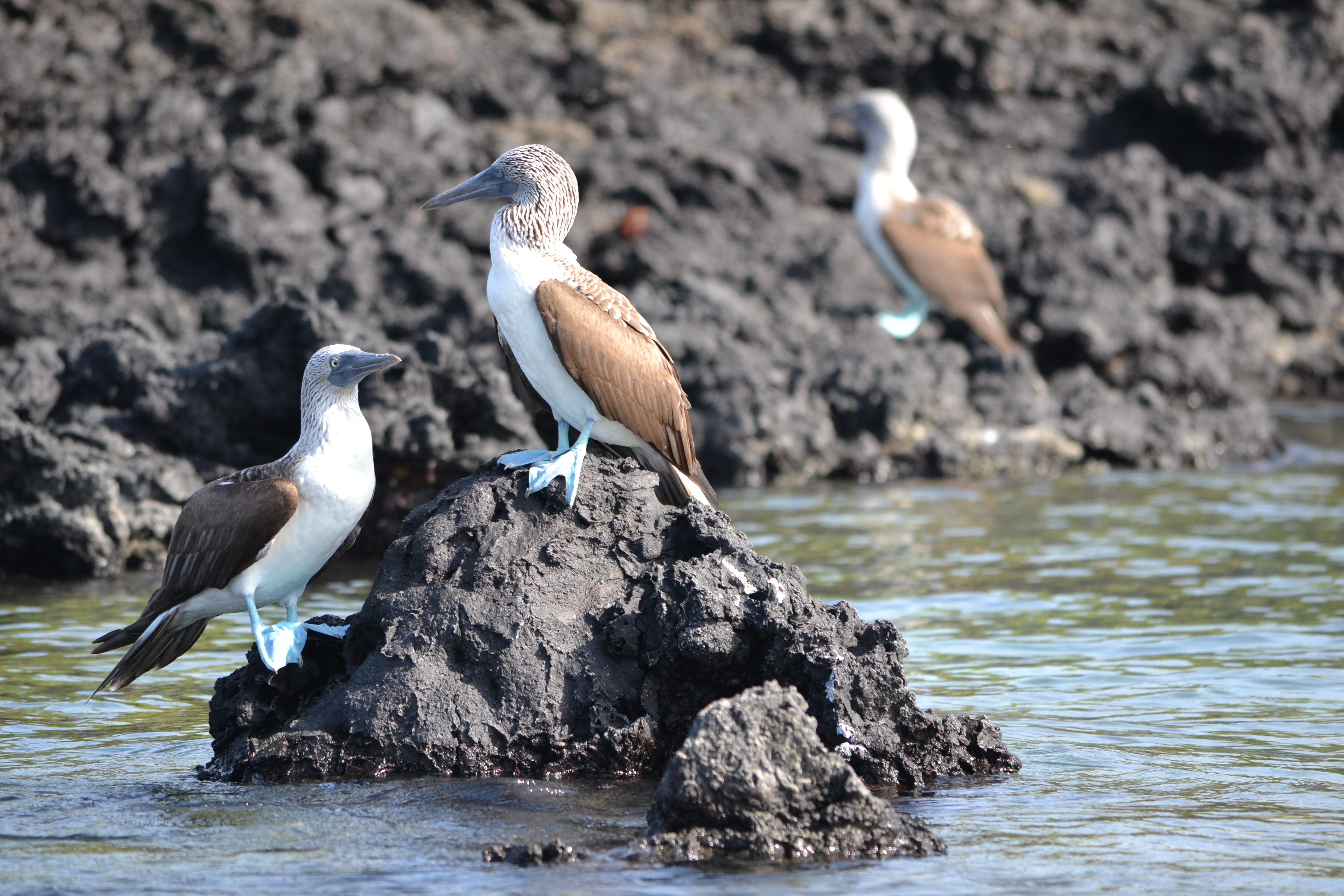
Blue-footed boobies gathering on the rocky shores of Las Tintoreras
Day 7 marked our final full day in the Galápagos Islands, and it brought a few more unforgettable memories before it was time to return home. We began the morning with a short boat ride to Las Tintoreras, a series of small volcanic islets named after the many whitetip reef sharks—locally called “tintoreras”—that rest in the shallow waters surrounding the area.
Las Tintoreras was home to the largest group of blue-footed boobies we saw during the entire trip. Watching them gather along the rocky shoreline was an incredible sight and the perfect final opportunity to observe one of the Galápagos’ most iconic animals in the wild.
We also encountered an enormous colony of marine iguanas spread across the lava rocks. Their dark coloring allowed them to blend almost perfectly into the volcanic landscape, making them surprisingly difficult to spot at first glance. Once you noticed them, however, they seemed to be everywhere.
Although we were not ready to leave Isabela Island and begin the journey back to mainland Ecuador, we returned home with unforgettable memories, an even greater appreciation for the natural world, and countless incredible photos that will always remind us of this once-in-a-lifetime adventure.
Need to know
Packing tips
Be prepared with clothing for all types of outdoor activities such as hiking, snorkeling, kayaking, and boat excursions, and definitely pack plenty of sunscreen and bug spray!
Fees
There are mandatory fees that must be paid to venture to the islands
Galápagos National Park Entrance Fee
International visitors ages 12 and older: $200 USD
Children under 12: $100 USD
Payment must be made in cash upon arrival
Transit Control Card (TCT)
A mandatory $20 USD fee charged by the Galápagos Governing Council
Payment must also be made in cash


Travel Advisor
Kathryn Wilson

Kathryn Wilson

Get in touch with Kathryn Wilson
Did you like this guide? Reach out to customize and book your own experience. Or, just to chat about travel in general.
For more inspiration and insider recommendations, visit our Galápagos Islands page.