


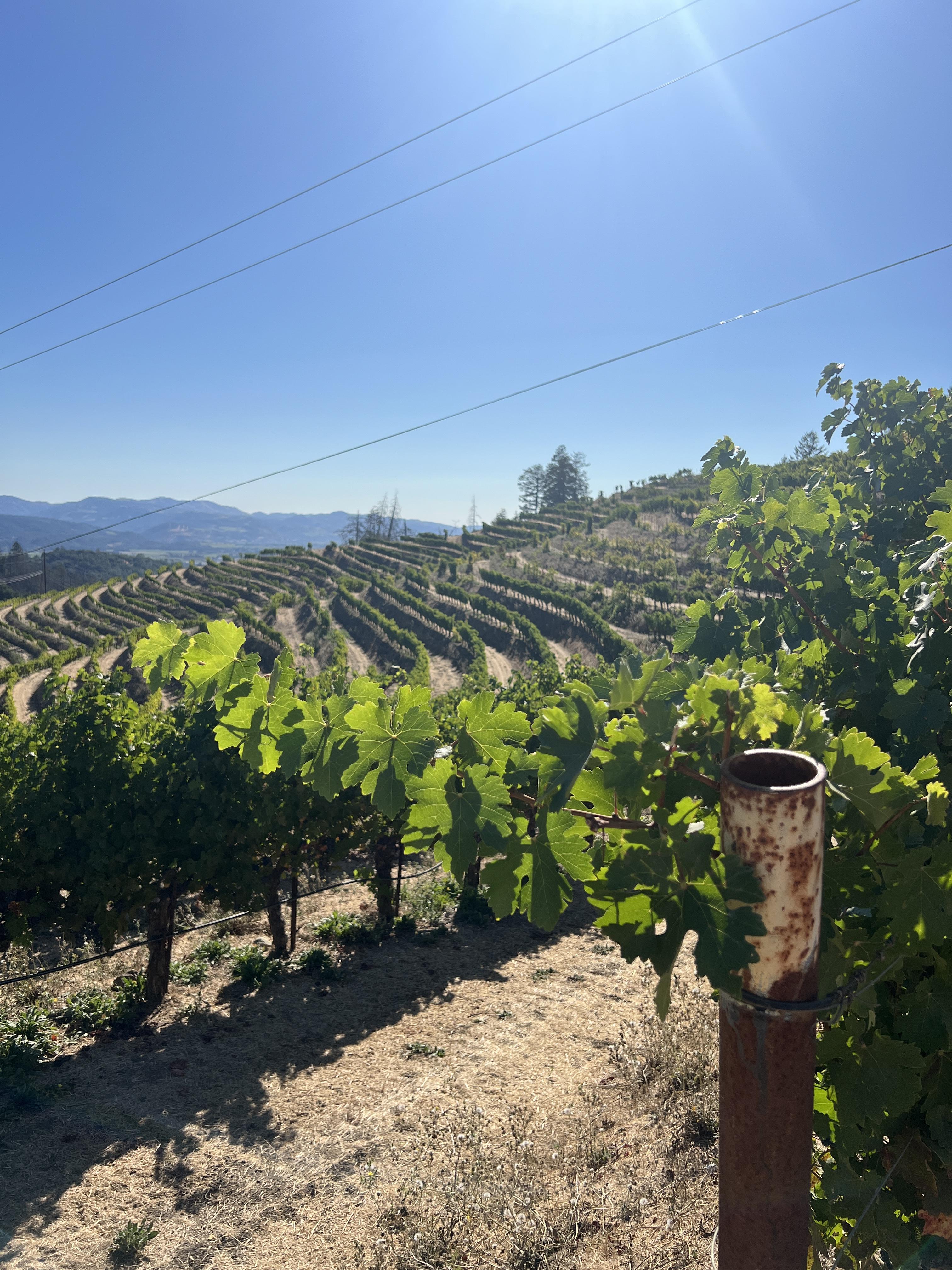
Curator’s statement
Napa Valley has been home to my family for seven generations, and my connection to the valley runs far deeper than its famous tasting rooms. I've worked in the wine industry, my husband is a Napa Valley winemaker, and together we've built our lives around this remarkable place. Wine is absolutely part of Napa's story, but it isn't the whole story. This itinerary invites you to discover the landscapes, food, hospitality, and small moments that have made generations of locals proud to call Napa Valley home.
The Fora Difference
Book with The Cordawn to access exclusive perks and experiences on your trip.

Killer perks
Free upgrades, spa credits and more—we got you

Personalized recs
Customized travel planning for your style

Insider knowledge
Expert advice from people who’ve actually been there
Where to stay
Unlock perks by contacting The Cordawn to book your trip.
Day 1: Settle into the rhythm of Napa Valley
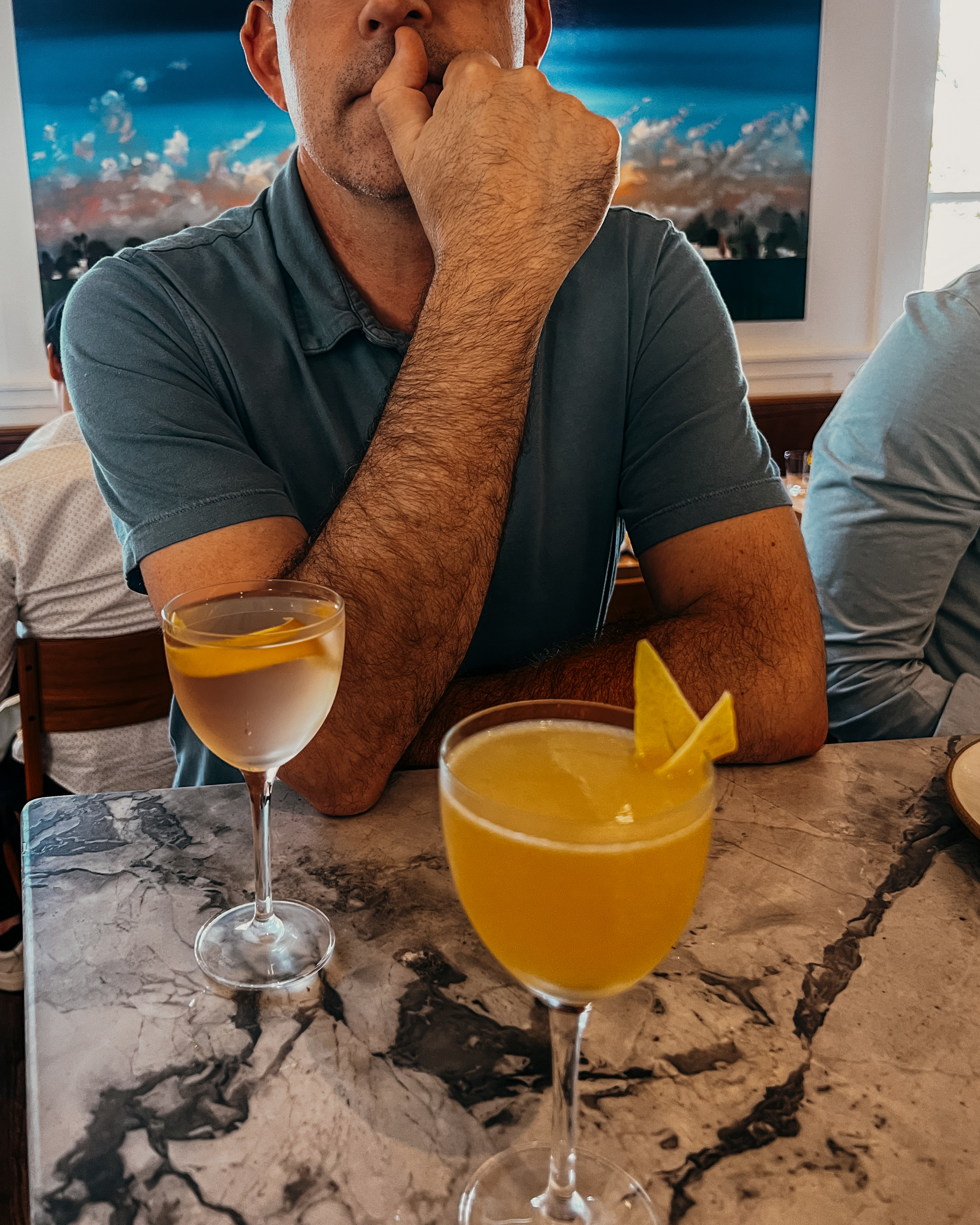
Drinks at Charlie's in St. Helena
The best way to begin your time in Napa Valley is by resisting the urge to fill every hour. After checking into your hotel, spend the afternoon getting acquainted with one of the valley's walkable towns, whether that's St. Helena, Yountville, Calistoga, or downtown Napa. Browse locally owned boutiques, art galleries, and specialty food shops, then settle in for an unhurried dinner that showcases the region's extraordinary culinary scene. My biggest piece of advice is to avoid scheduling wine tastings on your arrival day. Giving yourself time to slow down and settle into the pace of the valley makes the rest of your visit far more enjoyable.
Day 2: Experience the vineyards, not just the wine
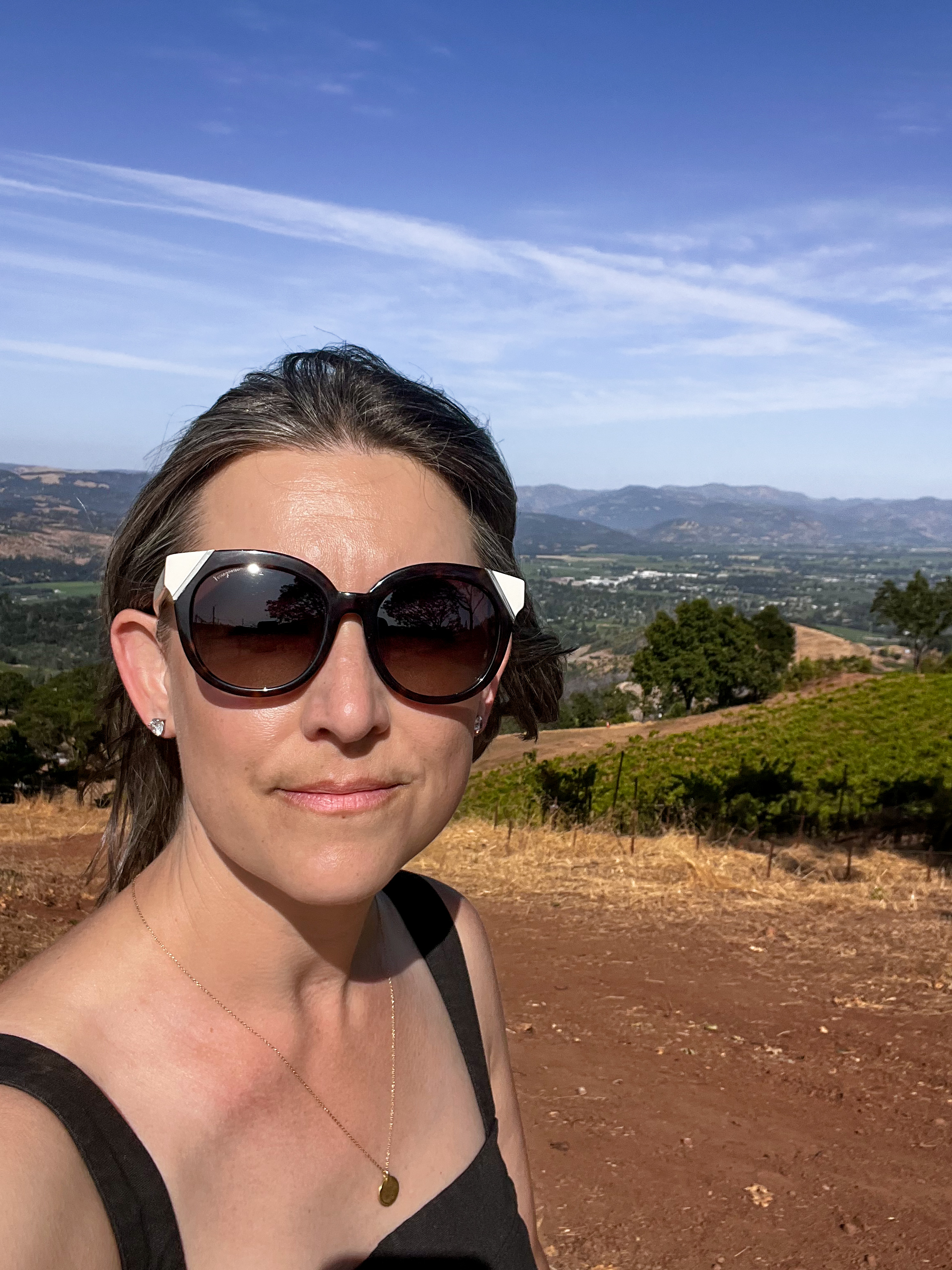
Vineyard walk
Today is about understanding what makes Napa Valley one of the world's great wine regions. Rather than trying to visit four or five wineries, choose one or two thoughtfully selected estates where you can learn about the land, the people, and the craft behind each bottle. Leave plenty of time to enjoy the drive between appointments, as some of the valley's most memorable moments are found on its scenic back roads, where vineyard views, historic stone wineries, and mountain landscapes unfold around every bend. If you're visiting during harvest, allow extra time for traffic and winery visits, as this is one of the busiest and most exciting times of year to experience Napa Valley.
Day 3: Discover Napa Valley beyond the vineyards
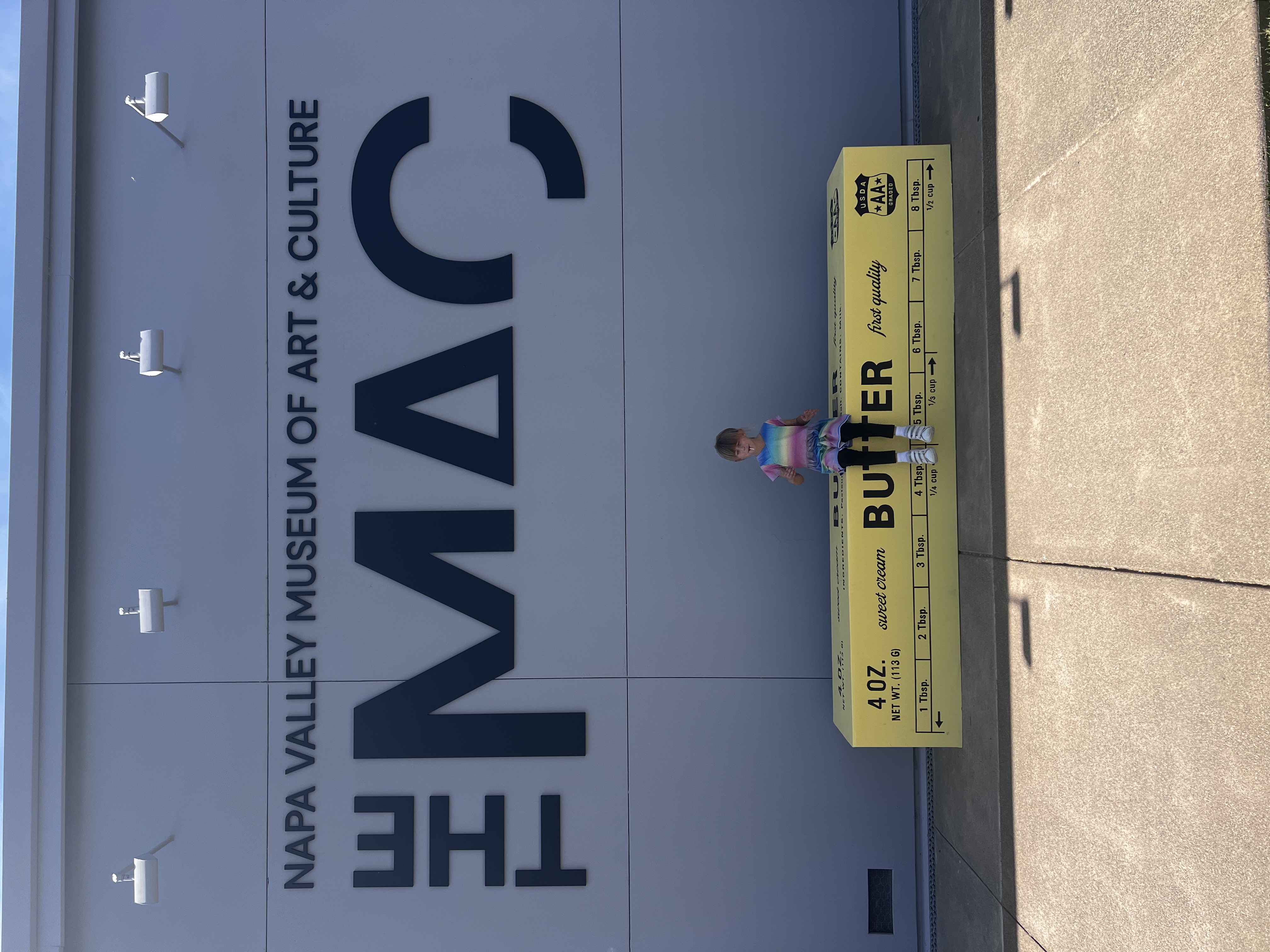
The Napa Valley Museum of Art & Culture, St. Helena
One of the best ways to appreciate Napa Valley is to spend a day exploring the experiences that exist beyond the wine glass. Wander through one of the valley's museums or art galleries, book a spa treatment, browse a local farmers market if your visit coincides with one, or enjoy a leisurely hike before the afternoon warms up. Save time for a long lunch featuring the region's seasonal ingredients, then spend the afternoon exploring one of Napa Valley's charming towns at your own pace. My favorite itineraries always leave room for a little spontaneity. Some of the most memorable discoveries come from following a recommendation from a local shopkeeper or lingering somewhere beautiful just a little longer than planned.
Day 4: Savor the last morning
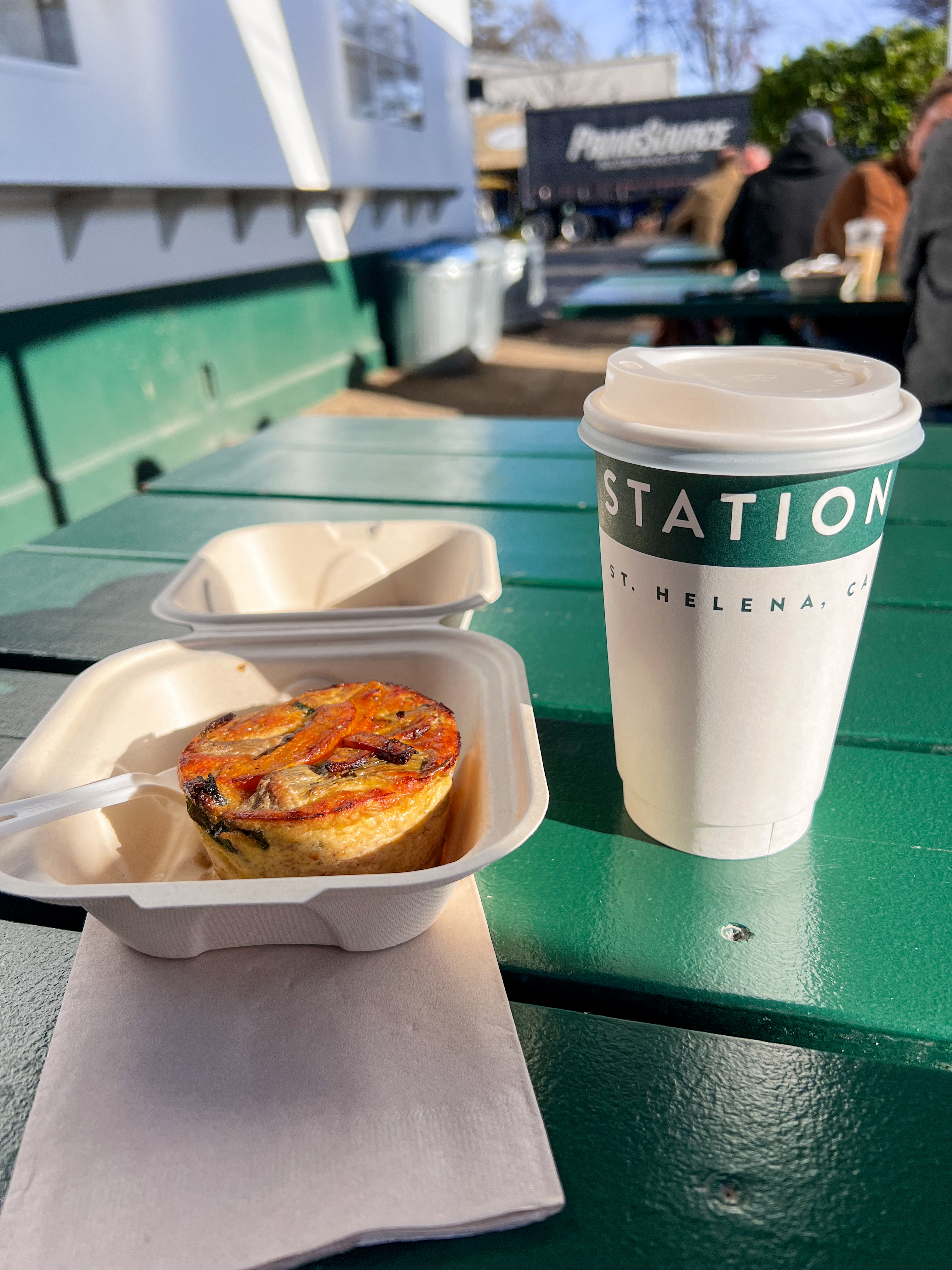
Station, St. Helena
Resist the temptation to squeeze in one last tasting before heading home. Instead, enjoy a leisurely breakfast, revisit a favorite bakery or coffee shop, and spend a final morning wandering the town that captured your attention most during the trip. Stop into a local specialty food shop to pick up olive oil, artisanal pantry staples, or a few bottles of wine to enjoy back home, allowing yourself one last opportunity to support the small businesses that make Napa Valley so special. The best souvenir isn't a packed itinerary or a long list of wineries visited. It's leaving with a genuine sense of place and already thinking about what you'll discover when you return.
Need to know
Napa Valley is deceptively small, but travel times can vary significantly depending on the season, time of day, and whether you're traveling on Highway 29 or the Silverado Trail. If you're flying in, don't overlook Charles M. Schulz Sonoma County Airport (STS) in Santa Rosa. For many travelers, it's a quieter, more convenient alternative to the larger Bay Area airports and can significantly reduce the time spent in traffic at the beginning and end of your trip.
While rideshare services like Uber and Lyft are available, they can be limited, particularly outside the larger towns and during busy weekends. Renting a car is the best option for most visitors, giving you the flexibility to explore at your own pace. If your itinerary includes wine tasting, I recommend hiring a private driver or transportation service so everyone in your group can relax and enjoy the experience safely.
I recommend limiting yourself to no more than two winery visits per day, allowing plenty of time to enjoy leisurely meals, explore the valley's towns, and simply take in the scenery. Restaurant reservations, winery appointments, and spa treatments should be booked well in advance, particularly during harvest season (August through October) and on weekends.
While it's tempting to stay in one town for your entire visit, each community has its own personality. Whether you're drawn to Calistoga's hot springs, St. Helena's charming Main Street, Yountville's renowned dining scene, or downtown Napa's riverfront energy, choosing the right home base can completely shape your experience.
Finally, don't feel pressured to see everything in one trip. Napa Valley rewards travelers who slow down, linger over lunch, leave room for unexpected discoveries, and allow the destination to unfold naturally. That's often the difference between simply visiting Napa Valley and truly experiencing it.


Travel Advisor
The Cordawn


Autumn Anderson

Get in touch with The Cordawn
Did you like this guide? Reach out to customize and book your own experience. Or, just to chat about travel in general.
For more travel inspiration and insider recommendations, check out our Napa Valley page.