


Curator’s statement
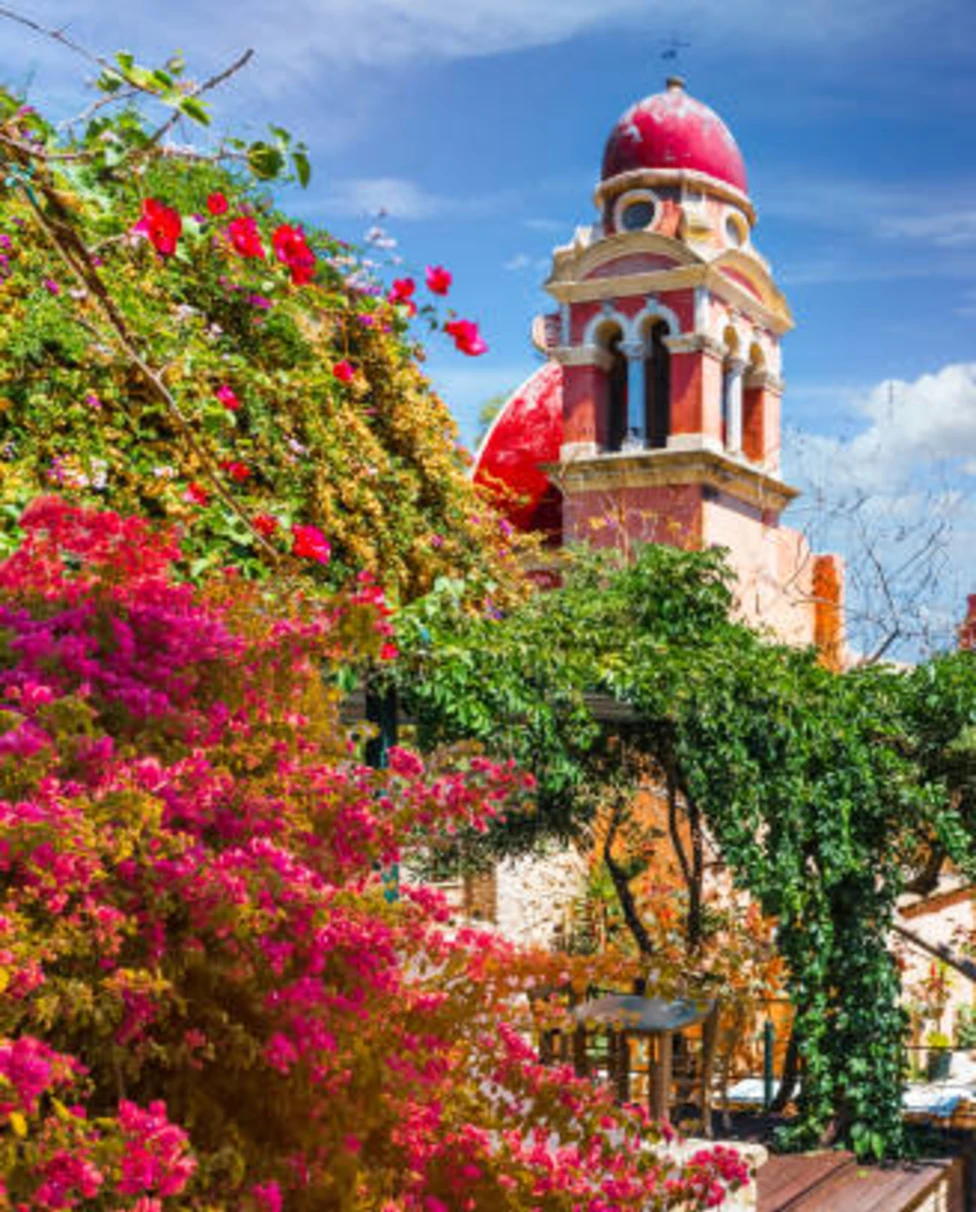
Corfu is the island that taught me how to slow down: its salt air stitches itself to my skin and the pine-scented evenings anchor me in the present. Traveling here with my husband and Sara, the island became a ledger of small, sacred rituals—warm koulouri at dawn, a shared bite of grilled fish, a single pebble pressed into our travel journal—each one a promise we return to. I love Corfu because its light and layered history cradles both loud laughter and quiet conversation, turning ordinary moments into heirlooms I tuck into my memory.
The Fora Difference
Book with Lisa Phillips to access exclusive perks and experiences on your trip.

Killer perks
Free upgrades, spa credits and more—we got you

Personalized recs
Customized travel planning for your style

Insider knowledge
Expert advice from people who’ve actually been there
Where to stay
Unlock perks by contacting Lisa Phillips to book your trip.
Day 1: Corfu Town, Kanoni & Glyfada
Arrival, memory & shoreline ease in Corfu
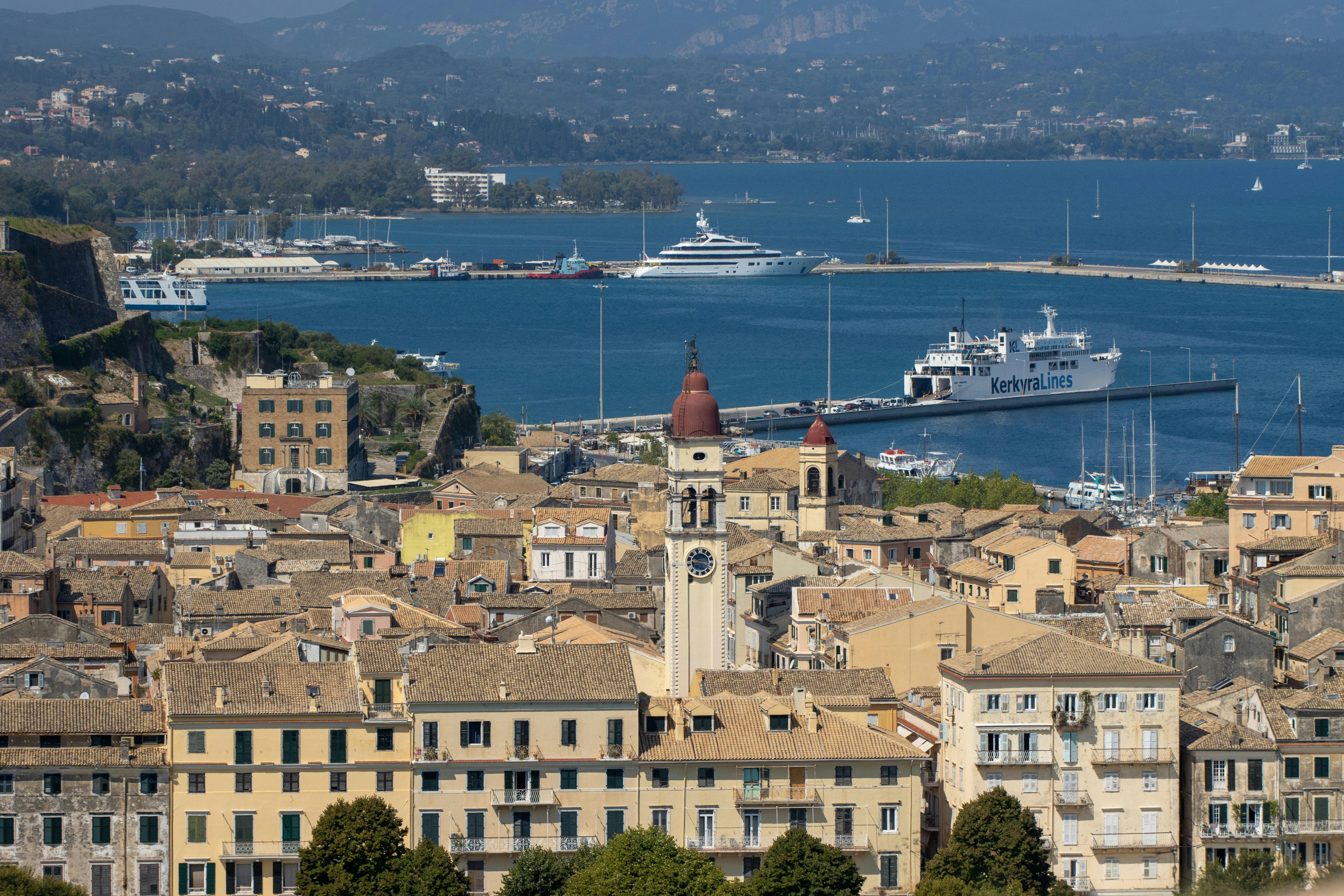
Begin the morning on the Liston with coffee and warm sesame koulouri; the marble under my palm is cool, espresso steam smells of dark chocolate and orange peel, and bell chimes thread the pale façades. Sara hands me a koulouri while my husband tucks the map into his back pocket. I press my hand to a worn doorframe to remember the texture, because I habitually anchor places by touch. Sit at an end table on the Liston to catch morning light for photos and carry a small notebook for quick sketches.
For a quiet detour, slip down Anemomylos Lane behind the Liston to find a tiny ceramics studio where the potter often shares olive pit ash samplers and a story.
Climb the Old Fortress slowly and feel the wind sharpen with salt. At the lighthouse, fishing boats stitch pale lines across the Ionian and the stone smells faintly of sun-warmed bread. The fortress is a vantage for stories—the island’s defenses, its sacrifices, and its stubborn joy.
Arrive at opening to avoid cruise crowds and wear shoes with grip. Behind the fortress gate is a nearly empty chapel where elders leave blossoms; sit there for a minute of hush and write one sentence in your journal.
For midday, eat beneath plane trees in Spianada: charred octopus, lemony tzatziki, and crusty bread while my husband sketches the fountain and Sara gives me local names. Spianada feels like Corfu’s living room where people pass and stories begin. Order a shared mezzé to taste many small plates, and explore the alley behind Liston toward Halkokondylou to discover a family bakery that still folds bougatsa by hand.
Kanoni
In the afternoon, drive to Kanoni and walk the narrow causeway to Panagia Vlacherna; the white monastery sits like a bead on blue silk, planes skim low, and the small thrill of an approaching landing makes Sara squeeze my hand.
For the classic view, stand on the Perama bridge in late afternoon and bring a light scarf to keep hair from unspooling in the wind. Walk into Perama village and ask for the taverna that serves lemon pie—locals will point it out.
Glyfada
End the day at Glyfada. The wide sand and gentle surf feel like an island exhale as oregano scents warm breeze and sand cools beneath our toes. We each choose a smooth pebble and press it into the travel journal as a keepsake. Bring reef shoes for pebbly entries and a reusable water bottle. For fewer people, walk past the main beach toward the northern cove where locals sun and a little shack sells fresh figs.
Each evening we read one sensory sentence aloud, press a small keepsake into the journal, and seal the day with a shared sketch.
Day 2: Northwest Loop
Helidoni & Porto Timoni
We leave early with windows down and a playlist shared like a map; thermos coffee is passed as a ritual before the first climb. Pull over at Helidoni viewpoint for a quick, open view of Agios Georgios and the line of bays; wind tastes of thyme and the horizon is a sewn ribbon of color.
From there we reach the Porto Timoni trail in Afionas: the trail is 1.7–2.0 km out-and-back with 125–138 m of elevation gain, moderately difficult with rock scrambling and loose stones. The viewpoint is an earned silence—twin turquoise beaches curving like cupped hands. Wear trail shoes (no flip flops), carry 1–1.5 liters of water and blister strips, and go early to avoid queues.
For an off-route memory, park slightly farther in Afionas and follow the village path to an abandoned windmill that offers a quiet prelude to the main view.
Canal d’Amour & Cape Drastis
Travel to Canal d’Amour in Sidari for sculpted limestone channels where the legend says that swimming through the canal keeps lovers together. The inlets feel fjord like and the sea slips cool around your calves.
Lunch at Kantina Grill yields generous gyros and friendly staff. Park in the paid lot and eat at the family taverna for authentic portions, and only consider cliff jumping when the sea is calm. Walk east along the coast from the main channel to find small inlets where fishermen mend nets and children play.
Cape Drastis reads like Corfu’s punctuation: a dramatic cliff viewpoint reached by a short walk from a modest lot. The cliff edge smells of salt and metal and the waves collapse far below. Keep a safe distance from the edge—signs warn that the rock crumbles—and find the small stone church a few minutes inland, where locals tie ribbons for wishes, a private ritual that most visitors miss.
Pantokrator & Spartilas
Rise toward Mount Pantokrator and the Monastery at 906 meters. Altitude is thin and bright, the monastery smells faintly of incense and lemon oil, and cafes offer tiny espressos that taste like small medals of contemplation. Visit on a clear day for panoramic views that stretch to Albania and stop in Spartilas on the descent for slow coffee and, if the host is generous, a jar of homemade spoon sweets. Free roadside parking is available but arrive before late afternoon for easier spaces.
Return slowly and, if you wish, take a quiet dip at Glyfada to close the day. Press a smudge of local olive oil onto a postcard and tuck it into the journal; each of us reads our single-sentence memory aloud before sleep.
Day 3: Paxos & Antipaxos boat day, West Coast farewell & quiet closure
Paxos & Antipaxos
Board an early Trident speedboat from Lefkimmi for the crossing to Paxos; the engine’s hum and the slap of the wake become a lullaby while watermelon slices taste like concentrated sun. Book ahead in high season and pack reef shoes, a mask, towel, and a dry bag for phone and wallet. Carry cash for small island purchases.
Step ashore at Gaios and wander alleys polished by centuries—whitewashed walls, geraniums spilling from blue pots, the smell of goats’ milk cheese and sun warmed bread. Buy chèvre wrapped in wax paper from a woman who names the goat for you, and walk uphill from the harbor for a quiet rooftop viewpoint with fewer tourists.
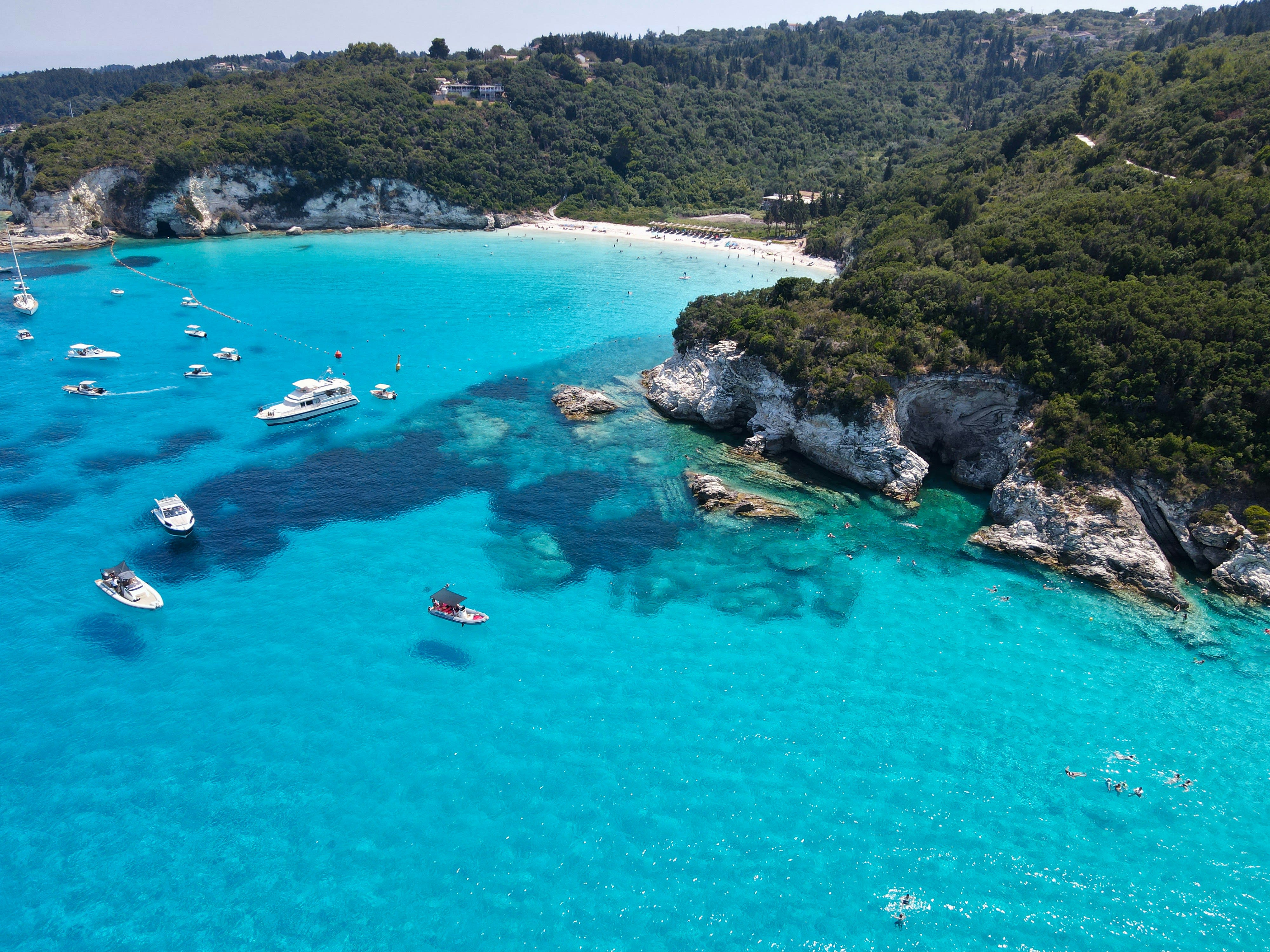
At Antipaxos, the boat anchors in a sheltered cove with water so transparent it feels like floating inside a painting. Snorkel over soft sea grass, float on your back, and let the horizon become a narrow, restful band. Ask the captain to anchor leeward of a small cave for quieter snorkeling; use reef shoes and a mask to make the most of the underwater clarity. Simple lunches of grilled fish and tomatoes on board taste like the sea itself, and dolphins sometimes mark the distance with small arcs of movement.
West Coast farewell
Return to Corfu Island in time for golden hour on the west coast at Agios Gordios or Glyfada. Late light turns cliffs copper and the air smells of toasted fennel. We collect one shell each to tuck into the journal and later dine at a family taverna two streets back from the shore, where the recipes are older and portions generous. Time your return so the final light hits a west beach—those photos become the book’s closing pages.
Keepsakes, rituals & practical micro-tips (all days)
Each evening we speak one sensory sentence aloud, press a small keepsake into the journal (pebble, leaf, ticket), and sketch a quick image.
Pack reef shoes, a foldable sun hat that ties under the chin, a light scarf that doubles as a blanket, reef-safe sunscreen, a tiny first aid kit, a slim notebook, and a dry bag.
Rent a small car for narrow roads. Drive slowly, and avoid leaving keys with unofficial parking attendants. If asked, park farther in an official spot.
Request catch of the day with lemon on the side and share plates so everyone tastes more.
Porto Timoni’s trail is rocky—choose sturdy shoes and bring water. Cape Drastis cliff edges are unstable—keep distance. Be cautious with cliff jumps at Canal d’Amour and attempt them only with calm seas.
Need to know
Practical warmth: Corfu feels easiest when you accept slow timing—shops open late, afternoons invite siestas, and the best light for memories is either sunrise or the hour before sunset.
Cash remains useful in villages and for parking. Most tavernas accept cards, but a small bill in your pocket makes life smoother.
I always tuck a folded map and a tiny notebook into my day bag; when the light is right I pause to write one line and fold it into the journal.
Off-the-beaten-path suggestions
Visit the abandoned windmill above Afionas before Porto Timoni for a quiet frame of the coast without the viewpoint queue.
In Perama, follow a narrow lane away from the monastery to find a family table where locals eat lemon pie and chat; you’ll often leave with a story about the baker’s grandmother.
Drive a little inland from Cape Drastis to a tiny stone chapel where villagers tie ribbons for wishes—an intimate ritual most guidebooks miss.
In Gaios (Paxos), climb two streets above the harbor at noon to a quiet rooftop terrace where fishermen mend nets and the light softens into a private postcard.
Ask for a captain to anchor leeward of a small swim-accessible cave off Antipaxos for snorkeling with fewer boats.
Logistics & getting around
Car rental: Rent a compact car for narrow roads; automatic transmissions are less common. Bring patience for single-lane sections, use official parking where possible, and never leave keys with unofficial attendants.
Road notes: Many scenic stops have tiny lots; expect to park and walk. Porto Timoni’s nearest official lot is in Afionas (small fee). Cape Drastis and Helidoni have roadside pull offs—park respectfully.
Ferries & boats: Lefkimmi is the common departure for Paxos/Antipaxos day boats—book in high season. Small-boat operators often accept cash only. Bring a printed or onboard contact number for transfers if your hotel is distant.
Health & safety: Strong sun, salty wind, and sharp rocks are everyday realities—reef shoes, sunscreen, and a small first aid strip kit are essential. Take extra care on Porto Timoni’s trail and respect Cape Drastis’ cliff warnings.
Best times to visit & daily timing
Best months: May–early June and September–early October. Days are warm, water is inviting, crowds thin, and light at dawn/dusk is forgiving for photographs.
High season: July–August is lively, hot, and busy—book ferries, car rentals, and dinner reservations well in advance.
Daily rhythm: Start coastal hikes and long drives early (7–9 am) to avoid heat and crowds, plan market and café mornings in town (9–11 am), and hold beaches and boat time for late morning through afternoon. Golden hour (last 60–90 minutes before sunset) is for viewpoints, west coast beaches, and ritual photographs.
Must-do, must-see (short checklist)
Old Town & Liston: Wander cobbles at dawn, sit with coffee, and let the architecture speak.
Old Fortress Lighthouse: Climb for a 360° sweep of sea and town—arrive at opening to beat crowds.
Panagia Vlacherna (Kanoni) and Perama bridge: Classic plane spot and monastery frame.
Porto Timoni viewpoint (Afionas): Earned, unforgettable turquoise twin beaches—trail shoes required.
Helidoni viewpoint and Cape Drastis: Dramatic panoramas that show Corfu’s raw edges.
Mount Pantokrator & monastery: Highest vantage for island-wide panoramas—visit on a clear day.
Canal d’Amour (Sidari): Geology, legend, and playful cliff jumps when safe.
Paxos & Antipaxos boat day: Snorkel crystalline water, wander Gaios, and taste island simplicity.
Glyfada or Agios Gordios at sunset: West Coast light that closes each day like a benediction.
Must-try foods, local customs & small etiquette
Must-try foods: Grilled whole fish (catch of the day with lemon), grilled sardines, lemon potatoes, bougatsa, koulouri, spoon sweets, and locally pressed olive oil. Try a small rosé from the island with seafood.
Local customs: Greet with a smile and a brief “Kalimera” (good morning) or “Kalispera” (good evening). Respect church dress codes (shoulders covered) if entering chapels or monasteries.
Tipping: Service is appreciated but modest—round up or leave 5–10% in tavernas. For boat crews and guides a small cash tip feels personal and right.


Travel Advisor
Lisa Phillips

Lisa Phillips

Get in touch with Lisa Phillips
Did you like this guide? Reach out to customize and book your own experience. Or, just to chat about travel in general.
For more inspiration and insider recommendations, visit our Greece page.