



Curator’s statement
If lazy sunbathing is not your thing and you want to share the adventure of a lifetime with your partner, this is the honeymoon for you. Follow the Mayan mythology and love stories around Yucatan, and treat yourself to unique experiences!
The Fora Difference
Book with Travel-o-Lotl™ to access exclusive perks and experiences on your trip.

Killer perks
Free upgrades, spa credits and more—we got you

Personalized recs
Customized travel planning for your style

Insider knowledge
Expert advice from people who’ve actually been there
Where to stay
Unlock perks by contacting Travel-o-Lotl™ to book your trip.
Day 1: Isla Mujeres
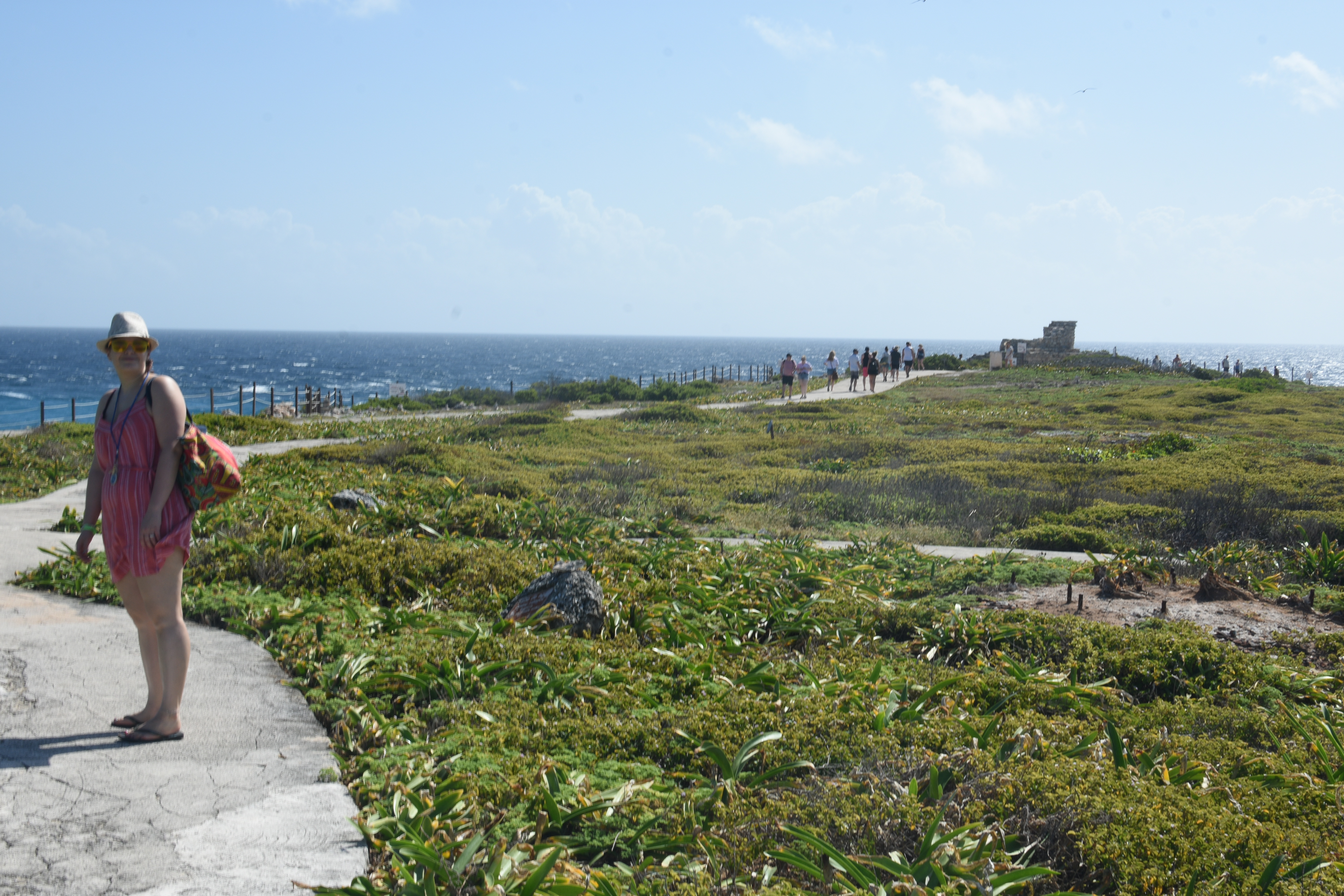
Overview of the Punta Sur of the island, with the Spanish Days mirador ruin
The island is just one ferry away from Cancún and makes the best first stop on your journey. Isla’s history dates back over 1500 years when it was part of the Maya province, Ekab. The island served as the sanctuary for the goddess Ixchel, the Maya goddess of the moon, fertility, medicine, and happiness.
On the island, there are no cars. You will get a little golf cart to drive around the island. You can stop at the sea turtle sanctuary or snorkel with beautiful colorful fish.
In the evening, you can go have a fresh lobster ceviche and sleep on the island, or go back to Cancún and have a nice Mayan-inspired dinner at La Habichella.
Day 2: Coba
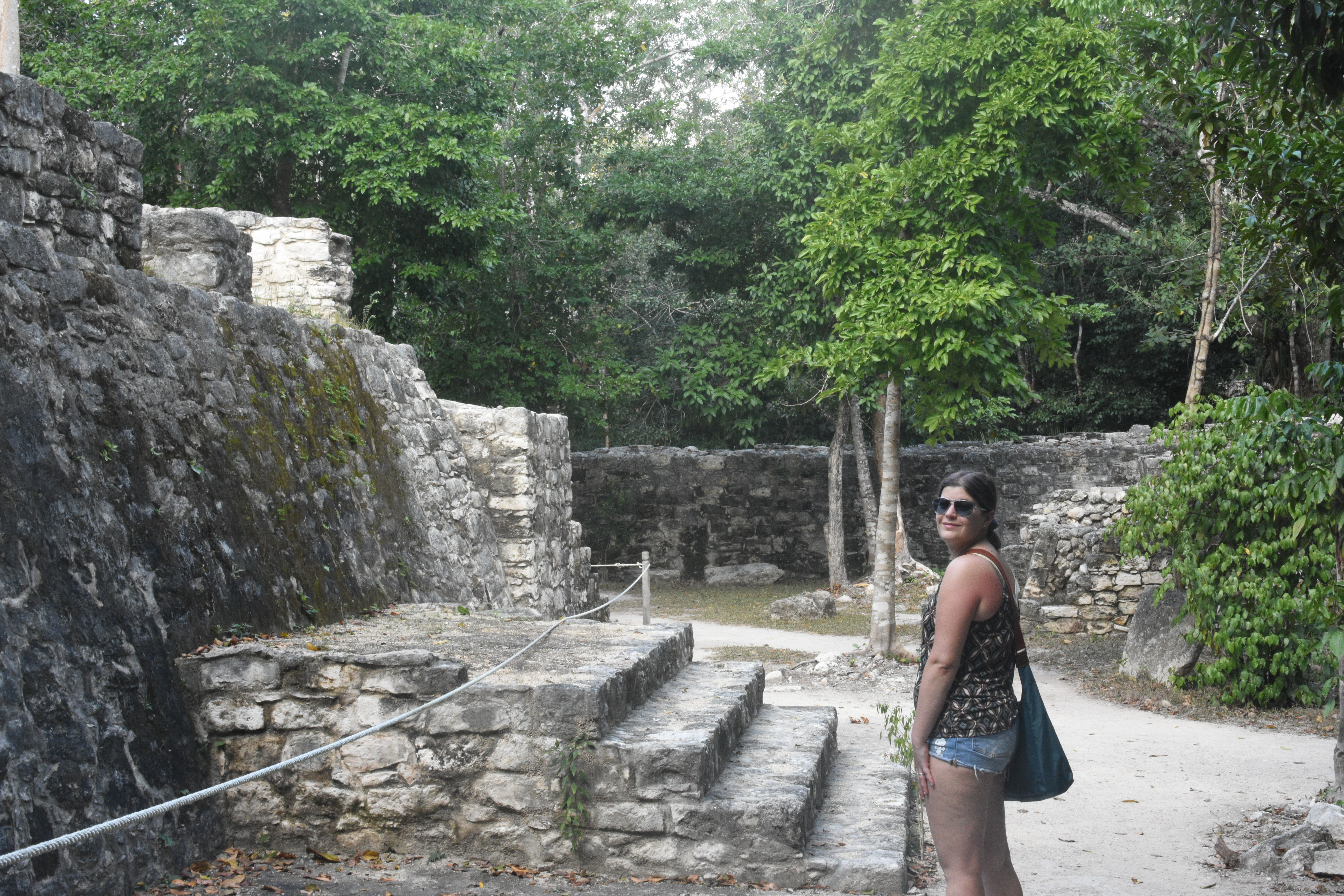
Coba ruins
In Coba, the small temple building which crowns the pyramid has two small carvings that are known as a “diving god” over the door. There are many theories about the meaning of these curious carvings, which are also found in Tulum. They have also been called “the bee god” or “the god descending” and have been associated with the planet Venus.
This is one of the oldest, less-visited Mayan ruins, and a good first stop to enjoy the pyramid while avoiding the crowds.
Day 3: Valladolid (Cenote Zaci)
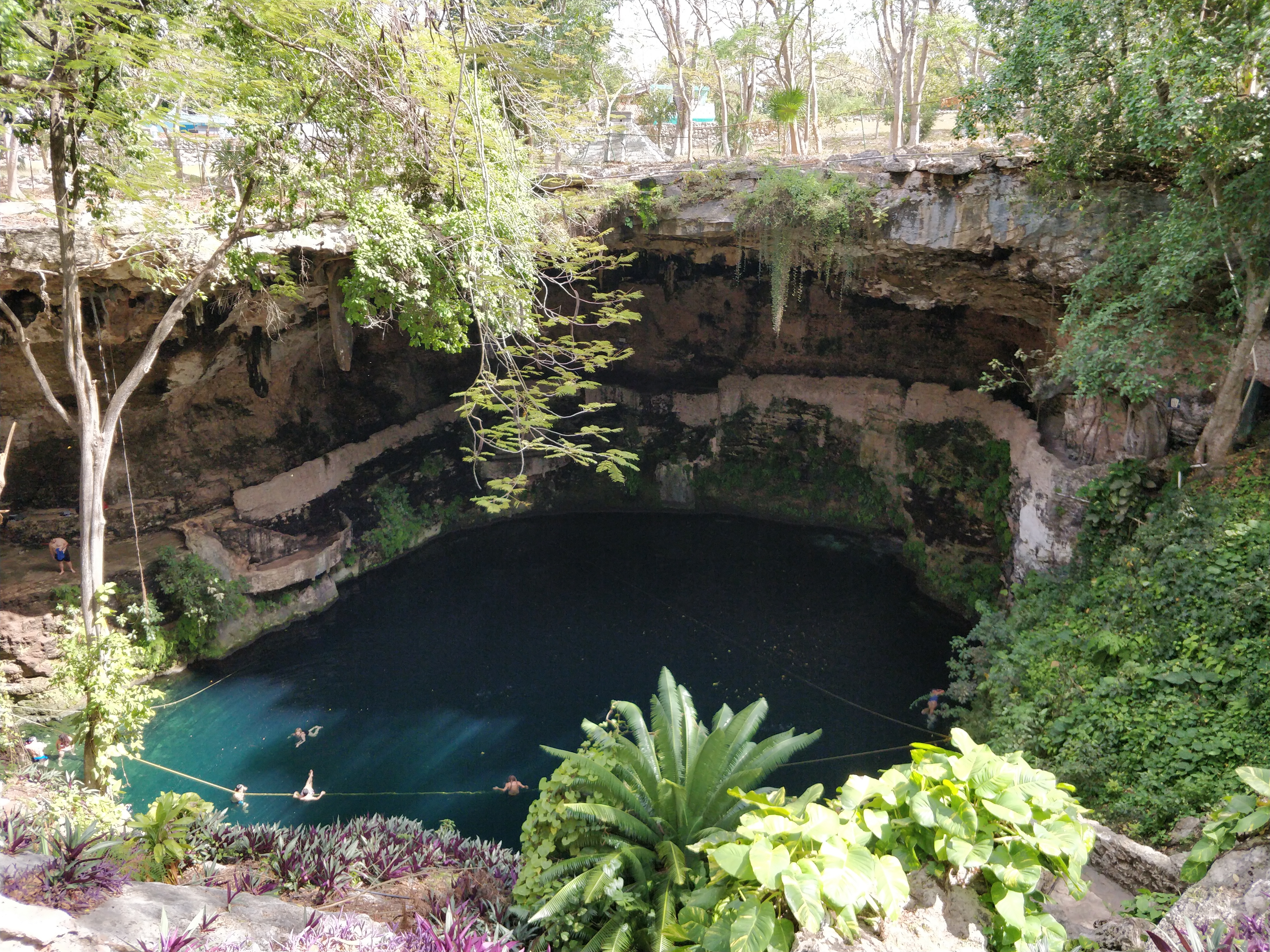
Cenote Zaci
According to Mayan mythology, at the bottom of the beautiful Cenote Zací dwell the souls of Hul-Kin and Zac-Nicte (or Canek and Sac-Nicte), a couple in love.
Sac-Nicte means white flower. She was born in Mayapan: the powerful alliance that lived in peace—Mayab, Uxmal, and Chichen Itza. Canek means black serpent, a brave prince with a kind heart. When he turned 21 years of age, he was chosen as king of Chichen Itza. That same day, he met Princess Sac-Nacte. She was 15 years of age. Both quickly fell in love, however, Sac-Nicte was destined to be married to young Ulil, Prince of Uxmal.
Enjoy the opportunity to take a swim in one of the prettiest cenotes.
Day 4: Chichén Itzá
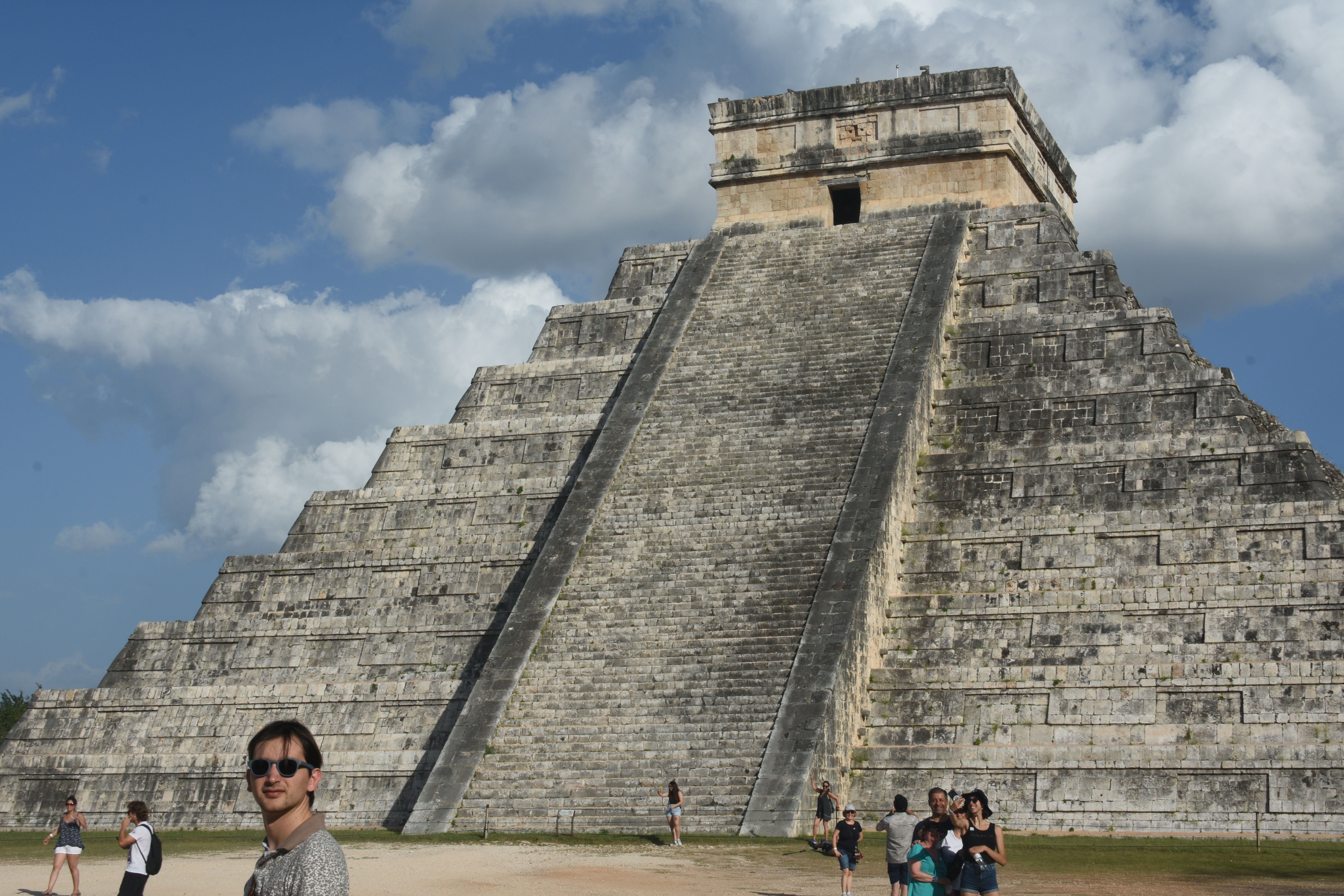
Chichén Itzá, a must-do as a wonder of the world
Kukulcan was especially important to the Yucatec Maya and all Mesoamericans, as he was a creator God who also brought rain and winds. This Mayan God was worshiped all over the Mayan world, but the center of worship for this God is Chichén Itzá.
A tour of the Mayan ruins wouldn’t be complete without a stop at Chichén Itzá. I recommend arriving early to avoid the crowds and to roam around the less-visited areas of the site when more people start to arrive.
Day 5: Cuzama & three cenotes
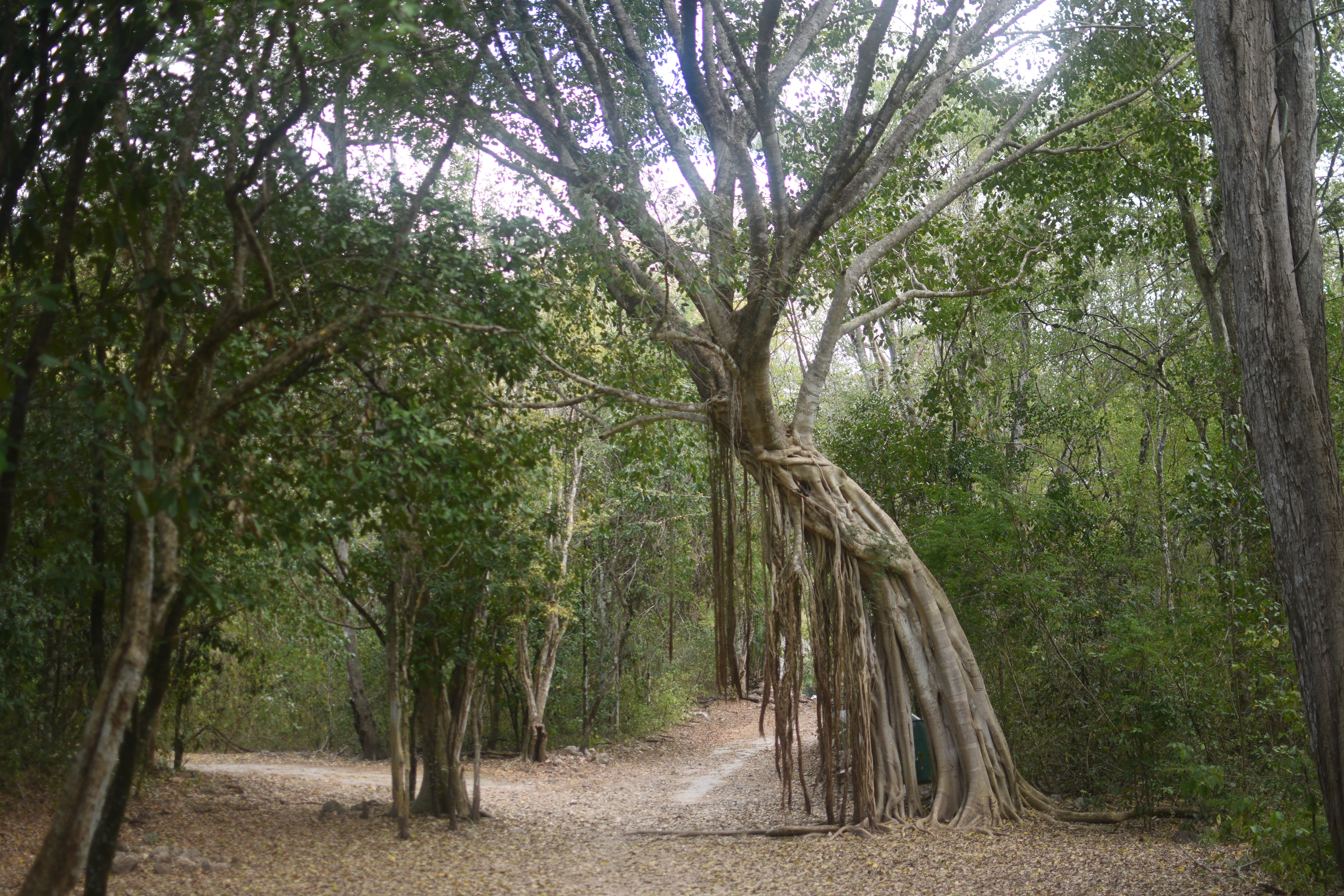
The forest surrounding the cenote, peaceful without the crowds
Yucatán sinkholes are where the ancients believed it was possible to commune with the rain god Chaac. With his lightning axe, Chaac strikes the clouds, causing them to produce thunder and rain. The cenotes were also traditionally thought to lead to the underworld: Xibalba, whose ultimate ruler is Ah Puch, god of death and king of the underworld. He reigns over Xibalbá with his wife, the goddess Ixtab, deity of suicide.
Cenotes Chelentún, Chansinic’Ché, and Bolón-Chohol, roughly translated as “lying stone,” “ant tree,” and “bat hole,” are all known as cántaro-style cenotes.
The particularity of these cenotes is that they are only accessible by using a little carriage on rail, pulled by a donkey. It is quite the experience, and it limits the number of guests and makes it more exclusive and private.
Day 6: Merida
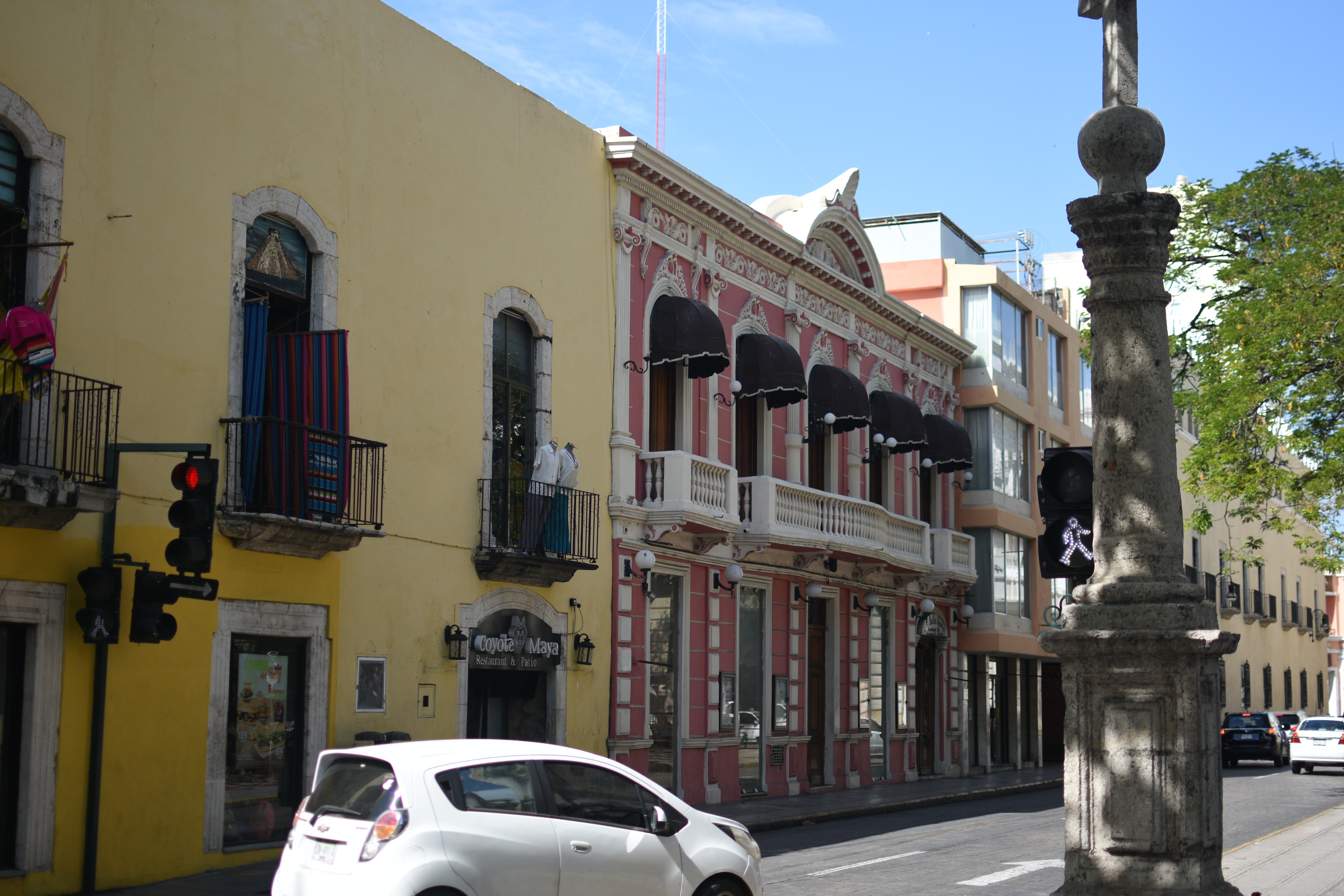
Merida’s colorful streets
With it's color and vibrant dining scene, Merida is a place to make a stop to rest before heading back to the forest.
I recommend the Ku’uk, a great gastro restaurant proposing cuisine inspired from the ancient Mayan lifestyle.
The Merida Mayan Museum is a good summary of the surrounding Maya archaeological sites and architecture.
Day 7: Uxmal
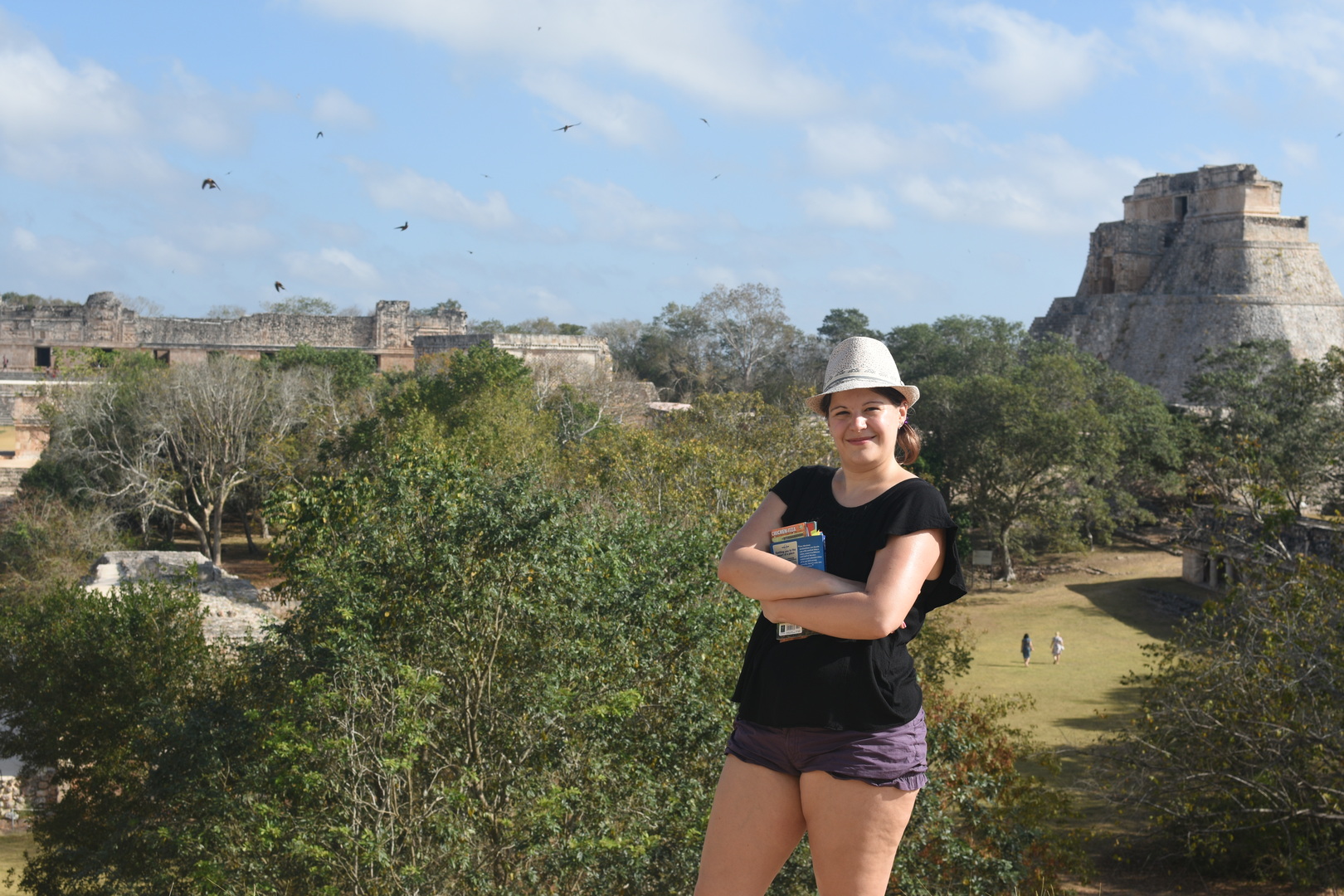
Uxmal archaeological site is amazing from every point of view
Near Uxmal is the origin of the goddess Ixcacao. Far from the seaside, she is here to protect the population from famine, by providing food, including cacao. The Goddess of Chocolate had humble but honorable origins as a Mayan goddess.
The Pyramid of the Magician is a must-see and there are so many opportunities to take nice pictures of the site from different points of view. The chocolate museum is very instructive and tasty treats are offered.
Day 8: Temazcal ceremony
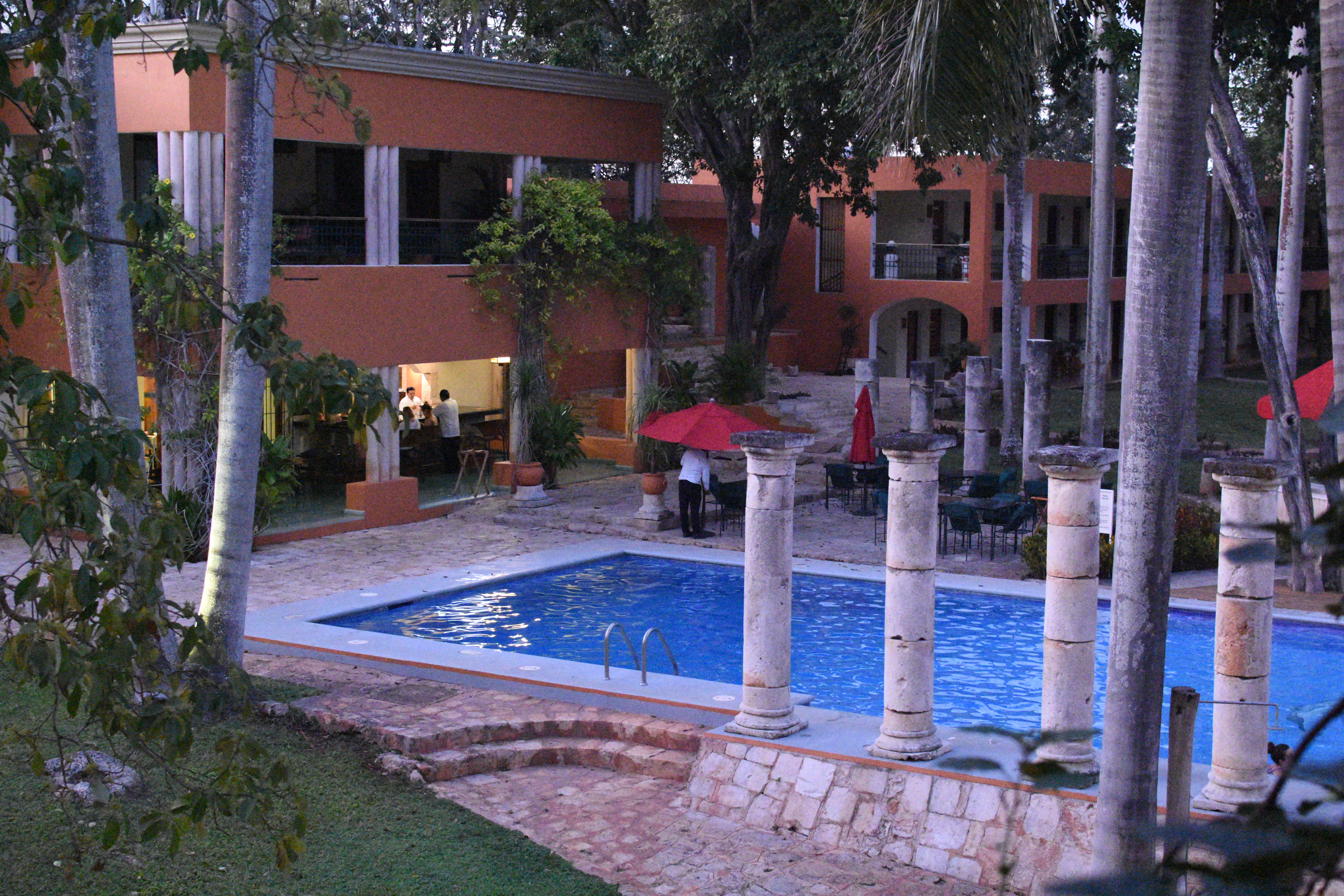
Hacienda Uxmal is a must-stop during your stay in the area.
Still in Uxmal, but I recommend doing several days. At the Hacienda, you may be offered a temazcal ceremony.
Temazcal is an ancient ceremony similar to the sweat lodge ceremonies of other cultures and was practiced by many Mesoamerican cultures. The word comes from the Nahuatl language and translates as “house of heat.” Mayans used temazcal to treat illness, aid in childbirth, for purification, and for recovery after the exertion of battle or sport like pok-ta-pok. The ceremony represents a rebirth in the womb of mother earth. This spiritual renewal—in the Mayan tradition—is often connected to the goddess Ixchel.
It’s a unique experience that is a great way to create memories as newlyweds.
Day 9: Santa Elena, Ticul & Edzna
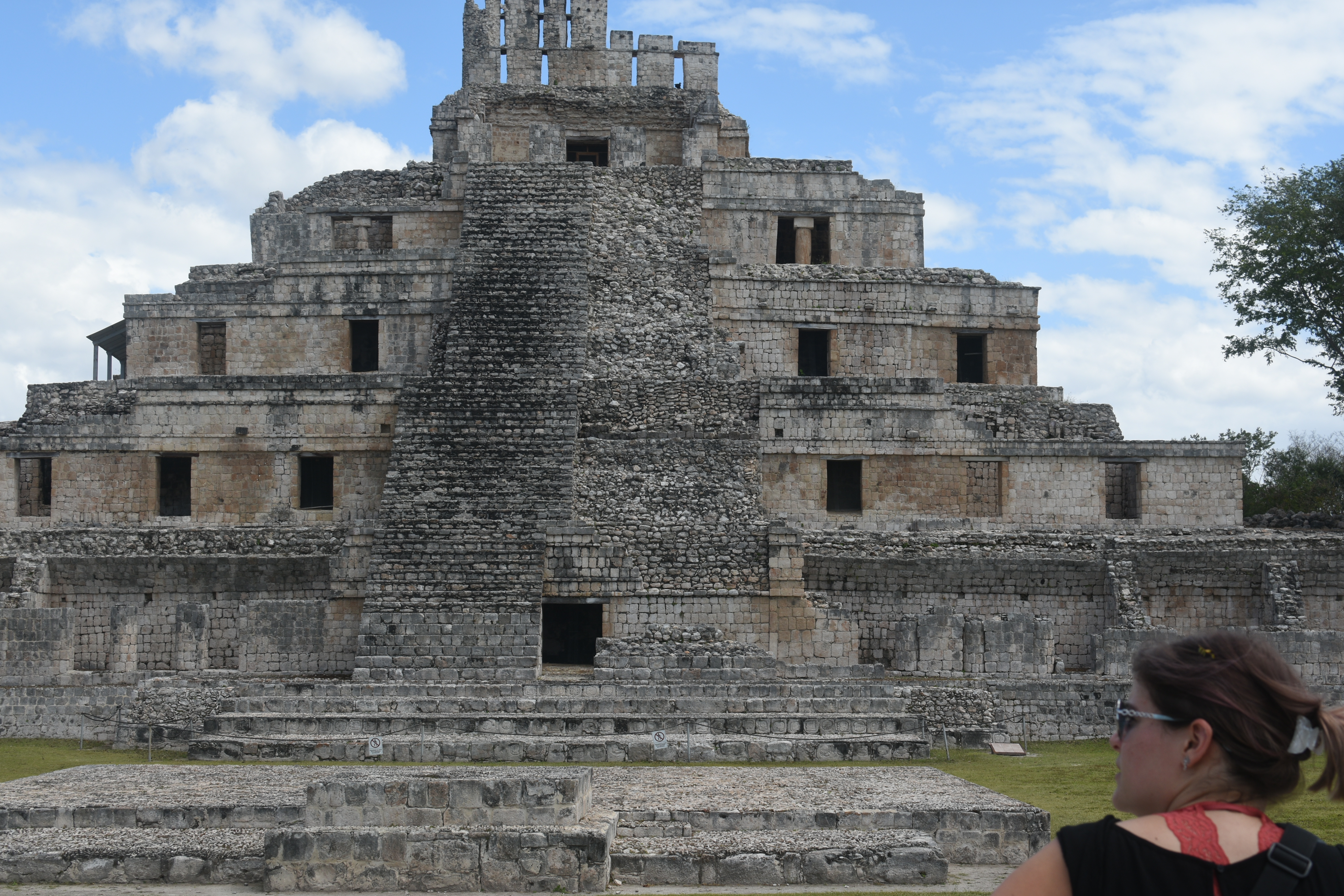
Stops before the biggest pyramid
Santa Elena Poco Uinic (also known as Poco Uinic) is a classic Maya site in Chiapas, Mexico. It contains a stela with a specific date, allowing the establishment of a correlation between the Maya Calendar and the Julian Calendar.
Ticul has long been known for the red pottery produced there. Hun-Chowen is one of the two stepbrothers of the Hero Twins (the other being Hun-Batz). He is depicted as a howler monkey. Along with his brother, he is the patron god of artists and writers.
Edzna, a unique and geometric ruin that almost mimics the sun rising from the horizon. The largest pyramid complex is built atop a perfect square platform—8 meters high by 160 meters square—reflecting Maya sun god Kinich Ahau.
These three stops are a good way to warm up before reaching Calakmul.
Day 10: Calakmul
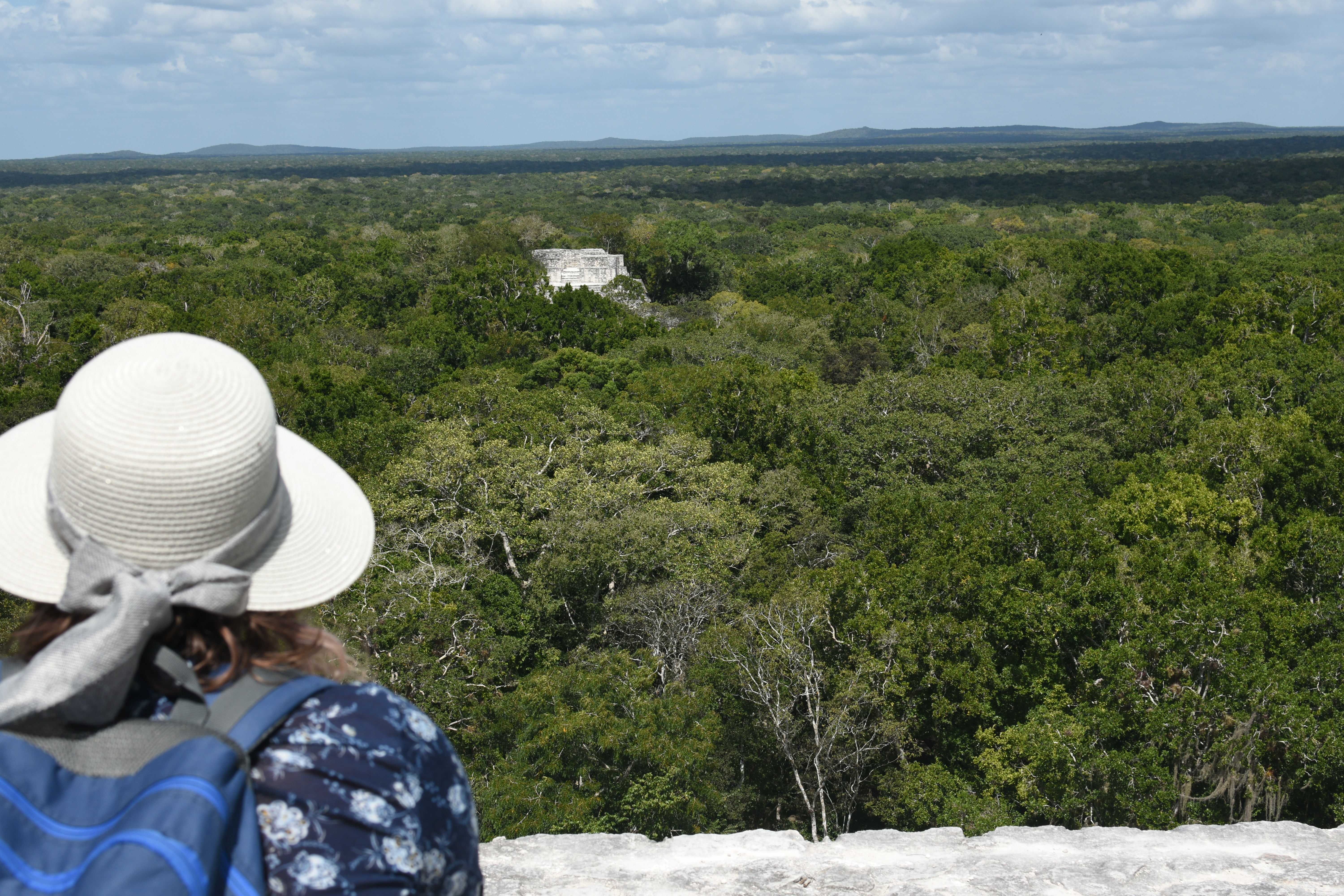
On the top of the world, watching the Guatemala forest
A frieze measuring 65 feet and 20 meters in length depicts a mythological scene with the rain God Chaak floating/swimming between two supernatural birds, framed by a blue sky band and the two-headed cosmic monster.
Calakmul is also the biggest pyramid and the most recently discovered. From the top, you can observe the forest all the way to Guatemala.
The closest hotel is in the forest, and you have the opportunity to hear animals overnight, giving it a “Tarzan” vibe.
Day 11: Xpujil, Chicanna, Becan & Xel-ha
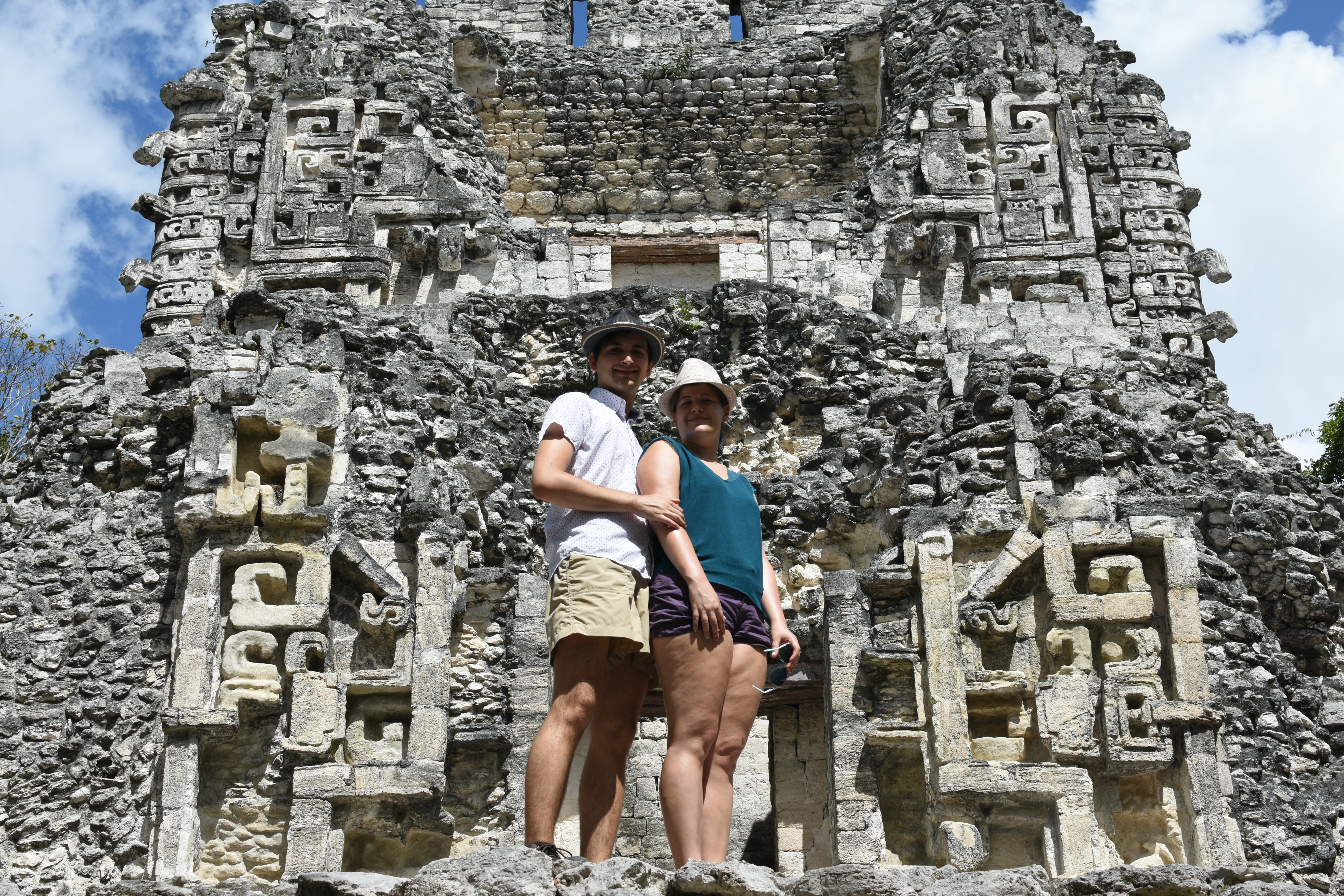
Amazing architectural wonder of small sites
The particularity of Xpujil is the stone mask likely depicting the sky god Itzamná. Itzamná is one of the most important gods in the Classic and Postclassic Maya pantheon—although little is known about him.
Chicanná was a Maya town that was built during the Classic period (600 A.D. to 830 A.D.). The site was named after its most famous building, Structure II, which means “House of the Serpent Mouth” in Mayan. Its portal, which is designed to resemble the mouth of a serpent (one source identifies the serpent with Itzamná, a deity in the Mayan pantheon), is one of the most impressive of its kind in Mexico.
Representations of the Sun God Kinichna and Witz “Earth” Monster are both found on temples at Becán and are in incredible condition considering the time since this city was last occupied.
One of the panels features an anthropomorphic figure from the chest up and painted in red, yellow, and blue and may represent Tlaloc, the god of rain and warfare.
These three sites will lead you on the way to Bacalar, where you can have a little hideout at the lake, away from the rest of the world.
Day 12: Bacalar
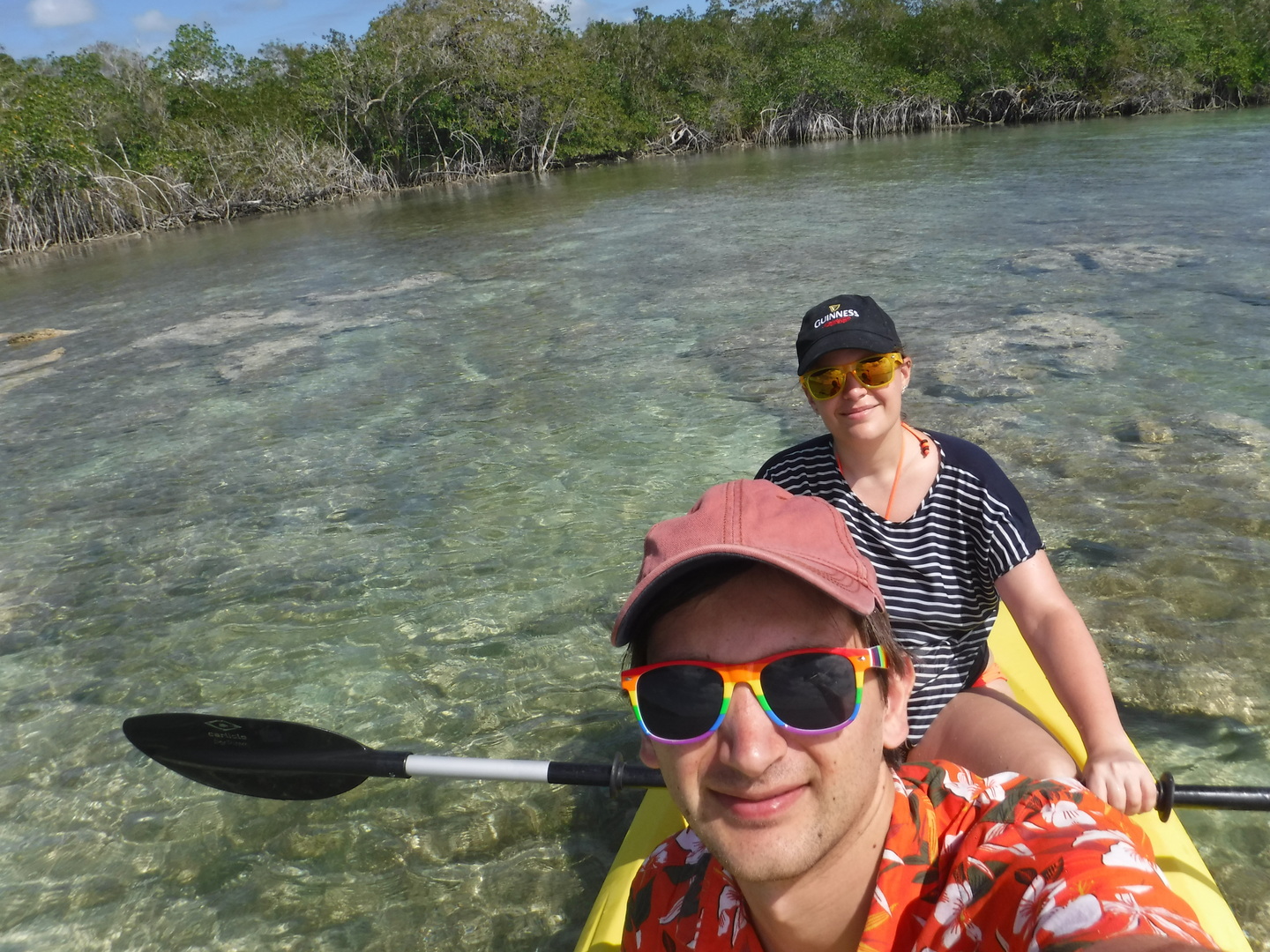
Kayaking around
It’s said that there are seven distinct shades of blue in the water that came from the Mayan gods to paint the whole world. In English, Bacalar is sometimes called the Lagoon of Seven Colors. Its original name in Mayan, Siyan Ka’an Bakjalal, translates roughly to “place surrounded by reeds where the sky is born.”
This place is absolutely not touristic and a hidden gem where you will be able to just sit in the hammock until sunset to restore your energy after long drives. If you need a bit of activity, you can take a kayak and explore the white-sand beaches around the lake.
Day 13: Tulum
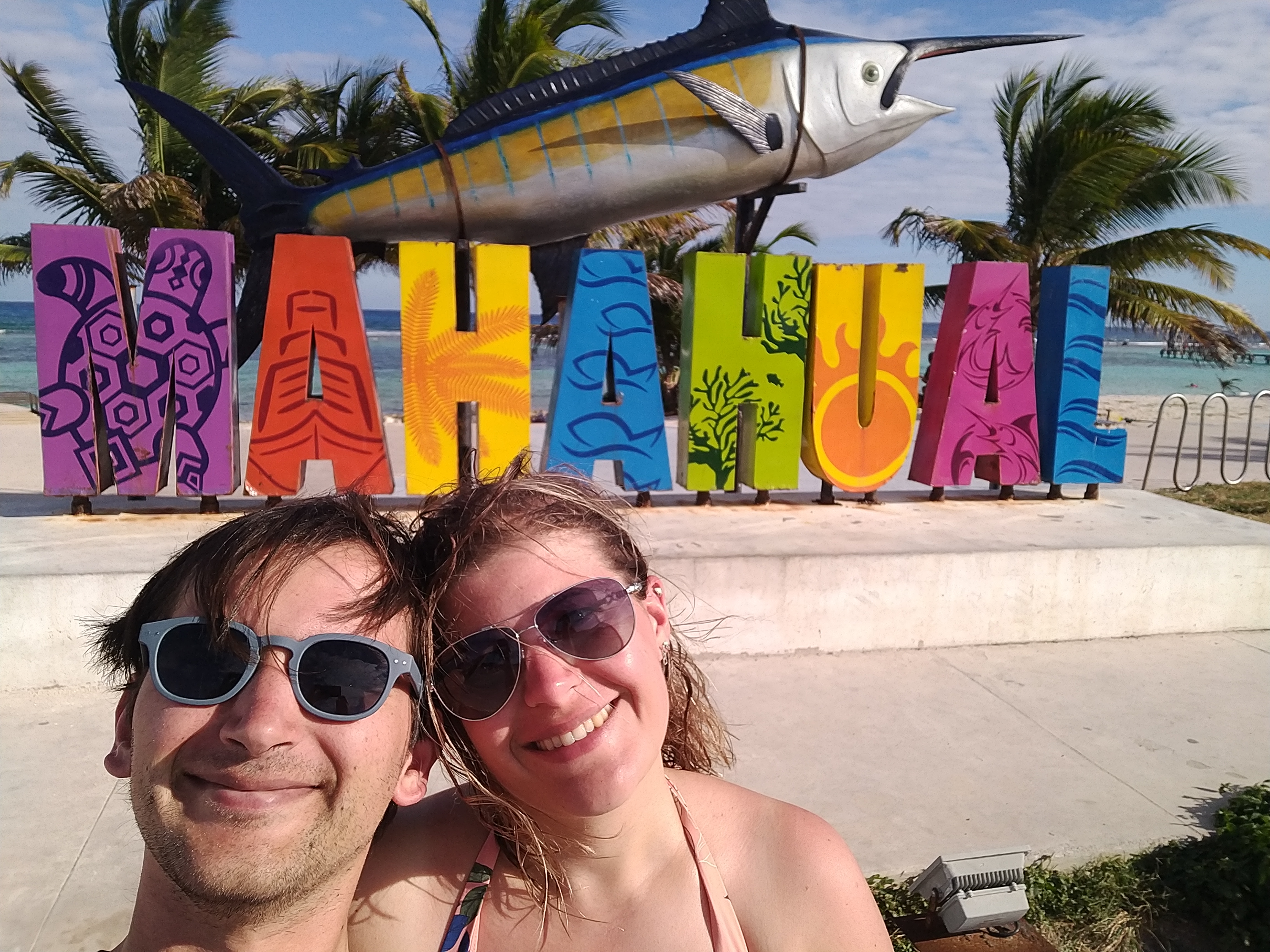
Enjoying the seaside before the end
Final stop before leaving. Right before reaching Cancún, a little stop in Tulum is recommended. It is of course more touristic, but you will find nice hotels that will cater to every need.
Also, you can enjoy the opportunity to add a dive to your trip with the dive shop of Playa de Carmel that can take you diving with Nurse sharks in Chinchoro.
Or, just rest on the beach with food and cocktails.
Need to know
If you want an active honeymoon, you can have myths, archaeology, food, kayaking, swimming, and scuba diving all in one, while sharing memorable moments.


Travel Advisor
Travel-o-Lotl™

Laura Tuffery
Get in touch with Travel-o-Lotl™
Did you like this guide? Reach out to customize and book your own experience. Or, just to chat about travel in general.
For more inspiration and insider recommendations, visit our Mexico page.