

First Time in China: Iconic Cities, Rich Culture & Stunning Landscapes


Curated By
Dani Hirsch | Travel Experiences


Curator’s statement
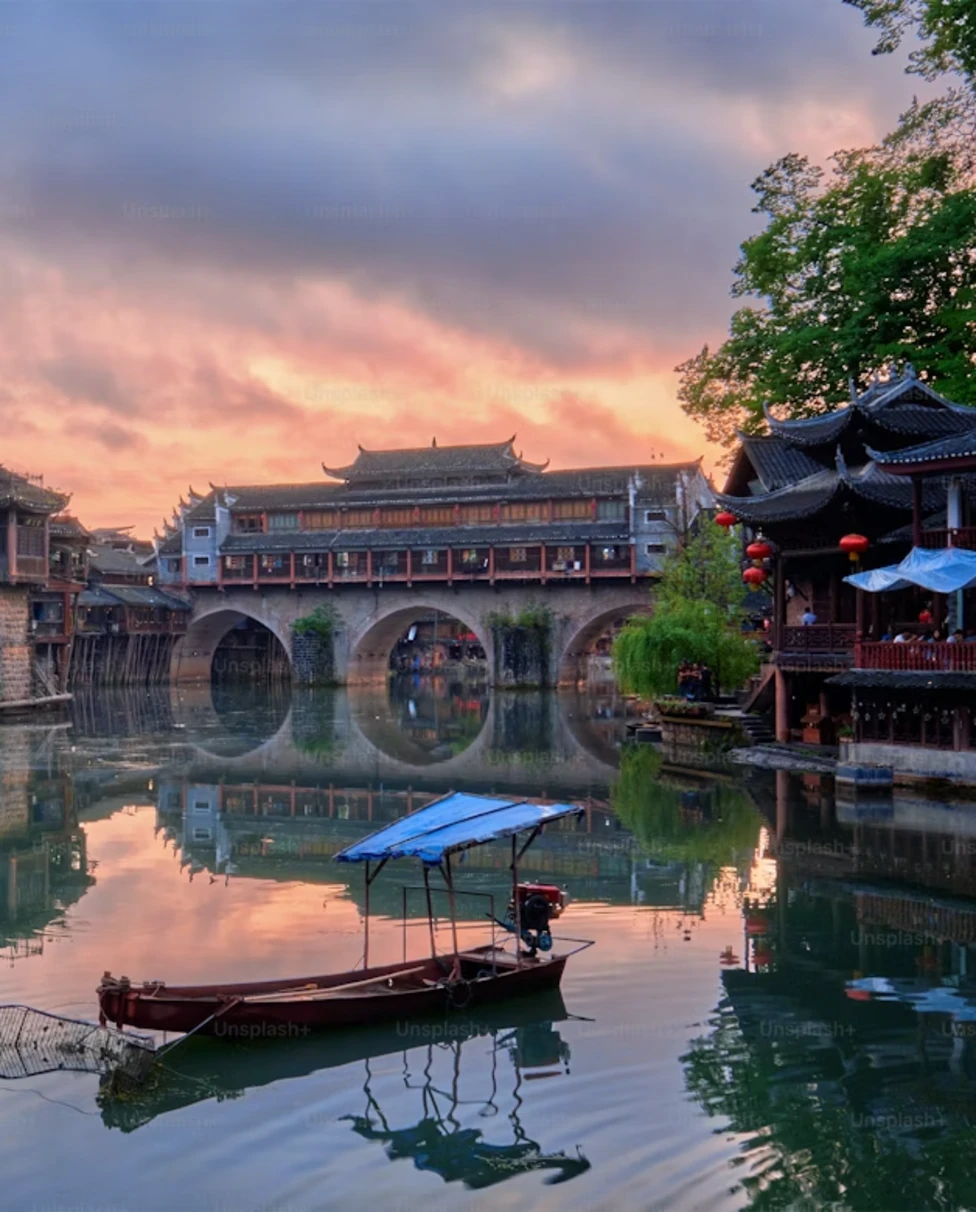
I love China for its incredible contrasts—where ancient traditions and imperial history exist alongside buzzing city skylines and a fast-paced, modern energy. This journey introduces you to the many sides of the country, from iconic landmarks and meaningful cultural encounters to breathtaking landscapes and vibrant modern cities. My goal is not only to show you China's highlights, but also to create opportunities for a deeper connection with its people, history, and evolving identity. Along the way, you can experience the rich diversity that makes China such a fascinating and unforgettable destination.
The Fora Difference
Book with Dani Hirsch | Travel Experiences to access exclusive perks and experiences on your trip.

Killer perks
Free upgrades, spa credits and more—we got you

Personalized recs
Customized travel planning for your style

Insider knowledge
Expert advice from people who’ve actually been there
Where to stay
Unlock perks by contacting Dani Hirsch | Travel Experiences to book your trip.
Day 1: Arrival in Beijing
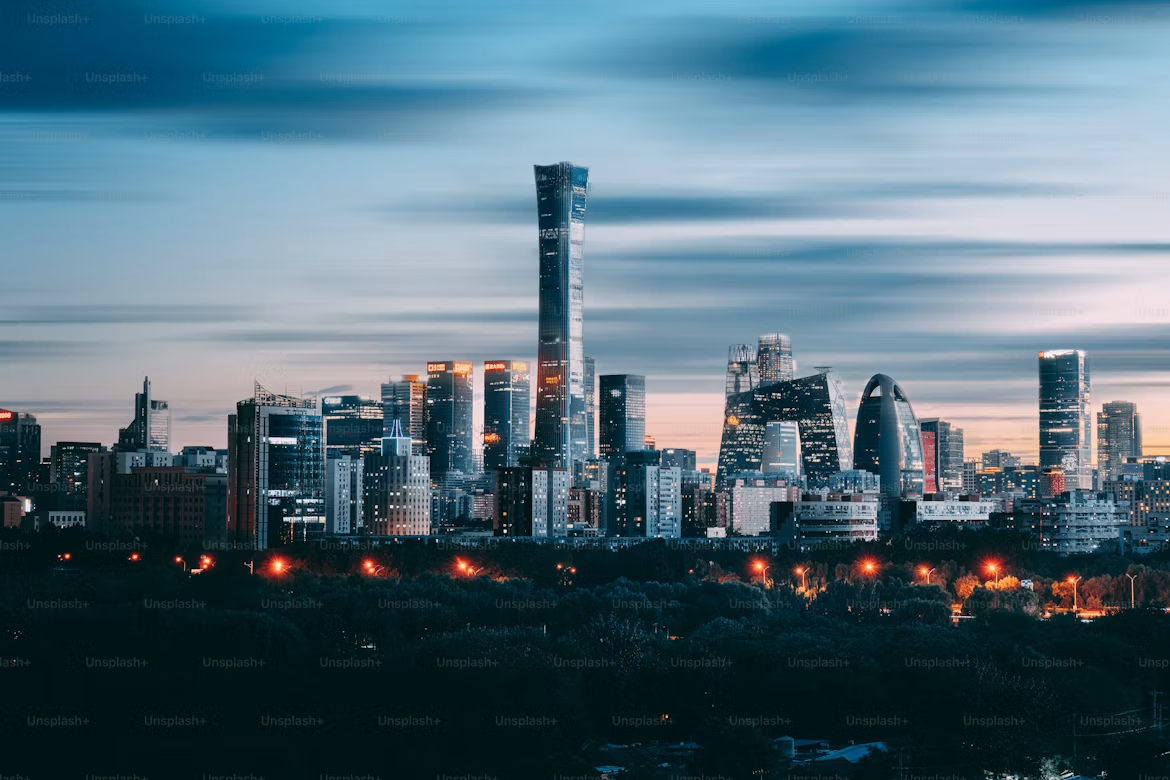
I always think Beijing is the perfect introduction to China. It's where the country's imperial history comes to life, from magnificent palaces and ancient temples to the Great Wall stretching across the hills.
After a long flight, arriving in Beijing can feel a bit overwhelming, which is why I highly recommend a VIP arrival service. You'll be met at the gate and escorted through expedited immigration, customs, and baggage claim for a seamless arrival experience.
Once you're through the airport, your private guide will be waiting to welcome you and transfer you comfortably to your hotel so you can relax and settle in.
Day 2: The Forbidden City & hutongs
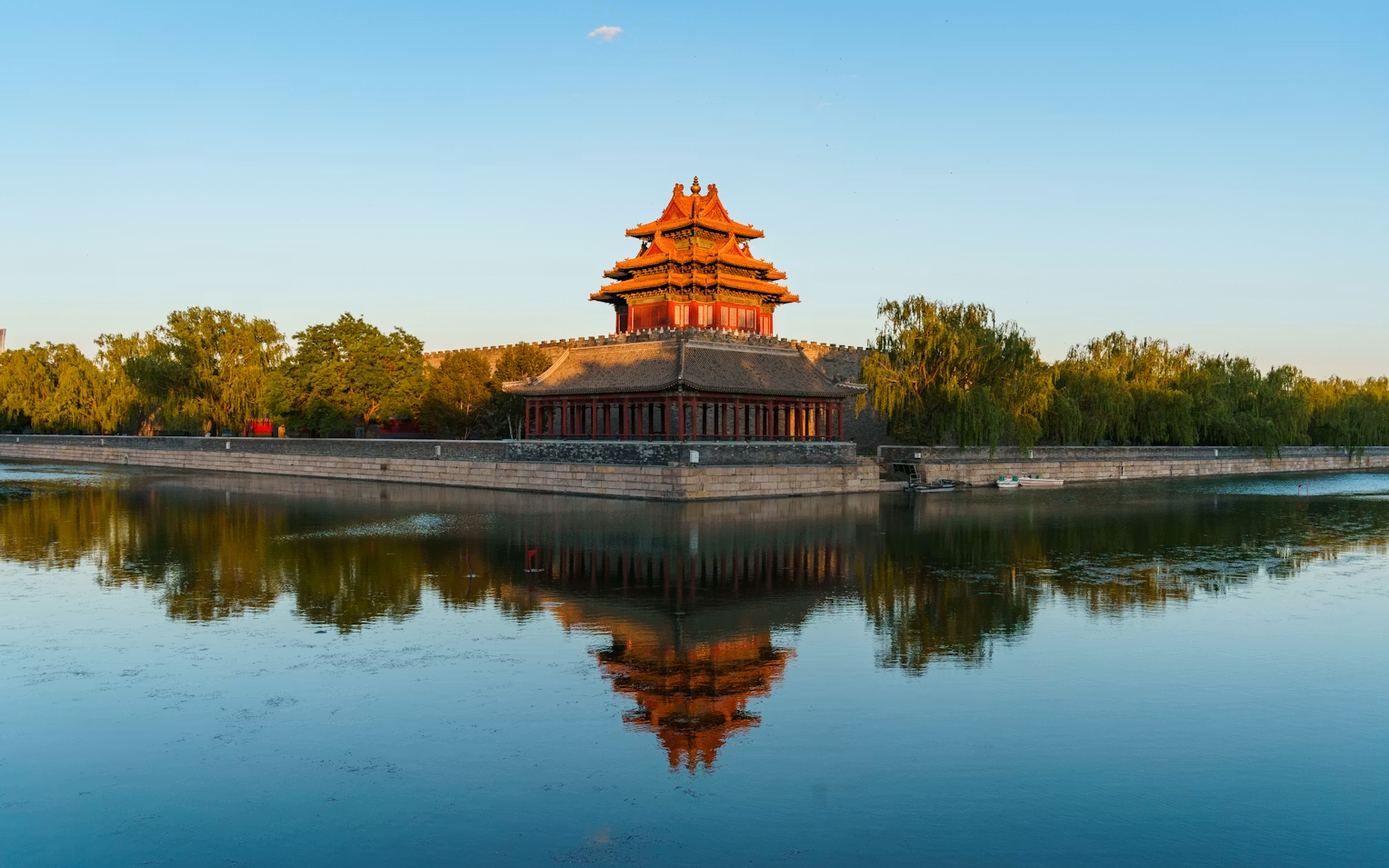
Today, you'll explore two very different sides of Beijing.
You'll start at the Forbidden City, the vast imperial palace that was home to China's emperors for centuries. Walking through its grand courtyards and halls is one of the best ways to connect with the country's rich history. Just across the street, a short walk up Jingshan Hill offers my favorite panoramic view of the palace and the city beyond.
Later, you'll wander through Beijing's historic hutongs, where daily life unfolds in a maze of narrow alleyways and traditional courtyard homes. This is one of my favorite ways to experience the city—slowing down, observing local life, and discovering stories you won't find in guidebooks. Along the way, you'll visit the home of a man famous for raising fighting crickets, a fascinating local tradition that offers a glimpse into a side of Beijing that few visitors ever see.
Day 3: Drive to Jinshanling Great Wall
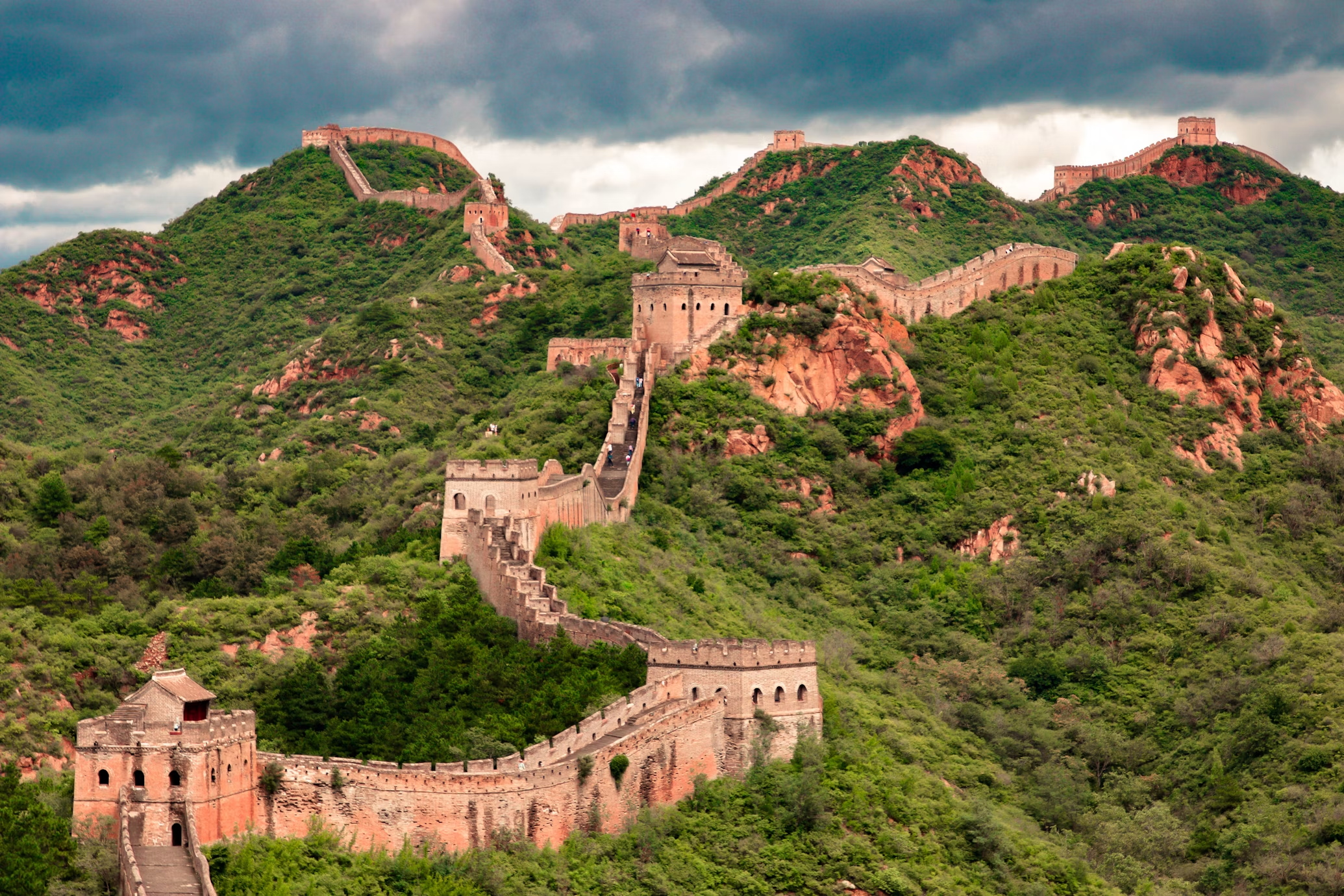
Today, you'll make the 2.5-hour drive to Jinshanling, my favorite section of the Great Wall and, in my opinion, one of the most rewarding experiences near Beijing.
Unlike the busier sections, Jinshanling feels more remote and authentic, with a beautiful mix of restored and original Ming Dynasty wall winding through the mountains. After a short ride, you'll set out on a guided hike past ancient watchtowers and along dramatic ridgelines, with incredible views at every turn.
For me, this is the Great Wall at its best—less crowded, rich in history, and a chance to truly appreciate the scale and beauty of one of the world's most remarkable landmarks.
Day 4: Beijing to Chengdu
Today, you'll travel to Chengdu, a city I love for its relaxed pace, incredible food scene, and strong sense of local culture. Best known as the home of China's giant pandas, Chengdu offers a completely different side of the country, where centuries-old traditions blend effortlessly with modern city life.
Upon arrival, your local guide will be there to welcome you and accompany you to your hotel. This evening, you'll experience one of Sichuan's most iconic traditions: the famous Face-Changing Opera. With colourful costumes, live music, acrobatics, and the mesmerising art of changing masks in the blink of an eye, it's a fun and memorable introduction to Chengdu's unique cultural heritage.
Day 5: Kuan Zhai Alleyways & Wangjianglou Park
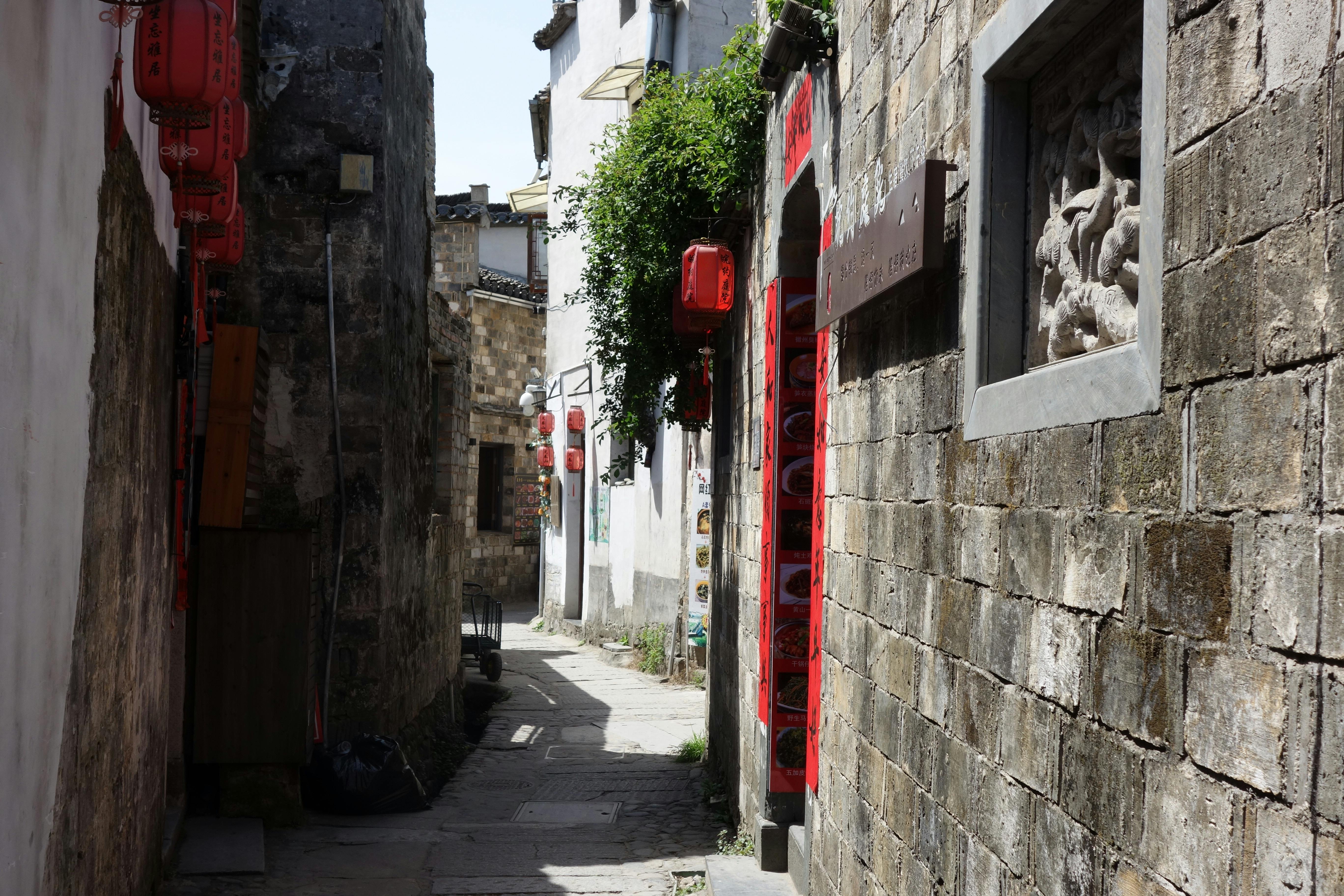
Today is all about experiencing Chengdu like a local. You'll explore the charming Kuan Zhai Alleyways, one of my favorite places to soak up the city's relaxed atmosphere, with its historic architecture, cafés, shops, and street food.
Later, you'll visit Wangjianglou Park, where locals gather to practice tai chi, play mahjong, and enjoy tea along the river. You'll also experience a traditional Kung Fu tea performance, a uniquely Chengdu tradition.
To end the day, you'll visit a local spice market before joining a hands-on cooking class, where you'll learn to prepare some of Sichuan's most iconic dishes alongside a local chef.
Day 6: Dujiangyan Panda Base

Today, you'll head to the Dujiangyan Panda Base, one of my favorite places to see giant pandas. The setting feels much more natural than a traditional zoo, and offers a deeper look into the conservation efforts helping protect these remarkable animals.
Later, you'll make your way to the foothills of Qingcheng Mountain for a private Kung Fu experience. Beyond learning a few movements, you'll gain insight into the philosophy and Taoist traditions that have shaped this region for centuries, making it a truly memorable cultural experience.
Day 7: Chengdu to Zhangjiajie
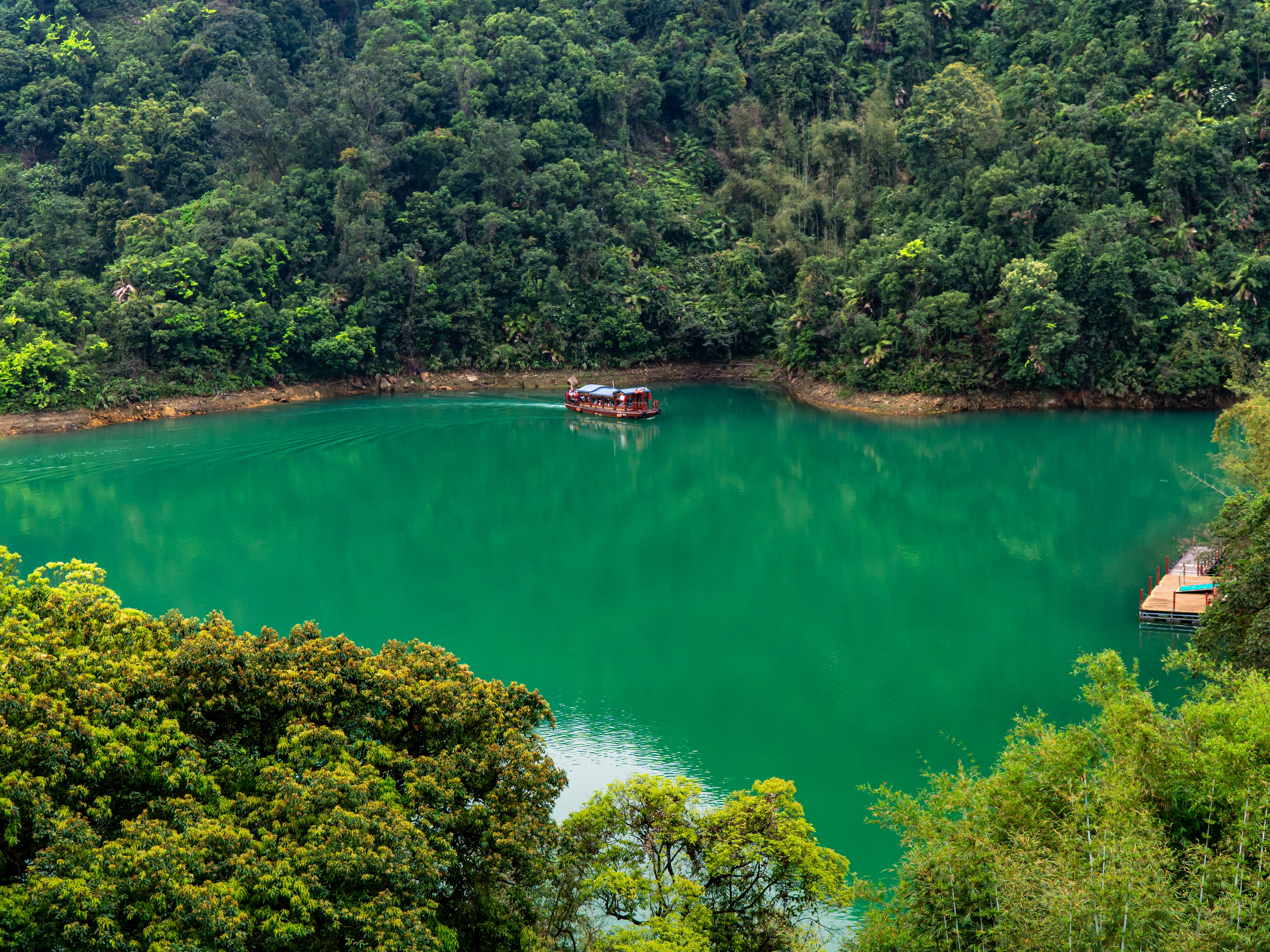
Today, you'll fly to Zhangjiajie, home to some of the most spectacular landscapes in China. Famous for its towering sandstone peaks that inspired the floating mountains in ”Avatar,” this region feels almost otherworldly.
After settling into your hotel, you'll visit Baofeng Lake, where a peaceful boat ride offers a wonderful introduction to Zhangjiajie's dramatic scenery, surrounded by lush mountains and waterfalls.
If you're interested in local culture, an alternative option is visiting a traditional Tujia Brocade Workshop, where you'll learn about the centuries-old weaving traditions of the Tujia people and watch skilled artisans at work.
Day 8: Yellow Stone Village & Zhangjiajie Grand Canyon
Today, you'll explore some of Zhangjiajie's most iconic landscapes. A cable car ride takes you up to Yellow Stone Village, where you'll enjoy sweeping views of the towering sandstone peaks and dramatic scenery that make this region so unforgettable.
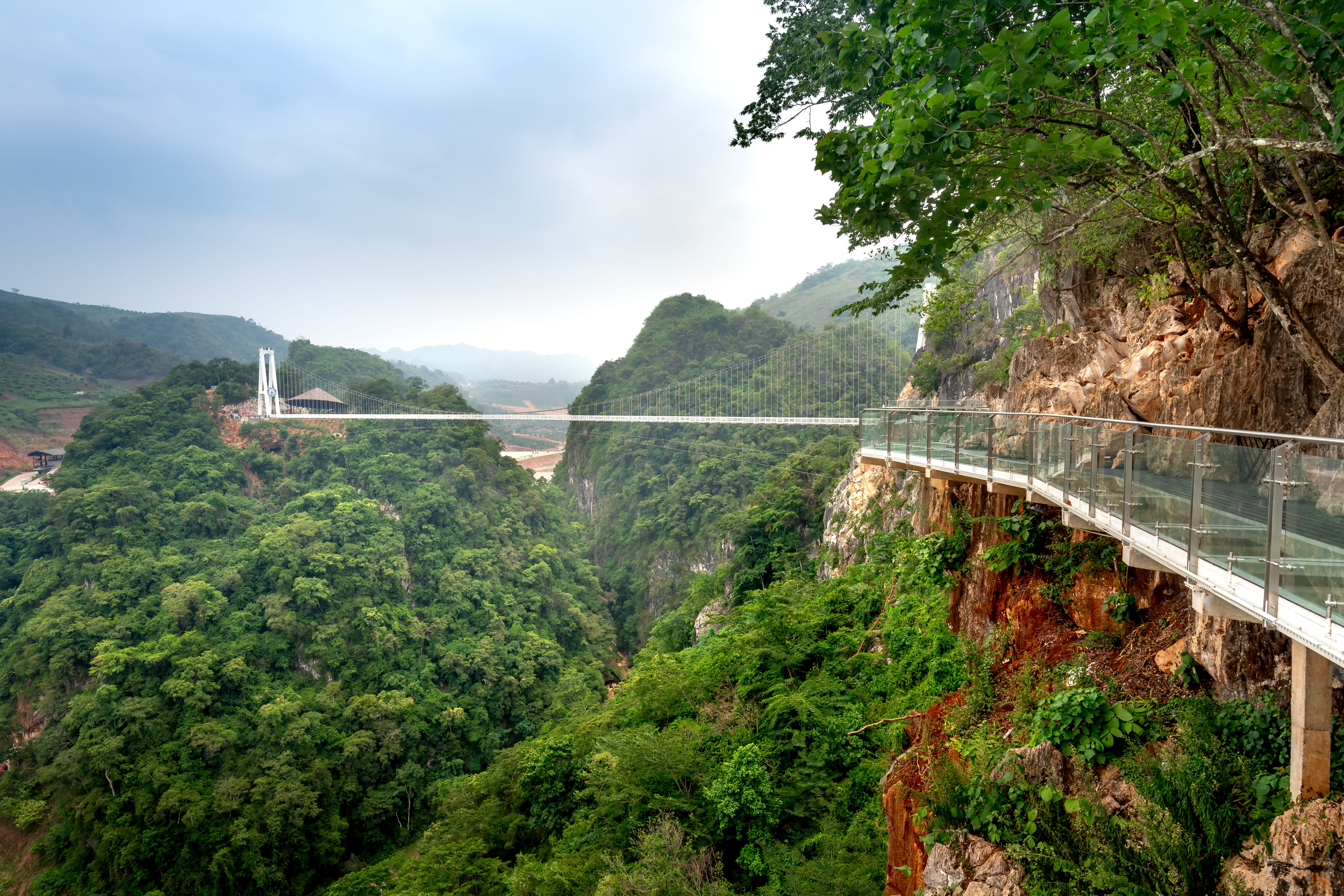
Later, you'll visit the famous Zhangjiajie Grand Canyon Glass Bridge. Suspended high above the canyon, it offers incredible views and a bit of excitement for those willing to look down. Whether you're here for the adventure or the scenery, it's an experience that's hard to forget.
Day 9: Tianzi Mountain & Yuanjiajie
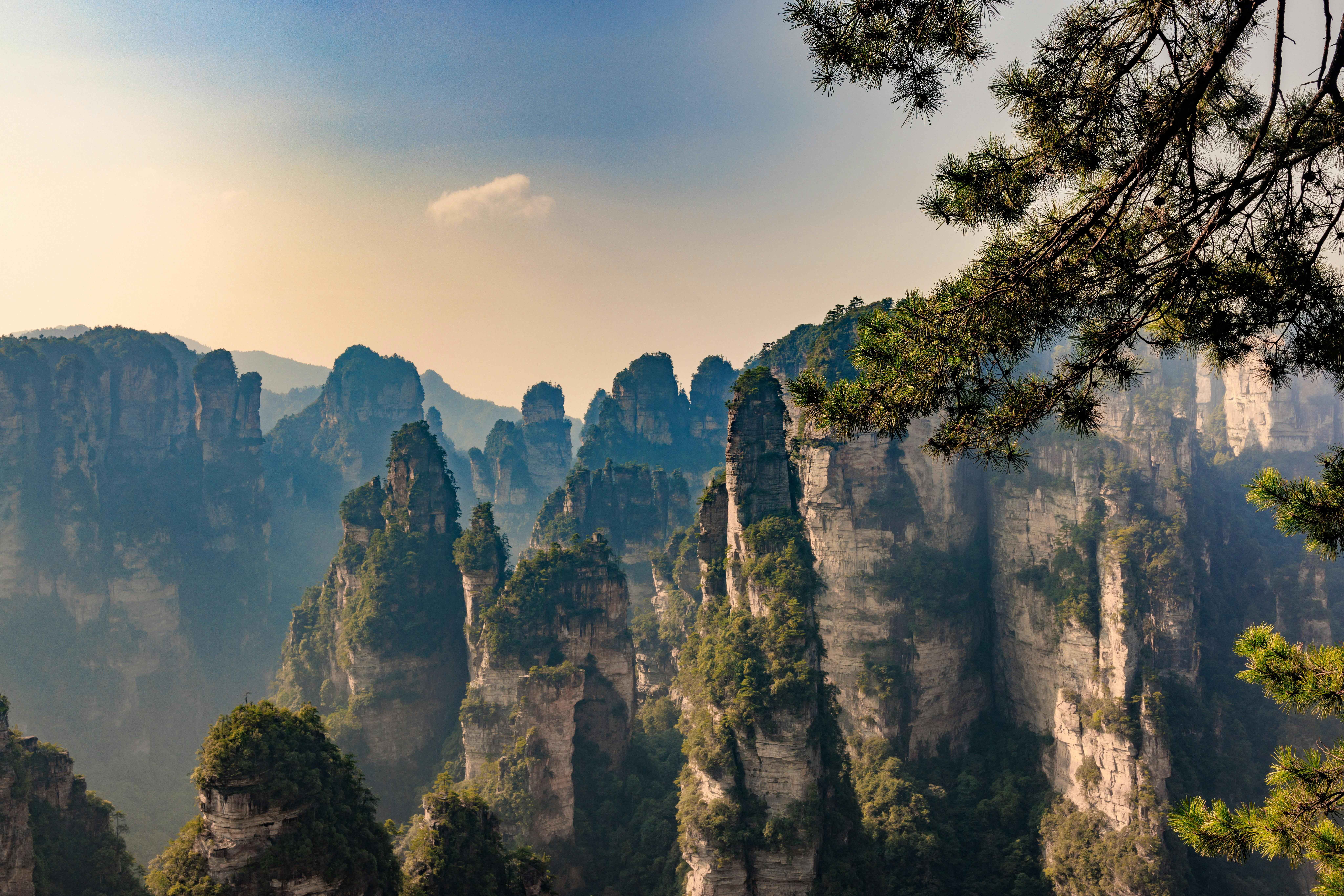
Today is all about immersing yourself in the extraordinary landscapes that make Zhangjiajie so famous. You'll explore Tianzi Mountain and Yuanjiajie, home to some of the region's most spectacular views, with towering sandstone peaks, deep valleys, and the scenery that inspired the floating mountains in "Avatar."
You'll also ride the impressive Bailong Elevator, built directly into the cliffs, before descending for a relaxing walk along Golden Whip Stream. Surrounded by forests, crystal-clear water, and dramatic rock formations, it's the perfect way to experience a quieter side of the national park.
Day 10: Zhangjiajie to Shanghai
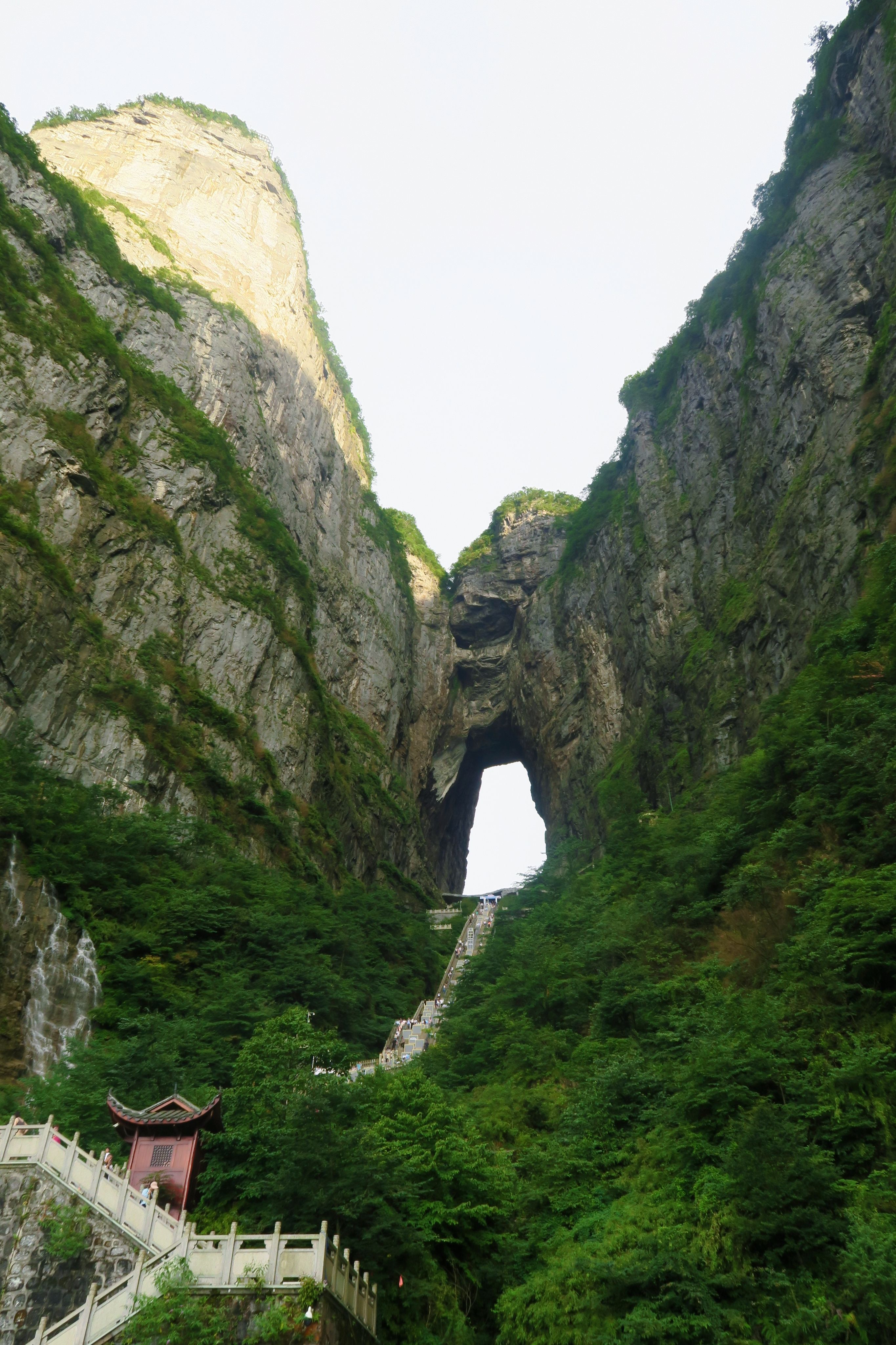
This morning, you'll visit Tianmen Mountain, one of the most impressive natural landmarks in the region. A scenic cable car ride takes you to the summit, where you'll find dramatic mountain views, cliffside walkways, and the famous Heaven's Gate arch carved into the mountainside. If you're feeling adventurous, the glass sky walk offers a memorable perspective high above the valley below.
Later, you'll fly to Shanghai, a city I love for its energy and contrasts. After the natural beauty of Zhangjiajie, Shanghai offers a completely different side of China, where historic neighborhoods and colonial architecture sit alongside soaring skyscrapers and a vibrant modern culture.
Day 11: The Bund & the French Concession
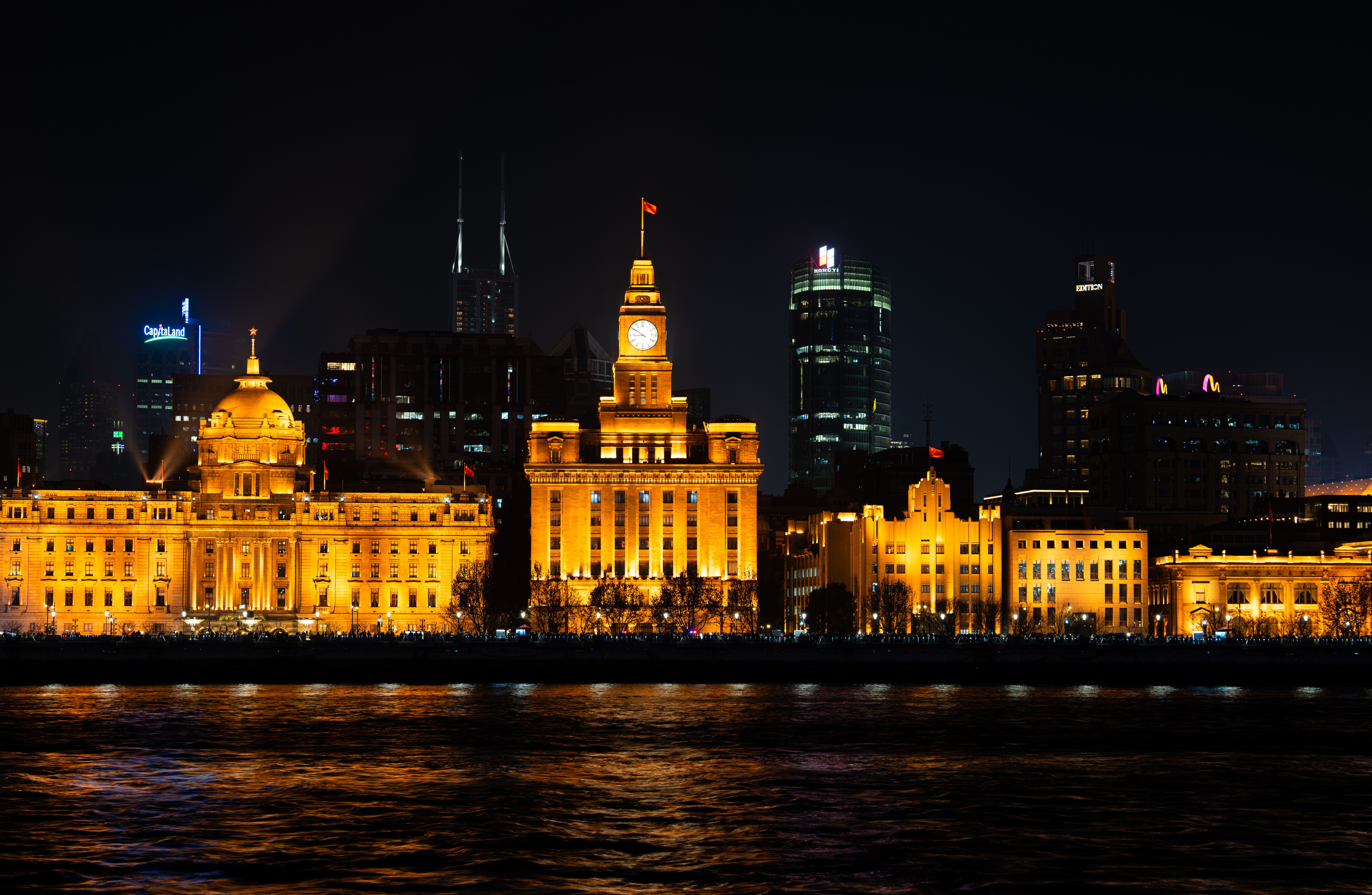
Today, you'll explore the contrasts that make Shanghai so special. You'll start with a walk along The Bund and Suzhou Creek, where historic colonial buildings face the city's futuristic skyline across the river. It's one of my favorite places to really feel Shanghai's transformation over time.
Later, you'll head into the Former French Concession, one of the city's most charming areas. You'll wander along leafy streets lined with old villas, cafés, and quiet parks, getting a more relaxed, local feel for Shanghai beyond the modern skyscrapers.
Day 12: Huangpu River or Fuxing Park & Yuyuan Garden
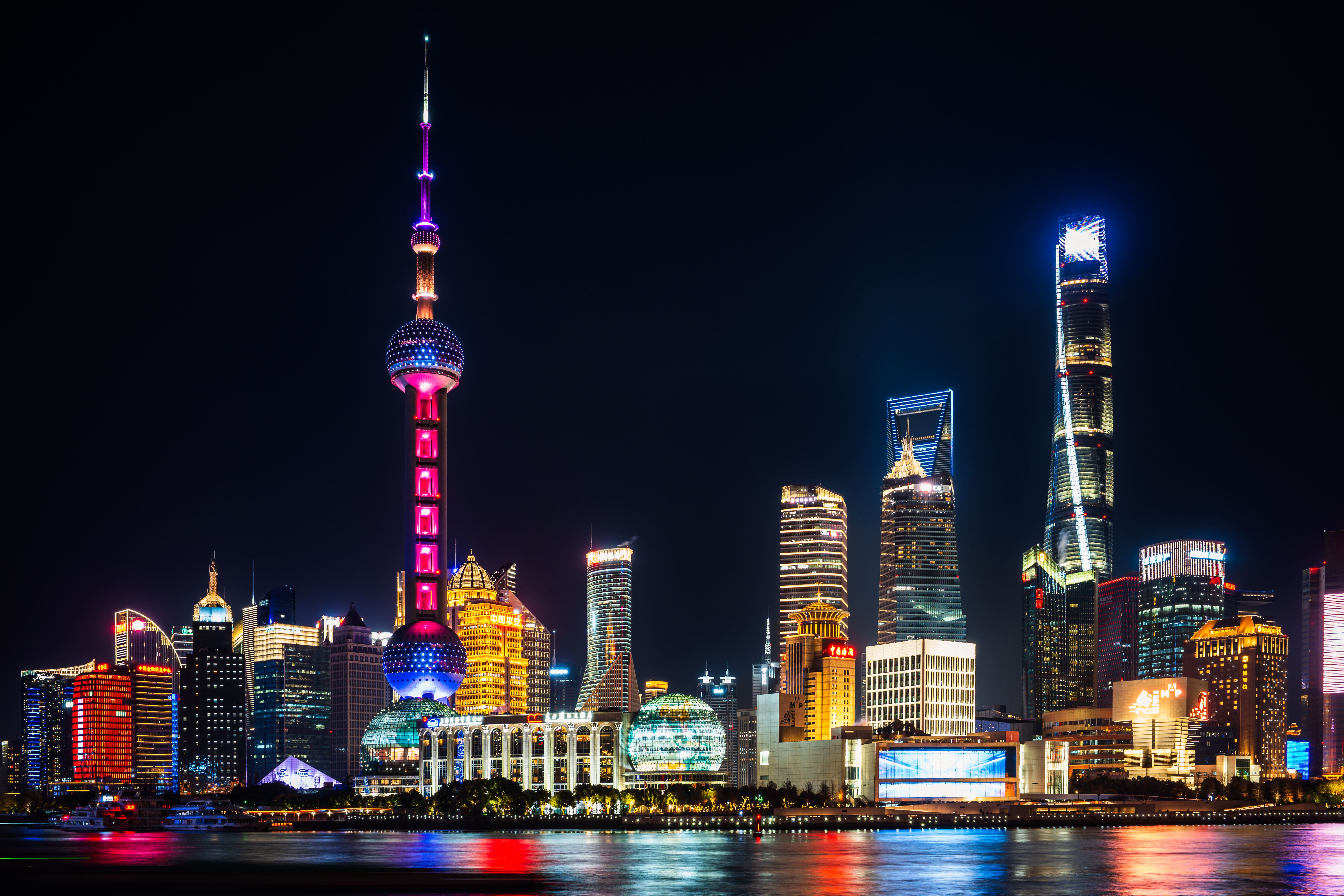
Today, you'll experience Shanghai from a different angle with a scenic e-bike ride along the Huangpu River. It's one of my favorite ways to see the city—passing historic waterfronts, futuristic skyscrapers, creative spaces, and lively riverside neighborhoods all in one route.
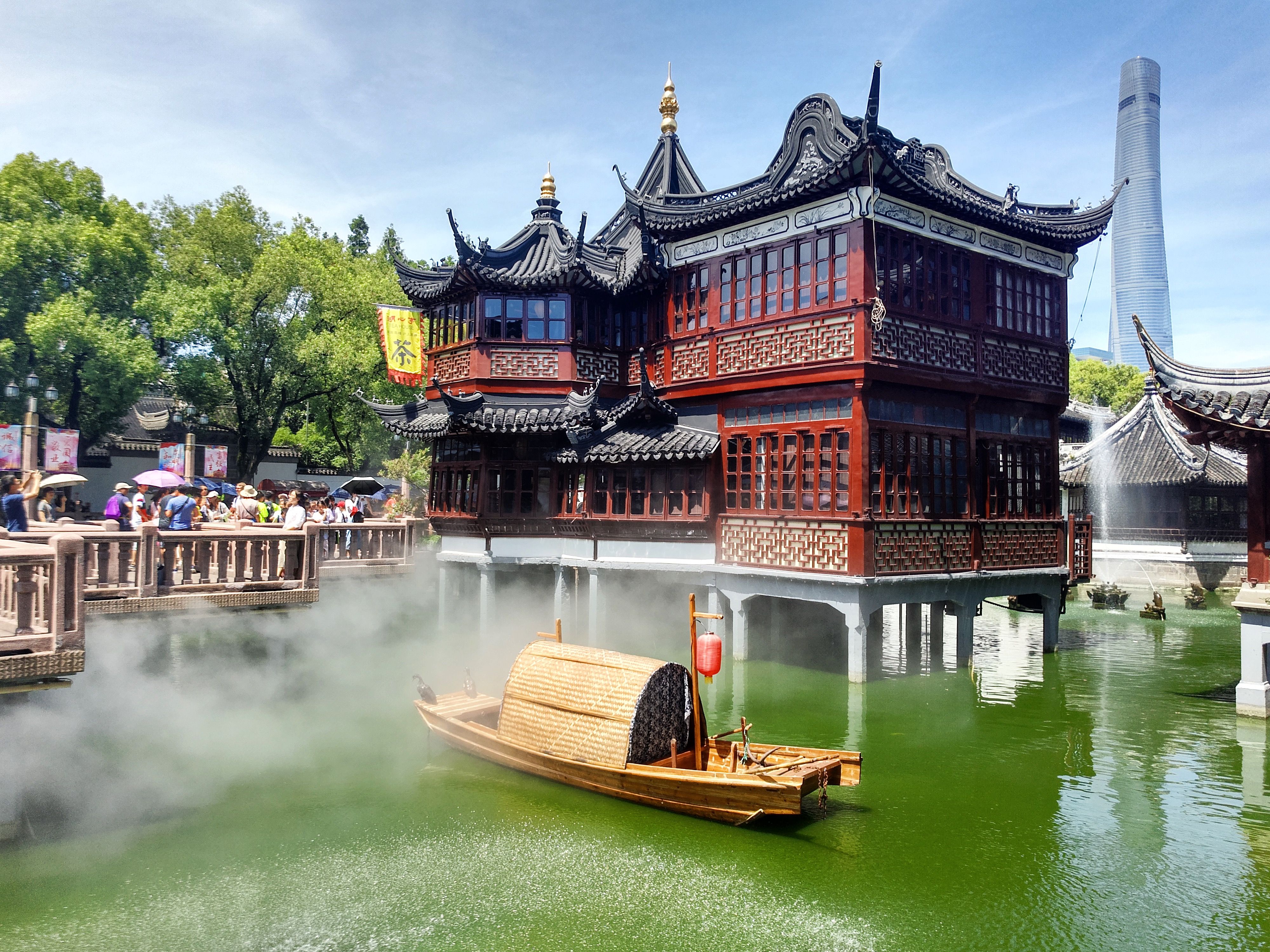
If biking isn't your thing, you can opt for a more relaxed day exploring Fuxing Park, where locals gather for daily life, and the beautiful Yu Garden, a classic Ming Dynasty garden filled with pavilions, koi ponds, and traditional architecture.
Later, you'll dive into China's tech-forward side with visits to flagship stores like Huawei, DJI, and Xiaomi, followed by an immersive VR experience inspired by ancient China.
Day 13: Depart from Shanghai
It’s time to say goodbye to China. Your private chauffeur will drive you to the airport and help you check in to your flight.
Until next time!
Need to know
A few important things to know before you travel to China to help everything go smoothly.
First, U.S. citizens will need a visa to enter China. Once you arrive, you’ll notice it’s very much a mobile-payment country—apps like Alipay and WeChat Pay are used everywhere, while cash and credit cards are less common.
Before you travel, I always recommend downloading WeChat and Alipay, filling out your arrival card online, and having a small amount of RMB ready for your first expenses. It also helps to set up an eSIM or VPN in advance, since many international sites are restricted once you’re in China. If needed, you can easily get a local SIM at the airport with your passport.
A few apps I suggest having on hand are WeChat for messaging, Alipay for payments, Didi (like Uber), and XE Currency for quick conversions.
In terms of timing, spring and fall are generally the best seasons, with pleasant weather and fewer crowds, while summer tends to be hotter and busier due to local holidays.
A couple of practical notes
Always keep your passport with you for hotels, tickets, and attractions. Power banks without 3C certification aren’t allowed through airport security, so it’s best to leave them at home. I also recommend comfortable walking shoes, a universal adapter, and a converter if needed. In more rural areas and temples, modest dress is appreciated, and I always advise not drinking tap water, even in higher-end hotels.
Tipping isn’t part of everyday culture in China, so it’s not expected in most situations like restaurants, taxis, or cafés. That said, it is appreciated for guides and private drivers. If you do choose to tip, a nice local touch is using a red envelope, which you can get at hotels, place cash inside, and hand over as a thoughtful gesture of appreciation.


Travel Advisor
Dani Hirsch | Travel Experiences


Danielle Hirsch

Get in touch with Dani Hirsch | Travel Experiences
Did you like this guide? Reach out to customize and book your own experience. Or, just to chat about travel in general.
For more inspiration and insider recommendations, visit our China page.