

Curator’s statement
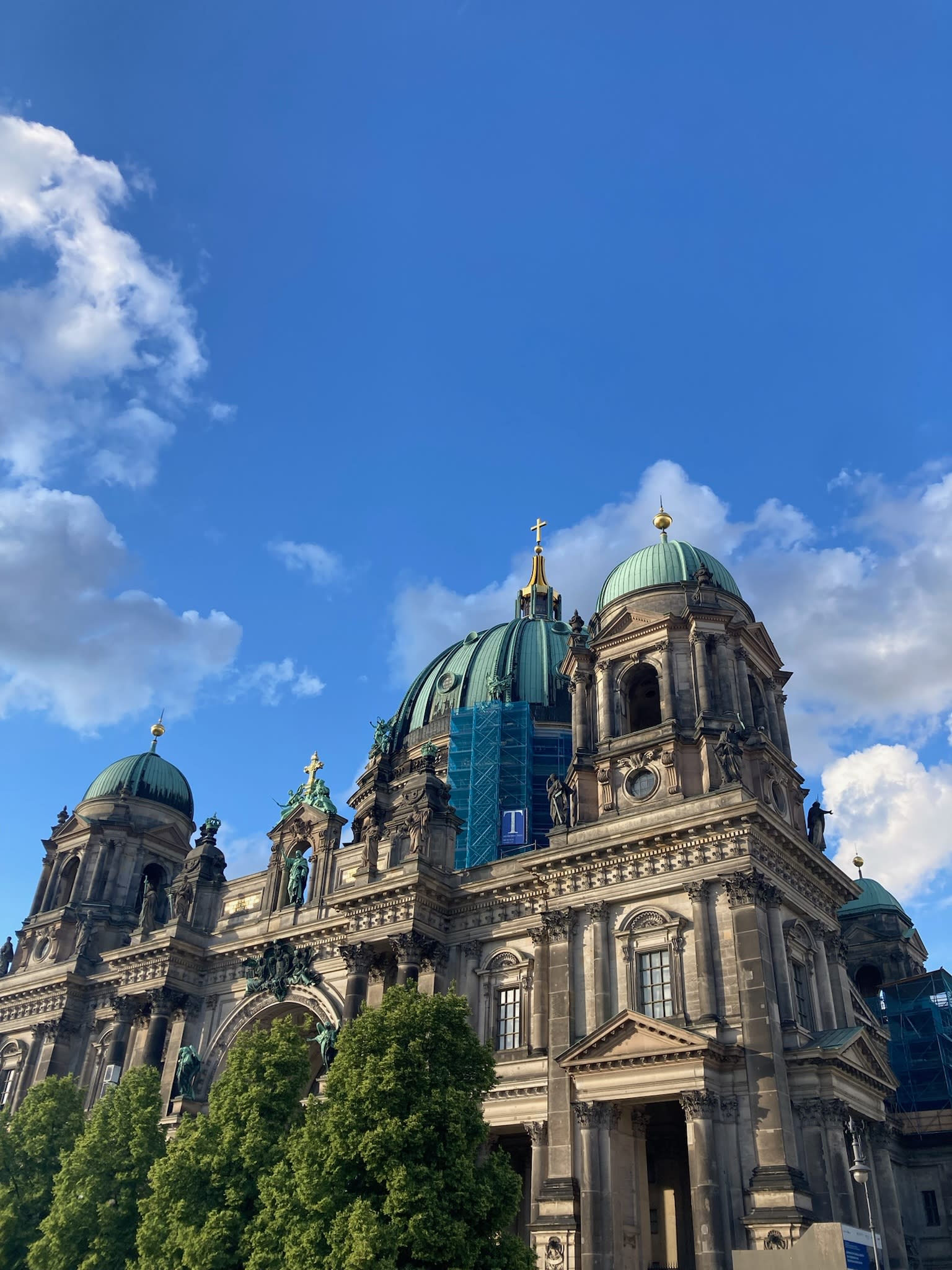
Berlin is gritty, lively, creative, and shaped by a history that is both incredibly deep and surprisingly recent. What I love most is how different it feels from Bavaria or the more traditional picture many travelers have of Germany—you come to Berlin for something completely different. This itinerary balances the major historical sights with food, art, shopping, and neighborhoods so you can understand the city without spending three days just inside museums. It is a trip that asks you to engage with Berlin’s complicated past while also experiencing the energy and creativity that define the city today.
The Fora Difference
Book with Lindsay Kolinsky to access exclusive perks and experiences on your trip.

Killer perks
Free upgrades, spa credits and more—we got you

Personalized recs
Customized travel planning for your style

Insider knowledge
Expert advice from people who’ve actually been there
Where to stay
Unlock perks by contacting Lindsay Kolinsky to book your trip.
Day 1: Start with Berlin’s history & essential sights
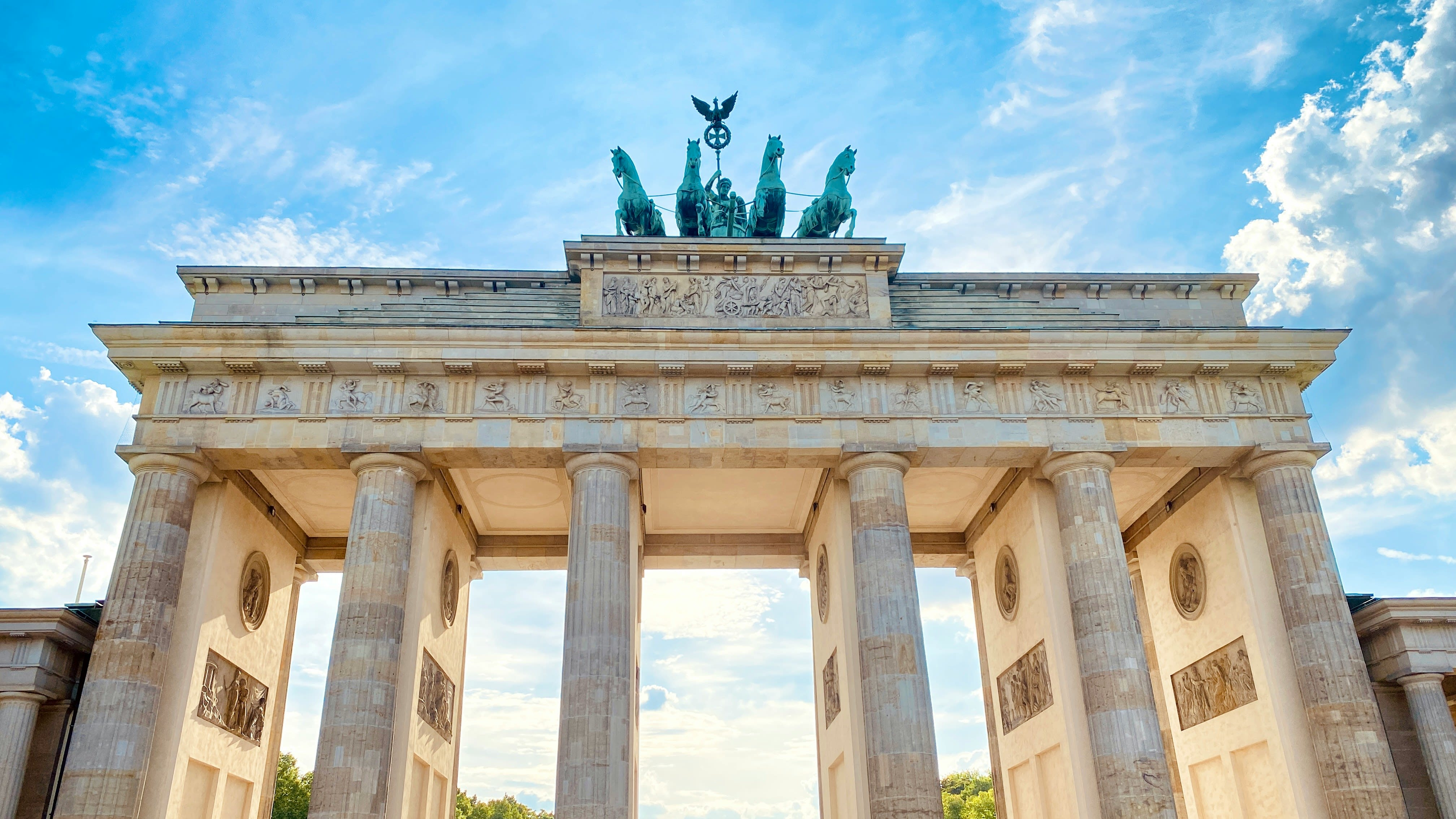
I recommend starting with a private guided tour so you can immediately understand the history behind the city you’re seeing rather than simply checking off landmarks. The day covers a lot of ground, including Museum Island, Bebelplatz, Gendarmenmarkt, remnants of the Berlin Wall, the former Reich Chancellery and bunker area, the Holocaust Memorial, Brandenburg Gate, Tiergarten, and the Reichstag. Some of this history is heavy, but I think that is important: Berlin’s recent past is a huge part of understanding what makes the city what it is today. End the tour at Checkpoint Charlie and walk over to the Jewish Museum Berlin, which I particularly recommend because it looks beyond the Holocaust to explore the broader history and culture of Jewish life. The architecture is a major part of the experience, especially the Garden of Exile and the Memory Void, which help make the struggles of the Jewish people and loss feel tangible. Even travelers who are not Jewish will find the museum meaningful.
For lunch, keep it quick at the Jewish Museum’s café before continuing. Later, after a very full and historically heavy day, keep dinner casual. Burgermeister in Mitte is an easy option, or go to Toca Rouge for creative Chinese fusion. Don’t forget to check out the bathroom (trust me!)

A note from Lindsay
Don’t underestimate the value of doing the major historical sights with a guide. The context changes how you see the city.
Day 2: Head east for food, art & Berlin’s creative side
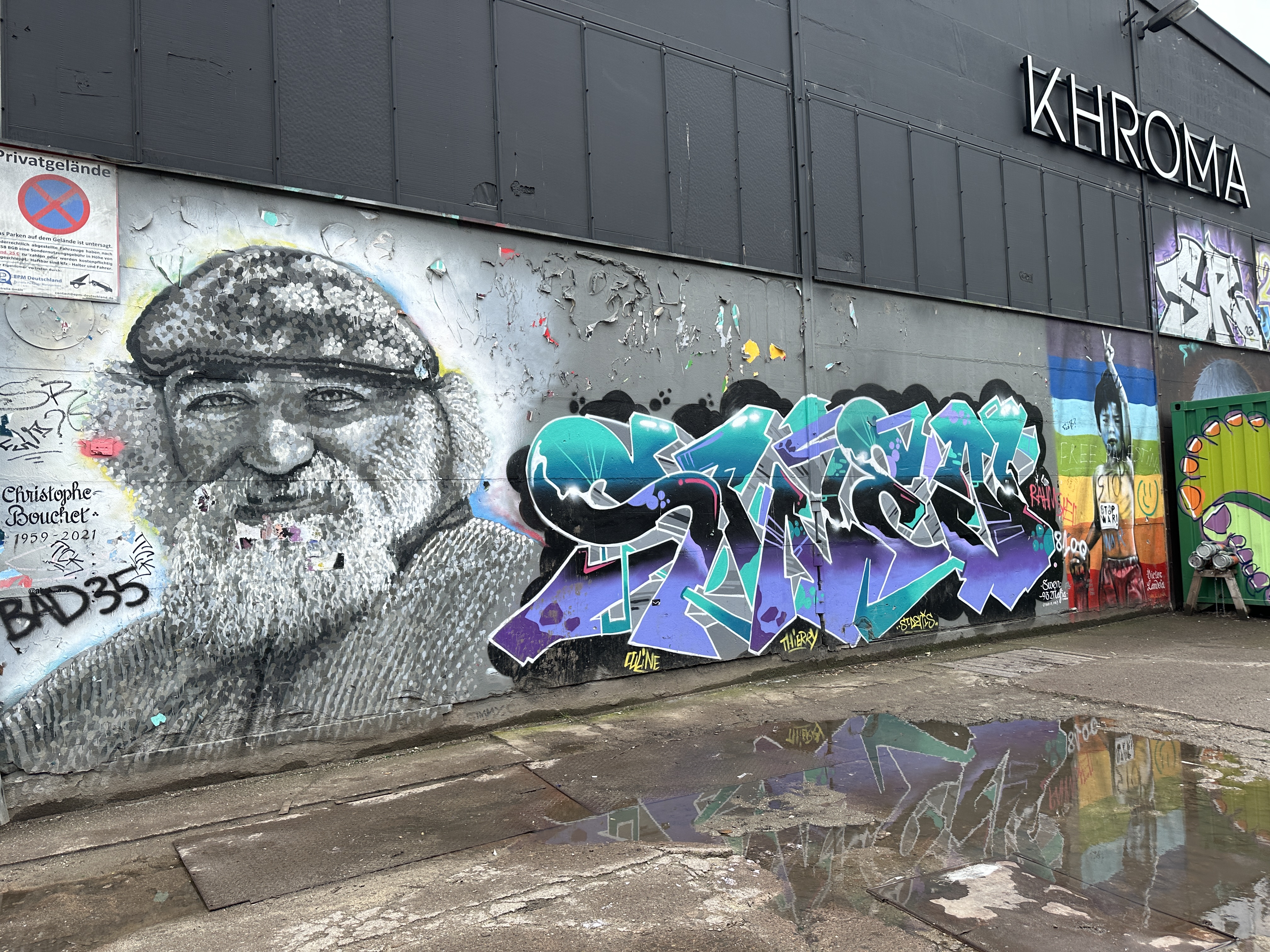
Have a light breakfast or bite because today is all about eating your way through Friedrichshain. Rather than a traditional German food tour, I recommend an East Berlin food and history tour that uses food to tell the story of the different cultures and historical moments that have shaped the neighborhood. Along the way, you’ll get a feel for the graffiti and street art that have become such a defining part of East Berlin, with a particularly fun stop at RAW-Gelände. Make sure to look for the world’s smallest nightclub for an unexpected dance break.
The tour finishes at the East Side Gallery, the longest continuous surviving section of the Berlin Wall and one of Berlin’s most recognizable open-air art experiences. The gallery was created in 1990 by 118 artists from 21 countries, shortly after the wall fell, and the murals turned a symbol of division into a canvas for political change, hope, and reunification. Take your time here rather than treating it as a quick photo stop—you’ll recognize some of the murals from history books, and seeing them in context is much more powerful.
If you still have room, head to Lebensmittel in Mitte, a cozy, rustic restaurant and deli serving traditional Bavarian food. Go for the Wiener schnitzel, spaetzle, and a beer. Finish the night at Bellboy, a whimsical cocktail bar known for creative drinks served in unexpected vessels. My cocktail came in a miniature bathtub with a rubber ducky—and it was so much fun that I went back two nights in a row.
A note from Lindsay
This is the day that shows you the Berlin beyond the major monuments. The food, graffiti, art, and neighborhood history all connect in a way that makes the city feel much more alive.
Day 3: Go deeper into Berlin
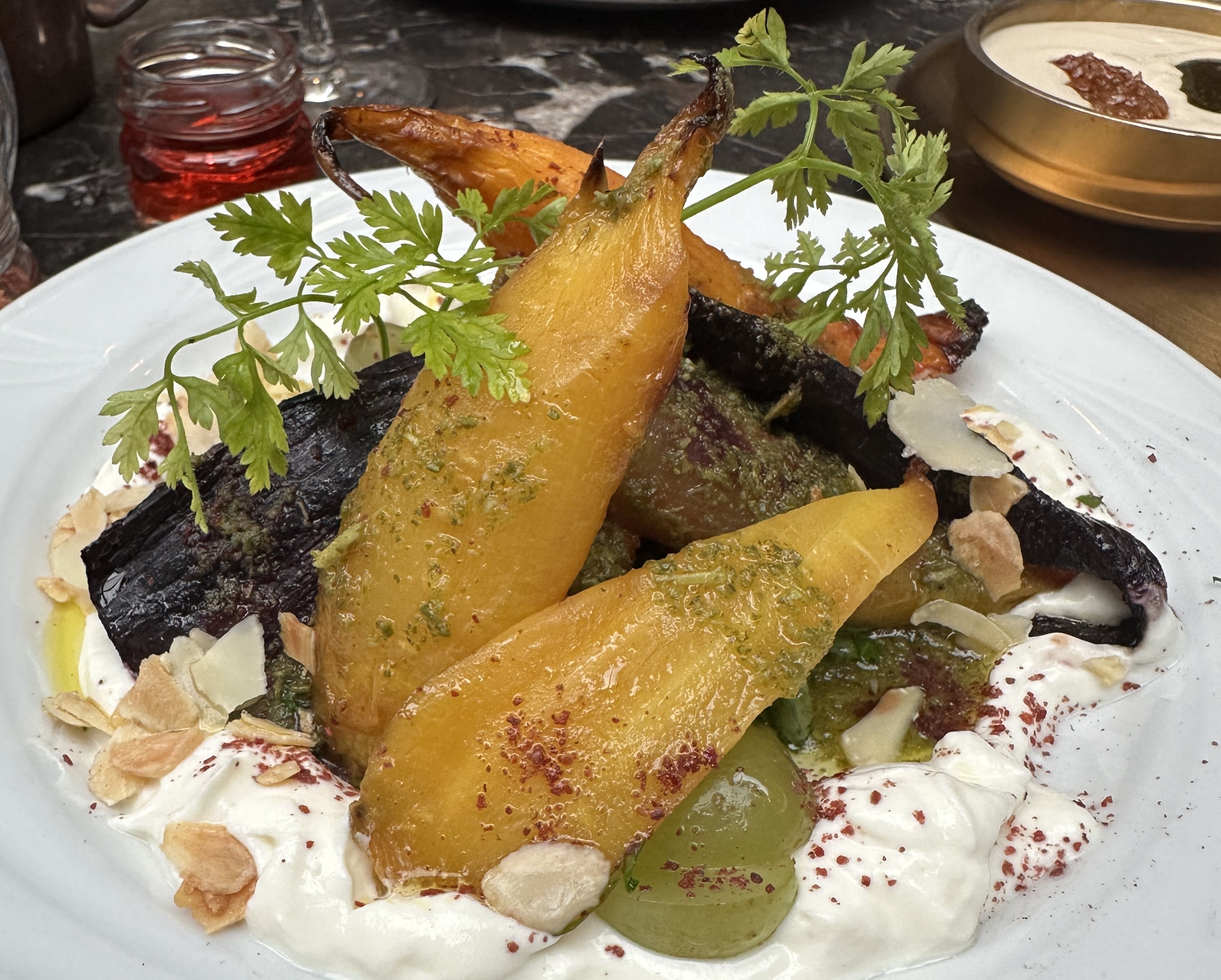
Gorgeous food at Night Kitchen
Now that you’ve seen the major highlights, use your last day to explore the center at a slower pace and dig a little deeper. Start at an AMPELMANN Shop for a fun look at the East German pedestrian traffic-light figure you’ll see throughout Berlin; the original Ampelmännchen became a Berlin symbol after surviving the fall of the wall. Then, return to the Topography of Terror, a free outdoor documentation center on the site where the Gestapo, SS leadership, and Reich Security Main Office were headquartered during the Nazi era. What makes this stop especially powerful is the location itself: The site includes traces of the former Gestapo prison and a preserved section of the Berlin Wall, connecting two very different but essential chapters of Berlin’s 20th-century history.
From there, walk through Tiergarten toward Charlottenburg for a change of pace. This is Berlin’s more polished, upscale side—great for window shopping, a quick stop at Schwarzes Café, and eventually the KaDeWe department store.
Before dinner, head toward Hackesche Höfe and the surrounding area, taking time to wander through the interconnected courtyards and browse the independent shops. Then, make your way to Night Kitchen, my favorite dinner of the trip. The restaurant serves modern Mediterranean food designed for sharing, and one of the most fun options is to let the kitchen choose your meal rather than ordering everything yourself. It turns dinner into more of an experience, as each dish arrives as a surprise, and the combination of unexpected flavors and generous plates made this one of the most unique—and delicious—meals I had in Berlin. It can be a little tricky to find since Night Kitchen is tucked into a courtyard, but that only adds to the feeling that you’ve discovered something special.
A note from Lindsay
Don’t rush your final day trying to squeeze in another major attraction. The contrast between the historical Topography of Terror, polished Charlottenburg, and atmospheric Hackesche Höfe is a great final snapshot of how many different sides Berlin has.
Need to know
Where to stay
I’d stay in Mitte for a first trip because it makes this itinerary particularly easy to execute. Hotel Luc, Autograph Collection, is a strong fit for this itinerary and sits directly on Gendarmenmarkt, putting you close to many of the central sights while also making it easy to get around the rest of the city.
Don’t try to see it all
Three days is enough to get a strong introduction to Berlin, but not enough to see everything. That is intentional. This itinerary prioritizes the history, food, neighborhoods, and experiences that give a first-time visitor a sense of the city rather than trying to turn Berlin into a checklist.
The overall takeaway
Go into Berlin ready to understand its history, not just photograph it. Berlin is not traditionally beautiful in the way some other German cities are. It is gritty, lively, creative, and deeply complex, and that is exactly what makes it worth visiting. The city is much more meaningful once you understand what happened here—and how recently much of it happened.


Travel Advisor
Lindsay Kolinsky
Lindsay Kolinsky

Get in touch with Lindsay Kolinsky
Did you like this guide? Reach out to customize and book your own experience. Or, just to chat about travel in general.
For more inspiration and insider recommendations, visit our Germany page.