




Curator’s statement
From Alfama, where fado still drifts from timeworn taverns, to Chiado, where elegant cafés recall the city’s literary past, tradition remains deeply woven into daily life. At the same time, Lisbon surprises with cutting-edge gastronomy, design-driven boutique hotels, and a thriving arts scene unfolding in revitalized neighborhoods. Set across seven hills overlooking the Tejo, it’s a city that feels soulful, cinematic, and quietly forward-looking.
The Fora Difference
Book with Luna Hanono to access exclusive perks and experiences on your trip.

Killer perks
Free upgrades, spa credits and more—we got you

Personalized recs
Customized travel planning for your style

Insider knowledge
Expert advice from people who’ve actually been there
Where to stay in Lisbon
Unlock perks by contacting Luna Hanono to book your trip.
Things to do in Lisbon
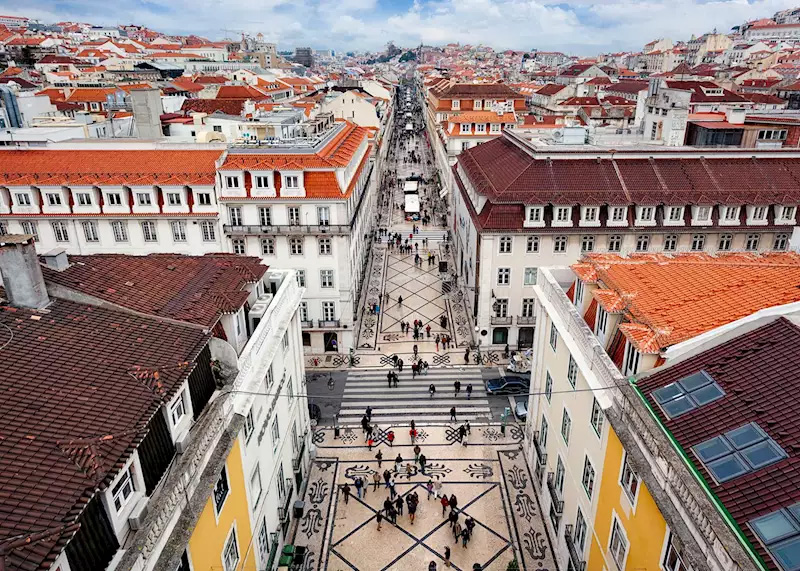
High-angle view of Lisbon's Baixa district
Get lost in Alfama District
Lisbon’s oldest neighborhood unfolds as a maze of narrow cobblestone streets that tumble from São Jorge Castle down toward the Tagus. Shaped by Moorish influences and spared by the 1755 earthquake, it has kept its intimate, timeworn charm—colorful façades, quiet viewpoints, and laundry fluttering overhead. Fado music drifts from tucked-away taverns, while historic anchors like the Sé Cathedral ground the area in tradition. Alfama feels lived-in and soulful, offering a graceful, unfiltered glimpse of Lisbon at its most authentic.
Belém Tower
One of Lisbon’s most iconic landmarks, standing along the Tagus River as a reminder of the Age of Discoveries. Built in the 16th century, it blends elegant Manueline architecture with a distinctly maritime spirit. Both photogenic and symbolic, it captures the essence of Lisbon’s history in a single, striking silhouette.
Jerónimos Monastery
UNESCO-listed masterpiece of Manueline architecture and one of Lisbon’s most extraordinary sights. Built in the early 16th century to celebrate Vasco da Gama’s voyage to India, it reflects the wealth, ambition, and imagination of Portugal’s Age of Discoveries.
Inside, soaring stone columns, soft golden light, and the tombs of figures like Vasco da Gama and poet Luís de Camões create a quietly awe-inspiring atmosphere. The cloisters—rich with carved detail and maritime symbolism—are nothing short of breathtaking.
Ride Tram 28E
Don’t leave Lisbon without hopping on the iconic Tram 28E, starting from Largo Martim Moniz. This gloriously old-school ride rattles and screeches its way through some of the city’s most atmospheric neighborhoods, tackling improbably steep hills along the way. With its polished wood interior, sunny yellow exterior, and vintage charm, the tram offers a delightfully cinematic way to see Lisbon—part transport, part time travel.
Take in the views of Miradouro de Santa Luzia
One of Lisbon’s most romantic and beloved viewpoints, overlooking the rooftops of Alfama and the Tagus River beyond. Framed by bougainvillea and traditional azulejo panels depicting the city before the 1755 earthquake, it feels both intimate and timeless. From the terrace, terracotta roofs, the white dome of the Panteão Nacional, and the river’s south bank unfold in a postcard-perfect panorama. It’s the kind of place that invites you to linger—ideally with a drink in hand—as Lisbon reveals itself at its most beautiful.
Walk Baixa & Chiado
Lisbon’s historic downtown stretches from the river inwards towards an elegant grid of wide, sunlit streets. Rebuilt after the devastating 1755 earthquake, it became one of Europe’s earliest examples of modern urban planning, with earthquake-resistant Pombaline buildings and a sense of order rare in older cities.
Today, Baixa feels lively and open—black-and-white tiled pavements, grand squares like Praça do Comércio, and a constant rhythm of shops, cafés, and street music. It’s the city at its most vibrant and accessible, where history and everyday life meet seamlessly.
Explore Bairro Alto
Bairro Alto sits high above the city and is best known for its dual personality. Laid out in the 16th century as Lisbon’s first planned district, its narrow grid of streets once housed merchants, aristocrats, and later newspaper offices—roots that helped shape its enduring bohemian spirit. By night, Bairro Alto comes alive with lively bars, intimate restaurants, and fado houses spilling onto the streets, while by day it slows to a near-standstill, revealing a quieter, residential side.
Anchored by landmarks like São Roque Church and the Miradouro de São Pedro de Alcântara, it remains one of Lisbon’s most atmospheric neighborhoods, where history, nightlife, and everyday life intersect.
Visit The MAAT: Museum of Art, Architecture & Technology
One of Lisbon’s most striking contemporary landmarks, combining a historic power station with a bold modern building designed by architect Amanda Levete. Its flowing, white-tiled façade rises toward the Tagus like a wave, creating a seamless dialogue between architecture and the riverfront.
Even without visiting the exhibitions, it’s worth stopping to walk around—and on top of—the building for panoramic views and a true sense of Lisbon’s modern creative energy.
Do a day trip to Sintra or Cascais
Escape the city with an easy day trip. Sintra offers fairytale palaces, lush gardens, and hilltop views, while Cascais delivers beaches, seaside walks, and a relaxed coastal feel. Both are simple to reach and add a beautiful contrast to Lisbon.
Listen to fado
For an authentic experience, head to intimate fado houses in neighborhoods like Alfama or Bairro Alto, where the music is performed live in candlelit rooms. Choose a small venue, go in the evening, and let the emotion of the voices and guitars speak for itself—it’s one of the city’s most soulful traditions.
Places to eat & drink in Lisbon
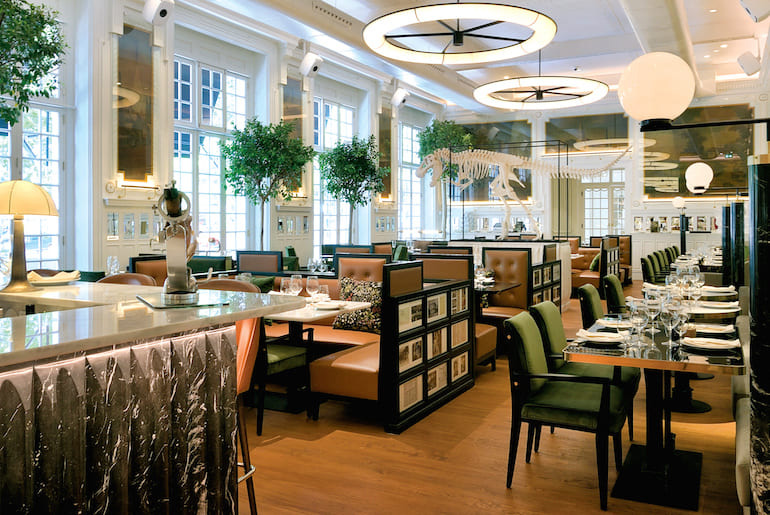
JNcQuoi Avenida Restaurant in Avenida da Liberdade
Belcanto
One of Lisbon’s most celebrated dining addresses, where chef José Avillez showcases his most refined and creative expression of Portuguese cuisine. Opened in 2012 and now holding two Michelin stars, the restaurant blends tradition with innovation through meticulously crafted tasting menus.
JNcQUOI Avenida
A high-energy spot on Avenida da Liberdade where dining and style go hand in hand. The Mediterranean-inspired menu highlights quality ingredients, while the glamorous atmosphere draws a fashionable crowd. Ideal for a lively lunch or a polished night out in the heart of Lisbon.
Time Out Lisbon
One of the best places to sample Lisbon’s food scene under one roof. Set inside the historic Mercado da Ribeira, it brings together top local chefs, classic Portuguese dishes, and fresh seafood—from grilled sardines to bacalhau—served at lively stalls. Casual, energetic, and ideal for sharing plates, it’s a great stop for eating, drinking, and people-watching while getting a broad taste of the city.
A Cevicheria
One of Lisbon’s most talked-about spots for fresh, creatively prepared ceviche and Peruvian-inspired seafood. Chef Kiko Martins brings a Portuguese twist to classic Latin American flavors in a stylish, buzzy setting—complete with standout cocktails like the pisco sour and a memorable octopus sculpture that’s become something of a local landmark.
A Taberna da Rua das Flores
A charming, highly regarded tavern known for its inventive take on traditional Portuguese small plates. With a warm, intimate atmosphere and a menu that changes regularly to highlight seasonal ingredients, it’s beloved by locals and visitors alike. Perfect for a relaxed lunch or dinner, it showcases authentic flavors with creative flair.
O Bairro do Avillez
Chef José Avillez’s vibrant, multi-space dining concept celebrating contemporary Portuguese cuisine. The lively Taberna at the entrance serves creative petiscos on a walk-in basis, while the more refined Pátio, set in a courtyard, focuses on fish and seafood and requires reservations. Bustling, stylish, and consistently popular, it’s a great place to experience Avillez’s range in one address.
Bistro 100 Maneiras
Stylish spot showcasing chef Ljubomir Stanisic’s creative cuisine. Set over two floors with a cocktail bar below, it’s especially loved for its upstairs tables overlooking Chiado. Inventive dishes, a lively atmosphere, and a casual feel make it a favorite in Lisbon’s dining scene
Canalha
A relaxed neighborhood restaurant led by chef João Rodrigues, centered on fresh, locally sourced ingredients. With a casual open kitchen and a daily-changing menu, it offers thoughtful dishes rooted in Portuguese tradition with broader Iberian influences. Unpretentious and welcoming.
Solar dos Presuntos
Classic Lisbon institution near Avenida da Liberdade, known for elevated Portuguese cuisine without modern theatrics. With brightly lit dining rooms lined with photos of national figures, it delivers an old-school atmosphere that locals still love. The menu highlights generous, high-quality dishes—especially seafood and specialties inspired by the Minho region—making it a go-to for refined yet traditional Portuguese dining.
Arkhe (Vegetarian)
A rare high-end, plant-based restaurant in Lisbon’s Rato neighborhood, redefining vegetarian dining with creativity and depth. Seasonal tasting menus are built around thoughtful wine pairings, showcasing delicate yet complex dishes made from impeccably fresh ingredients. Elegant, surprising, and far from preachy, Arkhe easily wins over even devoted carnivores.
Need to know
Best time to visit: Lisbon is a year-round destination, but the best time to visit is spring (April–June) and fall (September–October). During these months, the weather is warm and sunny without the intense summer heat, crowds are lighter, and the city feels especially pleasant for walking and sightseeing.
Ideal length of stay: Plan 3–4 days in Lisbon to see the main neighborhoods, enjoy the food scene, and soak in the city’s atmosphere without rushing.
Add an extra day to include an easy day trip to Sintra or Cascais. Escape the city with an easy day trip. Sintra offers fairytale palaces, lush gardens, and hilltop views, while Cascais delivers beaches, seaside walks, and a relaxed coastal feel. Both are simple to reach and add a beautiful contrast to Lisbon.
Make time for its café culture—it’s one of the city’s simplest pleasures. Classic spots like Martinho da Arcada and Café A Brasileira offer a taste of Lisbon’s literary past, while modern favorites such as Fábrica Coffee Roasters bring a fresh, contemporary feel. Mixing historic cafés with new-wave coffee spots is the best way to experience the city—slowly, and one bica at a time.
Know how to order coffee. A bica is the classic espresso. Order an abatanado if you like it longer, a pingado for espresso with just a drop of milk, a garoto for a short coffee with milk or foam, or a galão if you prefer mostly milk served in a tall glass. Or try something refreshing and ask for a mazagran—espresso over ice with lemon and mint—for a uniquely Portuguese twist on iced coffee.
Be prepared for the hills. Wear comfortable shoes: the streets are paved with beautiful but slippery cobblestones and use the elevators: Take advantage of the city’s public lifts (like the Santa Justa Lift) and funiculars to save your legs.
Pastéis de nata: You must try these custard tarts. The most famous place is Pastéis de Belém
Dining times: Portuguese people eat late. Lunch is usually 1–3 pm, and dinner often starts after 8 pm.
Transportation: The most comfortable way to get around is by taxi or ride-hailing apps (Uber/Bolt), especially given the city’s hills. Renting a car isn’t ideal for the historic center due to narrow streets and limited parking, but it’s a great option if you plan to explore outside the city—such as Sintra, Cascais, or Alentejo.
Visiting hours & tickets tip: In Lisbon, many top sights close early (around 5–6 pm) and several museums are closed on Mondays. Plan major visits for Tuesday–Sunday, preferably in the morning, and book tickets online in advance for popular spots. Use late afternoons and evenings for neighborhoods, viewpoints, cafés, and dinner.


Travel Advisor
Luna Hanono

Luna Hanono

Get in touch with Luna Hanono
Did you like this guide? Reach out to customize and book your own experience. Or, just to chat about travel in general.
For more inspiration and insider recommendations, visit our Lisbon page.