
The Heart of Puerto Rico: A Journey Through the Northern Coast & Central Mountains

Curated By
Mary Matos
Curator’s statement
Puerto Rico’s identity is carved into our limestone caves and hidden in the mist of the Cordillera Central. This journey is designed for the traveler who seeks the island’s internal pulse. From the dramatic cliffs of Arecibo and Manatí to the sacred rivers of Utuado and the rhythmic mountain air of the Ruta Panorámica, this is a masterclass in local heritage and slow travel. I invite you to leave the coast behind and witness the rugged heart of our mountains.
The Fora Difference
Book with Mary Matos to access exclusive perks and experiences on your trip.

Killer perks
Free upgrades, spa credits and more—we got you

Personalized recs
Customized travel planning for your style

Insider knowledge
Expert advice from people who’ve actually been there
Where to stay
Unlock perks by contacting Mary Matos to book your trip.
Day 1: The gateway—From the north coast to the peaks
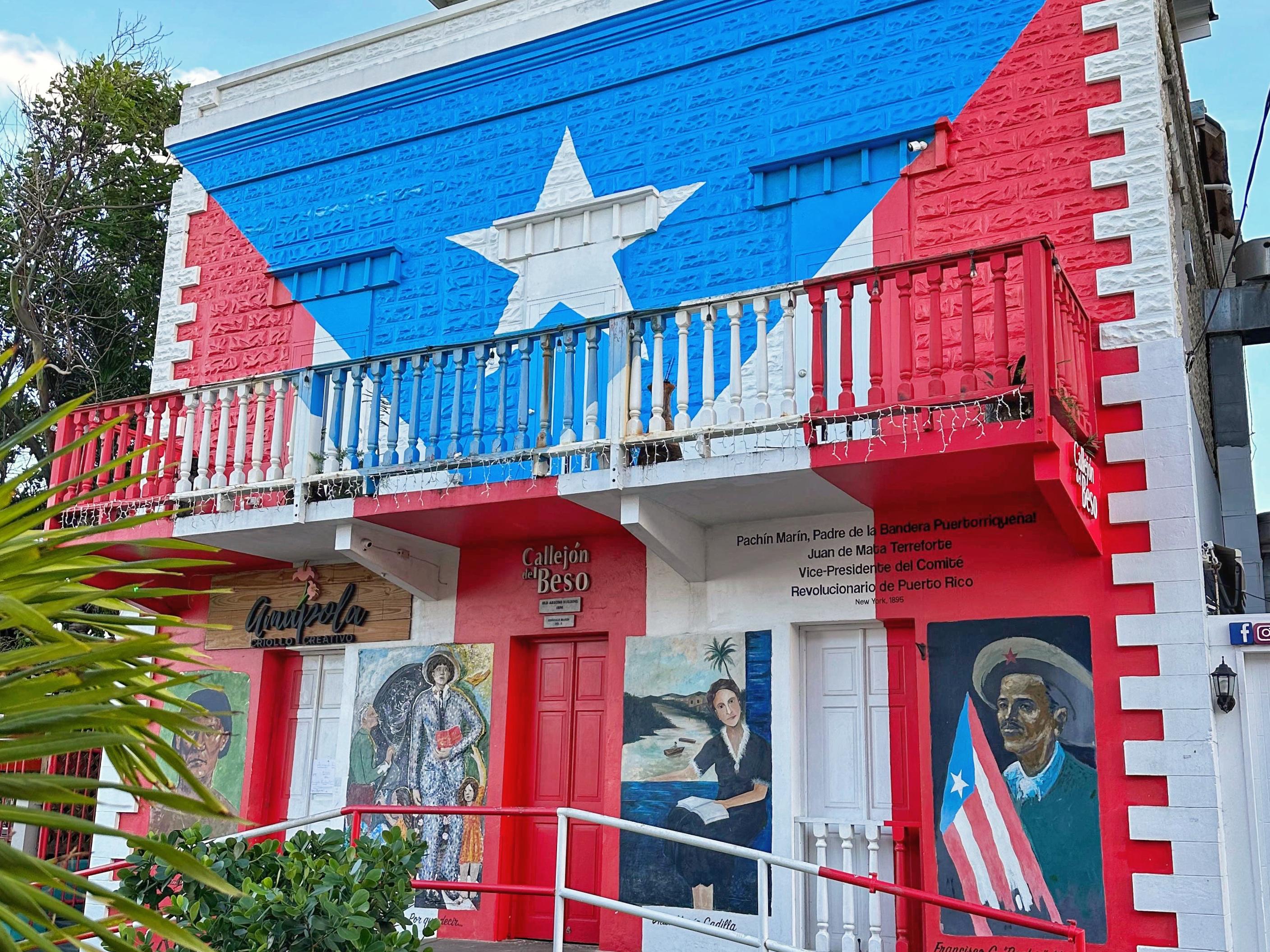
The canvas of the north: Exploring the vibrant urban art and murals of Arecibo
Your journey begins where the north coast turns rugged and the Atlantic crashes against the limestone formations of Manatí, such as the natural pool of Mar Chiquita. From here, stop at the iconic Casa Vieja Restaurant in Ciales for a glimpse into traditional mountain hospitality. While in Ciales, do not miss the Museo Del Café (Café Don Pello) to see the antique mills that once processed our “Black Gold.”
As you move toward the downtown of Arecibo, you will find a vibrant archive of local culture. While many pass through quickly, the town center is filled with urban art and murals that tell the story of the north. Before leaving the coast entirely, make your way to Cueva Del Indio. Here, you are not just looking at a view; you are witnessing ancient Taíno petroglyphs carved into the cliffs, a silent record of our ancestors.
Pro tip: Most sites here are now privately owned, so expect to pay for parking and entrance. Be careful; depending on the weather, it is recommended to visit only when the currents are low and it is not raining, as the limestone is very slippery. The rocks are “dog-tooth” sharp (spiky), so please wear proper closed-toe shoes.
Day 2: Sacred waters, The Utuado Arch & the indigenous heart
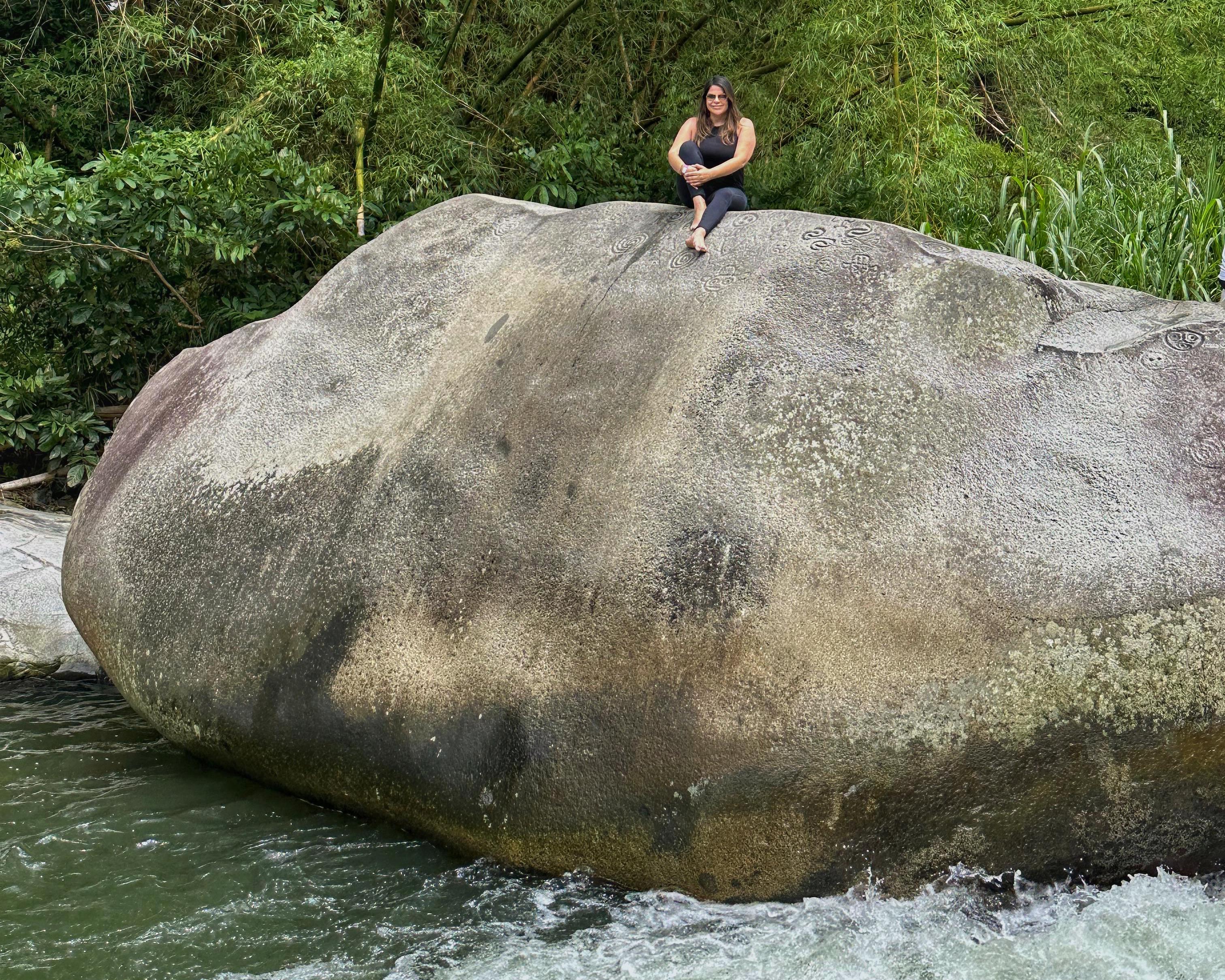
The voice of the ancestors: ancient petroglyphs in the heart of Jayuya (La Piedra Escrita, Jayuya)
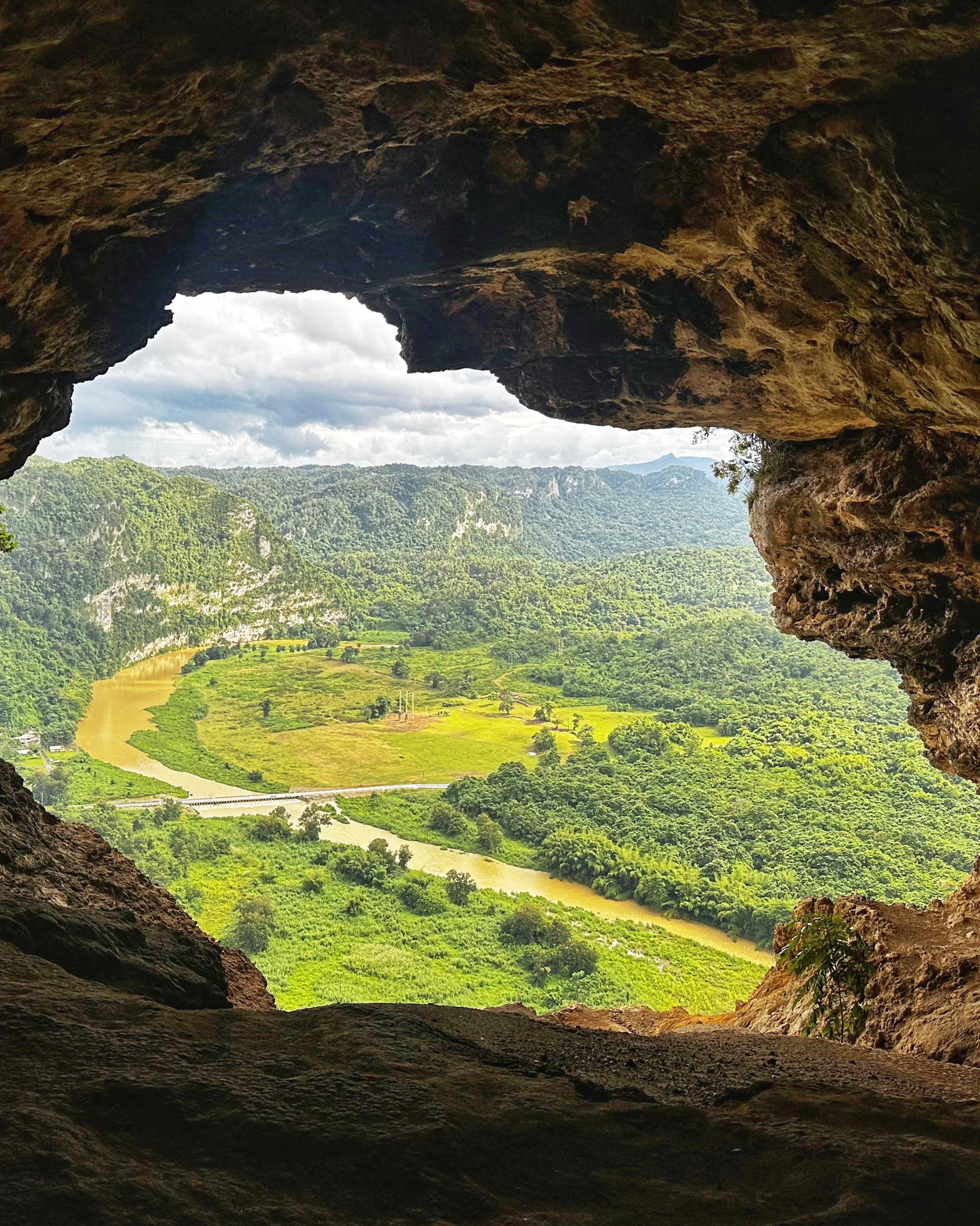
Heading south into the mountains of Utuado, the air changes. This is a place of deep spiritual significance. One of the most breathtaking views in the center is found at Cueva de las Ventanas (Cave of the Windows), where natural openings in the rock act as frames for the lush valley below. For those seeking the “medicine of the water,” the Tanama River is essential. This isn’t just a swim; it’s an immersive experience. I highly recommend the Tanama River hike, which often includes cave tubing and trekking through the river’s limestone canyons. A major highlight of this area is the Utuado Arch (El Arco), a massive natural stone bridge that feels like a cathedral carved by the water itself. This is a local favorite; I highly recommend booking a guided tour in advance. Attempting the river hike or finding the arch on your own is risky, as there is absolutely no cell reception in the canyons.
For a deeper dive into our roots, stop at the Caguana Indigenous Ceremonial Center to learn about Taíno culture and words like Batey (ceremonial plaza). Tours are generally available every hour, and it is free.
From Utuado, the road leads you into Jayuya, the indigenous heart of the island. You must visit La Piedra Escrita, a massive boulder covered in ancient petroglyphs, and the Museo El Cemí, shaped like a Taíno deity stone. For those seeking the “white gold” of the mountains, Cañón Blanco offers stunning white rock formations. If you have a 4x4, head to the summit of Cerro de Punta, the highest peak on the island. To fuel your journey, a stop at Hacienda San Pedro is essential to taste some of the finest coffee in the world.
Please check availability for Cueva de las Ventanas in advance, as access can be seasonal due to safety regulations. As a stunning alternative, Cañón Blanco in Utuado offers a similarly dramatic and spiritual stone landscape.
Day 3-4: The flower city, the feast & the descent
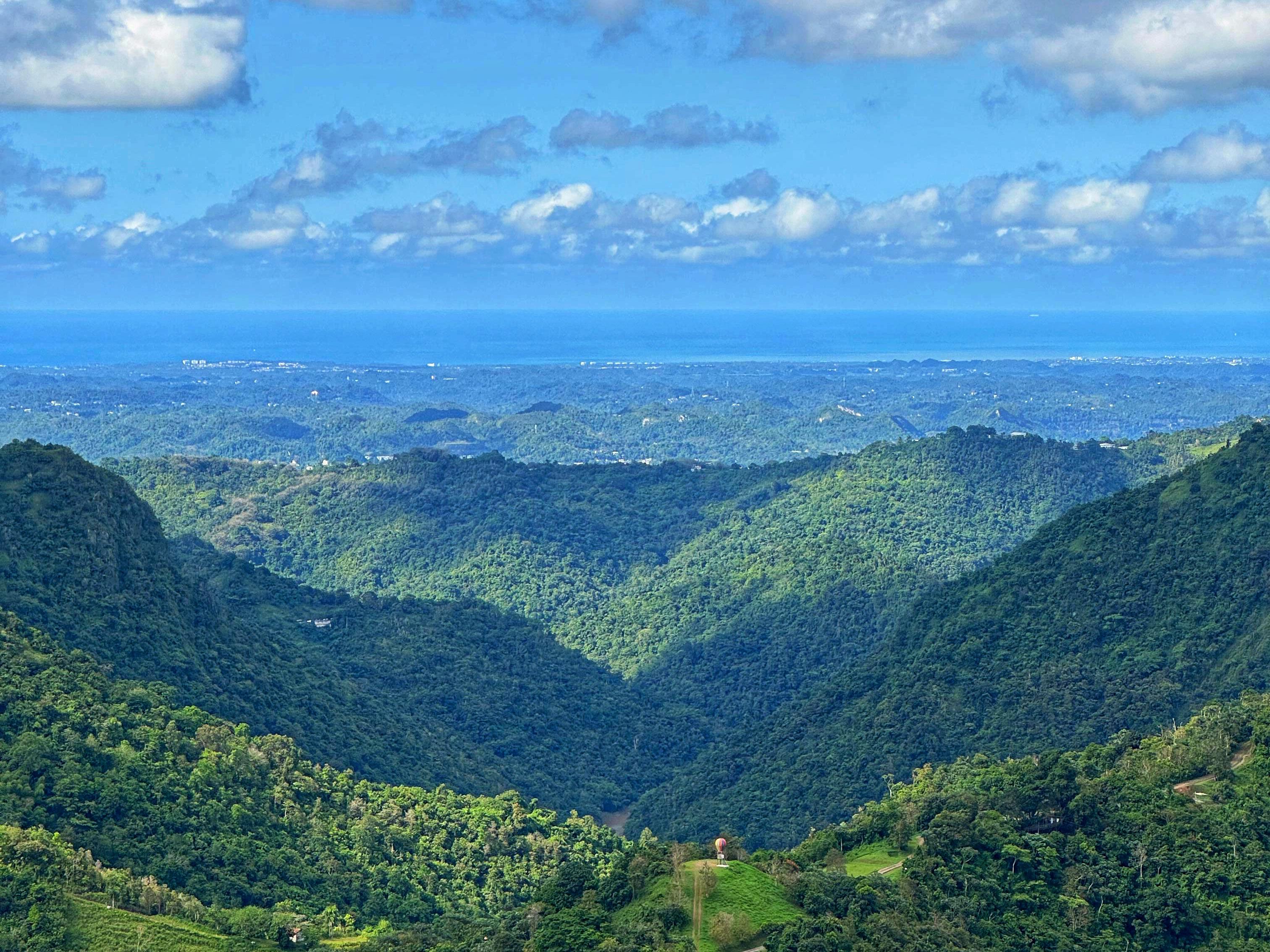
The great divide: A zipline perspective from the heart of the island to the southern horizon
As you transition through Orocovis, thrill-seekers can stop at Toro Verde Adventure Park to fly across “The Monster” zipline. This town is also famous for its longaniza (local sausage), a mountain staple. Your morning continues in Aibonito, the highest town in Puerto Rico. Known as our “City of Flowers,” if you arrive in late June or early July, you will be met by the Festival de las Flores, a sensory explosion of local flora and music.
Just outside the town lies the San Cristóbal Canyon, a testament to the island's raw power and the deepest canyon in the Caribbean. For a panoramic view without the 4-hour trek, stop at the Mirador del Cañón in neighboring Barranquitas, the birthplace of statesman Luis Muñoz Rivera. Ensure you take the Ruta Panorámica along the way for the best vistas.
From the flower-lined streets of Aibonito, head to Guavate in Cayey. This is the epicenter of the Ruta Del Lechón. Follow the smell of wood-fired pits to find the most authentic lechón (roast pork). After your feast, seek out the nearby Charco Azul. This natural swimming hole is a local treasure; the transition from the high-energy lechoneras to the restorative stillness of the water is the perfect way to find balance. From here, you can also continue toward the serene Lake Carite to truly soak in the mountain silence.
As you conclude your time in the mountains, your path offers two distinct departures. Whether you are circling back to the energy of San Juan or choosing to extend your journey toward the West, I highly recommend a stop in Ponce, the “Pearl of the South.” Ponce is a city of immense history and architectural grace. Spend an afternoon at Castillo Serrallés to immerse yourself in the legacy of the Serrallés family and the history of Don Q rum. If you have time, visit Hacienda Buena Vista, a 19th-century coffee plantation that still uses a unique water-powered turbine. Finally, wander through the Old Town to experience its legendary art scene and neoclassical plazas.
Need to know
The schedule: It is vital to know that most mountain restaurants and “chinchorros” operate on a weekend rhythm. Many do not open on Monday or Tuesday, or even on certain holidays. Always check social media or call ahead.
The festivals: Every town in the center has its own Fiestas Patronales. These bring incredible energy but also road closures; be prepared to join the party!
The traffic: Be mindful that Guavate is a single-lane road. On Sundays in the late afternoon, the traffic is legendary. Plan your exit early.
The currency: While Arecibo is card-friendly, mountain chinchorros in Utuado or Aibonito often only accept ATH Movil (our local app) or cash.
Vegan travelers: Look for tostones (plantain), arroz (rice), and habichuelas (beans). Always specify “sin mantequilla” (no butter) or "sin manteca” (no lard).
Offline maps: While 5G coverage has improved, I highly recommend downloading offline maps on Google Maps for the Utuado and Jayuya segments, as deep canyons can still have signal blind spots.
A note from Mary Matos This itinerary is intentionally packed with the character of our mountains. I invite you to pick the segments that resonate with you—whether you want the pulse of the festivals or the silence of the caves. In addition, I have created Sunset & Soul: The Ultimate 5-Day West Coast Puerto Rico Adventure, and The Blue Horizon: 5 Days of Sacred Water, Rainforest Peaks & Island Soul.


Travel Advisor
Mary Matos

Mary Matos

Get in touch with Mary Matos
Did you like this guide? Reach out to customize and book your own experience. Or, just to chat about travel in general.
For more inspiration and insider recommendations, visit our Puerto Rico page.