




Curator’s statement
Guatemala is deeply meaningful to me because it is where my connection to artisan textiles, traditional craft, and community-based development work first took root. Between the cobblestone streets of Antigua, the volcano-ringed beauty of Lake Atitlán, and the lakeside villages where weaving traditions are still practiced every day, the country offers a rare combination of beauty, culture, and human connection. What makes Guatemala so special is the opportunity to experience craft not as something displayed, but as something lived—passed through hands, stories, color, and generations. For travelers who want depth, creativity, and a real sense of place, Guatemala is unforgettable. People come, and they stay.
The Fora Difference
Book with Amanda Popp to access exclusive perks and experiences on your trip.

Killer perks
Free upgrades, spa credits and more—we got you

Personalized recs
Customized travel planning for your style

Insider knowledge
Expert advice from people who’ve actually been there
Where to stay
Unlock perks by contacting Amanda Popp to book your trip.
Day 1: Arrival and Antigua
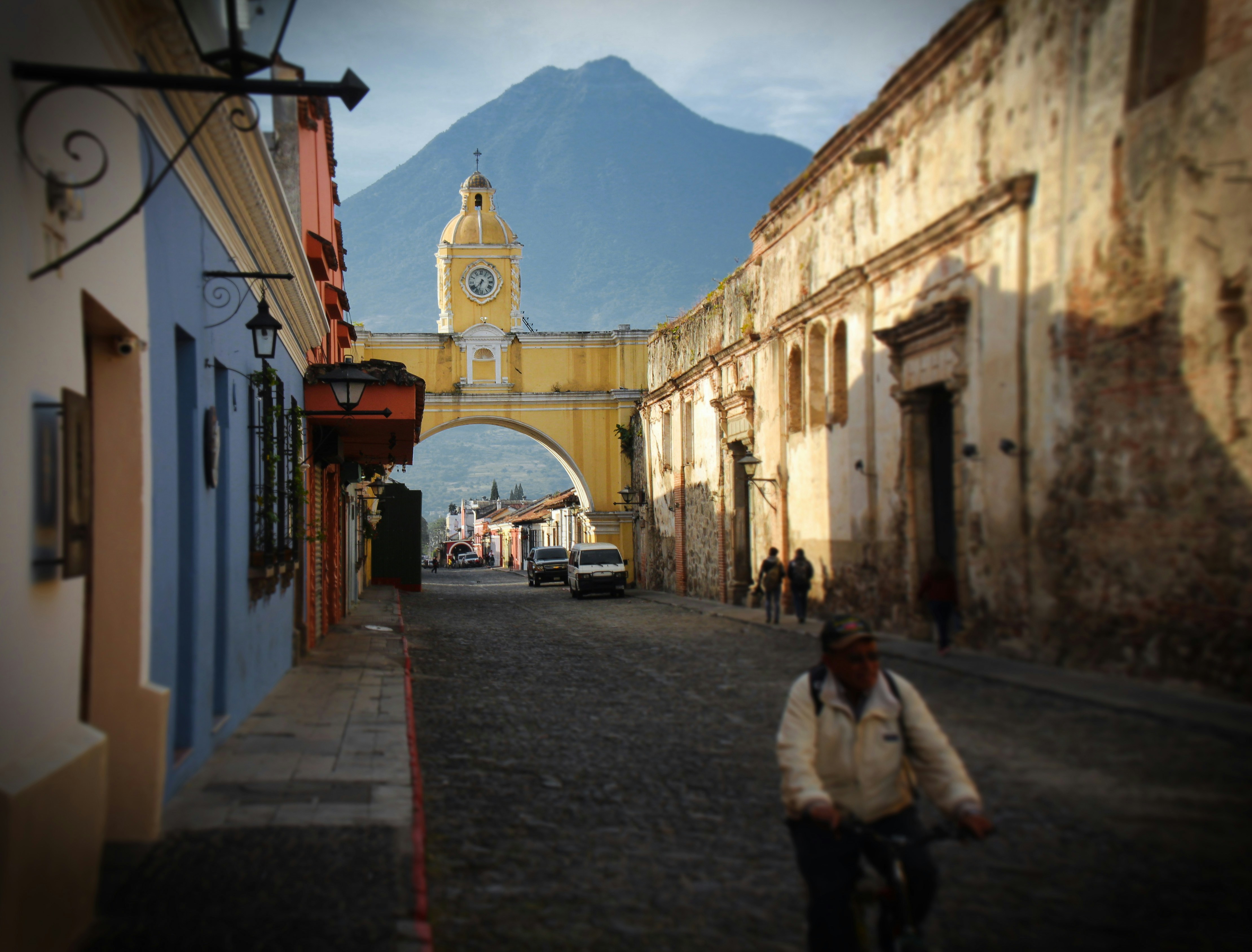
Antigua, Guatemala
Arrive in Guatemala City and transfer privately to Antigua, one of Central America’s most atmospheric colonial cities, framed by volcanoes and filled with cobblestone streets, colorful facades, courtyards, and artisan details at every turn.
I recommend keeping this first day intentionally gentle: settle into your hotel, enjoy a slow walk through the historic center, and let the rhythm of the city unfold without over-scheduling. If time allows, stop for coffee or a rooftop drink with views of Volcán de Agua, then enjoy dinner at one of Antigua’s excellent restaurants showcasing Guatemalan ingredients in a beautiful setting.
Insider tip: wear comfortable shoes for the cobblestones, and plan for a relaxed evening—Antigua is best appreciated slowly, especially after a travel day.
Day 2: Artisan studios & volcano views in Antigua
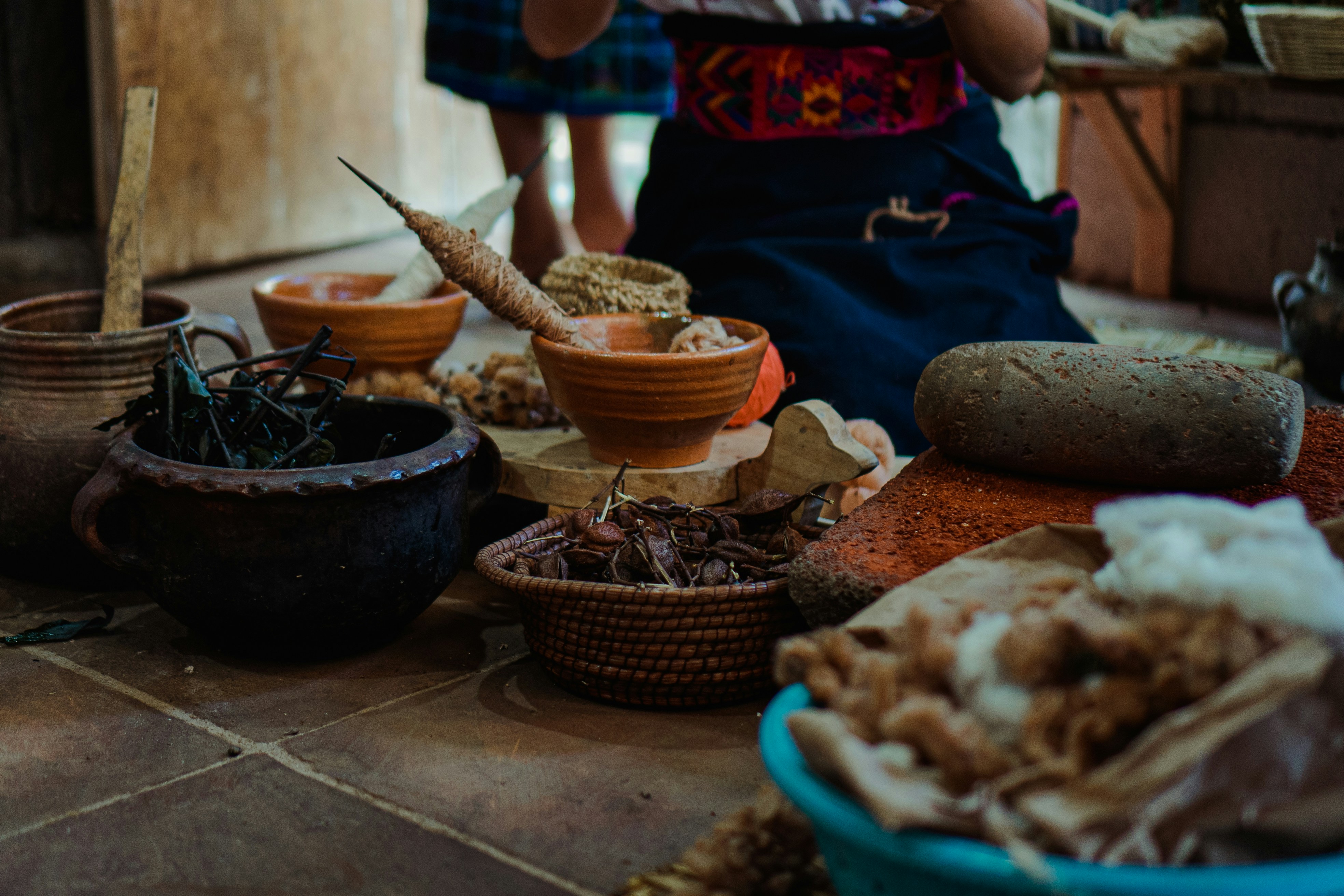
Textile natural dye workshop, Antigua, Guatemala
Spend the day exploring Antigua’s creative side, visiting artisan studios and hidden shops where traditional techniques meet contemporary design. Depending on your interests, this could include leatherwork, woven hammocks, embroidered textiles, ceramics, or small boutiques tucked behind colonial courtyards—the kind of places that make Antigua feel both historic and alive with craft.
For travelers who want a more active day, hike Pacaya Volcano, where the landscape shifts dramatically from lush countryside to black volcanic rock, with the possibility of roasting marshmallows—or, in my case, making a grilled cheese sandwich—over the heat of the lava fields.
Insider tip: Antigua is full of beautiful shops, but the most meaningful experiences often come from slowing down, asking questions, and learning directly from the makers or guides who bring the craft and landscape to life.
Day 3: Farms, forests & flavors
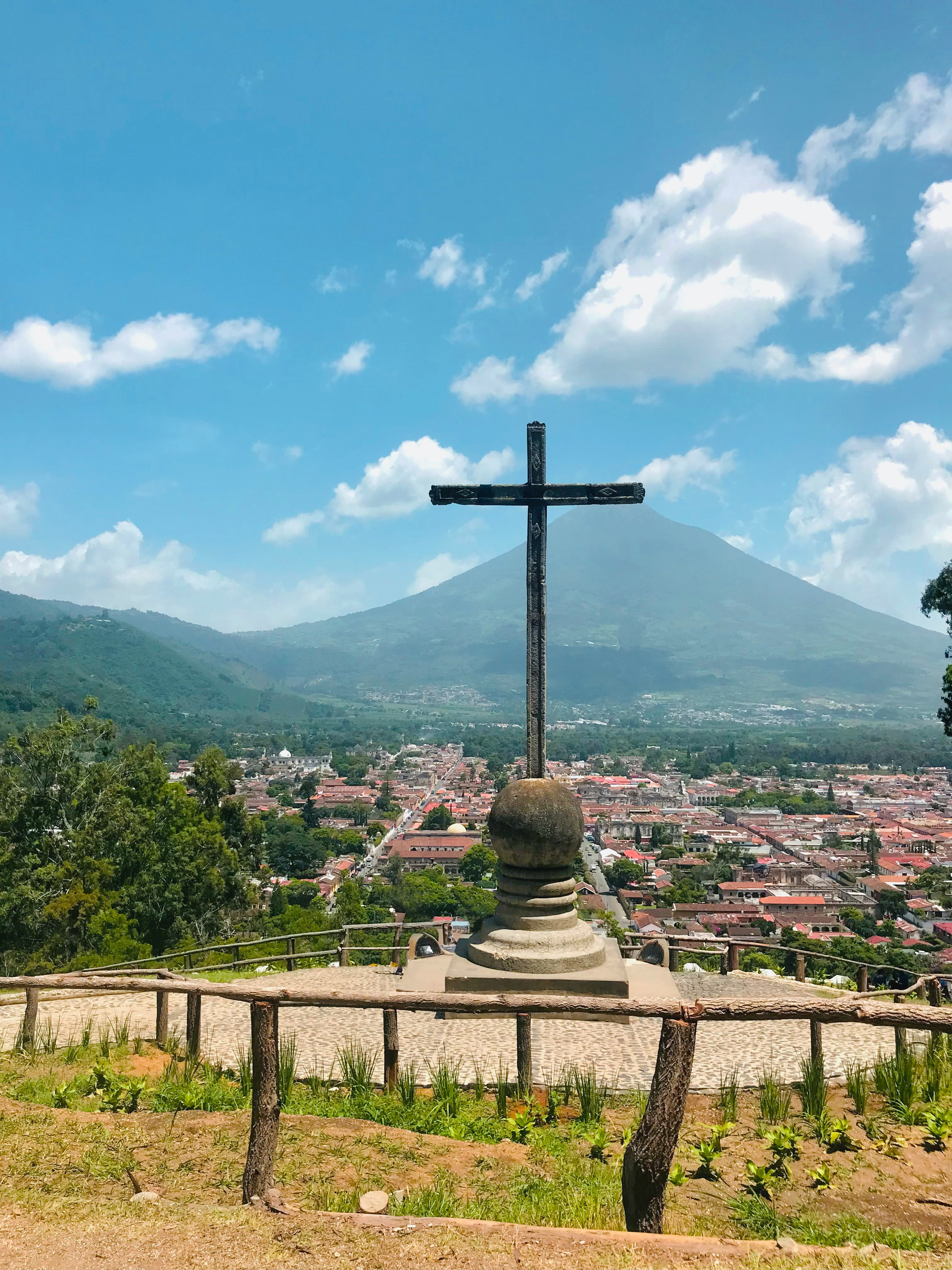
Cerro de la Cruz, Antigua, Guatemala
Begin the day just outside Antigua with a visit to a local avocado or coffee farm, where you can walk through tropical forest, old-growth trees, and cultivated landscapes that reveal another side of the region’s beauty.
After a farm lunch, return to Antigua for a hands-on chocolate-making class and visit to the ChocoMuseo, a fun and approachable way to learn about cacao’s deep history and cultural significance in Guatemala.
In the evening, walk up to Cerro de la Cruz for one of the best panoramic views over Antigua, with Volcán de Agua rising behind the city.
Insider tip: go before sunset and bring a light layer.
Day 4: Travel to Lake Atitlán
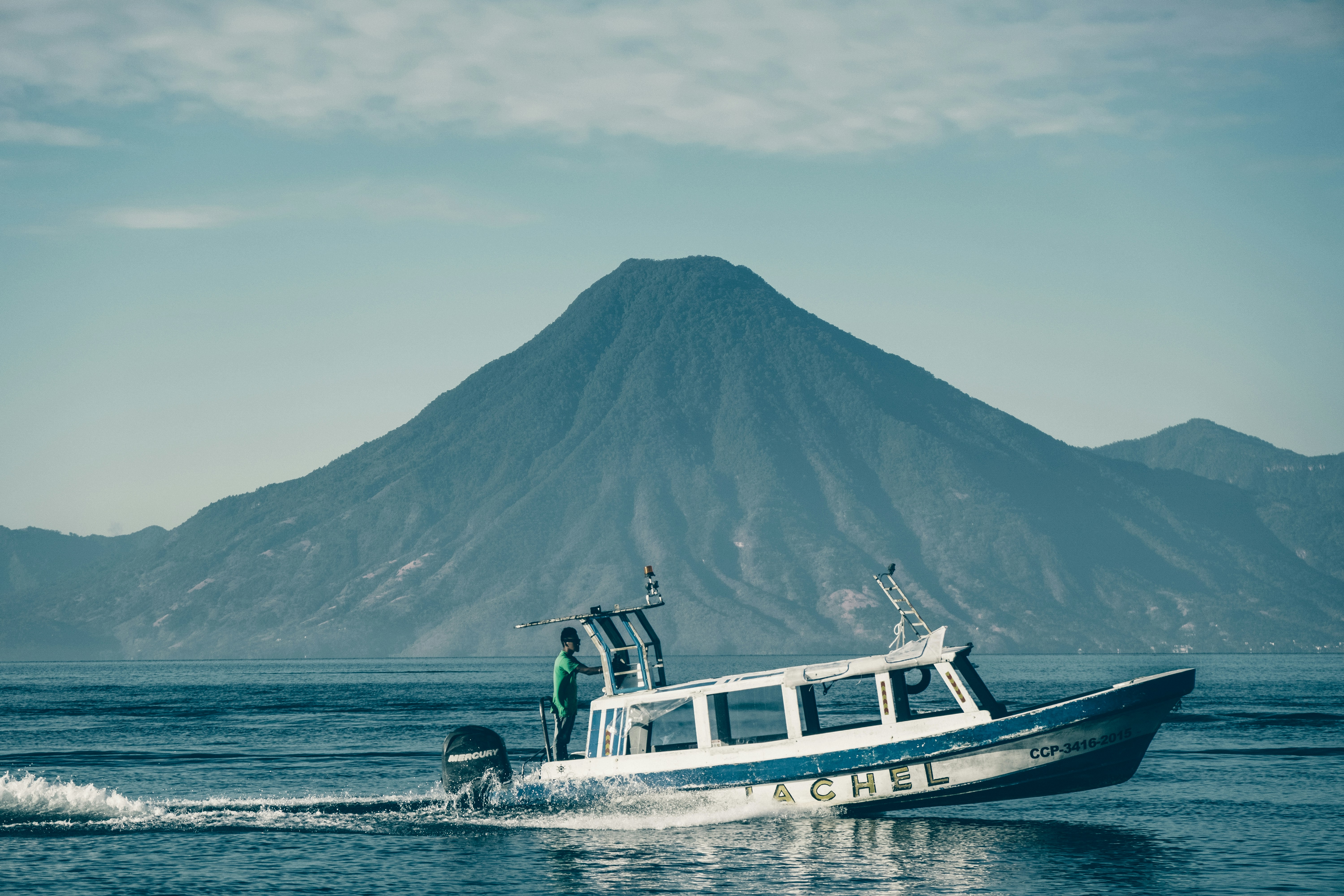
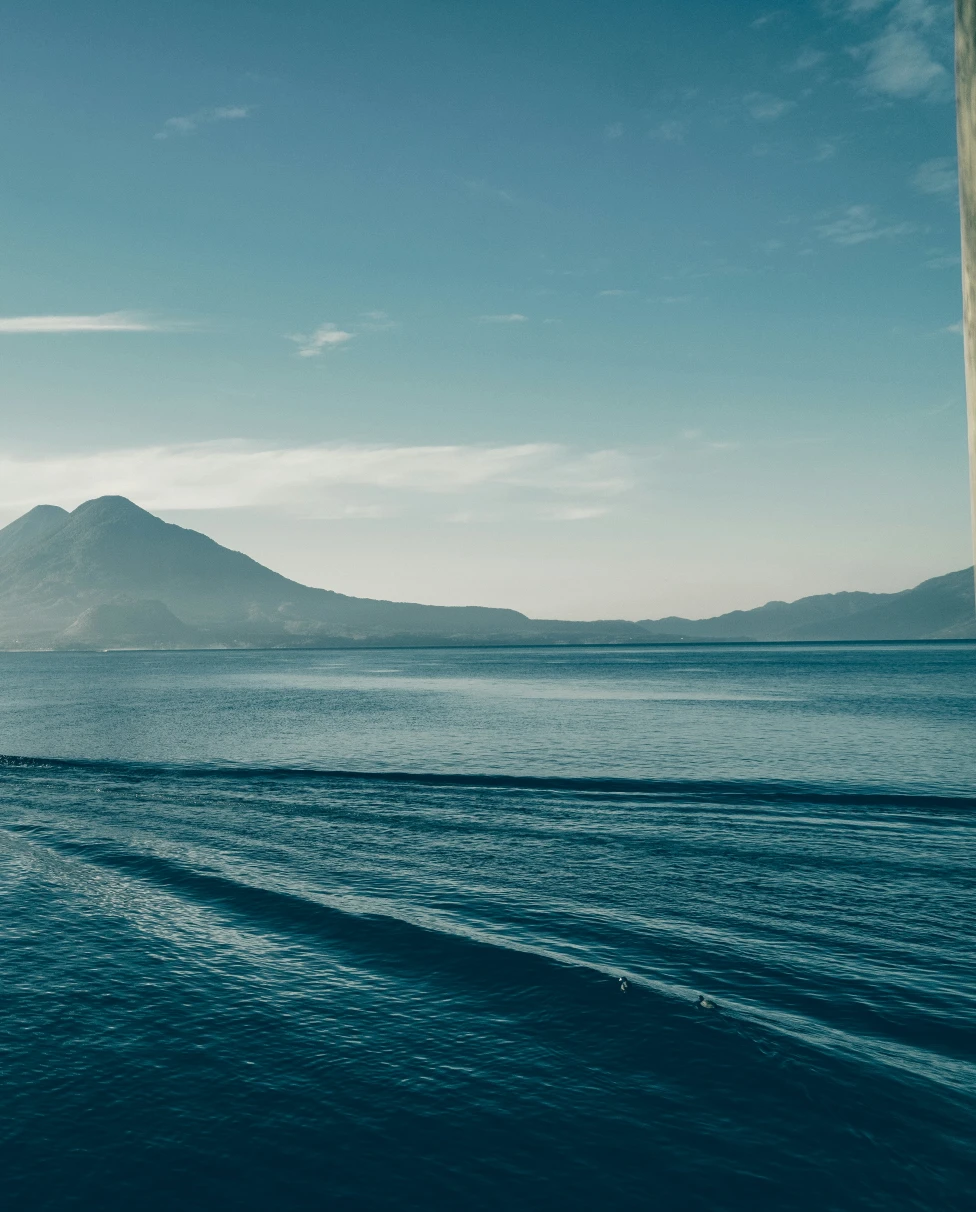
Lake Atitlán, Guatemala
Today, leave Antigua behind and travel by private transfer into the Guatemalan highlands toward Lake Atitlán, one of the most breathtaking landscapes in Central America. The drive itself is part of the experience, passing through mountain roads, villages, and agricultural landscapes before arriving in Panajachel, the lake’s main gateway town.
Enjoy lunch in town before boarding a private boat across the water to your hotel, where the views of the surrounding volcanoes make the arrival feel especially memorable.
Insider tip: keep a light jacket and any essentials with you for the boat ride, as the lake breeze can pick up in the afternoon.
Day 5: Weaving traditions in San Juan La Laguna
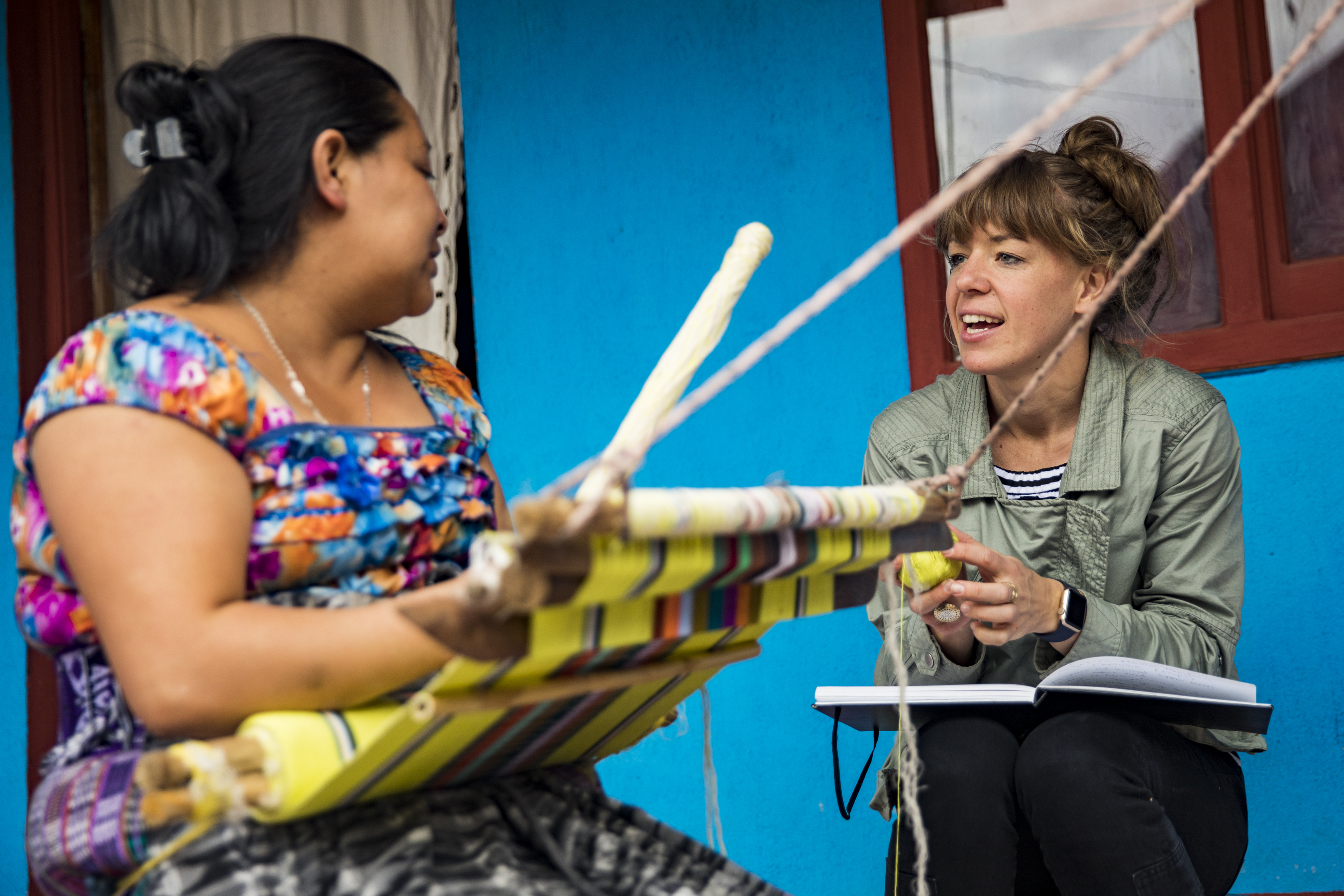
Amanda with partner artisan Amalia, in San Juan La Laguna
Spend the day in San Juan La Laguna, a small lakeside town known for its vibrant creative community, women-led weaving cooperatives, murals, galleries, and strong connection to Maya textile traditions.
Here, take a backstrap loom weaving class, creating your own keepsake while learning about one of Guatemala’s most meaningful and enduring craft practices. Pair the weaving experience with an introduction to the natural dye process, where plants, bark, flowers, and other local materials are used to create the rich colors seen throughout the region’s textiles.
After lunch in town, return to your hotel for a restful afternoon, or enjoy the lake more actively with a swim, kayak, or paddleboard.
Insider tip: bring a small day bag, comfortable walking shoes, and a little extra space in your luggage for textiles you may want to bring home.
Day 6: Private boat day
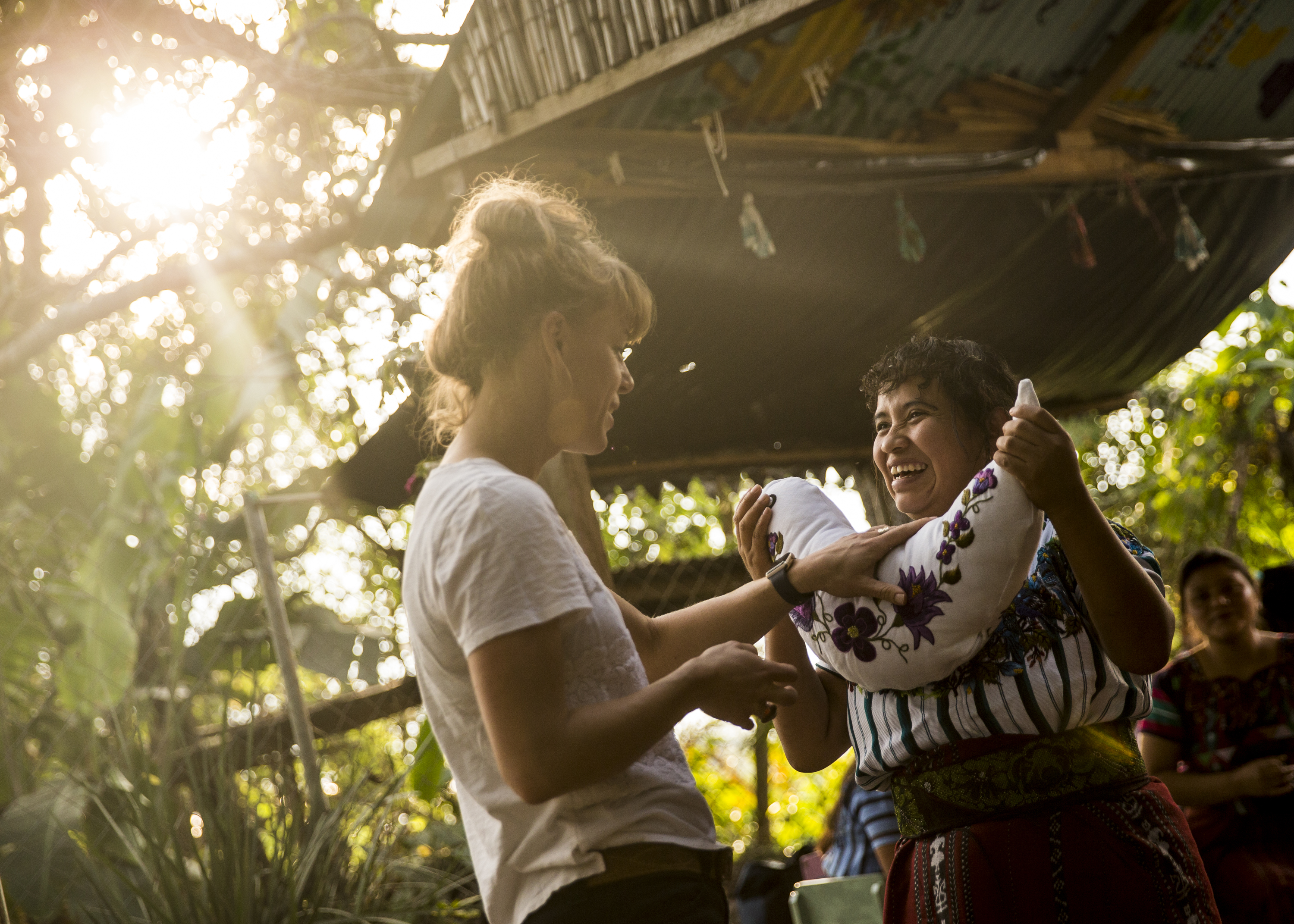
Amanda in Santiago with partner artisans
Spend today exploring more of Lake Atitlán by private boat, visiting one or two of the lakeside villages that each have their own distinct personality, craft traditions, and views of the surrounding volcanoes.
Depending on your interests, this could include time in Santiago Atitlán to learn more about local history and Maya traditions, or a visit to Santa Catarina Palopó or San Antonio Palopó, known for colorful streets, ceramics, textiles, and beautiful lakefront scenery.
Keep the day flexible—the magic of Atitlán comes from slowing down, wandering, talking with local artisans, and leaving space to simply enjoy the lake.
Insider tip: boat rides are usually calmer in the morning, so plan village visits earlier in the day and save the afternoon for relaxing back at your hotel, swimming, reading, or watching the light change over the volcanoes.
Day 7: Farewell to Lake Atitlán
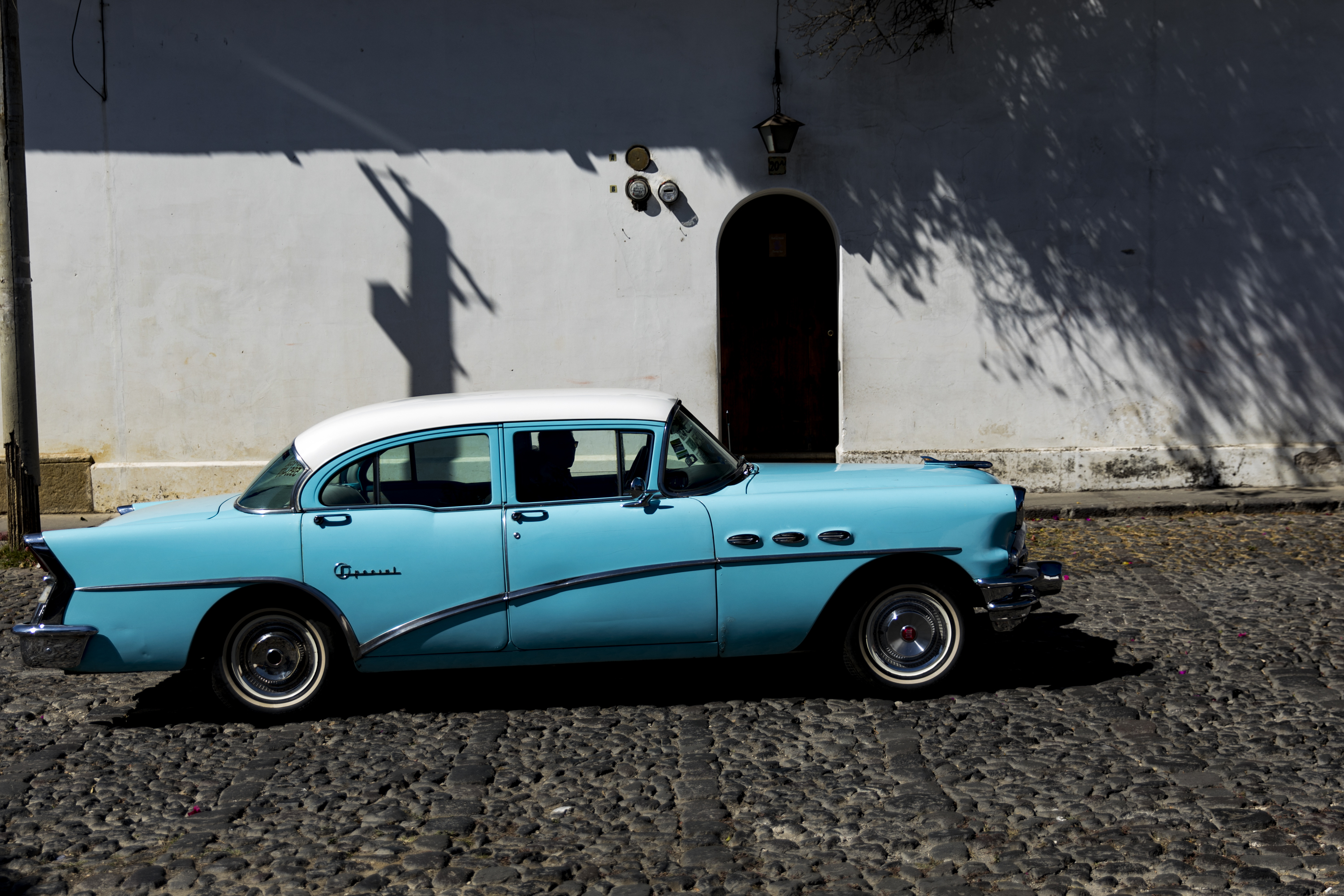
Adios Guate!
Enjoy a final morning on Lake Atitlán before beginning the journey back to Guatemala City by private boat and private vehicle. I recommend keeping the morning simple, with time for breakfast, one last look at the volcano views, and a relaxed departure from your hotel rather than trying to squeeze in too much before travel.
From the lake, your private transfer will take you back through the highlands toward the airport, with timing planned around your flight schedule.
Insider tip: traffic into Guatemala City can be unpredictable, so build in plenty of buffer time—especially for afternoon or evening flights.
Need to know
Best time to travel
Guatemala can be visited year-round, but the best time for this itinerary is generally November through April, during the drier season when skies are clearer and volcano and lake views are often at their best. December through March is especially beautiful, with mild temperatures in Antigua and Lake Atitlán, though it can also be a popular time to travel, so booking hotels and key experiences in advance is recommended. The green season, typically May through October, can also be lovely, with lush landscapes and fewer crowds, but travelers should expect afternoon rain showers and a slightly more flexible pace.
Helpful notes
Travelers should pack layers, as the highlands can feel cool in the mornings and evenings, even when daytime temperatures are warm.
This is also a wonderful destination for meaningful purchases, from naturally dyed textiles to ceramics, coffee, chocolate, and other locally made goods, so leaving a little room in your luggage is always a good idea.
For those especially interested in artisan traditions, I recommend traveling with curiosity and openness—some of the most memorable moments come from slowing down, asking questions, and learning directly from the people who keep these practices alive.


Travel Advisor
Amanda Popp

Amanda Popp

Get in touch with Amanda Popp
Did you like this guide? Reach out to customize and book your own experience. Or, just to chat about travel in general.
For more inspiration and insider recommendations, visit our Guatemala page.