




Curator’s statement
In Slovenia, beekeeping is more than agriculture—it is a cherished cultural tradition deeply tied to national identity and environmental care. The country’s long history of apiculture, highlighted by the native Carniolan honey bee, reflects a deep respect for biodiversity and sustainable rural life. Beekeeping families pass down their knowledge through generations, blending heritage, craftsmanship, and ecological stewardship. This intimate connection between people, land, and bees makes Slovenia’s beekeeping culture truly special and meaningful.
The Fora Difference
Book with Sonya Barbir to access exclusive perks and experiences on your trip.

Killer perks
Free upgrades, spa credits and more—we got you

Personalized recs
Customized travel planning for your style

Insider knowledge
Expert advice from people who’ve actually been there
Where to stay
Unlock perks by contacting Sonya Barbir to book your trip.
Some experiences stay with you not because of what you see, but because of what you slow down enough to notice. My morning in the Soča Valley wasn’t about sightseeing—it was about stepping into Slovenia’s centuries-old beekeeping tradition with a local family whose apiary sits above the emerald ribbon of the Soča Valley.
Slovenia is one of the few countries where beekeeping is woven into the national identity, and the native Carniolan honey bee is protected and celebrated. After suiting up, I stood among rows of brightly painted wooden hive panels—each one telling a folk story, while our host explained how generations have cared for these colonies. The hum was constant but calm, a reminder that this isn’t a tourist performative; it’s a living livelihood.
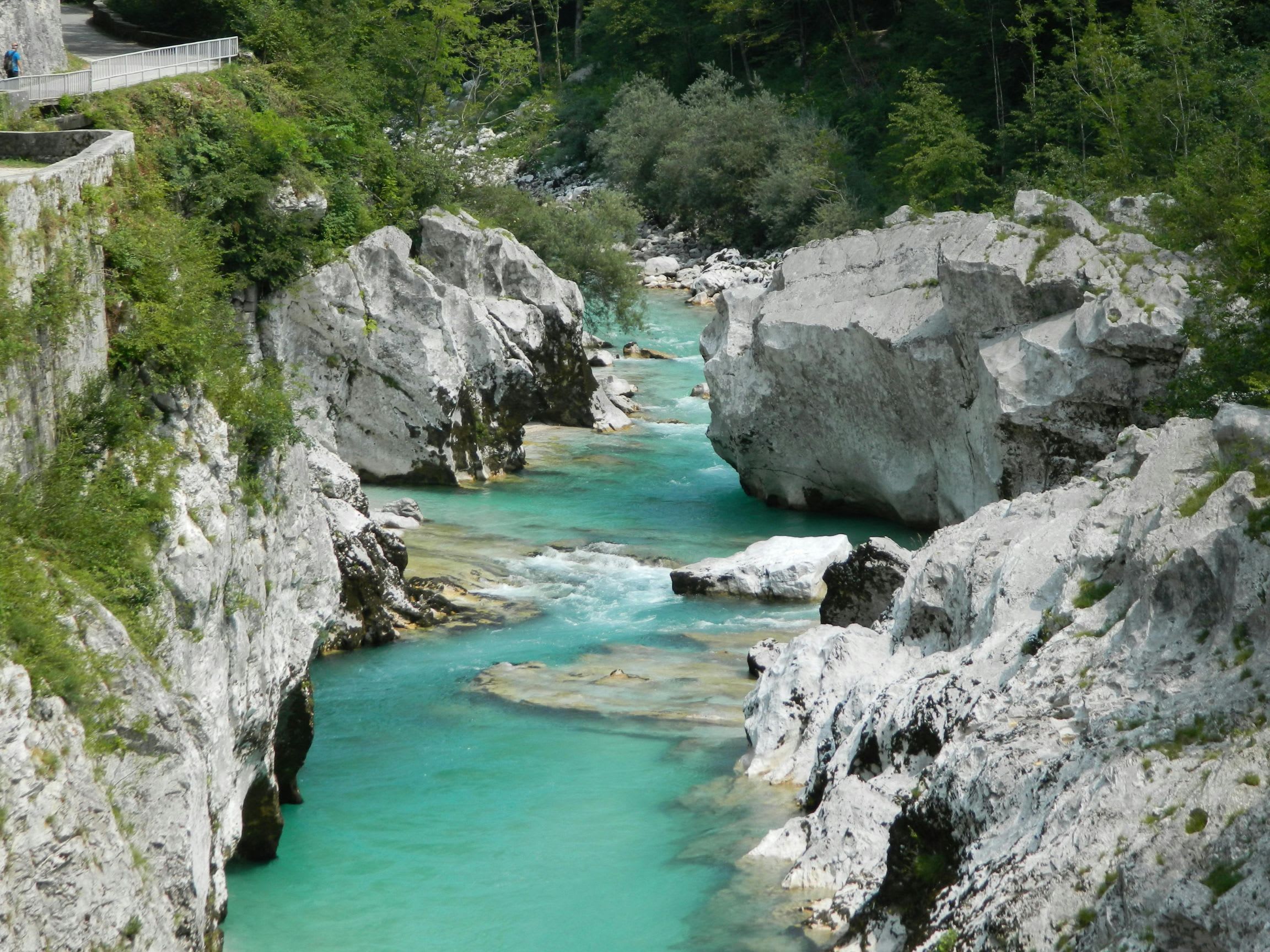
Turquoise Soča Valley
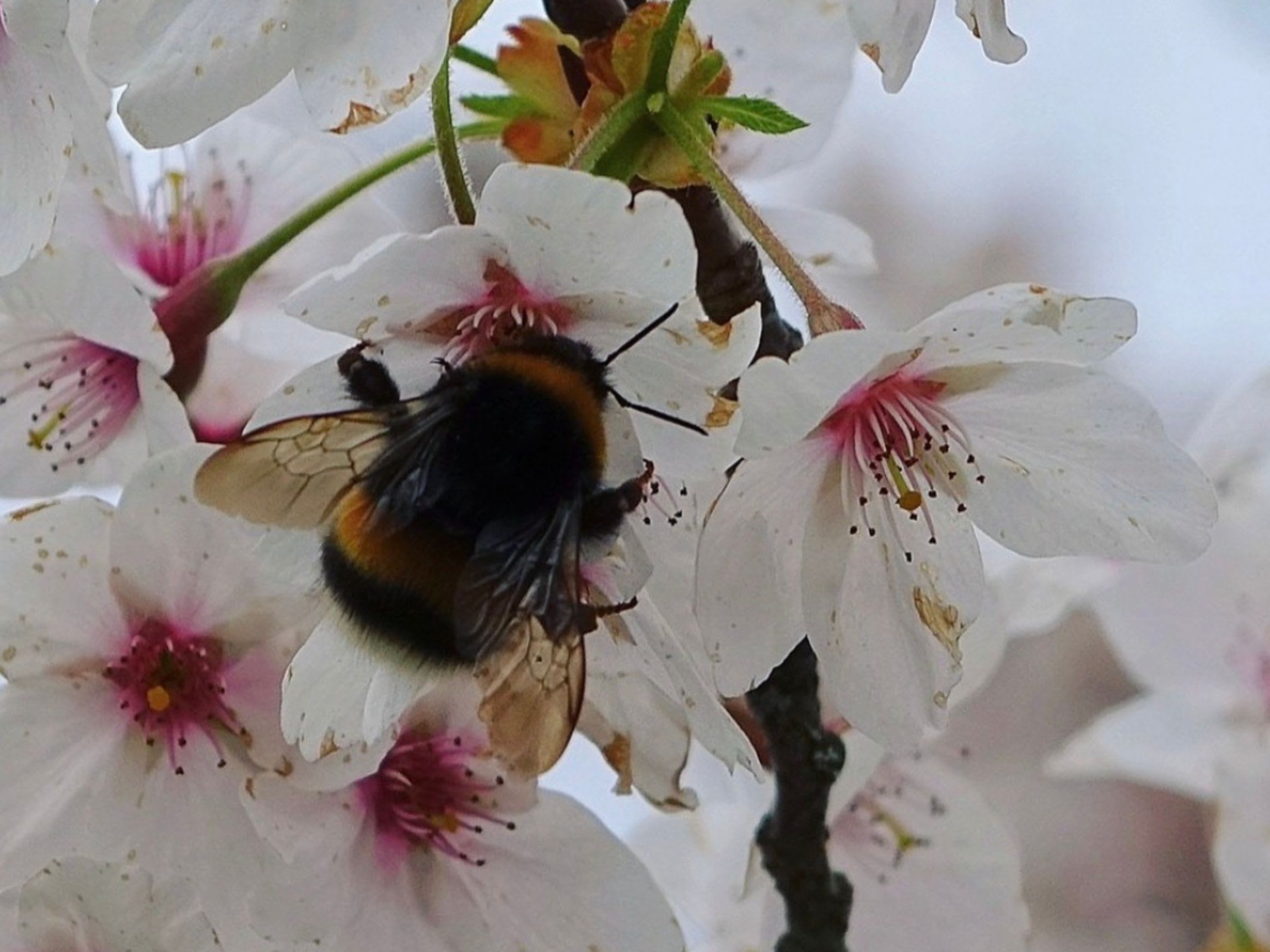
We opened a hive and examined the frames heavy with honeycomb. The scent was warm and floral, distinct from anything store-bought. Later, seated at a rustic wooden table overlooking the alpine peaks, we tasted acacia, chestnut, and wildflower honey, each reflecting a different microclimate. The beekeeper spoke about sustainability, biodiversity, and how Slovenia became the very first country to have World Bee Day on May 20th officially recognized by the United Nations.
This wasn’t a checklist experience. It was an immersion into rhythm, patience, and respect for nature- values that define rural Slovenia more than any landmark.
I recommend this private beekeeping immersion for travelers seeking depth, authenticity, and purposeful travel in Slovenia. It pairs beautifully with an active stay in the Soča Valley—rafting, hiking, or cycling—while adding a thoughtful cultural layer to the itinerary, especially when based at Hotel Boka, set beside the Soča River near Boka waterfall, or Hotel Dobra Vila Bovec, a refined boutique option in the heart of Bovec. Ideal for couples, families with older children, and sustainability-minded travelers, it provides a story-driven experience that feels both intimate and distinctly Slovenian. This is the kind of moment that travelers remember long after returning home.
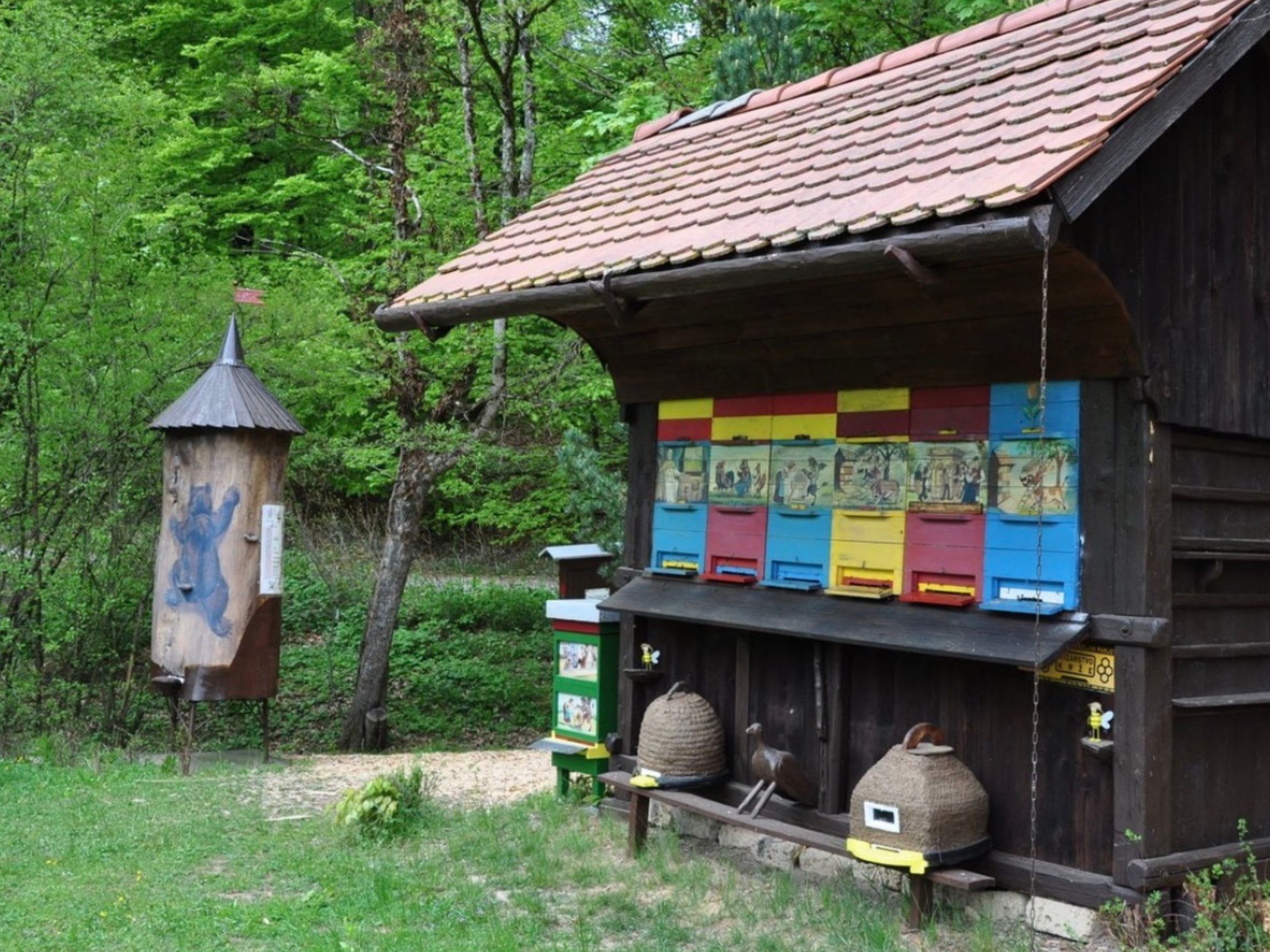
One of many beehive panels
For more inspiration and insider recommendations, visit our Slovenia page.
Need to know
Best scheduled between late spring and early autumn, when hives are most active.
Not recommended for guests with severe bee allergies.
Wear long pants and closed-toe shoes (protective jackets and veils are provided for you).
Morning visits offer calmer bee activity and a softer valley light (cooler temperature).
Consider pairing with a scenic river lunch, alpine picnic, rafting or hiking to round out the experience.


Travel Advisor
Sonya Barbir

Sonya Barbir

Get in touch with Sonya Barbir
Did you like this guide? Reach out to customize and book your own experience. Or, just to chat about travel in general.