




Curator’s statement
Rome is one of those cities where the same hotel can feel completely different depending on where it’s located, which room you book, and how you structure your days. That’s because the perfect stay in Rome isn’t just about a five-star badge. It’s about walkability (not constant transfers), smart room placement, and real value for your travel style. In this guide, I cover the three most common planning mistakes I see with luxury stays in Rome, plus the exact steps to book smarter—with an advisor in your corner.
The Fora Difference
Book with Felipe Miranda to access exclusive perks and experiences on your trip.

Killer perks
Free upgrades, spa credits and more—we got you

Personalized recs
Customized travel planning for your style

Insider knowledge
Expert advice from people who’ve actually been there
Where to stay in Rome
Unlock perks by contacting Felipe Miranda to book your trip.
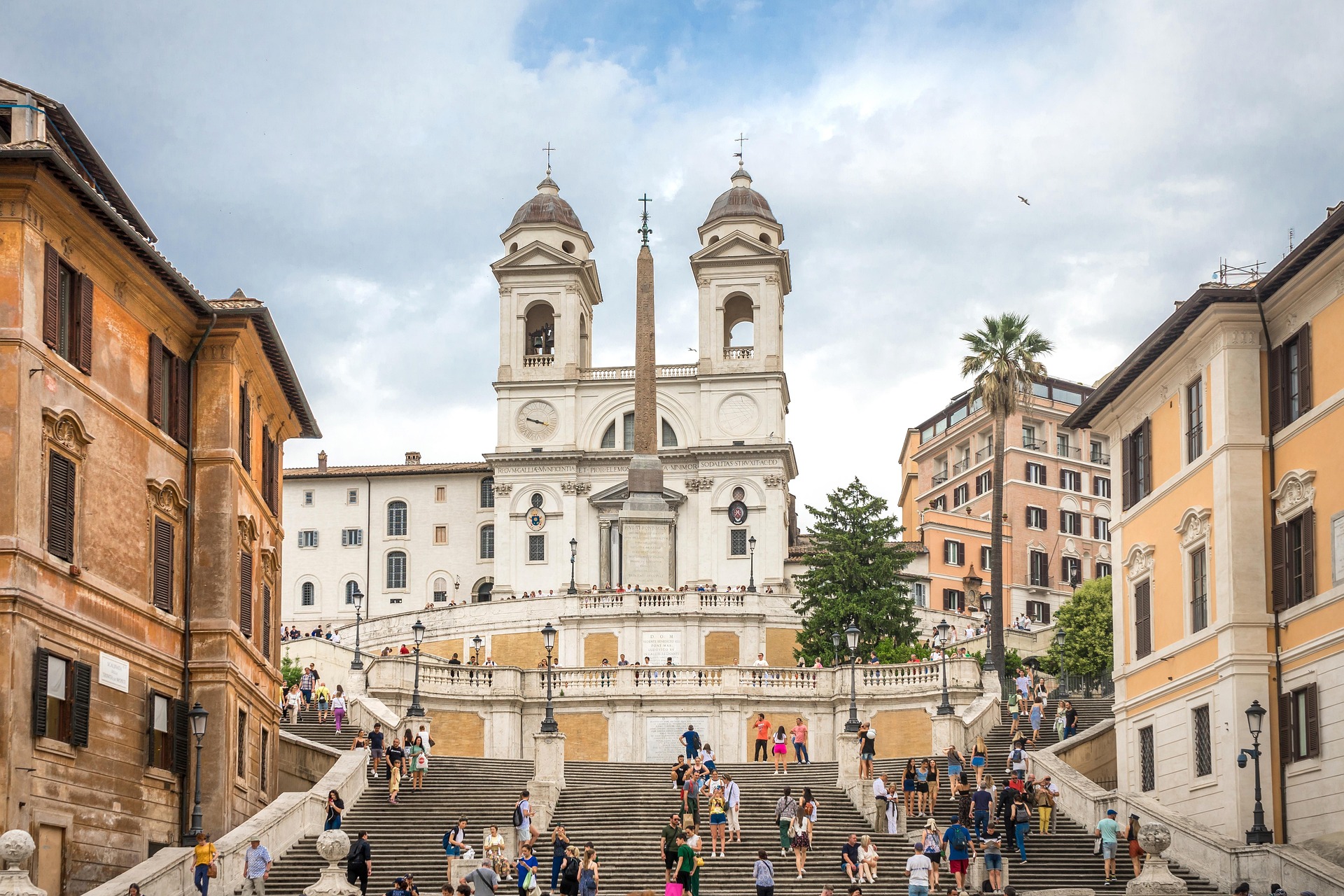
Spanish Steps
Rome’s historic center is dense, beautiful, and busy—and that combination can create surprises. A gorgeous property that sits on a noisy street. “Central” can mean tourist-heavy (amazing for convenience, not always ideal for quiet). A “deal” can hide the least desirable room orientation or view. And two rooms in the same category can vary massively in natural light, layout, and sleep quality.
What makes Rome unique is that so much of the hotel experience is shaped by the city itself. Streets are narrow, buildings are historic, and the most iconic areas stay lively well into the evening. Even at the luxury level, the difference between an effortless stay and a frustrating one often comes down to details you won’t notice on a booking page: what the room faces, how sound carries, whether you’re near a nightlife corridor, or how easy it is to walk back after dinner.
That’s why the “perfect” luxury stay in Rome isn’t just about a five-star badge. It’s about choosing the right base for your daily rhythm, booking the right category for how you travel, and making smart room placement requests that protect your comfort (and your sleep). When you plan with those factors in mind, Rome flows beautifully: more romantic, more walkable, and easier from morning to night.
So if you want a stay that truly feels effortless, you need to plan with the city in mind, not just the hotel photos.
Next, I’ll break down the three mistakes that cost travelers comfort and value and how to avoid them with a Fora Advisor handling the details.
Mistake #1: Choosing the “wrong” neighborhood for your travel style
People often book a luxury hotel because it’s iconic or highly rated but forget to ask: does this area match the way I want to experience Rome?
Why it matters: Rome rewards the right base. Choose the wrong neighborhood for your pace and you’ll pay for it in extra taxi time, constant backtracking, or missed dinners (at that perfect Trattoria!) because you’re too far (or too tired).
How to fix it: Choose based on your “daily rhythm:”
Rome gets dramatically easier when you choose your base around how you travel. Before you look at photos or star ratings, ask yourself three simple questions: Do you want to do most things on foot, or are you fine with short transfers? Do you want lively streets and late dinners nearby, or a quieter place to recharge? And what’s the anchor of your itinerary—iconic sights, food and wine, the Vatican, or a slower, more relaxed pace? Once you answer those questions, picking the right neighborhood (and the right hotel) becomes much more straightforward—and this is exactly where a Fora Advisor helps you avoid expensive trial-and-error.
If it’s your first time in Rome and you want that “postcard” experience with maximum walkability, Centro Storico is hard to beat. A strong luxury option here is Six Senses Rome, right in the historic core, which makes it easy to explore on foot while still feeling like a retreat at the end of the day. The trade-off is that central streets can be busy, so this is where you prioritize quieter room placement whenever possible.
If your idea of Rome includes classic glamour, elegant streets, and quick access to shopping and major sights, the Spanish Steps / Via Condotti area is the natural fit. Hotel Hassler Roma is the icon here, beautifully positioned at the top of the Spanish Steps and minutes from Via Condotti. Because this zone can be high-traffic, the smart move is to request a higher floor.
For peak walkability with a lively, historic atmosphere, Piazza Navona / Pantheon is the “step outside and you’re already in Rome” choice—but it’s also one of the busiest cores, which can mean noise. A great boutique-luxury pick in this orbit is Singer Palace Hotel, close to the Pantheon and Trevi area. In the city center, courtyard-facing rooms (or quieter orientations) are often the easiest way to keep the location without sacrificing sleep.
If you prefer something cooler and more boutique, with a strong food scene and a slightly more local feel, Monti tends to be the sweet spot. Casa Monti fits perfectly for this vibe—design-forward, intimate, and well-positioned for evenings out without feeling stuck in the most tourist-heavy lanes. Some streets can get lively at night, so it’s ideal for travelers who love energy but still want the option of quiet room placement.
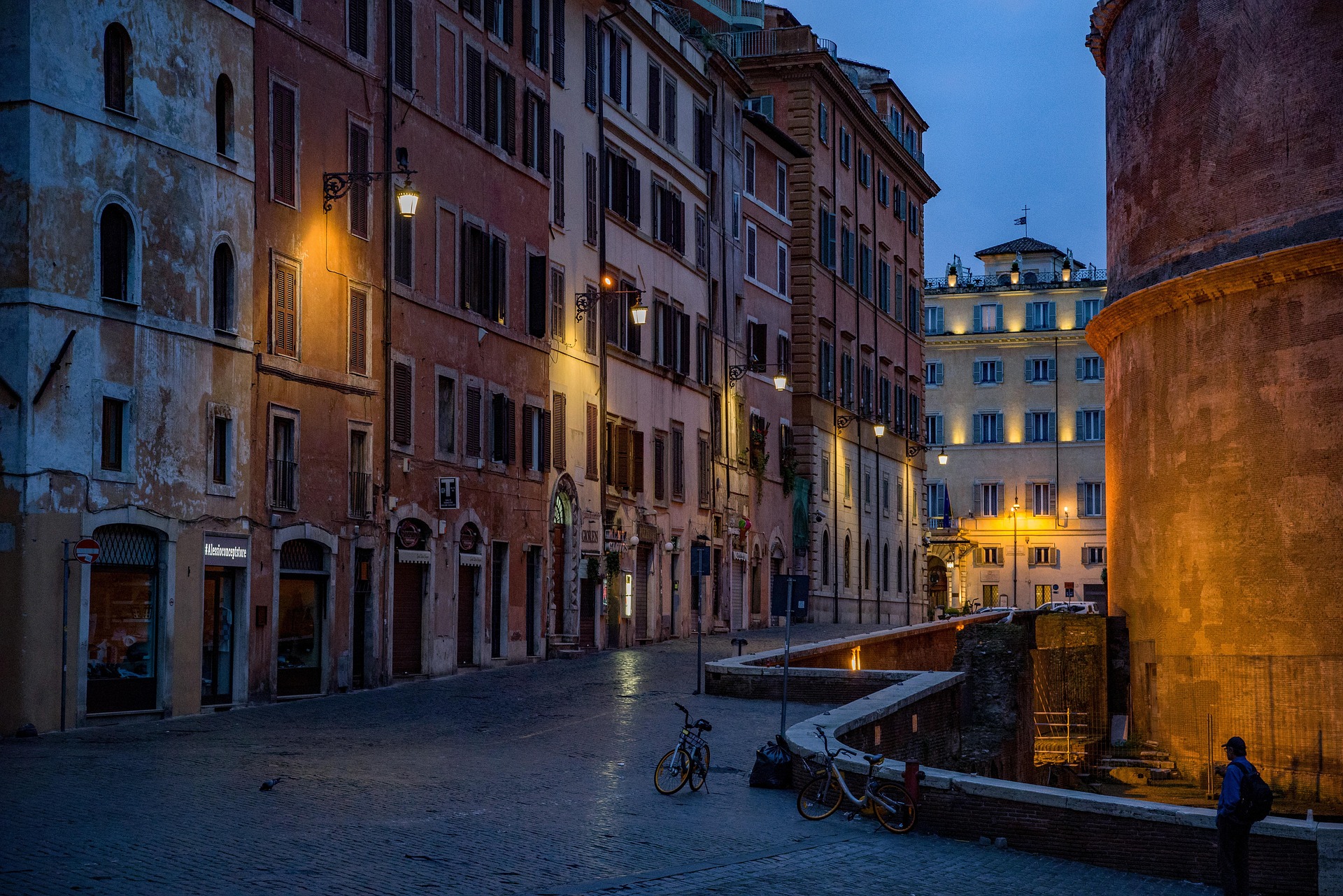
If you want the social, romantic chaos that makes Rome feel alive, Trastevere delivers, especially for late dinners and nightlife. The watch-out is obvious: it can be loud. If you’re choosing Trastevere, I like Villa Agrippina Gran Meliá as a luxury base because it sits close to Trastevere while giving you a more “retreat” feeling when you come back. In this area, your sleep strategy matters: ask for a quiet room and make sure you’re not placed in a high-traffic location inside the hotel.
For travelers who want calmer mornings, clean logistics, and easy access to the Vatican (especially families) Prati is an underrated win. The First Musica is located in the elegant Prati district along the Tiber, which makes it convenient for both the historic center and Vatican-side plans. Prati is less “postcard outside your door,” but it often feels more relaxed, and room placement requests (quiet, away from elevators) still make a meaningful difference.
Finally, if your version of luxury is quieter, greener, and a bit more residential—the kind of stay where the hotel feels like a true reset—staying close to Villa Borghese is a great match. Hotel Eden sits in a quieter pocket near the park, but near Via Veneto and the Spanish Steps, which supports that slower, more refined pace (it’s my all time favorite!)
Bottom line: Pick your neighborhood first, then choose the hotel (your advisor will help you match both with lots of local intel!)
Trastevere
Mistake #2: Chasing a “great deal” and losing what matters
This is the most expensive mistake because it hides in plain sight.
A lower rate can quietly cost you what makes Rome feel luxurious: views and natural light, room size and layout, quiet at night, walking convenience, rooftop access (that “sunset energy”), the overall feeling of ease.
That’s because in Rome, two bookings can both be “luxury”, but one feels magical and the other feels… fine.
How to fix it? Choose your three non-negotiables. Pick the top three:
Quiet nights
Walkability
Rooftop, terrace, view
Room size
Gym and spa access
Family-friendly setup (connecting rooms, sofa bed, elevators)
Then ask a better question than “What’s the cheapest five-star?” Instead, talk to your advisor about which hotel delivers the best experience for my specific trip.
Mistake #3: Not requesting the right room placement
This is the “quiet upgrade” most travelers don’t even realize exists, and in Rome, it can change the entire stay. Two guests can book the same hotel, in the same room category, and walk away with completely different experiences simply because their rooms sit in different parts of the building. One room feels calm, bright, and restorative. The other feels noisy, dark, or oddly placed, and suddenly the hotel doesn’t feel as luxurious as it looked online. This won’t happen on my watch!
Your FORA Travel Advisor will help you with “room placement”. I’m talking about the specific position of your room inside the property. In Rome, that can mean whether you’re on a higher floor or closer to street level, whether your windows face a courtyard or a busy street, and whether you’re tucked away from high-traffic areas like elevators, service corridors, or late-night gathering spots. It can also affect natural light and privacy, and even the perceived “value” of the room, because within the same category, some rooms simply feel better than others.
The good news is that you don’t need a long list of special requests. What works best is choosing one clear priority and communicating it simply to us. If restful sleep matters most, ask for a quiet room away from street noise. If the “Rome feeling” matters most, ask for the best available view within your booked category, ideally on a higher floor. If you want to avoid disrupted nights, request a room away from elevators and service areas. In a city like Rome (where the center is lively and buildings are historic) they can significantly improve your chances of getting the room that makes the whole stay feel effortless.
Need to know
Rome rewards travelers who slow down and let the city unfold at its own pace.
Bring comfortable shoes, since exploring on foot is part of the experience, and be prepared for uneven cobblestone streets.
Reserve major attractions in advance when possible, particularly the Colosseum and Vatican Museums, and keep a light layer on hand for visiting churches with dress codes.
Dining hours tend to run later, and some smaller shops may still close midday.
As in any major city, stay aware of your surroundings in crowded areas and on public transit.
Most importantly, do not over-schedule your days (some of your best moments in Rome should come from wandering into a quiet piazza, lingering over a long lunch, or stopping for gelato between landmarks).
For more travel inspiration and insider recommendations, check out our Rome page.


Travel Advisor
Felipe Miranda

Felipe Miranda

Get in touch with Felipe Miranda
Did you like this guide? Reach out to customize and book your own experience. Or, just to chat about travel in general.