


Curator’s statement
When I first slipped into the hushed light of St. Peter’s Basilica, my breath caught at the echo of centuries coursing through marble pillars, and I felt profoundly humbled and grateful for the gift of witnessing such steadfast devotion. Gazing up at Michelangelo’s frescoed heavens in the Sistine Chapel, reverence washed over me as time seemed to dissolve, offering a transcendent glimpse beyond the bounds of everyday life. Pressing my hand to the cool travertine beneath Bernini’s colonnade, I found deep solace and a living connection to the countless pilgrims whose hopes and prayers still linger in the stone. In that sacred embrace, the Vatican became a mirror for introspection—a quiet harbor where my restless spirit learned that the most transformative journeys unfold within.
The Fora Difference
Book with Lisa Phillips to access exclusive perks and experiences on your trip.

Killer perks
Free upgrades, spa credits and more—we got you

Personalized recs
Customized travel planning for your style

Insider knowledge
Expert advice from people who’ve actually been there
Where to stay in Rome
Unlock perks by contacting Lisa Phillips to book your trip.
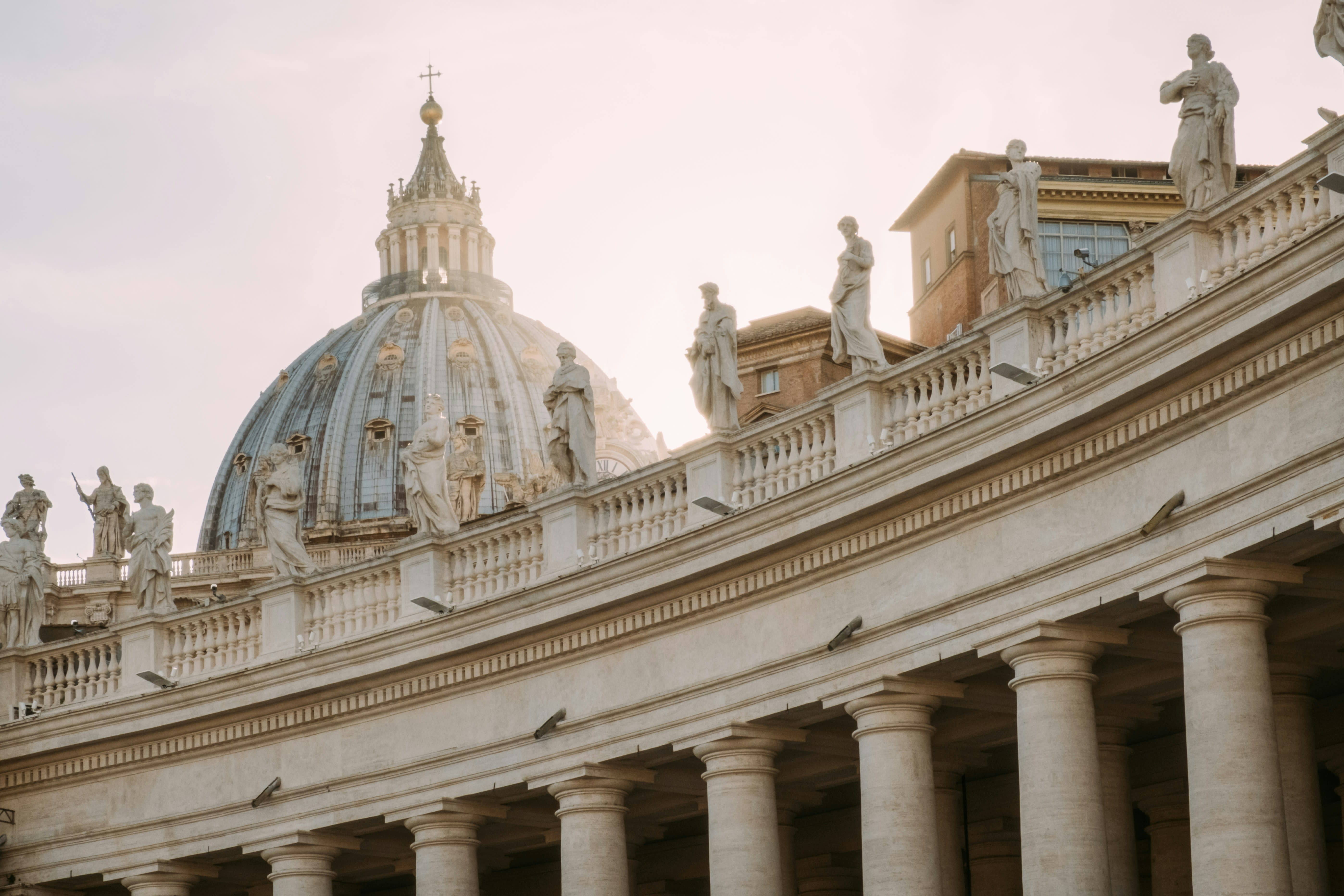
The day begins long before sunrise, when my private VIP guide leads me through the Vatican gates in a predawn hush. A silvery mist clings to Bernini’s colonnade as the first pale light skims each sculpted curve, and the faint perfume of dew-kissed travertine fills the air. With every hushed footstep, I feel the centuries of whispered prayers settling around me, and my heart swells with gratitude for this rare intimacy—a moment to walk the very path where pilgrims have sought solace and divine presence for generations.
Inside St. Peter’s Basilica, warmth pools beneath the soaring vaults, mingling with the soft sweetness of incense wafting through side chapels. I linger before Michelangelo’s Pietà until its alabaster folds glow like living flesh in the golden light, and a deep reverence seeps into my bones. In a quiet corner, I close my eyes, letting the basilica’s gentle rhythm—my own breath, my guide’s hushed footsteps—become a single, tender heartbeat. Here, in that sanctuary of stillness, I discover unexpected refuge for introspection and prayer, as if every silent stone is inviting my restless spirit to rest.
Venturing onward into the Vatican Museums before the public arrives, I drift through corridors lined with timeless marble statues, each one a frozen testament to faith and artistry. In the Raphael Rooms, rosy frescoes bathe my skin in soft warmth, and I watch light dance across every brushstroke. The Gallery of Maps whispers stories of far-flung voyages, and beneath the Sistine Chapel’s painted heavens, I feel myself lifted beyond the ordinary—a fleeting yet profound transcendence that binds me to artists and worshipers across the ages.
By dusk, I return to my suite at the St. Regis, where silk linens and hand-marbled baths cradle my weary soul. From floor-to-ceiling windows, St. Peter’s dome glows softly against Rome’s twilight, a beacon of grace and timeless promise. This destination holds a sacred place in my heart because it was here, in those hushed marble halls, that I first tasted true humility and peace—and found a compass for my own journey of purpose. Every stone, every fresco, every whispered prayer reminds me that the most enduring adventures are those that unfold within, and I carry this lesson with me, illuminating every path I craft for my clients.
Need to know
Tickets & timing
Plan ticket purchase 60 days in advance: Vatican Museums tickets include access to the Sistine Chapel, and the €5 skip-the-line upgrade is worth the extra cost to avoid long waits.
Book specialized tours early: Vatican Gardens tours run April–October and must be reserved via the Vatican Museums website, while Scavi (Necropolis) visits require a 2–6 month advance email application (limited to 250 people per day).
Must-see & must-do
Arrive before opening (9 am) to breeze through the Vatican Museums and immerse yourself in the Raphael Rooms and Gallery of Maps with minimal crowds.
Stand beneath Michelangelo’s Sistine Chapel ceiling in enforced silence—no photography or talking—so you can fully absorb the Genesis frescoes.
Climb the 551-step ascent of St. Peter’s dome (Montes Pietatis) with a separate ticket for a jaw-dropping panorama of St. Peter’s Square and Rome’s skyline.
Hidden gems
Seek out the Niccoline Chapel’s luminous Fra Angelico frescoes and the adjacent Raphael Loggia’s grotesque decorations for a quieter Renaissance encounter.
In the Vatican Pinacoteca, discover fragments of Melozzo da Forlì’s Ascension fresco and the Angel Playing the Lute—a secret masterpiece often missed by standard tours.
Wander the Galleria delle Carte Geografiche (Gallery of Maps) and pause in the Cortile della Pigna (Pinecone Courtyard) to listen for the echo of hidden fountains.
Culture & etiquette
Adhere to the strict dress code: Cover shoulders and knees, and avoid sleeveless tops, shorts, miniskirts, and hats to gain entry to all sites (museums, basilica, chapels).
Observe reverence by keeping voices low, silencing phones, and refraining from eating or casual photography inside chapels and St. Peter’s Basilica.
Logistics & access
Reach the Vatican via Rome Metro Line A (Ottaviano or Cipro stops) or bus 49, allocate 30–45 minutes for security screening, especially during peak season.
Vatican Museums hours: 9 am–6 pm (last entry at 4 pm), St. Peter’s Basilica: 7 am–7 pm. For lighter crowds, schedule your visit either at first light or later in the afternoon, avoiding Mondays and the last Sunday of each month.
Other cultural tips for visitors
Dress with respect: Cover shoulders and knees, remove hats, and avoid low-cut tops or shorts to meet the Vatican’s strict dress code.
Keep voices low and phones silenced, especially inside chapels and the basilica, where many come to pray or reflect.
No photography or videography in the Sistine Chapel—observe the silence and darkness to fully absorb Michelangelo’s frescoes.
Avoid visiting on Sundays (Papal audiences draw crowds) and Mondays (museum closure followed by heavy traffic on adjacent days) whenever possible.
Wait patiently in lines—skipping ahead is considered rude, and staff enforce queue orders strictly.
Use basic Italian courtesies (“Buongiorno,” “Permesso,” “Grazie”) when addressing Swiss Guards, clerics, or museum staff to smooth interactions.
Refrain from touching artwork, sculptures, railings, or display cases—these priceless treasures rely on visitor restraint for preservation.
No eating, drinking, or chewing gum inside sacred spaces—use the museum café or nearby eateries instead.
Wear comfortable, non-slip footwear: marble floors and long galleries demand supportive shoes for your comfort and safety.
Minimize animated gestures in worship areas—quiet reverence aligns with centuries-old traditions of respect.
Fixed prices prevail in Vatican shops and newsstands—bargaining is not customary, so be prepared to pay the posted rates.
Must-see places within the Vatican
St. Peter’s Basilica: Built over the tomb of Saint Peter, this colossal church houses Bernini’s soaring Baldachin and Michelangelo’s Pietà. Its vast nave, chapels, and crypt make it the spiritual and artistic heart of Catholicism.
Sistine Chapel: Renowned for Michelangelo’s ceiling frescoes and The Last Judgment, this chapel enforces silence and prohibits photography so you can absorb its theological drama without distraction.
Vatican Museums: A labyrinth of galleries showcasing the Hellenistic Laocoön Group sculpture, Arnaldo Pomodoro’s modern bronze Sphere Within a Sphere, and the vaulted Gallery of Maps painted in the 16th century.
St. Peter’s Square: Bernini’s colonnade of 284 Doric columns embraces pilgrims around an ancient Egyptian obelisk, offering one of the most photographed vistas in Rome.
Vatican Gardens: Accessible only by guided tour, these terraced gardens hide fountains, sculptures, and panoramic viewpoints that contrast with the crowds in the museums below.
Raphael Rooms: Four interconnected chambers frescoed by Raphael and his workshop, including the iconic School of Athens, depict theology, philosophy, poetry, and law in Renaissance perfection.
Pinacoteca: The Vatican’s picture gallery holds masterpieces by Giotto, Leonardo da Vinci, Caravaggio, and Titian, tracing the evolution of sacred art from the Middle Ages through the Baroque.
Vatican Grottoes: Beneath St. Peter’s Basilica lie chapels and tombs of popes dating back to Constantine’s era, offering a hushed, intimate counterpoint to the grand nave above.
Necropolis of the Via Triumphalis (Scavi): This underground Roman cemetery and early Christian burial site may contain the original location of St. Peter’s tomb—visits require a special reservation months in advance.
Bramante Staircase (Spiral Staircase): The double-helix ramp designed by Giuseppe Momo in 1932 is both an architectural marvel and a popular photo spot, connecting the museum’s levels without crossing paths.
Vatican Mosaic Studio: Tour the working workshop where master artisans restore ancient mosaics and craft new tesserae for ceilings and altarpieces throughout the Vatican complex.
For more inspiration and insider recommendations, visit our Rome page.


Travel Advisor
Lisa Phillips

Lisa Phillips

Get in touch with Lisa Phillips
Did you like this guide? Reach out to customize and book your own experience. Or, just to chat about travel in general.