


A Canadian wilderness trip runs on northern skies, the sound of a river, and a relaxed pace. British Columbia and the Rockies claim the country’s most recognizable landscapes—from glacier-carved peaks of Banff and Jasper to the old-growth rainforests of the Pacific coast—but the wilderness continues far beyond. The Boreal Shield’s forests extend into the central north, the Maritimes trace tidal coastlines, and the Arctic North opens into something vast and elemental.
Properties in the region range from legendary backcountry lodges reachable only by floatplane to well-appointed national park hotels with mountain views. But they share a few elements: slow mornings spent exploring the land, wildlife encountered on its own terms, and a scale that recalibrates the soul.
Every wilderness destination pairs naturally with a major city gateway, making it easy to combine urban culture with time outdoors.
Need to know
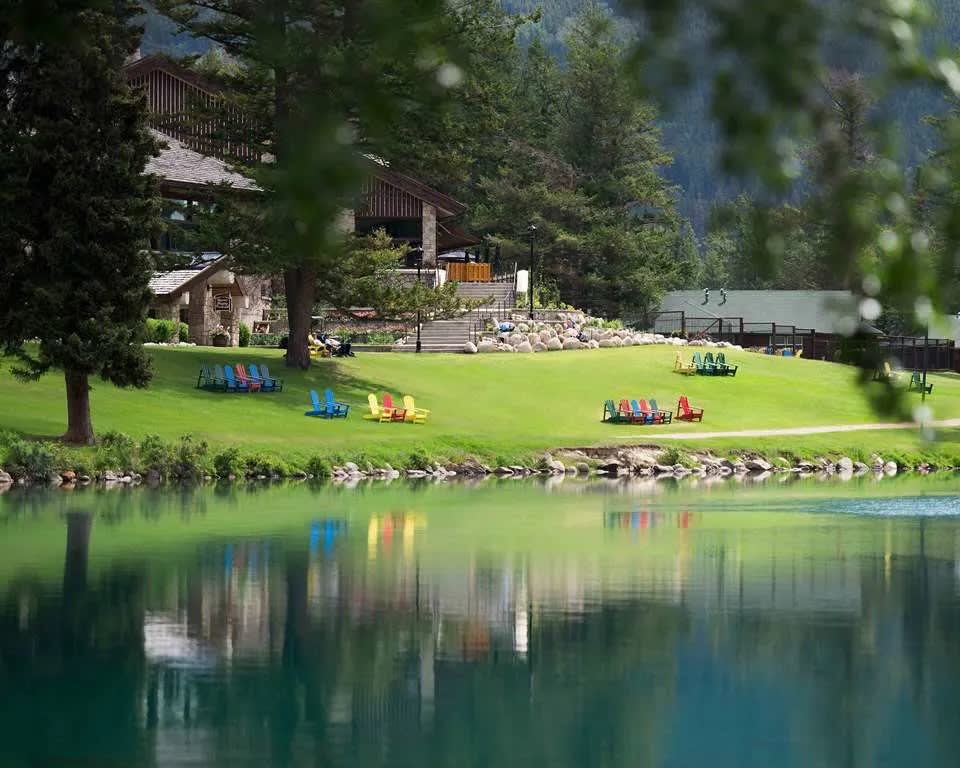
Image courtesy of Fairmont Jasper Park Lodge
Canada’s wilderness is vast and sparsely populated. Knowing a few practical realities before you set out will help ensure a smooth trip.
Currency: Canada uses the Canadian dollar (CAD). Credit and debit cards are accepted nearly everywhere, and tap-to-pay is standard across most hotels, restaurants, and shops. Cash is rarely essential but handy for smaller vendors, farmers’ markets, and remote stops.
Languages: English and French are both official languages. English is predominant across most of the country, while French is the primary language in Québec and parts of New Brunswick. In those latter areas, making an attempt to speak French—however imperfect—is appreciated.
Key phrases (French): bonjour (hello), merci (thank you), s’il vous plaît (please), excusez-moi (excuse me), oui/non (yes/no), je ne parle pas français (I don’t speak French), parlez-vous anglais? (do you speak English?)
Airports: Canada’s main international gateways include Toronto Pearson (YYZ), Vancouver (YVR), Montréal-Trudeau (YUL), and Calgary (YYC). Each is well-connected to cities across North America, Europe, and beyond. Additional regional airports serve less populated cities and towns, with smaller airstrips and floatplanes used for more remote areas.
Transportation: In major cities, public transit, rideshares, and walkability cover the bases well. Getting to national parks and wilderness destinations is a different story. A rental car is almost always the right call, giving you the flexibility the landscape demands. Distances here are significant, so build extra time into any drive between regions and plan accordingly.
Best time to visit: Summer (June–August) is peak season for hiking, paddling, and making the most of long daylight hours. Fall (September–November) brings quieter trails and exceptional foliage, though late October into November can be difficult as facilities begin closing for the season. Winter (December–March) draws skiers and backcountry enthusiasts, while spring (April–May) is ideal for wildlife spotting, but many high-elevation trails remain snow-covered.
Ideal length of stay: Three to four days gives ample time to settle into and explore a national park or wilderness area. Add a couple of days in a nearby city on either end—Vancouver, Calgary, or Québec City, depending on your destination—for a well-rounded trip.
Signature dishes and drinks:
Game meats: From wood-fired bison to slow-braised elk stew, game meats are a staple.
Fish: Try Pacific salmon in British Columbia, pickerel across the Shield, and wild trout in mountain streams—all excellent when smoked, grilled, or pan-seared.
Bannock: A dense, versatile bread that’s baked, fried, or cooked over an open fire, with deep roots in Indigenous communities across the country
Saskatoon berries: Small, sweet-tart berries found along trail edges and cultivated for jams, pies, and sauces
Poutine: French fries, fresh cheese curds, and hot gravy comprise Quebec’'s greatest contribution to the national cuisine
BeaverTails: Fried dough shaped like a beaver’s tail and dusted with cinnamon sugar
Maple syrup: Used on pancakes and salmon, stirred into cocktails, or poured over snow and made into a soft, chewy taffy
Foraged tea: Labrador tea brewed from wild-harvested leaves and used by Indigenous communities across the boreal North for centuries
The Caesar: Invented in Calgary in 1969, Canada’s national cocktail combines vodka, Clamato juice, Worcestershire sauce, hot sauce, and a celery salt rim
What to wear: Canada’s wilderness demands layers that can handle genuine weather—the kind of cold, rain, or wind that changes fast and seeps into your bones. A moisture-wicking base layer, a warm mid-layer, and a waterproof outer shell form a reliable foundation for most seasons and regions. Sturdy, broken-in hiking boots with ankle support are non-negotiable, as are extra pairs of dry socks. A wide-brimmed hat handles both sun and light rain. Evenings at a lodge or basecamp are relaxed and informal, so the fanciest you’ll need to get is fleece, flannel, and a good down jacket.
Travel tips:
Passes: Daily or annual passes are required for entry at most national parks, while separate reservations are needed for camping, hiking, and shuttles.
Weather: Mountain weather, especially in Banff and Lake Louise, is highly unpredictable, whether it’s snow in the winter or afternoon thunderstorms in summer.
Safety: In spring and late fall, trails may have dangerous snow bridges or avalanche risk. Be aware of elk, wolves, bears, and other wildlife as they can pose serious injury risk.
Fire bans: Forest fire danger ratings are updated at any time, so check the Parks Canada or BC Wildfire Service app for updates to avoid steep fines.
Grey water: Washing dishes or filtering soapy water directly into the ground near a lake is prohibited in most backcountry areas, and popular campsites are actively monitored.
Cell service: Be prepared for no reception outside cities. Download offline maps before leaving a town, and consider a GPS device with satellite messaging.
Medication: Come prepared with prescription and OTC meds since gas station convenience stores are often the only supply option outside major towns.
Drinking water: Drinking from glacial streams is not safe, with giardia present in many backcountry sources. Bring bottled water, and pack a filter straw to purify water.
British Columbia
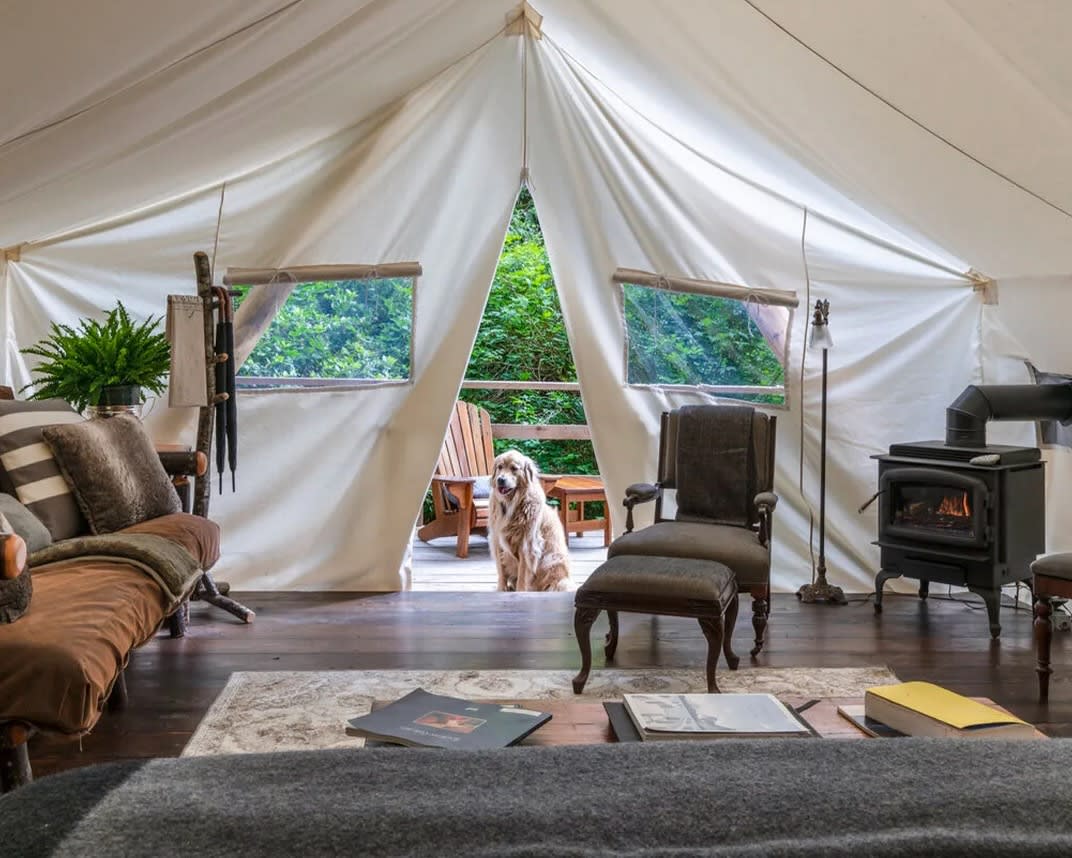
Image courtesy of Clayoquot Wilderness Lodge
British Columbia’s reputation for vast and varied wilderness is well-deserved. Roughly 133 million acres of the province is largely undeveloped, spanning old-growth rainforests, the surf-battered coastline of Pacific Rim National Park Reserve, and the alpine mountains of Whistler. Start with a day or two in Vancouver. From there, the options range considerably—rafting the Tatshenshini-Alsek, watching grizzlies in the Bella Coola Valley, or simply hiking Hudson Bay Mountain at your own pace.
Where to stay
Clayoquot Wilderness Lodge: Reachable only by floatplane or boat, this all-inclusive camp on Vancouver Island’s west coast pairs true seclusion with elevated safari-style tents.
Fora Perks include a $100 helicopter credit, an upgrade, and extended check-in/out whenever possible.
Sonora Resort Canada: A high-end, fly-in or boat-in wilderness resort on its own island, with world-class salmon fishing and a polished experience well-suited for groups and families.
Fora Perks include a complimentary one-hour eco tour, daily breakfast, an upgrade, and extended check-in/out whenever possible.
Nimmo Bay: Helicopter-accessed adventures are a highlight at this intimate fly-in wilderness resort in the Great Bear Rainforest.
Wickaninnish Inn: Overlooking Chesterman Beach, this beloved property is defined by floor-to-ceiling views and a storm-watching season that rivals summer in appeal.
Canadian Rockies
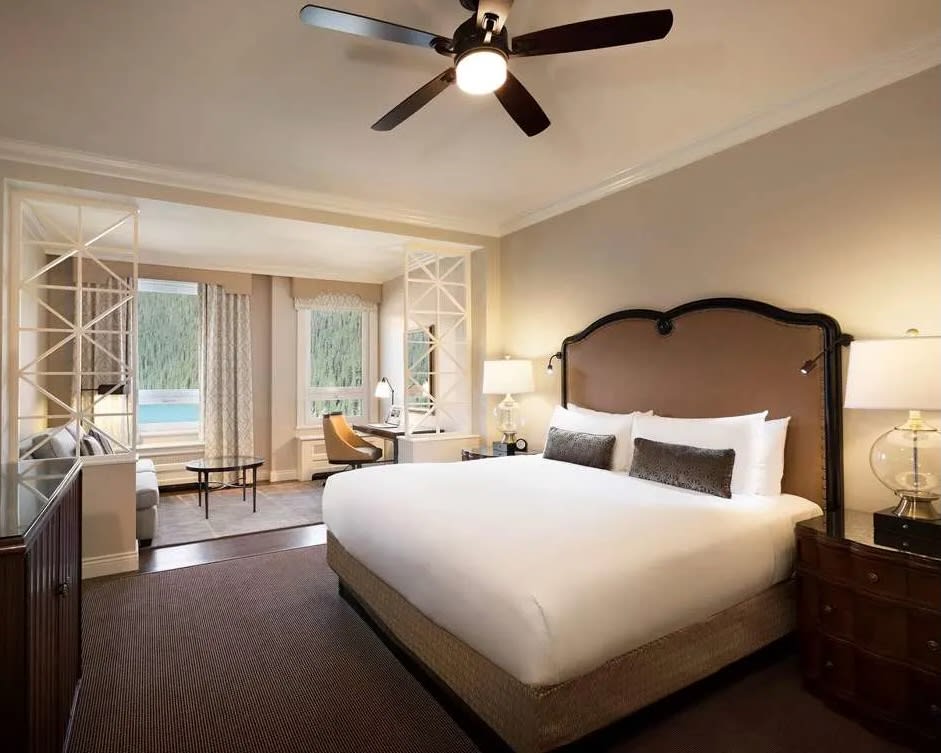
Image courtesy of Fairmont Chateau Lake Louise
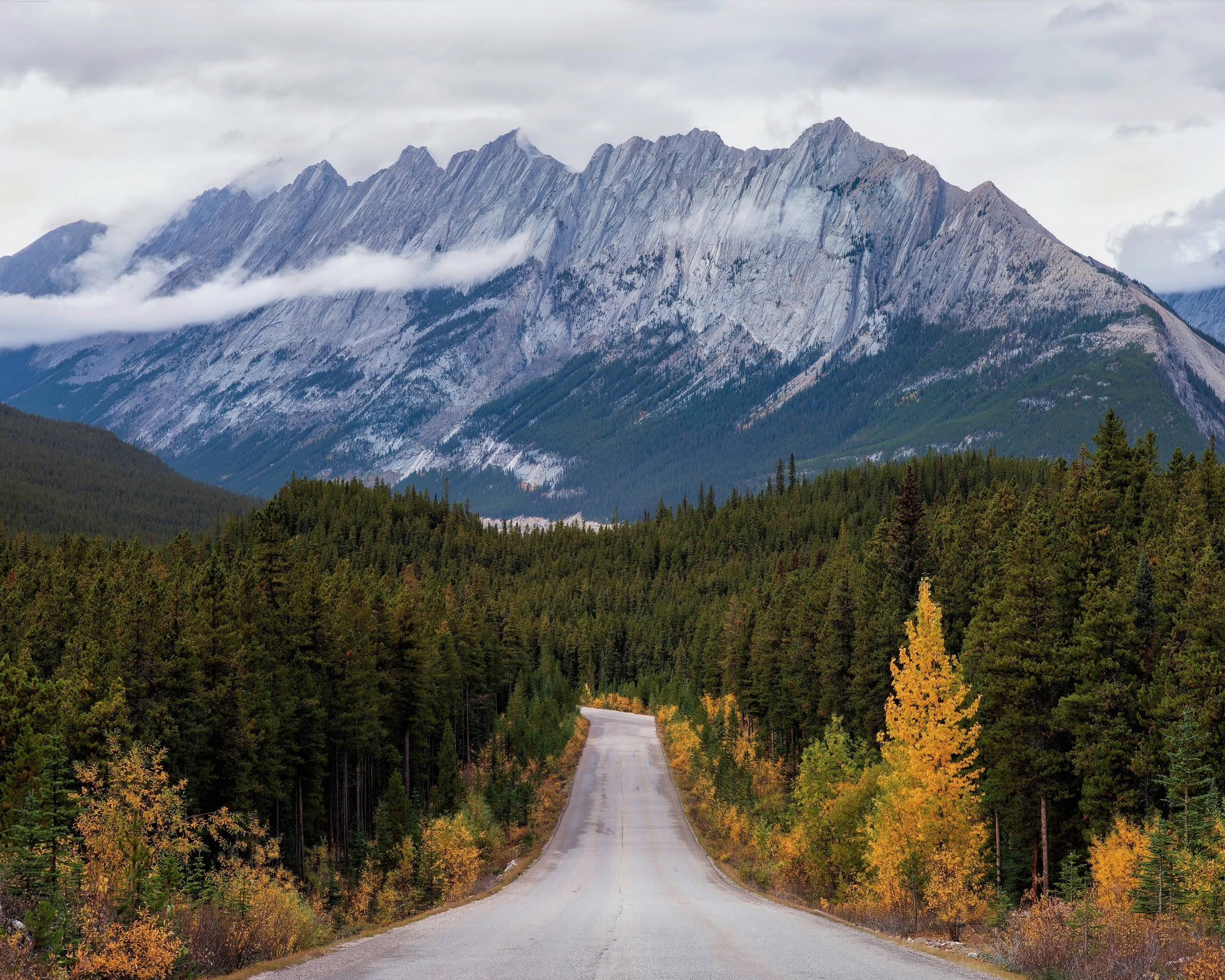
The Canadian Rockies are as dramatic as advertised. The region’s two core cities—Banff and Jasper—are connected by the Icefields Parkway, where one of North America’s most scenic drives passes glaciers and jagged peaks. Moraine Lake and Lake Louise draw crowds eager to see the turquoise waters in person. Jasper adds dark skies and quiet trails, along with Maligne Canyon, plus some of the best stargazing on the continent. Yoho and Kootenay round out the national park circuit with Takakkaw Falls, whitewater rafting on the Kicking Horse River, and a noticeable drop in foot traffic compared to their more famous neighbors. Calgary and Edmonton both serve as practical gateways—worth a day or two each before heading into the mountains. Come for the hiking, the wildlife, and reawakening your senses.
Where to stay
Fairmont Chateau Lake Louise: Overlooking one of the most photographed lakes, this grand alpine hotel gives you early and late access to one of the Rockies’ most iconic settings, when the crowds thin and the light shifts across the water.
Fora’s Accor Preferred partner perks include a $100 hotel credit, daily breakfast, an upgrade, and extended check-in/out whenever possible.
Fairmont Jasper Park Lodge: This low-slung collection of cabins and lodge rooms leans more relaxed than formal. Nature trails, wildlife sightings, and one of the region’s standout golf courses are all right outside your door.
Fora’s Accor Preferred partner perks include a $100 hotel credit, daily breakfast, an upgrade, and extended check-in/out whenever possible.
Fairmont Banff Springs: A castle in the mountains, this landmark property has anchored Banff since 1888 with grand interiors, multiple dining outlets, and a full spa.
Fora’s Accor Preferred partner perks include a $100 hotel credit, daily breakfast, an upgrade, and extended check-in/out whenever possible.
Rimrock Resort Hotel Banff by Accor: Set high above the townsite near Sulphur Mountain, this hotel trades a central location for sweeping views, direct access to Banff’s gondola and hot springs, and a more removed feel.
Fora’s Accor Preferred partner perks include a $100 hotel credit, daily breakfast, an upgrade, and extended check-in/out whenever possible.
Eastern Canada
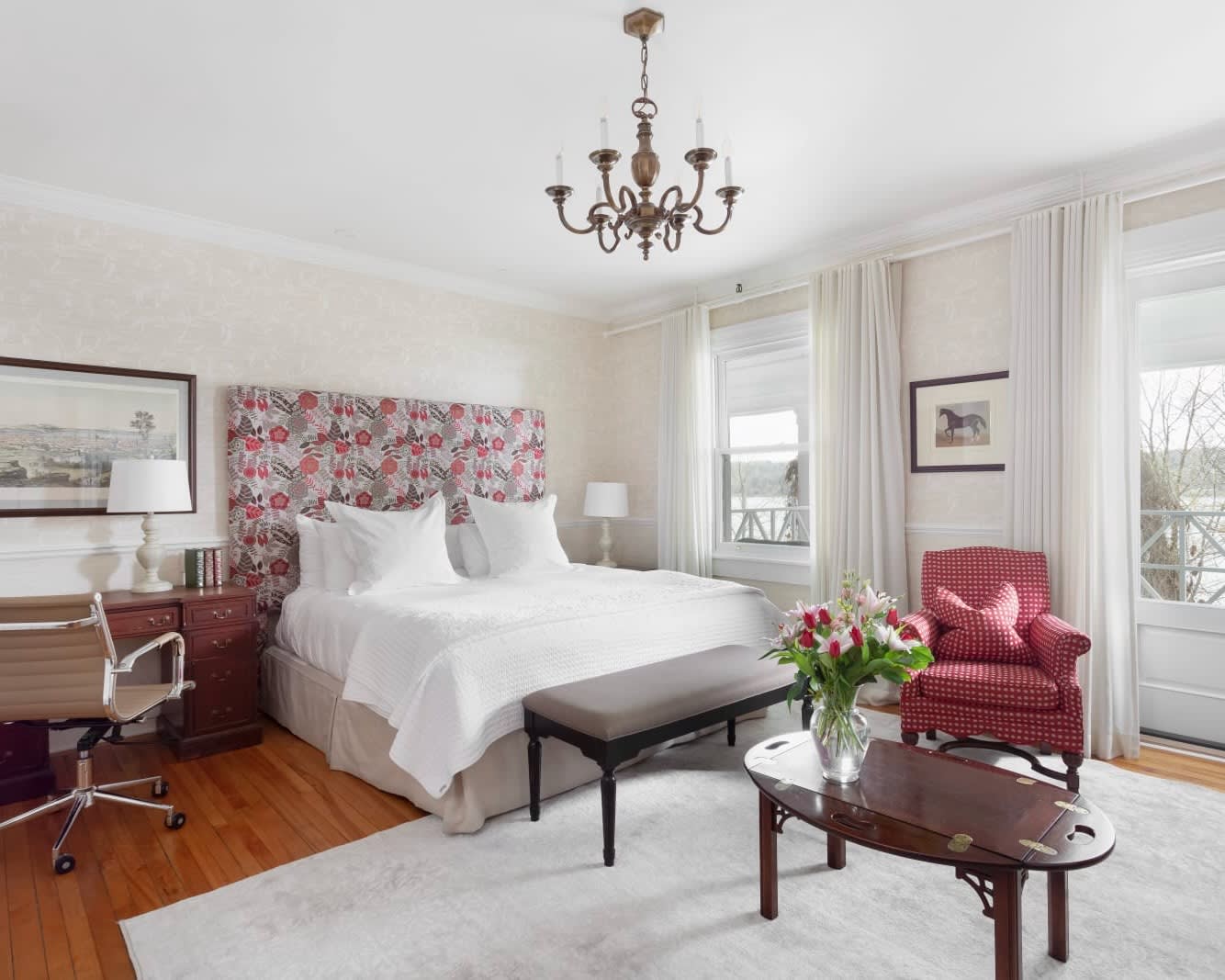
Image courtesy of Manoir Hovey
Compared to its western counterparts, eastern Canada is wilder in some ways, quieter in others, and far less visited than it deserves. The region runs from the Cabot Trail in Nova Scotia to Gros Morne in Newfoundland.
Nova Scotia comes into focus along the Cabot Trail, especially if you give yourself time to pull over, linger, and take a kayak out on the water. Newfoundland and Labrador take more effort to reach and explore, but Gros Morne’s fjords and cliffs justify it. Fewer travelers make it to New Brunswick, Prince Edward Island, and Québec’s wilderness parks, which take on an even slower pace.
Montreal and Québec City make natural bookends to any eastern itinerary, with Halifax and St. John's serving as smaller but deeply characterful gateways along the coast. Fly in, take it easy, and give the area more time than you think you need.
Where to stay
Fogo Island Inn (Newfoundland): This striking, architectural retreat sits on a rocky coastline, and every stay directly supports the local community through the Shorefast Foundation.
Fora Perks include a welcome amenity, daily breakfast, an upgrade, and extended check-in/out whenever possible.
Manoir Hovey (Quebec): On the shores of Lake Massawippi in Québec’s Eastern Townships, this polished Relais & Châteaux manor has a strong culinary program and a setting that leans more countryside retreat than wilderness outpost.
Fora Perks include a $100 food and beverage credit, daily breakfast, an upgrade, and extended check-in/out whenever possible.
Fox Harb'r Resort (Nova Scotia): A championship golf course, private marina, and full slate of amenities make this property on Nova Scotia’s Northumberland Shore especially well-suited to longer, self-contained stays
Fora’s Preferred Platinum partner perks include a $100 hotel credit, welcome amenity, daily breakfast, an upgrade, and extended check-in/out whenever possible.
Algonquin Resort St Andrews by-the-Sea, Autograph Collection (New Brunswick): In the town of St. Andrews, this historic resort overlooking the Bay of Fundy combines classic seaside architecture with a golf course, spa, and easy access to the region’s tidal coastline.
Fora’s Marriott LUMINOUS partner perks include a welcome amenity, daily breakfast, an upgrade, and extended check-in/out whenever possible.
Cruising the Canadian wilderness
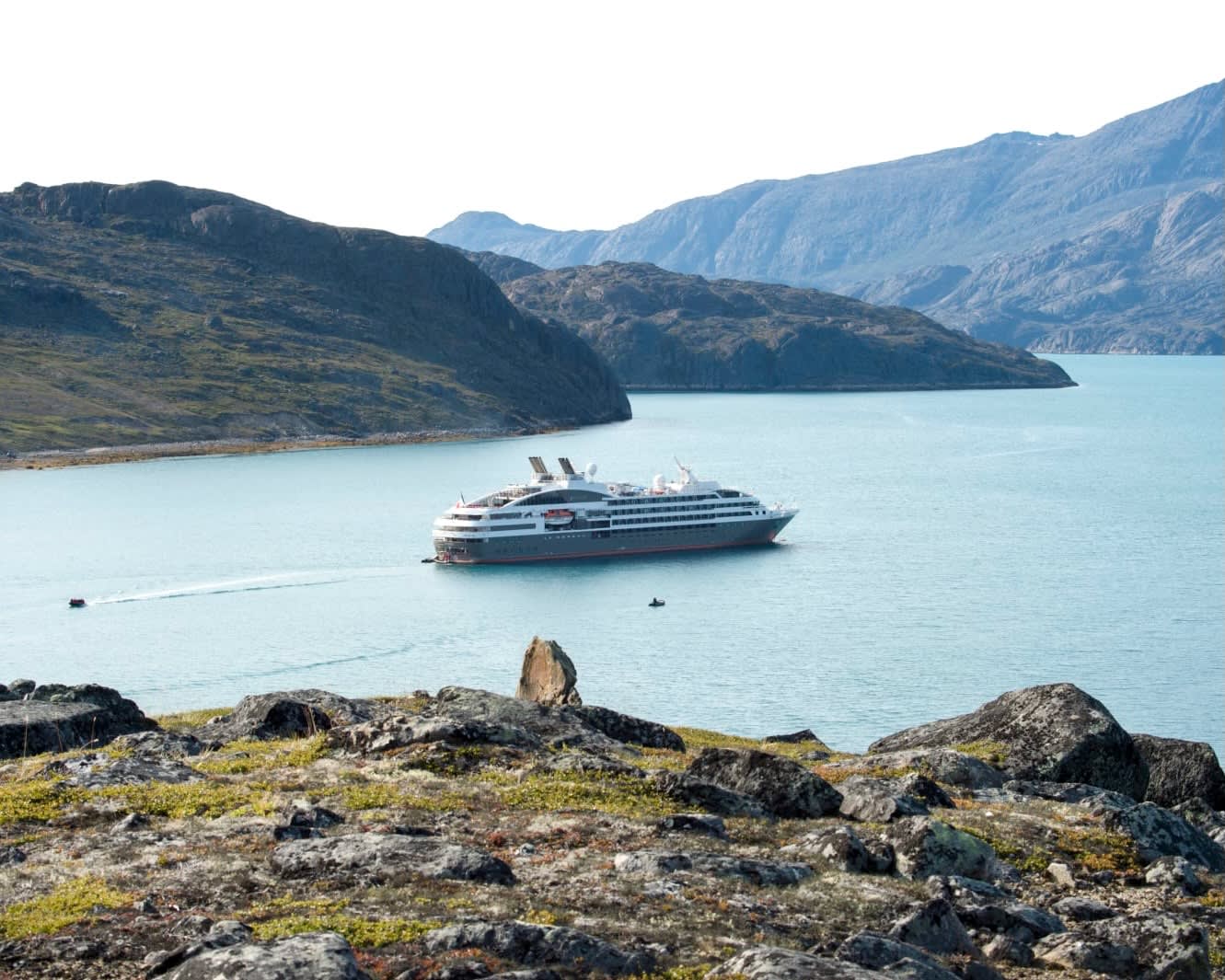
Image courtesy of Ponant
Ships can take you to regions that are otherwise difficult to reach, but timing matters depending on what you hope to see.
Popular itineraries
British Columbia and Inside Passage (7–14 days): Threading the mainland and densely forested islands with whales, grizzlies, and glacier-carved fjords. Sailings run between Vancouver and Alaska from May through September, with June through August delivering the best combination of wildlife activity and stable weather.
Canadian Maritimes and Gulf of St. Lawrence (7–14 days): Routes through Nova Scotia, New Brunswick, Prince Edward Island, and Newfoundland pair dramatic tidal coasts and historic fishing villages with some of the finest fall foliage in the world. Sailings happen from May through October, with September and October delivering peak fall foliage.
Canadian Arctic and Northwest Passage (2–4 weeks): Expedition itineraries through the Northwest Passage. High Arctic regions feature polar bear sightings, Inuit cultural encounters, and ice-edged coastlines that few travelers will ever see. This route has the narrowest window, July through September, since ice conditions dictate itineraries.
Notable cruise lines
Ponant: The French luxury line’s expedition ships sail the Northwest Passage and Canadian Arctic with naturalist-led programming and a low-key onboard experience.
Fora Perks include up to $200 shipboard credit per stateroom.
HX Expeditions: The Norwegian expedition line curates a strong science program centered around purpose-built, ice-class vessels, onboard researchers, and hands-on excursions during routes through the Arctic and Inside Passage..
Fora Perks include a $100 shipboard credit per person on select sailings.
Seabourn Cruise Line: Seabourn’s arctic sailings use ice-classed expedition vessels equipped with submarines, Zodiacs, and a full-service onboard setup with high-touch service.
Fora Perks include up to $250 shipboard credit per person.
Viking Cruises: With a strong and growing presence on the St. Lawrence River, the Great Lakes, and New England ocean routes, Viking appeals to culturally engaged travelers who want a quieter onboard environment and itineraries built around history, culture, and guided shore access.
Fora Perks include up to $200 onboard credit per stateroom on select departures.
Holland America Line: This reliable, well-regarded choice for Inside Passage and the Canada, New England corridor is known for a polished, unhurried onboard experience and shore excursions that include glacier visits, guided wildlife tracking, and cultural tours.
Fora Perks include a $100 shipboard credit per stateroom on select sailings.
UnCruise Adventures: Small-ship, all-inclusive expeditions through the Inside Passage emphasize active exploration—daily kayaking, skiff landings, and time spent close to the water rather than observing from a distance.
Fora Perks include up to $200 shipboard credit per person.
Royal Caribbean: Affordable large-ship Alaska and Inside Passage sailings departing from Vancouver feature a wide range of onboard amenities and excursions that make it a solid all-ages pick.
Fora Perks include a specialty dining experience for balcony cabins and above, plus a spa treatment for Junior Suites and above on select sailings.
History and culture
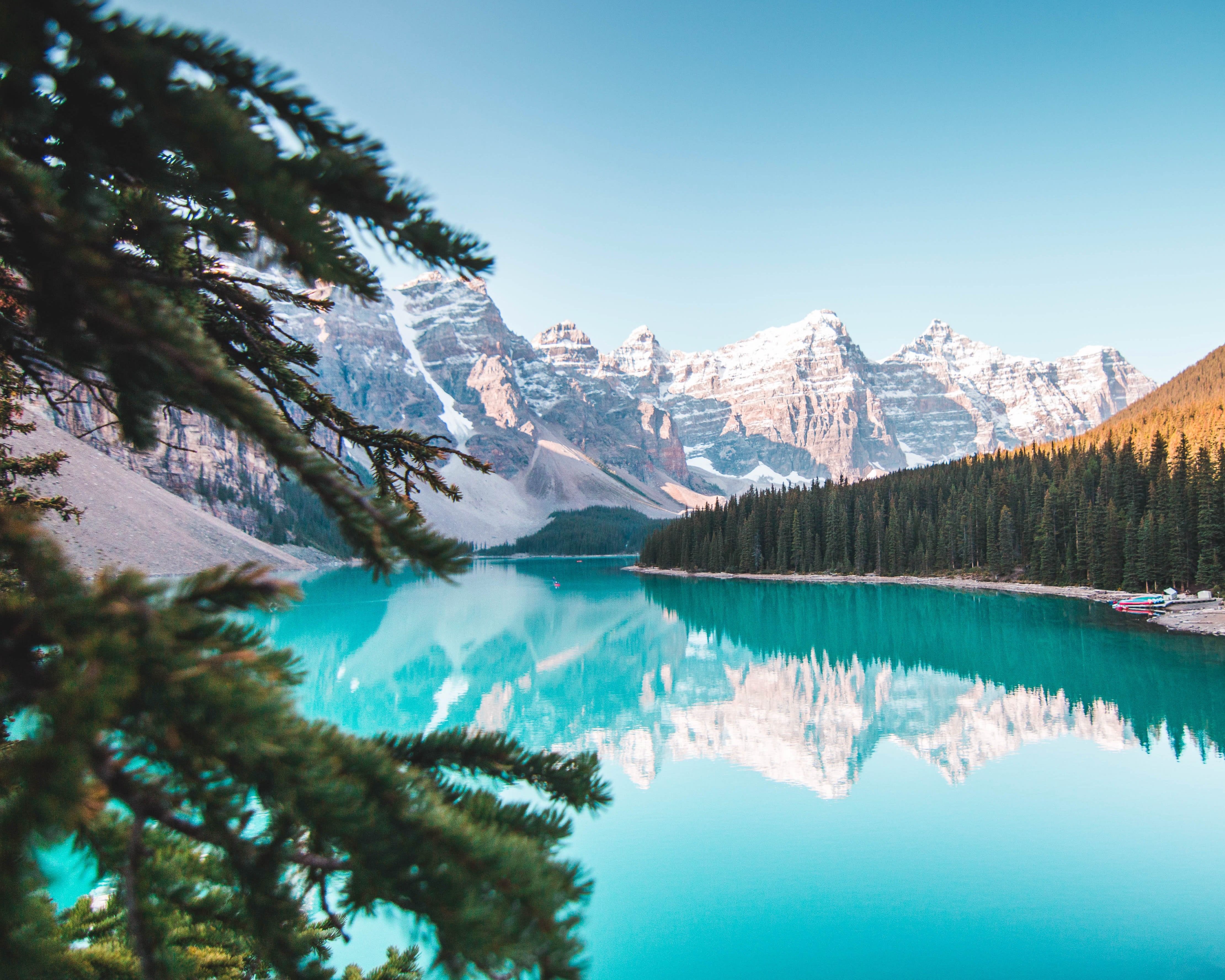
Long before European arrival, Indigenous nations—including the Cree, Anishinaabe, and Blackfoot—developed deep, place-based relationships with these landscapes, shaping the systems of knowledge and stewardship that continue today.
Banff became Canada’s first national park in 1885, followed by Jasper and others that now draw millions of visitors each year. Many of these lands were once governed entirely by Indigenous law, and now there are ongoing efforts toward co-management and land return. What endures is a cultural relationship to landscape defined by scale, seasonality, and a clear understanding that nature here sets the terms. Cultural celebrations and events.
Cultural celebrations and events
Banff Winter Carnival (January–February, Banff National Park): One of Canada’s oldest winter festivals at the Cave and Basin National Historic Site, this event runs alongside the broader SnowDays Festival, with snow sculptures, curling, and ice skating.
National Indigenous Peoples Day (June 21, nationwide): Observed across the country, this day recognizes the cultures, languages, and contributions of First Nations, Inuit, and Métis peoples with ceremonies, performances, and community gatherings.
Canada Day (July 1, nationwide): The country’s birthday is celebrated with particular resonance in and around the national parks—a reminder that Canadian identity is intrinsically connected to the land.
Parks Day (third Saturday of July, nationwide): National, provincial, and territorial parks mark the day with guided hikes, interpretive programming, and free admission.
Acadian Day (August 15, eastern Canada): A celebration of Acadian culture and maritime heritage with music, food, and community gatherings in coastal towns.
Aurora season (fall to winter, Yukon and Northwest Territories): A natural highlight where clear, dark skies create peak conditions for northern lights viewing.
What to do in Canada’s wilderness
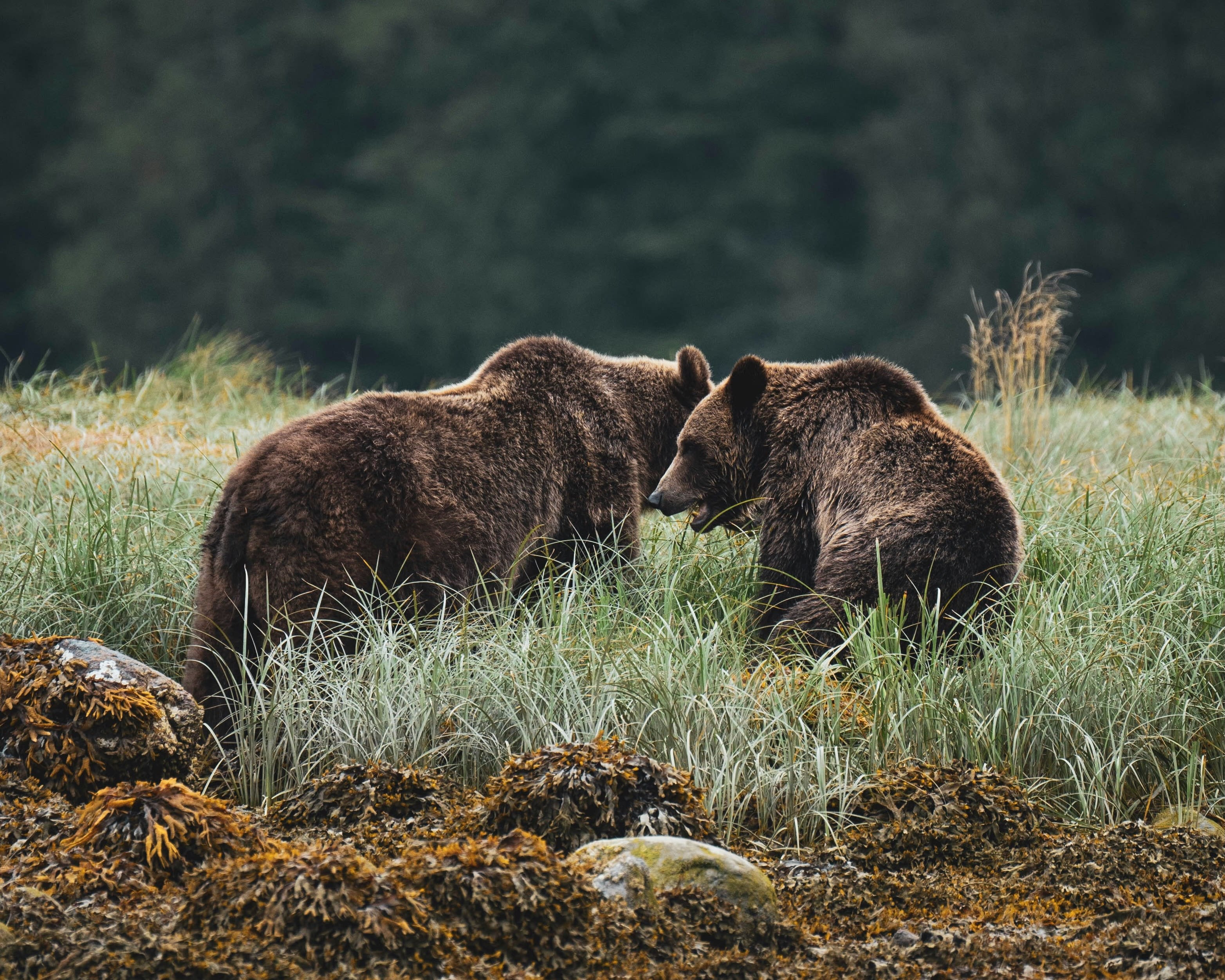
Seek out high-energy pursuits or bask in quieter opportunities to soak up the scenery.
Hiking: From casual lakeside walks to multi-day alpine routes, the trail networks of Banff and Jasper national parks rank among the finest in North America.
Kayaking: Enlist an expert guide to take you paddling along the outer shores of Vancouver Island to see orcas, sea otters, and ancient rainforest.
Whitewater rafting: Rivers across British Columbia and the Yukon offer serious whitewater alongside mellower float trips well-suited to families and first-timers.
Wildlife: Guided excursions can bring you close to grizzlies, moose, and caribou in their element.
Road trips: The 143-mile drive along Icefields Parkway between Jasper and Banff is highly regarded for its scenic glaciers, lakes, and mountain peaks.
Auroras: The Northwest Territories and Yukon offer some of the best aurora viewing in winter.
Skiing: Banff, Whistler, and Mont-Tremblant are the marquee destinations for hitting the slopes.
Fishing: Fly fishing for wild salmon and trout draws anglers all summer, while ice fishing becomes its own quiet ritual when the lakes freeze over.
Trips to add on
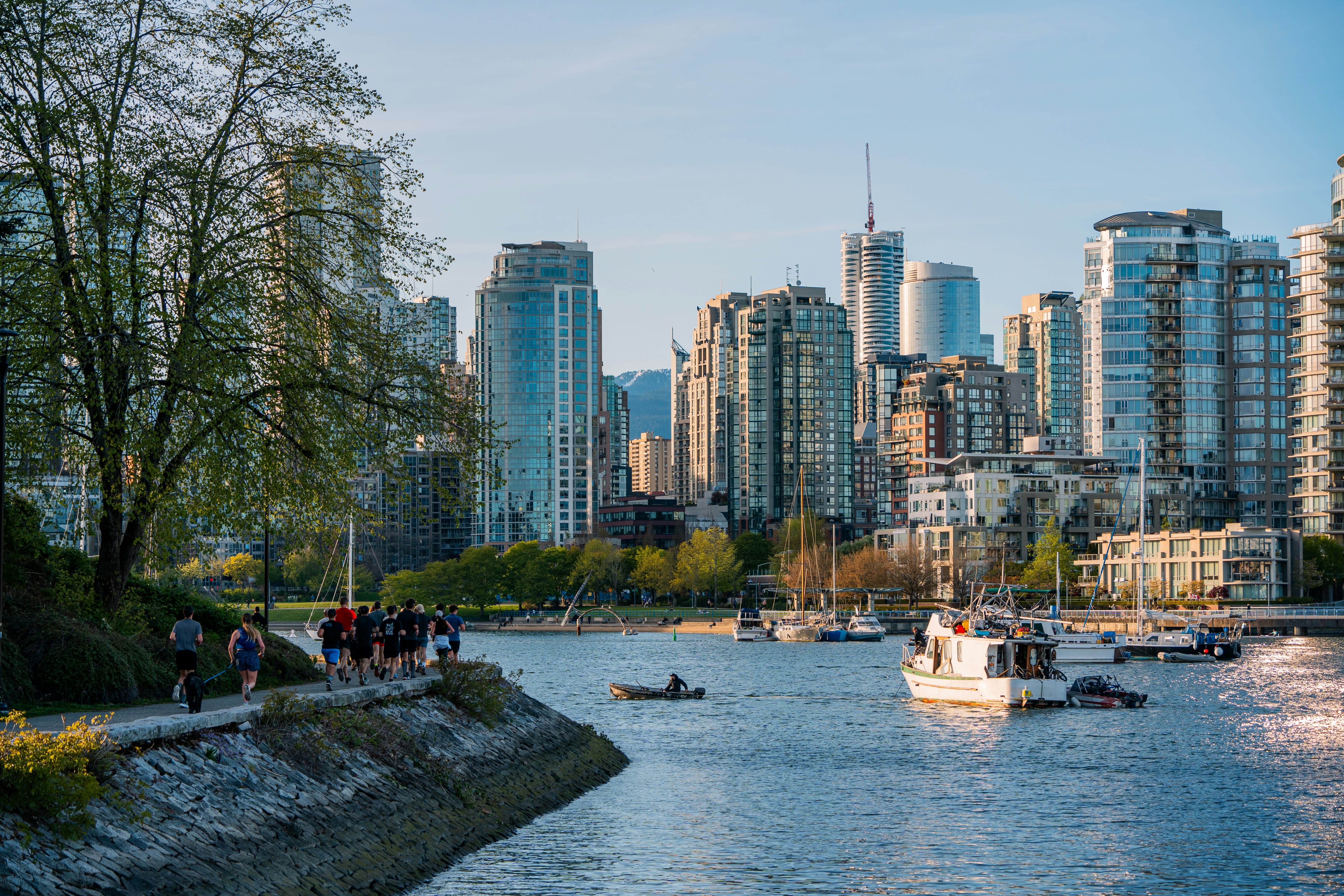
Canada’s cities serve as vibrant foils to the country’s wild backcountry.
Vancouver: Mountains rise directly behind the skyline, and neighborhoods like Gastown and Kitsilano give it a distinct creative energy.
Calgary: A natural gateway to the Canadian Rockies, the Stampede City warrants a visit for its strong, fast-evolving food scene, compact downtown, and lingering ranching culture that still shapes the city’s identity.
Quebec City: A UNESCO-listed Old Town of fortified walls, cobblestone lanes, and French-speaking locals who take their food and their history seriously give this eastern citya European flair.
Montreal: The bilingual, architecturally layered city stands out for its world-class food scene, markets, festival calendar, and an Underground City that links much of downtown and proves especially useful in the winter.
Ottawa: Canada’s capital is anchored by major national museums, the Rideau Canal—used for boating in summer and skating in winter—and the ByWard Market, one of the city’s most active districts.
Toronto: One of the most diverse cities in North America, Toronto stands out for its hyper-local food scene—regional Chinese, Caribbean, and South Asian cuisines, to name a few—as well as major national museums and a bustling waterfront.
If not Canada’s wilderness…
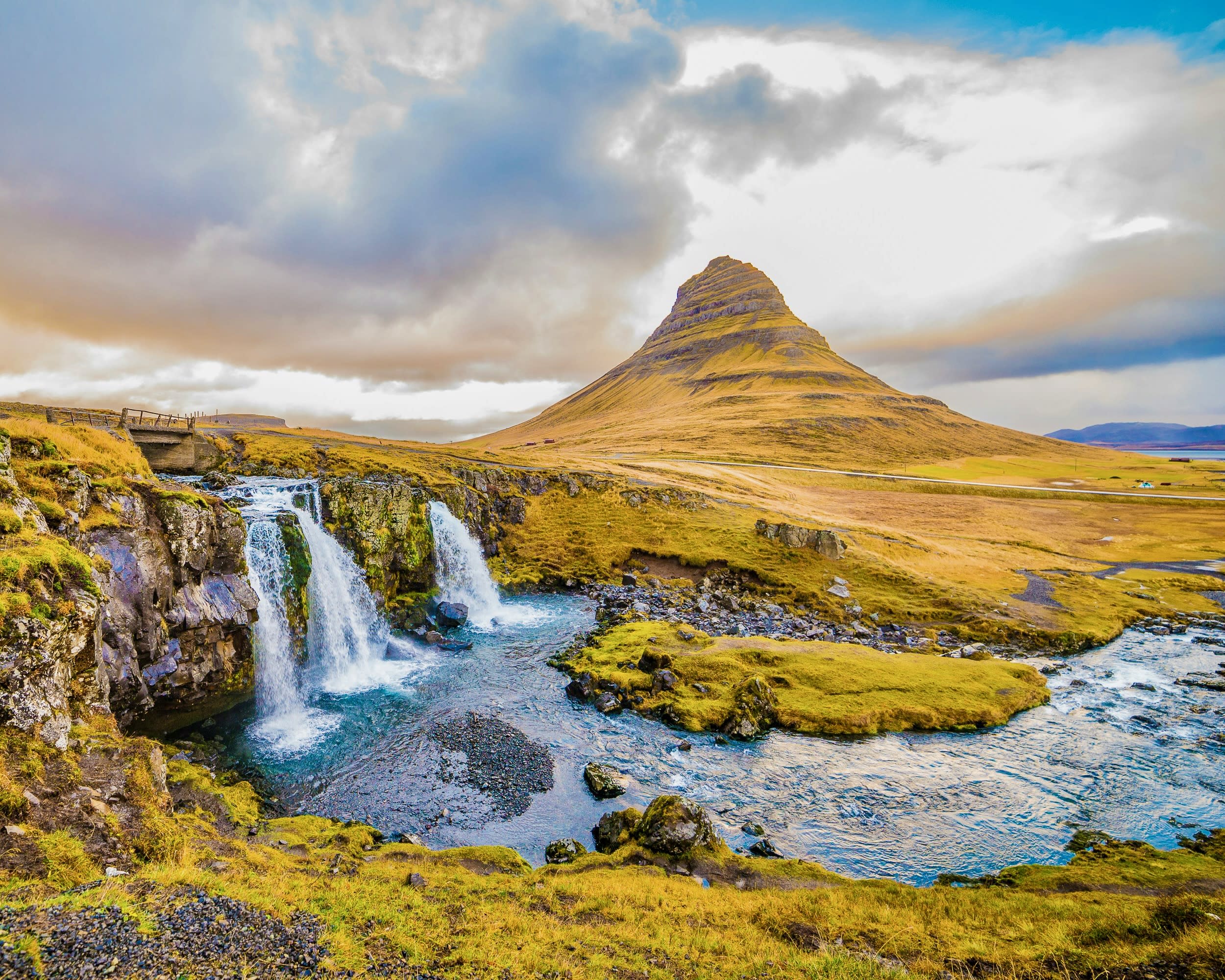
If you’re drawn to Canada for its scale and access to the outdoors, these destinations offer a comparable experience with a different lens.
Alaska.: The most geographically immediate alternative, Alaska delivers glaciers, grizzlies, and fjords on a scale that rivals Canada's own north.
U.S. National Parks: More accessible but no less dramatic, from Yellowstone's geothermal strangeness, to Utah’s canyon country, and dude ranches across the big sky of Montana.
Iceland: The scale is smaller, but the intensity is comparable—active volcanoes, black sand beaches, and the Northern Lights, all within a few hours of each other.
Patagonia, Chile and Argentina: The southern tip of South America, where the Andes dissolve into the Southern Ocean with granite towers, turquoise lakes, and wind-worn trails.
New Zealand: Two islands of extraordinary geographic variety—fjords, glaciers, and geothermal valleys—all underpinned by Māori cultural heritage.
Antarctica: Encounter raw nature in the form of penguin colonies, calving glaciers, and icy seas for a journey that recalibrates our own sense of scale.