


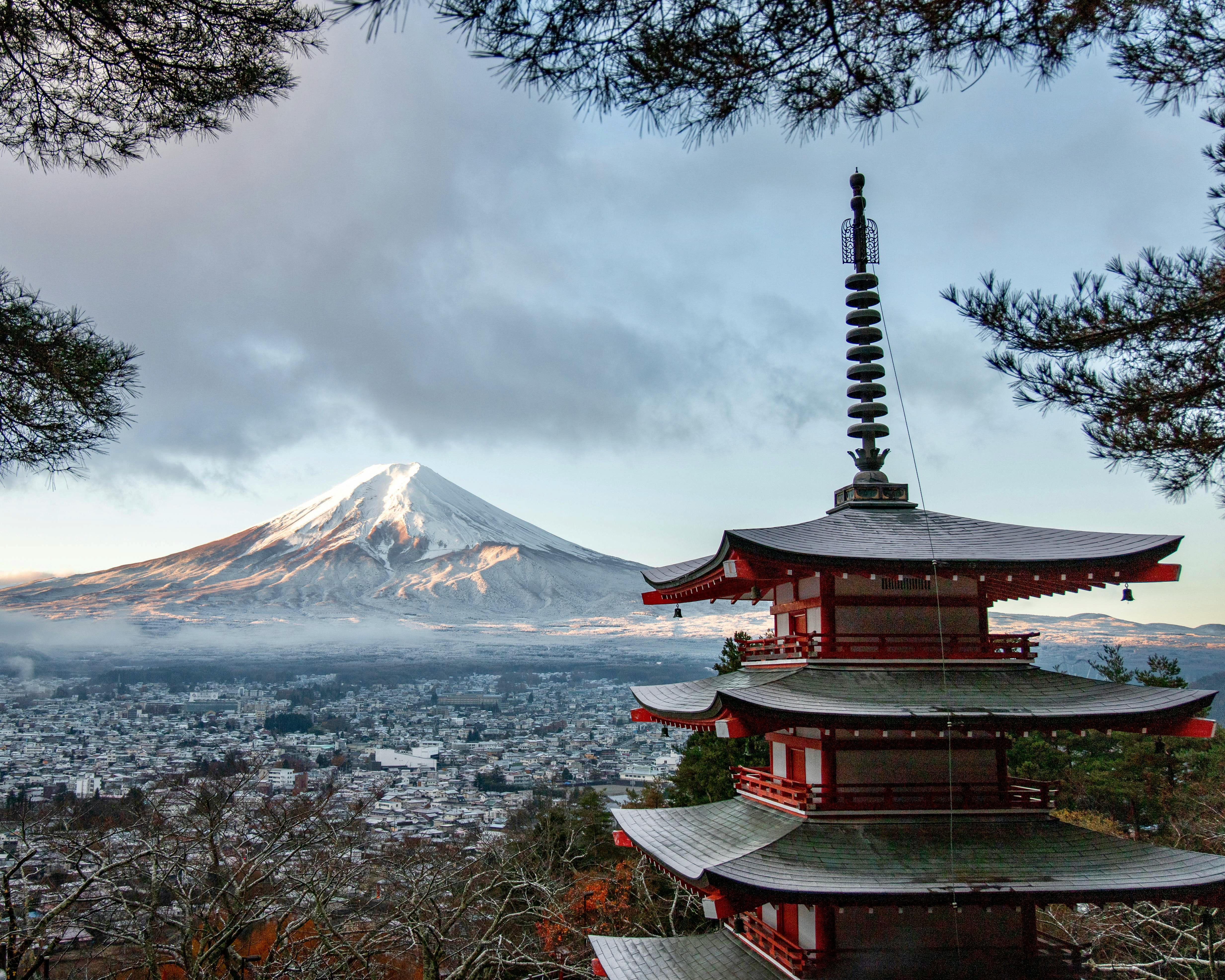
Japan operates with real precision. Trains arrive to the second, hotel staff anticipate needs before they're voiced, and a "basic" bowl of ramen packs the depth of a recipe perfected over generations. But at the same time, there's plenty of surprises in store in the narrow alley opens onto a candlelit bar with three seats, the that century-old ryokan sits tucked inside a city center, and ancient rituals that seamlessly coexist with contemporary design.
Tokyo alone could occupy two weeks without repetition. Its neighborhoods shift dramatically from one block to the next, its food scene spans conveyor-belt sushi and multi-course omakase with equal seriousness, and the nonstop energy never feels exhausting. Kyoto slows everything down with temple districts and craft traditions refined over centuries. Osaka eats and laughs louder than either. And just beyond the classic sites, places like Naoshima, Kanazawa, and the mountains of Hokkaido offer a quieter, less-charted slice of Japan than most experience.
Japan rewards depth over breadth, whether it’s your first or fifth visit, with two key itineraries that will let the country stay with you long after you’ve returned home.
Need to know
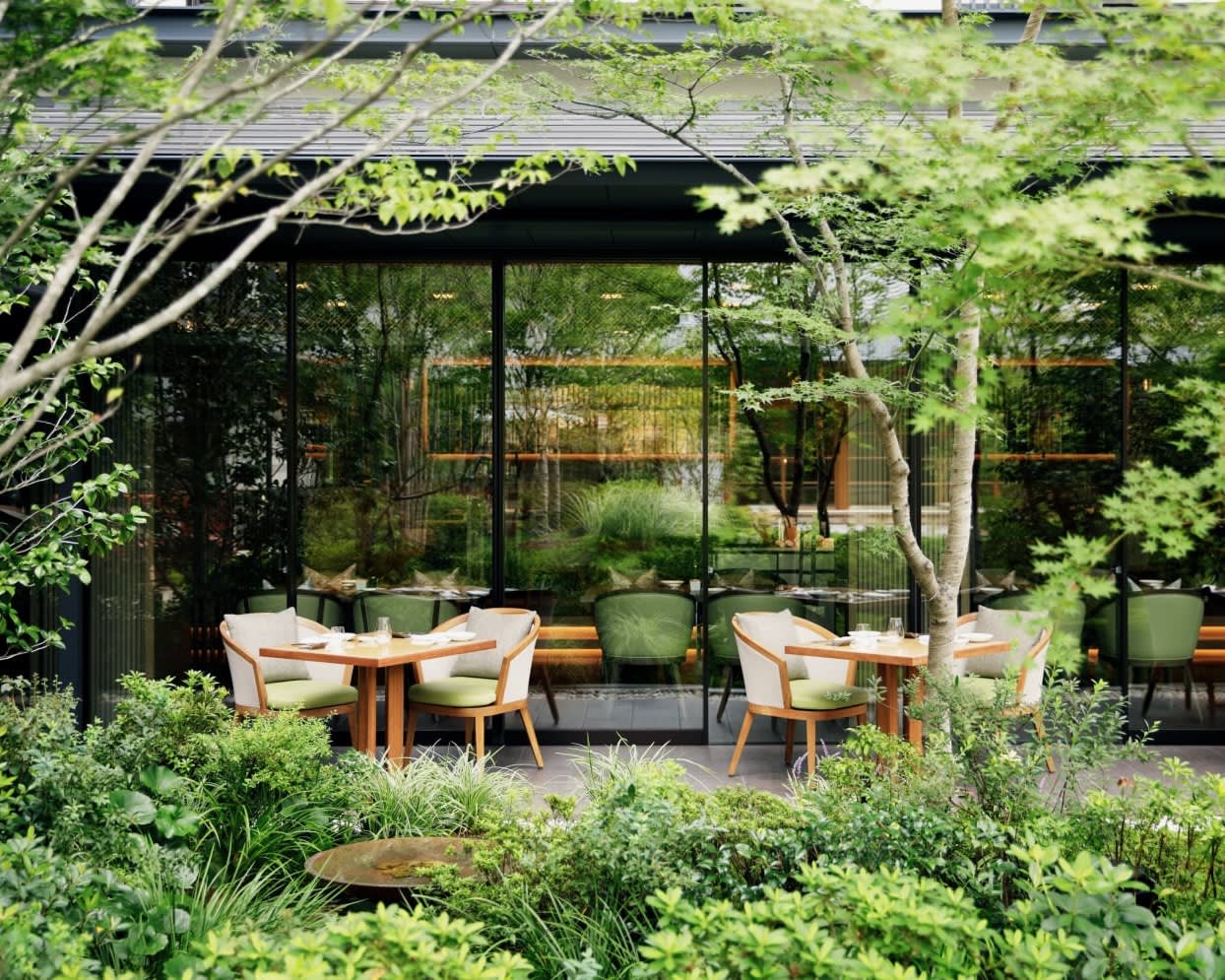
Image courtesy of Hotel The Mitsui Kyoto, a Luxury Collection Hotel & Spa
Japan is one of the world's most rewarding destinations to navigate—efficient, safe, and set up to make visitors feel welcome.
Currency: Japan uses the Japanese Yen (JPY). Cash remains king, with many restaurants and shops not accepting cards. 7-Eleven and Japan Post ATMs are the most reliable for international withdrawals. Tipping is not practiced and can be considered rude.
Languages: Japanese is the official language. English signage and bilingual speakers are common in major cities and tourist areas, but drops off outside the main hubs. Learning a handful of basic phrases goes a long way and is invariably met with appreciation.
Key phrases: konnichiwa (hello), arigatou gozaimasu (thank you), onegaishimasu (please), sumimasen (excuse me/sorry), hai/iie (yes/no), nihongo ga wakarimasen (I don't understand Japanese), eigo wo hanasemasu ka? (do you speak English?)
Airports: Tokyo is the main entry point, served by Haneda Airport (HND)—about 30 minutes from the city—and Narita Airport (NRT)—over an hour outside of the city. Flights connect New York City, Atlanta, and 20 more North American cities. Osaka (KIX) is a viable alternative, with connections to San Francisco and Los Angeles, plus seasonal flights to Vancouver and Toronto.
Transportation: Japan's bullet train (Shinkansen) is the backbone of intercity travel, with connections that are straightforward and efficient. Within major cities, subways, taxis, and rideshare apps cover most ground easily, and many neighborhoods reward walking. Outside the main urban centers, scheduled taxis or private drivers are the more practical option.
Best time to visit: Spring (April–May) and fall (October–November) are the sweet spots with comfortable temperatures, clear skies, and picturesque landscapes. Cherry blossom season is genuinely beautiful but comes with peak crowds and prices, as does Golden Week. Summer (June–August) is hot, rainy, and humid, best for indoor activities. Winter (December–February) is colder but with fewer crowds in cities like Tokyo, and great skiing in places like Hokkaido.
Ideal length of stay: 10 to 14 days is the right target for a first trip—the distance alone makes anything shorter hard to justify. 10 days covers the core circuit of Tokyo, Kyoto, and Osaka with room for a day trip or two. Two weeks opens up Hiroshima, Hakone, Kanazawa, and more.
Signature dishes and drinks:
Sushi & sashimi: Fresh fish over vinegared rice or served alone
Ramen: Noodles served in regional broths that range from rich tonkotsu from Fukuoka, soy-based shoyu from Tokyo, and miso from Sapporo
Tempura: Seafood and vegetables in a light, impossibly crispy batter
Takoyaki: Grilled octopus balls topped with bonito flakes, mayo, and a savory sauce
Wagyu beef: Marbled, tender beef, served as steak, in hot pot, or in a sandwich
Yakitori: Grilled chicken skewers cooked over charcoal
Tonkatsu: Breaded, fried pork cutlet, served with shredded cabbage and a tangy sauce
Onigiri: Rice ball with tuna mayo, pickled plum, or salmon fillings, wrapped in nori
Sake: Rice wine that ranges from dry and delicate ginjo styles to rich, earthy junmai
Matcha: Powdered green tea with a depth that sets it apart
Japanese whisky: Brands like Suntory and Nikka rival Scotland's best with a style that prizes balance and subtlety
Beer: Crisp, clean lagers from famous local brands like Asahi, Sapporo, and Kirin
What to wear: Smart casual is best for most city exploring. Comfortable walking shoes are essential; the distances add up quickly. Breathable layers work well for variable weather, and a compact umbrella or rain jacket is worth having year-round. When visiting temples and shrines, modest, easily removable footwear makes the experience smoother. For upscale restaurants and hotel bars, a step up from daywear is appropriate and considerate.
Travel tips:
Luggage: Pack light—train storage is limited and city hotel rooms are compact. Japan's luggage forwarding service, takkyubin, is reliable, affordable, and widely used; send bags between cities overnight.
Etiquette: Eating and drinking while walking is generally frowned upon. Keep voices low on public transport. On escalators, stand on the left in Tokyo and the right in Osaka.
Shoes: Wear footwear that slips on and off easily—temples, traditional restaurants, and many ryokans require shoes to be removed at the entrance.
Trash: Public bins are rare outside of convenience stores. Carry a small bag for rubbish and dispose of it in the proper place when you’re able.
Tax-free shopping: Visitors are eligible for tax exemption on many consumer goods—the process varies by retailer, so ask at the point of purchase.
Tattoos: Most traditional onsen prohibit visible tattoos, though policies vary—some allow covering with a bandage or seal, others maintain stricter rules.
Drinking & smoking: The legal age for both is 20. Smoking is tightly regulated and banned on most streets—use designated, often enclosed, booths when needed.
First-timer’s Japan itinerary
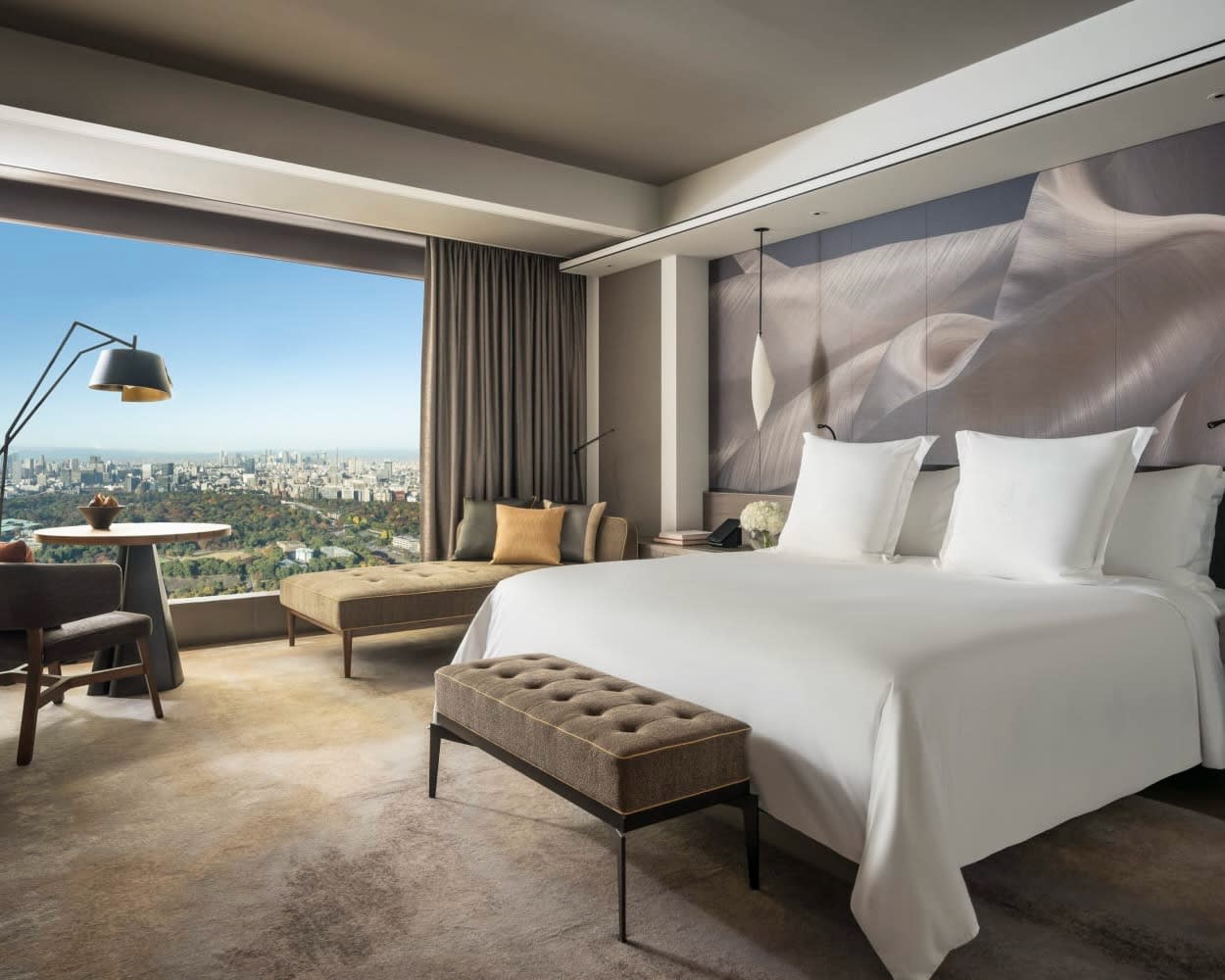
Image courtesy of Four Seasons Hotel Tokyo at Otemachi
The classic first-time Japan trip hits four essential stops. Set the tone with four to six nights in Tokyo—vast, electric, and endlessly layered, shifting dramatically from one block to the next. Hakone offers a natural exhale, with hot spring ryokans, mountain scenery, and views of Mount Fuji on a clear day—perfect for a one to two day stopover. Kyoto keeps the slowed down pace with four to six days for exploring temples, traditional machiya townhouses, and a food culture built on centuries of refinement. Osaka closes the loop on a livelier, more irreverent note with one to two nights of street food, late nights, and a city that takes eating seriously above all else.
Where to stay in Tokyo
Four Seasons Hotel Tokyo at Otemachi: A classic five-star experience with sweeping city views, impeccable service, and the polished refinement the brand is known for.
When you book Four Seasons with Fora, you’ll enjoy exclusive Four Seasons Preferred Partner benefits.
Palace Hotel Tokyo: A modern Japanese luxury hotel with a strong sense of place—clean lines, warm materials, and thoughtful nods to Japanese aesthetics throughout.
Fora Perks include a $100 food and beverage credit, daily breakfast, an upgrade, and extended check-in/out whenever possible.
The Okura Tokyo: A storied address offering two distinct experiences—the Heritage Wing for larger, Japanese-style rooms, and the Prestige Tower for a more contemporary stay.
Fora Perks include a $100 food and beverage credit, daily breakfast, an upgrade, and extended check-in/out whenever possible.
Where to stay in Kyoto
Hotel The Mitsui Kyoto, a Luxury Collection Hotel & Spa: Kyoto's leading retreat, adjacent to Nijo Castle with an on-site onsen and stylish interiors that draw on the city's craft heritage.
Fora’s Marriott STARS partner perks include a $100 hotel credit, welcome amenity, daily breakfast, an upgrade, and extended check-in/out whenever possible.
Dusit Thani Kyoto: Set in a quieter residential neighborhood away from the main tourist corridors, offering a strong value for hospitality over prestige.
Fora Perks include a $100 hotel credit, daily breakfast, an upgrade, and extended check-in/out whenever possible.
Capella Kyoto: A new luxury arrival with serious culinary ambition and onsen suites make it an exceptional choice for those who want immersion alongside luxury.
Fora Perks include a $100 hotel credit, daily breakfast, an upgrade, and extended check-in/out whenever possible.
Where to stay in Hakone
Hakone Gora Karaku: A modern ryokan following traditional ryokan structure—set dining times, communal onsen—with a slightly more contemporary edge than classic properties.
Gora Kadan: An iconic luxury ryokan, widely considered one of Hakone's finest, with exceptional food and onsen experiences that helped forge its reputation.
Hoshino Resorts KAI Sengokuhara: This boutique ryokan is distinguished by private terrace baths, for those who want the onsen experience without the communal element.
Where to stay in Osaka
Waldorf Astoria Osaka: A striking hotel with interiors that balance classic luxury and refined Japanese sensibility, complete with refined dining, city views, and wellness amenities.
Fora’s Hilton for Luxury partner perks include a $100 hotel credit, daily breakfast, an upgrade whenever possible, and double Hilton Honors points.
Four Seasons Hotel Osaka: This polished and service-driven property has a sophisticated design and the brand's characteristic attention to detail to match.
When you book Four Seasons with Fora, you’ll enjoy exclusive Four Seasons Preferred Partner benefits.
Patina Osaka: A design-forward property near the Osaka Castle that’s set apart from the traditional luxury category, with modern amenities and relaxing wellbeing program.
Fora Perks include a $100 hotel credit, daily breakfast, an upgrade, and extended check-in/out whenever possible.
Off-the-beaten-path Japan itinerary

Image courtesy of Park Hyatt Niseko Hanazono
Travelers who've done the classic circuit should visit parts of Japan less charted. Naoshima trades urban density for a quiet island stay of two to three nights, filled with art museums and installations. Kanazawa brings samurai districts, craft culture, and a culinary scene that rivals Kyoto, perfect for a three to four night stay. Kyushu’s region adds volcanic landscapes, onsen towns, and a distinct regional character that feels removed from the rest of Japan, just right for two to three nights in one stop. Niseko rounds things out with a five to six night stopover perfect for world-renowned skiing in winter, and wide open natural scenery in summer.
Where to stay in Naoshima
Benesse House: An art-lover’s museum where guests can sleep amongst the permanent collection, site-specific installations, and architecture that all blur together.
Ryokan Roka: Refined ryokan option on the island for those who want art immersion paired with more intimate, traditional hospitality.
Where to stay in Niseko
Park Hyatt Niseko Hanazono: The definitive ski-in/-out experience in the region that’s polished by the brand's characteristic attention to comfort and detail.
Fora’s Hyatt Privé partner perks include a hotel credit, welcome amenity, daily breakfast, an upgrade, and extended check-in/out whenever possible.
MUWA Niseko: Design-forward boutique stay with ski-in/-out access on a more intimate scale for style, substance, and a calm energy compared to larger resorts.
Setsu Niseko: Not ski-in/-out, but the wellness and onsen facilities are among Niseko’s best, all within walking distance to Hirafu's main strip of restaurants, shops, and nightlife.
Where to stay in Kyushu
The Ritz-Carlton, Fukuoka: A polished urban anchor with the brand's signature service, refined dining, and a well-positioned base for exploring Fukuoka and the surrounding region.
Fora’s Marriott STARS partner perks include a $100 hotel credit, welcome amenity, daily breakfast, an upgrade, and extended check-in/out whenever possible.
Yakakutei: Traditional ryokan experience rooted in the rhythms of Kyushu—kaiseki dining, onsen bathing, and unhurried, attentive hospitality.
Hoshino Resorts KAI Yufuin: Refined boutique ryokan sensibility meets a celebrated onsen destination, offering private baths, seasonal cuisine, and a strong sense of place.
Where to stay in Kanazawa
Hyatt Centric Kanazawa: Well-located, lifestyle-focused property that’s a reliable, design-conscious base in the heart of the city.
Fora’s Hyatt Privé partner perks include a hotel credit, welcome amenity, daily breakfast, an upgrade, and extended check-in/out whenever possible.
Soki Kanazawa: Ryokan-inflected retreat with thoughtfully designed rooms, local materials, and an experience calibrated to feel like part of the destination itself.
History and culture
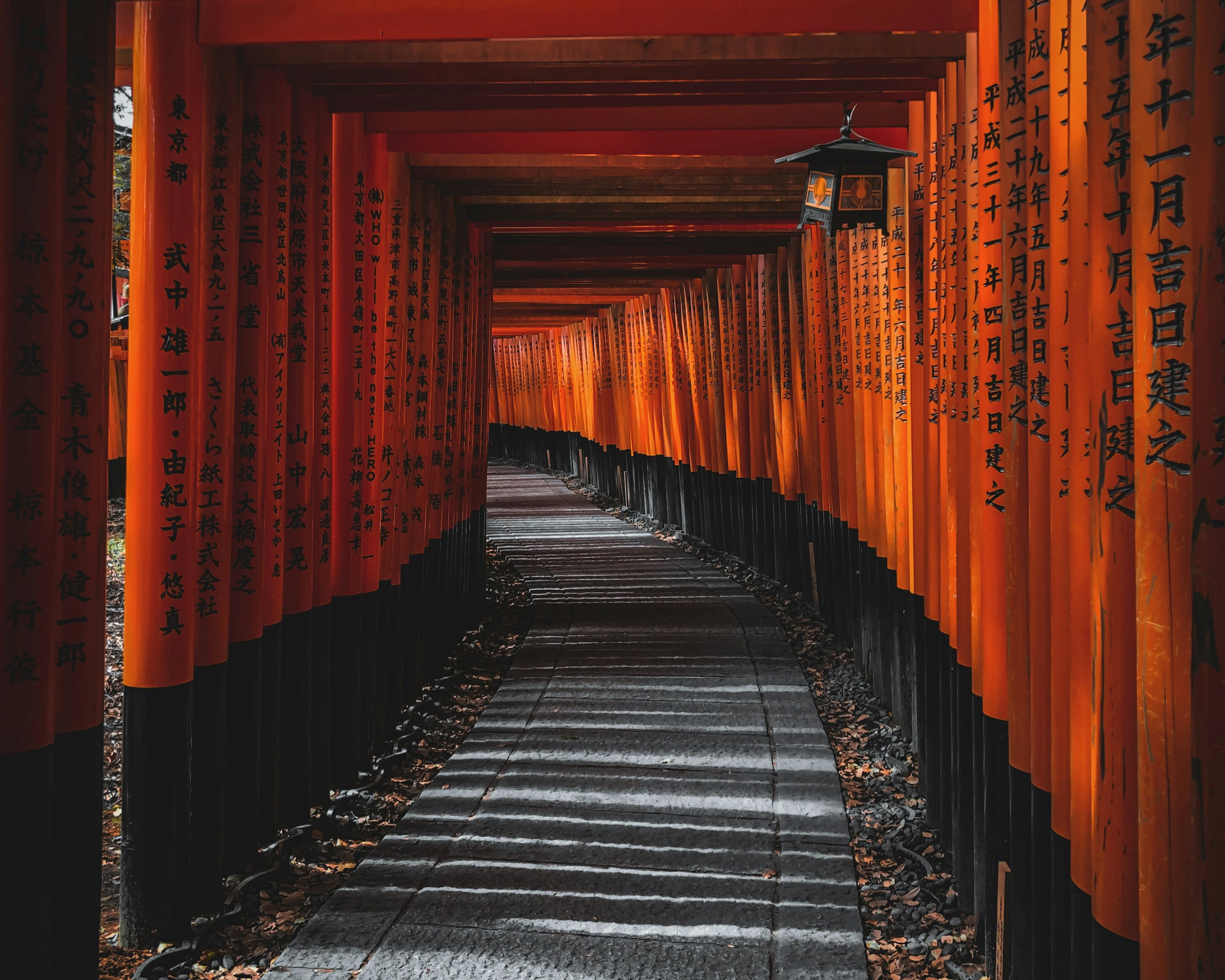
Japan's recorded history stretches back thousands of years, shaped by imperial courts, warring clans, and a sophisticated cultural tradition that developed largely in isolation. The indigenous Ainu people of Hokkaido and the Ryukyuan people of Okinawa each carry distinct languages, spiritual practices, and relationships with the land. The imperial system took root in the Nara and Kyoto periods, leaving behind temple complexes and Buddhist traditions that remain central to daily life. Shinto—the indigenous spiritual tradition—holds that the natural world is inhabited by kami, or spirits, and its influence is visible across the country.
The feudal era produced the samurai class, the shogunate system, and traditions like tea ceremonies, Noh theater, and the art of the sword that continue today. For over two centuries, the Edo period brought deliberate isolation from the outside world, fostering a rich internal culture that produced ukiyo-e woodblock prints, kabuki theater, and the haiku tradition. Japan's rapid modernization at the end of the 19th-century transformed the country into an industrial and military power—a shift whose consequences shaped the nation's postwar identity profoundly. Hiroshima's Peace Memorial and Nagasaki's Atomic Bomb Museum stand as important historical sites—sobering, essential, and handled with extraordinary care.
Cultural celebrations and events
Niseko Hanazono Snow Festival (February, Niseko): A winter celebration in the heart of ski country, with snow sculptures, live music, and illuminated evening events.
Cherry blossom season (Late March–April, nationwide): Parks, temple grounds, and riverbanks are overtaken by blooming sakura and lively festivals.
Gion Matsuri (July, Kyoto): Kyoto's most famous festival, running the entire month and culminating in two grand processions of elaborately decorated floats through the city center.
Tenjin Matsuri (July 25, Osaka): One of Japan's largest festivals, with fireworks over the Okawa River and illuminated boats commemorating the deity Sugawara no Michizane.
Obon (Mid-August, nationwide): A Buddhist tradition honoring ancestral spirits, marked by lantern floating, bon odori folk dancing, and a quieter, reflective mood.
Shichi-Go-San (November 15, nationwide): A traditional rite of passage with families dressing their three, five, and seven-year-old children in kimono and visiting shrines to give thanks and pray for health.
Winter illuminations (November–December, nationwide): Cities and resort towns across Japan light up for the winter season with elaborate illumination displays.
What to do in Japan
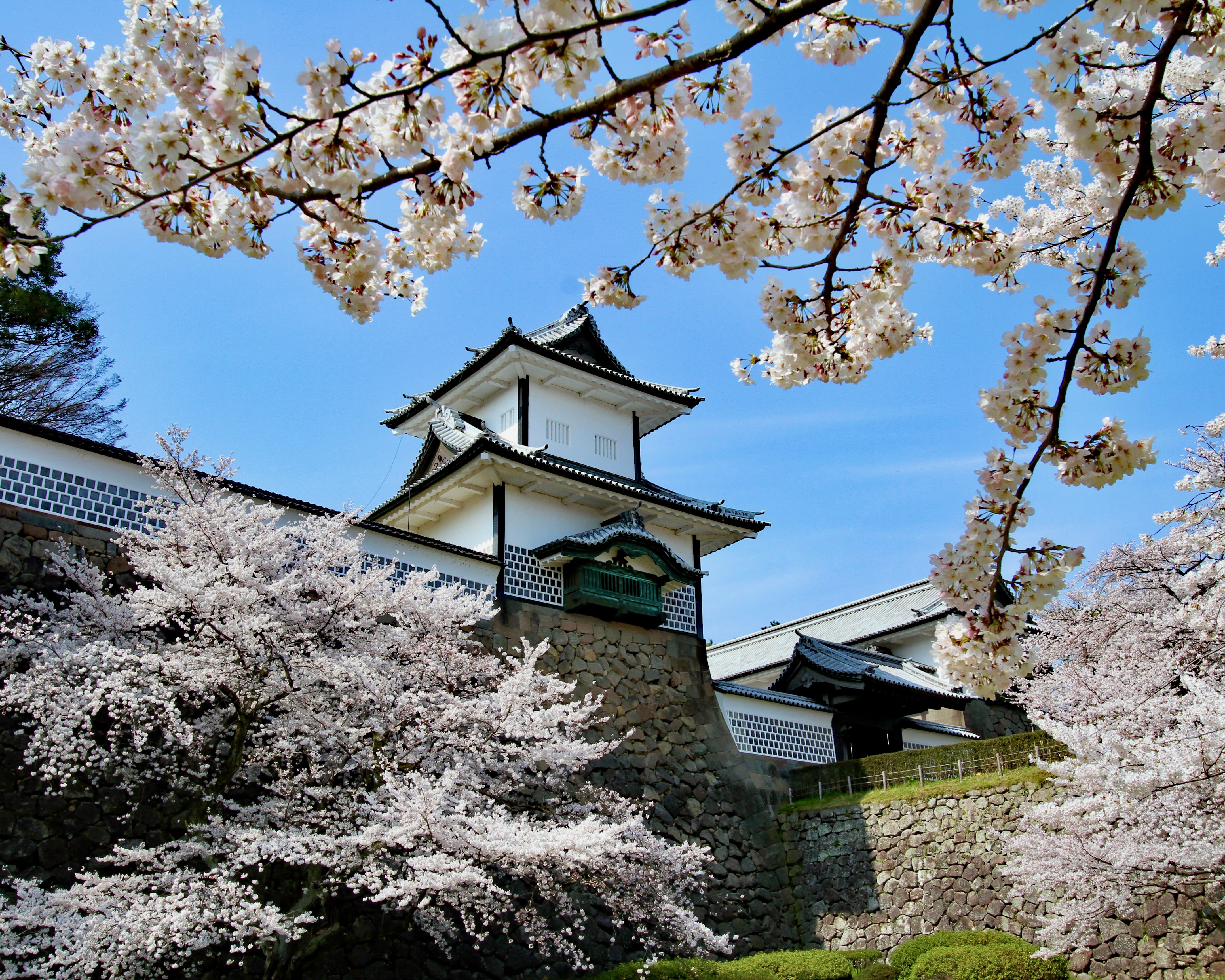
Ancient temples, neon-lit cities, and mountain ryokans, Japan rewards curiosity at every turn.
Tokyo
Landmarks: Meiji Shrine and Yoyogi Park offer a forested Shinto sanctuary in the middle of the city. Shibuya Crossing is electric during the evening rush.
Shopping: Ginza for luxury flagships and department stores, Omotesando for high-end boutiques, and Shimokitazawa for vintage clothing and independent record stores.
Food markets: Toyosu is Tokyo's main wholesale fish market, while Tsukiji, the former market, lives on as an excellent outdoor food bazaar.
Neighborhoods: Akihabara is Tokyo's electric town—anime, manga, and retro gaming. Shimokitazawa’s narrow streets, vintage shops, and unhurried energy feels un-Tokyo.
Art & culture: teamLab's interactive digital art installations are genuinely unlike anything else. The Mori Art Museum rounds out contemporary rotating exhibitions.
Sports: Catch a Nippon Professional Baseball game if you’re a baseball fan, or see a Sumo practice session (asageiko) for a rare, intimate look at this local sport.
Kyoto
Gion district: Kyoto's most atmospheric neighborhood, where wooden machiya townhouses line narrow lanes, with Hanamikoji Street at the heart of it.
Arashiyama: A bamboo grove, temple district, and hillside monkey park on the western edge of the city.
Traditional tea ceremony: A structured, meditative ritual that slows everything down, from casual introductions to more formal experiences.
Nishiki Market: Narrow, five-block covered market known as “Kyoto's Kitchen,” with vendors selling fresh seafood and street snacks in close quarters.
Moss Garden at Saihō-ji: One of Kyoto's most quietly beautiful UNESCO sites, carpeted in over 120 varieties of moss.
Nintendo Museum: A recently opened tribute to Nintendo's history in its home city, complete with interactive exhibits, rare artifacts, and a deep dive into the origins.
Hakone
Traditional experiences: The main reason to come. Staying in a traditional ryokan with tatami rooms, kaiseki dinner, and a soak in geothermal hot spring baths.
The Hakone Open-Air Museum: A hillside sculpture park combining major Western and Japanese works with mountain scenery in a way that somehow works beautifully.
Lake Ashi: The Hakone Ropeway crosses active volcanic terrain above Owakudani before descending to Lake Ashi, where on clear days Fuji rises above the water.
Osaka
Dotonbori: The city's neon-lit, canal-side entertainment district with takoyaki stands, ramen shops, and arcades packed into a few chaotic, exhilarating blocks.
Osaka Castle: Striking 16th-century fortress surrounded by moats and cherry trees, with a museum inside charting the city's feudal history.
Food scene: Japan's food capital with more Michelin-starred restaurants per capita than Tokyo, alongside a street food culture that's equally compelling.
Universal Studios Japan: Anchored by the Wizarding World of Harry Potter and Nintendo World. Worth a full day; book tickets and express passes well ahead.
Naoshima
Chichu Art Museum: Built into the hillside, natural light shifts the experience of works by Claude Monet, James Turrell, and Walter De Maria throughout the day.
Benesse House Museum: A museum and hotel in one, where the boundary between art, architecture, and nature is deliberately blurred.
Art House Project: Series of abandoned houses, temples, and public spaces in the Honmura village, each transformed by a different artist into a permanent installation.
Cycling: Rent a bike to explore Naoshima's rice paddies, traditional farmhouses, and coastal views that reward an unhurried pace.
Niseko
Skiing and snowboarding: Some of the deepest and most consistent powder, drawn from Siberian storms, covering four interconnected resorts suiting a range of levels.
Onsen: Soaking in natural mineral hot springs after a day on the mountain is as much a part of the Niseko experience as the skiing itself.
Winter activities: Beyond the slopes, enjoy snowmobiling, snow rafting, snowshoeing, and zip-lining through the mountains.
Summer sights: Hiking trails through wildflower meadows, white-water rafting on the Shiribetsu River, and golf courses with Mount Yotei as a backdrop.
Kyushu
Nagasaki: A port city with Portuguese and Dutch influences, and where The Atomic Bomb Museum and Peace Park are essential stops.
Mount Aso: One of the world's largest active volcanic calderas, with hiking trails across the central peaks and a museum that contextualizes its history.
Takachiho Gorge: Narrow basalt canyon best experienced from a rowboat on the river below. The 17-meter Manai Falls dropping into the gorge is a highlight.
Fukuoka: Energetic, approachable, and serious about food. The yatai street stalls in Hakata and Tenjin serve up everything from Hakata ramen to local seafood.
Yakushima: A UNESCO-listed island of ancient cedar forest, whose Jomon Sugi—a cedar estimated at several thousand years old—requires a full-day hike to reach.
Kirishima-Kinkowan National Park: Volcanic highland strung with crater lakes, steaming vents, and hiking trails that connect multiple peaks.
Kanazawa
Gold leaf crafts: Producing over 99% of Japan's gold leaf, with workshops to apply kinpaku to lacquerware or chopsticks under proper instruction.
Kenroku-en Garden: Spacious, layered, and beautiful, particularly in winter when the pine trees are supported by conical rope structures called yukitsuri.
Nagamachi Samurai District: Preserved residential quarter of earthen walls, narrow cobblestone lanes, and traditional machiya townhouses.
Museums: The 21st Century Museum of Contemporary Art is the headline act, while the D.T. Suzuki Museum dedicates an entire space to Zen Buddhist philosophy.
Where to eat in Japan
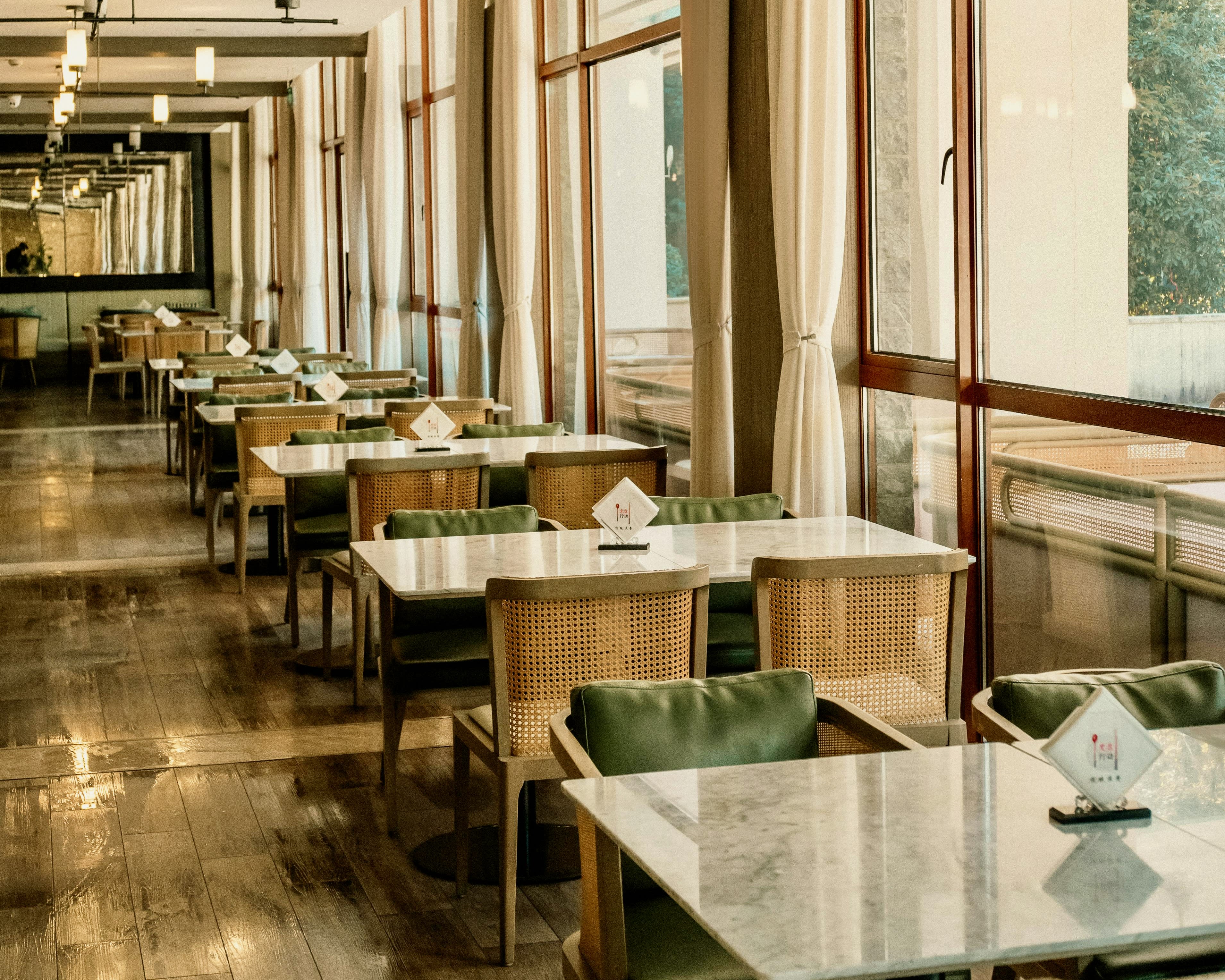
Japan has more Michelin-starred restaurants than any other country in the world, but some of the most memorable meals come from surprising places.
Tokyo
Tempura Tenkane: Counter-style tempura focused on seasonal ingredients.
Pizza Studio Tamaki (PST): Neapolitan-style pizza made with Japanese ingredients.
Udatsu Sushi: Intimate omakase counter with meticulous sourcing and technique.
Kyoto
Mouriya Gion: A local institution that balances formality and tradition with warmth.
Monk: Wood-fired restaurant with a menu that changes with what's available.
Kinobu: Multi-generational kaiseki restaurant in Kyoto's historic core.
Hakone
Itoh Dining by Nobu: Japanese-Peruvian signatures paired with mountain views.
Fuji Kanda: Traditional kaiseki experience anchored by seasonal mountain influences.
Gora Brewery: Relaxed craft brewery serving house-made beers and Japanese bar food.
Osaka
Chibo Dotonbori: Landmark for okonomiyaki—savory Japanese pancakes cooked tableside on a griddle and loaded with toppings.
Kukuru Namba: The go-to spot for takoyaki—crispy outside, molten inside, and topped with bonito flakes.
Naoshima
Terrace Restaurant: French fine-dining within the Benesse House museum complex.
Cinnamonette: Charming island café known for fresh-baked pastries and coffee.
Niseko
Afuri Ramen: The Niseko outpost of Tokyo's beloved yuzu shio ramen specialist.
Niseko Confidential: A tucked-away restaurant with creative, ingredient-led cooking.
Niseko Bang Bang: A lively après-ski staple serving Japanese comfort food.
Kyushu
Birdman (Kumamoto Eki Mae): Unpretentious and satisfying yakitori specialist.
Kurobuta Fukuya: An institution dedicated to the region’s prized Kagoshima black pork—served as shabu-shabu.
Kanazawa
Zeniya: Kaiseki restaurant offering refined, multi-course meals.
Enso: Modern Japanese restaurant with seasonal cooking in a relaxed, designer setting.
Fuwari: Beloved local spot for handmade soba noodles.
Day trips in Japan
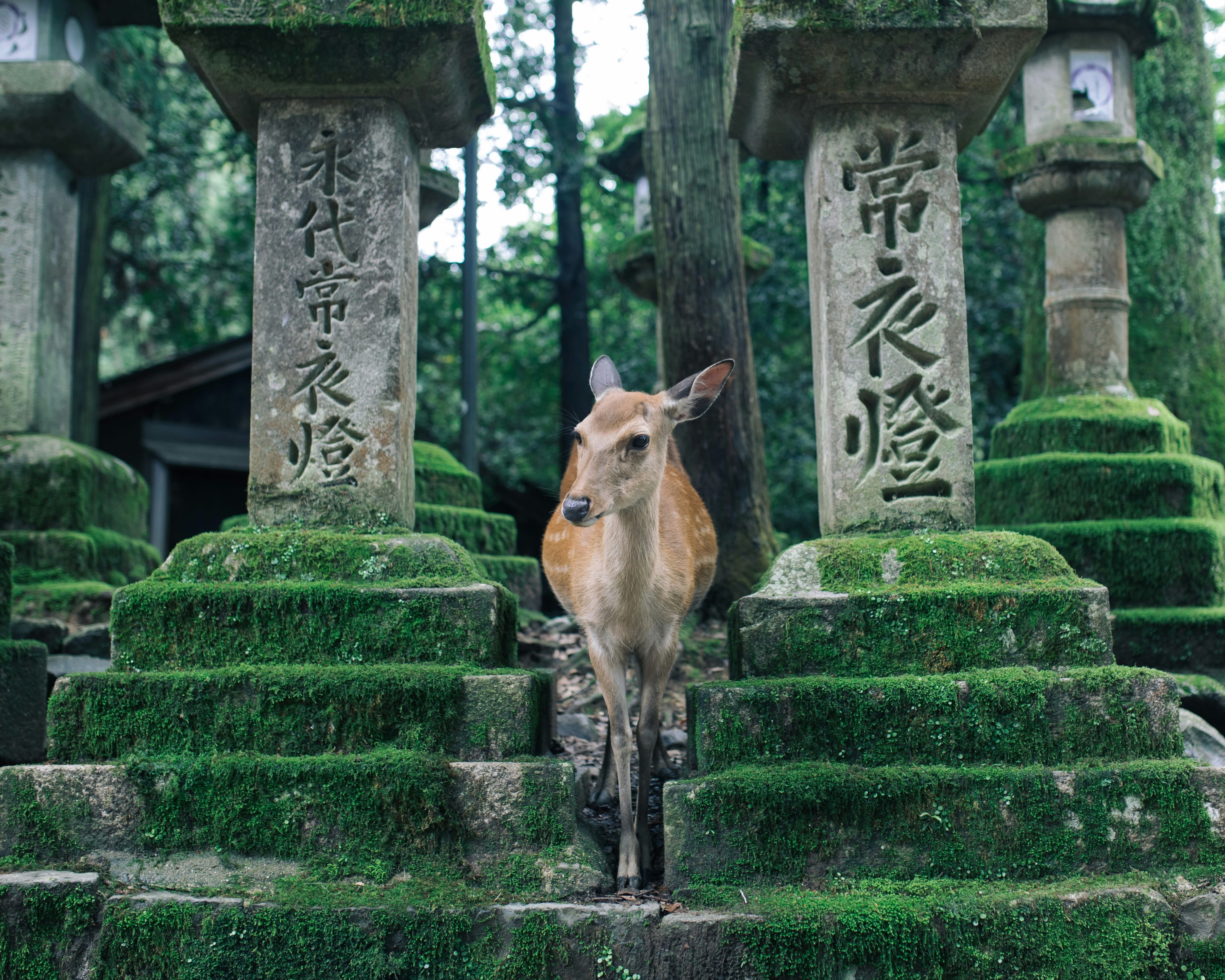
Japan's most rewarding day trips add a distinct layer within easy reach of major cities.
Uji (20 min by train from Kyoto): Quiet riverside town built around matcha, where tea plantations, centuries-old tea houses, and the Byōdō-in temple make for a relaxing excursion.
Nara (1 hour by train from Kyoto): Home to some of Japan's oldest temples and a resident population of freely roaming deer that have become as iconic as the architecture.
Shirakawa-go (1 hour by car from Kanazawa): A UNESCO-listed mountain village where steep thatched-roof farmhouses sit in a valley that feels removed from the modern world.
Sapporo (1.5 hours by car from Niseko): Hokkaido's largest city with fresh seafood, the historic Sapporo Beer Museum, and the lively Susukino district.
Ghibli Park (2 hours by train from Osaka): One of the country’s most popular theme parks, devoted to Studio Ghibli's beloved films—worth booking well in advance.
Trips to add on
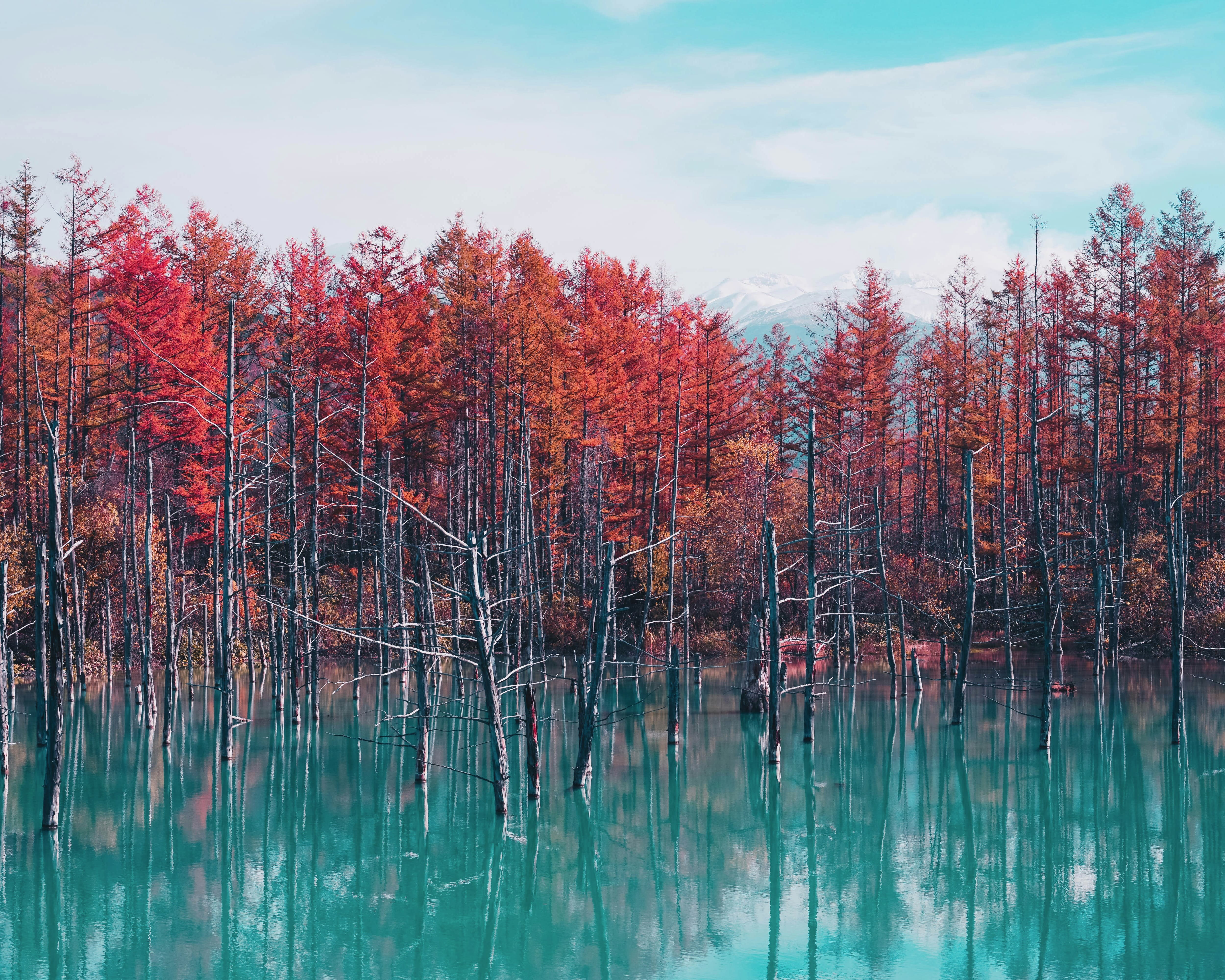
Japan's geography rewards those who venture beyond the main circuit, each with a distinct character that rounds out a larger trip.
Okinawa (1–2 hour flight): Subtropical island chain with a unique culture, cuisine, and history. Coral reefs, turquoise water, and a slower pace than mainland Japan.
Hiroshima (1-hour train from Osaka): One of Japan's most important and sobering destinations, with the Peace Memorial Museum and A-Bomb Dome site.
Nagasaki (1.5-hour train from Fukuoka): A compact port city layered with Portuguese and Dutch history, and the second atomic bomb, making the city unlike elsewhere in Japan.
Hokkaido (2-hour flight from Tokyo): Japan's northernmost island and its most temperate summer destination with open landscapes, lavender fields, and national park system.
If not Japan…
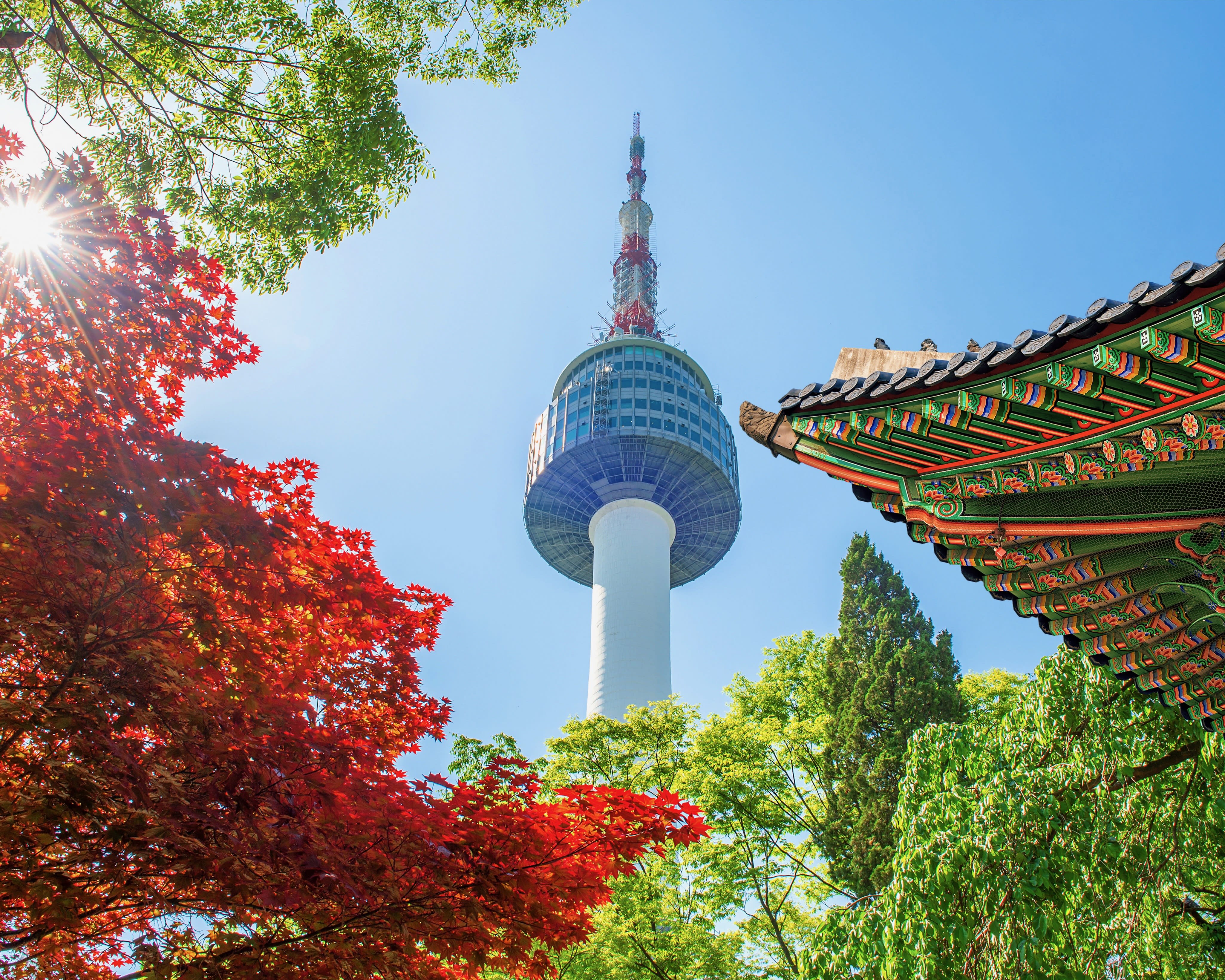
These destinations share Japan's ancient traditions, modern energy, and exceptional food, along with landscapes that stay with you long after you leave.
South Korea: Seoul delivers urban intensity, hanok villages, and neon-lit streets. World-class food, a beauty and design culture, and dramatic mountain scenery round out the experience.
Indonesia: Bali balances rice terraces, temples, and hospitality. Lombok and the Komodo islands offer rawer, less-traveled alternatives. Java anchors the cultural heart with Borobudur.
Thailand: Bangkok's sensory overload gives way to Chiang Mai's temples. Phuket and Koh Samui deliver everything from limestone karsts to laid-back beach living.
Hong Kong: Dense, vertical, and endlessly layered. Exceptional Cantonese dining, a world-class arts scene, and skyscrapers against forested hills make it so dynamic.
Taiwan: Taipei is compact, walkable, and packed with night markets. Beyond the capital, the east coast and Taroko Gorge offer dramatic natural scenery with very few crowds.
