
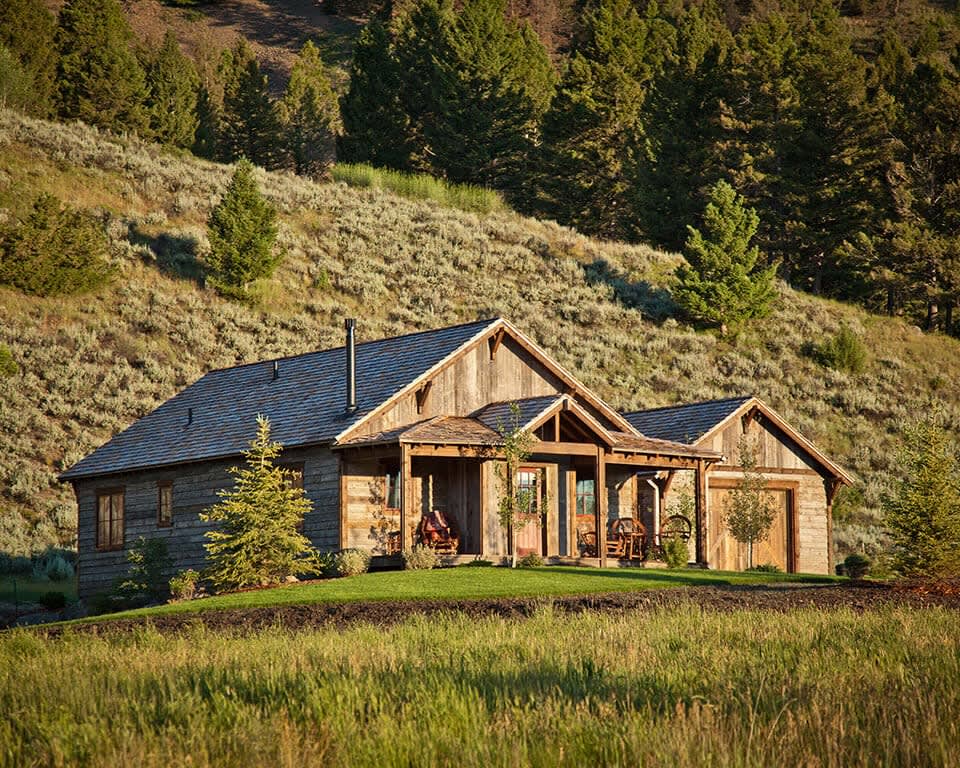




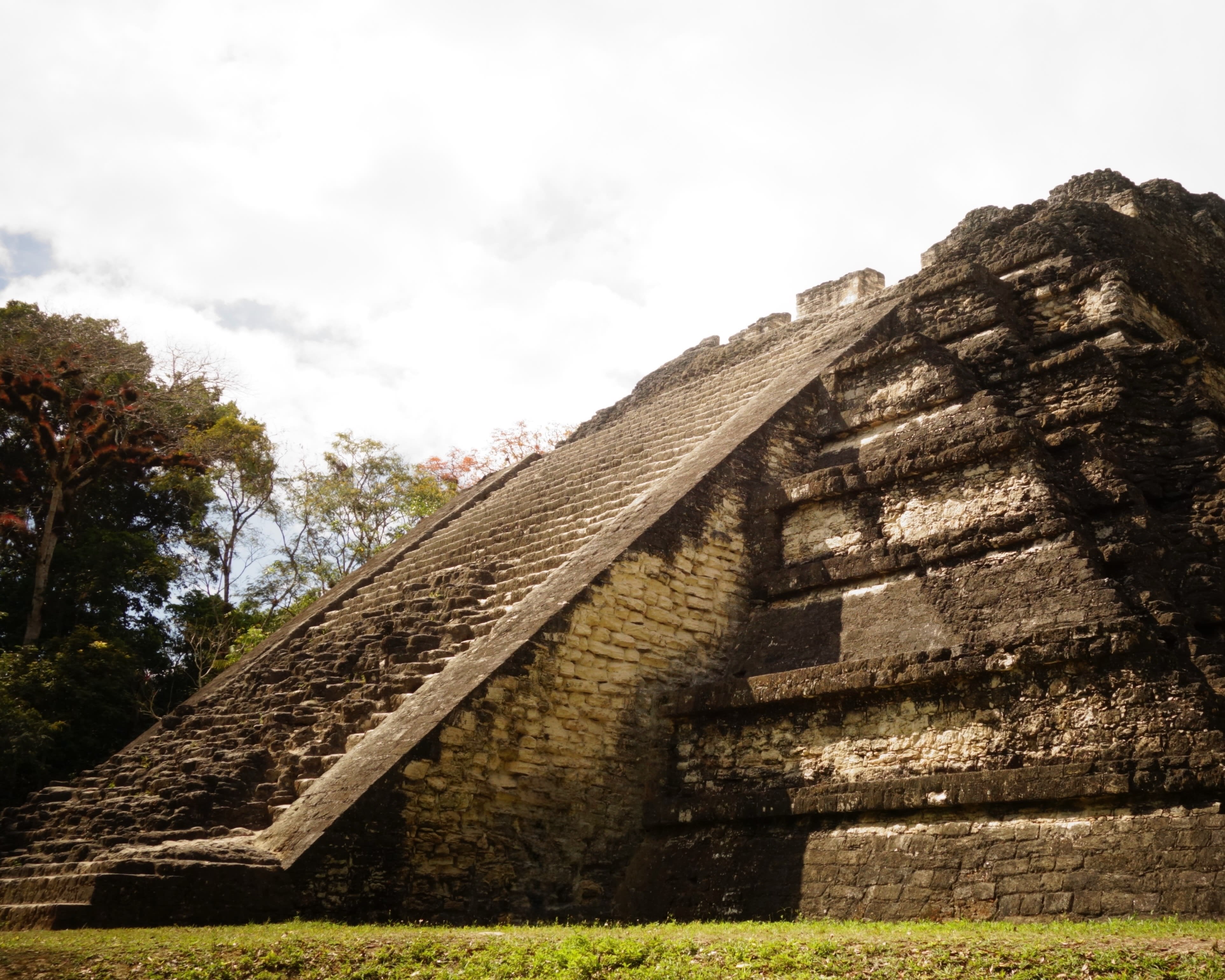
Belize and Guatemala share a border and a common Maya heritage, but little else about them feels interchangeable.
Belize is small, English-speaking, and oriented almost entirely toward the water. Its barrier reef runs the length of its Caribbean coast, atolls floating further out to sea, and a cave system beneath the jungle floor that the ancient Maya used as a portal to the underworld. Guatemala tilts the other direction: inward and upward. Highland markets blaze with color; Antigua is a UNESCO-listed town filled with well-preserved Baroque-influenced architecture and cobblestone streets; multiple volcanoes rise above Lake Atitlán with an implausibility that photos consistently fail to capture.
Together, they make a natural pairing—the kind of trip where you spend a week underwater and in the canopy, then trade it for cobblestones and cloud forest and the smell of wood smoke drifting through a highland village at dusk.
Need to know
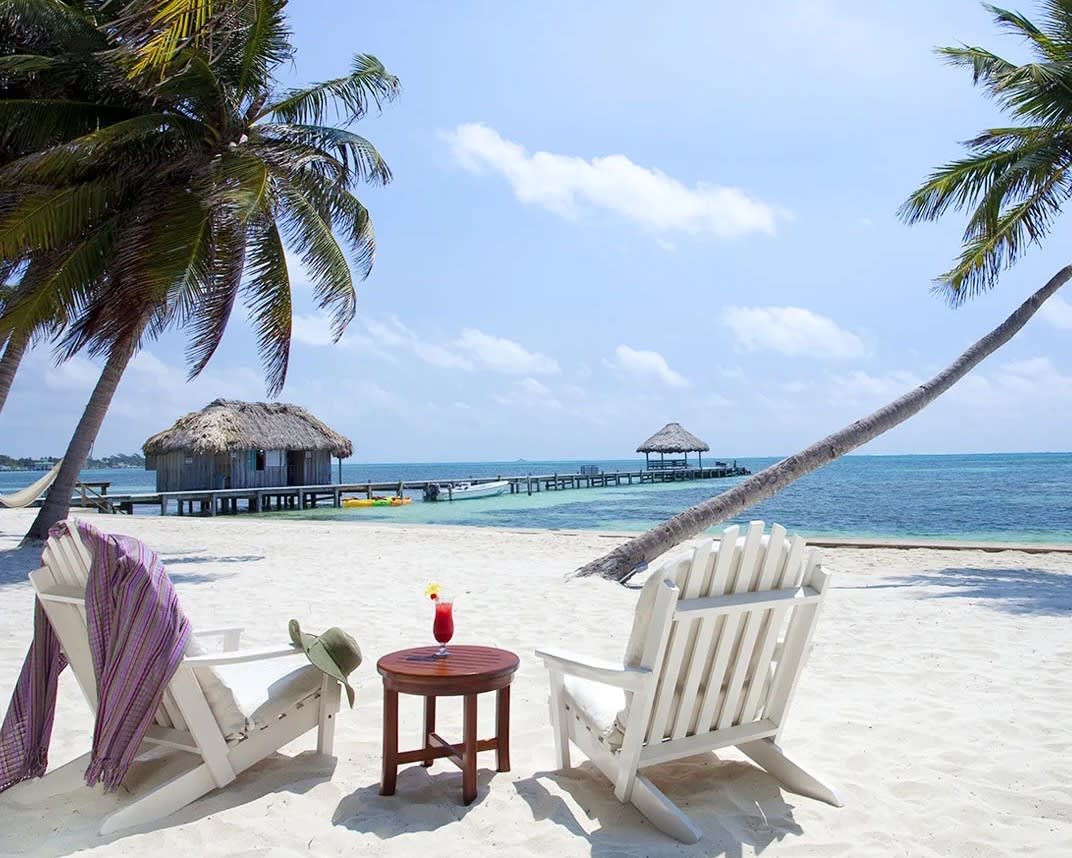
Image courtesy of Victoria House Resort and Spa
Belize and Guatemala may be close geographically but they differ considerably in pace and infrastructure. A few practical basics go a long way toward making the experience feel fluid rather than effortful.
Currency: Cards are accepted at most hotels, larger restaurants, and tour operators, but cash is essential for markets, street food, and smaller towns. ATMs are available in cities, though they can be scarce in more remote areas—stock up before heading off the beaten path.
Belize: Belize uses the Belize Dollar (BZD), pegged to the U.S. dollar at a fixed rate of 2:1. U.S. dollars are accepted virtually everywhere, however.
Guatemala: Guatemala’s official currency is the Quetzal (GTQ).
Languages: English is the official language of Belize, while Spanish is the official language of Guatemala. English can be limited outside of tourist areas in Guatemala, and expect to hear both Spanish and Belizean Creole, an English-based creole language, in Belize. Learning a handful of basic phrases goes a long way as locals genuinely appreciate the effort.
Key phrases (Spanish): hola (hello), gracias (thank you), por favor (please), perdón (excuse me), cómo está? (how are you?), sí/no (yes/no), no hablo español (I don’t speak Spanish), habla inglés? (do you speak English?)
Key phrases (Belizean Creole): wah gwaan (what's going on / hello), aaight (alright), da how? (how are you?), noh true? (isn’t that right?), tek kya (take care)
Airports
Belize: Belize City (BZE) is the country’s main international airport, with flights to cities like Miami, New York, and Los Angeles. Be aware there is a secondary airstrip (TZA) with local flights. Depending on the final destination, there are connections to Ambergris Caye (SPR), San Ignacio (CYD), Placencia (PLJ), and beyond.
Guatemala: Guatemala City (GUA) handles the bulk of international traffic, with direct connections to Chicago, Dallas, and Mexico City. If heading to the north to visit the ruins of Tikal, Flores (FRS) offers direct flights to Guatemala City.
Transportation: Hiring a private driver is the smartest move. Guatemala’s mountain roads are a serious undertaking, with steep grades and relentless switchbacks. Belize presents a different set of challenges, with a lot of unpaved roads and seasonal mud.
Best time to visit: The dry season (December–April) is the best window, with reliable sunshine and trail conditions at their best. Rain arrives by mid-May and builds through the summer, peaking in September and October. Rather than all-day downpours, these are mostly intense afternoon bursts, making both Belize and Guatemala perfectly enjoyable anytime of the year.
Ideal length of stay: One week works best for a well-rounded exploration of either country. Splitting your time up is also doable—four nights in Guatemala covers the streets of Antigua and a visit to Lake Atitlán, with three to four nights in Belize for the beaches, jungle, or ruins.
Signature dishes and drinks:
Fry jacks (Belize): Puffy, deep-fried dough triangles served at breakfast alongside beans, eggs, and cheese
Rice and beans with stew chicken (Belize): The definitive Belizean plate of red kidney beans and rice slow-cooked in coconut milk, served with chicken braised in local spices, fried plantains, and potato salad on the side
Hudut (Belize): A staple of the Afro-Indigenous Garifuna, these mashed green and ripe plantains are served in a rich coconut fish broth
Pepián (Guatemala): The country’s national dish, a stew built on dry-roasted chiles, squash seeds, tomatoes, and tomatillos, served over chicken, pork, or beef with rice
Kak'ik (Guatemala): A Mayan turkey soup with Pre-Columbian roots, seasoned with cilantro, mint, and chiles and served with rice and tamales
Tamales and paches (Guatemala): Banana leaf-wrapped parcels of seasoned corn masa (tamales) or potato dough (paches) filled with meat and sauce
Fruit: Belize squeezes watermelon, papaya, and lime into cold, fresh-pressed juices; Guatemala goes the shaved ice route with granizadas, doused in bright fruit syrups
Coffee (Guatemala): Grown at high altitude on volcanic soil in regions like Antigua, with a clean acidity and depth that makes it some of the finest in Central America
Atol de elote (Guatemala): A warm, thick drink of blended fresh sweet corn, cinnamon, and sugar
Cacao and hot chocolate (Guatemala): Made in the Mayan tradition with water, ground cacao, chiles, and spices
Beer: Belize’s Belikin and Guatemala’s Gallo lager are the respective national beers of each country, best served ice-cold
Panty Ripper (Belize): The go-to beach cocktail—coconut rum and pineapple juice, unapologetically simple and exactly right in the heat
What to wear: Belize and Guatemala share a tropical backbone, and a waterproof layer makes sense particularly during the rainy season. Sturdy, closed-toe shoes or hiking boots matter if you're heading into the rainforest, climbing any of Guatemala’s volcanos, or navigating uneven cobblestone streets. The Belizean coast and cayes call for lightweight, breathable fabrics, board shorts, and sandals, with a light layer for air-conditioned restaurants or the occasional cooler evening. In Guatemala’s Western Highlands around Antigua and Lake Atitlán, cool mornings and nights call for a warm mid-layer and a packable jacket. Modest dress is worth keeping in mind throughout Guatemala, especially when visiting local markets, churches, or indigenous communities—long pants and a top that covers the shoulders mean being a respectful visitor.
Travel tips:
Health: Consult with a doctor to discuss recommended vaccinations and medications for the areas you’re visiting. Tap water is not recommended, so stick with bottled water. Standard DEET repellent and covering skin reduces mosquito risk significantly.
Altitude sickness: Guatemala’s highlands are over 8,000 feet above seal level, including Antigua and Lake Atitlán. Acclimatize for 24–48 hours to avoid headaches and nausea.
Safety: Security in Guatemala is nuanced, but the tourist corridors are heavily visited with generally low tourist-targeted crime. The risks are concentrated to outside areas and certain departmental capitals, as well as intercity roads after dark.
Belize
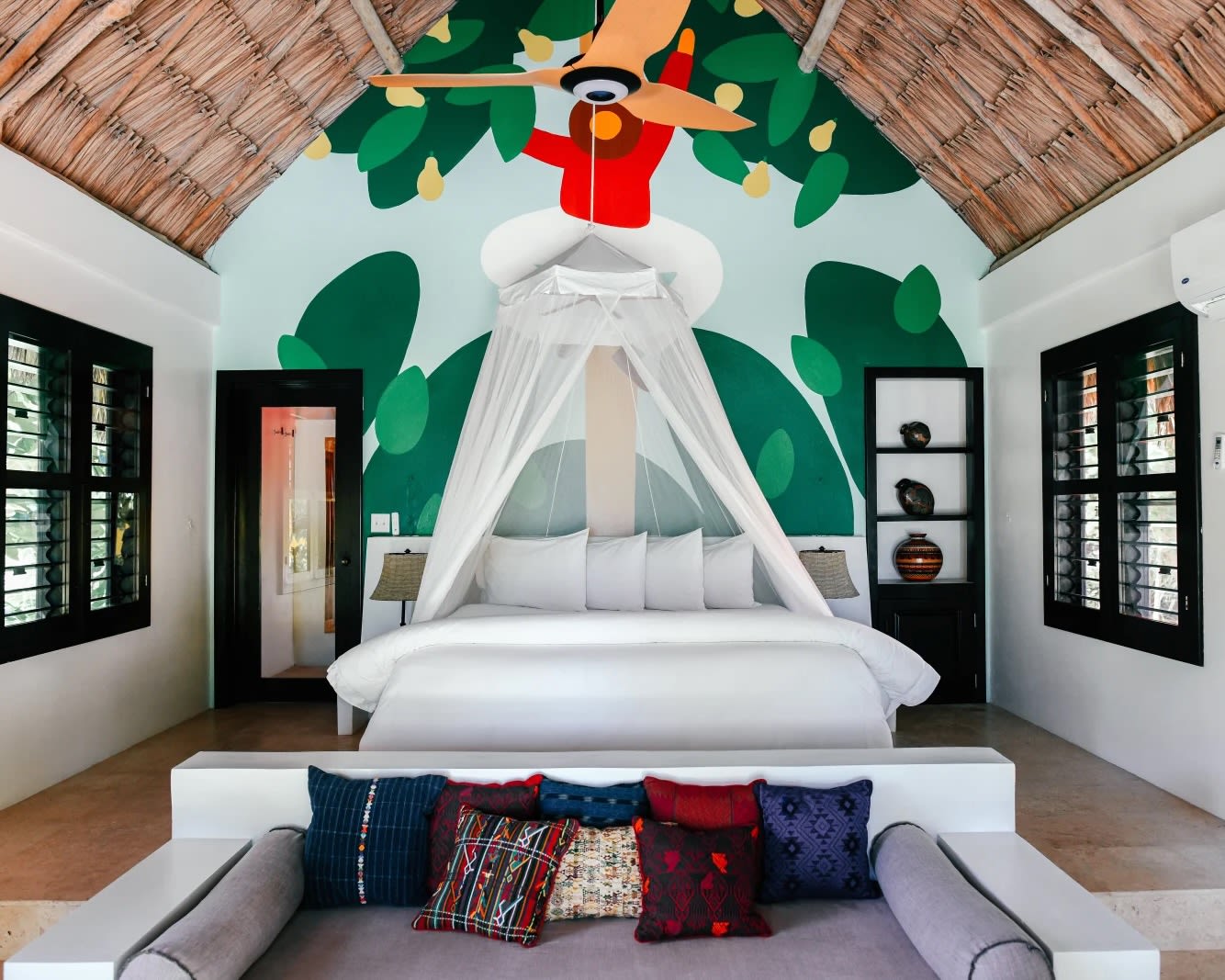
Image courtesy of Matachica Resort & Spa
The country runs on eco-tourism as much as anything else, and its relatively low development density is, at this point, a deliberate choice. While Belize City is a transit hub more than a destination, the rest of the country has plenty to offer.
Belize’s beaches tend to be the best entry point. Ambergris Caye is the most developed, with the main town of San Pedro offering access to reef diving and snorkeling. Caye Caulker runs smaller and slower, with a no-shoes ethos and single main path. Placencia, a long peninsula in the south, trades busier energy for whale shark encounters off Gladden Spit, kayaking, and a village strip that still feels like it's figuring out how famous it wants to become.
In the west, San Ignacio sits in the foothills of the Maya Mountains and operates as the base camp for the country's interior. Caracol, one of the largest Maya sites in Belize, is a half-day trip from town, and the ATM Cave (Actun Tunichil Muknal) puts you inside a ceremonial cave system with Maya skeletal remains still in place.
Where to stay in the mountains
Blancaneaux Lodge by Francis Ford Coppola (San Ignacio): This retreat is built around the Privassion River, with sandy banks and cool swimming holes. The organic farm and gardens supply the open-air restaurant, with a wine list drawn from Coppola’s own California and Argentine vineyards.
Fora Perks include a $100 hotel credit, daily breakfast, an upgrade, and extended check-in/out whenever possible.
Gaia Riverlodge (San Ignacio): Above the Macal River in the foothills, this intimate lodge takes sustainability seriously—an on-site farm, birdwatching, and waterfall hiking. The river provides a natural counterpoint to the ridge-top setting, with kayaking and swimming also within easy reach.
Fora’s withIN by SLH partner perks include a hotel credit, daily breakfast, an upgrade, and extended check-in/out whenever possible.
Where to stay at the beaches
Turtle Inn by Francis Ford Coppola (Placencia): Sitting directly on a stretch of pale Placencia beach, its Balinese-style bungalows—thatched, open-aired, and filled with art—are arranged so the sea is never more than a few steps away. The organic garden and farm feed a kitchen that turns out both Belizean and Italian dishes, complete with beach bonfire dinners.
Fora Perks include a $100 hotel credit, daily breakfast, an upgrade, and extended check-in/out whenever possible.
Matachica Resort & Spa (Placencia): This adults-only enclave keeps its guest count low, spreading thatched casitas across beachfront grounds. The house reef sits just offshore for snorkeling, while the spa and open-sided restaurant give little reason to leave this shoreline.
Fora’s withIN by SLH partner perks include a hotel credit, daily breakfast, an upgrade, and extended check-in/out whenever possible.
Victoria House Resort and Spa (Ambergris Caye): Victoria House strikes a balance between polished resort amenities and barefoot ease. The property’s dive operation provides direct access to the Mesoamerican Barrier Reef, while the accommodations—from main house rooms to suites, villas, and casitas—give it a layered, relaxed character.
Guatemala
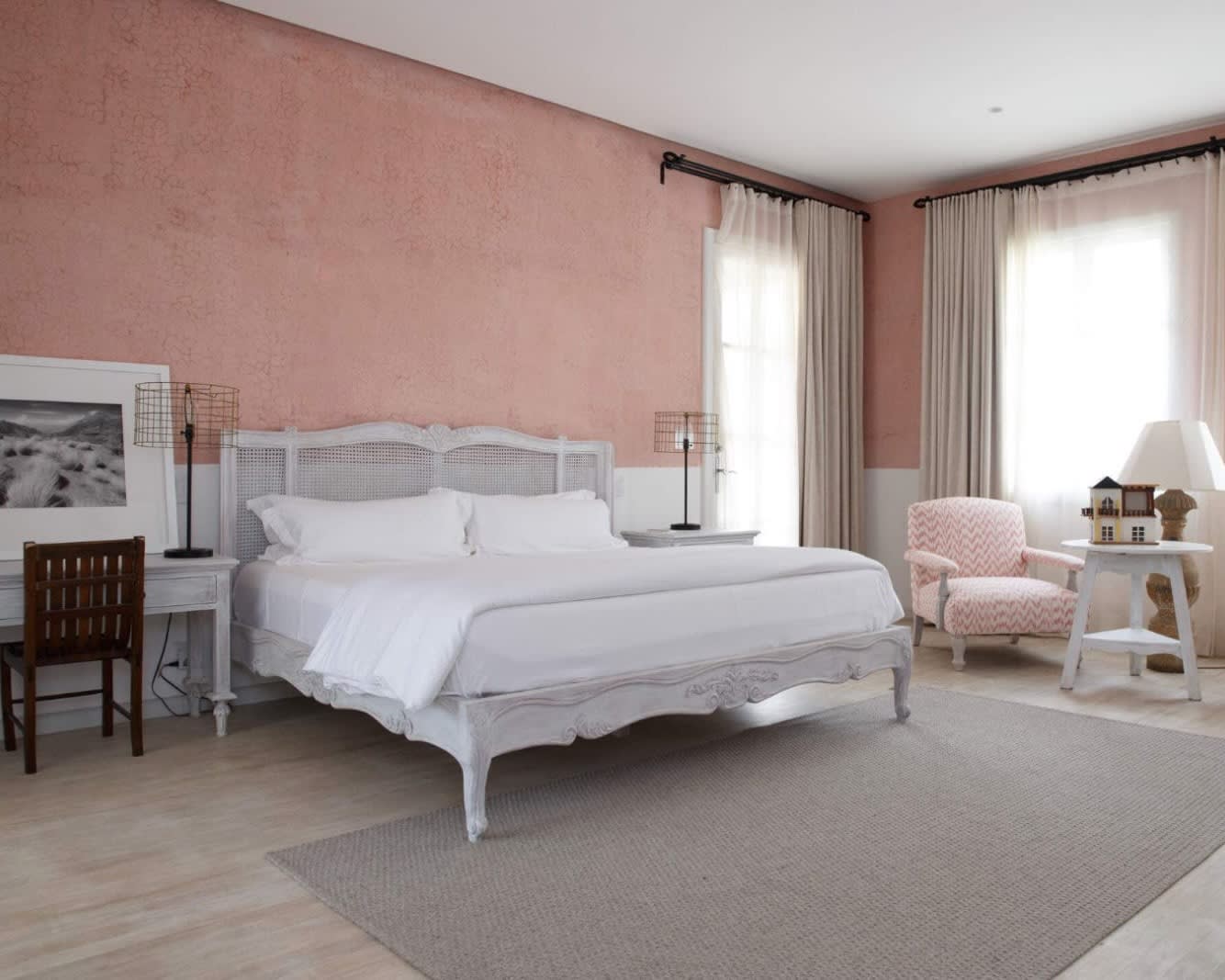
Image courtesy of Villa Bokeh - Relais & Chateaux
Guatemala is a compelling destination, with varied landscapes and cultures within a compact geography. Guatemala City functions primarily as a transit hub, but the country’s real draw begins once you leave it.
Antigua, an hour to the west, is one of the best-preserved colonial cities in the Americas, with cobblestone streets, pastel facades, and dramatic ruins set against the backdrop of active volcanoes that make the horizon look almost theatrical. Lake Atitlán, two hours further west, operates on a different scale entirely—a caldera lake ringed by three volcanoes and a string of Maya villages, each with its own character, market days, and textile traditions. San Pedro La Laguna draws a younger, longer-stay crowd; Santiago Atitlán carries deeper indigenous roots.
Flores, in the north, is a small town on Lake Petén Itzá that exists largely as the gateway to Maya ruins. Tikal justifies the journey entirely, its temple complexes rising above the jungle canopy in a way that photographs consistently fail to capture.
Where to stay in Antigua
Villa Bokeh: This Relais & Châteaux property is among Antigua's most coveted addresses with a handful of suites, personalized service, and interiors that blend colonial architecture with contemporary comfort. Volcano views and a thoughtfully curated food and drink program complete the stay.
Fora’s Leading Hotels of the World partner perks include daily breakfast, and extended check-in/out whenever possible.
Hotel Museo Spa Casa Santo Domingo: Built into the ruins of a 17th-century Dominican convent, with on-site museums housing pre-Columbian artifacts and colonial art. The sprawling grounds, spa, and multiple restaurants make it a self-contained stay.
San Rafael Hotel: A restored colonial mansion where whitewashed walls and interior courtyards set a tone that feels more private home than hotel. The wood-burning kitchen focuses on traditional Guatemalan cooking, sourced from local markets and producers.
El Convento Boutique Hotel: Occupying a restored convent, the property's stone archways, fountain courtyards, original tilework, and rooftop views over terracotta rooftops make it a charming, memorable stay in Antigua’s UNESCO-listed core.
Where to stay in Lake Atitlán
Hotel Casa Palopo: On a volcanic cliff above Lake Atitlán, this boutique hotel treats the view as the primary amenity—rooms, infinity pool, and restaurant terrace are all oriented toward it. The intimate scale and personal service give it the feel of a well-appointed private villa.
Fora’s Relais & Châteaux partner perks include daily breakfast.
Hotel Atitlán: Set within its own private nature reserve, this long-established property pairs colonial architecture and manicured gardens with direct water access. Kayaks, boat tours to nearby indigenous villages, and a spa round out this classic property.
Where to stay in Flores
Bolontiku Boutique Hotel: A small, design-conscious property on Lake Petén Itzá that takes its name and its aesthetic cues from the nine lords of the Maya underworld. Locally sourced materials and a lakeside setting give it a distinct character from rustic lodges nearby.
Fora Perks include an on-site experience, arrival and departure boat transfers, daily breakfast, an upgrade, and extended check-in/out whenever possible.
La Lancha by Francis Ford Coppola: A lodge on the shores of Lake Petén Itzá channels the same personal, art-filled aesthetic as other outposts, with open-air casitas terraced down through the rainforest to the water’s edge. The kitchen’s Guatemalan and Mexican-influenced menu and the lodge’s own boat make for an easy base.
Las Lagunas Boutique Hotel: Overwater bungalows connected by wooden walkways sit directly above a private lagoon, making this an architecturally arresting stay. The surrounding wetlands attract significant birdlife, and Tikal is within comfortable striking distance.
Cruising to Belize and Guatemala
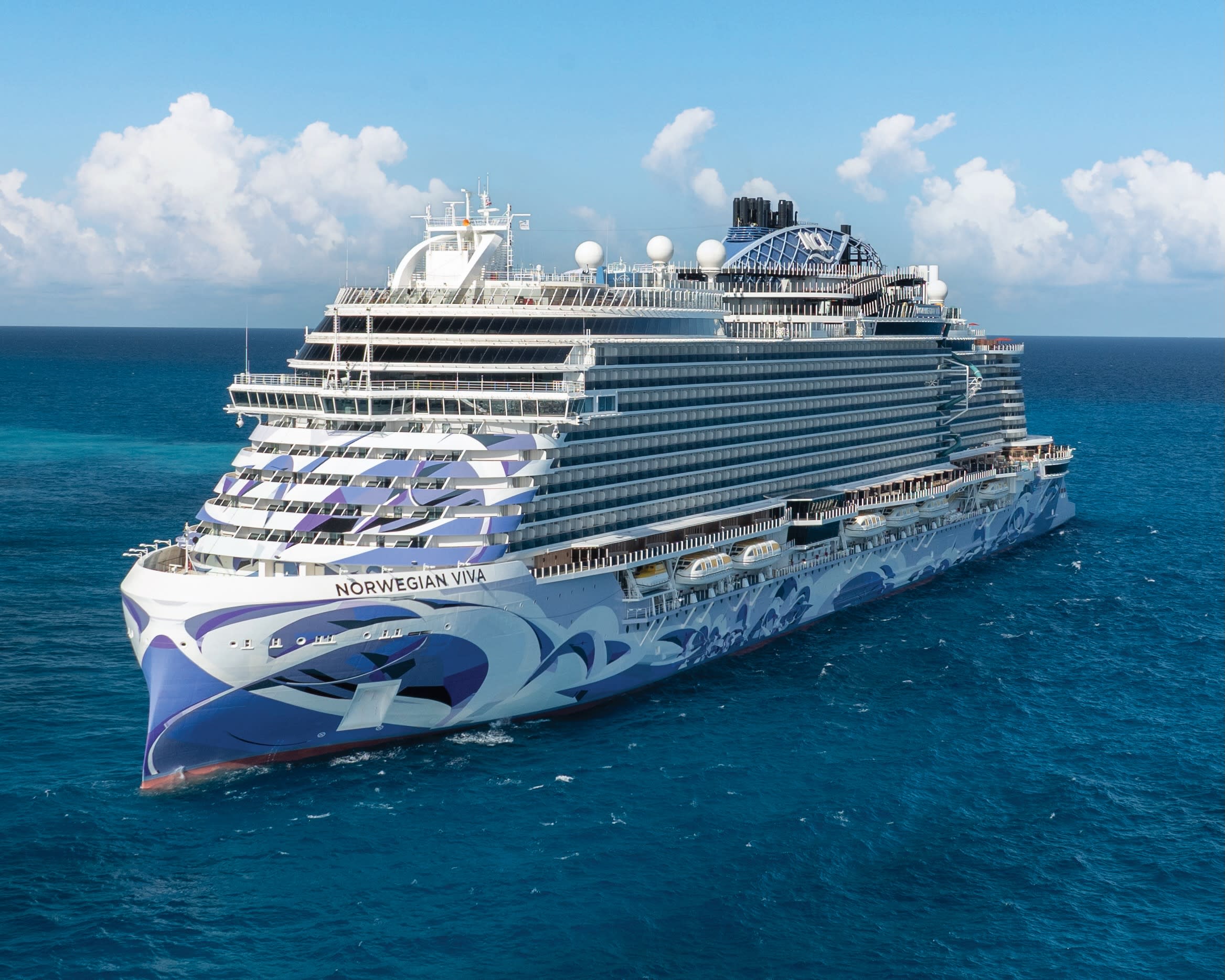
Image courtesy of Norwegian Cruise Line
Belize and Guatemala appear together on many cruise itineraries.
In Belize, the two main stops offer very different experiences. Belize City is a tender port with a longer-than-average boat ride to shore—closer to 30 minutes—making it one of the more time-consuming port arrivals in the region. Harvest Caye, Norwegian Cruise Line’s private island in the south, trades cultural immersion for a more controlled beach day with easier access.
Guatemala splits across two coasts entirely. Santo Tomás de Castilla sits on the Caribbean side and serves as the jumping-off point for Antigua and Maya ruins. Puerto Quetzal, on the Pacific coast, covers similar shore excursion ground on Panama Canal transits.
Popular itineraries
Western Caribbean (7–10 days): Roundtrip sailings from southern U.S. cities combine Belize and Guatemala with ports in Mexico, Jamaica, and the Bahamas. Best for mixing culture and jungle with a taste of reef snorkeling and beach days.
Central America (10–14 days): Sailings that string together Belize and Guatemala with Costa Rica, Panama, and Caribbean islands in a single sweep. This is the itinerary for a broader view of the wildlife, culture, and landscapes that define Central America.
Panama Canal (14–16 days): Full and partial transits run between the southern U.S. and the West Coast. The all-encompassing scope of these sailings makes them a natural choice for historic and modern landmarks, rainforest and wildlife, and relaxing beaches.
Notable cruise lines
Norwegian Cruise Line: NCL’s signature “Freestyle” approach means no assigned dining times, no set seating, and a flexible schedule that leads to a lively onboard atmosphere. The ships are large and family-friendly, with a wide range of entertainment and activity options.
Fora Perks include up to $300 shipboard credit per stateroom on select sailings.
HX Expeditions: The Norwegian expedition line’s ships are purpose-built for remote environments—hybrid engines, Zodiac landing craft, and a Science Centre. The atmosphere is casual and community-oriented, organized around naturalist lectures and hands-on excursions.
Fora Perks include a $100 shipboard credit per person on select sailings.
Regent Seven Seas Cruises: The ultra-luxury line is all-inclusive, paired with all-suite accommodations and a near 1:1 crew-to-guest ratio. The atmosphere is casually elegant and refined, drawing well-traveled couples who want a high-touch, high-comfort experience.
Virtuoso Voyages Hosted Benefits available on select sailings.
Viking Cruises: Adults-only by design sets the tone for everything—no casinos, no water parks, and cultural enrichment over nightlife. The Scandinavian aesthetic means clean lines, natural light, warm materials, and a sense of calm throughout.
Fora Perks include up to $200 onboard credit per stateroom on select sailings.
History and culture
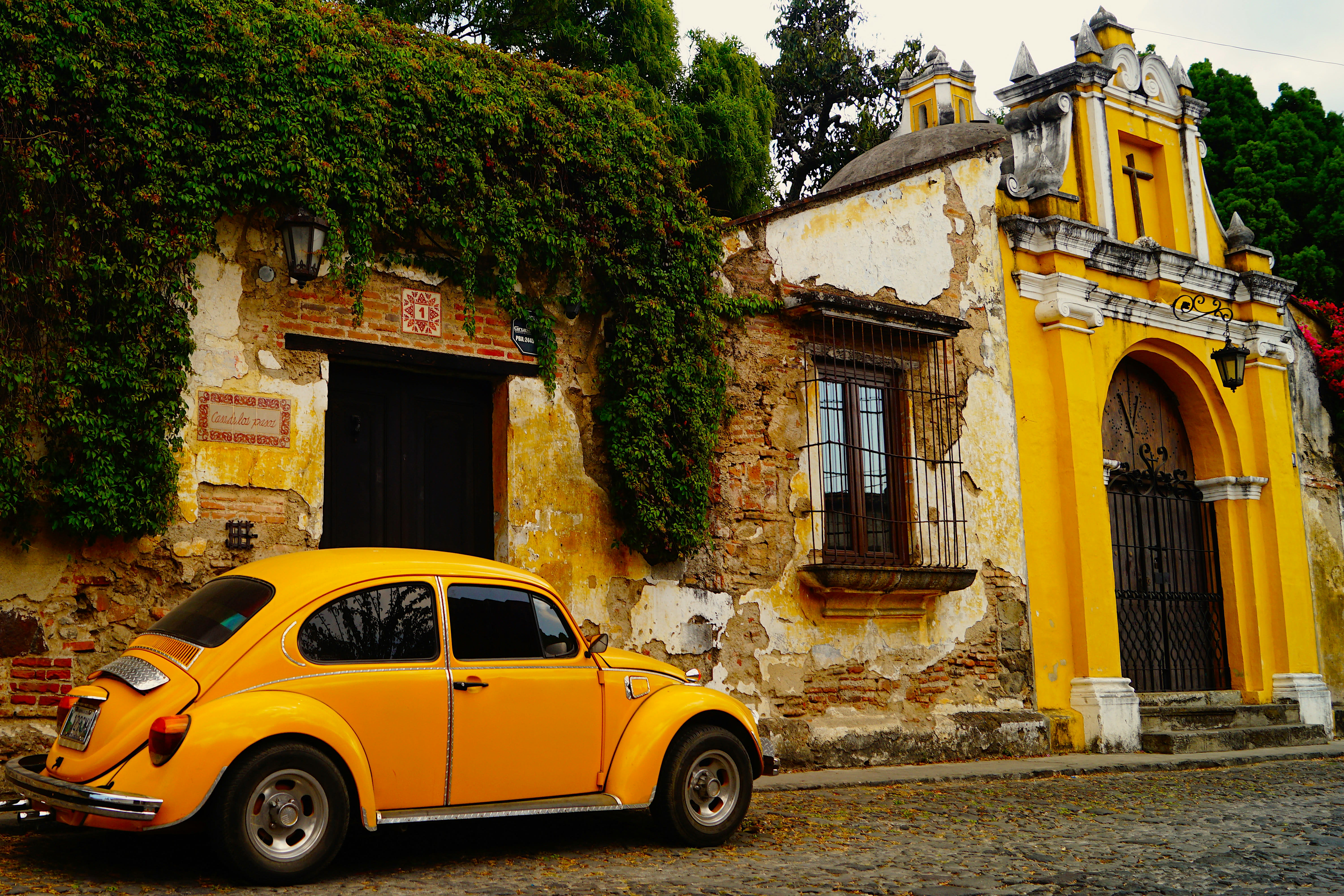
The land now divided between Belize and Guatemala was once the heartland of the ancient Maya civilization, one of the most sophisticated in the pre-Columbian world. At its peak, between roughly 250 and 900 CE, the Maya built cities of extraordinary scale—Tikal, Caracol, and Lamanai among them—with astronomical knowledge, written language, and trade networks that spanned the region. Their collapse remains one of history’s more debated questions, but the civilization never disappeared: millions of Maya people live across both countries today, maintaining languages, agricultural practices, and spiritual traditions.
Spanish colonization arrived in the 16th century with particular violence in Guatemala, where the conquest was met with fierce resistance from the K’iche’ and Kaqchikel Maya. What followed were centuries of forced labor, land seizure, and cultural suppression that established an entrenched racial hierarchy—one whose consequences shape Guatemalan society to this day. Belize followed a different colonial path under British rule, importing enslaved Africans and indentured workers from India and China to sustain the logging economy, producing a population of striking ethnic diversity.
Guatemala’s 36-year civil war ended in 1996, after an estimated 200,000 people were killed—the majority of them Indigenous Maya—that left a generation navigating both memory and reconstruction. Together, these two countries hold an extraordinary density of history across ancient cities reclaimed by jungle, colonial cathedrals built over Maya temples, and living cultures that have absorbed five centuries of pressure without surrendering their core.
Cultural celebrations and events
Placencia Sidewalk Art Festival (February, Placencia, Belize): An annual gathering of live music, food, and artists and craftspeople selling their work to locals and visitors.
San Pedro Carnival (February/March, San Pedro, Belize): Three days of parades, music, and celebrations leading up to Ash Wednesday mark the start of Easter season.
Semana Santa (March/April, Guatemala): Holy Week is observed with processions of enormous floats and streets carpeted with hand-laid alfombras.
National Indigenous Festival (July, Cobán, Guatemala): A multi-day event of dance, music, and ceremony where a Rabin Ajaw—“daughter of the king”—is selected and crowned as queen from indigenous communities across the country, in what is considered the most important Mayan festival in the country.
Belize Independence Day (September 21, Belize): Celebrations across the month peak on Independence Day, with parades, live music, and cultural performances.
Garifuna Settlement Day (Nov 19, Belize): Annual commemoration of the arrival of the Garifuna people with canoe reenactments, drumming, traditional food, and street celebrations centered in Dangriga but celebrated nationwide.
What to do in Belize and Guatemala
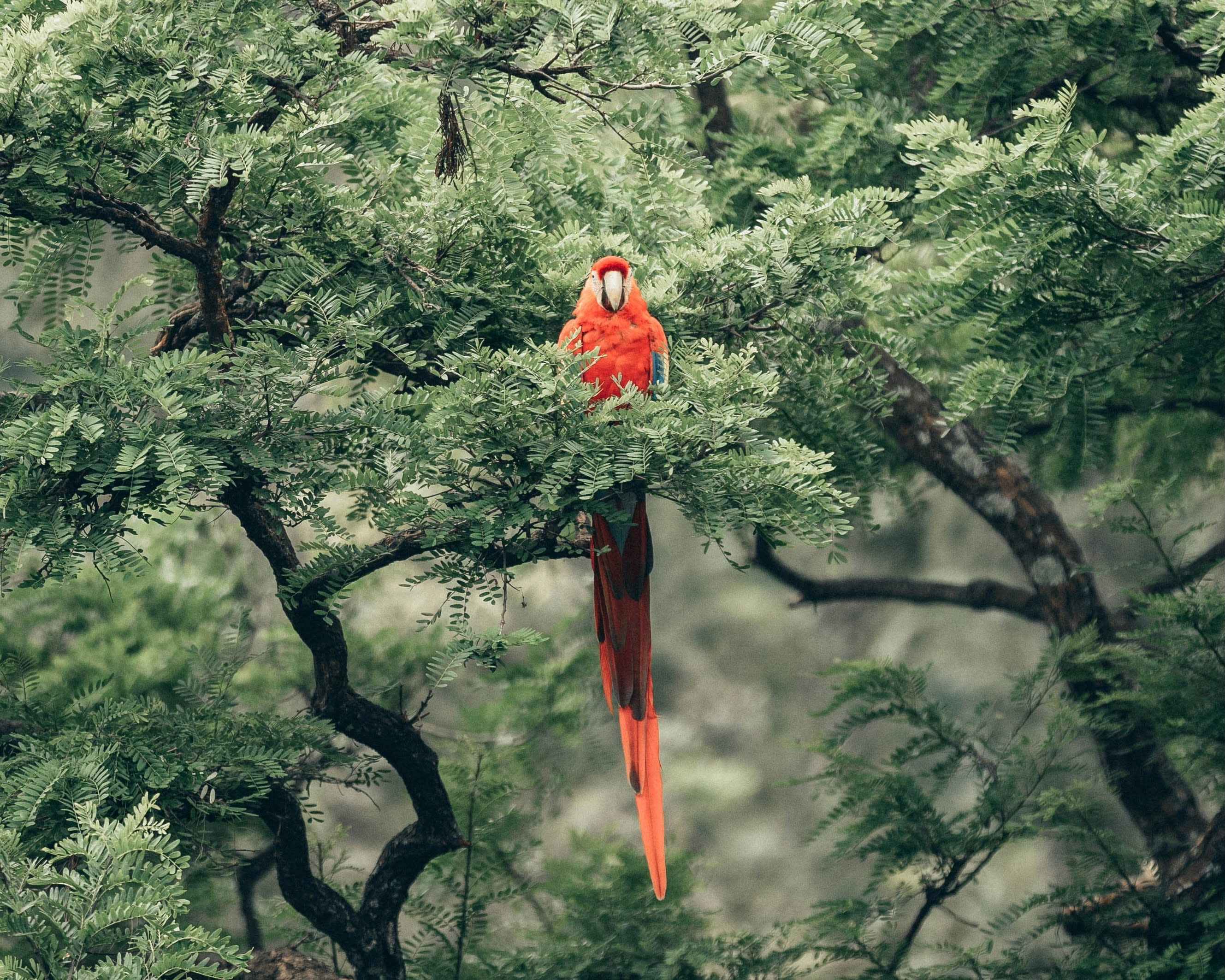
Belize and Guatemala pair naturally into a single trip, with enough variety between them to sustain weeks of exploration. Guatemala is wildlife, lake villages, and one of the most intact living Indigenous cultures in the Americas. Belize tilts toward the coast and the canopy, from the second-longest barrier reef in the world to a rainforest dotted with rivers, caves, and unexcavated Mayan sites.
Belize
Maya ruins: Belize holds an exceptional concentration of Maya sites across a small territory. Xunantunich, near the Guatemalan border, has one of the tallest structures in the country and is reached by a hand-cranked river ferry. Lamanai, accessible only by a river boat through the jungle, is among the most atmospheric, with howler monkeys in the canopy above the temples. Caracol, deep in the Chiquibul Forest, is still being excavated with several structures unrestored.
Actun Tunichil Muknal (ATM) Cave: The cave system in the Tapir Mountain Nature Reserve requires a river crossing and a swim to enter. Inside, Maya ceremonial artifacts and skeletal remains have been left in place since around 900 AD. Tours are guided and numbers are controlled.
Cave tubing: Nohoch Che’en Archaeological Park offers a network of pitch-black river caves to float through on an inner tube, headlamp on, with stalactites overhead.
Waterfalls: The Mountain Pine Ridge Forest Reserve is known for its falls and swimming holes. Big Rock Falls drops into a clear pool suited for a dip. The Rio On Pools, a series of granite slides and natural basins, are among the most enjoyable spots on a hot afternoon.
River hiking (Belize): The river systems of the Cayo District—particularly along the Macal and Mopan rivers—offer trails that move between trees, limestone outcroppings, and howler monkeys are a near-constant presence in the canopy; early mornings, when their calls carry across the forest, are the best time to be out.
Islands: The cayes scattered along the barrier reef range from developed—Ambergris Caye and Caye Caulker—to genuinely remote, reachable only by private boat. The Belize Barrier Reef is the second longest in the world, making it a diving mecca. Hol Chan Marine Reserve and Shark Ray Alley put you in the water with nurse sharks and southern stingrays in shallow, clear conditions. The Great Blue Hole—a giant sinkhole about 70 miles offshore—is the marquee dive, best suited to certified divers.
Guatemala
Volcano hikes: Guatemala sits on a chain of volcanoes along its Pacific spine, and several are climbable with a guide. An overnight hike to the summit of Acatenango puts you at eye level with the active volcano next door, which erupts every 20 minutes. Pacaya is a shorter and more accessible climb with hardened lava fields near the top.
Chichicastenango market: The twice-weekly market—Thursdays and Sundays—is the largest indigenous market in Central America. It draws Kiche’ Maya vendors from the surrounding highlands selling textiles, masks, ceramics, and produce.
Lake Atitlán: The caldera lake, ringed by three volcanoes and a string of small villages, is best explored by boat crossing between villages. San Juan la Laguna, on Atitlán’s western shore has become a center for traditional Mayan textile arts, and several cooperatives here—many women-led—work to preserve natural dyeing and backstrap loom weaving techniques.
Shopping: Antigua is the most practical base for buying quality Guatemalan textiles. Nim Po’t, housed in a colonial courtyard, carries a large collection of traditional clothing and weavings. Manos Preciosas stock work produced in partnership with NGOs preserving indigenous weaving traditions.
Maya ruins: The temples of Tikal, once a Maya city of roughly 100,000 people, rise above the canopy and remain some of the most impressive in Mesoamerica. The surrounding Petén region holds dozens of lesser-visited sites, some still partially buried and unrestored, accessible by guided excursions.
Cacao workshops: Cacao has been cultivated in this part of the world for thousands of years, and workshops offer hands-on classes covering the full process grounded in the agricultural and ceremonial history of cacao in Maya culture.
Where to eat in Belize and Guatemala
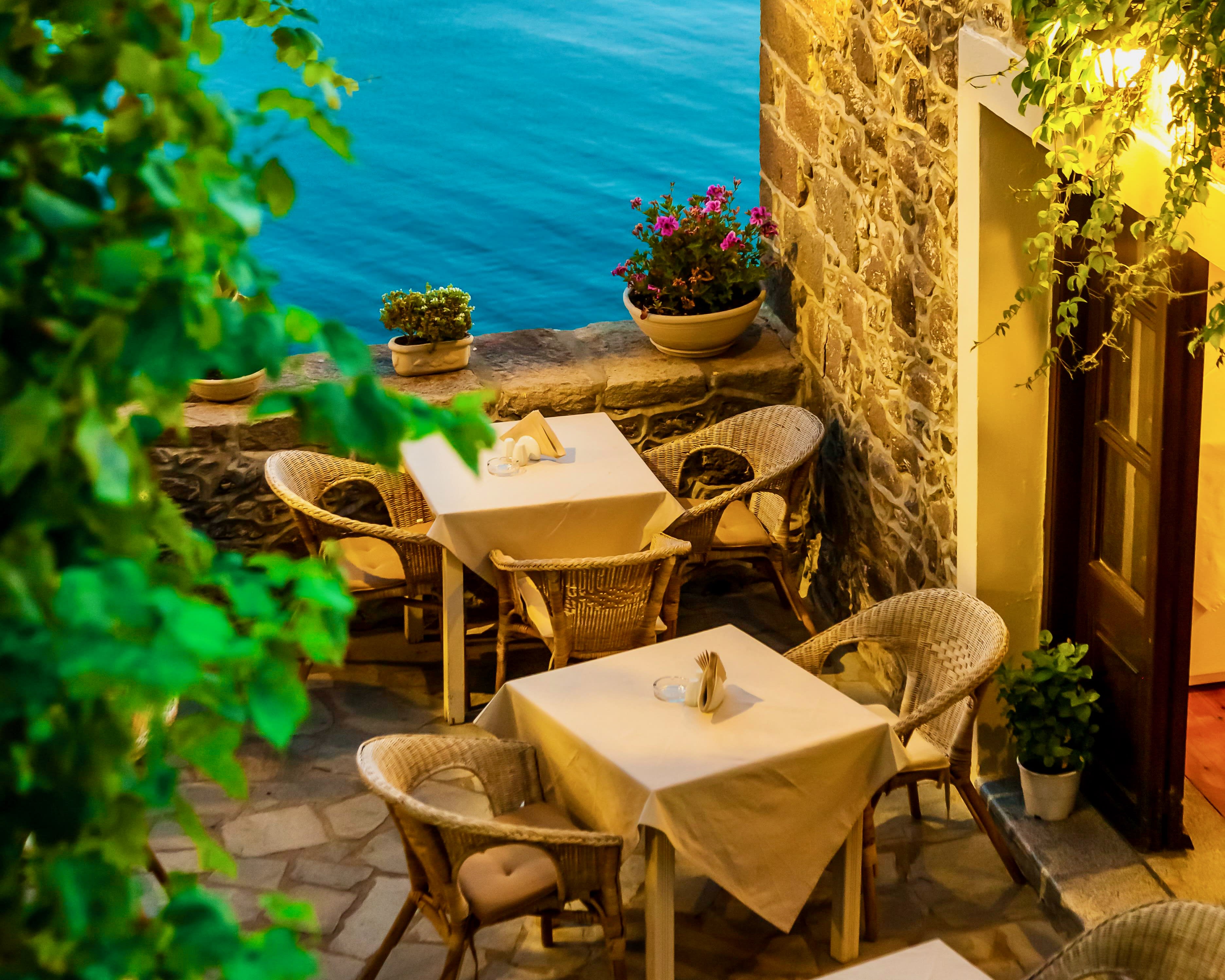
Belize and Guatemala’s pre-Columbian roots form the backbone of their cuisines, complemented in Belize by Caribbean and Creole influences and in Guatemala by complex Mayan traditions. For most visitors, meals will be eaten at their hotels and resorts, but there are plenty of independent restaurants in major tourist hubs worth making a detour for.
Belize
Elvi’s Kitchen (Ambergris Caye): Sand floors, local art on the walls, and a menu that’s anchored in Mayan and Belizean tradition.
Blue Water Grill (Ambergris Caye): A beachfront fixture open from breakfast through dinner, with the broadest of menus.
Caliente Restaurant (Ambergris Caye): A family-owned open-air restaurant blending Mexican and Caribbean cooking that’s popular with locals.
Rumfish Y Vino (Placencia): Set in a breezy two-story building overlooking the town square with an expansive wine list, spiced seafood, and handcrafted fruit cocktails.
Maya Beach Hotel Bistro (Placencia): A beach bistro applying French technique to Caribbean ingredients with direct views of the Caribbean Sea.
The Guava Limb Restaurant & Café (San Ignacio): A converted colonial-era wooden house with a gardened courtyard and veranda seating, producing an international farm-to-table menu spanning Middle Eastern, Asian, and Italian dishes.
Ko-Ox Han Nah (San Ignacio): This long-running institution offers Indian curries alongside Belizean rice and beans, served in no-frills surroundings.
Guatemala
The Hidden Garden Atitlan: A cafe tucked into a garden in San Marcos La Laguna that has built a following for its farm-to-cup coffee and health-forward food.
Sababa Restaurant (Lake Atitlan): A Mediterranean-inflected restaurant and bakery with lake views that draws a devoted crowd.
Tartines (Antigua): A French bistro occupying a colonial house with rooftop terrace seating overlooking the ruins of the San José cathedral.
27 Adentro (Antigua): A rooftop restaurant and garden courtyard serving up a creative fusion menu.
Casa Escobar Antigua: This family-owned steakhouse has been grilling over oak in a Spanish colonial setting for decades.
Resaturante Maracuyá (Flores): The island’s most atmospheric restaurant with a diverse menu, reached by walking down a dock over the lake and entering a plant-covered space with butterfly sanctuary below and rooftop terrace above.
Maple & Tocino (Flores): A waterfront café that serves breakfast all day alongside legendary doughnut topped milkshakes, and unlimited Americano with every meal.
Restaurante Raices (Flores): An artisanal grill and wood-oven restaurant on the island’s edge with beautiful lake views.
Sublime (Guatemala City): Chef Sergio Díaz’s tasting menu restaurant builds a 12-course journey across Guatemala’s seven regions, having been named a Relais & Châteaux partner and ranked on Latin America’s 50 Best.
Diacá (Guatemala City): This restaurant with panoramic city views offers 8- or 12-course tasting menus using Guatemalan ingredients sourced through local producers across the country’s 360 microclimates.
Trips to add on
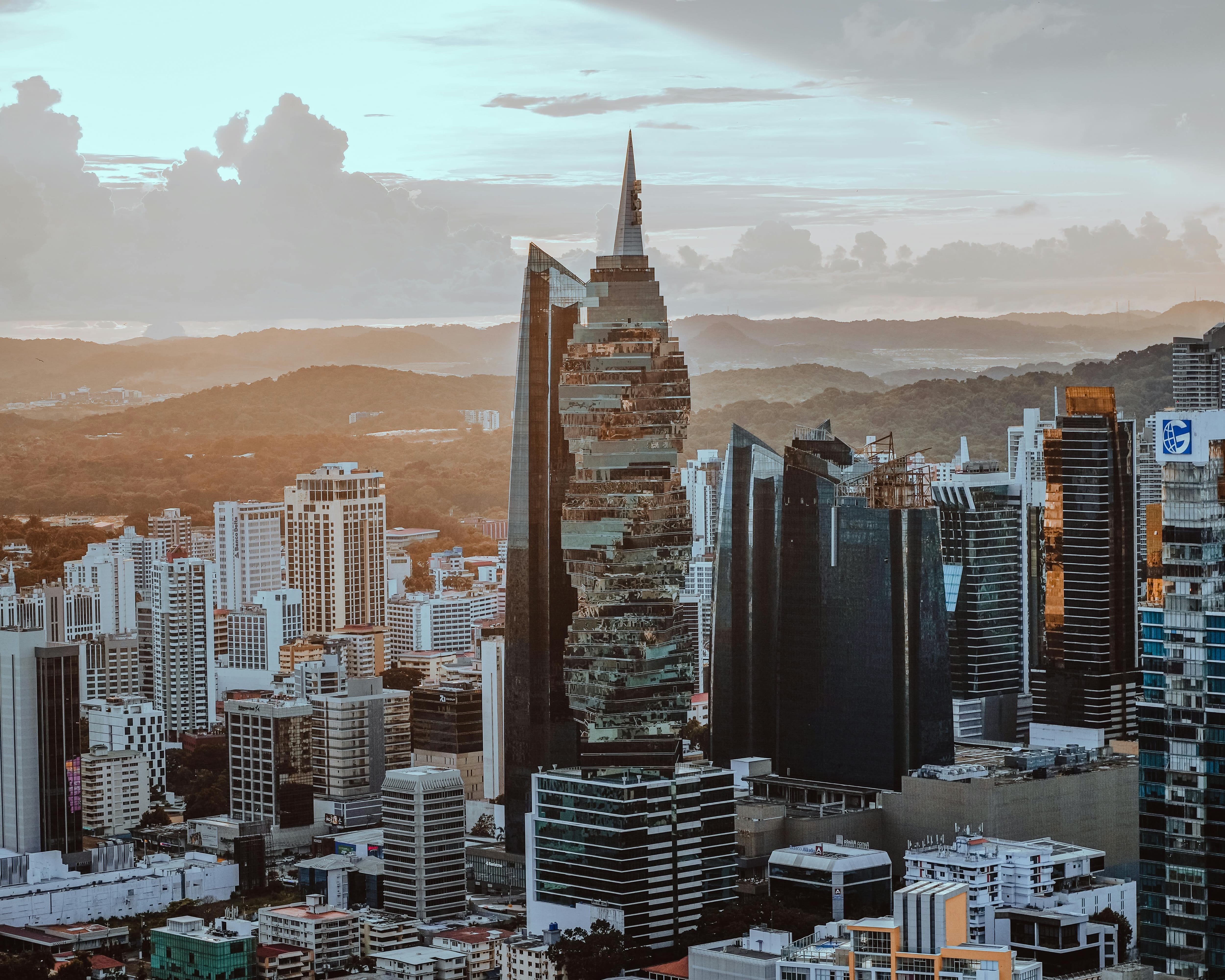
Belize and Guatemala sit at the crossroads of Central America, where Caribbean coastline, Maya heritage, and jungle-covered highlands converge—and the wider region layers on naturally from either country.
Roatán, Honduras (1-hour flight): The largest of the Bay Islands sits along the Mesoamerican Barrier Reef, making it one of the Caribbean’s top destinations for diving and snorkeling. West End and West Bay concentrate most of the dive operators and beachfront restaurants, while the island’s interior remains largely forested and far less visited than the shoreline.
Costa Rica (1.5-hour flight): The blueprint for ecotourism and adventure infrastructure in Central America. Arenal’s volcano and hot springs anchor the northwest; Manuel Antonio pairs a pocket-sized national park with a strong beach scene on the Pacific; and the Osa Peninsula is the most biodiverse corner of the country.
Riviera Maya, Mexico (1–2 hour flight): The northern end of the Maya world, with a geographically and culturally varied coastline. Cancún is the logical arrival point, with Isla Mujeres just offshore and the archaeological site of Chichén Itzá about two hours inland. Heading south, Playa del Carmen and Tulum trade on Caribbean beaches, cenote swimming, and a resort infrastructure that ranges from all-inclusive to boutique hideaway.
Panama (2.5-hour flight): Panama City’s UNESCO-listed colonial district juxtaposes with a gleaming modern skyline, and the engineering spectacle of the Panama Canal. Beyond the capital, the Bocas del Toro archipelago on the Caribbean coast delivers stilted villages, clear water, and colorful reefs, while the Chiriquí Highlands offer hiking and coffee farms.
If not Belize or Guatemala…
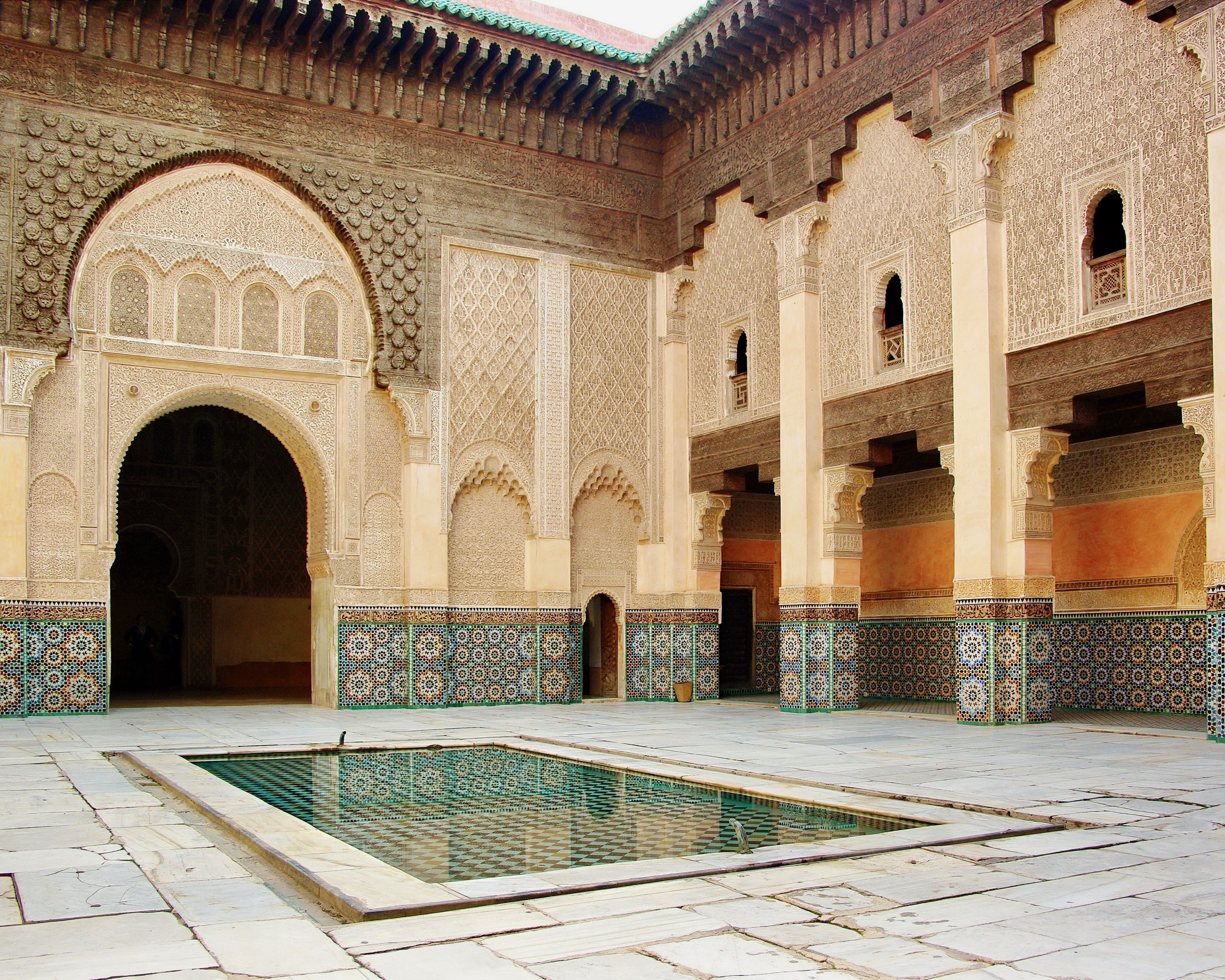
What draws people to this corner of Central America surfaces in each of these alternate destinations, just on different terrain. Expect historic ruins, Indigenous cultures, and landscapes that shift from volcanic highlands to Caribbean coast.
Nicaragua: The geography will feel familiar to Guatemala—volcanoes, colonial cities, and Indigenous communities. León’s revolutionary murals and Granada's lakeside setting make a compelling cultural axis; Ometepe Island, rising from Lake Nicaragua as a twin-volcano silhouette, is the landscape highlight.
Oaxaca, Mexico: One of Mexico’s most culturally concentrated states, where Zapotec and Mixtec heritage is visible in the ruins of Monte Albán, the markets of the city center, and a food culture—mole, tlayudas, mezcal—that has become a serious destination in its own right. The craft villages surrounding the city, each known for a specific tradition, are worth the detour.
Morocco: Ancient medinas in Fez and Marrakech operate with labyrinthine souks, ornate madrasas, and a long-standing craft tradition. The Sahara, the Atlas Mountains, and the blue-washed village of Chefchaouen extend the geography well beyond the imperial cities.
Laos: The Mekong moves slowly through a country where temple complexes, traditional villages, and French colonial architecture coexist. Luang Prabang—a UNESCO-listed town of gilded wats and saffron-robed monks—is the cultural centerpiece, but the Plain of Jars and the cave temples of Vang Vieng push the ancient history deeper and stranger.
Slovenia: A small country that packs in a surprising amount: a medieval capital in Ljubljana, a glacier-carved alpine lake at Bled, karst caves at Postojna, and an Adriatic coastline at Piran. The scale makes it easy to move between landscapes and the density of history, architecture, and outdoor access rivals countries twice its size.
Sri Lanka: A compact island where the variety is striking—misty tea highlands, ancient Buddhist ruins, and wildlife that includes elephants, leopards, and blue whales offshore. The cultural density rivals Guatemala's, and the pace of travel between them feels similar with lots of ground to cover, but all of it worth it.