


Curator’s statement
Formentera is the first place I recommend when a client wants the Balearics but is done with the noise. It earns its beauty quietly—in architecture that feels considered rather than constructed, in water so clear it almost doesn’t look real, in a lunch that takes three hours and justifies every minute. The island isn’t trying to impress you, and that’s exactly why it does. I built this guide for the traveler who has stopped trying to see everything and started wanting to actually feel somewhere.
The Fora Difference
Book with Palmé Travel to access exclusive perks and experiences on your trip.

Killer perks
Free upgrades, spa credits and more—we got you

Personalized recs
Customized travel planning for your style

Insider knowledge
Expert advice from people who’ve actually been there
Where to stay in Formentera
Unlock perks by contacting Palmé Travel to book your trip.
Things to do in Formentera
My favorite ways to “feel” the island
Punta de sa Pedrera (the natural pools): This ancient sandstone quarry is my favorite place to jump into the sea. The geometric carvings feel like a sunken, brutalist cathedral. It’s raw, quiet, and completely unreal.
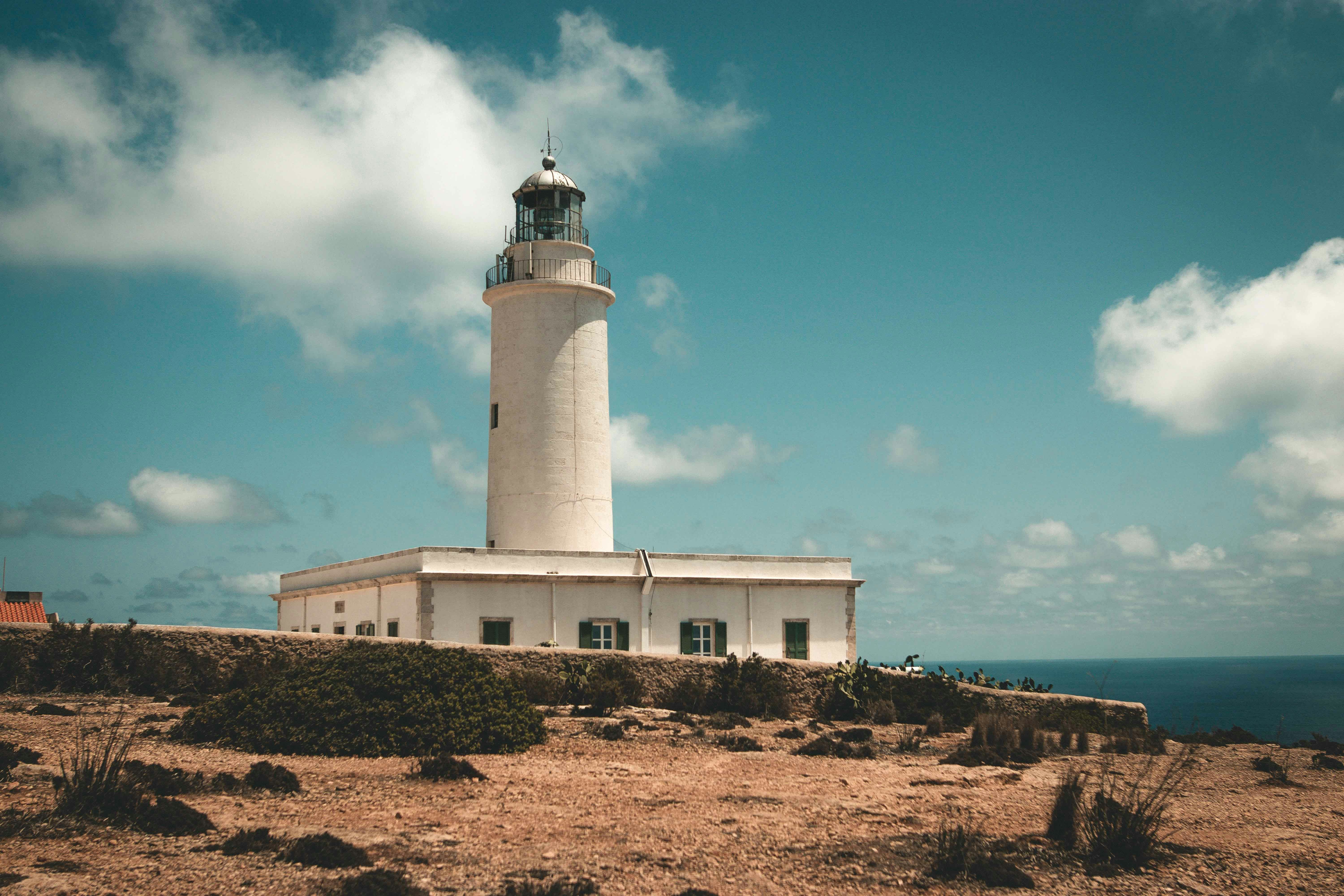
Far de Barbaria (the south lighthouse): I always walk the last half-mile of the road here. There is a specific kind of silence at this southernmost tip that grounds you instantly. Go at golden hour, when the white tower sharpens against the burnt orange earth.
Ses Salines (the salt pans): I’ve spent hours watching the water here turn from pale lilac to rose gold. It’s a reminder that the island’s best art isn’t made by hand—it’s the slow patience of salt and sun.
Estudio Tur Costa (the artist’s studio): For the architecture lovers, this is a pilgrimage. It was the workspace of Antoni Tur Costa, designed by Erwin Broner. It’s a beautiful collision of mid-century modernism and traditional island style.
Floating over the Posidonia: Rent a traditional wooden llaüt boat. The water looks like glass because of the ancient seagrass breathing beneath you. Floating above it is the ultimate Formentera meditation.
Mercat Artístic de Sant Ferran: I skip the big tourist markets for this one. It’s a small gathering of local professional artists. I once found a sketch here that felt more like the soul of the island than any photo I’ve taken.
Places to eat & drink in Formentera
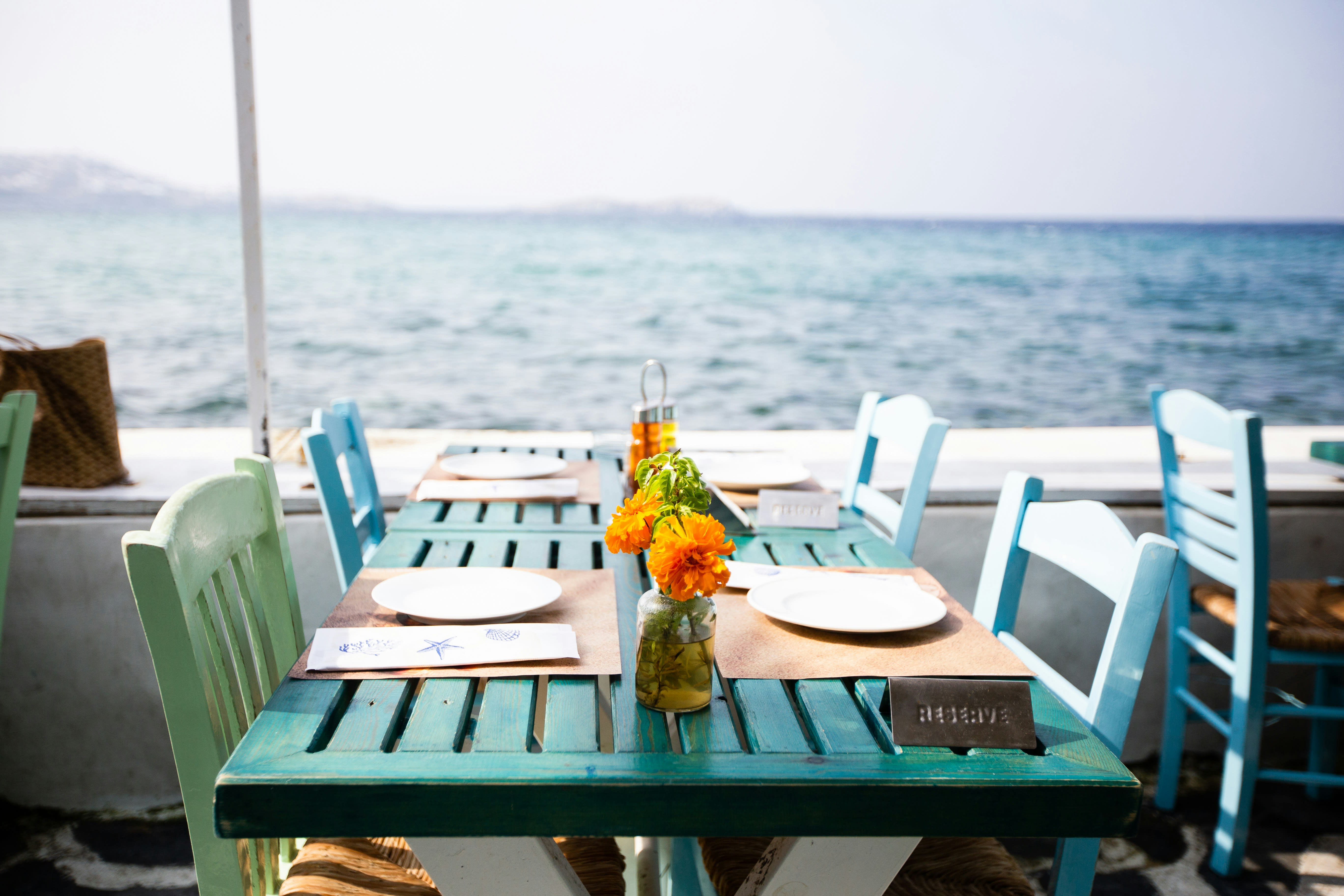
Es Molí de Sal: Housed in an old salt mill, this is my go-to for the “three-hour lunch.” I always ask for a table near the old machinery. Order the salt-baked fish, open a bottle of crisp white, and let the afternoon disappear.
Can Carlos: This is the most romantic spot in Sant Francesc. You dine under a canopy of fairy lights—the carpaccios are a must, and the atmosphere is pure magic.
Can Rafalet (Es Caló): For something authentic and family-run, this is a staple. The views of the rocky coast are staggering, and the Ensalada Payesa (with local dried fish) is exactly what the island tastes like.
Need to know
Before you board the ferry from Ibiza, forget everything you know about the typical Mediterranean holiday. Formentera requires a different pace.
The arrival: There is no airport here, and that is its greatest gift. You’ll fly into Ibiza (IBZ) and take a 30-minute fast ferry. I always suggest a private transfer to the port; the transition from the airport hustle to the sea breeze should be seamless.
Moving through the island: To really feel the island, skip the standard rental car. I prefer a vintage Mehari or an electric scooter. The island is flat and lined with “green routes” (rutas verdes) where the only sound is the crunch of gravel and the smell of wild rosemary.
The rhythm: Life here revolves around the “long lunch.” Most boutiques in Sant Francesc close in the afternoon for siesta, reopening when the air cools. Embrace it.
The palette: Pack your best linens and Stockholm-inspired neutrals. The vibe is “barefoot luxury”—you want textures that feel like the island: silk, knitwear, and sturdy sandals. Leave the heels in Miami; you’ll be walking on sand and ancient stone.
When to go: June and September are my personal favorites. The light is soft, the water is warm enough for a long soak, and you can actually find a quiet corner of the dunes to yourself.


Travel Advisor
Palmé Travel

Richie Barningham

Get in touch with Palmé Travel
Did you like this guide? Reach out to customize and book your own experience. Or, just to chat about travel in general.
For more inspiration and insider recommendations, visit our Spain page.