
From the Badlands to Theodore Roosevelt: A Northern Plains National Parks Road Trip

Curated By
Sophultravels


Curator’s statement
This region of the Northern Plains offers a quieter, more expansive kind of national park experience, where open landscapes and long stretches of road define the journey as much as the destinations themselves. From the dramatic formations of Badlands National Park to the wildlife-rich Black Hills and the striking presence of Devils Tower National Monument, each stop reveals a different side of the region. Endless grasslands stretch throughout the drive, while Theodore Roosevelt National Park adds another layer with roaming wildlife, including wild horses. It’s a journey best suited for travelers who value space, scenic drives, and a more reflective pace.
The Fora Difference
Book with Sophultravels to access exclusive perks and experiences on your trip.

Killer perks
Free upgrades, spa credits and more—we got you

Personalized recs
Customized travel planning for your style

Insider knowledge
Expert advice from people who’ve actually been there
Where to stay
Unlock perks by contacting Sophultravels to book your trip.
Day 1: Arrival & gateway to the Badlands
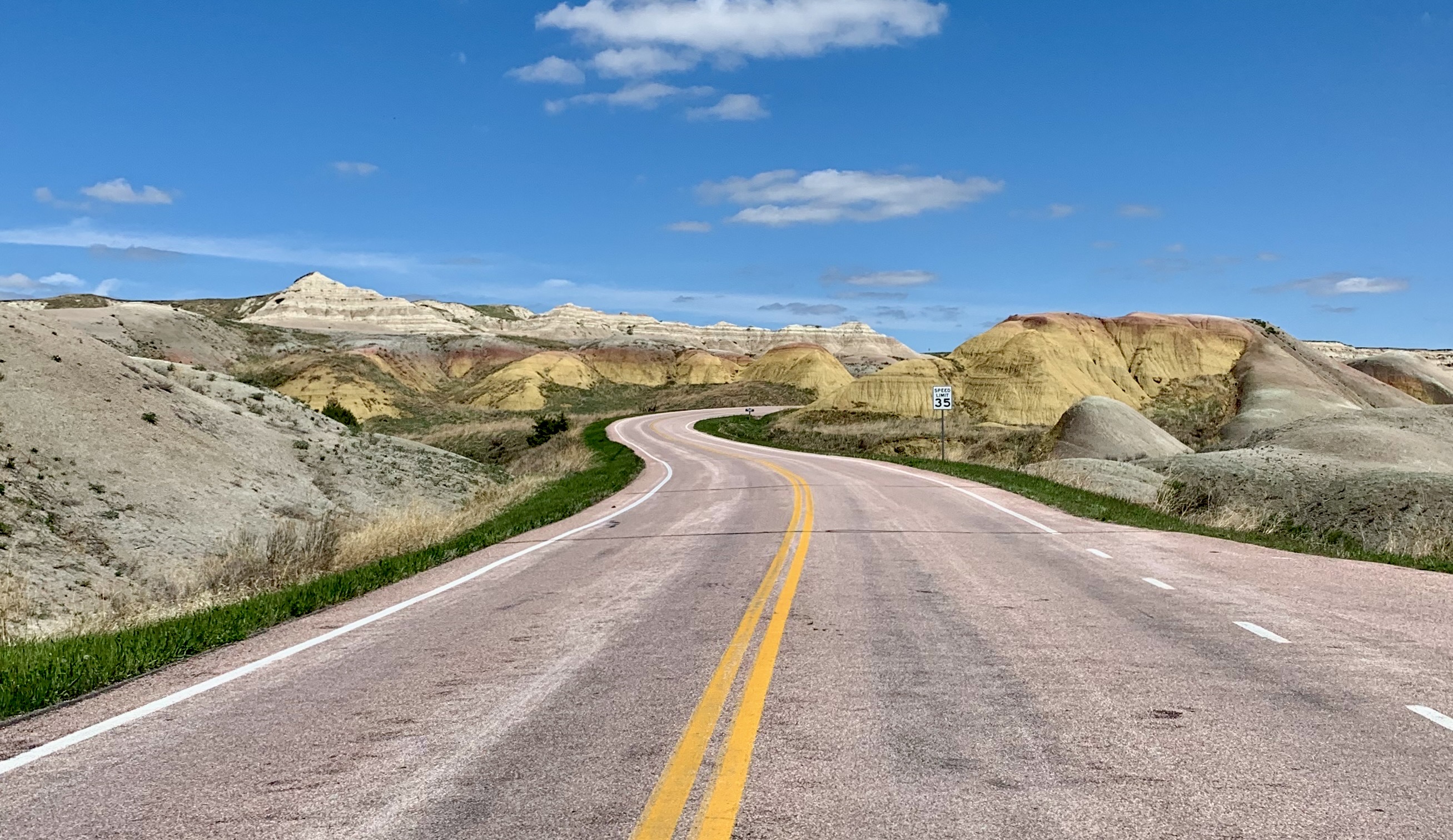
Badlands; Photo: Sophia Ramos-Climent
Arrive into Rapid City and pick up your rental car. This is your best opportunity to stock up on snacks, groceries, and any essentials, as options become more limited the closer you get to the parks and smaller towns.
From there, begin the drive toward the small town of Wall. If time allows, you can make a stop at the Minuteman Missile National Historic Site for a fascinating glimpse into Cold War history, or visit the nearby Badlands National Park overlooks for your first introduction to the region’s dramatic landscapes.
After checking in, take some time to explore Wall and stop by the iconic Wall Drug, which offers a fun and memorable introduction to the area’s character.
Keeping the day relaxed allows you to settle in, get organized, and prepare for an early start the next morning.
Day 2: Exploring Badlands National Park
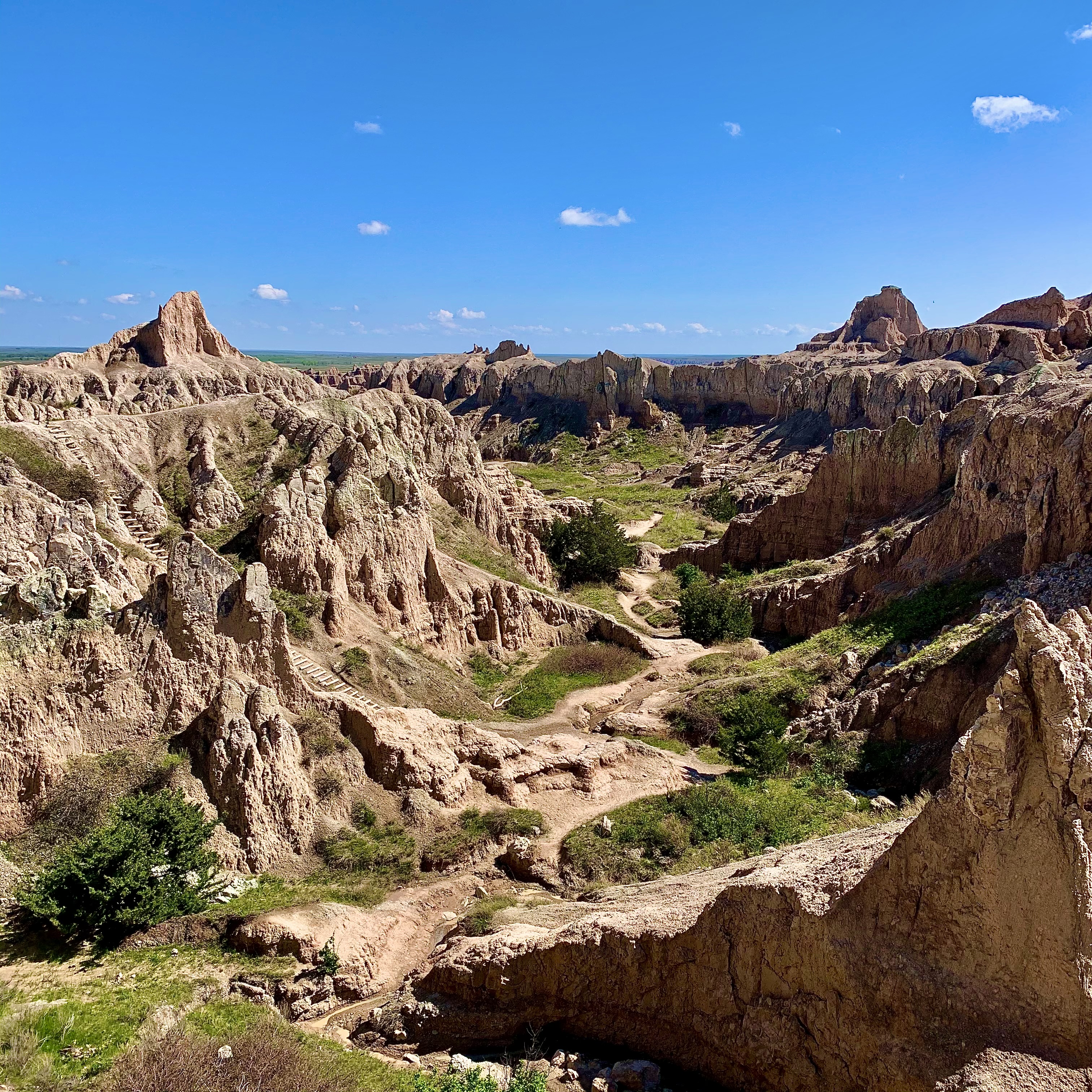
Exploring the rugged landscape of Badlands National Park; Photo: Sophia Ramos-Climent
Begin your day early in Badlands National Park, when temperatures are cooler and the morning light highlights the park’s dramatic layers and textures. This is one of the best times to experience the landscape at its most striking, before crowds and midday heat set in.
Plan to spend the day exploring a mix of short trails and scenic overlooks. The park is very accessible, with frequent pull-offs that allow you to take in sweeping views without needing to hike long distances.
Start with some of the park’s most iconic, shorter trails:
Door Trail (0.75 miles round trip): An easy boardwalk that leads to a natural “doorway” in the Badlands Wall, with the option to step out onto open terrain for a more immersive experience.
Window Trail (0.25 miles round trip): A very short, fully accessible boardwalk offering a framed view into a canyon.
Fossil Exhibit Trail (0.25 miles round trip): An easy, accessible loop with interpretive displays showcasing the park’s prehistoric history.
For something a bit more active, consider:
Notch Trail (1.5 miles round trip): A moderate hike featuring a fun log ladder climb and rewarding views over the White River Valley.
Cliff Shelf Nature Trail (0.5 miles round trip): A short but scenic loop through a rare juniper forest with elevated viewpoints.
Saddle Pass Trail (0.25 miles): Short but steep, offering a quick climb to a high vantage point along the Badlands Wall.
Throughout the day, take advantage of the many scenic overlooks to pause, explore, and photograph the landscape from different perspectives.
Be sure to carry plenty of water, wear sun protection, and plan for limited shade, as conditions can change quickly in this environment.
For travelers interested in longer or more immersive hikes, additional planning—or even an extra day—is recommended. While today’s itinerary focuses on shorter, high-impact experiences, the park offers extended backcountry routes and more challenging trails that are best enjoyed at a slower pace.
Return in the late afternoon or early evening, when the softer light once again transforms the landscape and offers a beautiful close to your day in the Badlands.
Day 3: Wind Cave & transition into the Black Hills
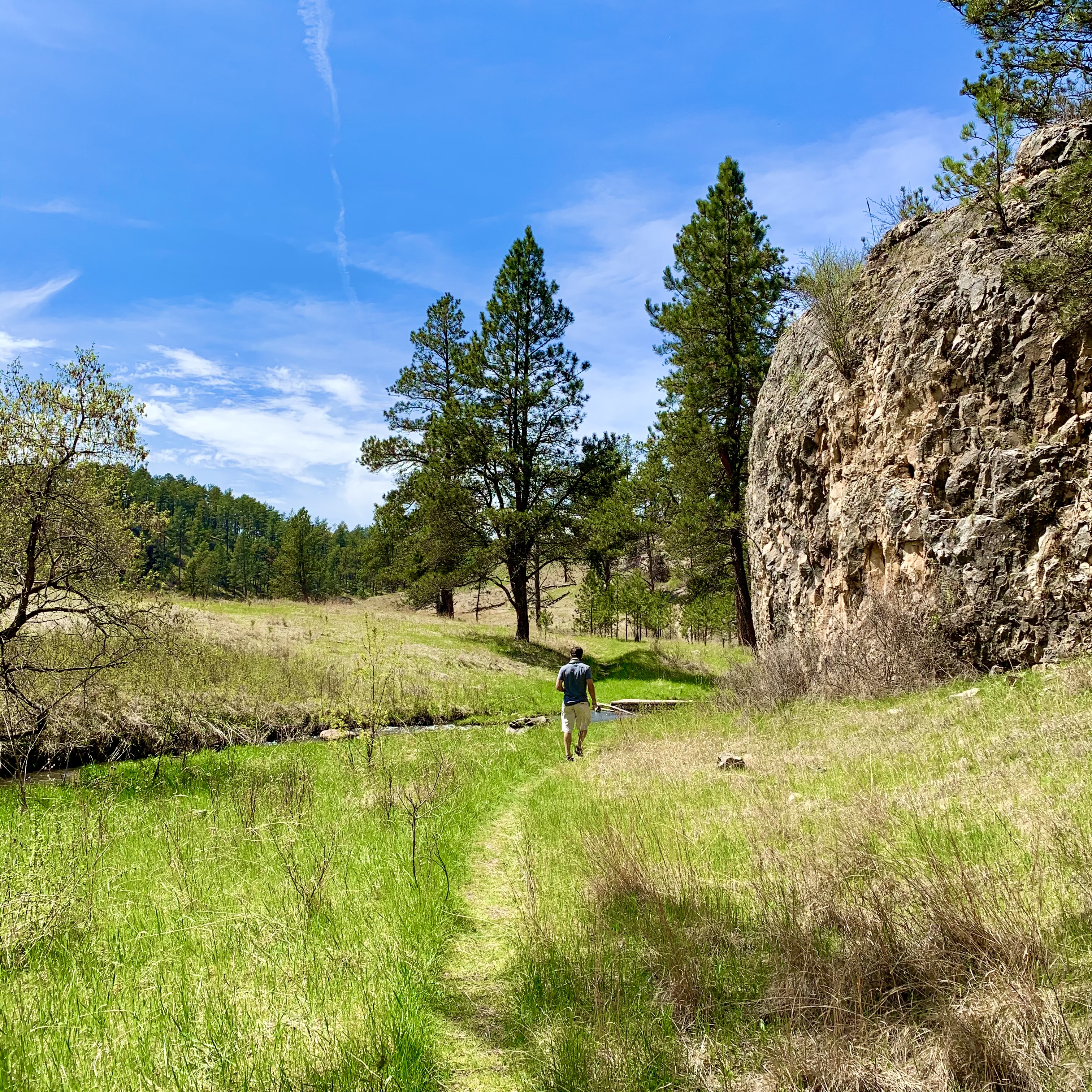
Highland Creek Trail; Photo: Sophia Ramos-Climent
Make your way toward Wind Cave National Park, where the landscape gradually shifts from the rugged formations of the Badlands to open prairie and forested hills. This transition marks a change in pace, offering a quieter, more reflective experience of the region.
Wind Cave is one of the longest and most complex caves in the world, known for its rare “boxwork” formations—thin, honeycomb-like calcite structures found in few places on Earth. Exploring the cave itself is a highlight, but access is only possible through guided ranger-led tours. If you’re interested in going underground, it’s best to reserve a tour in advance, especially during peak travel months.
Above ground, spend time exploring a combination of scenic drives and moderate trails, adjusting your pace based on how you’re feeling after the previous day. The park’s prairie landscape offers a completely different perspective, with rolling hills and wide-open views.
As you explore, keep an eye out for wildlife—this is one of the best places in the region to encounter bison grazing freely across the prairie. You may also pass through active prairie dog towns, where these small, social animals pop in and out of their burrows, adding a fun and unexpected element to your day.
The quieter atmosphere here, often with fewer visitors, makes it a perfect place to slow down while still experiencing a new side of the Black Hills. Whether you choose to explore the cave, hike through the prairie, or simply take in the scenery, the contrast from the Badlands creates a well-balanced and memorable day.
Day 4: Scenic drives & wildlife in Custer State Park
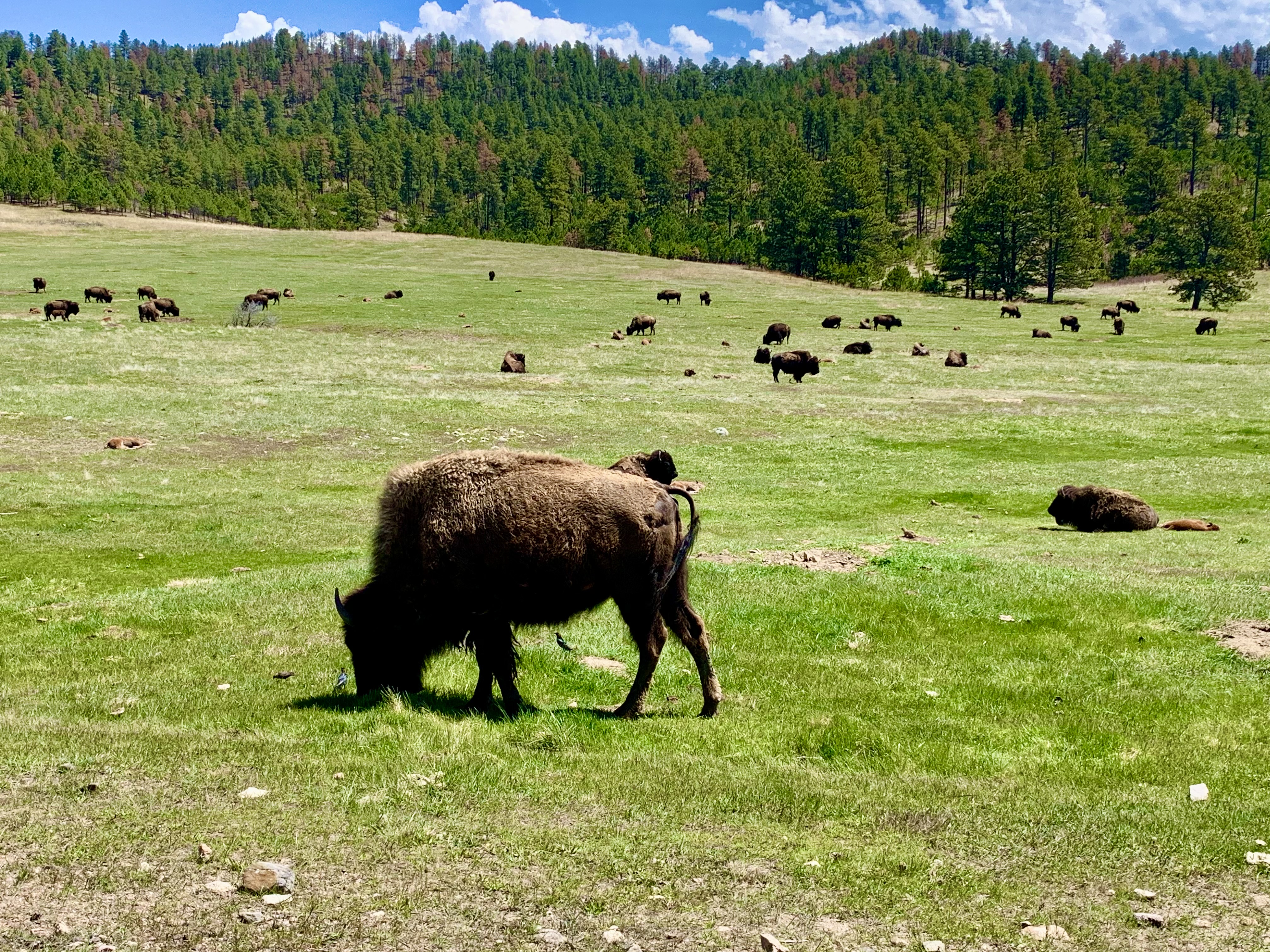
Bison roaming freely in Custer State Park; Photo: Sophia Ramos-Climent
Start your day early in Custer State Park, when wildlife is most active and the light is soft across the landscape. Today is intentionally slower-paced—think of it as a scenic safari from the comfort of your car, where the journey itself is the highlight.
Begin with the Wildlife Loop Road, one of the best places in the region to spot free-roaming bison, pronghorn, wild burros, and other wildlife. Take your time here, driving slowly and pulling over often. It’s not uncommon for animals to appear right along the road, so allowing extra time makes the experience feel relaxed rather than rushed.
Continue on to the Needles Highway, a stunning drive known for its narrow tunnels, towering granite spires, and winding curves. The scenery changes quickly, so plan for frequent stops at scenic pull-offs to take in different viewpoints and short walks along the way. For those interested in more active exploration, this area is also popular for rock climbing, with granite formations offering opportunities for climbers of varying experience levels.
If time and energy allow, consider adding a stop at Sylvan Lake, one of the most picturesque spots in the park, ideal for a short walk or simply relaxing by the water. For a slightly more active option, the Cathedral Spires Trail offers a rewarding hike among dramatic granite formations and quieter surroundings.
This is a day to move at your own pace. Wildlife sightings, scenic overlooks, and spontaneous stops often become the most memorable moments, so building in flexibility allows you to fully enjoy the experience without feeling rushed.
Overall, keep the mindset simple: slow down, stay present, and enjoy the landscape as it unfolds around you.
Day 5: Off-roading adventure in the Black Hills
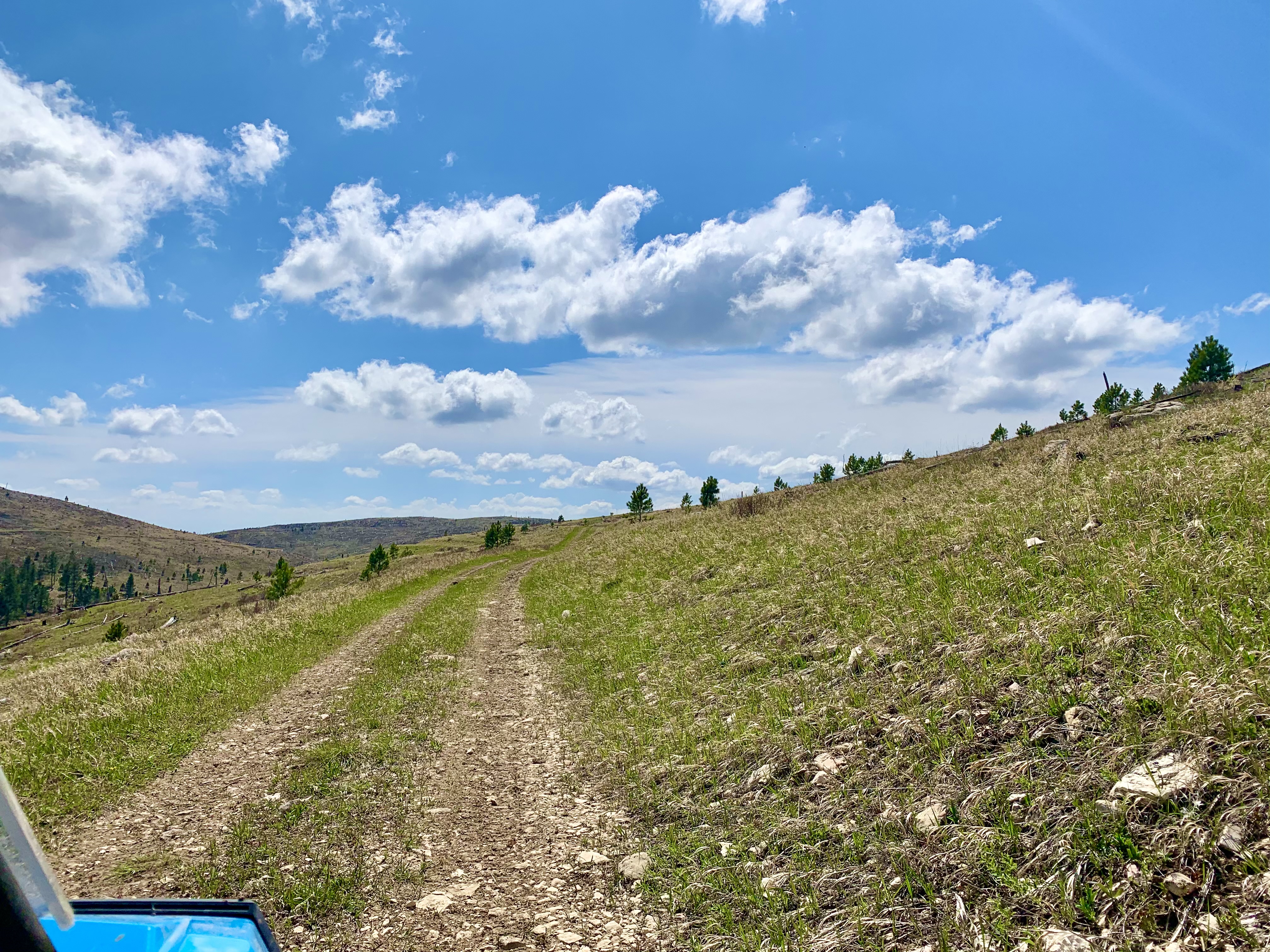
Off-roading through remote terrain only accessible by 4x4; Photo: Sophia Ramos-Climent
Dedicate the day to exploring the Black Hills from a different perspective with an off-road adventure. This is a great way to balance out the previous days of hiking and scenic driving with something more hands-on and immersive.
Rather than joining a guided tour, consider a self-guided experience with Adventure Rentals, which allows you to choose your own trails and explore at your own pace. This option offers more flexibility and a greater sense of discovery, taking you into areas that feel far removed from the more visited parts of the region.
As you venture off the main roads, you may come across hidden features like small caves, quiet creeks, and forested backcountry areas that are rarely seen by most visitors. In many cases, you’ll find yourself completely alone, with no one else around—adding to the sense of adventure and connection to the landscape.
Because routes and conditions can vary, it’s best to plan ahead, review trail options, and book your rental in advance, especially during peak travel seasons. Be sure to bring water, snacks, and a basic plan for the day.
This is a more flexible, choose-your-own-adventure day—whether you prefer a few shorter trails or a longer route deeper into the Black Hills, the experience offers a memorable and unique way to explore beyond the main highlights.
Day 6: Journey to Devils Tower
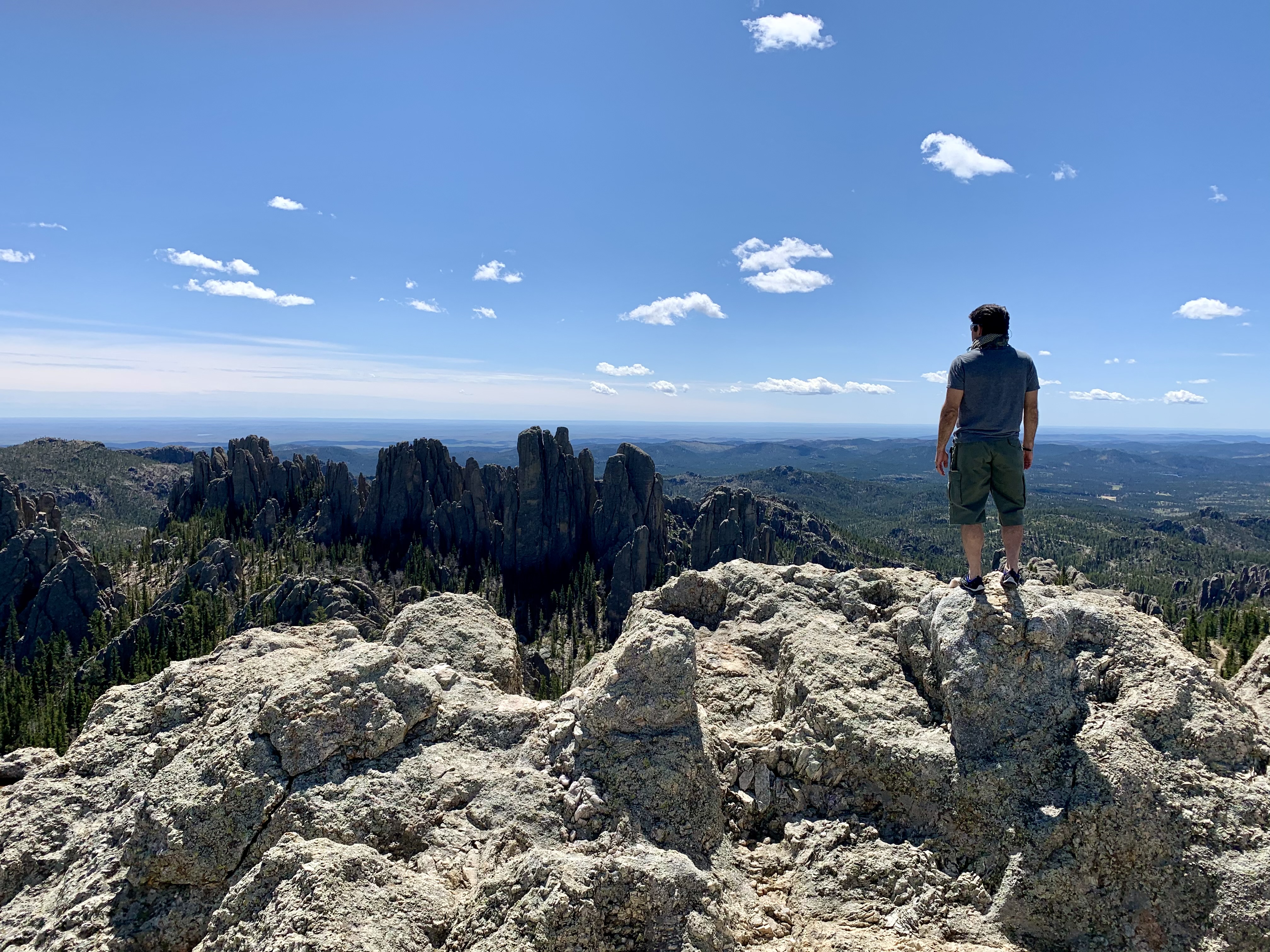
Rewarded by views at McGillicuddy Peak; Photo: Sophia Ramos-Climent
Head west into Wyoming to visit Devils Tower National Monument, one of the region’s most striking and recognizable natural landmarks. The drive itself becomes part of the experience, with long stretches of open landscape, scenic byways, and fewer crowds as you move farther from the Black Hills.
On the way, consider starting your morning with a hike to McGillicuddy Peak. This lesser-known trail offers a rewarding climb and expansive views over the surrounding forest and granite formations. The final section involves some scrambling, and conditions at the top can be quite windy, so sturdy footwear and caution are recommended.
Continue on to the historic town of Deadwood, where you can take a break to explore its Old West character, grab lunch, and wander through its preserved streets.
From there, make your way toward Devils Tower. Arriving later in the day allows for softer light and a quieter atmosphere, enhancing the experience of this unique geological formation. If time and energy allow, take a walk along the paved Tower Trail (1.3 miles), which loops around the base and offers changing perspectives of the monolith. If you’re feeling tired or arrive later in the day, simply relaxing near the base and taking in the views can be just as rewarding.
This day blends a bit of everything—hiking, history, and scenic driving—while still allowing flexibility to adjust your pace as needed.
Day 7: Exploring Devils Tower & surroundings
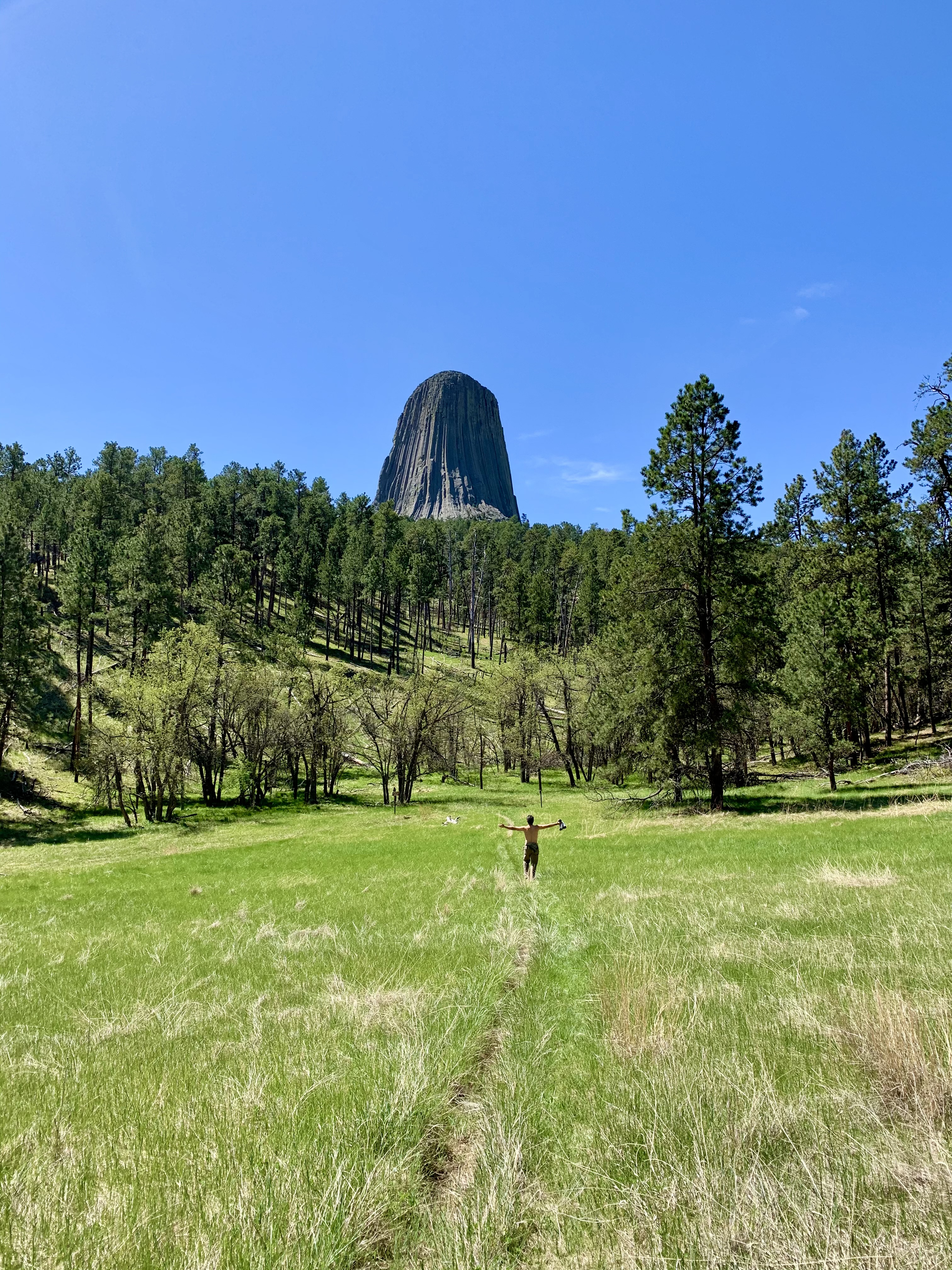
Trail with a view of Devils Tower; Photo: Sophia Ramos-Climent
Spend a slower-paced day around Devils Tower National Monument, allowing time to revisit the monument or explore nearby trails and viewpoints. After a more active previous day, this is an opportunity to slow down and experience the landscape at a more relaxed pace.
Early morning and evening tend to be the quietest times, offering softer light and a more personal connection to the setting. Whether you choose to walk portions of the trail, sit and take in the views, or simply enjoy the changing light on the tower, the area lends itself well to a more reflective experience.
If time allows, consider venturing out to explore nearby small towns such as Hulett or Sundance. These quiet communities offer a glimpse into local life, with small shops, casual dining options, and a slower pace that complements the overall feel of the day.
This pause in the itinerary helps balance the more active days before and after, creating a well-paced and thoughtful journey through the region.
Day 8: Travel to Medora & Theodore Roosevelt National Park South Unit
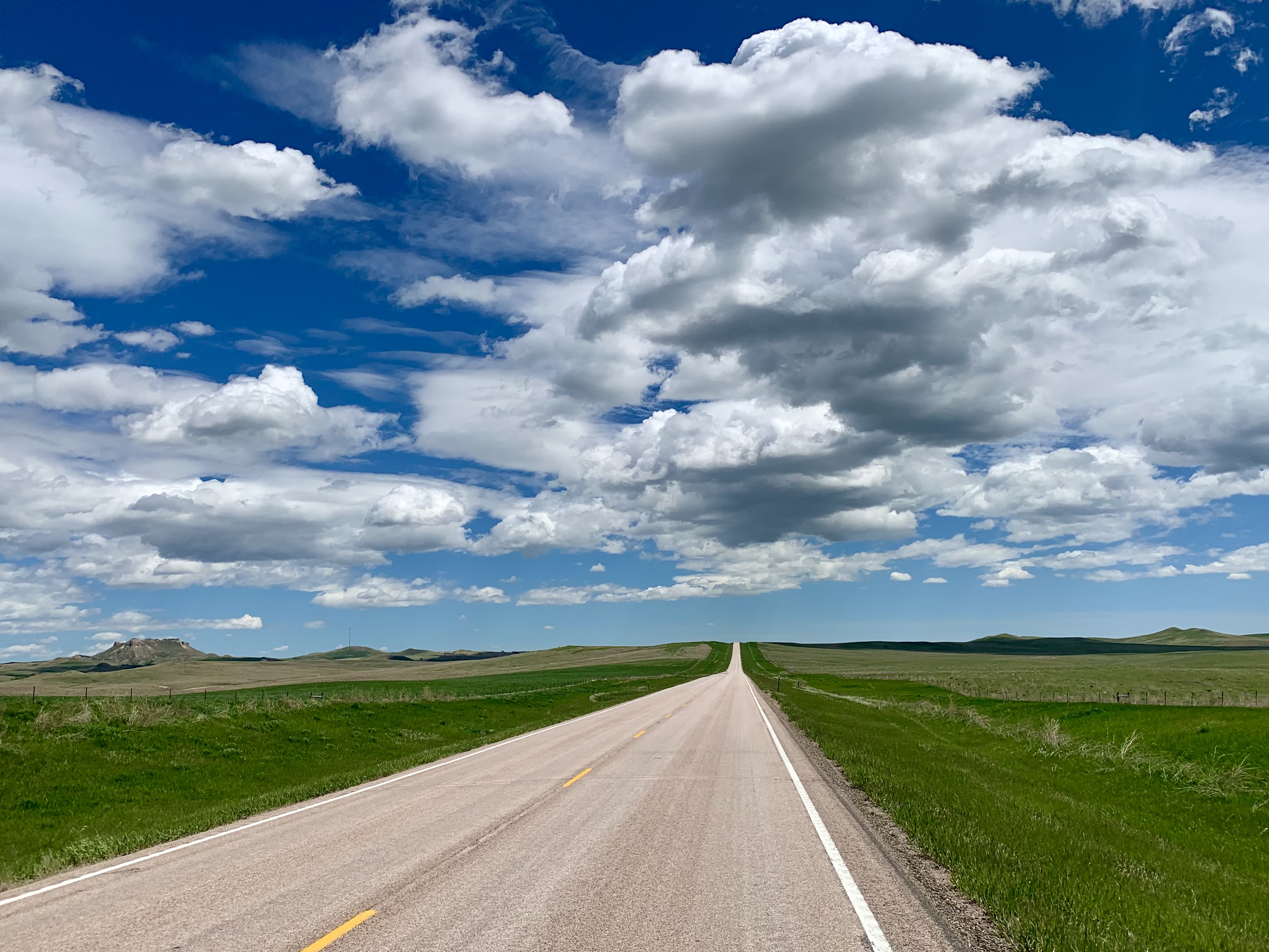
Photo by Sophia Ramos-Climent
Begin the drive north toward Medora, the gateway to the Theodore Roosevelt National Park South Unit. This is a longer travel day, and the journey itself becomes part of the experience, with wide-open landscapes gradually transitioning into the rolling badlands of western North Dakota.
You can choose to keep this as a lighter, more relaxed day—taking your time on the drive and using the opportunity to restock on groceries, fuel, and any remaining supplies along the way, as options become more limited closer to Medora.
If you arrive earlier in the day and still have energy, consider easing into the park with a short stop at a scenic overlook or a brief walk to get a first impression of the landscape. This allows you to get oriented without overloading the day.
Whether you choose to explore a bit or keep things simple, arriving with flexibility helps set you up for a more complete and enjoyable visit the following day in the South Unit.
Day 9: Theodore Roosevelt National Park South Unit
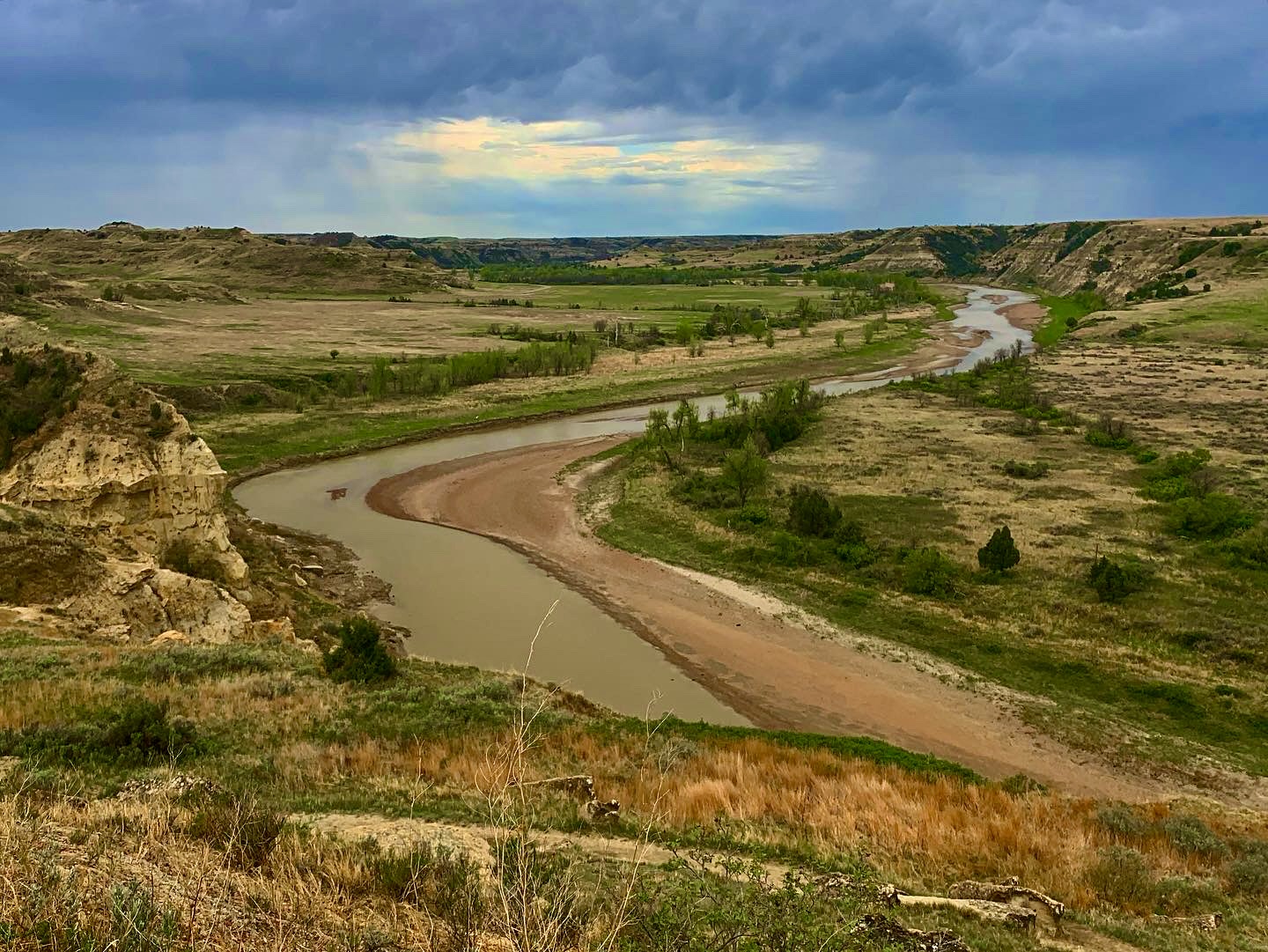
Little Missouri River; Photo: Sophia Ramos-Climent
Spend the day exploring the Theodore Roosevelt National Park South Unit, focusing on a mix of scenic overlooks and shorter trails. The South Unit Scenic Loop Drive makes it easy to navigate while allowing you to stop frequently at viewpoints, prairie dog towns, and areas where wildlife is often spotted.
Wildlife sightings are common here—especially bison, wild horses, and prairie dogs—so keeping a slower pace often leads to the most rewarding experiences. Flexibility is key, as some of the best moments come from unplanned stops along the drive.
Along the way, consider incorporating a few of the park’s shorter and more accessible trails:
Ridgeline Nature Trail (0.6 miles): A short loop near the visitor center offering elevated views and a great introduction to the landscape.
Buck Hill Trail (0.2 miles): A quick climb to one of the highest viewpoints in the South Unit, with expansive views over the badlands.
Coal Vein Trail (0.8 miles): An easy loop highlighting an area where underground coal once burned, creating unique terrain and colors.
Wind Canyon Trail (0.4 miles): A short walk to a scenic overlook of the Little Missouri River, especially beautiful in the early morning or late afternoon.
For those looking to get closer to the valley floor—where wild horses are more commonly seen—consider:
Lower Paddock Creek Trail (short out-and-back or longer options): Leads down into the valley and offers a more immersive experience in the landscape.
Coal Vein to prairie areas nearby: Good opportunities to scan for wildlife, especially during quieter times of day.
If you’re interested in a bit of history, you can also seek out areas near the park’s original entrance region, where the landscape feels quieter and less traveled, offering a sense of how the park was first experienced.
Throughout the day, take your time, stop often, and allow the landscape to unfold naturally. This is a place where slowing down enhances the experience, and the combination of scenic views, wildlife, and open space makes for a memorable and well-balanced day.
Day 10: Open day for exploration & activities
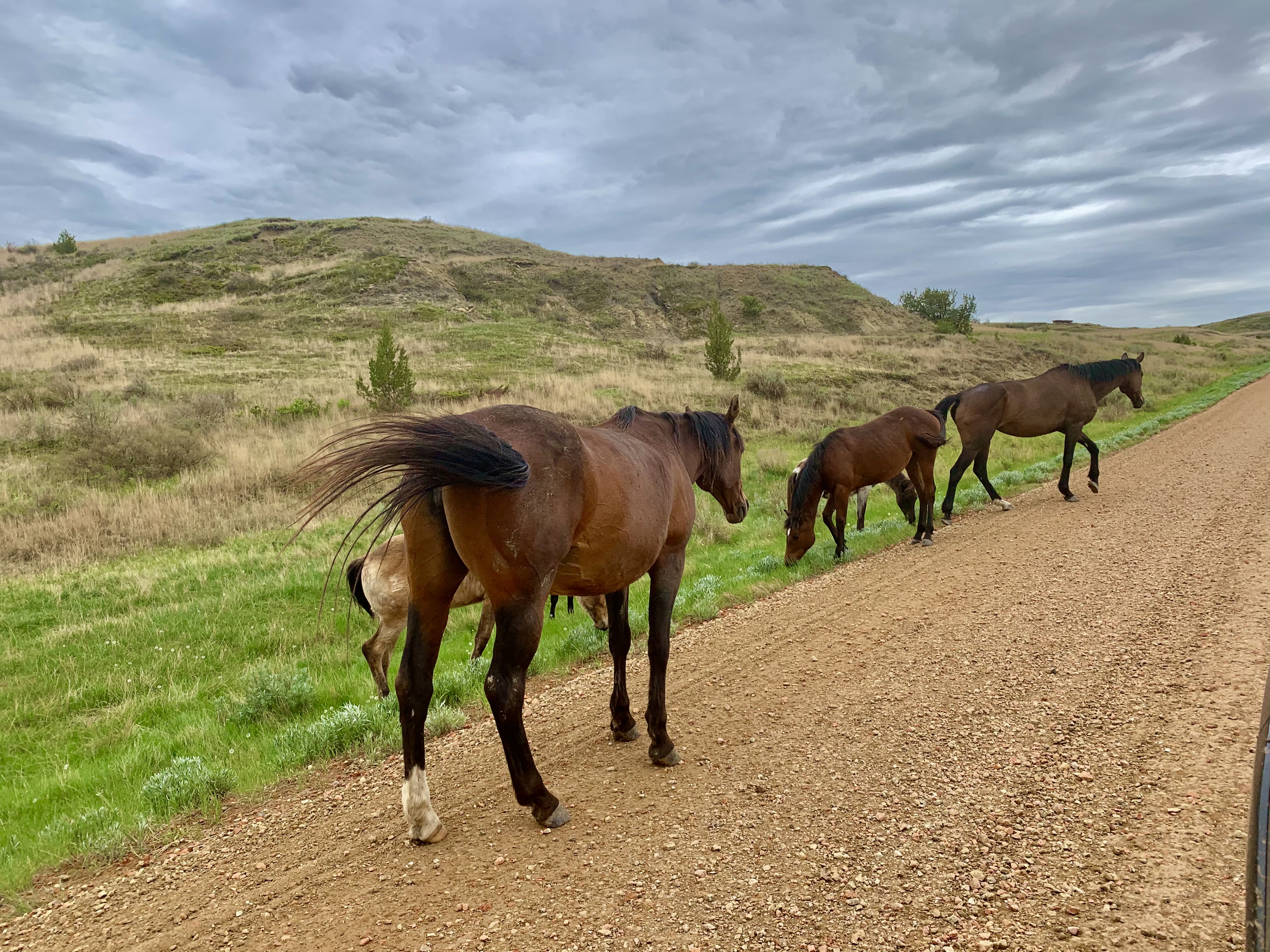
Free roaming horses; Photo: Sophia Ramos-Climent
Use this day to tailor your experience based on your interests and energy level. Options include biking, horseback riding, or simply enjoying a slower day in and around Medora. Having this flexibility built into the itinerary allows you to revisit favorite areas or take a break from more structured days. It’s also a great opportunity to fully appreciate the quieter rhythm of the region.
Day 11: Theodore Roosevelt National Park North Unit & hidden trails
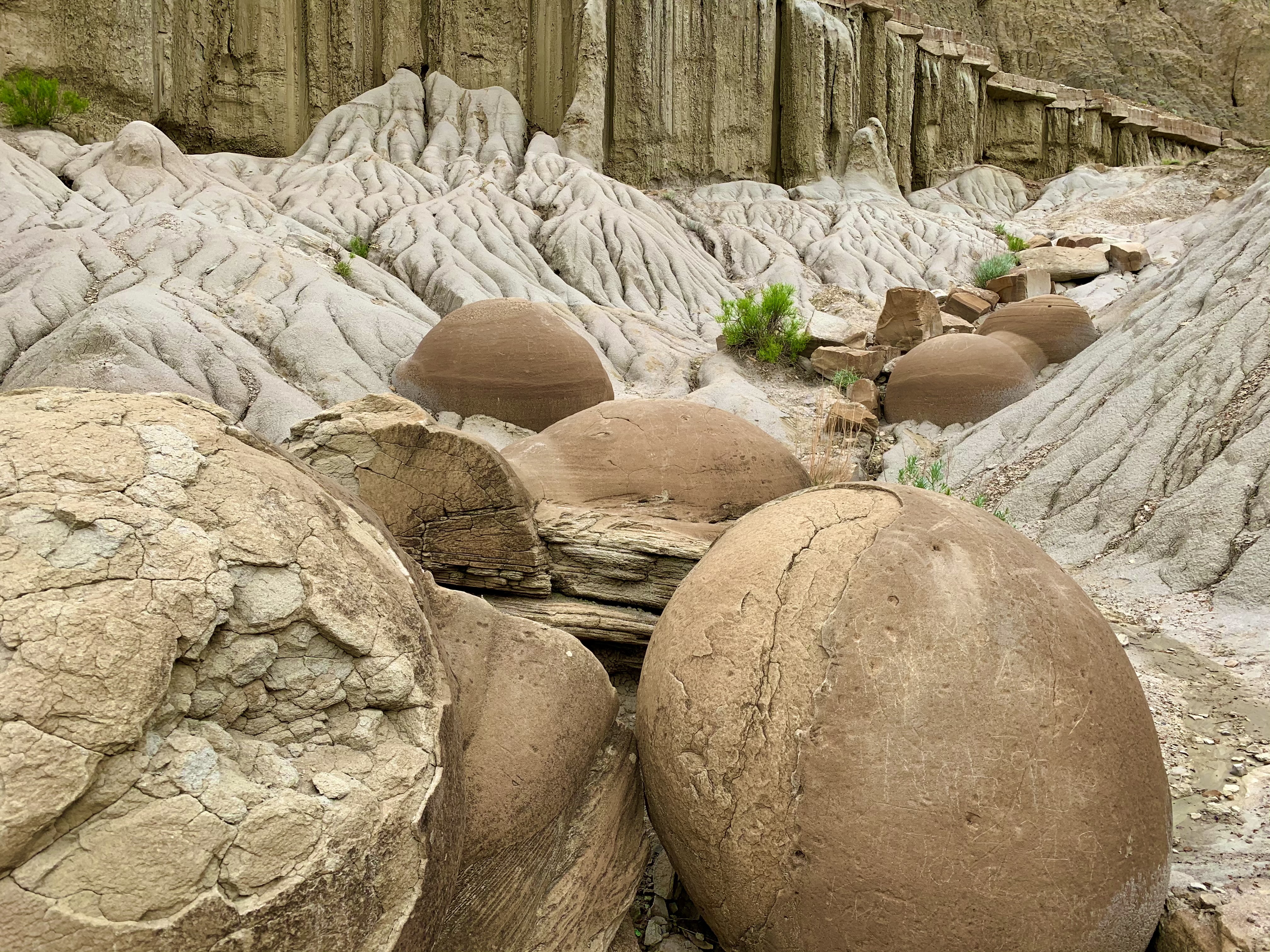
"Cannonball Concentration"; Photo: Sophia Ramos-Climent
Take a day trip to the Theodore Roosevelt National Park North Unit, which offers a distinctly different experience from the South Unit. The drive is longer, but the reward is fewer crowds, a stronger sense of isolation, and a more rugged, dramatic landscape.
As you follow the scenic drive, plan to stop at several of the park’s standout viewpoints:
River Bend Overlook: One of the most iconic views in the North Unit, offering sweeping vistas of the Little Missouri River winding through the badlands.
Oxbow Overlook: A quieter stop with wide-open views and a good chance to spot wildlife in the distance.
Little Mo Nature Trail: A short walk that provides a closer look at the terrain and river valley.
Sperati Point: A scenic overlook that feels especially remote, often with very few visitors.
Cannonball Concretions: Unique geological formations—large, rounded stones scattered across the landscape—adding to the park’s otherworldly feel.
For those interested in hiking, moderate trails such as the Caprock Coulee Trail offer a more immersive experience, including ridge walks, prairie sections, and opportunities to encounter wildlife in quieter areas of the park.
After exploring the North Unit, continue toward the lesser-visited Petrified Forest Loop. Here, the landscape shifts again into something quieter and more unexpected. Scattered petrified tree segments and unusual formations create a subtle yet surreal environment, very different from the more dramatic overlooks within the park.
With fewer visitors and a strong sense of solitude, this area feels more remote and exploratory. Starting early allows you to experience both the North Unit and the Petrified Forest at a relaxed pace, with time to stop, walk, and take in the surroundings.
This day offers a deeper, more off-the-beaten-path perspective of the region—one that rewards curiosity, patience, and a willingness to venture beyond the main highlights.
Day 12: Return to Rapid City & Mount Rushmore
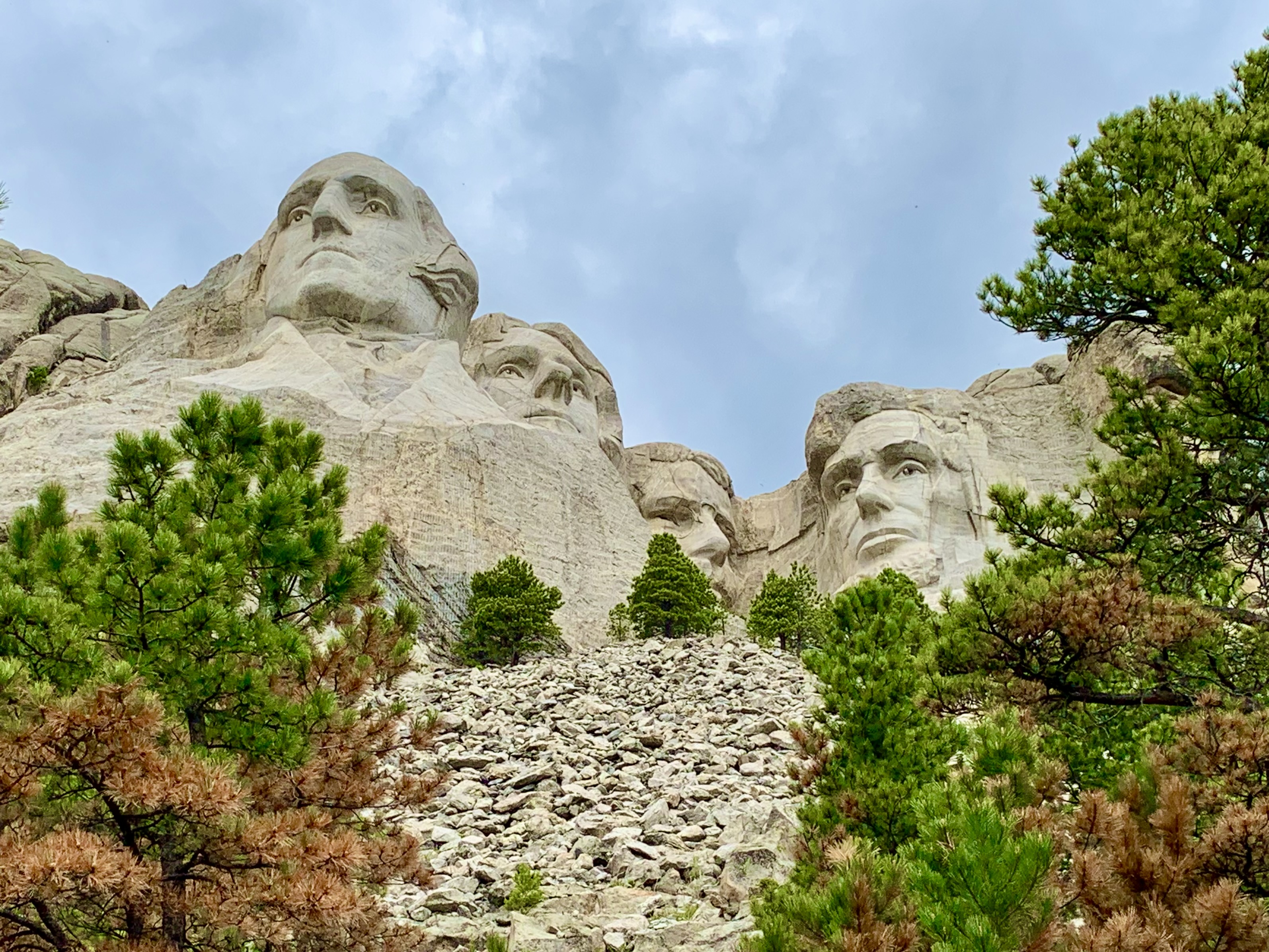
View of Mt. Rushmore from trail; Photo: Sophia Ramos-Climent
Begin the drive back toward Rapid City, allowing time for scenic stops along the way. Rather than heading straight back, consider taking a more leisurely route through small towns such as Sturgis and other quiet communities that offer a glimpse into the region’s local character and slower pace.
As you make your way south, incorporate a drive along the scenic Iron Mountain Road, known for its winding curves, pigtail bridges, and tunnels that frame distant views of Mount Rushmore National Memorial. Be sure to stop at Norbeck Overlook for one of the best panoramic viewpoints in the area.
Continue on to Mount Rushmore, an iconic yet easy stop to include in the afternoon or early evening. Visiting later in the day often means fewer crowds and a more relaxed atmosphere, with the option to stay for sunset or the evening lighting ceremony if timing allows.
If you didn’t have a chance to visit Mount Rushmore earlier while exploring the Custer area, this is an ideal time to include it without feeling rushed.
Afterward, return to Rapid City for your final evening. Take some time to explore the city itself, known for its vibrant downtown and striking street art—colorful murals and creative installations line many of the walls, offering a fun and unexpected way to end your trip.
Whether you choose to wander through town, stop into a local restaurant, or simply enjoy a slower-paced evening, this final day brings together scenic driving, iconic landmarks, and a relaxed close to your journey.
Day 13: Departure
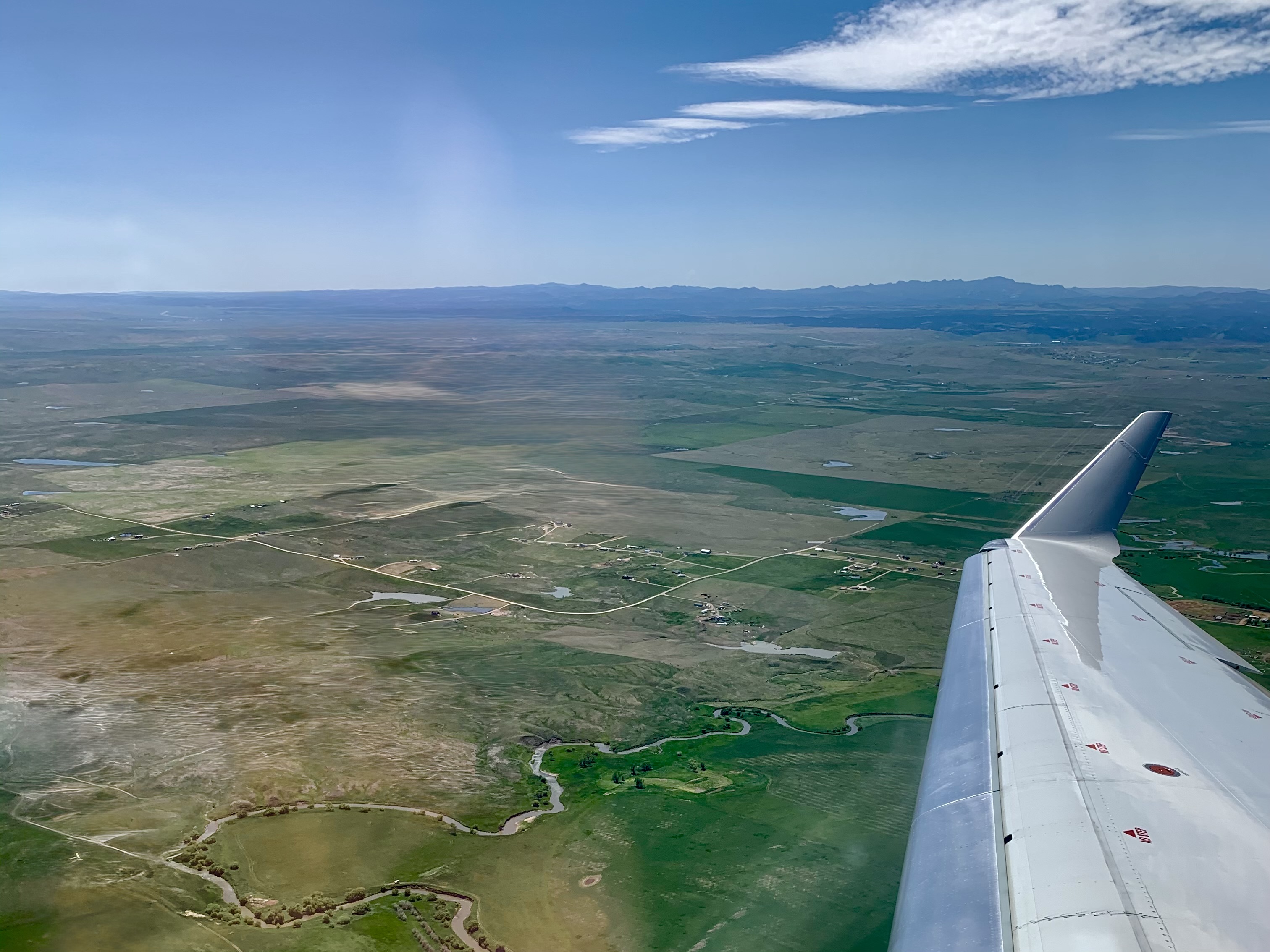
Until next time; Photo: Sophia Ramos-Climent
Depart from Rapid City, bringing this journey through the Northern Plains to a close. Planning a mid-day flight allows for a more relaxed morning, giving you time to ease out of the rhythm of the road before heading home.
After days of expansive landscapes, quiet roads, and varied terrain, this final stretch often feels less like an ending and more like a pause between experiences. It’s the kind of trip that stays with you—defined not just by the places you visited, but by the space you had to truly take them in.
Need to know
Additional tips for this road trip
Weather across the Northern Plains can shift quickly, even within the same day, making layers and flexibility essential. Early mornings and late afternoons tend to offer the best conditions for both exploring and wildlife sightings, while also helping you avoid the harsher midday heat in more exposed areas.
Because many of these parks and scenic areas are less crowded than more well-known destinations, the experience often feels quieter and more personal. Taking advantage of that by slowing down, allowing extra time at overlooks and embracing unplanned stops can turn simple moments into some of the most memorable parts of the journey.
Finally, this trip is best approached with a balance of structure and flexibility—having a plan for each day while leaving room to adjust based on weather, energy level, or unexpected discoveries along the way.
Accessibility note
Many of the highlights along this route can be experienced through scenic drives and accessible overlooks and boardwalks, making portions of this itinerary suitable for travelers with limited mobility. Parks like Custer State Park, Mount Rushmore National Memorial, and Devils Tower National Monument offer some of the most accessible experiences, while areas like the Petrified Forest Loop require more uneven terrain and are better suited for those comfortable on unpaved trails. Planning around scenic drives and shorter paths allows travelers to still fully appreciate the landscapes without needing to complete longer hikes.
This itinerary covers a large and often remote region, so planning your driving days thoughtfully makes a significant difference in how the trip feels overall. Distances can be longer than expected, and services between destinations may be limited, so keeping fuel, water, and snacks in mind is part of the experience.


Travel Advisor
Sophultravels


Sophia Ramos-Climent

Get in touch with Sophultravels
Did you like this guide? Reach out to customize and book your own experience. Or, just to chat about travel in general.
For more inspiration and insider recommendations, visit our road trip travel page.