

Curator’s statement
In Bogotá, high-altitude Colombian heritage meets the warmth of a coffee farmer’s welcome. This itinerary takes you from the cosmopolitan "Athens of South America" to the rolling green hills of the Eje Cafetero. Having navigated these winding mountain roads many times, I have designed this journey to showcase the spiritual stillness of the pueblos and the incredible craftsmanship of the coffee culture. If you can, visit during the magical Christmas season—specifically around the Día de las Velitas (Dec 7–8)—when the Andes glow with thousands of candles and the spirit of Colombian tradition feels truly timeless.
The Fora Difference
Book with Mary Matos to access exclusive perks and experiences on your trip.

Killer perks
Free upgrades, spa credits and more—we got you

Personalized recs
Customized travel planning for your style

Insider knowledge
Expert advice from people who’ve actually been there
Where to stay
Unlock perks by contacting Mary Matos to book your trip.
Days 1–2: Bogotá’s colonial heart & gastronomic soul
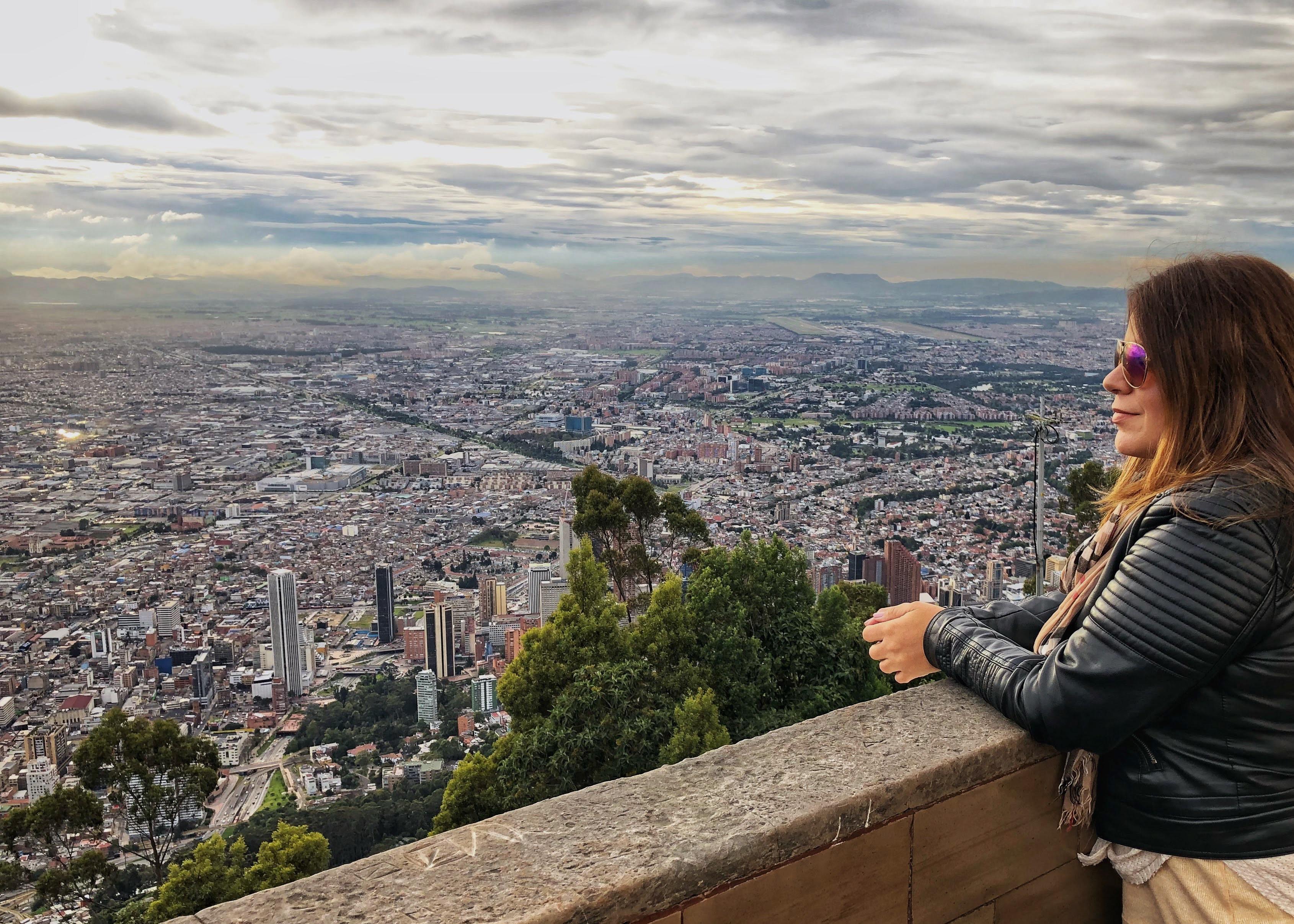
Watching the sunset from the sanctuary of Monserrate as the golden hour spills over the vast sprawl of Bogotá. The air is thin, but the perspective is infinite.
Your journey begins in Bogotá, the high-altitude capital sitting right in the geographic center of the country. Spend your first morning wandering the cobblestone streets of La Candelaria, where the colonial architecture feels like a living museum.
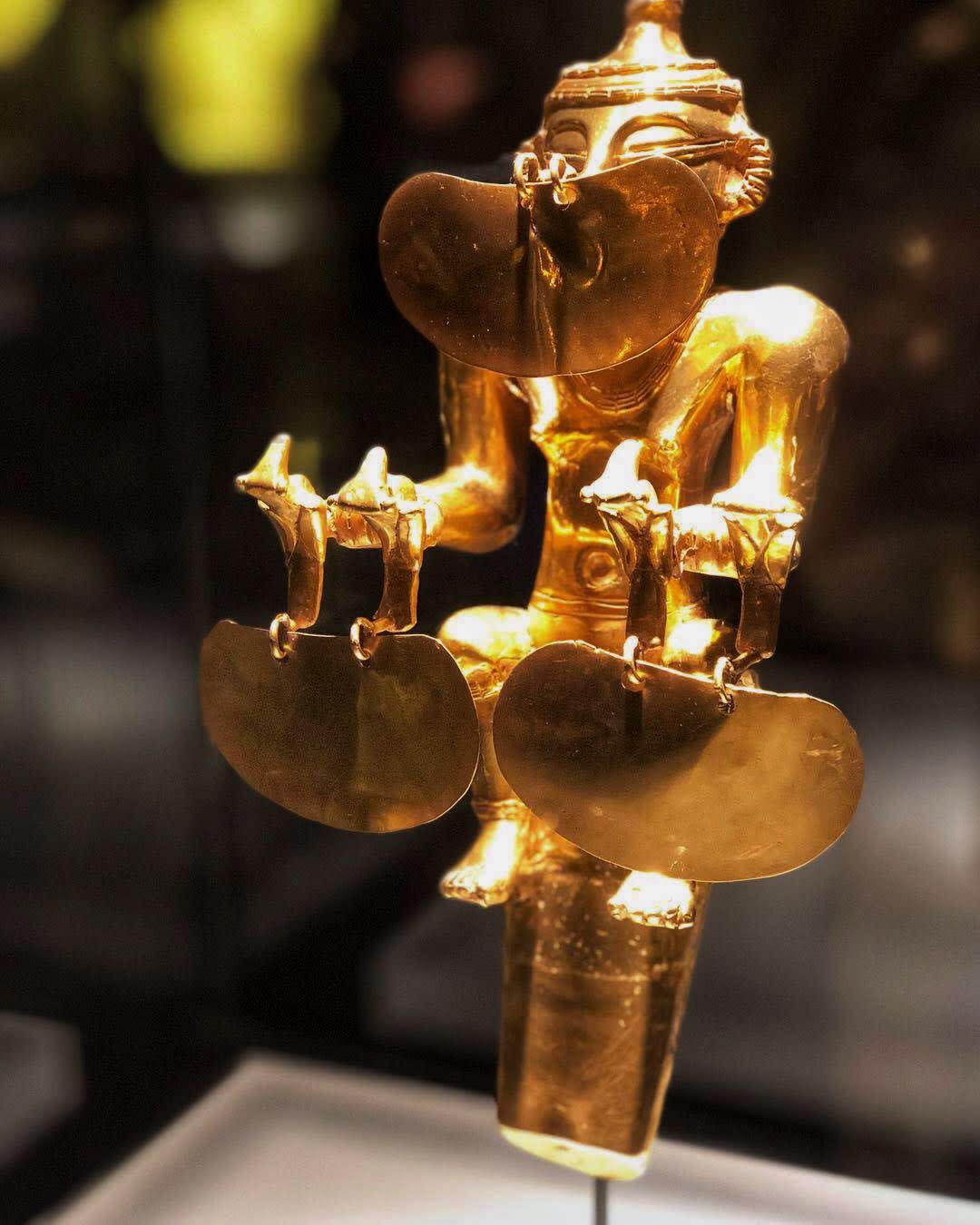
A visit to the Museum of Gold is essential; it houses a breathtaking archive of the indigenous ancestors that will ground you in the history of the land. For a local hack to beat the crowds, head to the Monserrate cable car during the "golden hour" on a weekday. Watching the sunset over the vast city sprawl from the sanctuary at the top is a spiritual experience that most tourists miss by going on crowded Sundays.
As night falls, dive into Bogotá’s world-class dining scene. El Chato, recently ranked among the 50 Best Restaurants in the World, is a must-visit for those who appreciate elevated local ingredients (be sure to book weeks or months in advance!). For a more contemporary, high-energy vibe, Humo Negro and Alfluente are personal favorites.
Throughout your stay, remember that the 8,660-foot altitude is a factor. My wellness secret is to start your day with an aromática de coca (coca leaf tea); it is the traditional way to settle your blood pressure and energy levels as your body adjusts to the thin mountain air.
Day 3: Head north for sacred salt & epicurean energy
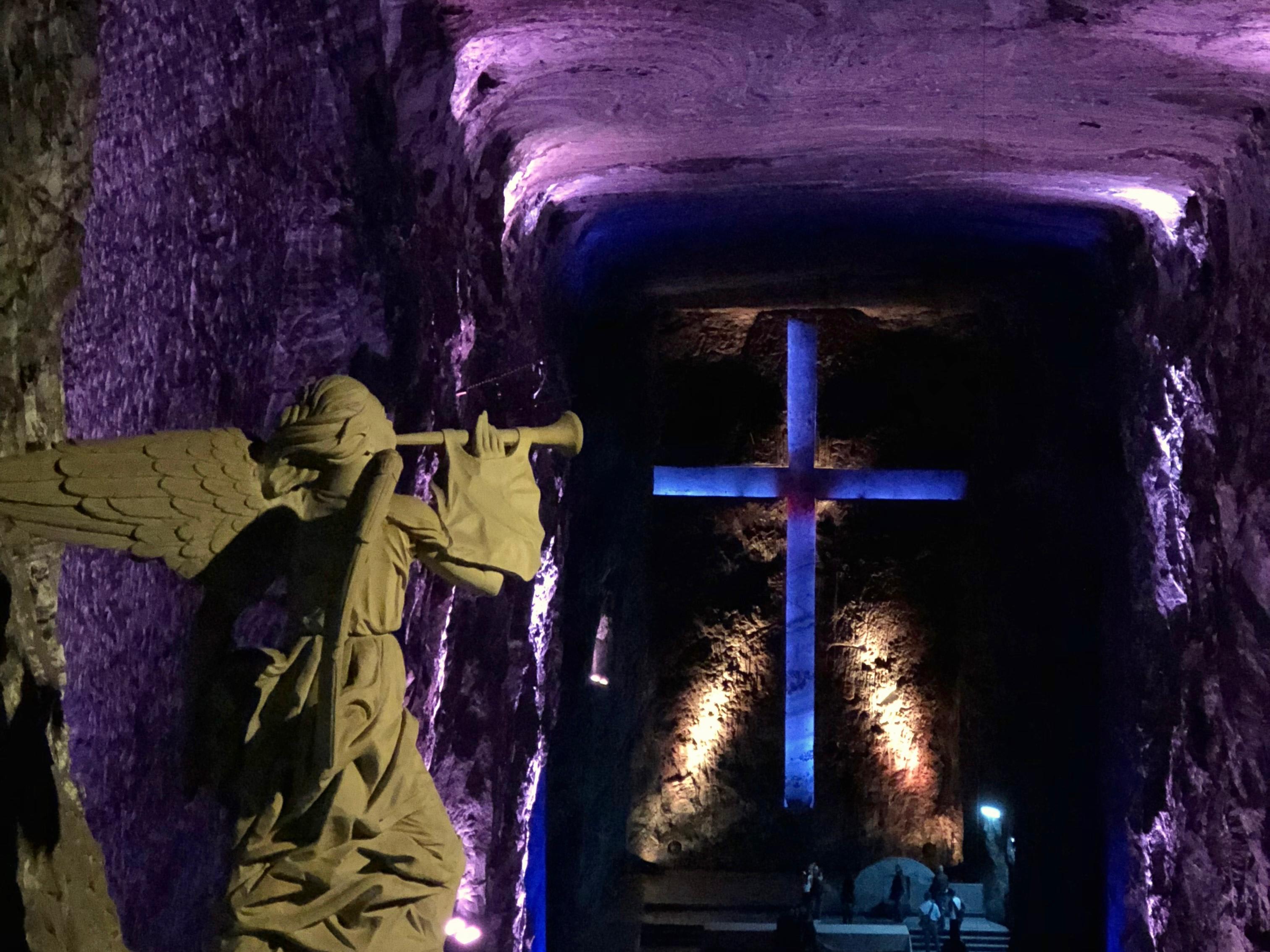
Descending 180 meters into the heart of a salt mountain, you find a sanctuary that feels as ancient as the earth itself: The Salt Cathedral of Zipaquirá, an engineering marvel and profound testament to the faith of the miners who carved it by hand.
Today, you will head north of Bogotá into the department of Cundinamarca. Your first stop is the Salt Cathedral of Zipaquirá (about an hour north), an underground church carved entirely into a salt mine. It is a true marvel of engineering and faith that feels deeply peaceful. For lunch, Andrés Carne de Res in Chía is a non-negotiable rite of passage—a theatrical, high-energy explosion of Colombian music and grilled meats.
If your soul craves nature, you can continue further north to the mountains near Sopó for paragliding, or head southwest of the city to hike through Chicaque Natural Park to witness the ethereal cloud forest. I drove this route myself for the flexibility to stop at roadside miradores, but keep in mind that mountain roads can be unpredictable with unpaved sections or sudden construction. Patience is part of the Andean rhythm.
Days 4–5: Head west to the Quindío Gateway & Cocora Valley
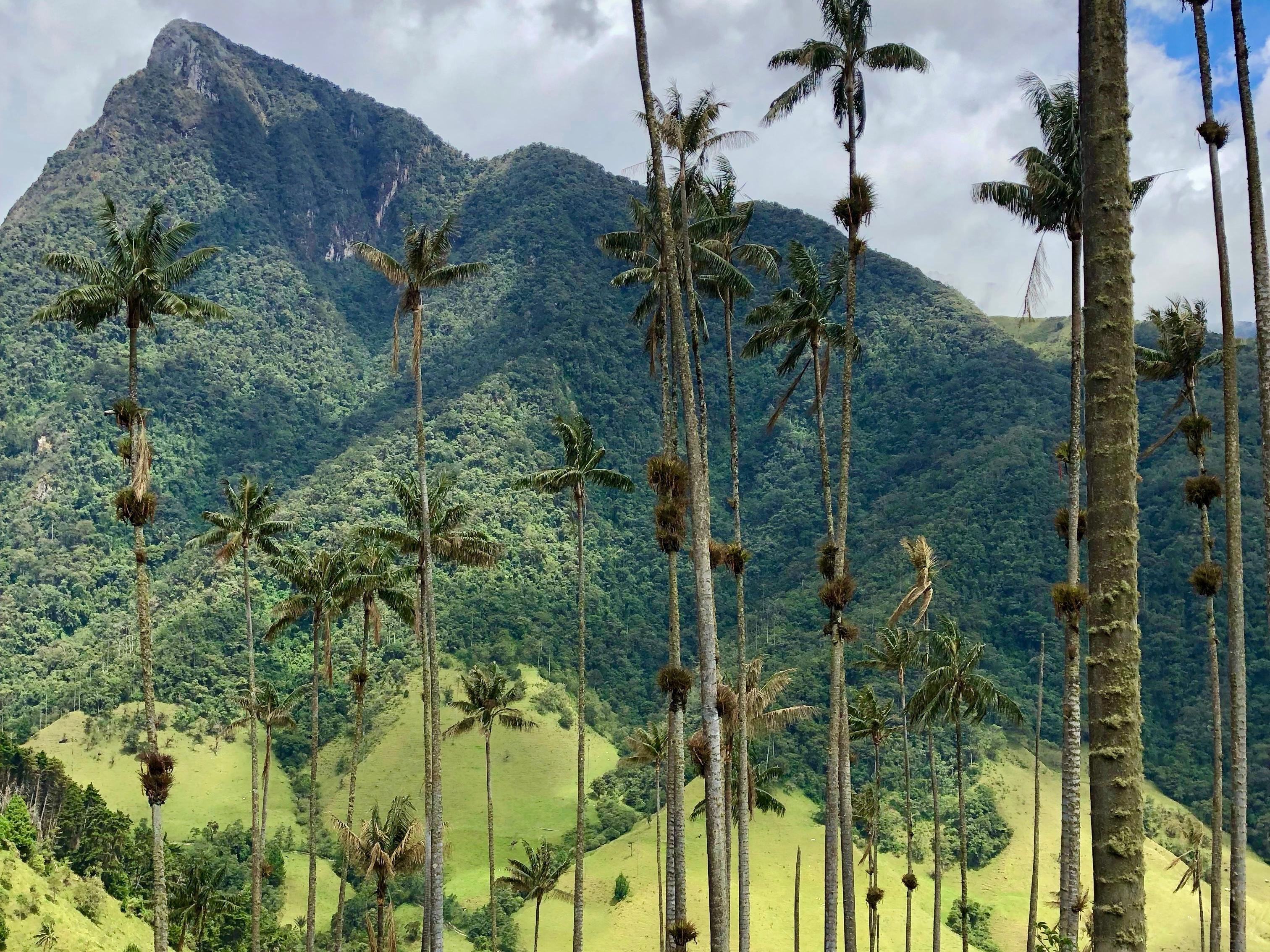
Standing at the peak of the Cocora Valley, looking out over the labyrinth of wax palms—the tallest in the world and the national symbol of Colombia. From this height, the silence of the Andes reminds you why this is known as a "cloud forest."
To maximize your time, I recommend a quick 45-minute flight from Bogotá West into Armenia or Pereira. While often seen as just gateways, these cities are the entrance to the "Coffee Axis." Stay at Bio Habitat Hotel to truly immerse yourself in the forest's biodiversity. From here, travel to Salento, the quintessential "Pueblo Mágico," known for its vibrant balconies.
Your midday belongs in the Cocora Valley, home to the wax palm. The trails are notoriously muddy, so follow the local "insider" hack and rent rubber boots at the entrance. If you get lost on the long loop like I did, don't panic—look for a mountain fonda serving aguapanela con cueso (sugarcane water with cheese) to refuel. Afterward, head to the thermal springs of Santa Rosa de Cabal (located between Pereira and Manizales). Ask for the San Vicente thermals for a more secluded experience; soaking in volcanic water under a cold mountain waterfall is "nature’s medicine" at its best.
Days 6–7: The "heritage of the bean" & the Boyacá glow
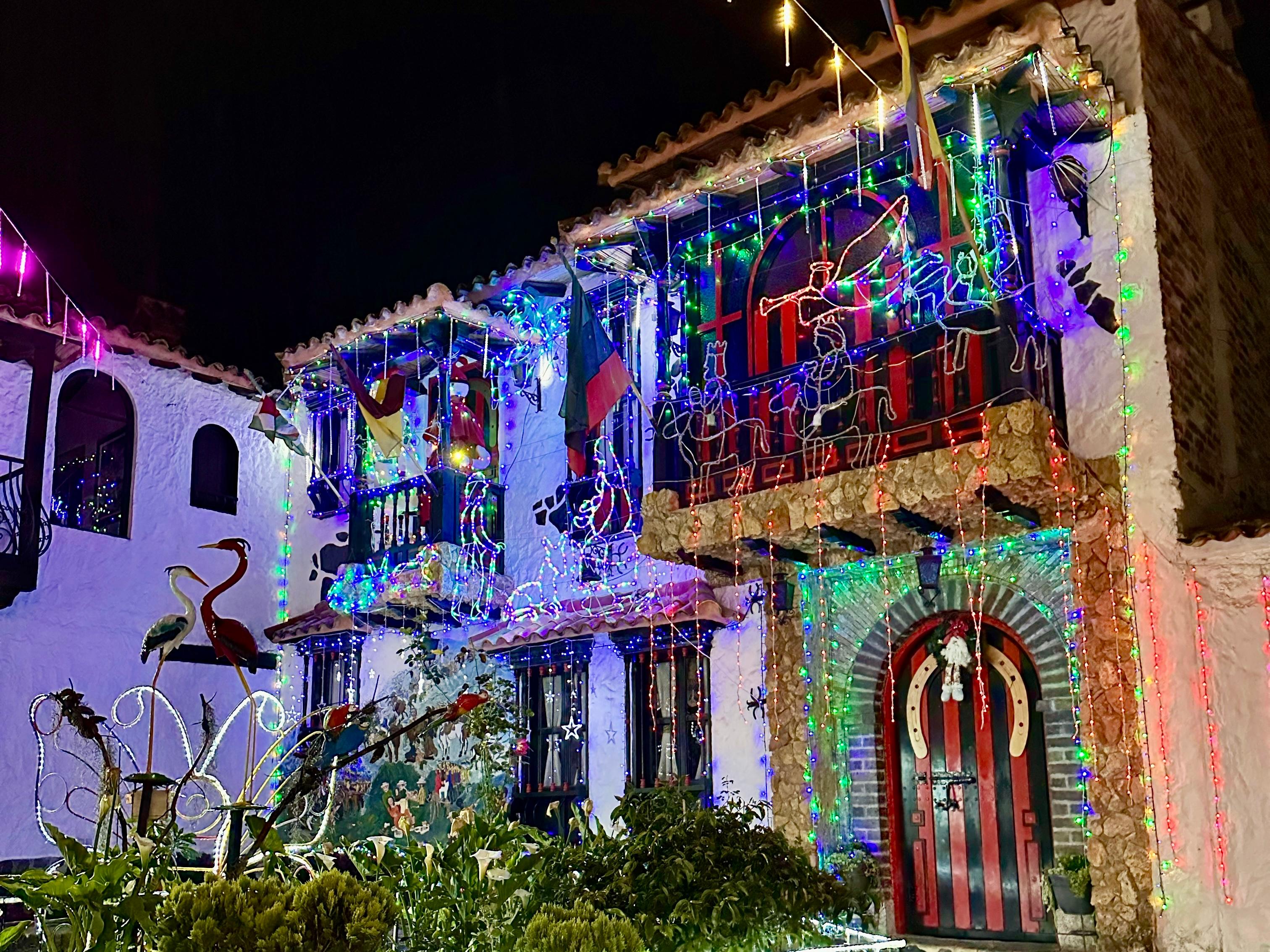
The magic of the Andes comes alive after dark. In the Pueblos Mágicos, the colonial architecture transforms into a glowing sanctuary of light and tradition, especially during the Christmas season.
Spend your final days exploring the rolling hills between Armenia and Pereira, visiting the pueblos of Filandia and Salamina. Hire a local guide for a "Seed to Cup" tour to connect with the farmers sustaining this culture. In Armenia, visit the Quimbaya Gold Museum for an intimate look at pre-colonial craftsmanship.
If you are traveling in December and want to see the ultimate Christmas glow, you can head back through Bogotá and continue northeast into Boyacá (about three hours from the capital). While the Coffee Axis is to the west, the department of Boyacá—specifically, Villa de Leyva—is where the holiday spirit resides.
The Día de las Velitas (Dec 7-8) turns every plaza into a dreamscape of thousands of candles. Visit the Monasterio del Santo Ecce Homo for restorative silence, then buy your own candles and join a local family in the square. Participating in this ritual is what truly connects you to the soul of Colombia.
Need to know
The power of politeness
Leading with a smile and a sincere “Buenos días, ¿cómo está?” or “Buenas noches” will open doors. Always say “Muchas gracias.” You will hear "A la orden" (At your service) constantly; it is the heartbeat of t hospitality.
Vegan & gluten-free (GF) living
As someone who prefers a vegan and GF lifestyle, I know navigating a land of "meat and wheat" can seem daunting, but Colombia is surprisingly accommodating if you know what to look for. Corn is your best friend here. Arepas and patacones (fried green plantains) are naturally GF staples. In Bogotá, check out Herbívoro or Crepes & Waffles for incredible plant-based dining options. In the Coffee Axis, focus on fresh tropical fruits and legume-heavy dishes, but always specify "sin carnes" or "sin trigo" to be safe.
Hydration & elevation
You must drink significantly more water than usual to combat altitude fatigue. The mountain sun is deceptive; wear high-SPF sunscreen daily even when it feels cool.
Logistics & cash
Mountain roads are winding and narrow. If you are driving a rental, be prepared for steep inclines and frequent fog. Smaller kiosks and local guides often only accept Colombian pesos (COP).
Geography tip
Remember that Bogotá is your central hub. Zipaquirá and Villa de Leyva are to the north/northeast, while the Coffee Axis (Armenia/Salento) is a significant distance to the west. I always recommend flying between these major regions to save your energy for the hikes!


Travel Advisor
Mary Matos

Mary Matos

Get in touch with Mary Matos
Did you like this guide? Reach out to customize and book your own experience. Or, just to chat about travel in general.
For more inspiration and insider recommendations, visit our Colombia page.