





Curator’s statement
I’ve been coming to Rio de Janeiro for almost eight years after I started dating my now-husband and quickly fell in love with the city. Now, as someone who lives here, I love any opportunity to share how amazing this city is with visitors. This city is rich in culture, beautiful vistas, delicious food, the warmest, most welcoming people, and stunning beaches. Yes, Rio (and more widely, Brazil) is known for its beaches and unique beach culture, but travelers who aren’t beach lovers shouldn’t dismiss visiting. There is plenty to do in Rio that isn’t centered on going to the beach, so please read on.
The Fora Difference
Book with Sarah Breeden to access exclusive perks and experiences on your trip.

Killer perks
Free upgrades, spa credits and more—we got you

Personalized recs
Customized travel planning for your style

Insider knowledge
Expert advice from people who’ve actually been there
Where to stay
Unlock perks by contacting Sarah Breeden to book your trip.
Day 1: Hit the main sights

Sunset views from Sugarloaf are unmatched! Photo: Sarah Breeden
Book a ticket to Christ the Redeemer first thing in the morning so that you beat the crowds as much as possible. After, wander around the bohemian Santa Teresa neighborhood getting a coffee at Café do Armazém or lunch at Café do Alto.
Stop by Parque Glória Maria on your way to the famous Selarón stairs. Keep in mind, this is a touristy hot spot, so be aware of your personal items.
Next, Uber over to the Sugarloaf (Pão de Açúcar) cable car station in Urca neighborhood and take it up to the top in time to watch the sunset.
Afterwards, hang out with locals at Mureta da Urca (a seawall where people gather to hang out and drink beers) looking over Guanabara Bay and the city lights of Rio.
End the night with dinner close by your hotel. If you’re staying near Ipanema, I recommend Maska or Temakeria.
Day 2: Museum day
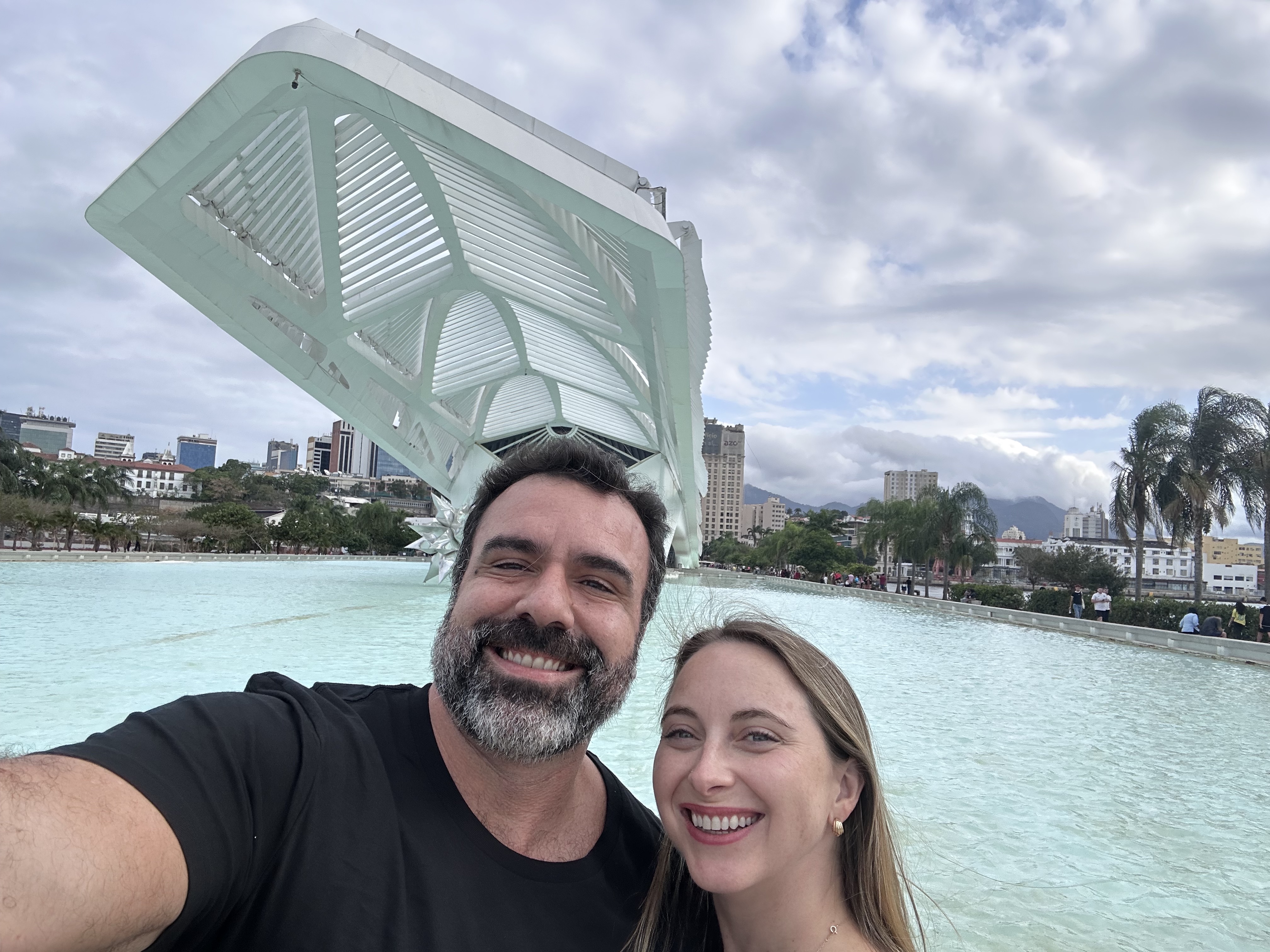
Museu do Amanhã's neofuturistic architecture stands out among Rio's waterfront buildings. Photo: Sarah Breeden
After breakfast at your hotel, go straight downtown (Centro neighborhood) to Real Gabinete Português de Leitura. Stop at Confeitaria Colombo for a coffee and pastry.
Then go to the Museu Nacional de Belas Artes (National Museum of Fine Arts) and/or Museu do Amanhã (Museum of Tomorrow)—focused on science and sustainability.
Stop for lunch at Edificio Touring, then take the ferry over to Niterói, the city across the bay, to visit the MAC (Museum of Contemporary Art) designed by the renowned Brazilian architect Oscar Niemeyer. Walk down to the beach in the Icaraí neighborhood for a quick drink at a beachside kiosk, then catch the ferry back to Rio.
Head to Botafogo for dinner and drinks, at either Galeto Sat’s or Bar Tero.
Day 3: Exploring Tijuca Forest

I recommend wearing a bathing suit under your workout clothes so you can cool off in the waterfalls during the hike. Photo: Sarah Breeden
Did you know that the largest urban forest is in the middle of Rio de Janeiro? It’s what helps make the city so verdant and spectacular. Day three is dedicated to exploring the Tijuca Forest.
I recommend booking a “Waterfalls and Nature” tour that takes you through the forest, stopping at panoramic viewpoints, guiding you on a nature hike, and taking stops at waterfalls like Cascatinha Taunay.
After a rainforest reset, go to Arpoador (a small rocky peninsula between Copacabana and Ipanema) in time for the sunset over the Dois Irmãos mountains and walk along the beach to Leblon to have dinner at Bracarense.
Day 4: Samba, shopping & swimming pools
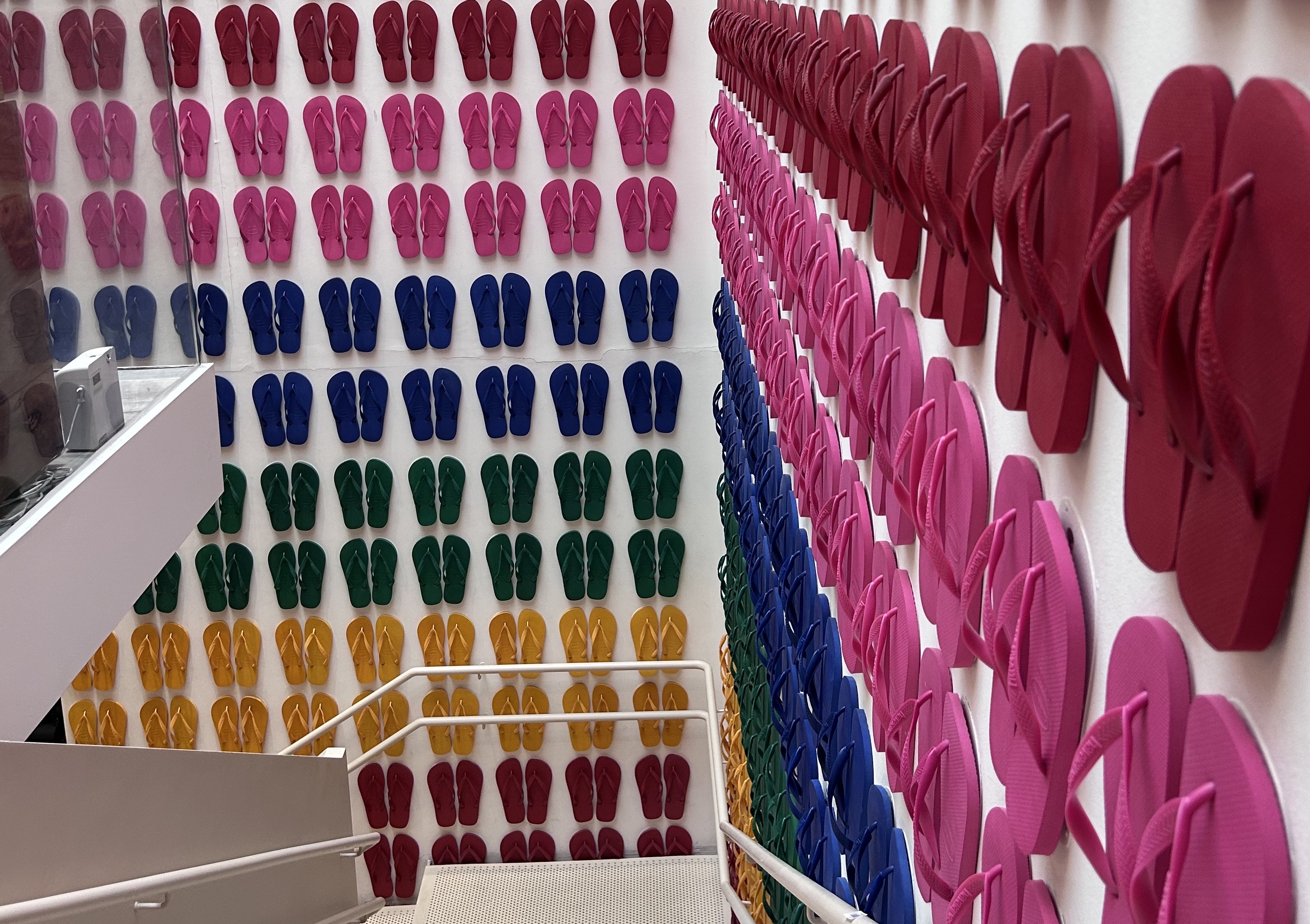
You can never go home with too many Havaianas. Get inspired at the flagship store on Rua Garcia d'Ávila. Photo: Sarah Breeden
Start with a leisurely morning at your hotel before joining a Samba fit class in Ipanema to learn a few moves of Brazil’s iconic dance. After which, stop for a light lunch at Padaria Ipanema.
Fueled up, walk around Ipanema to check out some of Rio’s most famous brands like Farm Rio, Havaianas, Grenado, and Panô. Make your way to Shopping Leblon, the city’s upscale shopping mall where you’ll find more cool Brazilian brands like Lenny Niemeyer and Maria Filó for women and Aviator, Reserva and Osklen for men. At Shopping Leblon, you’ll also find many global brands, but I recommend not buying here as prices may be more expensive than you’ll find back home in the U.S. or Europe.
Once worn out from shopping, spend the rest of the afternoon back at your hotel’s pool, relaxing and enjoying the views.
Day 5: Heli-tour & botanical gardens

Rio's Botanical Gardens are peaceful and quiet. Photo: Sarah Breeden
Rent a Itaú bike and ride around the "lagoa" (lagoon between Leblon, Ipanema, and Jardim Botânico neighborhoods), or more simply, order an Uber to reach the meeting spot for a mid-morning helicopter tour, which will take you on a birds-eye view tour of the city.
Then head to Horto for lunch at Eleninha, visiting Jardim Botânico afterwards—don’t miss the orchid exhibit! Note: Entrance to the Botanical Gardens costs R$80 and tickets should be purchased online if you want to use a credit card. You can buy tickets at the gates, but cash payments are only accepted.
Stop by Café Delas for an afternoon coffee, and admire this charming little coffee shop built in an old garage as part of an entrepreneurial women’s co-op.
Return to your hotel to relax for the rest of the afternoon before heading out at night for cocktails and bar snacks at Botafogo’s Salva Bar or Quartinho Bar, all while suppressing tears that your trip to Rio has come to an end!
Need to know
Safety: Rio is a welcoming and friendly city, but there is opportunistic crime like pickpocketing and stealing. Please be aware of your personal belongings at all times, ideally never using your phone out on the street or wearing a lot of jewelry. I recommend ladies to use a purse or bag that zips and can be cross-body.
Transportation: Easiest way to get around the city is by Uber. It’s affordable. Please order Uber Black so that you get a car that is not an old junk mobile! You can also take the metro, which is clean and air-conditioned, but best to use during the daytime.
Traffic: Rio traffic can easily get clogged up so consider this into your time management when getting from place to place or when you need to be somewhere at a specific time.
Money: The local currency is the real or “reais”. Rio is becoming more and more of a cashless society. A lot of retailers and restaurants accept credit cards, however, to avoid needing to pay for transaction fees, debit payment methods are preferred or direct money deposits similar to Venmo or Wise which here they call PIX. I recommend downloading an app like WanderWallet that allows users to send money via PIX.


Travel Advisor
Sarah Breeden

Sarah Breeden

Get in touch with Sarah Breeden
Did you like this guide? Reach out to customize and book your own experience. Or, just to chat about travel in general.
For more inspiration and insider recommendations, visit our Rio de Janeiro page.