
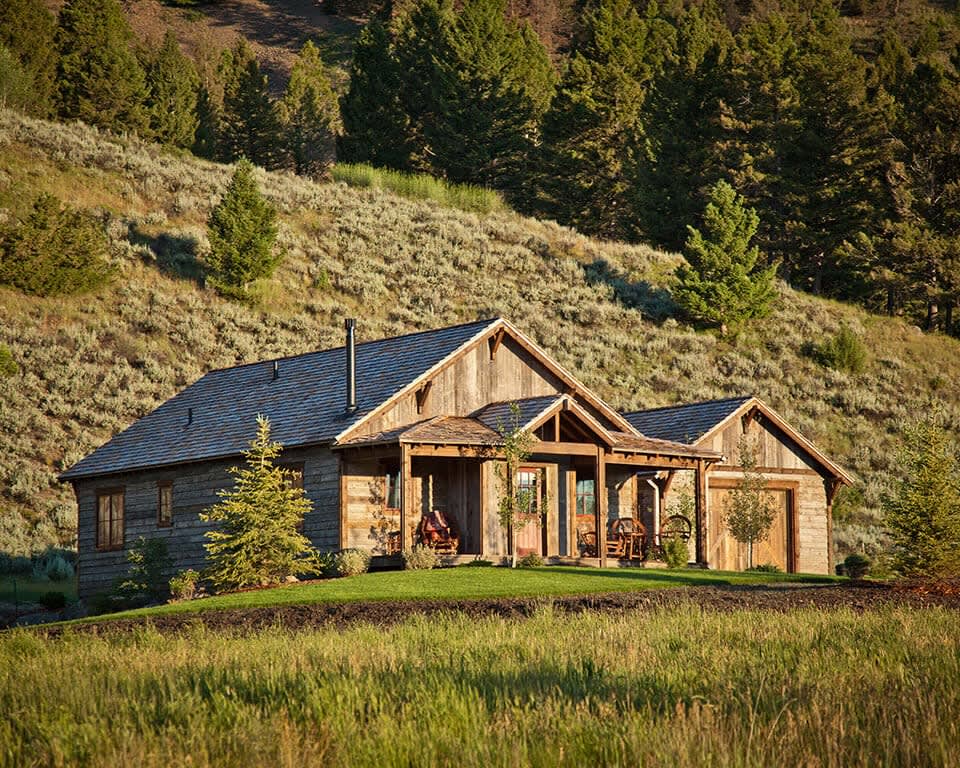


Curator’s statement
Patagonia spans two countries, separated by the Andes into landscapes that differ as sharply in climate as they do in character. Its scale and fragmentation force you to think in systems rather than stops, where sequencing matters as much as the destination. What makes it compelling is the landscape and the effort required to access it. It rewards deliberate planning with flexibility for the unexpected.
The Fora Difference
Book with Umber Travel to access exclusive perks and experiences on your trip.

Killer perks
Free upgrades, spa credits and more—we got you

Personalized recs
Customized travel planning for your style

Insider knowledge
Expert advice from people who’ve actually been there
Where to stay
Unlock perks by contacting Umber Travel to book your trip.
Things to do
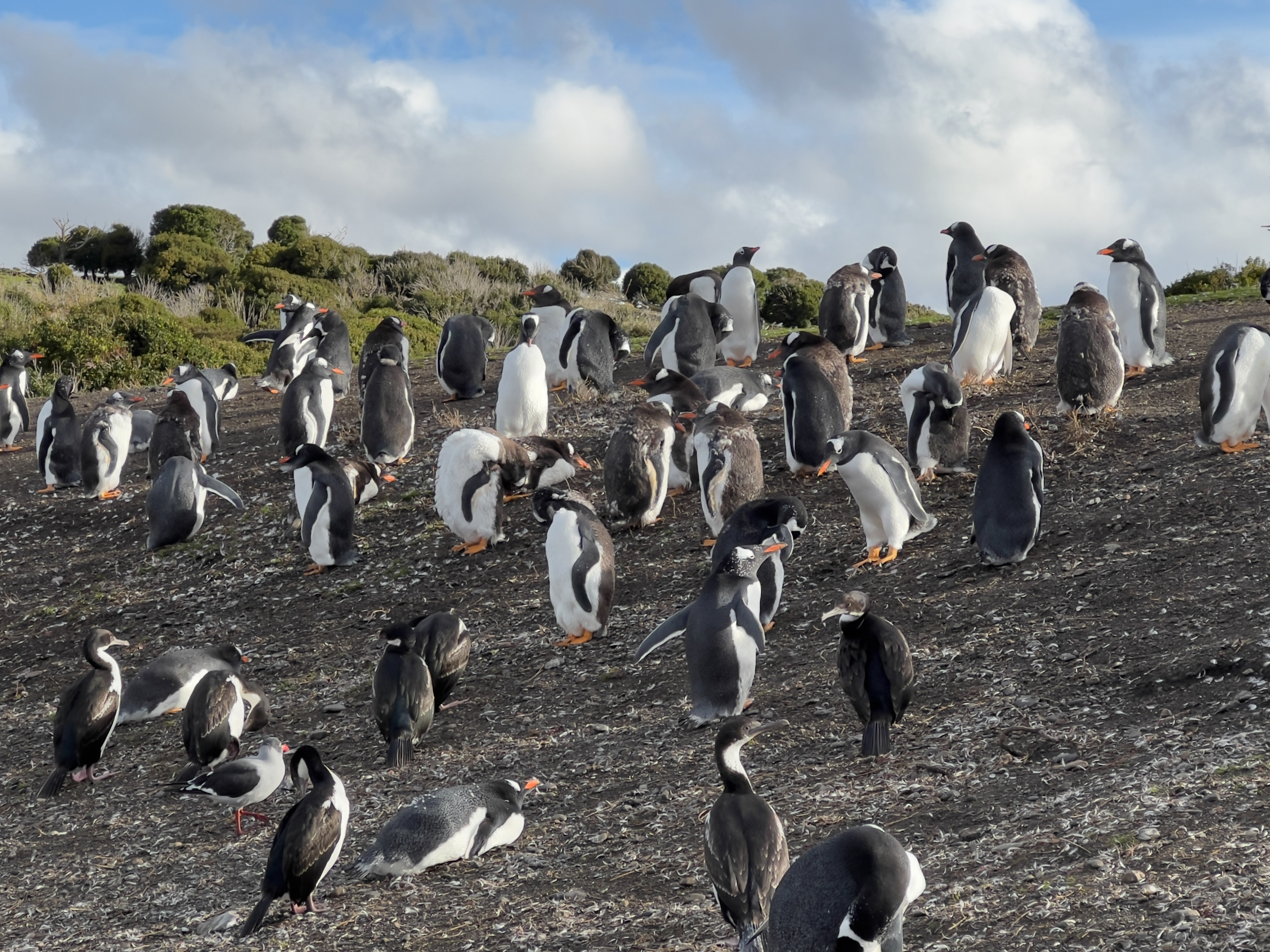
A waddle of Gentoo penguins, Isla Martillo - March 2026
Torres del Paine Base Trek (Mirador Los Torres): This is the iconic hike for a reason. The final ascent is physically demanding and often weather-exposed, but the payoff is a direct encounter with Patagonia’s most recognizable granite towers.
French Valley (Torres del Paine): A more immersive experience within the park, this hike moves you deeper into the massif. It offers a broader sense of scale, with glaciers calving audibly in the distance.
Laguna de los Tres (El Chaltén): Argentina’s answer to Torres del Paine, with a steeper final push that leads to a close-up view of Fitz Roy. It’s one of the most visually rewarding day hikes in Patagonia.
Laguna Torre (El Chaltén): Less crowded than Laguna de los Tres, but equally compelling. The glacial lake and spired peaks create a quieter, more atmospheric experience.
Huemul Circuit (El Chaltén): For experienced trekkers, this multi-day route is one of Patagonia’s most challenging and rewarding circuits. It requires preparation, both physically and logistically, but delivers isolation and scale that day hikes cannot.
Laguna Esmeralda (Ushuaia): A shorter, more accessible hike that still delivers a distinctly Patagonian landscape. The emerald-colored lake sits beneath glaciers, making it a high-return option with lower effort.
Horseback riding Across the Steppe: This offers a different perspective on Patagonia’s terrain, particularly on the Argentinian side. It’s less about adrenaline and more about absorbing the vastness of the landscape.
Penguin rookery visit, Isla Martillo (Ushuaia): Gentoo penguins are native to the area, while Magellanic penguins arrive seasonally, making timing relevant if you want to see both species (March). It is one of the few experiences in Patagonia that feels less like observation and more like quiet immersion in a functioning ecosystem.
Kayaking near glaciers: Getting onto the water shifts your relationship to the environment. It’s one of the few ways to experience the scale of the ice fields up close without committing to technical climbing.
Places to eat & drink
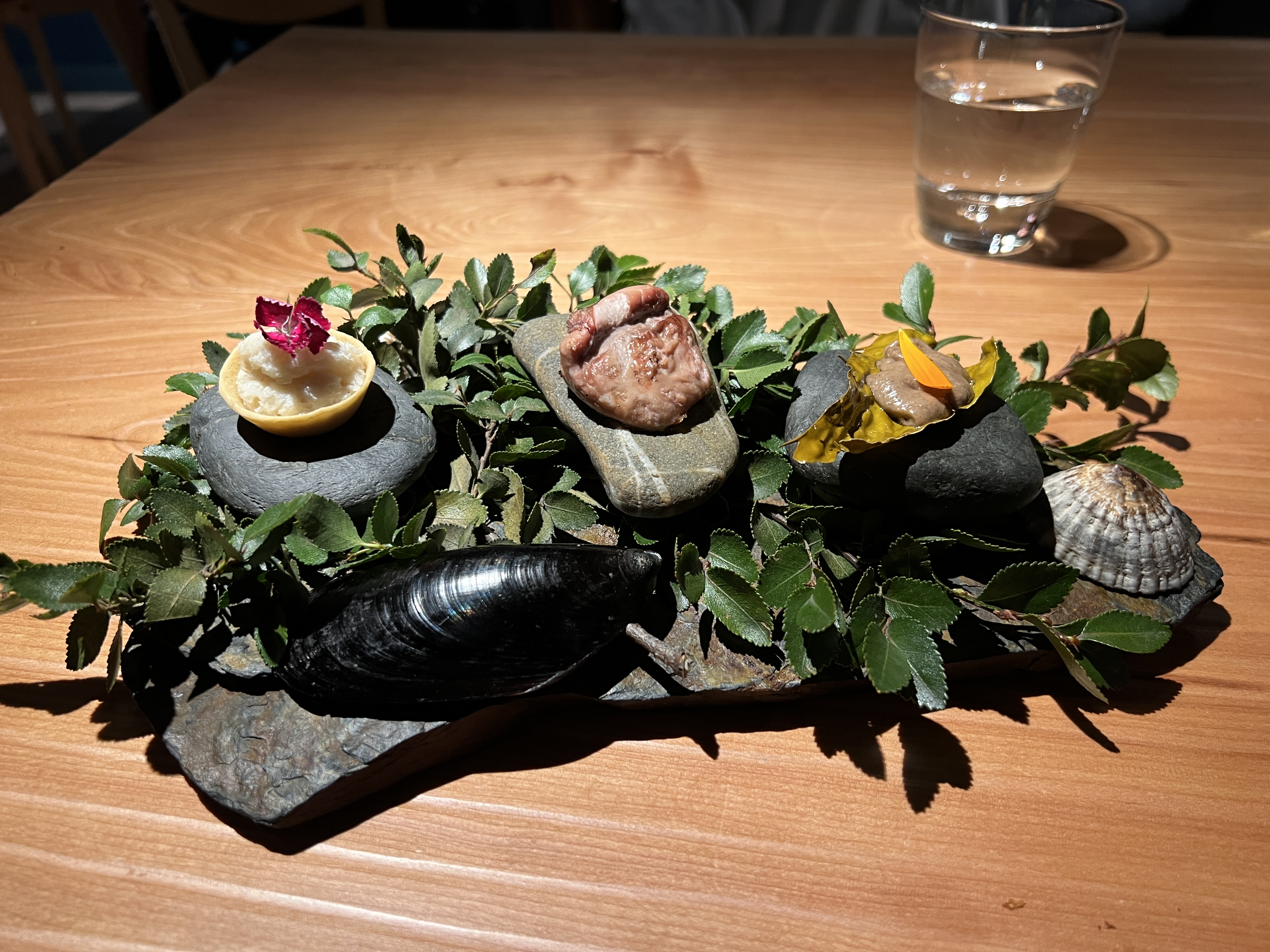
From the chef's tasting menu, Kalma Resto, Ushuaia - March 2026
Afrigonia: A standout for its fusion of Patagonian ingredients with African influences. It’s a reminder that even in remote regions, culinary creativity thrives.
Santolla: Focused on king crab and local seafood, this is one of the better places to experience regional specialties without unnecessary embellishment.
La Zaina: Rustic and intimate, with a menu centered on Patagonian staples. It feels grounded in place rather than designed for tourists.
Espacio Soda: A casual stop that works well after a long hike. The atmosphere is relaxed, and the food is straightforward but well-executed.
The Asadores: Classic Argentine grilling done properly. It’s less about innovation and more about execution, which is exactly what you want here.
Kalma Resto: One of the more refined dining experiences in Patagonia. It leans into local ingredients while maintaining a contemporary approach.
Salitre: A solid option for seafood with consistent quality. It’s a reliable choice in a town where options can be uneven.
Need to know
This is not a casual, last-minute trip. Flights are long, connections are unavoidable, and internal logistics require planning. Treat it like an expedition with comfort layered in, not a typical vacation.
Sequence matters. Patagonia is not a single destination but a system of regions. Experiencing both Chilean and Argentinian sides provides a more complete understanding of its geography.
Weather is non-negotiable. Conditions can shift rapidly, regardless of season. A proper layering system and broken-in hiking boots are essential.
Time is the real constraint. Ten or more days allow for a more immersive experience.
Connectivity is inconsistent. Wi-Fi and cell service can be unreliable in remote areas. Plan accordingly.
Language is manageable but not guaranteed. English is common in tourism, but not universal. Knowing basic Spanish phrases is useful, particularly in less trafficked areas.
Seasonality shapes access. Summer (Dec–Mar) offers the widest range of activities and also the largest number of tourists, while winter shifts the focus toward snow and ice-based experiences. Shoulder seasons balance access with fewer crowds.


Travel Advisor
Umber Travel


Tamina Vahidy
Get in touch with Umber Travel
Did you like this guide? Reach out to customize and book your own experience. Or, just to chat about travel in general.