



Curator’s statement
This journey through Quito, Otavalo, and Ecuador’s Andean Highlands offers a closer look at the region’s history and daily life. Moving from the colonial center of Quito to the artisan communities of the northern highlands and into a traditional hacienda setting, the itinerary traces connections between place, craft, and lived experience. Experiences include time in Otavalo’s textile workshops and meals shaped by local ingredients and traditions. Designed at a measured pace, the journey allows for a more grounded understanding of the region and the communities that define it.
The Fora Difference
Book with Grayson Briggs to access exclusive perks and experiences on your trip.

Killer perks
Free upgrades, spa credits and more—we got you

Personalized recs
Customized travel planning for your style

Insider knowledge
Expert advice from people who’ve actually been there
Where to stay
Unlock perks by contacting Grayson Briggs to book your trip.
Day 1: Adjust to altitude in Quito’s Old Town

Photo by Mauricio Muñoz on Unsplash
Start your first full day slowly as you adjust to life at 9,000 feet above sea level. Rest is essential for acclimatization, so take the morning at your own pace and enjoy a relaxed breakfast at your accommodation.
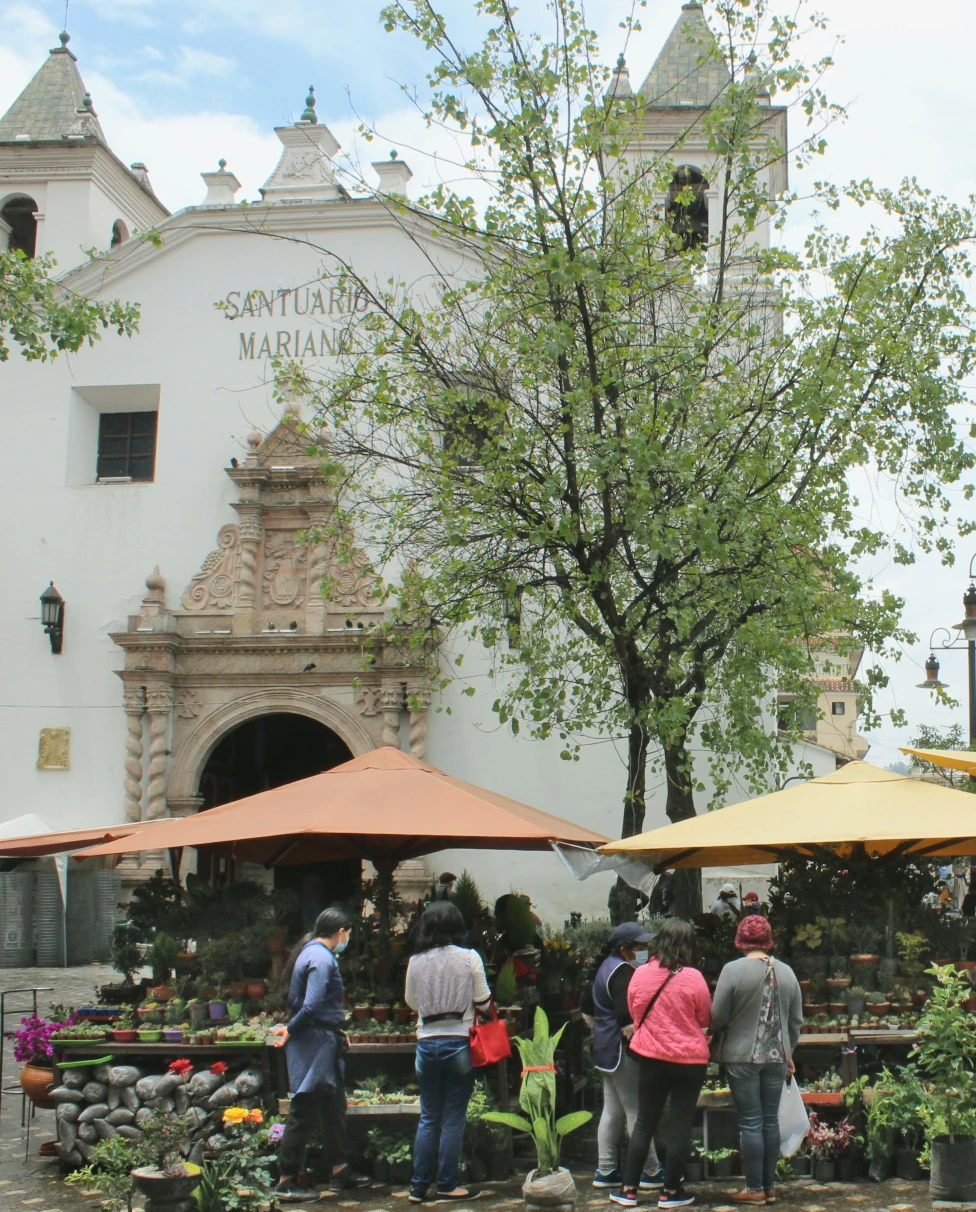
When ready, meet a local guide for a walking tour of Quito’s Old Town. One of the largest and best-preserved colonial centers in Latin America, the historic district is recognized as a UNESCO World Heritage Site. Your guide will bring Quito’s history to life through landmarks such as Basílica del Voto Nacional, Plaza Grande, and Iglesia y Convento de San Francisco. For those interested in a deeper cultural lens, gastronomy-focused tours offer an opportunity to explore the city through its traditional cuisine.
For lunch, head to ¡Hasta la vuelta, Señor!, a long-standing favorite known for classic Ecuadorian dishes such as ceviche and empanadas, served in a historic setting overlooking the plaza.
In the afternoon, stroll along Calle La Ronda. Lined with cafés, small restaurants, and artisan workshops, this cobblestone street offers a window into Quito’s creative character. It’s also an ideal place to pick up gifts, from locally made handicrafts to Ecuadorian chocolate and coffee.
Alternatively, take some to rest in your accommodation and recharge for your upcoming Andean adventure.
In the evening, keep plans flexible depending on how you’re feeling at altitude. For those ready for a full dining experience, URKO and SOMOS Ecuador are two of Quito’s culinary standouts. URKO offers a contemporary tasting menu inspired by Ecuador’s agricultural cycles and biodiversity, highlighting seasonal ingredients from across the country. SOMOS reinterprets Ecuadorian cuisine through modern techniques and narrative-driven tasting menus that showcase Ecuador’s culinary identity.
Day 2: Explore the vibrant Otavalo region

Photo by Tommy Picone on Pexels
Following breakfast, travel north toward the colorful city of Otavalo and its surrounding villages. Located less than two hours from Quito, Otavalo is home to one of the largest Indigenous artisan markets in South America. The Indigenous communities of the region are renowned for their textile craftsmanship, preserving traditions that pre-date Spanish colonization.
The Otavalo Market, centered in Plaza de los Ponchos, is defined by its vibrant displays of woven textiles, clothing, and handicrafts arranged in carefully stacked stalls. The market operates daily from 7 a.m. to 6 p.m., with Wednesdays and Saturdays drawing the widest selection of vendors.
In the afternoon, continue to the village of Peguche, on the outskirts of Otavalo. Local artisan workshops provide insight into traditional techniques, with opportunities to observe or participate in dyeing and weaving processes. These visits offer a more direct connection to the craftsmanship seen in the market.
Alternatively, a short walk leads to Cascada de Peguche, a scenic waterfall just outside town that holds cultural significance for local communities. The main trail is short and accessible, though visitors should continue to pace themselves at altitude. Additional paths extend deeper into the surrounding landscape for those seeking more challenging adventures.
For those continuing onward, an additional hour of travel leads to a historic hacienda, where the pace of the journey begins to slow and shift toward a more immersive rural experience.
Days 3-4: Experience a traditional Ecuadorian Hacienda

Photo by Hacienda Zuleta
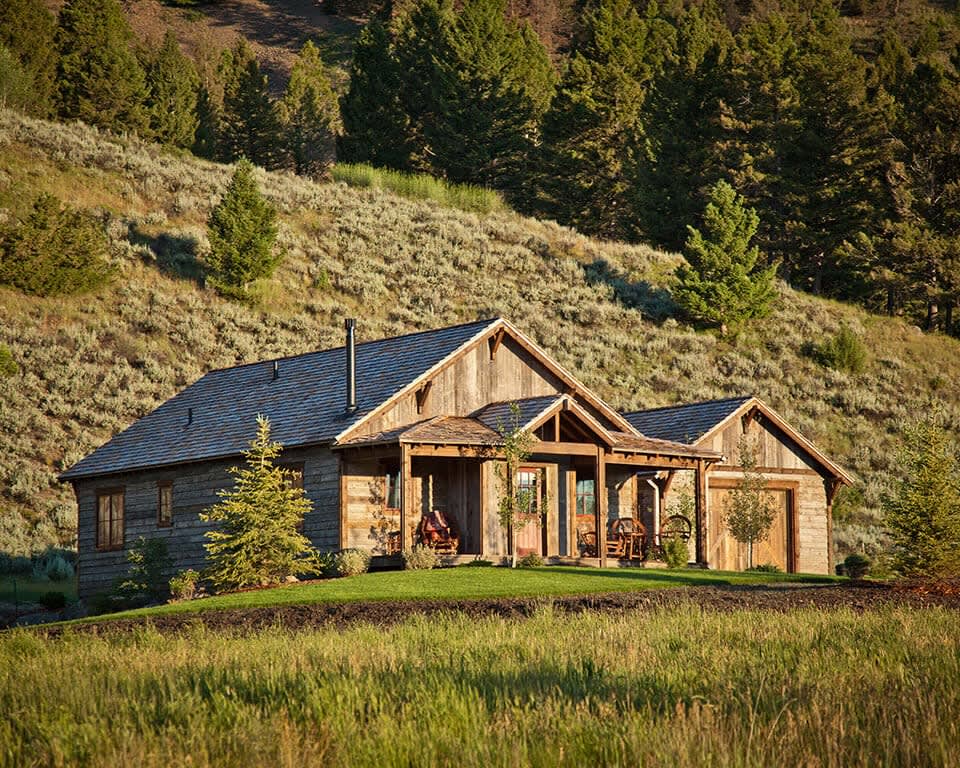
Haciendas have a long and complex history in Ecuador. These working estates date back to the colonial era, when Spanish landowners controlled vast properties worked by Indigenous communities under unequal labor systems. For centuries, haciendas shaped life and the economy across the Andean Highlands. Today, many have been restored as heritage stays, offering travelers a window into Ecuador’s colonial past and its evolving rural identity.
A minimum stay of two nights is recommended to fully experience the range of cultural, culinary, and outdoor activities while allowing time to slow down and take in the surrounding landscape.
Popular activities include:
Horseback riding: Horsemanship remains an important tradition in Ecuador’s high Andes, where caballeros have long relied on horses to navigate mountainous terrain. Guided rides from the hacienda offer one of the most immersive ways to explore the surrounding landscape, with routes ranging from shorter scenic rides to full-day excursions through farmland and highland trails.
Cooking class: Cooking classes highlight Indigenous flavors and culinary traditions, beginning with ingredients sourced from on-site gardens and local markets. Guided by local chefs, guests prepare regional dishes while gaining insight into northern Andean history and culture.
Artisan workshops: Many haciendas partner with artisans from nearby communities to offer hands-on workshops in traditional techniques such as weaving and carving. These experiences build on what visitors encounter in Otavalo, providing additional context and a more personal connection to local craftsmanship. Additional workshops and markets can also be visited in surrounding communities.
Outdoor adventures: The northern Andes offer opportunities for exploration amid volcanic peaks and high-altitude valleys. From a hacienda base, travelers can access trails on foot or by mountain bike, passing through rural landscapes and panoramic viewpoints. With favorable conditions, it is possible to observe wildlife such as rare spectacled bears and Andean condors, one of the largest flying birds in the world.
Rest and relaxation: Haciendas also offer space to slow down and experience the rhythm of rural life. Open windows to crisp mountain air, observe birdlife in the early morning, and explore surrounding gardens and farmland. Pools and wellness services provide additional opportunities for rest before continuing onward to destinations such as the Galápagos Islands or returning home.
Dining: Meals are central to the hacienda experience. Menus focus on seasonal, farm-to-table cuisine prepared with fresh local ingredients. Guests can expect refined dishes that highlight Ecuadorian and Andean culinary traditions.
Insider tip: No two haciendas are alike—each offers a distinct set of experiences shaped by its history, natural setting, and connections to local communities. Selecting the hacienda that best matches your style is essential for making the most of your stay.
Day 5: Return to Quito

Photo by Andres Medina on Unsplash.
Spend your final morning at the hacienda over a leisurely breakfast, reflecting on your time in the Andean Highlands. Take a last walk through the gardens or stables, enjoy a cup of Ecuador’s renowned coffee, and ease into the slower rhythm of the morning before departure.
From here, transfer to Mariscal Sucre International Airport for onward travel, whether continuing to the Galápagos Islands or returning home.
Need to know
Seasonality: Ecuador’s Andean Highlands are a rewarding destination year-round, though the region experiences both wet and dry seasons. The dry season (June–September) brings clear skies, warm daytime temperatures, and optimal visibility for peaks such as Cotopaxi. The wet season (October–May) features sunny mornings followed by afternoon showers, leaving the landscape especially green and vibrant.
Temperatures: Daytime temperatures remain relatively consistent year-round, generally in the mid-70s due to Ecuador’s equatorial location. Evenings are significantly cooler, often dropping into the 50s after sunset.
Safety: Visitors to Quito and Ecuador’s Andean Highlands should remain aware of their surroundings and take standard precautions, particularly in busy urban areas and when traveling at night. Using reputable guides and transportation services, staying mindful of personal belongings, and allowing time to adjust to altitude and mountain road conditions can help ensure a smooth experience.
Extend your trip: This journey pairs naturally with time in the Galápagos Islands, offering a meaningful contrast between two of Ecuador’s most distinct environments. Where the Galápagos are defined by remote landscapes and extraordinary wildlife, the Andean Highlands provide cultural and historical depth through lived traditions, architecture, and daily life.
Experiencing both allows for a broader understanding of Ecuador—one shaped not only by its biodiversity, but by the communities and traditions that define the mainland. Whether explored before or after the islands, the highlands add context and dimension to a wider journey through the country.


Travel Advisor
Grayson Briggs

Grayson Briggs

Get in touch with Grayson Briggs
Did you like this guide? Reach out to customize and book your own experience. Or, just to chat about travel in general.
For more inspiration and insider recommendations, visit our Ecuador page.