


Curator’s statement
As the most visited destination on the African continent, averaging just shy of 20 million visitors annually at last count, there is an almost inexhaustible list of reasons why this destination is the equivalent of catching lightning in a bottle. Innovation, Afro-futurism, and antiquity sit side by side and are completely complementary. Magnificent natural landscapes and seascapes support an ambitious and progressive, sustainable and green revolution in the economy. Add a warm, layered, multi-dimensional culture that threads together as many strands and textures as the resplendent tapestries and carpets... this is why Morocco needs to be your next trip.
The Fora Difference
Book with Rosita Scarborough to access exclusive perks and experiences on your trip.

Killer perks
Free upgrades, spa credits and more—we got you

Personalized recs
Customized travel planning for your style

Insider knowledge
Expert advice from people who’ve actually been there
Where to stay in Morocco
Unlock perks by contacting Rosita Scarborough to book your trip.
Things to do in Morocco
Explore Morocco’s history
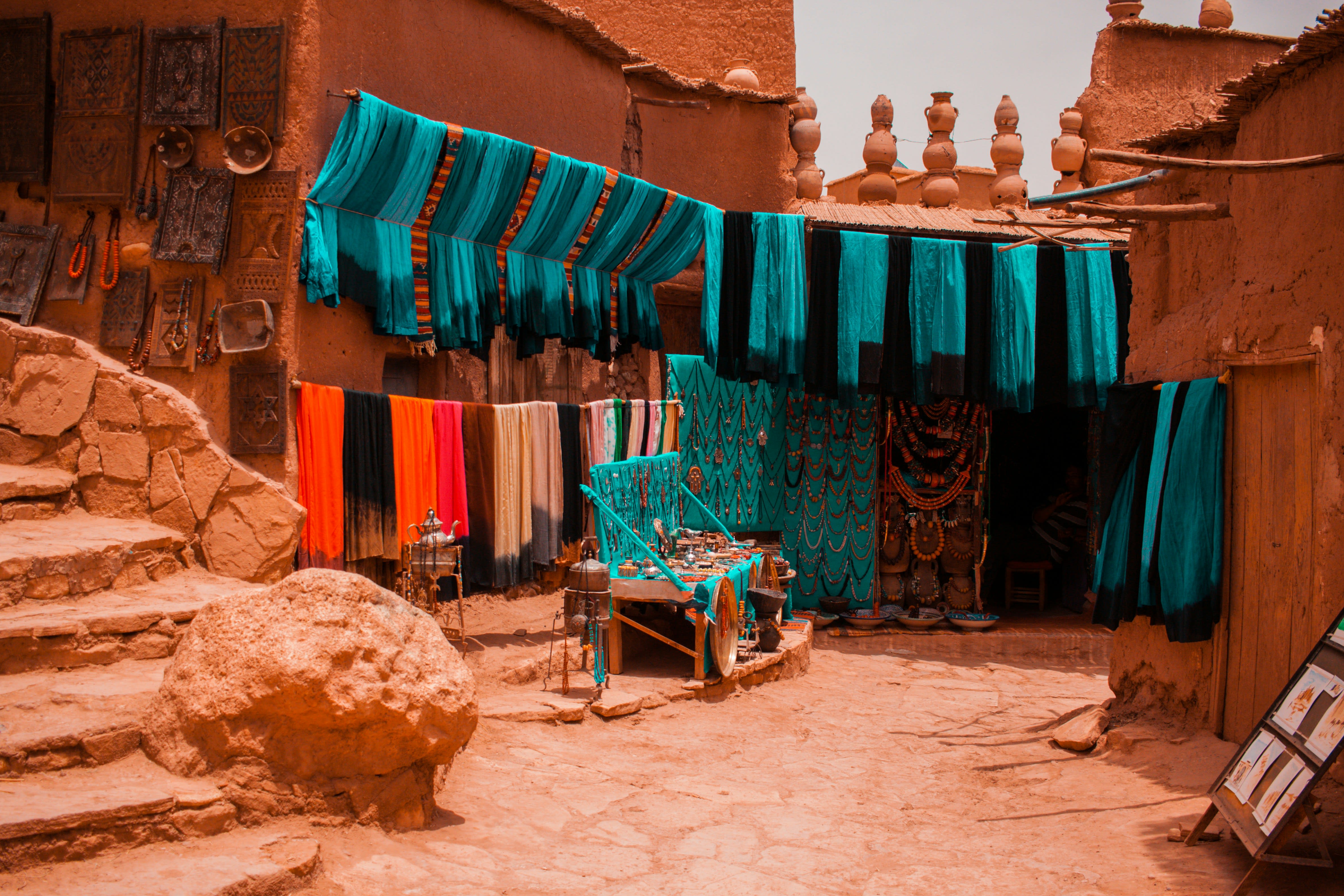
A visit to Morocco begins with a deep exploration into a culture that goes back 20,000 years by conservative estimates. That is the culture of the indigenous Amazigh people, who are the oldest inhabitants of North Africa predating Arab conquest. This ancient culture, unsurprisingly practices a regenerative lifestyle that has been honed in place over centuries, and the best place to witness this firsthand is the luscious and verdant Valley of Ourika, located 30–60 kilometers southeast of Marrakech in the High Atlas Mountains.
Everyday life here is a melange of argan oil-producing community cooperatives, subsistence farming and livestock rearing, artisanal art and craft industries, and a breathtaking landscape of hiking trails and the Setti Fatma waterfalls. These resilient and resourceful people, while still defending their right to cultural sovereignty and recognition, maintain an infectious community kinship that you will be lucky to witness at the Souk Tnine de L’orika held every Monday and Thursday.
This is the cultural and social epicenter of the valley, not just the nucleus of commercial activity, where community bonds and relationships are tried, tested, rewoven, and reinforced. And, where delicious local cuisine, including mouthwatering tagine, can be sampled.
The arts
After this historical, cultural, and spiritual immersion, next on your roster is experiencing the art, film, music, and literary genius that calls Morocco home.
First port of call: 1-54 Contemporary African Art Fair, which is the natural evolution of the Marrakech Biennale that was launched in the city and sunsetted about a decade ago. I-54 was established in 2013 by Touria el Glaoui, whose father Hassan was one of Morocco’s most famous artists, and it is hosted annually in Marrakesh, typically within the months of January or February. The fair was created to give African art an equitable stake in the global art scene; with three editions per year—in London, New York, and Marrakech, 1-54 is the leading global art fair committed to providing visibility to contemporary art from Africa and its diaspora.
Never fear if your travel does not coincide with these dates. Marrakesh has a plethora of art galleries and artistic hubs that are open and accessible year round, that will satisfy all artistic tastes. Before you depart Marrakesh, and depending on the time of year, do not miss the Marrakesh International Film Festival that typically occurs later in the year around November. Many are surprised to know that Morocco has a prolific and world renowned film industry that both supports domestic productions and global box office features. Game of Thrones, anyone?
Essaouira
Three hours away from Marrakech, head to the town of Essaouira, especially in the month of June for The Essaouira Gnaoua and World Music Festival, which celebrates the rich musical heritage of the Gnaoua people, a group with roots in sub-Saharan Africa and who are renowned for a unique blend of spiritual music. This festival attracts musicians and visitors from all over the world.
Rabat
A little further afield, in the capital city of Rabat, check out the Mawazine Festival that also happens in the months of May and June. It is one of the largest music festivals in Morocco, attracting top international and local artists, and you can expect to enjoy performances from a wide range of genres, including pop, jazz, rock, and traditional Moroccan music.
Alongside the music, Mawazine includes art exhibitions, workshops, and cultural events that highlight Moroccan traditions and customs.
The Noor Ouarzazate Solar Complex
For those like me interested in sustainable urban renewal and a just energy transition, check out the Noor Ouarzazate Solar Complex located in the Drâa-Tafilalet region in Morocco, 10 kilometers (6.2 mi) from Ouarzazate town, in Ghessat rural council area. At 510 MW, it is the world’s largest concentrated solar power (CSP) plant. With an additional 72 MW photovoltaic system, the entire project was planned to produce 582 MW. They have an excellent visitor center and interpretive guided tours.
Do not leave the area without visiting the fortified village of Aït Benhaddou, west of the city, which is a UNESCO World Heritage Site.
Hammams
Finally, in all the cities and towns mentioned in this guide, you will find the best-kept secret: hammams. The jewel in the crown of millennia: old knowledge on holistic healing, wellness, and restoration. Catering to all wallet sizes and personal space preferences, from the most uber-luxe options to the more modest and literal communal watering hole, you will be remiss if you do not indulge in spa treatments at Les Bains de Marrakech, or Centre d’esthetique Bio Argana Spa in Essaouira, or Laalou Hammam in Rabat.
Rejuvenation awaits!
Places to eat & drink in Morocco
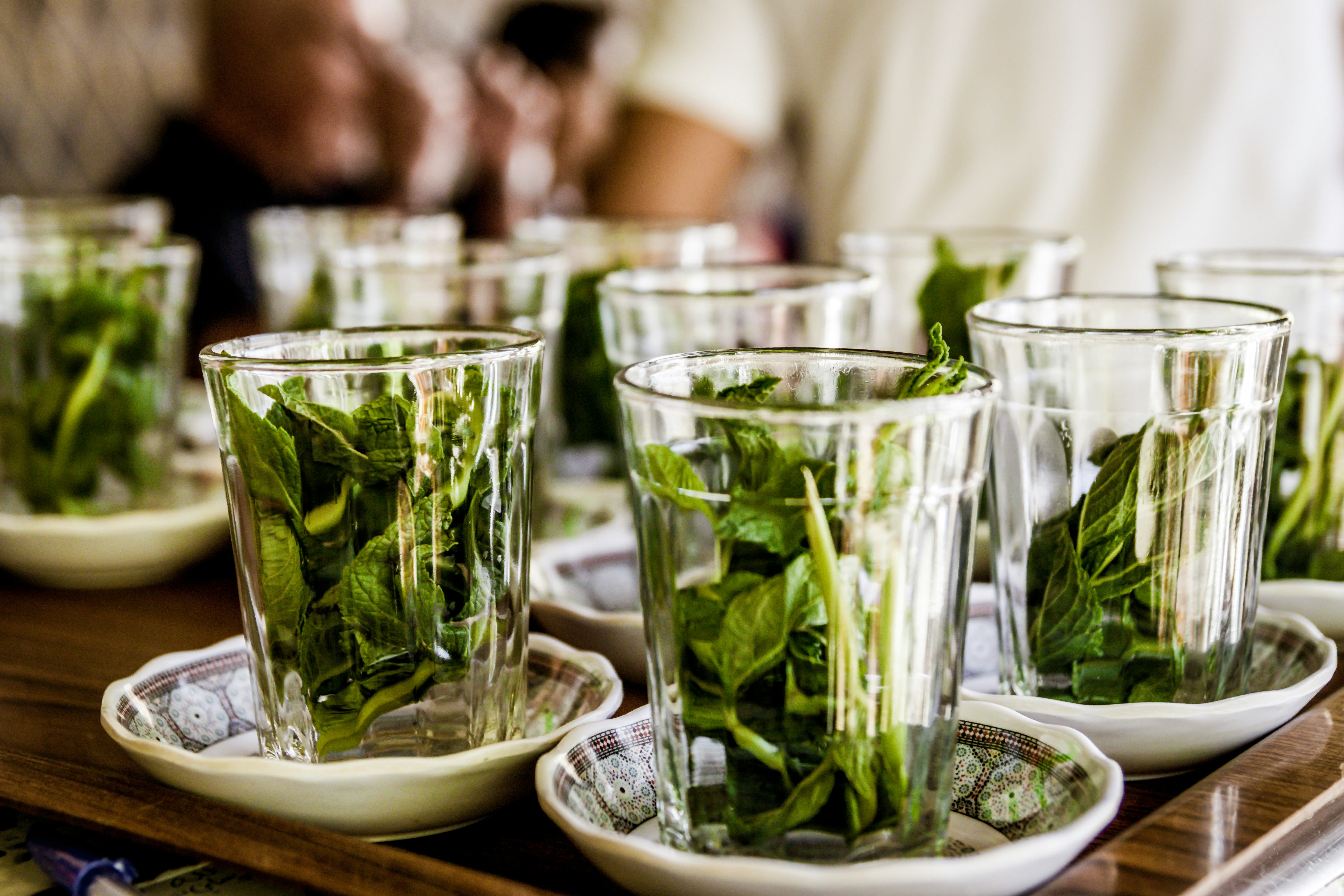
In true indulgent Moroccan fashion, not only are there great restaurants to try but actual festivals that celebrate and showcase the best regional harvests. Look up:
The Almond Blossom Festival in Tafraout
The Cherry Festival in Sefrou
The Date Festival in Erfoud
Each highlights the regional significance of these harvests.
In terms of restaurants, the best foodie tip is to patronize the spots frequented by locals.
The bustling food stalls of Marrakech’s Jemaa el Fna Square
The historic medina of Fes
Coastal spots like Essaouira for fresh seafood
Need to know
Morocco is a year-round destination. However, the absolute best times to visit are March through June or September through October.


Travel Advisor
Rosita Scarborough
Rosita Scarborough

Get in touch with Rosita Scarborough
Did you like this guide? Reach out to customize and book your own experience. Or, just to chat about travel in general.