

Curator’s statement
Saba is a rare gem in the Caribbean—a 5-square-mile volcanic island that has resisted mass tourism and preserved its authentic character. Known as the “Unspoiled Queen,” this special municipality of the Netherlands offers remarkable diving, hiking through cloud forests, and a pioneering approach to sustainability that includes working toward 100% renewable energy. What makes Saba truly special is its commitment to conservation and community-led initiatives, from marine protection to creative cultural programs, proving that small islands can lead the way in responsible tourism.
The Fora Difference
Book with Erica Hanger to access exclusive perks and experiences on your trip.

Killer perks
Free upgrades, spa credits and more—we got you

Personalized recs
Customized travel planning for your style

Insider knowledge
Expert advice from people who’ve actually been there
Where to stay on Saba
Unlock perks by contacting Erica Hanger to book your trip.
Things to do on Saba
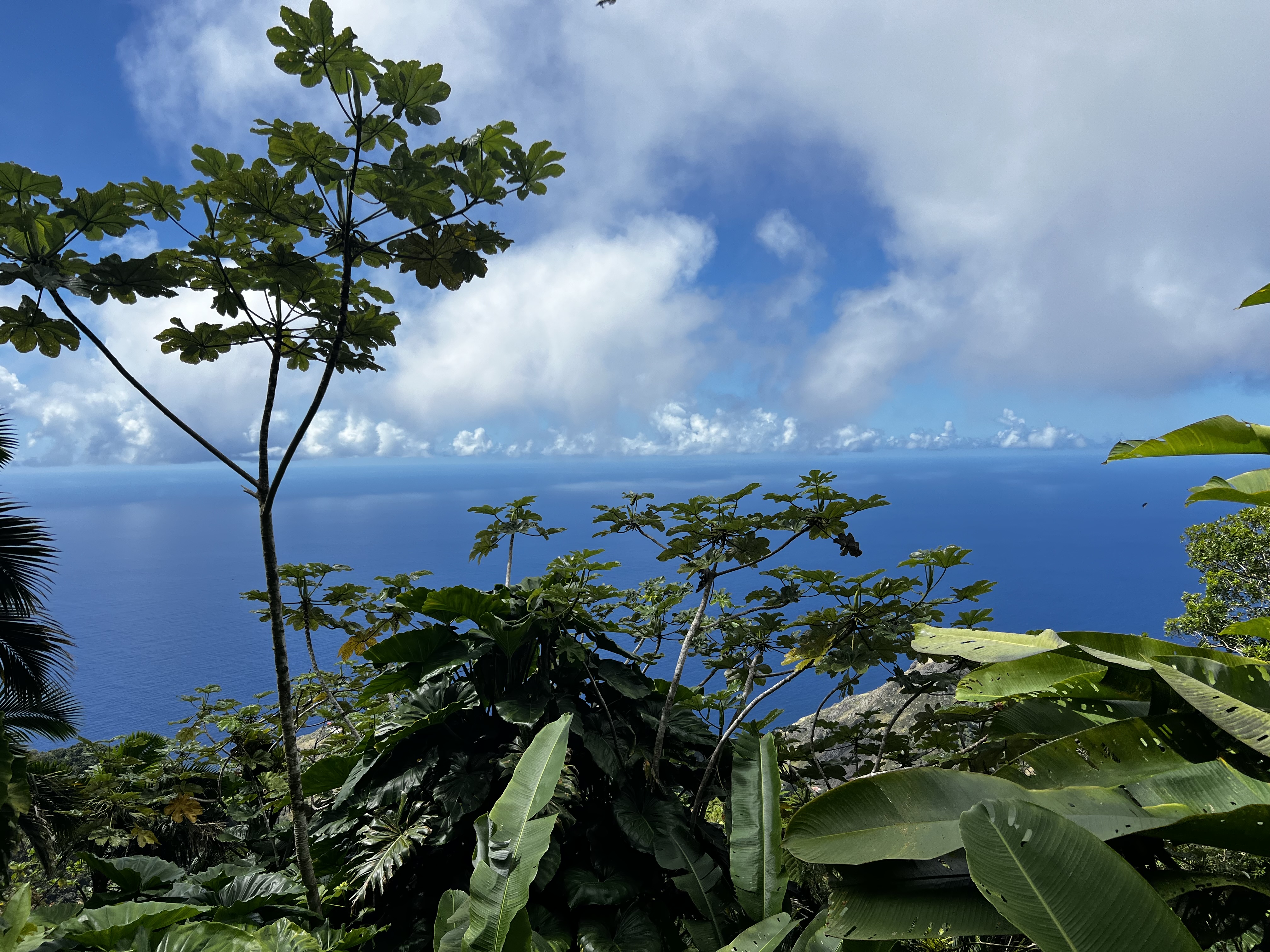
Views from hiking
Hike Mount Scenery: Climb to the highest point in the Dutch Kingdom at 2,877 feet. This iconic trail features carefully maintained steps through a pristine cloud forest ecosystem, offering unforgettable views and encounters with friendly locals along the way.
Explore the trail system: Discover Saba's network of 20+ hiking trails maintained by the Saba Conservation Foundation. Join volunteer trail maintenance programs every Thursday to learn about native tree species, climate change threats, and conservation initiatives while contributing to the island's sustainable tourism.
Visit the Saba National Marine Park: Experience some of the Caribbean's most pristine diving and snorkeling in protected waters that have been carefully managed since 1987. The park exemplifies successful marine conservation through mooring buoy systems and sustainable dive tourism practices.
Take an eco-dye workshop at The Studio: Create art using sustainably sourced materials in a hands-on workshop that showcases Saba's commitment to sustainability in creative practices.
Discover the Adopt-A-Box art project: Walk through this innovative outdoor gallery where electrical boxes have been transformed by local artists into showcases of the island's history, culture, and natural environment through the Sea and Learn Foundation.
Shop local at Marie de Saba Jewelry: Support local artisans who craft jewelry using natural materials and seeds from the island, demonstrating how sustainability integrates into cultural expression.
Join a Sea & Learn Foundation event: Participate in beach cleanups, educational workshops, or community events that bring scientists, conservationists, and educators together to share knowledge about environmental conservation.
Places to eat & drink on Saba
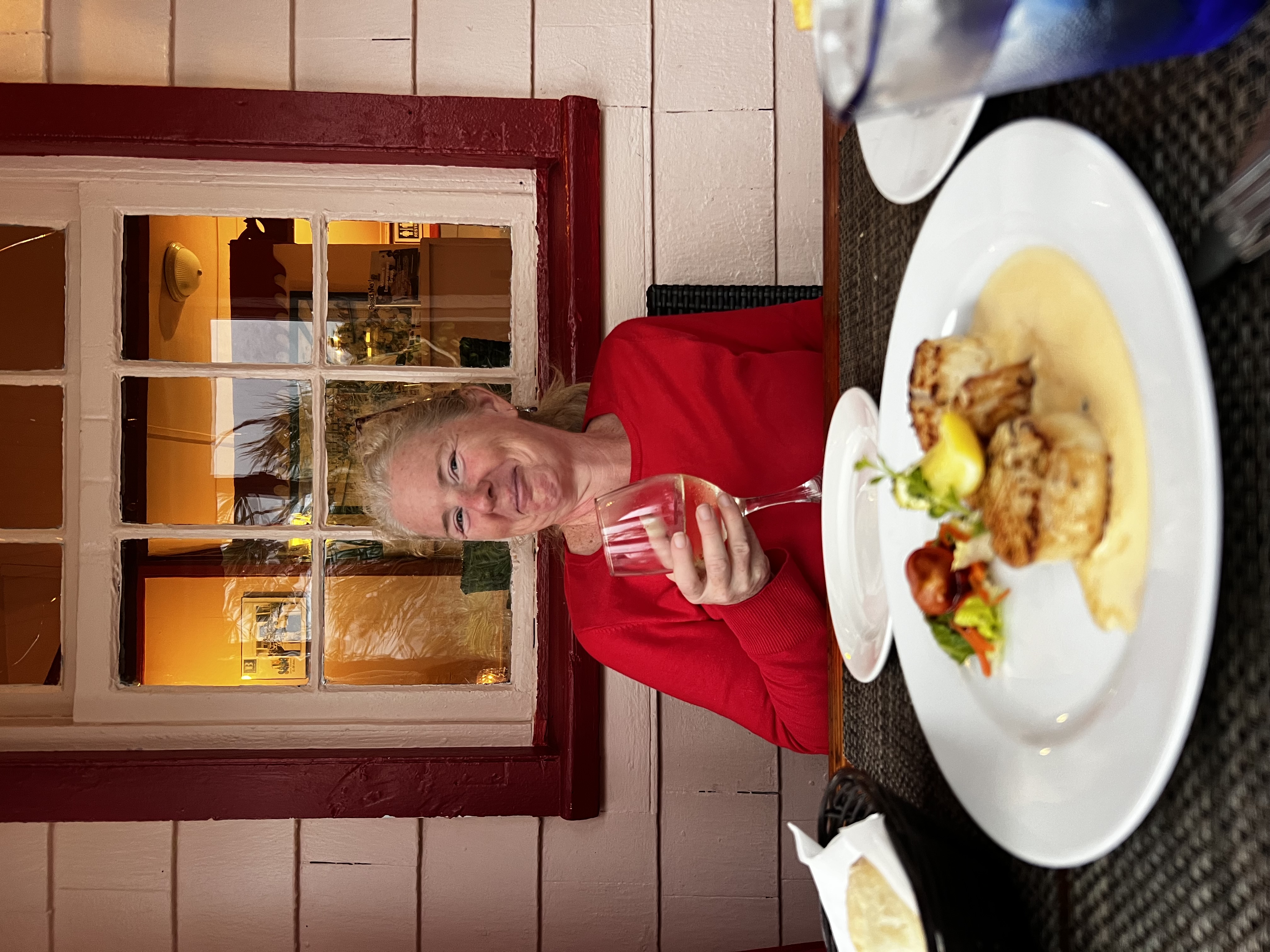
Dining with friends at Brigadoon
Rendez-Vous at Ecolodge: Experience true farm-to-table dining at this tucked-away gem with an on-island greenhouse providing fresh local produce. A perfect example of Saba's commitment to sustainable, local living.
Brigadoon: Friendly staff serving a rotating menu for a fine-dining experience.
Colibiri: Casual outdoor space to enjoy a beverage after hiking or exploring.
Saba Snack: With two locations on the island, this is a convenient option for casual dining.
Busy Bee Bakery: Fresh baked goods and Saba culinary staples.
Juliana's Hotel & Tropics: Enjoy dining at this hotel restaurant, which hosts film showings on Wednesdays about the island's history—a great way to combine a meal with cultural immersion.
Need to know
Getting there: Fly into Sint Maarten (SXM) from Canada or the USA, then take a thrilling 15-seat WinAir puddle jumper flight—sit in the front right for a cockpit view. The landing on Saba’s tiny commercial runway is an adventure in itself. Alternatively, take the ferry on limited days when the weather permits. Note that flights only operate during daylight hours.
Shopping & timing: Most food is imported from Miami, with shipments arriving on Wednesdays, so grocery stores restock then. Products are taxed twice (stopping at Sint Maarten), resulting in higher prices—expect to pay around $8 for rice and $12 for peanut butter.
Water conservation: Saba’s entire water supply depends on rainfall collected in cisterns at each building. When staying at a villa or cottage, be mindful to keep water use to a minimum.
Practical information
English is the main language, Dutch and Spanish are widely spoken
USD is the main currency
Best time to visit: December to April
Getting around: Limited taxi services and rental cars; Juliana's Hotel offers a shuttle
Get travel insurance before your trip
Why no cruise ships?
Saba has no port infrastructure to support cruise ships, which protects it from the “wreaking havoc” that droves of cruise passengers often bring to port cities. This keeps the island truly unspoiled.

Travel Advisor
Erica Hanger

Erica Hanger
Get in touch with Erica Hanger
Did you like this guide? Reach out to customize and book your own experience. Or, just to chat about travel in general.
For more inspiration and insider recommendations, visit our Caribbean page.