


Curator’s statement
Patagonia is a hiker’s dream destination—full of changing landscapes (and weather). The W-Trek is five wonderful days surrounded by indescribable scenery that has to be seen to be believed. This adventure is defined by spectacular views of raw, untamed nature: glaciers, granite towers called torres, swinging suspension bridges, and the infamous Patagonian winds. Whether you’re an experienced trekker or pushing your limits for the first time, the W-Trek will leave you humbled and absolutely exhilarated. If you’re lucky, you’ll even get to witness the infamous Patagonian winds.
The Fora Difference
Book with Kaithlyn Rojas to access exclusive perks and experiences on your trip.

Killer perks
Free upgrades, spa credits and more—we got you

Personalized recs
Customized travel planning for your style

Insider knowledge
Expert advice from people who’ve actually been there
Where to stay
Unlock perks by contacting Kaithlyn Rojas to book your trip.
Day 1: Gear up & rest in Puerto Natales
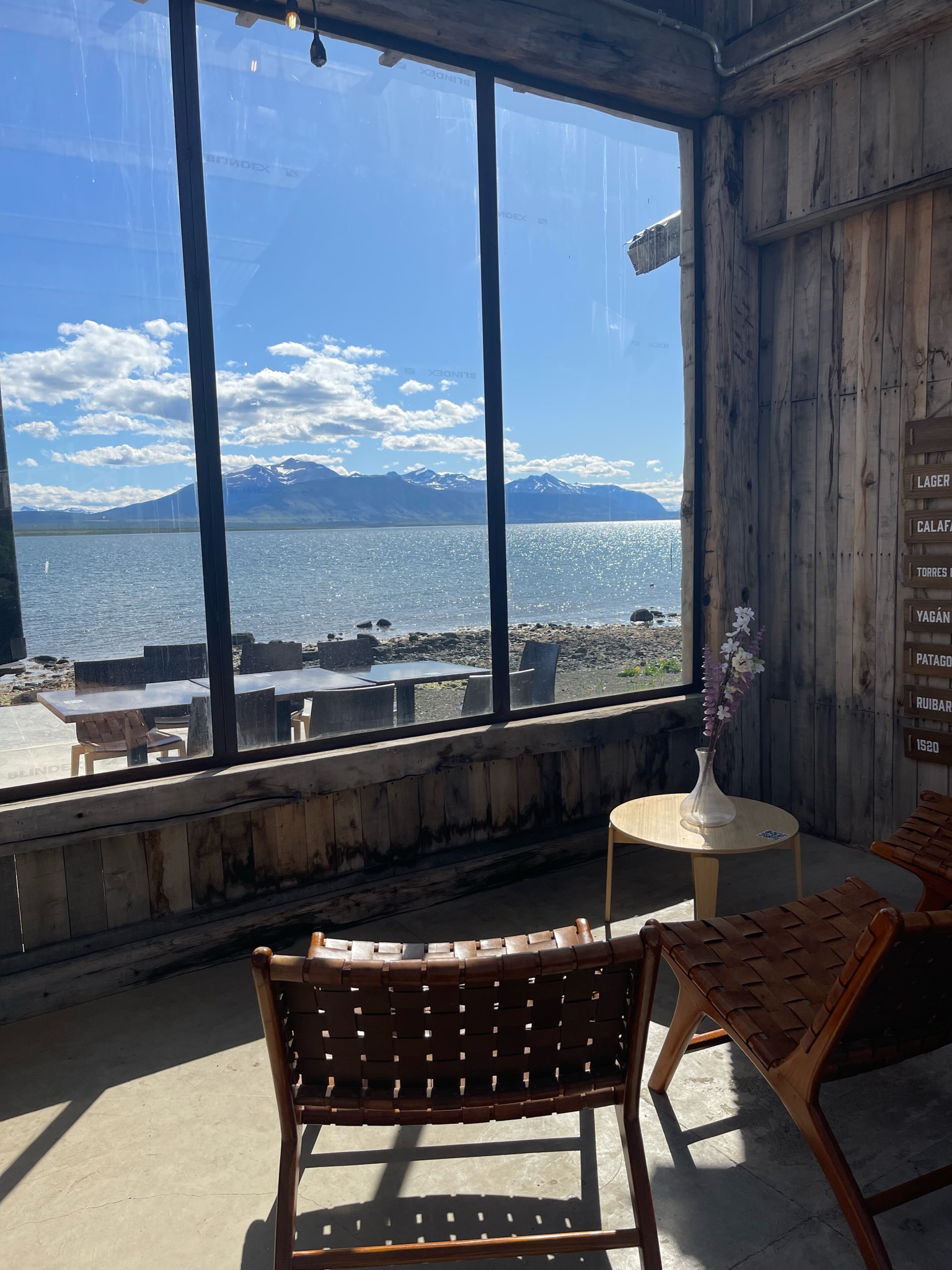
Relaxing at a cafe, mentally preparing for long hiking days and already starting to enjoy the beautiful landscapes.
Your Patagonia adventure begins not on the trail, but in the charming gateway town of Puerto Natales. Dedicate this day to rest after your long travel from home (it took us over 30 hours of travel to get here)—flights typically route through Santiago (SCL) and then to Punta Arenas (PUQ), followed by a bus ride into town. Use this day wisely: do a thorough gear check (layers, rain gear, trekking poles, and broken-in boots are non-negotiable), stock up on trail food at local shops, and soak in the relaxed Patagonian town vibe.
Insider tip: Do NOT skip this prep day. The W-Trek has no shortcuts once you’re in the park, and being under-prepared for weather changes can make or break your experience.
Day 2: Ferry to Torres del Paine & hike to Refugio Grey (6.8 miles)
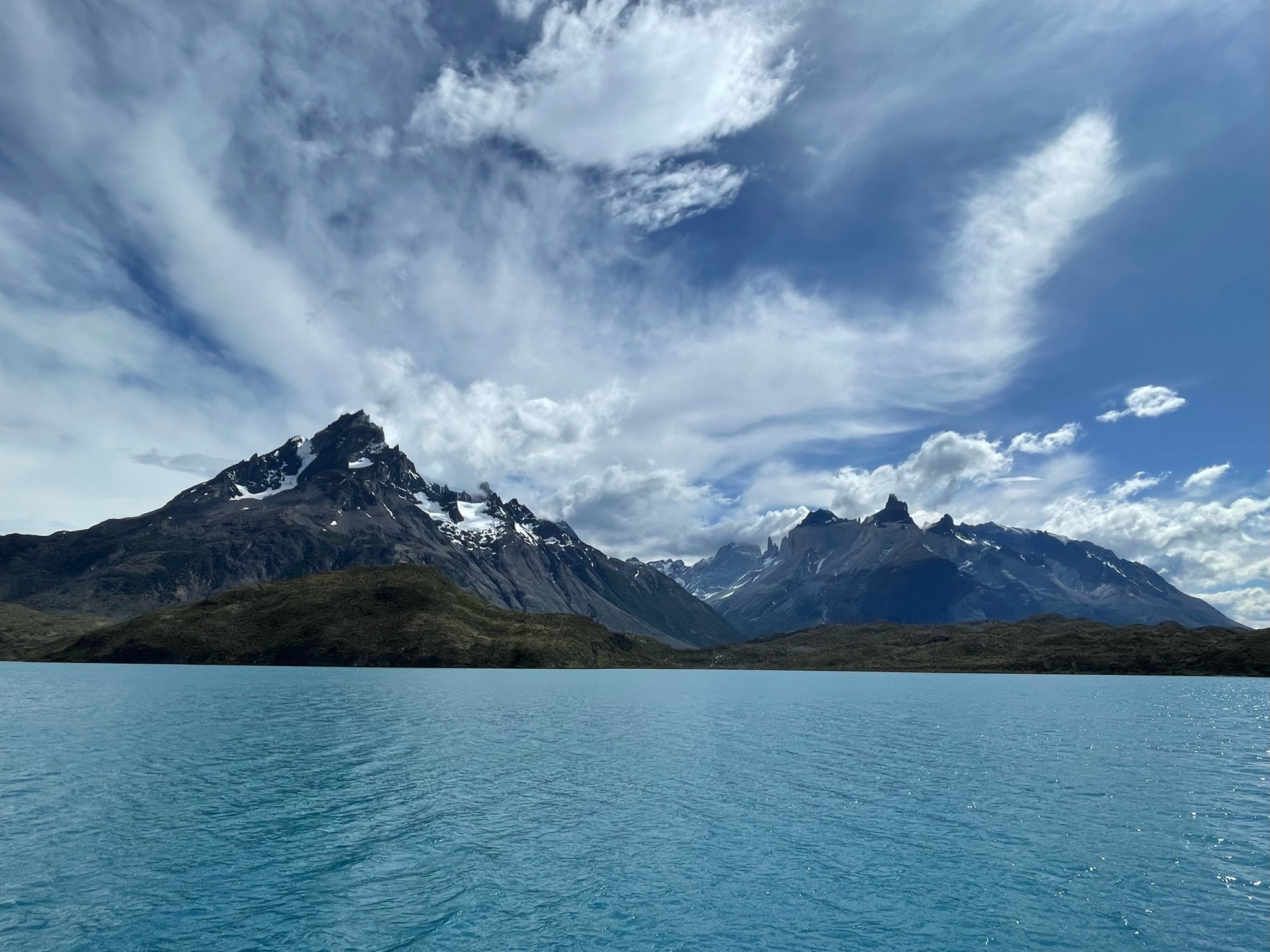
Views from the ferry
Today the real adventure begins! Catch a morning bus from Puerto Natales to Pudeto, where you’ll board a ferry across the stunning Lake Pehoé. The ferry ride alone is a jaw-dropping introduction to the park, with sweeping views of the Paine Massif. From the dock, you’ll begin hiking toward Refugio Grey, your camp for the night. The trail winds through open steppe and offers your first views of Glacier Grey in the distance.
Insider tip: Pack snacks and layers for the ferry. The Patagonian wind on the water is fierce and the views deserve a long, comfortable look.
Day 3: Glacier Grey excursion
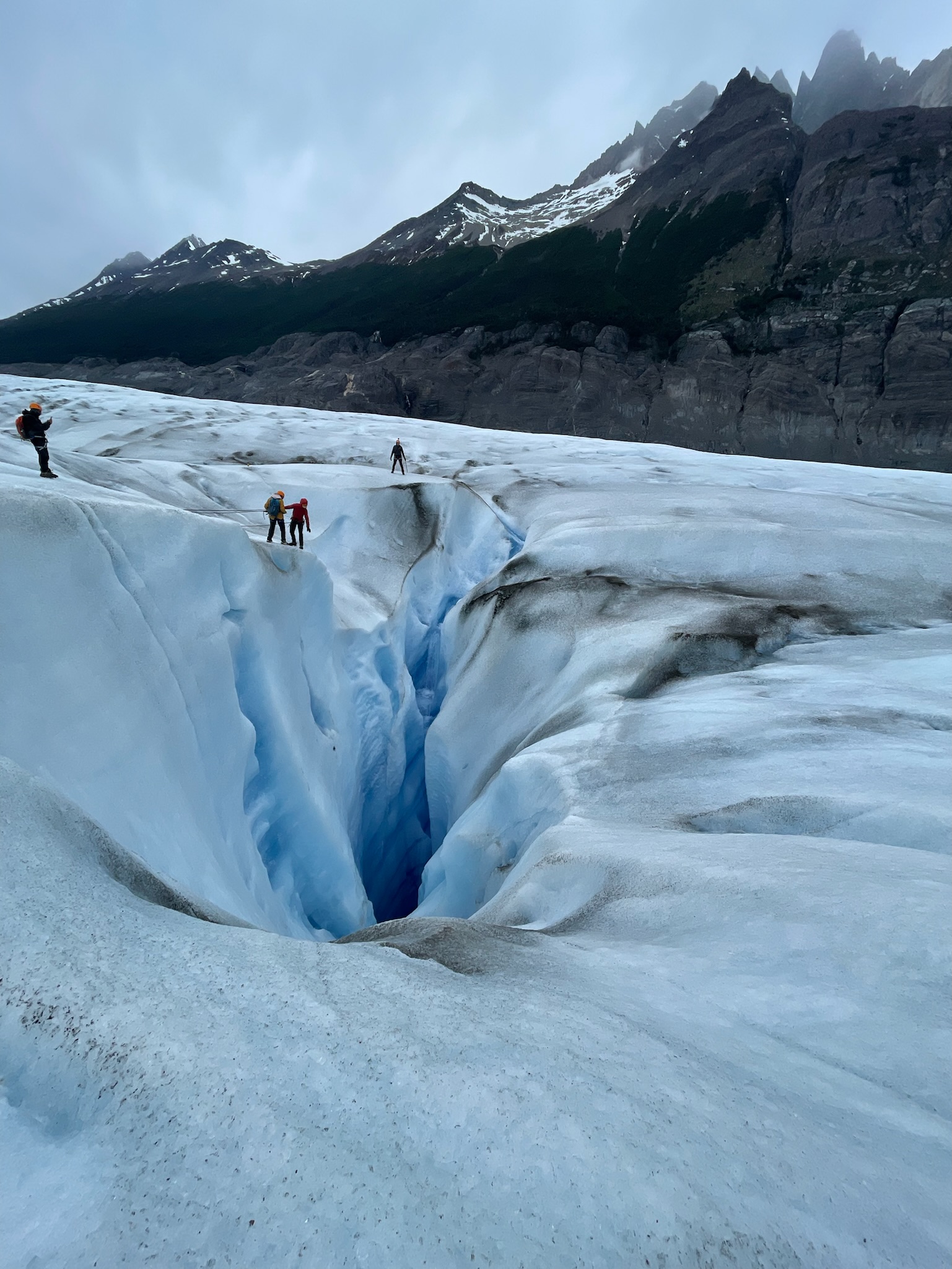
Getting to walk on the majestic Glacier Grey was an incredible experience.
For the highlight of many trekkers’ trips, consider booking an optional glacier hike with Bigfoot Patagonia, which takes you out onto the blue ice of Glacier Grey. It’s an unforgettable few hours before you pack up camp and continue your trek to Paine Grande. The hike is moderate and rewards you with panoramic views of the lake and the surrounding peaks.
Insider tip: Book the glacier excursion in advance. Spots fill up, especially in peak season (November–February).
Day 4: Frances Valley—the most dramatic section (11.8 miles)
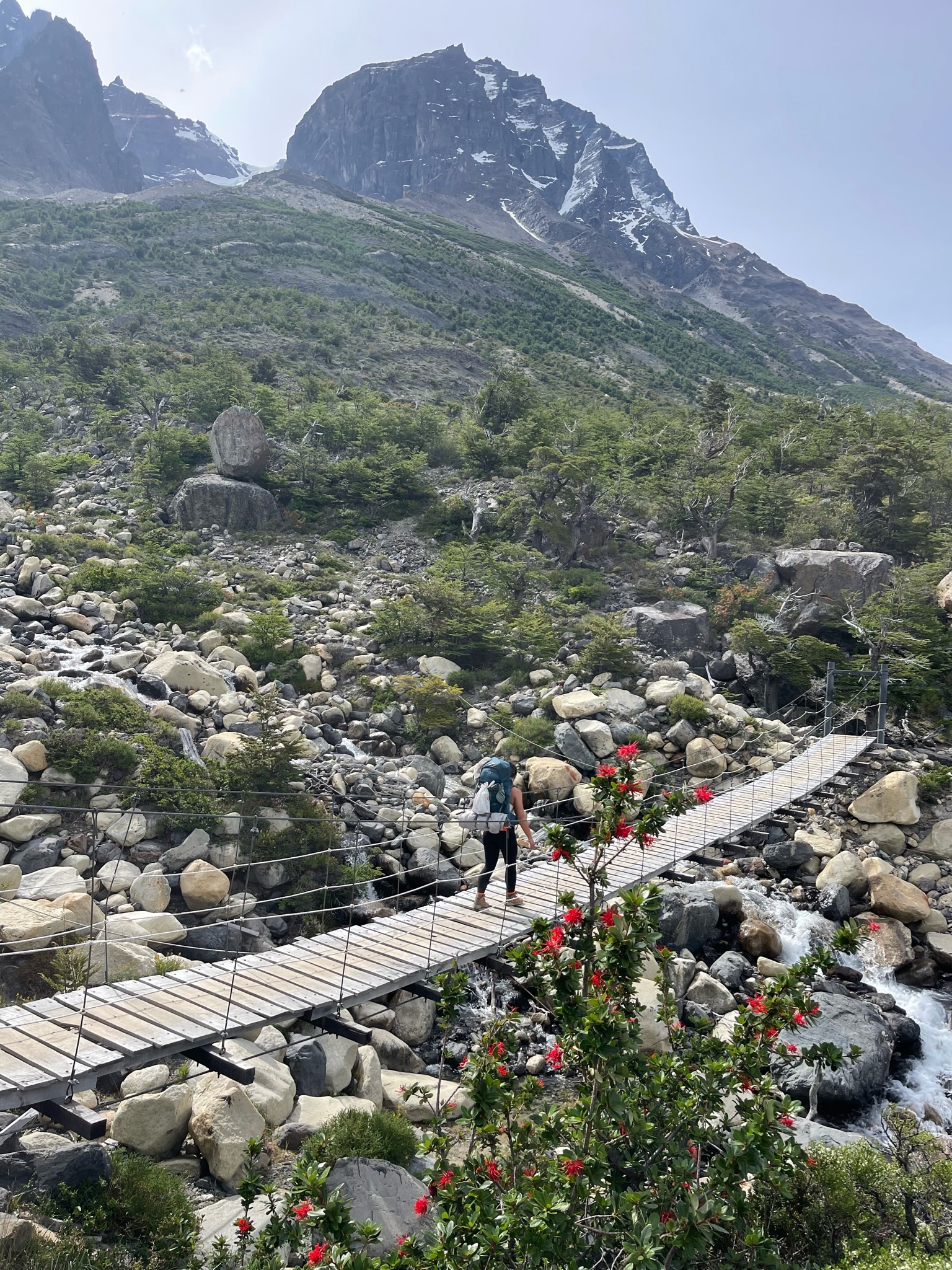
Trekking across suspension bridges was one of my favorite parts of the hike
This is widely considered the most spectacular day of the W-Trek. The hike through Valle del Francés (Frances Valley) takes you deep into a dramatic amphitheater of hanging glaciers, waterfalls, and granite walls. It’s strenuous—expect a significant elevation gain—but the views of the French Massif are absolutely worth every step. You’ll camp at Refugio Frances after the hike.
Insider tip: Start early to maximize your time in the valley and to catch the best light on the peaks.
Day 5: Hike to Refugio Central (9.3 miles)
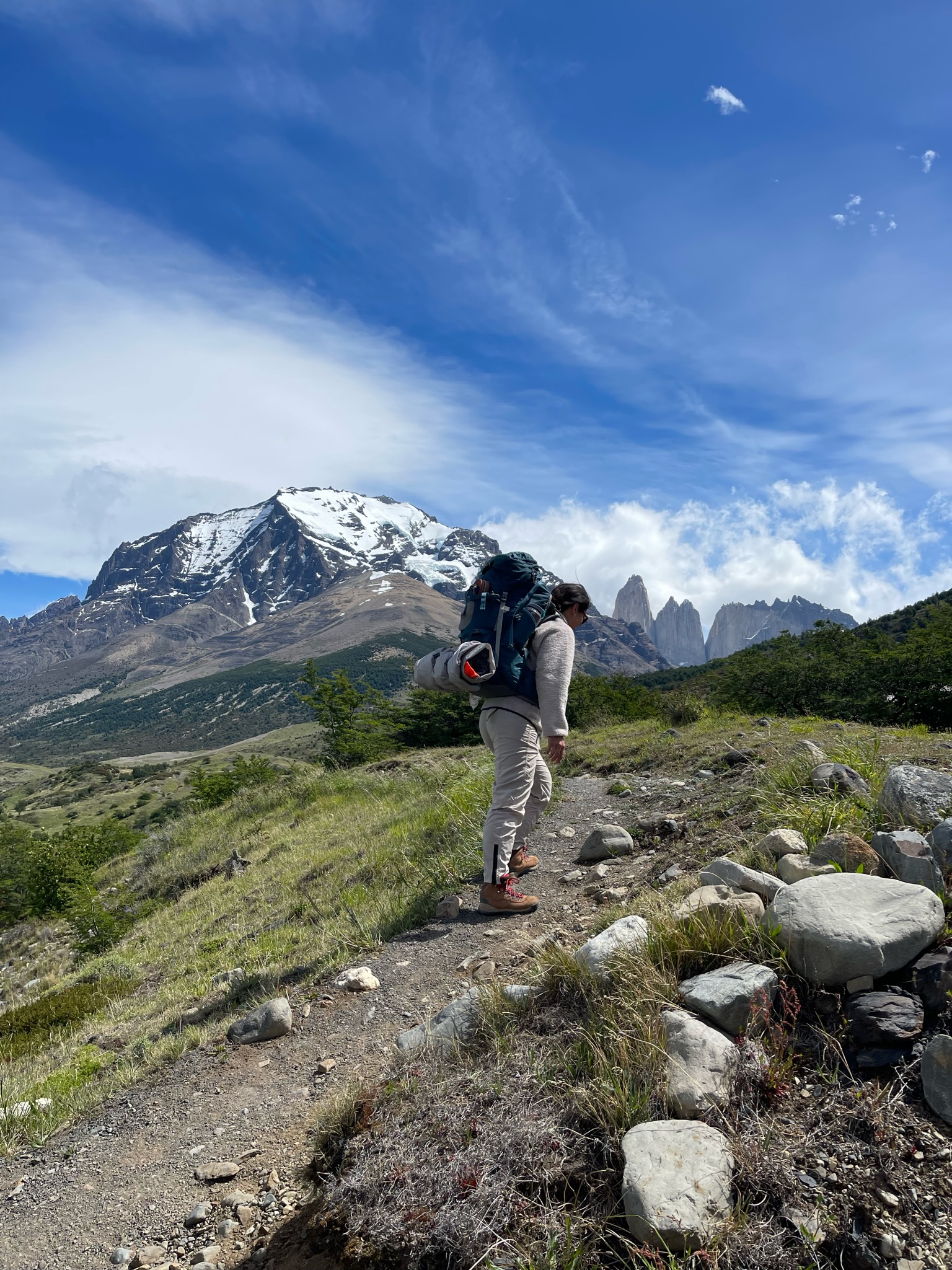
Breathtaking hiking trails with Torres del Paine in the background
Today’s trail takes you onward to the Refugio Central area, connecting the middle section of the “W.” The terrain transitions as you move east, with great views of Lake Nordenskjöld along the way. This is a solid hiking day—a good rhythm-setter before your final push. Check into EcoCamp Patagonia for some well-deserved luxury, sleeping on a bed tonight will feel amazing after the few nights spent in a sleeping bag.
Insider tip: Take your time and enjoy the views; by now your body has (finally) found its trail legs!
Day 6: Rest & recharge at EcoCamp Patagonia (0 miles to be hiked today, yay!)
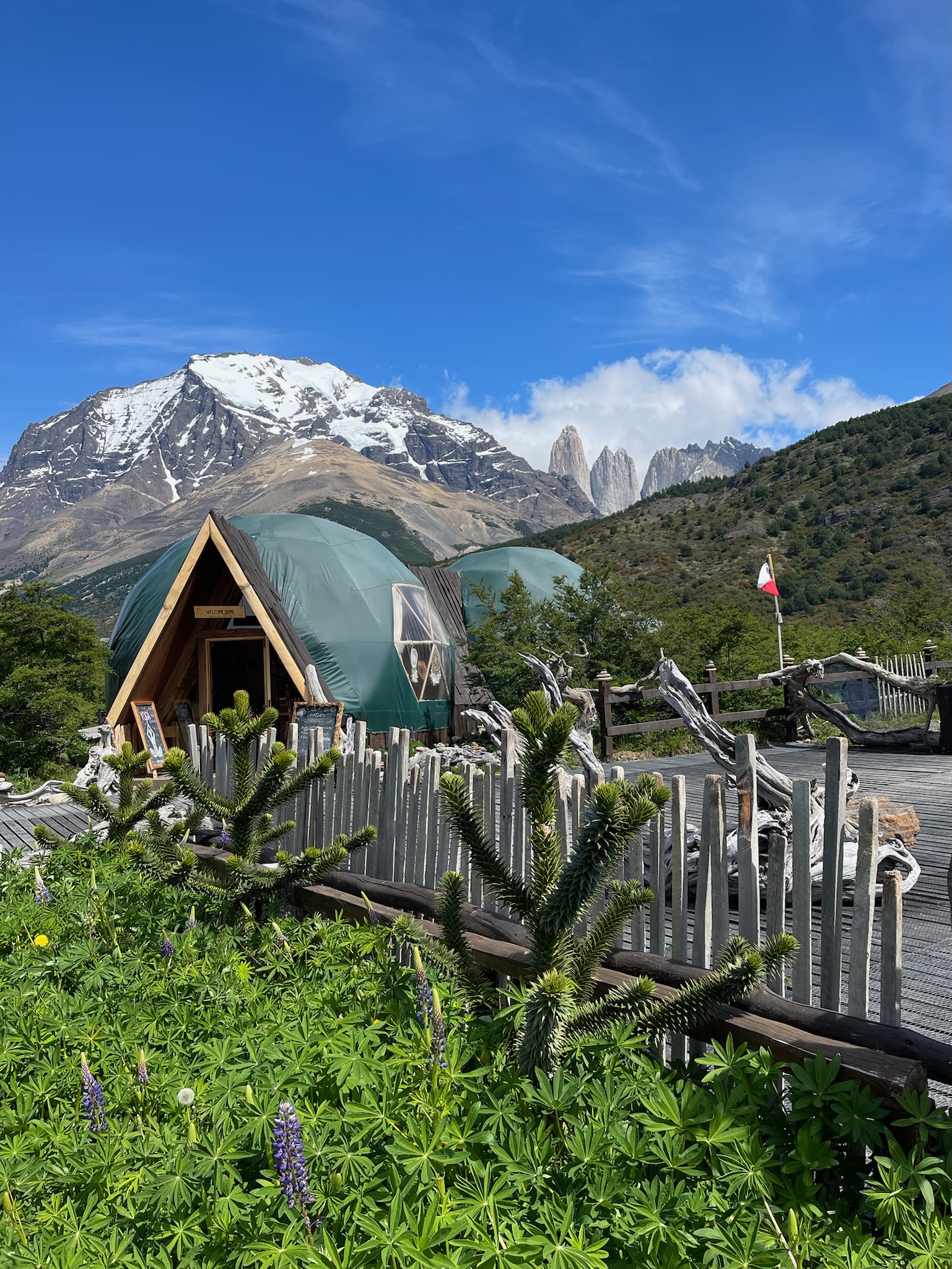
EcoCamp Patagonia, an unforgettable glamping experience
Treat yourself to a well-earned rest day at the incredible EcoCamp Patagonia, a collection of geodesic dome suites nestled in the park. After days of camping, the warm domes, hot showers, and gourmet meals feel like pure luxury. This is the perfect place to reflect on the trek, rest your legs, and prepare for the grand finale.
Insider tip: EcoCamp is a great splurge if you want one night of comfort in the park—book well in advance as it fills up fast.
Day 7: The Torres grand finale, then Departure (11.8 miles)
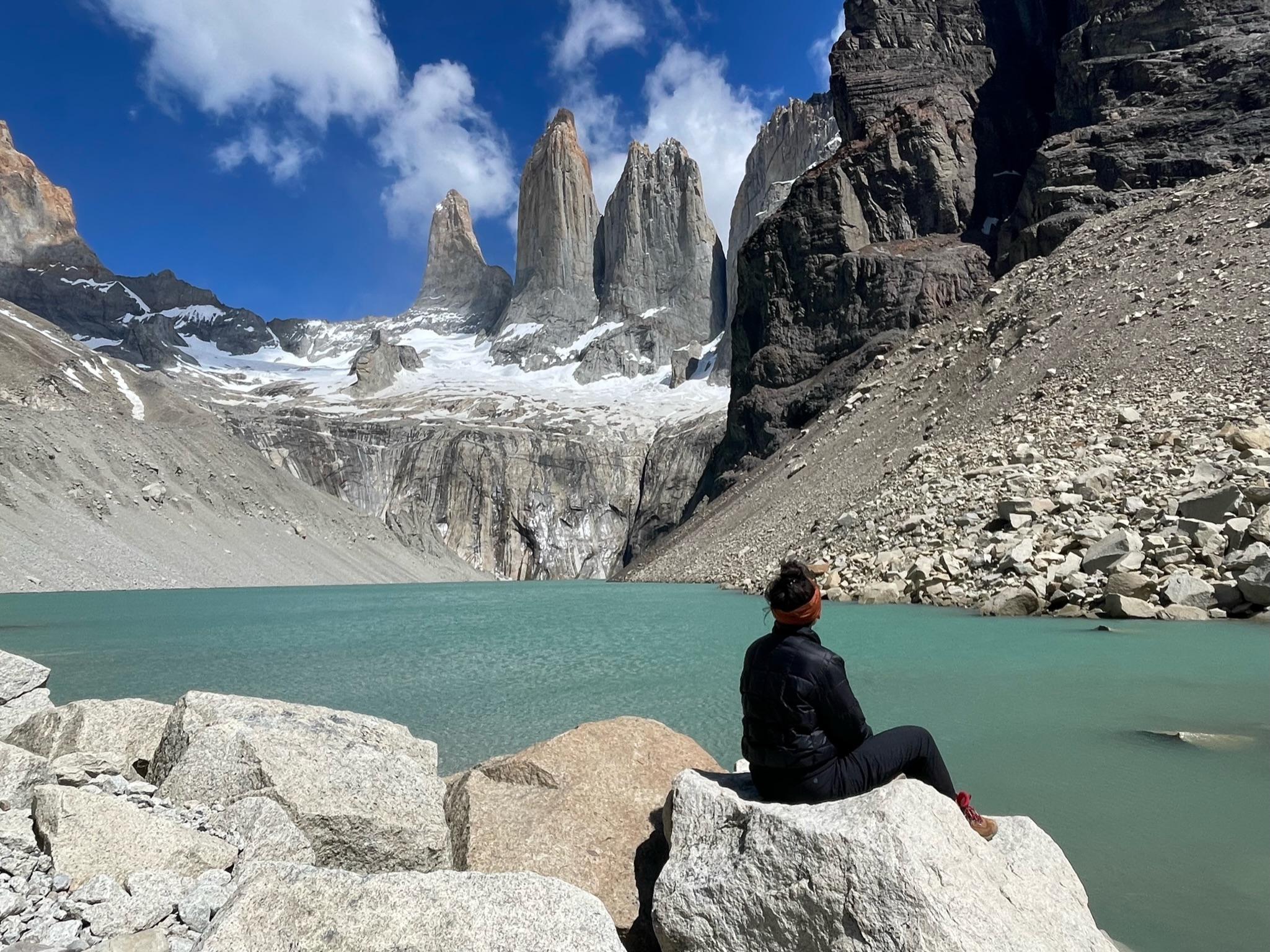
After days of hiking, the best feeling is finally making it up to the beautiful Torres del Paine, sitting and admiring the towers with the Patagonian winds
Rise before dawn for the iconic early morning hike to the base of the Torres del Paine—the three towering granite pillars that give the park its name. We strapped our headlamps on and started the hike at 3 a.m. The pre-sunrise start means you’ll arrive at the Mirador (viewpoint) at first light, when the towers glow golden above the turquoise lagoon below. It’s a bucket-list moment. Afterward, descend, catch the bus back to Puerto Natales, and either head back to EcoCamp Patagonia for another rest day, or continue to Punta Arenas for your departure flights.
Insider tip: The hike to the Torres base is steep and takes 2–3 hours each way. Wear your most comfortable broken-in boots and bring a headlamp for the pre-dawn start. The last part of the trail is incredibly steep, and you’ll be scrambling, so be mentally prepared for that.
Need to know
This itinerary is best suited for fit hikers comfortable with multi-day trekking and carrying a pack. Weather in Patagonia is notoriously unpredictable—be prepared for sun, rain, and high winds all in the same day. One thing that genuinely surprised me: don’t overpack your food! Most refugios have mini-markets stocked with snacks like chips, cookies, and even hot food like pizza and quesadillas. Grey and Paine Grande are the best stocked. Stock up on essentials in Puerto Natales, but know that you have backup options on the trail. The W-Trek can be done independently or with the help of a travel advisor who can handle logistics, transfers, and accommodation bookings in advance, which I highly recommend given how quickly availability fills up during peak season.


Travel Advisor
Kaithlyn Rojas

Kaithlyn Rojas

Get in touch with Kaithlyn Rojas
Did you like this guide? Reach out to customize and book your own experience. Or, just to chat about travel in general.
For more inspiration and insider recommendations, visit our Chile page.