




Curator’s statement
The Azores are one of those rare places that still feels undiscovered—a destination for travelers who value nature, authenticity, and a sense of quiet adventure. If you’re looking for something a little different—somewhere beautiful, active, and still largely under the radar—the Azores are well worth considering.
The Fora Difference
Book with Key Travel Advisors to access exclusive perks and experiences on your trip.

Killer perks
Free upgrades, spa credits and more—we got you

Personalized recs
Customized travel planning for your style

Insider knowledge
Expert advice from people who’ve actually been there
Where to stay in the Azores
Unlock perks by contacting Key Travel Advisors to book your trip.
Things to do in the Azores
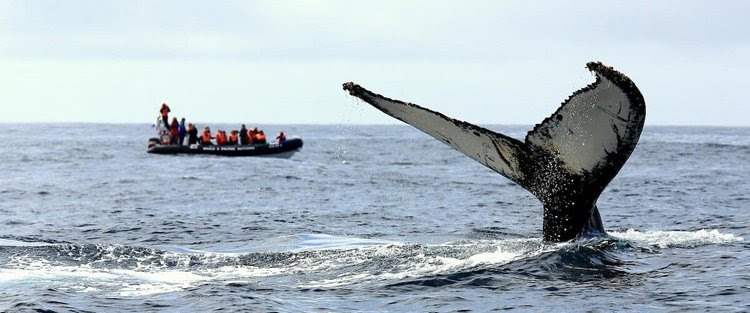
The waters off the Azores are some of the best in the world for whale-watching.
The Azores are ideal for travelers who like to be active—but not rushed. Below are a number of my favorite activities.
Whale- and dolphin-watching
This is one of the few places in the world where deep Atlantic waters sit close to shore, making sightings frequent and remarkably intimate. I often recommend going early in a trip—not just for logistics, but because it sets the tone. Seeing whales in the wild here reinforces just how raw and alive these islands still are.Natural ocean pools and black-sand beaches
Rather than classic resort beaches, the Azores offer volcanic swimming pools carved into lava rock. They’re scenic and deeply local—especially in the late afternoon, when residents stop by for a swim before dinner.Geothermal hot springs
Soaking in warm, mineral-rich water surrounded by dense greenery is one of the most grounding experiences on São Miguel. I like pairing a hot-spring visit with lunch nearby.Hiking crater rims and coastal trails
The hiking here is wonderfully varied: dramatic views one day, gentle coastal walks the next. You don’t need to be an extreme hiker to be rewarded—some of the most memorable views come from trails that are accessible, quiet, and uncrowded.Exploring Ponta Delgada on foot
I encourage clients not to rush through the capital. Ponta Delgada reveals itself slowly— through morning markets, café stops, and evening strolls along the harbor.Seaside villages and local markets
Some of my favorite moments in the Azores happen far from “must-see” lists: lingering in a fishing village café, watching boats come in, or chatting with vendors at a small market. These are the moments that make the islands feel personal, not packaged.For the more adventurous
For travelers craving a bit more adrenaline, the Azores deliver: canyoning through lush ravines, kayaking along volcanic coastlines, surfing Atlantic breaks, or snorkeling in clear waters.
Places to eat & drink in the Azores
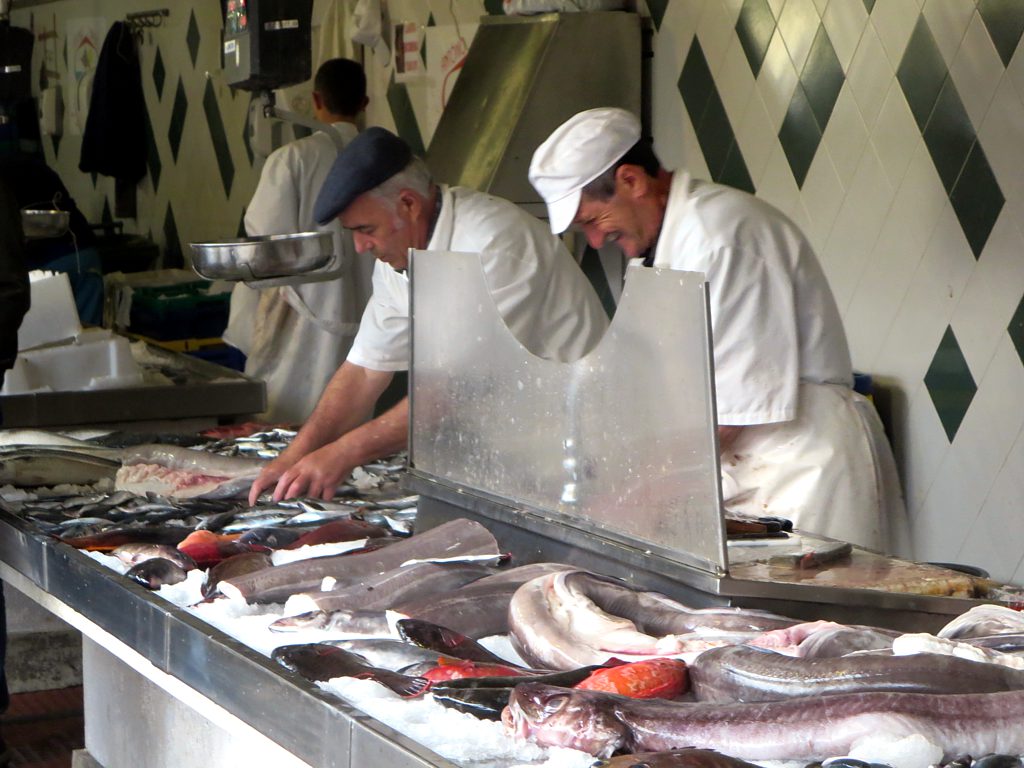
The fish market in São Miguel
Dining in the Azores is rooted in freshness and simplicity, shaped by the islands’ volcanic soil and the waters of the Atlantic. Expect just-caught seafood, grass-fed beef, local cheeses, and fresh produce, often prepared with minimal fuss to let ingredients shine. From casual seaside taverns to refined farm-to-table kitchens, meals feel honest, seasonal, and deeply connected to place.
On São Miguel
Furnas Lake Restaurant: Creative tasting menus with globally inspired dishes and cocktails. With a refined and welcoming dining room, it’s like “being at dining at a dear friend’s elegant home in the forest.” Also, see their snack menus from 3-5 pm.
Poca da Pedra Bar: Known locally as Steve’s Bar, this is the place to enjoy a cocktail as the sun goes down.
Cardume Restaurant: At White Exclusive Suites & Villas, Cardume is an intimate oceanfront restaurant with a fish-forward menu rooted in Azorean tradition. The well-appointed dining room overlooks the Atlantic.
Restaurant Sau Nicolau: A great local spot with generous portions of no-frills dishes: seafood croquettes, fish patties, shrimp pastries, rice, etc.
On Pico
Restaurante Azores Wine Company: Tasting menus and wine pairings from their vineyard and beyond in a beautiful, modern dining room and building. Also see the "snack tasting menu" with wine pairings (!).
Magma: A new-build restaurant with Japanese cedar, polished concrete, and great views across the channel to the mountains of Sao Jorge. Make the most of the views—if the weather’s good, try to snag a table outside on the small balcony. Expect seafood, beef, and typical Azorean cuisine.
Need to know
Most trips to the Azores start on São Miguel, the largest and most developed island, and the gateway to the region. Locals call São Miguel the Hawai'i of Portugal. It’s an excellent introduction—home to crater lakes, natural hot springs, tea plantations, and a vibrant food scene anchored in local seafood, beef, and produce grown in volcanic soil.
Pico, by contrast, feels more elemental. Dominated by Mount Pico—Portugal’s highest peak—the island is known for its lava fields, UNESCO-listed vineyards, and slower pace. It’s a wonderful complement to São Miguel, especially for travelers who enjoy hiking, wine, and a relaxed atmosphere.
Other islands can be added depending on interests and timing. Faial, with its marina and strong sailing culture, pairs well with Pico, while Terceira offers historic towns and cultural traditions that date back centuries. The right combination depends on how active you want to be, and how much variety you want within one trip.


Travel Advisor
Key Travel Advisors


Marc Bush

Get in touch with Key Travel Advisors
Did you like this guide? Reach out to customize and book your own experience. Or, just to chat about travel in general.
For more inspiration and insider recommendations, visit our Azores page.